3 Foods That Make Your Brain Work Remarkably Better

Certain foods are so nutrient dense and have remarkable therapeutic qualities.

Introducing them into your diet can have a profound impact on your brain and overall health. 

Today I’m going to share with you my three of my favourites. 

When I started consuming these regularly, I saw improvements in my physical health, which moved the needle in the right direction towards optimal brain and mental health. 
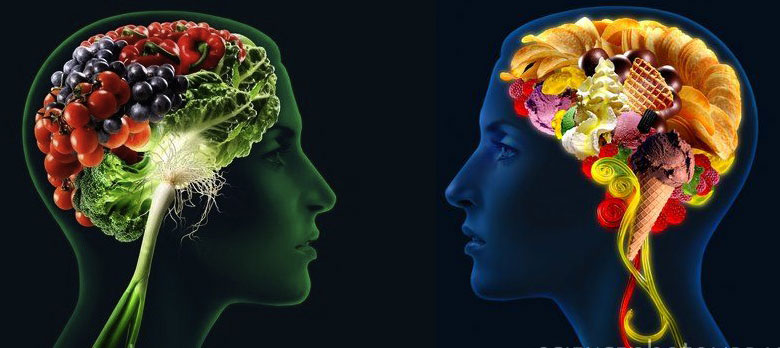
An illustration of two brain - one full of fruits and vegetables, the other full of candy and junk food.

1. Turmeric (Curcumin)

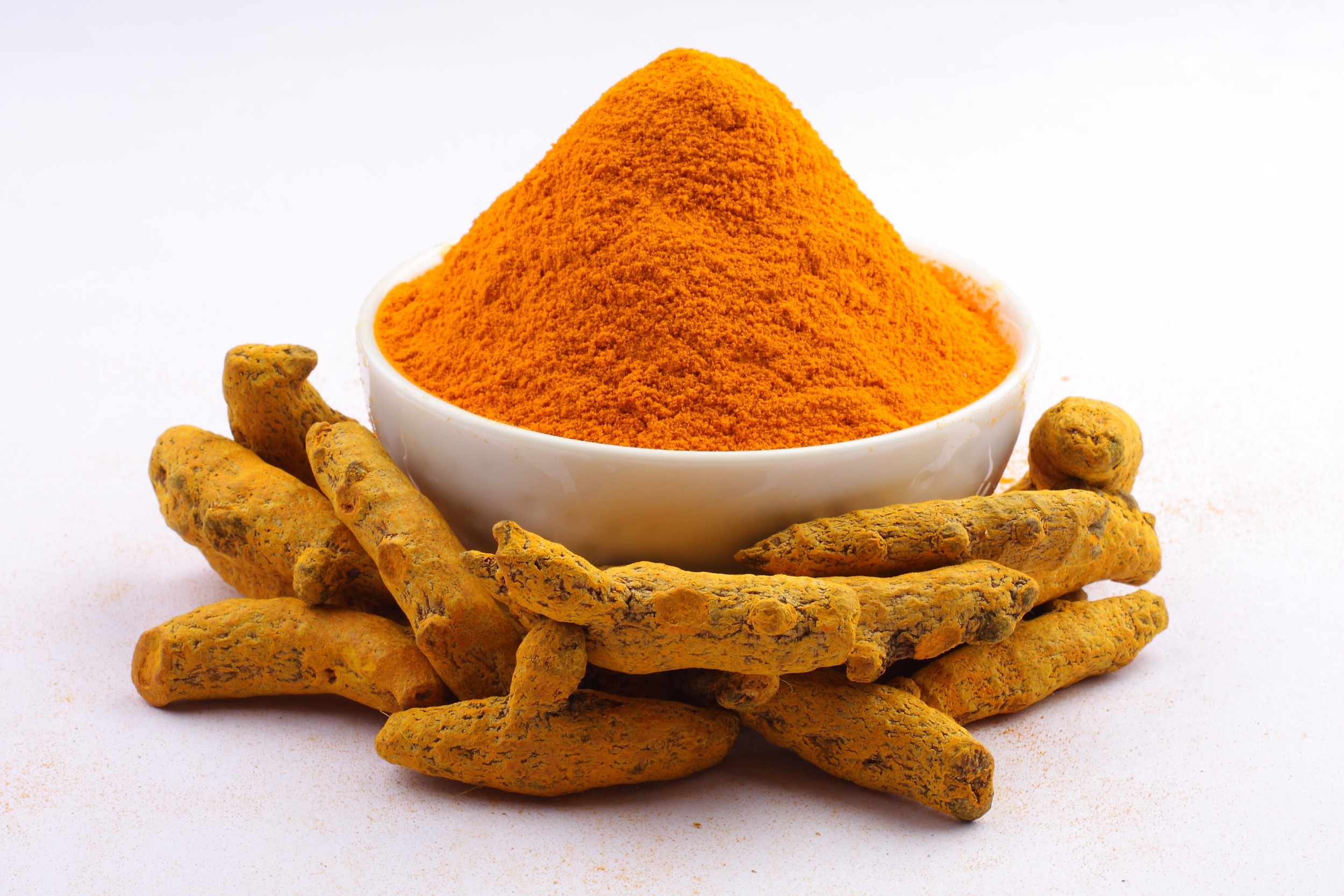
Turmeric – the spice that gives curry its yellow colour – may be one of the most powerful foods. 

For thousands of years, turmeric has been used medicinally in India. And now today, thousands of high-quality scientific studies have been published, looking into the hundreds of active compounds within turmeric that benefit the body and brain (24). 

One of these compounds is curcumin. 

Curcumin is the most heavily researched compound within turmeric.

It’s been shown to have a many medicinal properties, including anti-inflammatory and antioxidant effects.

If you take a high-quality, concentrated source of curcumin, it is able to cross the blood-brain barrier and act as a neuroprotective agent, helping to prevent and treat a wide range of neurological and mental disorders. 
A number of studies show that curcumin is a natural antidepressant, working significantly better than placebo and working just as well as Prozac in the treatment of “several mood-related symptoms” – but without the severe side effects that come along with medication.

Other research shows that curcumin is effective at fighting major depression by reducing stress hormones and increasing serotonin and dopamine, two neurotransmitters in the brain responsible for emotional wellbeing (26-30, 59-62). 

Curcumin has also been shown to help people manage stress and anxiety and overcome trauma. In one study, the curcumin reduced "stress-related depressive symptoms" in animals exposed to chronic stress. In other words, it made them more resilient (31). 

And a ground-breaking 2015 study demonstrated that curcumin can prevent new traumatic memories from being stored in the brain, and can remove “fear memories” already existing in the brain. The researchers suggested that curcumin should be seriously considered as a treatment for post-traumatic stress disorder (32). 

“This suggests that people suffering from post-traumatic stress disorder and other psychological disorders that are characterized by fearful memories may benefit substantially from curcumin.”
— Dr. Glenn Schafe, PhD, Hunter College

Lastly, curcumin powerfully protects the aging brain, improves attention and memory in older individuals, and prevents and delays the development of Alzheimer’s.

In fact, seniors in India who eat turmeric regularly have the lowest rate of rate of Alzheimer’s in the world (33, 34, 58, 66). 
Click here to subscribe

How Can A Spice Possibly Treat Mental Illness?

Almost every chronic disease – including depression, anxiety, PTSD and Alzheimer’s – has been linked to chronic, low-level inflammation. People with clinical depression in particular have been shown to have 30 percent more brain inflammation than the general population (35-38). 

And curcumin has potent anti-inflammatory effects. Many researchers point to this as the main reason why the compound is so beneficial for people suffering from these diseases (39- 45).

“Despite what has been previously believed, depression is not all about brain chemicals such as serotonin. Our findings support consistent research that depression is associated with increased inflammation and oxidative stress and it can be treated with an agent that has anti-inflammatory and antioxidant properties. There is now increasing support for the antidepressant effects of curcumin, with a previous study demonstrating curcumin to be as effective as a pharmaceutical antidepressant for the treatment of depression.”
— Dr. Adrian Lopresti, PhD, Clinical Psychologist and senior researcher at Murdoch University

Curcumin also increases the amount of omega-3 fatty acids in the brain. It does this by increasing enzymes that enhance the synthesis of docosahexaenoic acid (DHA) from its precursor alpha-linolenic acid (ALA) (56). 

And as I’ve discussed before, ALA is usually poorly converted into DHA, and DHA deficiency is linked to several brain and mental health disorders. So taking both krill oil and curcumin can support the fatty acid composition of your brain.

Another possible explanation is that curcumin boosts Brain-Derived Neurotrophic Factor (BDNF), a protein in the brain that increases the growth of new brain cells, and is linked to improved brain function and a lower risk of mental disease. It's been shown that people with depression and Alzheimer’s have reduced levels of BNDF in their brain (46-50, 31). 

Curcumin definitely helped me overcome post-concussion syndrome, and this makes sense considering the research showing that it counteracts cognitive impairment caused by traumatic brain injury. It can also delay and even reverse general deterioration of cognitive function, and may even improve memory and make you smarter (51, 52, 57). 

But before you go and start eating lots of turmeric and curcumin, it’s important to know how to take it and in what form. 


The Best Form of Curcumin For Your Brain

It is difficult to experience the full therapeutic effects of curcumin by simply eating turmeric. This is because the curcumin content of turmeric is low - only about 3% of turmeric is made up of curcumin (52). 

Most of the studies I have referenced use turmeric extracts that contain large amounts of curcumin – more than what you’d be able to consume simply by adding turmeric to your meals. On top of this, curcumin is very inefficient at absorbing into the bloodstream and reaching the brain. Luckily, science and technology has been able to concentrate significant amounts of curcumin into supplement form and increase its bioavailability (54, 55). 

There are several different patented forms of “bioavailable” curcumin and I’ve tried most of them. But I didn’t notice a significant effect from most of them, making me think that they are not actually “bioavailable”, or at the very least, they aren’t able to cross the blood-brain barrier effectively and reach the brain.

But I did notice a difference from this form of curcumin.

Based on my experience and research, it is the most effective form of curcumin for the treatment of brain and mental disorders, as it’s formulated in a way that enables the active ingredients to cross the blood-brain barrier. Other “bioavailable” forms of curcumin will likely still affect the rest of the body, but not the brain.

That’s why I recommend it. It is one of my favourite supplements and since it is a fat soluble, I take it every day with a fatty meal. 

Click here to subscribe

2. Coconut Oil (MCTs and Ketones)

Coconuts are largely made up of saturated fat, and since the 1950s, there has been a war on saturated fat (5). 

As a result, coconut oil has been vilified and blamed for clogging arteries and causing heart disease.

But, as I’ve discussed before, saturated fat is actually harmless. It appears to be “common knowledge” that it's bad for us and should be avoided, but this is a myth that has been disproven over and over (3, 4, 6, 7). 

In fact, when people make coconut a big part of their diet, they have lower rates of heart disease, stroke and other chronic diseases (1, 2, 9). 

And fats, particularly the ones from coconut oil, are crucial for optimal brain and mental health. The brain is 60% fat and the integrity of your brain cell membranes depend on high-quality dietary fat (8). 

“ The low-fat approach to eating hasn’t helped us control weight or become healthier. Detailed research — much of it done at Harvard — shows that the total amount of fat in the diet isn’t really linked with weight or disease.”
— Harvard School of Public Health

I used to eat coconut oil every day. But I actually don’t eat as much anymore because I got sick of its taste. Knowing it was healthy for me, I actually ate way too much that I actually started to despise the taste of coconut.

But coconut oil also contains medium-chain triglycerides (MCT). MCTs are fatty acids of a smaller length that are easily digested in the body, and quickly metabolized into ketones by the liver. Ketones are an alternative source of fuel, which can quickly recharge the brain’s malfunctioning cells and improve cognitive function in susceptible individuals. The ketones that result from supplementing with pure MCT oil readily cross the blood-brain barrier and provides instant energy to brain cells (10, 21). 
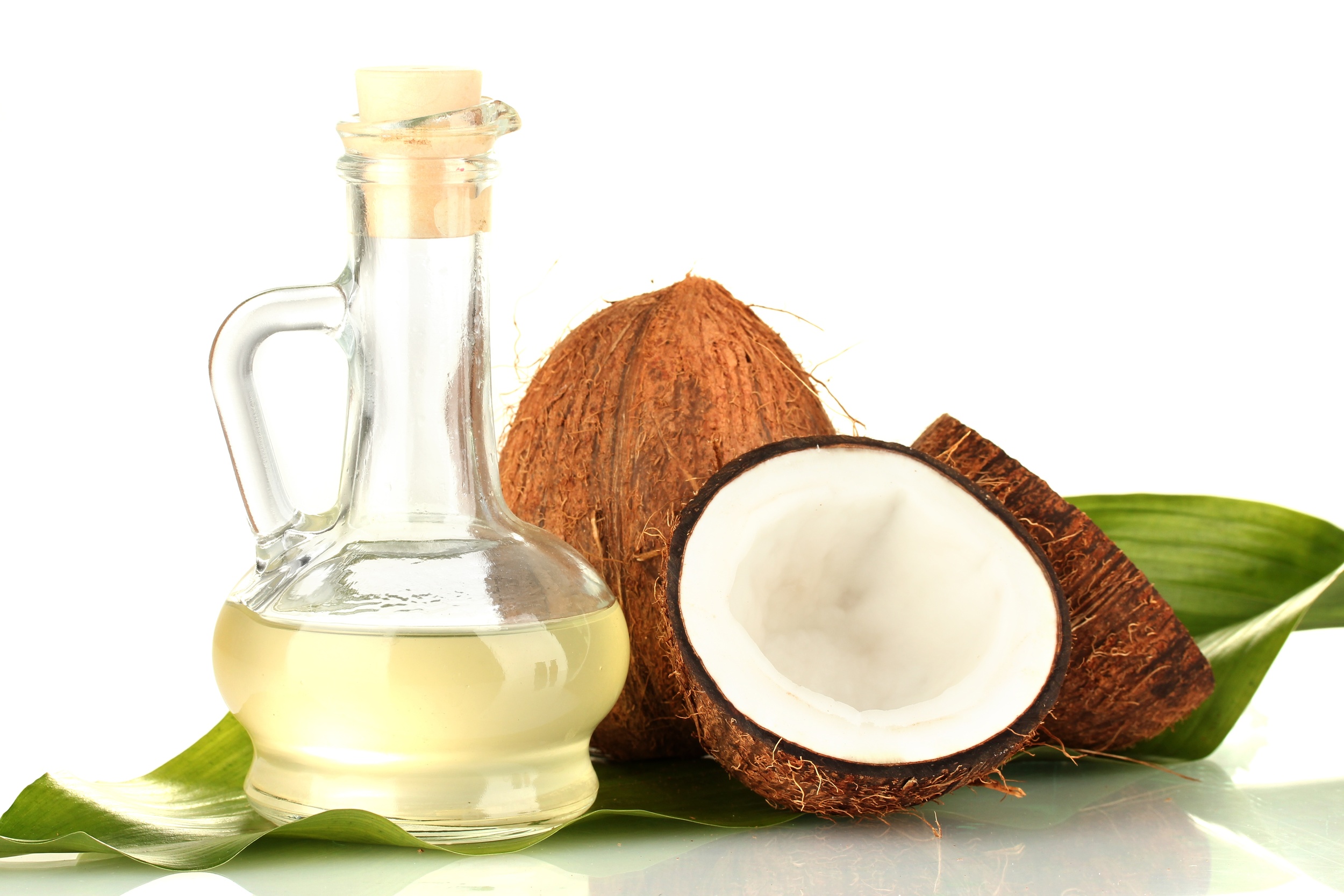
Coconuts and glass of coconut oil.

I used to supplement with 1-2 tablespoons of pure MCT oil every morning.

I now take an exogenous ketone supplement that quickly puts me into a ketogenic state and immediately increases my mental clarity. It works better than coconut oil and MCT oil, and it gives my brain a steady supply of ketones and energy to start my day. 

Research is accumulating in support of ketones, coconut oil and its MCTs. 

Researchers have labelled coconut oil an “anti-stress and antidepressant nutritional oil” after finding that it can reduce stress and depression by increasing antioxidants in the brain (11). 

And high-fat diets and ketones can help slow down aging in the brain by repairing cell damage, which can help treat memory loss, dementia, mild cognitive impairment, Alzheimer’s, Parkinson’s, stroke, epilepsy and traumatic brain injury (12, 16-20). 

And you don’t have to wait days or months to witness the neuroprotective benefits.

One study in the journal Neurobiology of Aging showed significant cognitive and memory improvements within 90 minutes of taking MCT oil (13). 

It’s quite possible that these brain and mental health benefits may stem from ketone production, the MCTs within coconut oil, and/or coconut oil’s anti-inflammatory and antioxidant properties (14, 15). 

Bacteria, viruses, inflammation and our immune system also impact the health of our brains, and lauric acid, one of the saturated fatty acids found in coconut oil, has antibacterial, antiviral, antifungal, and immune-boosting properties (22). 

Caprylic acid, another main fatty acid in coconut oil and MCT oil, improves circulation, has anti-aging properties and can help treat Alzheimer's (23).

And you don’t need to stick with coconut oil.

Coconut milk, water and meat are other ways to get the benefits of coconut and MCT oil. 

Or you can simply take ketones to experience the fastest and most powerful beneficial effects.


3. Organ Meats (Beef Liver)
You’re going to eat my what?

Organ meats are nutritional powerhouses.

Traditional cultures recognized this and have consumed them for thousands of years.

Unfortunately, we hardly we eat them today.

In some traditional cultures, they only ate the organ meats. They threw away muscle meat or gave it to the dogs. And that's obviously the opposite of what we do today. The thought of throwing away a lean piece of steak to your dog seem insane. But muscle meat just isn't as nutritious as the rest of the animal.

And if you look at predatory animals, after they kill their prey, they instinctively start eating the organs first, saving the muscle meat for later.

In one of my favourite books called Deep Nutrition: Why Your Genes Need Traditional Food, Dr. Catherine Shanahan recommends the consumption of organ meats for optimal gene function.

Beef liver in particular is incredibly nutrient dense. It’s nature multivitamin, containing more nutrients, gram for gram, than any other food. It’s actually a superfood. And I don’t like using the word "superfood". But beef liver actually fits the definition of a superfood, especially if it’s coming from grass-fed cows.

We hear over and over that fruits and vegetables are so nutritious. And they are. They should definitely make up a large part of your diet, as they include higher amounts of phytonutrients compared to animal foods. But when it comes to vitamins and minerals, fruit and veggies pale in comparison to organ meats such as liver.

Liver has almost everything in it that you need for optimal brain and mental health (63):

  • An excellent source of high-quality protein and amino acids

  • Omega 3 fatty acids

  • Vitamin C

  • Minerals such as zinc, potassium, magnesium, phosphorous, manganese, iron and chromium, some of which are very important for cognitive function and overall brain health.

  • Fat soluble vitamins A, D, E, K. Liver is the most concentrated source of retinol (preformed vitamin A) found in nature.

  • All of the B vitamins, including choline, B12 and folate, which support methylation, a biochemical process that is very important for robust and vibrant brain and mental health. Liver has 17 times more vitamin B12 than regular ground beef (64).
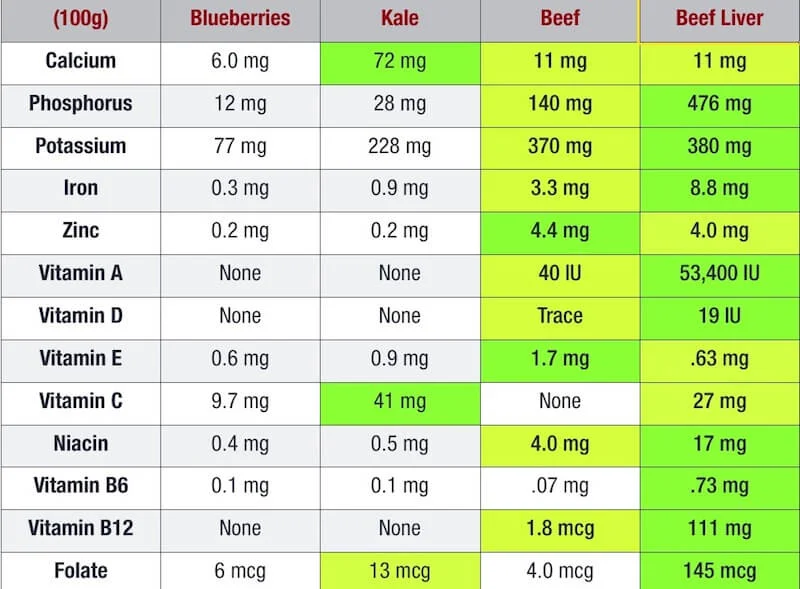
The nutrients found in beef liver.

That’s why I recommend people throw away their multivitamin and eat liver instead. The great thing about organ meats such as liver is that they're much cheaper than muscle meat. So you actually save money by purchasing the healthiest part of the animal.

And if you can’t find high-quality grass-fed liver in your area or don’t like the taste of liver, I recommend raw beef liver powder in capsule form. I can’t stand the taste of liver, so I take 4 capsules every day.

Some people object to eating liver, as they believe the liver filters and stores toxins in the body. But the liver doesn't store toxins. It neutralizes them, and then they are flushed out of the body. Toxins that the body can't eliminate often accumulate in the fat of the animal, not the liver. That's why I recommend eating lean meats if you aren't eating organic, grass-fed meats. You don't really want to be eating the fat (or organs) of sick, conventional animals.

Another objection is that it contains animal fat and cholesterol. But as I've discussed before, saturated fat and cholesterol are not bad for your health. This is a huge myth.

Other than liver, you can also try incorporating other organs into your diet, including beef kidney, tongue, heart and even brain into your diet. 

That's right, brain.

Some traditional cultures believe “like supports like” and eating the organs of a healthy animals supports the organs of the eater. So it’s possible that eating the brains of healthy animals could support the health of your own brain. And this would make sense since cow brain is full of healthy omega-3 fats and B12, which help fight depression, fatigue and cognitive decline. 


Conclusion

Nutrient-based medical treatments used to be the norm.

Unfortunately, the general public is now convinced that pharmaceutical medicine is their only option.

But it’s not.

Food-based interventions work and they helped me get better.

And despite all the research demonstrating the powerful medicinal properties of these foods, the pharmaceutical industry and conventional medicine seem to ignore them. 

They’re found in millions of kitchens around the world, so they lack exclusivity and therefore profitability. 

They threaten the status quo and pharmaceutical industry revenue.  

Unless they can be transformed into patented substances, the pharmaceutical industry doesn’t have a financial incentive to research and promote them to physicians.

Unless an investor is willing to pay millions of dollars upfront to pay for multi-phased, double-blind, randomized control trials, they will never be approved for clinical practice and prescribed by your doctor. 

You don’t have to wait around for all of this to happen.

You can take control of your own brain health and try them yourself:

  • Coconut oil, MCT oil and/or ketones

  • Curcumin

  • Grass-fed beef liver or desiccated liver supplements
 
Click here to subscribe
 

Live Optimally,

Jordan Fallis

Connect with Me

References:

(1) http://ajcn.nutrition.org/content/34/8/1552.short

(2) http://www.ncbi.nlm.nih.gov/pubmed/8450295

(3) http://ajcn.nutrition.org/content/early/2010/01/13/ajcn.2009.27725.abstract

(4) http://www.ncbi.nlm.nih.gov/pubmed/3519928

(5) http://nutritiondata.self.com/facts/fats-and-oils/508/2

(6) http://www.eufic.org/page/en/show/latest-science-news/fftid/Study-no-association-dietary-saturated-fats-cardiovascular-disease-risk/

(7) http://www.ajcn.org/cgi/content/abstract/ajcn.2009.27725v1

(8) http://www.ncbi.nlm.nih.gov/pubmed/20329590

(9) http://ajcn.nutrition.org/content/early/2010/01/13/ajcn.2009.27725.abstract

(10) http://www.ncbi.nlm.nih.gov/pmc/articles/PMC2604900/

(11) http://www.ncbi.nlm.nih.gov/pmc/articles/PMC4247320/

(12) http://www.sciencedaily.com/releases/2014/11/141105112614.htm

(13) http://www.ncbi.nlm.nih.gov/pubmed/15123336

(14) http://www.ncbi.nlm.nih.gov/pubmed/24613207                             

(15) http://www.ncbi.nlm.nih.gov/pubmed/20645831

(16) http://wwwhttp://www.ncbi.nlm.nih.gov/pmc/articles/PMC2367001/ncbi.nlm.nih.gov/pmc/articles/PMC2367001/

(17) http://www.ncbi.nlm.nih.gov/pubmed/24150106

(18) http://www.scienchttp://www.sciencedirect.com/science/article/pii/S1933721308000937direct.com/science/article/pii/S1933721308000937

(19) http://www.biomedcentral.com/content/pdf/1743-7075-6-31.pdf

(20) http://www.sciencedirect.com/science/article/pii/S1474442208700929

(21) http://www.nutritionjrnl.com/article/S0899-9007(12)00365-6/abstract

(22) http://www.ncbi.nlm.nih.gov/pmc/articles/PMC444260/pdf/aac00361-0029.pdf

(23) http://www.ncbi.nlm.nih.gov/pubmed/21830350

(24) http://www.ncbi.nlm.nih.gov/pmc/articles/PMC3633300/

(25) http://www.ncbi.nlm.nih.gov/pubmed/23832433

(26) http://www.ncbi.nlm.nih.gov/pubmed/23832433

(27) http://link.springer.com/article/10.1007/s00213-008-1300-y

(28) http://www.sciencedirect.com/science/article/pii/S0014299905006230

(29) http://www.ncbi.nlm.nih.gov/pubmed/19882093

(30) http://www.jad-journal.com/article/S0165-0327(14)00362-0/abstract                                

(31) http://www.sciencedirect.com/science/article/pii/S0006899306027144

(32) http://www.ncbi.nlm.nih.gov/pubmed/25430781

(33) http://www.annalsofia

(34) http://www.drweil.com/drw/u/ART03064/Alzheimers-Disease.html

(35) http://www.ncbi.nlm.nih.gov/pubmed/12490960

(36) http://www.ncbi.nlm.nih.gov/pubmed/12490959

(37) http://www.jci.org/articles/view/57132

(38) http://www.sciencedaily.com/releases/2015/01/150128113824.htm

(39) http://www.ncbi.nlm.nih.gov/pubmed/19594223

(40) http://www.jbc.org/content/270/42/24995.full

(41) http://www.ncbi.nlm.nih.gov/pubmed/17885582

(42) http://www.ncbi.nlm.nih.gov/pubmed/12676044

(43) http://www.sciencedirect.com/science/article/pii/S0304383501006553

(44) http://www.sciencedirect.com/science/article/pii/S1357272508002550

(45) http://www.ncbi.nlm.nih.gov/pubmed/15489888

(46) http://www.hindawi.com/journals/tswj/2009/624894/abs/

(47) http://www.ncbi.nlm.nih.gov/pmc/articles/PMC2504526/

(48) http://www.sciencedirect.com/science/article/pii/S0006322303001811

(49) http://www.sciencedirect.com/science/article/pii/0896627391902733

(50) http://www.sciencedirect.com/science/article/pii/S0166432812006997

(51) http://journals.plos.org/plosone/article?id=10.1371/journal.pone.0031211

(52) http://link.springer.com/article/10.1007%2Fs10522-013-9422-y

(53) http://www.ncbi.nlm.nih.gov/pubmed/17044766

(54) http://www.ncbi.nlm.nih.gov/pmc/articles/PMC3918523/

(55) http://www.ncbi.nlm.nih.gov/pmc/articles/PMC3918227/

(56) http://www.ncbi.nlm.nih.gov/pubmed/25550171

(57) http://www.ncbi.nlm.nih.gov/pubmed/16364299

(58) http://www.ncbi.nlm.nih.gov/pubmed/25277322

(59) http://www.ncbi.nlm.nih.gov/pubmed?term=curcumin%205-ht2c

(60) http://www.ncbi.nlm.nih.gov/pubmed/17022948

(61) http://www.ncbi.nlm.nih.gov/pubmed/26610378

(62) http://www.ncbi.nlm.nih.gov/pubmed/16171853

(63) http://nutritiondata.self.com/facts/beef-products/3469/2 

(64) https://ndb.nal.usda.gov/ndb/search/list

(65) http://www.ncbi.nlm.nih.gov/pmc/articles/PMC2781139/

(66) http://www.ncbi.nlm.nih.gov/pmc/articles/PMC2929771/

Terms and Conditions

Privacy Policy

Affiliate Disclosure

Disclaimer

5 Ways to Increase Your Good Gut Bacteria For A Healthier Brain

Picture of Hippocrates with his quote “All Disease Begins in the Gut!”

My brain totally broke in 2010 and I felt like I had developed ADHD, depression, and dementia all at once. By scouring the literature, interviewing and consulting with doctors and researchers, and experimenting with my own body and mind, I finally came to understand that it wasn’t just one thing that had caused my brain and body to break, but the accumulation of many things. 

One of my main problems: I had an imbalance of healthy and unhealthy bacteria in my digestive system. 

There are approximately 100 trillion microorganisms and 500 known bacterial species living in our guts. That means there is 10 times more bacteria cells in our bodies than human cells and over 90% of our cells are non-human. Simply put, we are more bacterial than we are human (1, 2).

Gut bacteria affect our nervous, hormonal and immune systems and play a key role in countless bodily functions, including the digestion of food and production of vitamins. So not surprisingly, the makeup of these bacteria in our system can affect how we feel physically and mentally. 

But our modern lifestyle isn’t good for our gut bacteria. Stress, bad diet and medications can reduce probiotic (good) bacteria and increase bad bacteria in our digestive tract. A lot of people today have out-of-balance and dysregulated gut bacteria. So if we want to regain optimal brain health, it’s critical to restore and support the “good germs” in our gut.

In this post, I’ll show you how to increase your good bacteria and reduce your bad bacteria like I did, so that you’ll improve the health of your brain and experience more mental resilience. 

Image of the gut and the brain - Can this influence this?

What the Cutting-Edge Research Says: You Need Healthy Gut Bacteria to Have a Healthy Brain

Impressive new research shows that there is a connection between our brain and our digestive tract, and that the bacteria in our gut can have a profound influence on our behaviour, thoughts and mood.

There’s evidence that healthy gut bacteria produce and regulate the amount of neurotransmitters in the brain (such as serotonin, dopamine and GABA), which can affect mood, pain and cognition (50-52). 

Dr. Stephen Collins, a gastroenterology researcher at McMaster University, has done a lot of research in the field and discovered that unhealthy gut bacteria play a key role in causing abnormal behaviour (including anxiety and depression), while certain strains of good bacteria can reduce stress hormones and anxious behavior. 

In one study, Collins took the gut bacteria of mice that were prone to anxious behaviour and transplanted it into calm mice. After the transplant, the calm mice started acting nervously. He has also seen the same results with humans (28 – 35). 

“It’s increasingly clear that our gut bacteria, or microbiota, can communicate with the human brain.”
— Dr. Kathy Magnusson, PhD, Oregan State University

Studies by Dr. John Cryan, a neuropharmacologist and microbiome expert at the University College Cork, shows that gut bacteria can alter brain chemistry.  

He found that after eliminating their good bacteria, mice act in ways that mimic human anxiety, depression and autism. And in one of his studies, two strains of bacteria were more effective than an antidepressant at treating anxiety and depression (36 – 42). 

Lastly, research has found that mice with autistic-like behaviour have much lower levels of a common type of bacteria called “Bacteroides Fragilis” than normal mice. They were stressed, antisocial, and had the same digestive problems often found in autism. And when they were fed “Bacteroides Fragilis”, there was a reversal in their autistic symptoms. They became less anxious, communicated more effectively, and showed less repetitive behavior (43, 44). 

This is just the tip of the iceberg. A growing number of scientists and practitioners around the world are researching and speaking out about this, explaining that the gut-brain connection can be hacked to treat psychiatric disorders. 

So without further ado, here are five powerful ways to nurture your good bacteria and eliminate the bad bacteria in your gut. By following these steps, you’ll feel stronger both mentally and physically.  

Click here to subscribe

1. Take A High-Quality Probiotic

Simply increasing the amount of beneficial bacteria in your gut through probiotic supplementation might be one of the most powerful things you can do for your brain and mental health. 

Probiotic supplements add good germs to your digestive system, and providing your body with a diverse array of friendly bacteria can significantly reduce your susceptibility to the negative effects of stress. Researchers have found that mice are less anxious when they are fed probiotics, and numerous studies have shown that humans experience less stress, anxiety, rumination, hostility, depression and aggression when supplementing with probiotics (3, 4, 5, 6, 7, 8, 9, 10). 

Researchers are starting to uncover how probiotics work to support the brain. One study showed that probiotics can help you naturally produce more GABA, a relaxing amino acid and neurotransmitter. Amazingly, this same study showed that probiotics not only help your body produce more GABA, but they enhance the sensitivity of the GABA receptors in your brain, making you more susceptible to calming effects of your natural GABA production (8, 53). On the other hand, if you go to the doctor for anxiety, you’ll likely receive anti-anxiety medication, which works by activating GABA receptors in the brain. 

Other species of probiotics have demonstrated an ability to reduce stress hormones and increase tryptophan, serotonin and omega-3 fatty acids in the brain, all of which play a role in proper mood and cognition (54, 55). So it’s critical to keep your insides flourishing with a healthy colony of good bacteria.

“These bacteria could eventually be used the way we now use Prozac or Valium. I think these microbes will have a real effect on how we treat these disorders. This is a whole new way to modulate brain function.”
— Dr. John F. Cryan, PhD, University College Cork

I’ve tried a number of different probiotics over the years. Some have helped me somewhat, while others haven’t helped me at all and even made me feel worse.

I’ve now created my own probiotic supplement, called Optimal Biotics.

I created it because I want to give my clients and readers the very best probiotic supplement so that they can experience superior results.

I have found that many probiotic supplements on the market fall short and even cause side effects.

But Optimal Biotics doesn't, and it contains the 8 most well-researched and beneficial probiotic strains.


2. Avoid antibiotics (unless absolutely necessary)

Seven years ago, I went to the doctor because my asthma was getting significantly worse. A lot of inflammation and phlegm was building up in my lungs. It felt like I was breathing through a straw all of the time. 

The doctor incorrectly assumed I had a bacterial infection (I actually had gluten and dairy allergies), so he gave me a course of antibiotics. And then another course. And then another. They did anything. 

Broad-spectrum antibiotics don’t differentiate between good and bad bacteria. These drugs not only kill bad bacteria, but they destroy good bacteria too. By the time I was done all three courses of antibiotics, a lot of the good bacteria in my gut was completely wiped out. And not only did my asthma get worse (and my body less able to handle the gluten and dairy I was eating), but my mental health deteriorated as well. 

Moral of the story: Antibiotics can save lives, but they can also destroy your health if they aren’t completely necessary. Yet many conventional doctors hand them out like candy on Halloween. 

“In most cases, those who suffer from mental health disorders like depression and schizophrenia, and from developmental disorders like autism, something has harmed the beneficial bacteria in their gut, sometimes before birth and sometimes later on in life.”
— Dr. Natasha Campbell-McBride, MD, Author of the Gut and Psychology Syndrome Diet

Studies show that antibiotic use can lead to profound changes and rapid loss of diversity in the composition of the gut bacteria and this can lead to other chronic health complications. American children are typically prescribed one course of antibiotics every year, and excessive and inappropriate use can cause serious long-term consequences without probiotic intervention. For example, antibiotics used to treat acne are associated with the development of inflammatory bowel disease (12, 13, 16, 17). 

An article published in Nature highlights the negative long-term consequences of antibiotic over-prescription. It points out that antibiotics cause significant and possibly permanent changes in gut bacteria, and infants delivered via caesarean section and/or by a mother given antibiotics during pregnancy significantly will have an insufficient level of good bacteria (14, 15). 

I don’t want to suggest that antibiotics are absolutely terrible and we should always avoid them. But they are excessively and inappropriately prescribed and their benefits come at a cost. You should be aware of this so you can make an informed choice. If you do decide to take antibiotics, make sure you take probiotics afterwards. 

Click here to subscribe

3. Feed the good guys with prebiotics and resistant starch

The existing probiotics in our gut need to be nourished and supported, and this can be done by eating or supplementing with prebiotics. 

Prebiotics are substances that humans can't digest, so they pass through our gastrointestinal tract and promote the growth of many different strains of good bacteria in our lower bowel. They are essentially food for the good bacteria in our intestines. 

Dr. Phil Burnet, a neurobiologist at Oxford University, published a paper in 2015 showing that people who ingested prebiotics have lower levels of cortisol, a key stress hormone, and focused more on positive feedback and less on negative stimuli. He said the results were very similar to when people take anti-depressants and anti-anxiety medication, but without the side effects.

Other research by Burnet shows that prebiotics support overall brain health in humans and foster the growth of probiotics in mice, which leads to increased levels of several neurotransmitters that reduced anxiety-like behaviour (19, 20, 21, 22). 

Prebiotic-rich foods include sweet potatoes, carrots, onions, asparagus and squash. These foods are included in my free grocery shopping guide for optimal brain health and you should be eating them regularly. If you feed the good bacteria, you will feel healthier physically and mentally.

Resistant starch is one of the most potent ways to boost your prebiotic intake, and it’s been shown to help prevent and manage chronic disease (18). 

A convenient way to incorporate more resistant starch into your diet is by using Unmodified Potato Starch. I’ve tried and recommend it. It's one of the easiest and cheapest ways to incorporate more resistant starch into your diet. It is bland so you can simply add it to beverages, smoothies and meals. It has to stay raw though, so don’t cook it. 

Other high-quality resistant starches that I’ve tried include banana flour, plantain flour and waxy maize. I usually rotate between them.

Image of candy in a bowl and candy in an injectable needle

4. Don't feed the bad guys with sugar

Avoiding sugar is a critical aspect of preventing and treating brain and mental health challenges. Not only does high sugar consumption increase inflammation, but sugar is fuel for bad bacteria. Significantly limiting your sugar intake will starve the bad bacteria and allow the probiotic bacteria in your gut to thrive. 

Diets high in sugar cause negative changes in gut bacteria that impair “cognitive flexibility”, which is the ability to adapt to changing situations. Sugar can also impair short and long-term memory (23). 

In his book The Sugar Blues, William Duffy argues that sugar is an addictive drug and eliminating it can have a profoundly beneficial impact on mental health. For some people, cutting out refined sugar may be all they need to do to overcome their depression and other mental health challenges. 

When I first cut out sugar several years ago, I actually went through withdrawal. I was incredibly tired, had increased anxiety and depression, and was sweating profusely at work. This makes sense in light of the research showing that people who drink more sweetened beverages are more likely to suffer from depression (24). My boss at the time thought I was sick, so he actually sent me home for the day. Eventually, I overcame the withdrawal and my mood and energy improved significantly. 

So radically reducing your sugar intake will support your gut bacteria, brain chemistry and overall health. 


5. Eat whole, probiotic-rich foods

Overall, you should also be eating a wide-variety of whole foods to support your gut health. Eating a standard Western diet for just one day can dramatically change your gut bacteria in a bad way, while eating lots of whole foods increases the diversity of good bacteria (45, 46, 47). 

Bowl of fermented vegetables

If you haven’t already, grab my Free Grocery Shopping Guide for Optimal Brain Health for a full-list of healthy whole foods. 

And probiotics don’t just need to come in supplement form. You can also experiment with incorporating probiotic foods into your diet. Fermented foods include sauerkraut, kimchi, kombucha, natto and pickled cucumbers. The probiotic bacteria in these foods cause their fermentation. If you can tolerate dairy, foods like kefir and yogurt (unsweetened) are also high in nourishing bacteria. 

By eating them, you’re promoting the proliferation of good bacteria in your gut, which will then support your brain. One study suggests that young adults experience less social anxiety if they eat fermented food, and another study shows that yogurt eaters experience positive changes in brain function that cause them to react more calmly to visual stimuli (25, 26).

“This was not what we expected, that eating a yogurt twice a day for a few weeks would do something to your brain.”
— Dr. Emeran Mayer, MD, Psychiatrist at UCLA

Probiotic foods tend to have a broad combination of bacteria too – more than what can be found in typical probiotic supplements. And people have been fermenting food for more than 8,000 years, yet most of us stopped after the invention of the refrigerator, which may explain the decreased diversity of good bacteria in our digestive tracts today. 


Conclusion

Promoting the growth of beneficial bacteria through positive lifestyle choices can make our brains feel great and function optimally. Too much bad bacteria can make you feel mentally weak, tired and ill, and you may even see changes in your personality. I know I did.  

Bacteria have lived inside humans for hundreds of thousands of years and therefore have lots of experience modifying our brains. They are more precise and subtle than pharmaceuticals, meaning means fewer side effects. As a result, changing the composition of our gut bacteria through lifestyle and dietary interventions is emerging as a very effective and practical way to treat anxiety, depression, autism and other mental health disorders (27, 48, 49).

So in conclusion, support and feed the good bacteria with:

And starve and fight off the bad bacteria in your gut by avoiding:

  • Sugar

  • Antibiotics

By taking these steps, your gut, body and brain will become stronger and more resilient over time.

Let me know what you think in the comments.

 
Click here to subscribe

Live Optimally,

Jordan Fallis

Connect with me

References:

(1) http://gutpathogens.biomedcentral.com/articles/10.1186/1757-4749-3-1

(2) https://www.sciencedaily.com/releases/2015/04/150414083718.htm

(3) http://gutpathogens.biomedcentral.com/articles/10.1186/1757-4749-3-1

(4) https://www.sciencedaily.com/releases/2015/04/150414083718.htm

(5) http://www.ncbi.nlm.nih.gov/pmc/articles/PMC3179073/

(6) http://www.ncbi.nlm.nih.gov/pubmed/25449699

(7) http://www.ncbi.nlm.nih.gov/pubmed/25862297

(8) http://www.ncbi.nlm.nih.gov/pubmed/21876150

 (9) http://www.ncbi.nlm.nih.gov/pubmed/20974015

(10) http://www.ncbi.nlmhttp://www.ncbi.nlm.nih.gov/pubmed/16117982nih.gov/pubmed/16117982

(11) http://www.ncbi.nlm.nih.gov/pubmed/17692729

(12) http://www.nature.com/ajg/journal/v105/n12/full/ajg2010303a.html

(13) http://www.pnas.org/content/108/Supplement_1/4554.full.pdf#page=1&view=FitH

(14) http://www.nature.com/nature/journal/v476/n7361/full/476393a.html

(15) http://www.nature.com/nrmicro/journal/v7/n12/full/nrmicro2245.html

(16) http://jac.oxfordjournals.org/content/15/3/319.abstract

(17) http://www.ncbi.nlm.nih.gov/pubmed/19018661

(18) http://www.ncbi.nlm.nih.gov/pubmed/24228189

(19) http://www.ncbi.nlm.nih.gov/pmc/articles/PMC4410136/

(20) http://www.ncbi.nlm.nih.gov/pubmed/26476141

(21) http://www.ncbi.nlm.nih.gov/pubmed/24144322

(22) http://www.ncbi.nlm.nih.gov/pmc/articles/PMC3858812/

(23) https://ir.library.oregonstate.edu/xmlui/bitstream/handle/1957/55795/MagnussonKathyBiomedicalSciencesRelationshipsBetweenDietRelatedChanges.pdf?sequence=1

(24) http://www.ncbi.nlm.nih.gov/pmc/articles/PMC3990543/

(25) http://www.sciencedaily.com/releases/2015/06/150609092803.htm

(26) http://www.ncbi.nlm.nih.gov/pmc/articles/PMC3839572/

(27) http://www.ncbi.nlm.nih.gov/pubmed/25415497

(28) https://www.sciencedaily.com/releases/2015/07/150728110734.htm

(29) http://www.ncbi.nlm.nih.gov/pubmed/23845749

(30) http://www.ncbi.nlm.nih.gov/pubmed/24997039

(31) http://www.ncbi.nlm.nih.gov/pmc/articles/PMC3181531/

(32) http://www.nature.com/ncomms/2015/150728/ncomms8735/full/ncomms8735.html

(33) http://www.ncbi.nlm.nih.gov/pubmed/21988661

(34) http://www.ncbi.nlm.nih.gov/pubmed/20600016

(35) http://www.ncbi.nlm.nih.gov/pubmed/21683077

(36) http://www.ncbi.nlm.nih.gov/pubmed/25251188

(37) http://www.ncbi.nlm.nih.gov/pubmed/20696216

(38) http://www.pnas.org/content/108/38/16050

(39) http://www.ncbi.nlm.nih.gov/pubmed/22968153

(40) http://www.ncbi.nlm.nih.gov/pubmed/21303428

(41) http:/http://www.ncbi.nlm.nih.gov/pubmed/22483040www.ncbi.nlm.nih.gov/pubmed/22483040

(42) http://www.ncbi.nlm.nih.gov/pubmed/26372511

(43) http://www.ncbi.nlm.nih.gov/pmc/articles/PMC3897394/

(44) http://www.ncbi.nlm.nih.gov/pubmed/24315484?dopt=Abstract&holding=npg

(45) http://stm.sciencemag.org/content/1/6/6ra14.long

(46) http://www.nature.com/nature/journal/v518/n7540_supp/full/518S14a.html

(47) http://www.ncbi.nlm.nih.gov/pubmed/24939238

(48) http://www.nature.com/nrn/journal/v13/n10/full/nrn3346.html

(49) http://onlinelibrary.wiley.com/doi/10.1111/gbb.12109/abstract;jsessionid=F9A259194D111B1544816067055A05B7.f04t02

(50) http://journals.plos.org/plospathogens/article?id=10.1371/journal.ppat.1003726

(51) http://www.sciencedirect.com/science/article/pii/S0166432814004768

(52) http://www.pnas.org/content/108/38/16050.long

(53) http://www.ncbi.nlm.nih.gov/pubmed/22612585?dopt=Abstract&holding=npg

(54) https://www.ncbi.nlm.nih.gov/pubmed/23686721

(55) https://www.ncbi.nlm.nih.gov/pubmed/23686721

Terms and Conditions

Privacy Policy

Affiliate Disclosure

Disclaimer

The Remarkable Antioxidant That Can Help Treat 6 Mental Illnesses

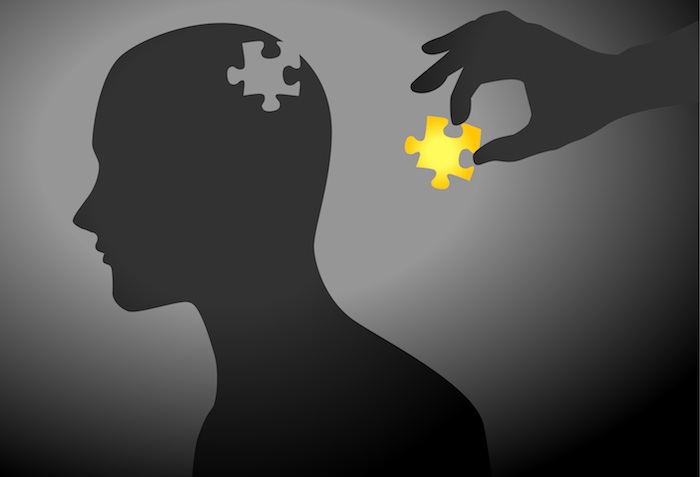
Silhouette of man, other person adding missing piece to puzzle.

When I went to the doctor years ago for help with my concussion symptoms and mental health challenges, he offered me two options – addictive sleeping pills or antidepressants.

That was it.

I was left in the dark.

I had no other options and nowhere to turn, so I had to take the medication.

Years later, I now know there are many other options and solutions.

N-acetyl-cysteine (NAC), a cheap amino acid and antioxidant, is an effective way to deal with the root cause of mental illness and sub-optimal cognition.


What's N-Acetylcysteine? How Can It Help The Brain?

N-acetyl-cysteine (NAC) is a modified form of the amino acid cysteine and helps your body produce glutathione.

Glutathione is a powerful antioxidant that supports liver detoxification and reduces free radicals in the body. 

Over the past 30 years, high doses of NAC have been used in emergency rooms to combat acetaminophen (Tylenol) toxicity (1, 2). 

But there is also an overwhelming amount of evidence showing that NAC can help treat a number of neurological and psychiatric disorders, and it helped me years ago when I was trying to recover from mental illness and post-concussion syndrome. 

A systematic review of all of the evidence suggests that NAC is effective at treating the following conditions (4, 6, 18, 19):

•    Major depressive disorder
•    Bipolar disorder
•    Drug addiction
•    Obsessive-compulsive disorder
•    Autism
•    Schizophrenia
•    Alzheimer's disease
•    Certain forms of epilepsy (progressive myoclonic)

NAC also reduces the severity of mild traumatic brain injury in soldiers, and animal studies show that it can improve cognition after moderate traumatic brain injury (5). 

Disorders such as anxiety and attention deficit hyperactivity disorder have preliminary evidence but require larger studies (4, 6). 

Overall, it’s clear to me that NAC should be a first-line treatment for mental illness.

My recommendation: I used to take 1200 mg of NAC every day to manage my long-term mental health. It was very helpful at one point in time. I no longer need to take it anymore because I’m completely recovered and well. It’s just not necessary for me anymore because I’m healthy. However, when I was taking it, I eventually started experienced some side effects due to heavy metal redistribution. Studies show that people benefit from taking anywhere between 500 mg to 3000 mg daily or every other day. But I find that many people actually do better when they take a lower dose because high doses of NAC can sometimes redistribute heavy metals into the brain. You’ll obviously want to avoid this. I now recommend people take just 250 mg of NAC, which can be found in the Optimal Antiox supplement. Optimal Antiox also contains a number of other antioxidants and nutrients that can support your brain and mental health. Optimal Antiox also includes leucine, which is an amino acid. Taking leucine with NAC prevents mercury from being reabsorbed into the central nervous system.


How Is It So Effective At Treating All These Mental Health Conditions?

First of all, it's important to note that NAC seems to target biological pathways that are common across all mental disorders.

Here are some possible explanations for its effectiveness:

  • NAC has anti-inflammatory properties, and inflammation has been linked to depression and other mental health disorders (12, 13).

  • NAC has also been shown to successfully cross the blood-brain-barrier and raise glutathione levels in the brain. Low levels of glutathione in the brain have been linked to a number of psychiatric disorders (8-11, 17-19, 24).

  • High levels of oxidative stress have been identified in the brains of patients with a variety of psychiatric illnesses. Increasing brain glutathione by supplementing with NAC can help reduce this oxidative stress and protect neurons from oxidative damage (20-23, 25).

  • Lastly, NAC may be having beneficial effects on patients by reducing glutamate, a major excitatory neurotransmitter in the brain that can lead to overstimulation (14-16, 26).

Therefore, if you take NAC, you're giving your body an efficient way to soak up excess glutamate. You’re also reducing oxidative stress and inflammation by giving it glutathione. As a result, this helps alleviate a number of different mental health problems. 

Below, I’ll lay out some of the research exploring NAC as a possible treatment for six mental health problems. Feel free to skip to your condition to learn about it. 

Click here to subscribe

Depression and Bipolar Disorder

Here is some of the research looking into NAC as a possible treatment for depression and bipolar disorder:

  • A randomized controlled trial examined 149 individuals with moderate depression. They received two grams of NAC or placebo. Before treatment, the estimated mean depression score was 19.7. At the end of the 8-week study, the score had decreased to 11.1. Individuals who received NAC witnessed improvements in functioning and quality of life (27).

  • Another randomized controlled trial looked at 75 patients with bipolar disorder. Two grams of NAC or placebo was given for 6 months. At the end of this period, the group who received NAC saw a reduction in their depression and significant improvements in their global, social and occupational functioning. The improvements were rated as “medium to high” and it was concluded that "NAC is a safe and effective augmentation strategy for depressive symptoms” (28).

  • Several other studies have examined the effects of NAC on bipolar disorder (including mania) and found that two grams of NAC daily significantly improves and even causes a full remission of both depressive and manic symptoms (29-31).

It’s important to note that some of these studies lasted 6 months, which is a very long time for randomized control trials. And all of the studies had beneficial effects and zero severe side effects. That’s quite impressive.

All of the above research makes sense in light of a meta-analysis that found that patients with bipolar disorder have significantly higher levels of oxidative stress and glutamate in their brain.

A number of mood-stabilizing medications aim to decrease glutamate, yet they come with numerous side effects (14-16, 26, 27, 32, 33).

And as I've discussed before, certain antidepressants can deplete glutathione, which further increases oxidative stress. 


Addiction

Substance abuse and addiction are very costly. Yet there are hardly any efficient treatments that prevent relapse. 

But a lot of research is emerging demonstrating a link between oxidative stress and drug addiction, and how NAC can help manage it (66-68). 

  • In a small study, 13 people abstaining from cocaine were given 2,400 mg of NAC or placebo over two days. The participants who received NAC witnessed a significant reduction in their withdrawal symptoms and cravings for cocaine (34). Follow-up studies also showed that NAC reduced desire and interest in cocaine (35, 36).

  • Smokers voluntarily reduce their cigarette use by around 25% after two weeks of supplementing with 2,400 mg of NAC (37, 65).

  • And it’s not just addiction to drugs. NAC also shows promise for the treatment of gambling addiction. A randomized control trial with 27 pathological gamblers showed that gamblers who supplemented with NAC scored 60% lower on the “Obsessive Compulsive Scale for Pathological Gambling." (38).

Here are 8 other nutrients that can help with addiction.


Obsessive-Compulsive Disorder (OCD)

Not surprisingly, there are brain similarities among people who suffer from addiction and obsessive–compulsive disorder (OCD).

Just like addiction, higher levels of oxidative stress and glutamate are found in people with OCD (39-44). 

The standard treatment for OCD is a combination of antidepressants and psychotherapy.

But around 20% of patients don’t get better with this combination, and many suffer from a variety of drug side effects (45). 

Since NAC is inexpensive and widely available, it’s clear that it has significant advantages for patients.

I also encourage you to check out this article for 21 other ways to treat OCD.

Click here to subscribe

Autism

Autism is a touchy subject. So let me start out by saying that NAC will not cure autism. Autism has many different causes and contributing factors.

However, NAC will likely improve some autistic symptoms. 

Multiple studies suggest that NAC is a well-tolerated treatment for autistic individuals and can reduce their irritability (46-48). 

Like the disorders above, research has found that autistic individuals have higher levels of oxidative stress and lower levels of the antioxidant glutathione in their brains, making it likely that NAC will help them (49-55). 

There is also lots of evidence suggesting that too much glutamate in the brain contributes to autistic symptoms. As discussed earlier, glutamate in a major excitatory neurotransmitter in the brain. It is also the precursor to GABA, a calming neurotransmitter that reduces anxiety. 

There is an enzyme that converts glutamate to GABA, and researchers have found that this enzyme is lower in individuals on the autism spectrum. This leads to more glutamate and less GABA, and therefore much more excitation. Not surprisingly then, glutamate antagonists (e.g. NAC) have been shown to reduce symptoms of autism, bringing them more into balance (56-60). 

Since oxidation and glutamate are abnormally elevated in persons with autism, NAC can kill two birds with one stone by providing an antioxidant effect and reducing glutamate levels in the brain of autistic individuals. 


Schizophrenia

The last mental disorder I’m going to explore is schizophrenia. There is a good amount of research suggesting that NAC can help with this condition as well.

  • Researchers gave 2 grams of NAC to schizophrenic patients during a six-month randomized control trial. The participants who received NAC experienced improvements in their symptoms, and many of them did not experience improvements from other treatments. They demonstrated improvements in insight, self-care, social interaction, motivation, and stabilization of mood. Follow-up studies found similar results (62, 63, 70).

  • I found one study that explored NAC’s ability to change schizophrenic patient’s electroencephalogram (EEG) synchronicity – a measure of electrical activity within the brain that I discussed in my post about neurofeedback (69).

  • I also found a case report of a young woman with treatment-resistant schizophrenia who showed significant improvements in symptoms by taking just 600 mg of NAC every day (64).

This makes sense considering there is an expanding body of evidence suggesting oxidative stress occurs in individuals with schizophrenia. Some research shows that the more oxidative stress a schizophrenic patient experiences, the worse their symptoms get. And several studies indicate that NAC may benefit schizophrenics by increasing glutathione and reducing glutamate (61, 71-74).


Conclusion

Overall, oxidation and glutamate are often abnormally elevated in people with a wide range of neurological and psychiatric disorders. 

NAC may correct these underlying problems by generating the antioxidant glutathione and reducing the excitatory neurotransmitter glutamate.

If you suffer from depression, bipolar disorder, OCD, drug addiction or autism, you could start taking it and see if it helps you. If it helps, keep taking. If not, then try something else. 

Many of the studies also suggest that NAC enhances the effectiveness of psychiatric medications. So if you're already on medication, NAC and your medication will likely work better together.

My recommendation: I used to take 1200 mg of NAC every day to manage my long-term mental health. It was very helpful at one point in time. I no longer need to take it anymore because I’m completely recovered and well. It’s just not necessary for me anymore because I’m healthy. However, when I was taking it, I eventually started experienced some side effects due to heavy metal redistribution. Studies show that people benefit from taking anywhere between 500 mg to 3000 mg daily or every other day. But I find that many people actually do better when they take a lower dose because high doses of NAC can sometimes redistribute heavy metals into the brain. You’ll obviously want to avoid this. I now recommend people take just 250 mg of NAC, which can be found in the Optimal Antiox supplement. Optimal Antiox also contains a number of other antioxidants and nutrients that can support your brain and mental health. Optimal Antiox also includes leucine, which is an amino acid. Taking leucine with NAC prevents mercury from being reabsorbed into the central nervous system.

 
Click here to subscribe

Live Optimally,

Jordan Fallis

Connect with me

References:

1.    http://www.ncbi.nlm.nih.gov/pubmed/677146/ 
2.    Atkuri, K.R., et al. “N-Acetylcysteine — a safe antidote for cysteine/glutathione deficiency”. Current Opinion in Pharmacology Vol. 7, No. 4 (2007): 355–359.
3.    http://www.ncbi.nlm.nih.gov/pubmed/16439183
4.    http://www.ncbi.nlm.nih.gov/pubmed/25957927
5.    https://www.ncbi.nlm.nih.gov/pmc/articles/PMC3553161/ 
6.    http://www.ncbi.nlm.nih.gov/pubmed/11673605/ 
7.    http://www.ncbi.nlm.nih.gov/pubmed/12512991
8.    http://www.ncbi.nlm.nih.gov/pubmed/2029805/ 
9.    http://www.ncbi.nlm.nih.gov/pubmed/18004285/ 
10.    http://www.ncbi.nlm.nih.gov/pubmed/11691805  
11.    http://www.ncbi.nlm.nih.gov/pubmed/12603840
12.    http://www.ncbi.nlm.nih.gov/pubmed/20021321
13.    http://www.ncbi.nlm.nih.gov/pubmed/19122532
14.    http://www.ncbi.nlm.nih.gov/pmc/articles/PMC3044191/ 
15.    http://www.ncbi.nlm.nih.gov/pubmed/17401648/ 
16.    http://www.ncbi.nlm.nih.gov/pubmed/12584726/ 
17.    http://www.ncbi.nlm.nih.gov/pubmed/12512991
18.    http://www.ncbi.nlm.nih.gov/pubmed/24752591  
19.    http://www.ncbi.nlm.nih.gov/pubmed/25004186
20.    Andreazza, A.C., et al. “Oxidative stress markers in bipolar disorder: a meta-analysis”. Journal of Affective Disorders Vol. 111, No. 2–3 (2008): 135–144. 
21.    Kim, H.K., et al. “Oxidation and nitration in dopaminergic areas of the prefrontal cortex from patients with bipolar disorder and schizophrenia”. Journal of Psychiatry & Neuroscience Vol. 39, No. 1 (2014): 130155.
22.    Wang, J.F., et al. “Increased oxidative stress in the anterior cingulate cortex of subjects with bipolar disorder and schizophrenia”. Bipolar Disorders Vol. 11, No. 5 (2009): 523–529.
23.    Gawryluk, J.W., et al. “Decreased levels of glutathione, the major brain antioxidant, in post-mortem prefrontal cortex from patients with psychiatric disorders”. The International Journal of Neuropsychopharmacology Vol. 14, No. 1 (2011): 123–130.
24.    Holmay, M.J., et al. “N-Acetylcysteine boosts brain and blood glutathione in Gaucher and Parkinson diseases”. Clinical Neuropharmacology Vol. 36, No. 4 (2013): 103–106.
25.    Gawryluk, J.W., et al. “Decreased levels of glutathione, the major brain antioxidant, in post-mortem prefrontal cortex from patients with psychiatric disorders”. The International Journal of Neuropsychopharmacology Vol. 14, No. 1 (2011): 123–130
26.    Gigante, A.D., et al. “Brain glutamate levels measured by magnetic resonance spectroscopy in patients with bipolar disorder: a meta-analysis”. Bipolar Disorders Vol. 14, No. 5 (2012): 478–487.
27.    Berk, M., et al. “The efficacy of N-acetylcysteine as an adjunctive treatment in bipolar depression: an open label trial”. Journal of Affective Disorders Vol. 135, No. 1–3 (2011): 389–394.
28.    http://www.ncbi.nlm.nih.gov/pubmed/18534556
29.    Magalhães, P.V., et al. “N-Acetylcysteine for major depressive episodes in bipolar disorder”. Revista Brasileira de Psiquiatria Vol. 33, No. 4 (2011): 374–378.
30.    Magalhães P.V., et al. “N-Acetyl cysteine add-on treatment for bipolar II disorder: a subgroup analysis of a randomized placebo-controlled trial. Journal of Affective Disorders Vol. 129, No. 1–3 (2011): 317–320.
31.    Magalhães, P.V., et al. “A preliminary investigation on the efficacy of N-acetyl cysteine for mania or hypomania”. The Australian and New Zealand Journal of Psychiatry Vol. 47, No. 6 (2013): 564–568.
32.     http://www.ncbi.nlm.nih.gov/pubmed/18539338/ 
33.    http://www.ncbi.nlm.nih.gov/pubmed/19568477/ 
34.    http://www.ncbi.nlm.nih.gov/pubmed/16449100/ 
35.    http://www.ncbi.nlm.nih.gov/pubmed/17606664/ 
36.    http://www.ncbi.nlm.nih.gov/pubmed/17113207/ 
37.    http://www.ncbi.nlm.nih.gov/pubmed/19103434
38.    http://www.ncbi.nlm.nih.gov/pubmed/17445781
39.    http://www.ncbi.nlm.nih.gov/pubmed/12207144
40.    http://www.ncbi.nlm.nih.gov/pubmed/19272303
41.    http://www.ncbi.nlm.nih.gov/pubmed/16682105
42.    http://www.ncbi.nlm.nih.gov/pubmed/18957313
43.    http://www.ncbi.nlm.nih.gov/pubmed/18006203
44.    http://link.springer.com/article/10.1007/s00213-005-0246-6
45.    http://www.ncbi.nlm.nih.gov/pubmed/19468281/ 
46.    http://www.ncbi.nlm.nih.gov/pubmed/23826003
47.    http://www.ncbi.nlm.nih.gov/pubmed/22342106
48.    http://www.ncbi.nlm.nih.gov/pubmed/23886027
49.    http://www.ncbi.nlm.nih.gov/pubmed/21519954
50.    http://www.ncbi.nlm.nih.gov/pubmed/22225920
51.    http://www.ncbi.nlm.nih.gov/pubmed/22127832
52.    http://www.ncbi.nlm.nih.gov/pubmed/16081262
53.    http://www.ncbi.nlm.nih.gov/pubmed/22528835
54.    http://www.ncbi.nlm.nih.gov/pubmed/21484198
55.    http://www.ncbi.nlm.nih.gov/pubmed/22051046
56.    http://www.ncbi.nlm.nih.gov/pubmed/21967199
57.    http://www.ncbi.nlm.nih.gov/pubmed/22653211
58.    http://www.ncbi.nlm.nih.gov/pubmed/17502791
59.    http://www.ncbi.nlm.nih.gov/pubmed/22342106
60.    http://www.ncbi.nlm.nih.gov/pubmed/22579303
61.    http://www.ncbi.nlm.nih.gov/pubmed/18538422/ 
62.    http://www.ncbi.nlm.nih.gov/pubmed/18436195/ 
63.    http://www.ncbi.nlm.nih.gov/pubmed/20868637/ 
64.    http://www.ncbi.nlm.nih.gov/pubmed/19735056/ 
65.    http://www.ncbi.nlm.nih.gov/pubmed/19103434/ 
66.    http://www.ncbi.nlm.nih.gov/pubmed/18440072
67.    http://www.ncbi.nlm.nih.gov/pubmed/18996163
68.    http://www.ncbi.nlm.nih.gov/pubmed/18225476
69.    Carmeli, C., et al. “Glutathione precursor N-acetyl-cysteine modulates EEG synchronization in schizophrenia patients: a double-blind, randomized, placebo-controlled trial”. PLoS One Vol. 7, No. 2 (2012): e29341.
70.    https://www.researchgate.net/publication/258347895_N-Acetylcysteine_as_an_Adjunct_to_Risperidone_for_Treatment_of_Negative_Symptoms_in_Patients_With_Chronic_Schizophrenia_A_Randomized_Double-Blind_Placebo-Controlled_Study
71.    http://www.ncbi.nlm.nih.gov/pubmed/19689277
72.    http://www.ncbi.nlm.nih.gov/pubmed/19576938
73.    http://www.ncbi.nlm.nih.gov/pubmed/19788631
74.    http://www.ncbi.nlm.nih.gov/pubmed/18205981

Terms and Conditions

Privacy Policy

Affiliate Disclosure

Disclaimer