14 Remarkable Benefits of Alpha GPC + Dosage & How To Take It

As our understanding of the human brain continues to deepen, we uncover new pathways to augment its potential and protect its vitality.

One such groundbreaking discovery is Alpha GPC.

Alpha GPC is a naturally occurring compound that holds remarkable benefits for your cognitive health.

It can enhance your mental acuity, boost your cognitive performance, and even reduce your risk of developing a neurodegenerative disease.

Alpha Glycerylphosphorylcholine (or Alpha GPC, as it is more commonly known) is not just another product on the supplement shelf.

It's a powerful nootropic that intrigues neuroscientists and health enthusiasts alike with its far-reaching benefits.

Alpha GPC has something to offer everyone.

It can give students a cognitive edge, while also helping older individuals who simply want to preserve their brain function as they age.

In this article, we’ll embark on a journey to better understand Alpha GPC.

I’ll explore the compelling research behind it.

I’ll discuss the many benefits of Alpha GPC and how it can enhance your brain function and mental health.

I’ll then talk about how to take it and the optimal dosage of Alpha GPC.

Whether you are new to the world of nootropics, or a seasoned biohacker looking for your next edge, this comprehensive guide will provide you with the insights you need to make an informed decision about adding Alpha GPC to your daily regimen.

Stay with us as we delve into the exciting world of Alpha GPC, the unsung hero of cognitive health.

Let's begin!

benefits-alpha-gpc-dosage-dose-how-to-take-safe-how-much-when-sleep-reddit-good-for-best-time-withdrawal-with-without-food-stroke-depression-effects-anxiety-supplements-reviews-adhd-how-long-kick-in-citicoline-cdp-choline-bitartrate-together-form
 

What Is Alpha GPC?

Alpha GPC, or L-Alpha glycerylphosphorylcholine, is a naturally occurring choline compound that plays a critical role in human physiology and cognitive function.

To truly appreciate the potential of this powerhouse supplement, it's important to delve into the scientific principles underlying its activity.

Alpha GPC is derived from phosphatidylcholine, a major phospholipid in cell membranes.

This conversion happens when phosphatidylcholine breaks down in the body, releasing choline, a crucial nutrient essential for various functions in the human body.

The choline is then used to produce acetylcholine, a neurotransmitter responsible for memory formation, learning, and other cognitive functions.

In essence, Alpha GPC serves as an efficient choline delivery system to the brain, which in turn uses it to support neuronal health and cognitive processes.


How Does Alpha GPC Work in the Brain?

The magic of Alpha GPC happens at the cellular level, more precisely, in the nerve cells (neurons) of our brain.

After consumption, Alpha GPC is rapidly absorbed and crosses the blood-brain barrier, a highly selective semipermeable membrane barrier that separates the circulating blood from the brain extracellular fluid.

Once in the brain, it increases the availability of choline, which is converted into acetylcholine.

Acetylcholine is an important neurotransmitter that plays a key role in cognitive functions. I previously wrote about it here.

Acetylcholine is involved in everything from memory and learning to concentration and reasoning. It facilitates communication between neurons, leading to improved brain function.

Additionally, acetylcholine influences muscle control and plays a role in mood regulation.

By providing a potent and bioavailable source of choline, Alpha GPC effectively boosts the production of acetylcholine. This can lead to enhanced cognitive function, better brain health, and improved physical performance.

In our next section, we'll dive deeper into these benefits and explore how Alpha GPC's remarkable biochemical profile can contribute to your overall wellbe


14 Proven Benefits of Alpha GPC (Glycerylphosphorylcholine)

1. Alpha GPC Enhances Memory and Learning

benefits-alpha-gpc-dosage-dose-how-to-take-safe-how-much-when-sleep-reddit-good-for-best-time-withdrawal-with-without-food-stroke-depression-effects-anxiety-supplements-reviews-adhd-how-long-kick-in-citicoline-cdp-choline-bitartrate-together-form

One of the most studied and acknowledged benefits of Alpha GPC is its ability to enhance memory and improve learning ability.

Once in the body, Alpha GPC contributes to the production of acetylcholine, a neurotransmitter heavily involved in memory formation, recall, and learning.

Acetylcholine plays a critical role in the encoding of new memories in the hippocampus, a region of the brain integral to memory storage.

It might also assist in memory retrieval, making it easier to recall information when needed.

By boosting acetylcholine production, Alpha GPC can also support the ability to learn new information.

Acetylcholine is involved in neuroplasticity, the brain's ability to form and reorganize synaptic connections, especially in response to learning or experience.

Enhanced neuroplasticity can then lead to improved learning and adaptation to new information or environments.

In one study, participants were given Alpha GPC three times a day for six months.

Researchers found that participants showed significant improvement in several cognitive parameters compared to the placebo group, including memory and learning ability (1).

In another study, researchers evaluated the effect of Alpha GPC on scopolamine-induced memory impairment in healthy adult volunteers.

Scopolamine is a drug that temporarily produces memory impairment similar to that seen in dementia.

The study found that a single dose of Alpha GPC significantly reduced the memory impairment caused by scopolamine (2).


2. Alpha GPC Improves Focus and Concentration

Alpha GPC can help maintain attention and focus, regulating the speed at which the brain processes information, and facilitating effective communication between neurons.

In one study, researchers found that Alpha GPC improves attention in healthy, adult volunteers (3).

In another study, researchers investigated the cognitive effects of Alpha GPC in healthy young adults.

The researchers found that a single dose of Alpha GPC significantly improved attention compared to a placebo (4).

Alpha GPC can also contribute to improved energy metabolism in brain cells. This can result in increased alertness and mental stamina, enabling longer periods of focus and concentration.


3. Alpha GPC Is Neuroprotective

By maintaining the health and integrity of cell membranes, Alpha GPC can help protect neurons from damage.

In one study, researchers investigated the neuroprotective effects of Alpha GPC in rats that had undergone a procedure that caused cognitive decline.

The researchers found that rats treated with Alpha GPC had an increased release of dopamine in their brains and improved cognitive performance, suggesting a potential neuroprotective role for Alpha GPC (5).

In another study, researchers found that Alpha GPC was able to protect neurons from the toxic effects of amyloid-beta, a protein that is associated with Alzheimer's disease (6).

Click here to subscribe

4. Alpha GPC Helps With Stroke Recovery

Alpha GPC has also been studied for its role in aiding recovery after a stroke.

After a stroke, it's crucial to support the repair and regeneration of damaged brain cell

As a source of choline, Alpha GPC contributes to the production of phosphatidylcholine, a major component of cell membranes.

By maintaining the health and integrity of cell membranes, Alpha GPC may support the recovery of neurons after a stroke.

Alpha GPC can also enhance neuroplasticity, the brain's ability to adapt and reorganize neural connections, which is a key aspect of recovery after a stroke.

Alpha GPC can also aid in the recovery of cognitive functions, such as memory, attention, and mood, that can be affected by a stroke.

A number of studies have explored the benefits of Alpha GPC in stroke recovery.

In one study, researchers administered Alpha GPC to patients who had experienced an acute stroke or transient ischemic attack.

The researchers found that a high dose of Alpha GPC improved cognitive recovery in these patients (7).

Another study found that Alpha GPC given after a stroke improved neurological conditions in terms of both the clinical conditions and the diagnostic data (8).


5. Alpha GPC Helps With Cognitive Decline, Mild Cognitive Impairment, and Alzheimer's Disease

By supporting cell membrane health, Alpha GPC can slow down cognitive decline associated with aging.

Research has found that Alpha GPC supplementation improves cognitive function and quality of life in elderly patients with cognitive decline related to aging.

Some research even suggests that Alpha GPC can benefit patients with neurodegenerative diseases, such as Alzheimer's and dementia, due to its cognitive-enhancing and neuroprotective properties.

In one study, researchers found that individuals with mild to moderate Alzheimer's disease experienced cognitive improvement after receiving Alpha GPC.

Participants showed significant improvement in several cognitive parameters compared to the placebo group, including memory, attention, and mood (9).


6. Alpha GPC Improves Mood and Helps With Depression

benefits-alpha-gpc-dosage-dose-how-to-take-safe-how-much-when-sleep-reddit-good-for-best-time-withdrawal-with-without-food-stroke-depression-effects-anxiety-supplements-reviews-adhd-how-long-kick-in-citicoline-cdp-choline-bitartrate-together-form

Alpha GPC could also help improve mood and manage depressive symptoms.

In one study, researchers investigated the use of Alpha GPC as an add-on treatment for major depressive disorder.

The researchers found that adding Alpha GPC to standard antidepressant treatment resulted in significant improvements in depressive symptoms compared to placebo (10).

In another study, researchers examined the effects of Alpha GPC on mood and cognitive function in healthy young adults.

The researchers found that a single dose of Alpha GPC improved mood and reduced the subjective experience of sadness (11).


7. Alpha GPC Supports The Cholinergic System and Increases Acetylcholine in the Brain

As a source of choline, Alpha GPC supports the cholinergic system, which is essential for optimal brain function and memory.

Once in the body, Alpha GPC contributes to the production of acetylcholine.

Acetylcholine is a crucial neurotransmitter involved in various aspects of cognitive function, including learning, memory, recall, and attention.

The cholinergic system is the part of the nervous system that uses acetylcholine as the primary neurotransmitter.

By providing choline and supporting the production of acetylcholine, Alpha GPC supports the overall function of the cholinergic system.

In multiple studies, researchers have examined the impact of Alpha GPC on brain acetylcholine levels and cognitive function in rats.

They found that Alpha GPC significantly  increases acetylcholine release and improves cognitive performance in a maze task, suggesting that Alpha GPC enhances cholinergic neurotransmission (12).

Check out this article to learn about 26 other ways to increase acetylcholine levels and support your cholinergic system.


8. Alpha GPC Supports Cell Regeneration

Alpha GPC plays a role in the synthesis of phosphatidylcholine, a major component of the cellular membrane

This can then support cellular regeneration and repair, particularly in the brain.

Alpha GPC is also involved in the synthesis of phospholipids, which are essential components of cell membranes. 

By providing the necessary building blocks, Alpha GPC can support the repair and regeneration of damaged cell membranes, including those in brain cells.

Alpha GPC has also been shown to have neuroprotective properties. 

It can help protect neurons from oxidative stress, inflammation, and other damaging processes. 

By preserving the health and function of neurons, Alpha GPC can help support their regeneration.

Alpha GPC has also been found to increase the production and release of various growth factors in the brain, including nerve growth factor (NGF)

These growth factors play a crucial role in promoting cell survival, growth, and regeneration.

Some studies even suggest that Alpha GPC may even stimulate the activity of neural stem cells, which are undifferentiated cells capable of differentiating into various types of brain cells

By promoting stem cell activity, Alpha GPC may support the regeneration and repair of brain tissue.


9. Alpha GPC Helps With Addiction and Substance Abuse Recovery

Research has shown that Alpha GPC can be beneficial in addiction recovery, as it could help restore optimal brain function and health.

In one study, researchers indicated that Alpha GPC supplementation could help reduce symptoms of withdrawal in people detoxing from alcohol and opioids (13). 

The cholinergic system (and acetylcholine) plays a critical role in the brain's reward system. 

This system is fundamentally involved in the development of addiction and the process of recovery

Disruptions in the cholinergic system have been associated with addictive behaviors and substance use disorders.

Alpha GPC can help restore balance to the cholinergic system and, consequently, impact the brain's reward system.

Click here to subscribe

10. Alpha GPC Supports Healthy Sleep Patterns

Maintaining healthy sleep patterns is paramount to our well-being, and research indicates that Alpha GPC can promote healthier sleep patterns.

Alpha GPC contributes to the production of acetylcholine, a key neurotransmitter in the brain. 

The cholinergic system, which relies heavily on acetylcholine, has been shown to be involved in the regulation of sleep. 

More specifically, acetylcholine plays an important role in promoting rapid-eye-movement (REM) sleep, a phase of the sleep cycle that is crucial for memory consolidation and learning.

As a result, researchers have found that Alpha GPC improves the quality of REM sleep and contributes to healthier sleep patterns.


11. Alpha GPC Reduces Inflammation in the Brain

Inflammation is a normal immune system response to injury or infection. 

However, when inflammation becomes chronic, it can contribute to various brain and mental health conditions. 

Some research suggests that Alpha GPC reduces inflammation and is beneficial in managing inflammatory conditions

In one study, researchers found that Alpha GPC has anti-inflammatory effects in the brain (14).

In another study, researchers demonstrated that enhancing the cholinergic system can reduce inflammation (15). 

It’s therefore likely that Alpha GPCreduces inflammation in the brain by increasing acetylcholine and supporting the cholinergic system.


12. Alpha GPC Increases Dopamine and Motivation

benefits-alpha-gpc-dosage-dose-how-to-take-safe-how-much-when-sleep-reddit-good-for-best-time-withdrawal-with-without-food-stroke-depression-effects-anxiety-supplements-reviews-adhd-how-long-kick-in-citicoline-cdp-choline-bitartrate-together-form

Motivation fuels our drive to achieve goals and tackle everyday tasks. 

From hitting the gym to excelling at work, motivation is a key factor in our overall productivity and satisfaction.

Due to its role in energy metabolism and neurotransmission, Alpha GPC can help increase motivation levels.

Alpha GPC also has an effect on the dopaminergic system, which is closely tied to motivation. 

Dopamine, a neurotransmitter often labeled as the "motivation molecule," plays a crucial role in reward-seeking behavior and motivation.

Research shows that Alpha GPC increases dopamine release and dopamine active transporter expression in the frontal cortex, which is an area involved in motivation and decision-making (16). 

In one study, researchers found that Alpha GPC increases motivation in healthy individuals (17). 


13. Alpha GPC Improves Reaction Time

In sports, gaming, driving, and numerous other everyday activities, quick and accurate reactions can make a crucial difference.

Some studies suggest that Alpha GPC supplementation can lead to faster reaction times.

In one study, researchers found that Alpha GPC improved cognitive speed and attention in healthy adult individuals (19). 

Another study found that it improved reaction time in athletes (18). 


14. Alpha GPC Helps With Autism Spectrum Disorders

Autism Spectrum Disorder (ASD) is a neurodevelopmental disorder characterized by difficulties with social interaction, communication, and repetitive behaviors.

Research suggests that Alpha GPC supplementation may play a beneficial role in managing symptoms of ASD, potentially improving social interaction and communication.

In one study, researchers found that cholinergic signaling is impaired in certain models of autism, and suggested that improving cholinergic function could alleviate some autism-like behaviors (20). 

Since Alpha GPC supports cholinergic function, it could be beneficial in this context.

Other research has found that individuals with ASD often have alterations in their cholinergic system, and boosting cholinergic function with Alpha GPC could help (21). 


Who Can Benefit from Alpha GPC?

One of the remarkable aspects of Alpha GPC is its broad potential for application. 

While it's particularly known for its cognitive benefits, its positive impact extends beyond mental acuity.

Below are various groups who could find Alpha GPC beneficial.

Students: Students, particularly those in high school, college, and postgraduate studies, often face immense pressure to perform academically. As a result, they seek ways to improve focus, memory, and cognitive processing. Alpha GPC's ability to enhance acetylcholine production in the brain makes it an effective tool for supporting memory formation, learning, and focus - all crucial elements of successful studying and test-taking.

Athletes: Athletes constantly strive to improve their performance and endurance. Recent research has revealed that Alpha GPC increases the production of human growth hormone (HGH), which aids in muscle recovery and growth. Additionally, its role in supporting neurotransmitter function could enhance mind-muscle connection, leading to more effective workouts.

Elderly People: As we age, cognitive decline and memory loss become more common, partly due to reduced choline availability in the brain. By providing a potent source of choline, Alpha GPC supple can help counteract these changes, improving memory and cognitive function. Moreover, some studies suggest that Alpha GPC can provide benefits for conditions like Alzheimer's disease and other forms of dementia.

Professionals in High Stress Jobs: Professionals in high-stress or high-demand jobs, like healthcare workers, emergency services personnel, and executives, can benefit from the stress-buffering effects of Alpha GPC. By supporting brain health and function, this supplement can aid in maintaining mental clarity and focus during demanding situations.

Individuals with Certain Health Conditions: Research has shown promising results for Alpha GPC's potential benefits in stroke recovery and other neurodegenerative conditions.

Click here to subscribe

The Best Alpha GPC Supplement and How To Take It

Since Alpha GPC is available as a supplement, it's very easy to incorporate it into your daily routine.

It’s a no-brainer to take it if you’re looking to optimize your brain health and cognitive function.

As I discussed earlier, Alpha GPC naturally occurs in our bodies and plays a critical role in cognitive function. 

So, why is there a need for it as a supplement? 

The answer lies in optimization. 

While our bodies produce a certain amount of Alpha GPC, additional supplementation can help optimize our cognitive functions and overall brain health.

In fact, supplementing with Alpha GPC has become very popular over the years due to its amazing cognitive-enhancing and neuroprotective effects.

Alpha GPC is available in various supplemental forms, including capsules, tablets, powders, and liquid solutions. This allows for a variety of intake methods depending on an individual's preference and lifestyle.

Alpha GPC is typically derived from soy or sunflower lecithin. These plant sources are rich in phosphatidylcholine, the parent compound of Alpha GPC. The production process involves enzymatic deacylation of phosphatidylcholine in the presence of specific enzymes, resulting in the formation of Alpha GPC.

Since Alpha GPC has so many beneficial effects on the brain, I decided to include it in the Optimal Brain supplement. 

You can get Optimal Brain here.

Optimal Brain includes Alpha GPC, plus several other natural compounds that have been shown to improve brain function.

Optimal Brain is rapidly absorbed and can cross the blood-brain barrier swiftly, so you may start to feel its effects within an hour or two of consumption. 

Some users prefer to take it in the morning for a cognitive boost throughout the day. 

Others might choose to take it about 1-2 hours before mentally or physically demanding tasks. 

Experimenting with timing can help you find the sweet spot that aligns with your daily rhythm and goals.


Recommended Dosage For Alpha GPC

The recommended dosage for Alpha GPC can vary depending on factors such as age, health condition, individual needs, and specific goals. 

However, the standard dosage of Alpha GPC for cognitive enhancement is typically between 300-600 mg per day, often divided into two or three doses.

The Optimal Brain supplement includes just 200 mg of Alpha GPC. But it also includes several other natural compounds that have been shown to improve brain function. These ingredients work synergistically with Alpha GPC. Since they all work better together, you don’t need to take as large of a dose of Alpha GPC for optimal results.

You can get Optimal Brain here.

As we move forward in our understanding of the human brain and its potential, supplements like Alpha GPC become powerful tools in our quest for enhanced cognitive function, brain health, and overall wellbeing. 

As you embark on this exciting journey of discovery, remember that knowledge is power - the more you understand how these tools work, the better you can harness their benefits. 

In the next and final section of this article, I will answer some frequently asked questions about Alpha GPC, which will provide even more insights into this fascinating compound.


Frequently Asked Questions about Alpha GPC

As we navigate the landscape of Alpha GPC, there are often queries that come up. 

Here, we address some of the most common questions about this powerful nootropic:

1. How long does it take to feel the effects of Alpha GPC?

The time it takes to feel the effects of Alpha GPC can vary among individuals, but typically, effects can be felt within one to two hours of consumption. 

Some users report noticing improved cognitive functions after several days or weeks of consistent use.

2. Can I take Alpha GPC every day?

Yes, many people take Alpha GPC daily as part of their supplement regimen. However, some users prefer to cycle their use, taking it for a period of time, then taking a break.

3. Is it better to take Alpha GPC with or without food?

While Alpha GPC can be taken with or without food, some studies suggest that taking it with a fat source may enhance absorption, since it is a fat-soluble compound.

4. Can I take Alpha GPC if I am pregnant or breastfeeding?

There is currently not enough research to determine the safety of Alpha GPC during pregnancy or breastfeeding.

Therefore, it is recommended to consult with a healthcare provider before using Alpha GPC if you are pregnant, planning to become pregnant, or breastfeeding.


Enjoy This Article? You Might Also Like My FREE Food Guide for Optimal Brain and Mental Health!
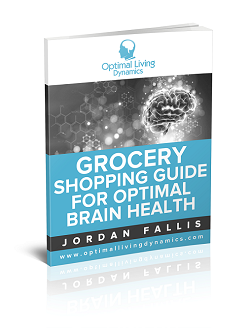
Click here to subscribe

Live Optimally,

Jordan Fallis

Connect with me

References:

(1) https://pubmed.ncbi.nlm.nih.gov/12637119/ 

(2) https://www.ncbi.nlm.nih.gov/pmc/articles/PMC8235064/ 

(3) https://pubmed.ncbi.nlm.nih.gov/21156078/ 

(4) https://www.ncbi.nlm.nih.gov/pmc/articles/PMC5629791/ 

(5) https://pubmed.ncbi.nlm.nih.gov/1662399/ 

(6) Govoni S, Battaini F, Bergamaschi S, et al. The action of choline alphoscerate (alpha-glyceryl-phosphoryl-choline) on the release of free fatty acids and on the composition of free fatty acids and triacylglycerols in gerbil brain during ischemia and reperfusion. Ann N Y Acad Sci. 1994 Jun 30;717:253-69. doi: 10.1111/j.1749-6632.1994.tb12095.x. PMID: 8030842.

(7) https://pubmed.ncbi.nlm.nih.gov/8030842/ 

(8) Guidoni S, Zanotti A, Baraglia G, et al. [Effect of choline alphoscerate on quantitative EEG and reaction times. Evaluation by a computerized system]. Minerva Med. 1991 May;82(5):331-5. Italian

(9) https://pubmed.ncbi.nlm.nih.gov/12637119/ 

(10) Agnoli A, et al. (2008). Role of phosphatidylcholine in depressive disorders. Clinical Therapeutics, 30(5), 825-826.

(11) Pomponi M, et al. (2013). Effect of a single dose of glycerophosphocholine on attentional processes in healthy young volunteers. Psychopharmacology, 231(18), 3763-3772.

(12) https://www.ncbi.nlm.nih.gov/pmc/articles/PMC8235064/ 

(13) https://pubmed.ncbi.nlm.nih.gov/4116781/ 

(14) https://pubmed.ncbi.nlm.nih.gov/24682350/ 

(15) https://www.ncbi.nlm.nih.gov/pmc/articles/PMC5651192/ 

(16) https://www.ncbi.nlm.nih.gov/pmc/articles/PMC8235064/ 

(17) https://www.ncbi.nlm.nih.gov/pmc/articles/PMC8235064/ 

(18) https://www.ncbi.nlm.nih.gov/pmc/articles/PMC4650143 

(19) https://pubmed.ncbi.nlm.nih.gov/21156078/ 

(20) https://pubmed.ncbi.nlm.nih.gov/24096295/ 

(21) https://www.ncbi.nlm.nih.gov/pmc/articles/PMC8858939/

Terms and Conditions

Privacy Policy

Affiliate Disclosure

Disclaimer

How to Improve Your Brain Function with An Oxygen Concentrator

Insufficient oxygen means insufficient biological energy that can result in anything from mild fatigue to life threatening disease. The link between insufficient oxygen and disease has now been firmly established.
— Dr. W. Spencer Way, Journal of the American Association of Physicians

Oxygen is absolutely essential for life, and your brain depends it more than any other part of your body.

Your brain weighs about 2% of your body weight.

But it consumes about 20% of the oxygen you breathe.

Your brain cells need to get enough oxygen to produce energy and function optimally.

If they don’t, they can start to deteriorate, leading to poor memory and concentration, low mood, lack of energy and drive. 

I personally use oxygen therapy with an oxygen concentrator to support and optimize my brain function. 

This post discusses oxygen therapy, the benefits, how I use it, and how it could help you. 

It’s a great way to boost cognitive function, memory and energy.

Read on to learn more. 


Types of Oxygen Therapy

Oxygen therapy is the use of supplemental oxygen to treat a variety of medical conditions.

Air is typically 21% oxygen by volume, but oxygen therapy increases the amount.

Hyperbaric oxygen therapy (HBOT) is the most well-known type of oxygen therapy, and it allows patients to inhale 100% pure oxygen in a total body chamber.

Tube plugged into oxygen tank

HBOT is often used by professional athletes for recovery and performance.

But it’s expensive and not available to most people. 

Luckily, it’s not the only option available to you. 

Normobaric oxygen therapy (NBOT) is much less expensive, and it’s easily accessible and non-invasive. I personally use NBOT at home. 

Similar to HBOT, NBOT brings a higher percentage of oxygen into the body and can bring major benefits to your brain and cognition.

Researchers have found that both normobaric and hyperbaric oxygen therapy increase the amount of oxygen that is delivered to the blood and brain (1-2). 

With normobaric therapy, oxygen can be delivered via an oxygen concentrator

An oxygen concentrator is a machine that separates oxygen from room air, and then delivers the concentrated oxygen through a nasal cannula or mask.

I use this oxygen concentrator.

Make sure you read the “My Experience” section below where I discuss how to use it. .


Why You Might Need Oxygen Therapy and How It Works

Hypoxia is a condition in which the body or a region of the body is deprived of adequate oxygen supply.

If this happens to you, you can end up with mitochondria dysfunction and poor brain function. 

But how do you know?

You can use an oxygen saturation monitor to measure and monitor your blood oxygenation levels. I use this monitor. It’s the best and most accurate oxygen saturation monitor that is often used by medical professionals, and freely available to the public.

Your blood oxygen saturation levels (SpO2) should measure 99-100% if you want to feel optimal.  

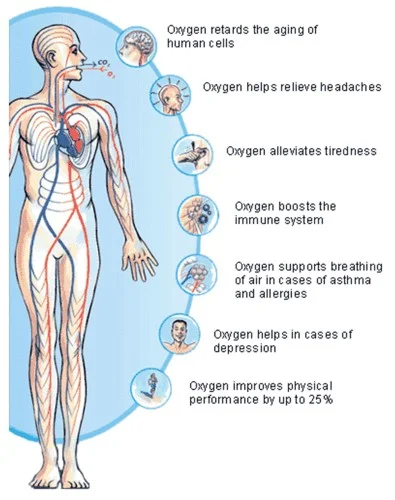
An illustration of the benefits of oxygen therapy.

There are a number of reasons why your body and brain might not be getting enough oxygen:

  • Sedentary lifestyle and lack of exercise

  • Shallow breathing – Most people today don’t breathe well and are shallow breathers.

  • Chronic stressStress and anxiety can also affect your breathing. If you're stressed and anxious, you end up taking more shallow breaths. Your sympathetic “fight or flight” nervous system is chronically active, and this reduces the amount of oxygen that reaches your brain.

  • Abnormal blood pressure – Both high and low blood pressure can be problematic and may suggest that blood is not optimally flowing to your brain. If blood flow to your brain is poor, oxygen levels in your brain will also be suboptimal.

Normobaric oxygen therapy can help you if you’re struggling with any of these problems.

It can also help if you’re recovering from a concussion or brain injury or some sort of toxic exposure (e.g. mold). 

Neuroplasticity and neurogenesis require oxygen, and increasing the delivery of oxygen to the body and brain supports the healing process of damaged tissue.

Normobaric oxygen therapy has been shown to work by increasing brain blood flow, reducing permeability of the blood-brain barrier, and it may even have cholinergic properties (3-8). 

Researchers have concluded that the “neuroprotective role of normobaric oxygen therapy is extremely promising” (9). 

They have also found that it can lead to a number of positive cognitive outcomes, which I'll explore below. 

Click here to subscribe

1. Normobaric Oxygen Therapy Improves Memory and Recall

In their book Advances in Natural Medicines, Nutraceuticals, and Neurocognition, Dr. Andrew Scholey and Dr. Con Stough state that normobaric oxygen therapy is an effective memory enhancer

Research has shown that oxygen administration leads to improved long-term memory compared to a control group of normal air-breathing.

Several clinical studies also show that concentrated oxygen significantly enhances memory formation and recall in adults (10-11, 16-17). 

In one study, inhalation of oxygen immediately prior to learning a word list resulted in a significant increase in the average number of words recalled 10 minutes later (14). 

In other studies, subjects who received oxygen remembered shopping lists and faces better than subjects that didn’t receive oxygen (12-13, 18). 

Researchers have also found significant positive correlations between changes in oxygen saturation and memory performance (15). 


2. Normobaric Oxygen Therapy Improves Cognitive Performance

Research shows that concentrated oxygen significantly enhances cognitive performance (19-20, 29). 

And it doesn’t just improve cognitive function in the elderly; it also enhances cognitive processing in young adults (21-23). 

In one study, students that inhaled oxygen while playing a computer game performed much better compared to students who didn’t inhale any additional oxygen (26). 

In two other studies, researchers found that the inhalation of 30% oxygen improved cognitive functioning and performance by activating several brain areas (24-25). 

Oxygen administration appears to facilitate cognition most effectively for tasks with a higher cognitive load.
— Advances in Natural Medicines, Nutraceuticals, and Neurocognition

They concluded that breathing a higher concentration of oxygen increases blood oxygen levels in the brain, which then supports cognition (24-25). 

And other researchers have found significant correlations between blood oxygen levels and cognitive performance (27-28). 


3. Normobaric Oxygen Therapy Enhances Accuracy

Several studies have found that normobaric oxygen therapy can also increase your accuracy when doing tasks. 

Two studies found that 30% and 40% oxygen administration significantly enhanced accuracy rates compared to 21% oxygen (normal air). It did this by increasing oxygen levels in the blood, which then stimulated activity in the brain (31-32). 

As the difficulty of the task increased, the difference in the accuracy rate between 40% and 21% oxygen administration also increased (33-34). 

And researchers found a positive correlation between task performance and oxygen levels in the brain (33-34). 

Other research has found that 30% oxygen administration enhances accuracy rates during verbal tasks by activating specific areas of the brain (35-36). 

Click here to subscribe

4. Normobaric Oxygen Therapy Reduces Reaction Time

People who receive normobaric oxygen therapy also have faster reaction times (37-38). 

In one study, participants performed visual matching tasks under 43% oxygen or 21% oxygen (normal air).

Researchers reported a significant decrease in reaction time in the presence of 43% oxygen (39).

The researchers hypothesized that normobaric oxygen therapy increases oxygen levels in the blood, which then leads to more available oxygen in the brain (39). 

Another follow-up study confirmed that response time decreases during normobaric oxygen therapy due to the increase in blood oxygen levels (40). 

Normobaric oxygen therapy has even been shown to reduce reaction time in children with attention deficit hyperactivity disorder (ADHD) (41). 


5. Normobaric Oxygen Therapy Increases Energy

Despite comprising only 2 percent of the body’s weight, the brain gobbles up more than 20 percent of daily energy intake.

All cells within your body need oxygen, particularly your brain cells.

They require a lot of oxygen to produce energy. 

In fact, your energy levels depend on how much oxygen you have and how well your mitochondria utilize it.

If your brain doesn’t get enough oxygen, it simply won’t function properly, and you’ll end up feeling tired. 

But normobaric oxygen therapy can increase energy.

Research shows that it "decreases fatigue and reduces feelings of sleepiness" (51). 


6. Normobaric Oxygen Therapy Improves Neurological Function After Stroke

Researchers say that normobaric oxygen therapy is a promising therapy for stroke patients. 

It’s been shown to reduce brain swelling and blood-brain barrier permeability and increase brain blood flow after stroke (42-43). 

One study found that normobaric oxygen therapy significantly improved neurological functions in patients with acute ischemic stroke (44). 

Other researchers have found that normobaric oxygen therapy increases oxygen supply to damaged tissues and improves outcomes after stroke, in both animals and humans (45-46). 

As a non-pharmaceutical and non-invasive treatment, normobaric oxygen therapy is “worthy of notice” (47). 

Click here to subscribe

7. Oxygen Therapy May Help Reverse Brain Damage After Traumatic Brain Injury

Researchers found that a combination of normobaric and hyperbaric oxygen therapy reversed brain damage in 2-year-old girl who nearly drowned in a swimming pool.

She received normobaric oxygen treatment (twice daily for 45 minutes by nasal cannula), and doctors witnessed significant improvements in her neurological function (48-49). 

Normobaric oxygen therapy alone improved the girl’s neurological function before she started hyperbaric oxygen therapy (48-49). 

She eventually made a full recovery with both types of oxygen therapy. 

Researchers have also said that the “neuroprotective role of normobaric oxygen therapy is extremely promising” for traumatic brain injury (50). 

I’ve also seen multiple studies with rats and mice showing that normobaric oxygen therapy reduces brain swelling and brain damage.


8. Other Possible Benefits (with Less Research Behind Them)

  • Increases attention and vigilance – Oxygen administration significantly improved performance on several measures of attention and vigilance (52).

  • Reduces inflammation – Oxygen levels play a critical role in determining the severity of the inflammatory response and ultimately the effectiveness of anti-inflammatory drugs (53-54).

  • Improves hand-eye coordination (55).

  • Increases positive sense of wellbeing (56).


My Experience with Normobaric Oxygen Therapy

If you use oxygen for 20 minutes, muscles become loosened, headaches and stress seem to disappear, there is a renewed energy and a feeling of relaxation.
— Dr. Richard de Andrea


I was first introduced to oxygen therapy through an integrative doctor I know.

At the end of each appointment with him, I would use his oxygen concentrator for about 15-20 minutes. He used this oxygen concentrator. 

I eventually decided to buy my own oxygen concentrator and now regularly use it at home. 

There is a dial for adjusting the flow of oxygen and the port is located on the upper right of the machine.

There is a dial for adjusting the flow of oxygen and the port is located on the upper right of the machine.

I bought this oxygen concentrator. I'll discuss how it has helped me below.

The oxygen from the concentrator is supplied through an nasal canula. It’s completely non-invasive and painless, and it’s become one of my favourite tools for supporting my brain.

I use it for about 20 to 30 minutes, a few times each week. I often do this while exercising on this indoor stationary bike. Sometimes I use it without exercising on the bike. 

I also use it for about 3 to 5 minutes as needed, usually when doing work. 

During a session, I use this oxygen saturation monitor to measure my blood oxygenation levels. 

Your blood oxygen saturation levels (SpO2) should measure 99-100%. I see mine increase and max out while using the concentrator

My oxygen concentrator delivers up to 5 litres of oxygen per minute. I usually set mine somewhere between 3 and 5 litres per minute. 

But I would recommend starting lower and working your way up. 

Similar to low-level laser/light therapy, oxygen therapy is somewhat experimental. You need to find the right “dosage” for yourself.


Benefits and What I’ve Noticed

Jordan Fallis using oxygen concentrator.

I've had good results with concentrated oxygen therapy and it has surprisingly increased the quality of my life. 

One of the main things I notice is that it feels like it puts energy back into my body every time I use it.

One of my clients uses it whenever she gets brain fog, and it clears it up. Another client uses it when she gets a headache and the headache disappears within 10 minutes.

It also does an incredible job of getting rid of hangovers. They essentially go away if you use the concentrator the morning after drinking. You just immediately feel like a completely new person.

Here are some other benefits I’ve experienced:

  • Increased energy and alertness

  • Improved mood

  • Increased cognitive function

  • Improved memory and enhanced ability to work through difficult tasks

  • More mental motivation, endurance and productivity if used during tasks

Keep in mind that this is my personal experience (and the experiences of a couple of clients). There really is no guarantee that you’ll experience the same results, but it’s worth a try if you’re sick and other therapies aren’t improving your brain function. 

Click here to subscribe

Combining Oxygen Therapy with Other Therapies

I also combine oxygen therapy with other therapies and supplements for their synergistic effects. 

Researchers have found that combining normobaric oxygen therapy with the following therapies leads to better results (57-59):


Enjoy This Article? You Might Also Like My FREE Food Guide for Optimal Brain and Mental Health!

Click here to subscribe

Live Optimally,

Jordan Fallis

Connect with me

References:

(1) https://www.ncbi.nlm.nih.gov/pubmed/23317164

(2) https://www.ncbi.nlm.nih.gov/pmc/articles/PMC5234199/

(3) https://www.ncbi.nlm.nih.gov/pmc/articles/PMC3023418/

(4) https://www.ncbi.nlm.nih.gov/pmc/articles/PMC5110143/

(5) https://www.ncbi.nlm.nih.gov/pubmed/28931617

(6) https://www.ncbi.nlm.nih.gov/pubmed/25804925

(7) https://www.ncbi.nlm.nih.gov/pubmed/27177548

(8) https://www.ncbi.nlm.nih.gov/pubmed/9600580/

(9) https://www.ncbi.nlm.nih.gov/pubmed/19922270

(10) https://www.ncbi.nlm.nih.gov/pubmed/9600580/

(11) https://www.ncbi.nlm.nih.gov/pmc/articles/PMC4107523/

(12) https://www.ncbi.nlm.nih.gov/pubmed/10604851/

(13) https://www.ncbi.nlm.nih.gov/pubmed/9600580

(14) https://www.ncbi.nlm.nih.gov/pubmed/8740047

(15) https://www.ncbi.nlm.nih.gov/pubmed/18322865/

(16) https://www.ncbi.nlm.nih.gov/pubmed/9600580/

(17) https://www.ncbi.nlm.nih.gov/pubmed/9694523/

(18) https://www.ncbi.nlm.nih.gov/pubmed/9862412

(19) https://www.ncbi.nlm.nih.gov/pmc/articles/PMC4107523/

(20) https://www.ncbi.nlm.nih.gov/pubmed/10604851/

(21) https://www.ncbi.nlm.nih.gov/pubmed/9694523/

(22) https://www.ncbi.nlm.nih.gov/pmc/articles/PMC4107523/

(23) https://www.ncbi.nlm.nih.gov/pmc/articles/PMC4107523/

(24) https://www.ncbi.nlm.nih.gov/pubmed/15522765

(25) https://www.ncbi.nlm.nih.gov/pubmed/15684544

(26) https://goo.gl/h9o5Aj

(27) https://www.ncbi.nlm.nih.gov/pmc/articles/PMC4107523/

(28) https://www.ncbi.nlm.nih.gov/pubmed/10604851/

(29) https://www.ncbi.nlm.nih.gov/pubmed/17662686/

(30) https://www.ncbi.nlm.nih.gov/pmc/articles/PMC4107523/

(31) https://www.ncbi.nlm.nih.gov/pubmed/17053947/

(32) https://www.ncbi.nlm.nih.gov/pubmed/17395994/

(33) https://www.ncbi.nlm.nih.gov/pubmed/18569150/

(34) https://www.ncbi.nlm.nih.gov/pubmed/20080151

(35) https://www.ncbi.nlm.nih.gov/pubmed/16678926

(36) https://www.ncbi.nlm.nih.gov/pubmed/15929498

(37) https://www.ncbi.nlm.nih.gov/pubmed/15627418/

(38) https://www.ncbi.nlm.nih.gov/pubmed/10604851/

(39) https://www.ncbi.nlm.nih.gov/pubmed/19429029/

(40) https://www.ncbi.nlm.nih.gov/pmc/articles/PMC4107523/

(41) https://www.ncbi.nlm.nih.gov/pubmed/22285726

(42) https://www.ncbi.nlm.nih.gov/pubmed/26416428

(43) https://www.ncbi.nlm.nih.gov/pubmed/25804925

(44) https://www.ncbi.nlm.nih.gov/pubmed/28931617

(45) https://www.ncbi.nlm.nih.gov/pmc/articles/PMC5110139/

(46) https://www.ncbi.nlm.nih.gov/pmc/articles/PMC4146175/

(47) https://www.ncbi.nlm.nih.gov/pmc/articles/PMC5110139/

(48) https://www.ncbi.nlm.nih.gov/pmc/articles/PMC5510296/

(49) https://goo.gl/m2CbrR

(50) https://www.ncbi.nlm.nih.gov/pubmed/19922270

(51) https://www.ncbi.nlm.nih.gov/pubmed/15627418/

(52) https://www.ncbi.nlm.nih.gov/pubmed/9694523/

(53) http://www.sciencedaily.com/releases/2013/12/131202121536.htm

(54) https://jlb.onlinelibrary.wiley.com/doi/abs/10.1189/jlb.0912462

(55) https://www.ncbi.nlm.nih.gov/pubmed/11258587

(56) https://www.ncbi.nlm.nih.gov/pubmed/11258587

(57) https://www.ncbi.nlm.nih.gov/pubmed/27458543

(58) https://www.ncbi.nlm.nih.gov/pubmed/27177548

(59) https://www.ncbi.nlm.nih.gov/pubmed/26416428

Terms and Conditions

Privacy Policy

Affiliate Disclosure

Disclaimer

25 Powerful Ways to Boost the Mitochondria in Your Brain

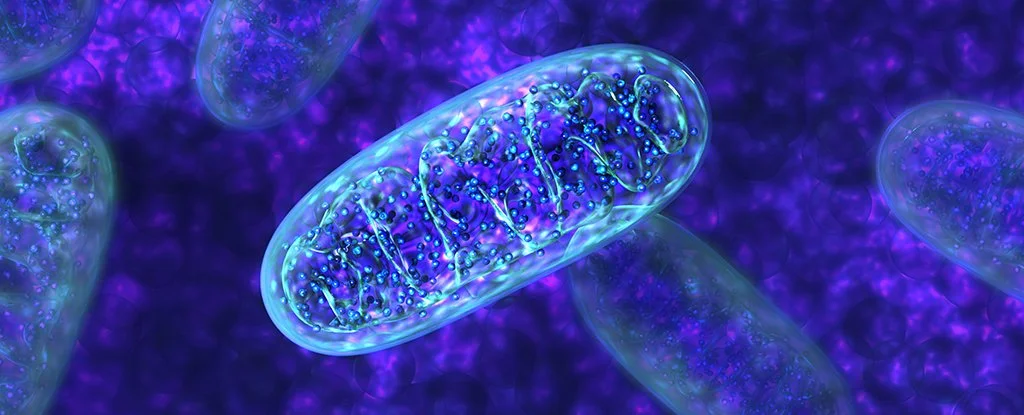
Picture of several mitochondria.

It’s becoming increasingly clear that chronic mitochondria dysfunction is one of the main underlying factors that contributes to poor brain function and mental illness. 

Mitochondria are unique structures within every cell of your body. You have trillions and trillions of them, making up approximately 10% of your total body weight.

Mitochondria are considered the “powerhouses of the cell,” generating most of the energy in your body by converting nutrition into adenosine-5’- triphosphate (ATP). ATP is your body’s main source of cellular fuel. You are constantly using it, and your brain needs enough of it to work properly (106-107). 

Your mitochondria are critically important and need to be supported to overcome depression and anxiety, and reach optimal brain and mental health.

Mitochondria are especially abundant in your brain cells and involved in many important biological processes in the brain, including the regulation of free radicals and neurotransmitters.

In fact, monoamine oxidase (MAO), the enzyme responsible for the metabolism of monoamine neurotransmitters, is localized within the outer mitochondrial membrane (91-93). 

So not surprisingly, numerous studies show that there is a correlation between impaired mitochondrial function in the brain and many psychiatric and neurodegenerative diseases, including:

In fact, some researchers are convinced that mitochondrial dysfunction is involved in almost every chronic disease (108-110). 

Mitochondria dysfunction decreases ATP energy production and increases oxidative stress, which are commonly found in the brains of people suffering from brain and mental health disorders.

Cognitive symptoms of mitochondrial dysfunction can also include impairments in attention, executive function and memory (105).

Unfortunately, a number of psychiatric drugs damage the mitochondria and worsen the dysfunction.

But luckily, there are ways to halt and reverse mitochondrial decay.

Below are a number of strategies I’ve used over the years to support my mitochondria.

Supplements and lifestyle changes can improve mitochondrial health by increasing the availability of proteins needed for ATP production.

They also act as antioxidants, assisting the mitochondria in reducing oxidative stress.

Some of the following lifestyle changes and supplements can also increase the number of mitochondria present within the cell.

And you can start using them today to regain optimal brain and mental health.


1. Eat Nutrient-Dense, Whole Foods

Dr. Terry Wahls standing in front of her wheelchair.

Eating lots of fresh, nutrient-dense whole foods is an impactful action you can take to power your mitochondria. 

In order to thrive, your mitochondria need phytonutrients, antioxidants, healthy fats and proteins.

Dr. Terry Wahls, MD, clinical professor of medicine at the University of Iowa, is a leading expert on the relationship between nutrition and mitochondrial health.

She was diagnosed with multiple sclerosis (MS) more than a decade ago but reversed the neurodegenerative brain disease by repairing her mitochondria with an intensive nutritional strategy.

She outlines how she recovered her health in her book The Wahls Protocol

Research on her protocol shows that patients witness a “significant improvement in fatigue” (67). 

She recommends eating six to nine cups of vegetables and fruits every day, including green veggies (kale, spinach), brightly colored vegetables (beets, carrots, peppers), and sulfur-rich veggies (broccoli, cauliflower).

My Free Grocery Shopping Guide for Optimal Brain Health contains a bunch of foods that you should be eating on a regular basis for optimal mitochondrial health. 

Dr. Wahls also has a fascinating TED talk that you can watch if you're interested in learning more. 


2. Limit Certain Foods and Ingredients

Pizza, burgers and fries. Fast, processed food impairs mitochondria health.

Eating poor-quality foods can also wear down your mitochondria. 

Your mitochondria were not designed to deal with our current food environment and lifestyle habits. 

That’s why you should limit refined sugars, processed flours, industrial oils and trans fats. They can damage your mitochondria and prevent them from properly producing energy.

Dr. Wahls also recommends you avoid all gluten, dairy and soy products for optimal mitochondrial health.

I used to strictly avoid all of these foods and I felt better when I did, but no longer need to since restoring my health.


3. Eat More Essential Fats

Healthy fats, including omega-3 fatty acids, help build and strengthen the membranes of your mitochondria. They’ve also been shown to improve mitochondrial function in the brain (5-7). 

That’s why Dr. Wahls recommends eating organic grass-fed beef or wild-caught fish, such as salmon, every day.

Avocados, nuts, seeds, coconut and olive oil are also rich in healthy fats. 

Supplementing with krill oil is another excellent option.


4. Exercise

Not surprisingly, exercise strengthens your mitochondria by increasing oxygen and blood flow and activating biochemical pathways that produce new mitochondria (8). 

Runners have more high-functioning mitochondria than non-runners, and strength training and high-intensity interval training also increase the number of mitochondria and improve the efficiency of your existing mitochondria (9, 10).

Exercise can also increase brain-derived neurotrophic factor (BDNF).


5. Low-Level Laser Therapy (LLLT)

Low-level laser therapy (LLLT) is a treatment that uses low-level (low-power) lasers or light-emitting diodes (LEDs) to stimulate brain cells, helping them heal and function better. 

There is strong evidence to suggest that LLLT supports the mitochondria. 

Research shows that LLLT reduces oxidative stress and increases the production of ATP energy in mitochondria (39, 40). 

These mitochondrial benefits have also been seen directly within the brain.

Studies show that LLLT increases mitochondrial activity within brain cells, and this leads to beneficial effects in behaviour (41). 

LLLT treatment has also been shown to increase the number of mitochondria, and mitochondrial oxygen usage, within the brain (42, 43).

I have used these two LLLT devices myself at home to support my mitochondria and boost my brain function:

  • Optimal 1000 Brain Photobiomodulation Therapy Light (Combo Red/NIR) - This is a powerful device that shines 660 nm of red light and 850 nm of infrared light. You can shine it on your forehead for 5 minutes every day. You can also shine it on other parts of your head and on your entire body, including your thyroid, thymus gland and gut.

  • Vielight Neuro Duo – This is a transcranial-intranasal headset with 810 nm of near infrared light. It penetrates deeper into brain tissue and is absorbed better by the central nervous system. If you decide to get this one, you can use the coupon code JORDANFALLIS for a 10% discount. Some research has shown a 20-fold higher efficiency of light delivery to the deep brain through the nose instead of transcranial application (125).

You can learn more about LLLT in this post

You should also limit your exposure to artificial blue light, as excessive blue light exposure can also wear down your mitochondria. You can learn more about the risks of too much blue light in this post

Click here to subscribe

6. Resveratrol

Resveratrol is a beneficial antioxidant compound found in grapes and red wine. 

Not only does it increase BDNF levels, but it also activates the SIRT1 gene. This gene triggers a number of positive biochemical reactions that protect and improve the functioning of your mitochondria. Caloric restriction and intermittent fasting also trigger the SIRT1 gene (11-13).

In 2006, Harvard researchers found that resveratrol increases lifespan by protecting the mitochondria (14).

Resveratrol is included in the Optimal Energy supplement.


7. Caloric Restriction and Intermittent Fasting

Restricting your calories is one the best actions you can take to improve mitochondrial function.

Studies show that eating less food reduces the demand and damage on your mitochondria. 

But reducing calories is tough to do and absolutely no fun. 

So you can do intermittent fasting instead. 

Fasting activates your mitochondria and triggers autophagy, which is an intracellular process that essentially allows your mitochondria to clean themselves by removing unwanted and damaged debris, proteins and reactive oxygen species (1, 2, 4).

This process has been shown to reduce the risk of cancer, Parkinson’s disease and Alzheimer’s disease (3). 


8. Nicotinamide Adenine Dinucleotide (NADH)

NADH is a naturally-occurring compound found in the cells of all living organisms.

It plays a key role in the production of energy within the cell and is highly concentrated within your mitochondria (45). 

Depletion of NADH has been linked to a number of diseases, including depression, chronic fatigue syndrome, Alzheimer’s and Parkinson’s.

But stabilized oral NADH has been shown to improve all of these conditions (46, 47, 48). 

Although I don’t take it anymore, I’ve witnessed a beneficial effect from supplementing with NADH.

LLLT is also known to increase NADH in your mitochondria. 

Check out this article for other ways to increase NAD.


9. Ketogenic Dieting

A ketogenic diet is a very low-carb diet. 

When you restrict carbohydrate-rich foods, your body enters ketosis.

Ketosis is a metabolic state in which your body and brain run on fatty acids and “ketones” instead of glucose (36).

Ketones are an alternative source of energy for your brain cells and they support your mitochondria. 

When your mitochondria are dysfunctional, following a ketogenic diet can be an effective strategy to fuel the mitochondria. 

When mitochondria are fueled by ketones instead of glucose, their ability to produce ATP is enhanced and free-radical byproducts are reduced.
— Dr. Jong Rho, MD, Professor of Pediatrics and Clinical Neurology at the Alberta Children’s Hospital

Ketogenic diets may help treat many different brain and mental health diseases including Alzheimer’s, Parkinson’s, epilepsy and autism. 

Exogenous ketones can also help you get into ketosis and experience the mitochondrial-boosting effects of ketones very quickly.


10. B Vitamins

B vitamins play an essential role in maintaining mitochondrial function.

In fact, your mitochondria will be compromised if you have a deficiency of any B vitamin (37). 

Deficiency is more likely if you take certain medications

Vitamin B1, B2, B3, B5, B6 and B12 are all included in the Optimal Energy supplement for this reason.

Click here to subscribe

11. Ribose

Ribose is a five carbon sugar created naturally by your body.

Even though it’s a sugar, research suggests it does not raise blood sugar levels.

Instead, your body stores it in the mitochondria (49, 50). 

Ribose is used by the mitochondria to produce ATP and if you don’t have enough, you’ll experience low energy (51). 

Chronic stress can deplete ribose, and certain conditions have been linked to chronic ribose deficiency, including depression and chronic fatigue syndrome.

People can supplement with ribose if they struggle with these disorders because it can help reduce mental and physical lethargy (52, 53).

Ribose is also included in Optimal Energy.


12. Coenzyme Q10 (CoQ10)

Coenzyme Q10 (CoQ10) is an antioxidant molecule found in every cell of your body.

It’s particularly concentrated in the mitochondria, playing a key role in the production of energy.

It also protects the mitochondria from oxidative damage. 

Without CoQ10, your body cannot synthesize ATP because CoQ10 is an essential component of the mitochondrial electron transport chain.

Many doctors are unaware that CoQ10 is an excellent treatment for many brain health issues, including depression, chronic fatigue syndrome, and Alzheimer’s disease

Low levels of CoQ10 can cause brain fog, mental fatigue, difficulty concentrating, memory lapses, depression and irritability (68-70). 

Researchers have found that CoQ10 levels are significantly lower in the depressed patients (71). 

Unfortunately, chronic oxidative stress and medications can further deplete CoQ10

But supplementing with CoQ10 can increase your mitochondrial energy production and reduce symptoms of depression and chronic fatigue (71). 

Food sources with high natural concentrations of CoQ10 include organic red palm oil and grass-fed beef heart (72, 73). 

But supplementing with it will give you a more significant mitochondrial boost.


13. Pyrroloquinoline quinone (PQQ)

Pyrroloquinoline quinone (PQQ) is a vitamin-like enzyme and potent antioxidant found in plant foods.

It has a wide range of brain health and mitochondrial benefits.

It’s been shown to preserve and enhance memory, attention, and cognition by protecting the mitochondria from oxidative damage.

It also promotes the growth of new mitochondria in the brain (56-59). 

Since it helps grow new mitochondria, it may help you if you suffer from depression, since fewer mitochondria have been found in people with depression (63). 

Reactive nitrogen species (RNS) and reactive oxygen species (ROS) cause severe stress on brain cells and mitochondria.

PQQ has also been shown to suppress RNS and ROS (60-62). 

Researchers have also found that supplemental PQQ can be neuroprotective by increasing mitochondrial activity levels (64-66). 

I personally never really noticed much of anything from PQQ. So I don’t take it anymore and didn’t include it in Optimal Energy.


14. Magnesium

Magnesium is a vital mineral within your body.

Mitochondria are considered magnesium “storage units” because they hold onto a lot of your body’s magnesium. 

Magnesium also protects the mitochondria and plays a role in the production and transfer of ATP within the mitochondria.

And research shows that if you have a deficiency in magnesium, your brain cells will have fewer mitochondria, and they will be less healthy (54, 55). 

This is just another reason to supplement with magnesium every day.

 
Scientific representation of brain and brain blood flow.

Carnitine is an amino acid that improves mitochondrial activity and plays an important role in energy production.

It’s known to transport fatty acids directly into the mitochondria of your brain cells. 

It’s also required to produce ATP and deficiencies are associated with reduced mitochondrial function in the brain (74). 

Supplementing with carnitine makes it easier for fatty acids to cross your blood-brain barrier and nourish the mitochondria within your brain. This can improve your mood, memory and energy levels.

Several studies show that carnitine eases depressive symptoms and improves quality of life in patients with chronic depression (75-78). 

And individuals with autism often have reduced levels of carnitine within their brain (79). 

Carnitine is synergistic with Alpha Lipoic Acid (ALA), meaning that when you take them together, they are more effective at supporting the mitochondria in your brain.

ALA is a mitochondrial enzyme and antioxidant. It is fat soluble and can easily cross your blood-brain barrier.

It’s been shown to improve cognition by reducing oxidative stress in the brain.

It also protects existing mitochondria and creates new mitochondria in the brain (80, 101).

Both ALA and carnitine are included together in Optimal Energy.

Click here to subscribe

16. Thiamine

Thiamine, also known as Vitamin B1, is an essential water-soluble nutrient that cannot be made by the body.

It’s used in nearly every cell in the body and it’s especially important for supporting energy levels and mitochondrial functioning in the brain.

It’s also required by nerve cells and other supporting cells in the nervous system.

Research shows that thiamine deficiency induces oxidative stress, resulting in mitochondrial abnormalities in the brain (21-22).

Healthy food sources of thiamine include green peas, beef liver, asparagus, pecans, spinach, sunflower seeds, macadamia nuts, oranges, cantaloupe and eggs. 

These foods are included in my Free Grocery Shopping Guide for Optimal Mental Health.

Thiamine is also included in Optimal Energy.


17. Creatine

Creatine is a molecule produced in the body and found in foods, particularly meat, eggs, and fish.  

Creatine is also available as a supplement.

Athletes, bodybuilders, wrestlers, sprinters often take extra creatine to gain more muscle mass.

It’s an incredibly well-researched supplement and safe to take regularly. 

Supplementing with creatine can also support the brain.

It's been shown to have neuroprotective effects. It rapidly produces energy to support brain cell function.

Researchers have also found that creatine supplementation improves function of mitochondria in the brain (25).


18. Curcumin

Curcumin is the most heavily researched compound within turmeric, the spice that gives curry its yellow colour.

Curcumin protects mitochondria and prevents mitochondrial dysfunction in the brain (111-113).

Curcumin can be found in both Optimal Energy and Optimal Antiox.


19. Malic Acid

Malic acid, also known as malate, is an intermediate of the Krebs cycle.

It’s a key step in the pathway of energy production by the mitochondria.

And it has a number of health benefits because it improves mitochondrial function.

Malate supplementation has been shown to increase the availability of NAD+, which is necessary for producing ATP.

Malate also increases NADPH levels, which is a fundamental antioxidant in the body that promotes mitochondrial function (114).

That’s why I’ve included malic acid in the Optimal Energy supplement.


20. Niacinamide

Niacinamide, also known as nicotinamide, is a vitamin found in foods.

It’s also often taken as a supplement.

Niacinamide is the precursor to NAD+ and therefore supplementation can increase levels of this molecule and improve mitochondrial function.

Researchers have found that niacinamide prevents energy depletion in the brain (115).

It also improves the mitochondrial quality of brain cells by inducing autophagy and causing dysfunctional mitochondria to fragment (116).

Click here to subscribe

21. N-Acetyl-Cysteine

N-Acetyl-Cysteine (NAC) is a modified form of the amino acid cysteine.

It’s also the precursor to glutathione, your body’s master antioxidant.

Nowadays, we’re exposed to so many environmental toxins, which cause oxidative stress in the body and deplete our reserves of cysteine and glutathione.  

But supplementing with NAC can increase and normalize your cysteine and glutathione levels. 

This can combat and reduce oxidative stress in your brain, which can then help treat several mental illnesses.

NAC can also help support your mitochondria.

In one study, NAC treatment for 9 weeks reduced oxidative damage to the mitochondria (117).

And in multiple cell studies, NAC improved mitochondrial function by reducing oxidative stress (118-119).


22. Succinic acid

Succinic acid, also known as succinate, is an intermediate molecule of the Krebs cycle that plays a significant role in the electron transport chain.

It can be purchased as a supplement to boost energy production by the mitochondria.

Succinic acid has been shown to prevent structural and functional damage to the mitochondria caused by oxidative stress (120).

And in brain cells that have mitochondrial dysfunction, succinic acid supplementation improved mitochondrial functioning by increasing glucose and oxygen usage. This led to increased levels of ATP energy (121).

For this reason, succinic acid is in the Optimal Energy supplement.


23. EGCG

Epigallocatechin-3-Gallate (EGCG) is the main polyphenol found in green tea.

It’s been shown to have anti-inflammatory and neuroprotective effects.

EGCG accumulates within the mitochondria and activates a number of proteins related to mitochondrial function (122-124).

I personally drink organic green tea regularly, usually in place of coffee on days when I’m relaxing.

However, it’s important to keep in mind that the body isn't very good at absorbing EGCG and distributing it to the brain and other tissues.

That's why researchers often use large dosages of concentrated EGCG in their studies instead of green tea.

But unfortunately, large dosages of concentrated EGCG have been shown to cause liver toxicity.

So you could supplement with large dosages of concentrated EGCG and see some benefits.

But you'd be damaging your liver at the same time.

Not good.

So what should you do? How do you absorb EGCG and get the amazing benefits of it without damaging your liver?

You take it with Vitamin C.

Research shows that you can enhance the absorption and availability of EGCG by taking it with Vitamin C (9).

That's why the Optimal Antiox supplement includes a small and safe amount of EGCG, plus 500 mg of Vitamin C.

This significantly enhances the absorption of EGCG, and ensures you get all the brain and mental health benefits of EGCG (without the harm).


24. Citicoline

Citicoline (also known as CDP-Choline) is one of the most bioavailable forms of choline, an essential B vitamin.

You need to get choline from food, but most people do not get enough because very few foods in the Western diet contain high levels of it.

That’s why supplementation is often necessary for optimal brain health.

Citicoline is a supplemental form of choline that has anti-inflammatory and neuroprotective effects.

Research shows that citicoline slows down the aging of mitochondria in the brain (125).

It also significantly enhances mitochondrial energy production and increases ATP levels in the frontal lobe of the brain (125).

Citicoline significantly improves my focus and mental energy.

You can also find some choline in foods such as beef liver and egg yolks, but the effects of Citicoline are much more noticeable and immediate because it quickly passes the blood-brain barrier and supports your brain.  

Make sure you read this article to learn more about the remarkable benefits of Citicoline.


25. Ginkgo Biloba

Ginkgo Biloba is a plant that has been used in China for thousands of years to treat a number of health problems.

It’s one of the top-selling natural supplements in the world, and it’s even a prescription herb in Germany.

Ginkgo Biloba is most commonly used to improve brain health because it increases brain blood flow and improves memory, mood, mental energy, and attention in both healthy and unhealthy individuals.

It even reduces the risk of dementia and Alzheimer’s disease!

Researchers have discovered that one of the ways it supports brain function is by improving mitochondrial function and increasing the production of ATP in brain cells (126-127).

It even restores ATP levels after mitochondrial damage (128).

Ginkgo Biloba is included in the Optimal Brain supplement.


Conclusion

Picture of mitochondrion, the energy producer of brain cells.

Paying attention to your mitochondria is crucial for optimal brain and mental health.

Luckily there are a number of dietary and lifestyle habits that can protect and support mitochondrial function.

The following steps will ensure your body and brain have healthier and more abundant mitochondria: 

  • Take Optimal Energy. It’s an all-in-one mitochondrial supplement. It includes the 17 best natural compounds proven to boost mitochondrial functioning in the brain.

  • Eat nutrient-dense, whole foods, including plenty of fruits and vegetables. Download my free food guide for a shopping list of the best foods to eat.

  • Limit refined sugars, processed flours, industrial oils, trans fats, gluten and processed dairy.

  • Eat organic grass-fed beef and wild-caught fish, or supplement with krill oil.

  • Exercise

  • Try LLLT

  • Restrict calories and/or fast intermittently

  • Follow a cyclic ketogenic diet and/or take exogenous ketones

If you follow these strategies, there’s no doubt that you can improve your mitochondrial health and naturally restore your mood and energy levels.

Please share this post with one of your friends or family members who you think might benefit from protecting and supporting their mitochondria, because it really is an underappreciated and unknown aspect of optimal brain and mental health. 

 
Click here to subscribe

Live Optimally,

Jordan Fallis

Connect with me

References:

(1) http://nutritionandmetabolism.biomedcentral.com/articles/10.1186/1743-7075-10-63

(2) http://www.ncbi.nlm.nih.gov/pmc/articles/PMC3630798/

(3) http://www.ncbi.nlm.nih.gov/pmc/articles/PMC3630798/

(4) http://www.hindawi.com/journals/jar/2011/807108/

(5) http://www.ncbi.nlm.nih.gov/pubmed/24396061

(6) http://www.ncbi.nlm.nih.gov/pubmed/24972878

(7) https://lipidworld.biomedcentral.com/articles/10.1186/1476-511X-11-142

(8) http://www.nutritionandmetabolism.com/content/10/1/63

(9) https://www.masscfids.org/resource-library/13-basic-information/302-mitochondrial-dysfunction-post-exertional-malaise-and-cfsme

(10) http://www.ncbi.nlm.nih.gov/pmc/articles/PMC3883043/

(11) http://www.ncbi.nlm.nih.gov/pubmed/15749705

(12) http://www.ncbi.nlm.nih.gov/pmc/articles/PMC2492662/

(13) http://www.ncbi.nlm.nih.gov/pubmed/24449278

(14) http://www.cell.com/cell/abstract/S0092-8674(06)01428-0?_returnURL=http%3A%2F%2Flinkinghub.elsevier.com%2Fretrieve%2Fpii%2FS0092867406014280%3Fshowall%3Dtrue

(15) http://www.nrjournal.com/article/S0271-5317(03)00234-3/abstract

(16) http://www.ncbi.nlm.nih.gov/pubmed/20840838

(17) http://www.nature.com/tp/journal/v5/n1/full/tp2014131a.html

(18) http://www.scielo.br/scielo.php?script=sci_arttext&pid=S1516-44462011000400003

(19) http://www.ncbi.nlm.nih.gov/pubmed/22776356

(20) http://www.fasebj.org/content/19/12/1657.abstract

(21) http://www.ncbi.nlm.nih.gov/pubmed/6493495

(22) http://link.springer.com/article/10.1007/s13105-013-0242-y

(23) http://www.ncbi.nlm.nih.gov/pubmed/16102804

(24) http://www.healio.com/endocrinology/practice-management/news/online/%7B4b5c8b84-70c2-4928-a7b0-88f24f50d609%7D/vitamin-d-supplementation-enhanced-mitochondrial-function-lessened-fatigue

(25) http://www.ncbi.nlm.nih.gov/pubmed/12657421

(26) http://www.ncbi.nlm.nih.gov/pubmed/21423579

(27) http://www.ncbi.nlm.nih.gov/pmc/articles/PMC3100547/

(28) http://www.ncbi.nlm.nih.gov/pubmed/15183071

(29) http://www.fasebj.org/content/20/2/269.abstract

(30) https://biolres.biomedcentral.com/articles/10.1186/0717-6287-47-74

(31) http://www.ncbi.nlm.nih.gov/pubmed/26278015

(32) http://www.ncbi.nlm.nih.gov/pubmed/19211721

(33) http://www.ncbi.nlm.nih.gov/pmc/articles/PMC3670924/

(34) http://www.ncbi.nlm.nih.gov/pubmed/26365487

(35) http://www.ncbi.nlm.nih.gov/pubmed/21061051

(36) http://www.ncbi.nlm.nih.gov/pubmed/17332207

(37) http://www.ncbi.nlm.nih.gov/pubmed/16765926

(38) http://www.ncbi.nlm.nih.gov/pubmed/2476986/

(39) http://www.ncbi.nlm.nih.gov/pubmed/10365442/

(40) http://www.ncbi.nlm.nih.gov/pubmed/6479342/

(41) http://www.ncbi.nlm.nih.gov/pubmed/17693028/

(42) http://www.ncbi.nlm.nih.gov/pmc/articles/PMC3945284/?report=classic

(43) http://www.ncbi.nlm.nih.gov/pubmed/22850314

(44) http://www.ncbi.nlm.nih.gov/pubmed/23675984

(45) http://www.nadhenergy.eu/what-does-nadh-do.html

(46) http://www.ncbi.nlm.nih.gov/pubmed/10071523

(47) http://www.ncbi.nlm.nih.gov/pmc/articles/PMC4346380/

(48) http://www.ncbi.nlm.nih.gov/pubmed/15134388

(49) http://lifewave.com/pdf/ThetaNutrition/%283%29Enhancing-Mitochondrial-Function-With-D-Ribose.pdf

(50) http://thealbanyjournal.com/2012/01/energize-yourself-with-d-ribose/

(51) http://lifewave.com/pdf/ThetaNutrition/%283%29Enhancing-Mitochondrial-Function-With-D-Ribose.pdf

(52) http://lifewave.com/pdf/ThetaNutrition/%283%29Enhancing-Mitochondrial-Function-With-D-Ribose.pdf

(53) http://www.ncbi.nlm.nih.gov/pubmed/17109576

(54) http://www.ncbi.nlm.nih.gov/pmc/articles/PMC2790427/

(55) http://www.ncbi.nlm.nih.gov/pmc/articles/PMC1172515/

(56) http://www.ncbi.nlm.nih.gov/pubmed/19861415

(57) http://www.humanclinicals.org/biopqq/

(58) http://www.ncbi.nlm.nih.gov/pmc/articles/PMC2212345/

(59) http://www.ncbi.nlm.nih.gov/pubmed/18591768

(60) http://www.ncbi.nlm.nih.gov/pubmed/20178828

(61) http://www.ncbi.nlm.nih.gov/pubmed/12383230

(62) http://www.ncbi.nlm.nih.gov/pubmed/19026989

(63) http://www.ncbi.nlm.nih.gov/pubmed/21159390

(64) http://journals.plos.org/plosone/article?id=10.1371/journal.pone.0021779

(65) http://www.ncbi.nlm.nih.gov/pubmed/19699263

(66) http://www.ncbi.nlm.nih.gov/pubmed/16709402

(67) http://www.ncbi.nlm.nih.gov/pmc/articles/PMC4011484/

(68) http://www.ncbi.nlm.nih.gov/pubmed/23313551

(69) http://www.ncbi.nlm.nih.gov/pubmed/25386668

(70) http://www.ncbi.nlm.nih.gov/pubmed/21799249

(71) http://www.ncbi.nlm.nih.gov/pubmed/20010493

(72) http://coconutresearchcenter.org/hwnl_4-2.htm

(73) http://www.westonaprice.org/modern-diseases/coenzyme-q10-for-healthy-hearts/

(74) http://lpi.oregonstate.edu/mic/dietary-factors/L-carnitine

(75) http://www.ncbi.nlm.nih.gov/pubmed/12047496

(76) http://www.ncbi.nlm.nih.gov/pubmed/16316746

(77) http://www.ncbi.nlm.nih.gov/pubmed/21443422

(78) http://www.ncbi.nlm.nih.gov/pubmed/17543140

(79) http://www.ncbi.nlm.nih.gov/pmc/articles/PMC4382850/

(80) http://www.lifeextension.com/magazine/2011/8/Lipoic-Acid-Reverses-Mitochondrial-Decay/Page-01

(81) http://www.nutritionandmetabolism.com/content/10/1/63

(82) http://www.ncbi.nlm.nih.gov/pubmed/16815381

(83) http://www.ncbi.nlm.nih.gov/pubmed/18979198

(84) http://www.ncbi.nlm.nih.gov/pubmed/19664343

(85) http://www.ncbi.nlm.nih.gov/pubmed/18428021

(86) http://www.ncbi.nlm.nih.gov/pubmed/11579422

(87) http://www.ncbihttp://www.ncbi.nlm.nih.gov/pubmed/23650447nlm.nih.gov/pubmed/23650447

(88) http://www.ncbi.nlm.nih.gov/pubmed/16027739

(89) http://www.ncbi.nlm.nih.gov/pubmed/18177933

(90) http://www.ncbi.nlm.nih.gov/pubmed/18235426

(91) http://psych.lf1.cuni.cz/zf/publikace/b005.pdf

(92) http://www.ncbi.nlm.nih.gov/pubmed/21414088

(93)https://www.researchgate.net/publication/228683547_Common_aspects_of_neuroplasticity_mood_disorders_and_mitochondrial_functions

(94) http://www.pnas.org/content/112/50/15486.full.pdf

(95) http://www.nature.com/tp/journal/v4/n6/full/tp201444a.html

(96) http://bmcmedicine.biomedcentral.com/articles/10.1186/s12916-015-0310-y

(97) http://www.ncbi.nlm.nih.gov/pmc/articles/PMC3640606/

(98)https://www.researchgate.net/publication/221747050_Corticosterone_reduces_brain_mitochondrial_function_and_expression_of_mitofusin_BDNF_in_depression-like_rodents_regardless_of_exercise_preconditioning

(99)http://hypotyreos.info/attachments/079_Mitokondriell%20dysfunktion%20i%20depressiva%20sjukdomar.pdf

(100) http://www.ncbi.nlm.nih.go v/pmc/articles/PMC4382850/

(101) http://www.ncbi.nlm.nih.gov/pubmed/17605107

(102) http://www.ncbi.nlm.nih.gov/pubmed/24189435

(103) http://www.sciencedirect.com/science/article/pii/S0925443909002427

(104) http://www.ncbi.nlm.nih.gov/pubmed/20114042

(105) http://archpsyc.jamanetwork.com/article.aspx?articleid=210694

(106) https://www.masscfids.org/resource-library/13-basic-information/302-mitochondrial-dysfunction-post-exertional-malaise-and-cfsme

(107) http://www.umdf.org/site/c.8qKOJ0MvF7LUG/b.7934627/k.3711/What_is_Mitochondrial_Disease.htm

(108) http://www.ncbi.nlm.nih.gov/pubmed/17239370

(109) http://www.ncbi.nlm.nih.gov/pmc/articles/PMC4566449/

(110) https://riordanclinic.org/wp-content/uploads/2015/01/mitochondria-and-cancer-1.pdf

(111) https://accelerating.org/articles/curcumin.html

(112) https://www.ncbi.nlm.nih.gov/pubmed/23422877

(113) https://www.ncbi.nlm.nih.gov/pubmed/26254982

(114) http://www.plosone.org/article/info%3Adoi%2F10.1371%2Fjournal.pone.0058345

(115) https://www.ncbi.nlm.nih.gov/pubmed/10566977

(116) https://www.ncbi.nlm.nih.gov/pubmed/19473119

(117) https://www.ncbi.nlm.nih.gov/pmc/articles/PMC4312826/

(118) https://www.ncbi.nlm.nih.gov/pubmed/17917164

(119) https://www.ncbi.nlm.nih.gov/pmc/articles/PMC4726696/

(120) https://www.ncbi.nlm.nih.gov/pubmed/3032929

(121) https://www.ncbi.nlm.nih.gov/pmc/articles/PMC5430749/

(122) https://www.ncbi.nlm.nih.gov/pubmed/26731017

(123) https://www.ncbi.nlm.nih.gov/pmc/articles/PMC3670924/

(124) https://www.ncbi.nlm.nih.gov/pubmed/16797120

(125) https://www.ncbi.nlm.nih.gov/pmc/articles/PMC4824764/

(126) https://www.cambridge.org/core/journals/international-psychogeriatrics/article/mitochondrial-effects-of-ginkgo-biloba-extract/A5F444770B1B281798572D608A74DC20

(127) https://www.ncbi.nlm.nih.gov/pubmed/17977008

(128) https://www.frontiersin.org/articles/10.3389/fphar.2015.00206/full

Terms and Conditions

Privacy Policy

Affiliate Disclosure

Disclaimer

How to Protect Your Brain from Alcohol & Never Be Hungover

Picture of alcohol in front of brain.

Alcohol isn’t good for you.

Ideally, you should completely avoid it for optimal brain and mental health. 

But that’s in a perfect world. 

Alcohol is everywhere and social interactions often involve it. So you’re going to end up drinking it every now and then. And during big holidays or special occasions, you likely won’t stop at one drink. 

And I don’t blame you. 

There are times when I let loose and have a drink or two (or several). Life’s too short not to indulge once in a while. 

Fortunately, it’s possible to have a few drinks on occasion without completely destroying your brain and mental health. In fact, you can enjoy the buzz safely and wake up the next day feeling great.

So I’m going to share with you my comprehensive anti-alcohol regimen so that you can manage and fight back against the damaging effects of alcohol. 

I often go many months without having a sip of alcohol. But when I do imbibe, I follow the steps below.

These recommendations will:

  • Protect your brain while consuming alcohol

  • Decrease the chances that you'll wake up depressed, anxious and hungover

  • Help you recover if you do wake up feeling sub-optimal

  • Heal your brain after long-term alcohol abuse

The more steps that you take, the less likely you will wake up feeling physically and mentally sick. 

And as you’ll see, these recommendations are very good for your brain and mental health in general. If you don’t drink, implementing some of these strategies into your everyday life will help you overcome anxiety and depression.


The Most Important Steps For Protecting Your Brain From Alcohol and Avoiding a Hangover

1. Pick The Right Drinks

The type of alcohol you drink can make a huge difference in how you feel the next morning. 

Certain drinks are worse for your brain and increase your chance of waking up hungover and depressed. 

Based on my experience and research, here are some common forms of alcohol, from best to worst:

Man holding shot glass with vodka.
  • Vodka – best option

  • Gin

  • Rum

  • Dry cider

  • Dry white wine

  • Tequila

  • Whiskey

  • Regular white wine

  • Red wine

  • Cider with lots of sugar

  • Gluten-free beer

  • Regular beer – worst option

Highly filtered and distilled liquor such as vodka, gin and rum are your best options. And it’s best to drink them straight. Carbonation increases the absorption of alcohol, which may increase the chance of you experiencing a hangover the next day (7). 

Dry cider and dry white wine are also decent options, but not as optimal as filtered and distilled liquor.

I recommend you completely avoid or significantly limit sugary drinks and beer. Refined sugar and wheat in beer can activate the immune system and trigger inflammation, which can negatively affect your brain and make you feel mentally unstable and foggy (57, 58). 

Some alcoholic drinks also contain congeners, substances produced during fermentation. They are often found in dark alcoholic drinks, such as whiskey and tequila, and can also contribute to hangovers, making you feel suboptimal the next day. So you should try to stay away from those too (4). 

Glass of red wine.

Lastly, mycotoxins are toxic metabolites produced by mold that are capable of causing disease in humans. Low amounts of mycotoxins are often found in wine and beer, and can make you feel sick if you’re sensitive to them. And some research shows that one type of mycotoxin, ochratoxin A, can cause brain damage (49, 50, 51, 52). 

After living in a moldy environment for over one year, I became extremely sensitive to seemingly healthy foods and drinks, such as coffee, tea and nuts. Eating low-quality versions of these foods give me asthma and make me feel mentally tired. I couldn’t figure it out why at first, but I’ve now confirmed that it’s the mycotoxins that are commonly found in cheap versions of these foods. 

Not everyone will be sensitive to them. But if you are, your hangover will be worse and your cognition will suffer the next day.

That’s why I don’t recommend red wine, as it often contains them. Red wine is also overrated. It does contain the beneficial antioxidant resveratrol but not very much. Red wine manufacturers love to make it seem like it has a lot, but that’s just a marketing gimmick. You would have to drink several bottles of red wine on a regular basis to consume enough resveratrol and get major health benefits. And by drinking that much alcohol, you’d be destroying your health anyway. So you’re better off just supplementing with resveratrol

If you decide to drink something other than straight liquor, I recommend you take activated charcoal along with each drink.


2. Drink Lots of Water

Alcohol dehydrates your body. 

And the tissue around your brain is made up of water. So as you drink, and you lose water, the tissues around your brain start to shrink. This leads to pressure around your head that can contribute to headaches, fatigue and dizziness (5, 6).

That’s why you should hydrate heavily. Have one or two cups of water with each alcoholic drink, and lots of water before bed. 

Your brain will thank you for it. 


3. Glutathione

Your body breaks down alcohol into acetaldehyde, a highly-reactive compound that is actually much more toxic to your brain than alcohol itself.

Your liver enzymes and antioxidants try to detoxify and eliminate it, but they often cannot keep up, leading to common hangover symptoms (19).

But hangover symptoms can be prevented or significantly reduced if you help your body get rid of the acetaldehyde. 

This can be done by supporting your body's natural detoxification pathways.  

One way to do this is by increasing glutathione, your body’s master antioxidant. 

Man hungover in front of several bottles of alcohol.

Glutathione plays a key role in alcohol detoxification by “mopping up” acetaldehyde. And it's been shown that regular alcohol exposure depletes glutathione (47).

That’s why I recommend supplementing with glutathione before and after you drink alcohol. Doing so will guarantee you have enough of the antioxidant to protect your brain and prevent hangover symptoms. 

It’s important to note that most standard glutathione supplements get broken down by the your digestive tract and do not enter your bloodstream. So you’ll need to find a highly-absorbable form of glutathione. 

I take Optimal Antiox an hour before drinking, and in the morning to restore glutathione to healthy levels. Optimal Antiox contains N-Acetyl-Cysteine, which increases the production of glutathione in the body.


4. N-Acetyl-Cysteine and Vitamin C

Another way you can increase gluathione is by taking Vitamin C and n-acetyl-cysteine (NAC) together. 

NAC is the precursor to glutathione. It's been shown that it effectively produces and replenishes glutathione levels in our tissues, helping us fend off the consequences of alcohol consumption (23, 24).

In rats, it prevents alcohol toxicity and death by binding directly to acetaldehyde and blocking its damaging effects in the body and brain (25, 26). 

I’ve also previously discussed how NAC can help treat six different mental illnesses

Along with NAC, Vitamin C plays a key role in the production of glutathione. Research shows that it also helps soak up acetaldehyde, and it is depleted by alcohol consumption (25, 36).

If you do just one thing to protect your brain from alcohol, it would be to take either glutathione, or NAC and Vitamin C.

NAC and Vitamin C are both included in the Optimal Antiox supplement. I take it before, during, and after I drink alcohol.

It’s important to note that taking glutathione, NAC and Vitamin C before or during alcohol consumption does not prevent you from getting drunk. It simply blocks alcohol toxicity and the irritable side effects that you may experience the next day. So technically, you can “have your cake and eat it too” when you follow these steps properly.

Click here to subscribe

5. Vitamin B1

Thiamine (vitamin B1) is an essential water-soluble vitamin.

Alcohol depletes Vitamin B1, and deficiency is common in regular drinkers. A lack of Vitamin B1 has been shown to damage brain cells and cause a variety of mental symptoms including lethargy, fatigue, apathy, impaired awareness, loss of equilibrium, disorientation, memory loss and anorexia, (37, 38, 39). 

NAC’s antioxidant effects are even more powerful when combined with Vitamin B1. In one study, NAC, Vitamin C and Vitamin B1 completely blocked a deadly dose of acetaldehyde in animals. None of the animals treated with these nutrients died (25, 34). 

Vitamin B1 is included in the Optimal Energy supplement.


6. Alpha Lipoic Acid and Acetyl-L-Carnitine

Alpha Lipoic Acid (ALA) is an antioxidant that could possibly be even more protective than Vitamin C. It is fat soluble and can easily cross the blood-brain barrier to protect your brain (53, 54, 55).

ALA enhances the antioxidant power of glutathione, NAC and vitamin C and helps them clear acetaldehyde from your body (56).

ALA is included in the Optimal Antiox supplement, along with NAC and Vitamin C.

Combining ALA with Acetyl-l-carnitine (ALCAR) is even more powerful.

ALCAR is a neuroprotective and cognitive-enhancing amino acid.

ALA and ALCAR are synergistic, meaning that when you take them together, they are more effective at protecting your brain.

They've been shown to prevent brain inflammation and neurotransmitter impairment caused by alcohol. They can also reverse brain damage and restore healthy brain function after drinking alcohol (55, 59, 60). 

Along with Optimal Antiox, I also take the Optimal Brain supplement before and after drinking. It includes 500 mg of ALCAR.  

Make sure you read this article to learn more about the remarkable benefits of ALCAR.


7. Minerals

Alcohol depletes a number of minerals, particularly zinc, potassium and magnesium. 

That’s why I recommend taking a high-quality multi-mineral supplement after your last drink, before going to bed, and then again the next morning. 

Zinc and magnesium are especially important for brain and mental health, so you don’t want to be deficient in either of them. I take extra zinc and magnesium on top of my multimineral before bed. 

Magnesium is especially helpful, as it’s been shown to prevent and relieve headaches and improve sleep. Epson salt baths can provide your body with lots of magnesium (8). 

Epsom salts.

It’s also been shown that alcoholics are often deficient in zinc (and have too much copper) (28). 

Zinc deficiency may explain why alcoholics drink in the first place. As I’ve discussed before, zinc deficiency can contribute to social anxiety and generalized anxiety. And chronic drinkers often drink to manage their anxiety and stress. 

That’s why I would recommend a zinc supplement if you struggle with anxiety, stress or a drinking problem.

As a former anxious drinker, I find great relief in taking zinc. 

I created and take the Optimal Zinc supplement.


8. Theanine

Theanine is a relaxing amino acid found in tea that has a number of health benefits (9, 40). 

Cup of green tea.

It’s been shown to protect your brain from alcohol, as it blocks free radicals, counteracts the loss of glutathione, improves sleep, and accelerates the breakdown acetaldehyde – all of which contribute to the development of a hangover (12). 

It can also make you feel less drunk.

When researchers give theanine to mice, it significantly reduces blood levels of alcohol (12). So when you want to drink socially, but would rather not feel intoxicated, you should take theanine before consuming alcohol. 

Personally, I don’t want to block the buzz of alcohol. That’s why I take 200 mg of theanine just before going to bed, and then another 200 mg again in the morning when I wake up. Doing this will improve your sleep, help you sober up, and make you calmer and more stable the next morning. 

Theanine can also be found in green tea, but you would have to drink a lot to get the same amount that you would in supplement form. 

If you don’t want to experiment and take each supplement individually, I recommend taking Optimal Antiox and Optimal Energy. They include many of the nutrients that I recommend throughout this article. I take them myself, as it’s much more convenient than taking everything separately.

Click here to subscribe

Additional Steps To Protect Your Brain From Alcohol and Avoid a Hangover

Based on my research and self-experimentation, my previous recommendations are the most impactful steps you can take. 

However, here are some extra tips and recovery solutions for you to consider.

9. Ashwagandha

Ashwagandha is an adaptogen that mixes well with alcohol. 

It has anti-anxiety effects that are synergistic with alcohol, so you will need less of each to experience the relaxing effects of each (61). 

In my experience, ashwagandha is helpful when you want to be in a relaxed and socialble mood, but would rather limit your alcohol intake. I have a reduced urge to continue drinking alcohol when I take ashwagandha before drinking. And from what I’ve heard, there isn’t any negative interaction between them, and I only experience positive results mixing the two.

It’s also been shown to help relieve anxiety and depression during alcohol withdrawal. In one study, its anti-anxiety effects were comparable to diazepam, an anti-anxiety medication (62).

So when you experience anxiety and depression after drinking alcohol, I’d recommend taking ashwagandha the next morning. It definitely helps me manage and overcome any alcohol withdrawal much easier.

You can get high-quality ashwagandha here. Take a low dose before drinking alcohol or a larger dose the morning after drinking. 


10. S-adenosylmethionine (SAM-e)

If you struggle from depression, you probably notice that alcohol makes you feel more depressed the day after.

I used to be convinced that I would need to avoid alcohol forever because every time I drank it, I would be very depressed for several days afterwards.

Man drinking alcohol.

This is likely because alcohol increases the amino acid homocysteine, and high levels of homocysteine have been associated with depression (2, 3). 

That’s why I take S-adenosylmethionine (SAM-e) after a night of drinking, as it helps lower homocysteine. Regular alcohol consumption has also been shown to lead to SAM-e deficiency (27). 

SAM-e also helps restore glutathione after you drink alcohol (29, 30). 

Even if you don’t drink, but struggle with depression, supplementing with SAM-E may really help you. I took it for a few months after coming off psychiatric medication, but no longer need to take it regularly.

Supplementing with trimethylglycine and B vitamins (folate and B12) also helps your body synthesize its own SAMe, similar to how NAC and vitamin C work together to produce glutathione. 


11. Taurine

Taurine is another amino acid that reduces the bad effects of alcohol on your brain. 

It’s been shown to prevent brain cell death, reduce lack of coordination, and decrease the urinary loss of certain minerals during alcohol use (31, 32, 33).

Taurine is included in the Optimal Zinc supplement

I recommend taking taurine before and after consuming alcohol.


12. B Vitamins

Bill Wilson, co-founder of Alcoholics Anonymous, took B vitamins to manage his alcohol cravings

Bill Wilson, co-founder of Alcoholics Anonymous, took B vitamins to manage his alcohol cravings

As I mentioned above, Vitamin B1 (thiamine) is the most important B vitamin to take when consuming alcohol.

But research shows that alcohol significantly depletes all the B vitamins, particularly vitamin B3, B6 and folate (2, 27). 

Vitamin B3 (niacin) is very beneficial for the brain of regular drinkers. Niacin deficiency often leads to a desire to drink alcohol, and drinking alcohol further depletes niacin in the body and brain. Bill Wilson, the co-founder of Alcoholics Anonymous (AA), took niacin to remain sober and manage his cravings for alcohol. 

Alcohol has also been shown to deplete the body of folate and vitamin B6, which are critical nutrients involved in the production of GABA and serotonin (20, 64). 

Vitamin B1 and Vitamin B3 are both included in the Optimal Energy supplement. I take it before and after drinking alcohol.


13. Pyritinol

As I just mentioned, alcohol depletes vitamin B6. 

Fruits and vegetables in the shape of Vitamin B6.

Similar to subutiamine, pyritinol is a special form of Vitamin B6 in which two Vitamin B6 molecules attached to each other. This allows Vitamin B6 to easily cross the blood-brain barrier and support the brain. 

Taking it before, during and after alcohol consumption has been shown to reduce hangover symptoms by more than 50% (46).

I take 300 mg before and 300 mg after drinking.


14. Krill Oil

I’ve talked about the many mental health benefits of Omega-3 fatty acids before, and it appears they can protect your brain from alcohol exposure too.

When people are exposed to both alcohol and the omega-3 fatty acid DHA, they experience less brain inflammation and brain cell death than people who simply drink alcohol alone. It appears that DHA mitigates oxidative damage in the brain that results from binge drinking (11).

Click here to subscribe

15. Curcumin

I’ve also discussed curcumin lots before, as it has helped me overcome chronic depression and anxiety. It’s one of the best supplements you can take for your brain and mental health. 

And here’s another reason you might want to consider taking it – it can increase glutathione and prevent brain damage caused by alcohol (35). 

It’s also been shown to prevent brain inflammation, and reverse the negative biochemical and behavioural changes that result from previous alcohol consumption (1).

I take the curcumin in Optimal Energy every day anyway. But I try to take it immediately before having any alcohol because of its protective effects. You can get it here.


16. Silymarin (Milk Thistle)

Silymarin is the active compound found in milk thistle, a herb commonly used to improve liver health and protect the liver from alcohol and other drugs.

Milk thistle also has powerful antioxidant properties that have been shown to help prevent the conversion of alcohol to acetaldehyde (18, 45). 

I take it before a night out.


17. Garlic

Cloves of garlic.

Garlic contains the antioxidant s-allyl-cysteine, which neutralizes acetaldehyde. It’s also been shown to reduce oxidative stress and protect the nervous system (41, 42). 

Maybe this is why I always crave garlic shawarma at the end of a night out :) 

I haven’t tried supplementing with garlic extract for preventing hangovers, but I did take a garlic extract after moving out of my moldy house in 2011 and it made me feel better.  


18. Other Antioxidants

One of the best ways you can  the oxidative stress that results from alcohol consumption is to regularly consume enough antioxidants, especially leading up to a night out (21).

Some other protective antioxidants include CoQ10, quercetin, grape seed extract, Vitamin E, selenium and resveratrol. 

Mixture of berries.

Resveratrol is a very powerful antioxidant that can protect against alcohol’s toxic effects (13, 14, 15). 

Grape seed extract has also been shown to prevent the oxidative damage caused by alcohol (16, 17). 

Selenium levels tend to be lower in people who drink alcohol on a regular basis (22). 

And Vitamin E is a fat-soluble vitamin with antioxidant properties that can prevent brain damage caused by alcohol. It’s often depleted in chronic drinkers (43, 44). 

And similar to statin drugs, alcohol has also been shown to deplete CoQ10 (63). 

I created and take the Optimal Antiox supplement and the Optimal Energy supplement before and after drinking, and they contain many of the antioxidants mentioned above.


19. Activated Charcoal

Activated charcoal is a potent natural treatment that can trap toxins and chemicals, allowing them to be flushed out of your body. 

If you choose to drink wine or beer, you should take activated charcoal with each drink and once you’re done drinking. 

Activated charcoal.

Activated charcoal can help bind and remove gluten and mycotoxins from your body, although it won’t catch them all. You’re definitely better off just avoiding drinks that contain them. 

The activated charcoal is also very good at protecting you from the congeners found in tequila and whiskey. 

I take activated charcoal whenever I eat something that makes me sick.


Conclusion

Clearly, there’s lots that can be done to protect your brain from alcohol. 

Even though your body and brain can be overwhelmed by alcohol, you can support yourself and reduce the damage by drinking the right alcohol, hydrating heavily, and supplementing with various antioxidants, vitamins and minerals.

Obviously it would be much easier to just avoid alcohol altogether. And that would definitely be optimal for your brain and mental health.

But if you do decide to drink, I’ve shared bunch of ideas here, and hopefully you find a good mix of preventative solutions that work for you. Self-experimentation is key.

But in my experience, the below interventions are the essentials. They work very well for me, mitigating damage and allowing me to wake up in the morning feeling great:

Woman smiling and clinking wine glasses with man.
  • Stick with straight vodka

  • Drink lots of water

  • Glutathione before and after

  • NAC before and after

  • Vitamin C before and after

  • Lipoic Acid before, during and after

  • Vitamin B1 before, during and after

  • Minerals – particularly zinc, magnesium – before bed

  • Theanine before bed

  • Sulbutiamine the next morning

If you don’t want to experiment and take each supplement individually, I recommend taking Optimal Antiox and Optimal Energy. They include many of the nutrients that I recommend throughout this article. I take them myself, as it’s much more convenient than taking everything separately.

Lastly, it’s important to consider your current level of health. If you’re an alcoholic, on medication, or struggle with severe mental health issues, you should focus on dealing and overcoming those issues first. Otherwise, alcohol will make everything worse. After you heal your body and brain, you should be able to tolerate it just fine.

Alcohol used to be a complete no-no for me, but I can now handle it just fine because I'm healthy. Yet, funny enough, now that I experience optimal brain and mental health, I actually don’t even feel the need to drink alcohol like I used to. 

Overall, I hope you found this useful. Let me know what you think in the comments.

Do you drink? What do you do to protect yourself or avoid a hangover? Have I missed anything?

 
Click here to subscribe

Live Optimally,

Jordan Fallis

Connect with me

References:

(1) http://www.ncbi.nlm.nih.gov/pubmed/23583655

(2) http://www.ncbi.nlm.nih.gov/pubmed/18790817

(3) http://www.ncbi.nlm.nih.gov/pubmed/17541043

(4) http://www.ncbi.nlm.nih.gov/pubmed/18182417

(5) http://www.ncbi.nlm.nih.gov/pubmed/20336685

(6) http://www.ncbi.nlm.nih.gov/pubmed/20497950

(7) http://www.ncbi.nlm.nih.gov/pubmed/17720590

(8) http://www.ncbi.nlm.nih.gov/pubmed/8984087

(9) http://www.ncbi.nlm.nih.gov/pubmed/18296328

(10) http://www

(11) http://www.plosone.org/article/info%3Adoi%2F10.1371%2Fjournal.pone.0101223

(12) http://www.ncbi.nlm.nih.gov/pubmed/16141543

(13) http://www.ncbi.nlm.nih.gov/pubmed/17567031

(14) http://www.ncbi.nlm.nih.gov/pmc/articles/PMC3037055/

(15) http://www.ncbi.nlm.nih.gov/pubmed/21281738

(16) http://www.ncbi.nlm.nih.gov/pubmed/17910615

(17) http://www.ncbi.nlm.nih.gov/pubmed/17567031

(18) http://www.ncbi.nlm.nih.gov/pubmed/19900758

(19) http://www.ncbi.nlm.nih.gov/pubmed/20712596

(20) http://www.ncbi.nlm.nih.gov/pubmed/10726110

(21) http://www.ncbi.nlm.nih.gov/pubmed/10728605

(22) http://www.ncbi.nlm.nih.gov/pubmed/18175657

(23) http://www.ncbi.nlm.nih.gov/pubmed/2538005

(24) http://www.ncbi.nlm.nih.gov/pubmed/16899047

(25) http://www.ncbi.nlm.nih.gov/pubmed/1171591

(26) http://www.ncbi.nlm.nih.gov/pubmed/8833231

(27) http://www.ncbi.nlm.nih.gov/pubmed/8139796

(28) http://www.ncbi.nlm.nih.gov/pubmed/4012273

(29) http://www.ncbi.nlm.nih.gov/pmc/articles/PMC508623/

(30) http://toxsci.oxfordjournals.org/content/115/1/131.full

(31) http://www.hubmed.org/display.cgi?uids=19239146

(32) http://www.hubmed.org/display.cgi?uids=17961547

(33) http://www.hubmed.org/display.cgi?uids=19239172

(34) http://www.dsf.uniss.it/documenti/54.pdf

(35) http://www.ncbi.nlm.nih.gov/pubmed/10548748

(36) http://www.ncbi.nlhttp://www.ncbi.nlm.nih.gov/pubmed/15969504.nih.gov/pubmed/15969504

(37) http://pubs.niaaa.nih.gov/publications/arh27-2/134-142.htm

(38) http://www.ncbi.nlm.nih.gov/pubmed/15166742

(39) http://www.ncbi.nlm.nih.gov/pubmed/15778906

(40) http://www.ncbi.nlm.nih.gov/pubmed/21735551

(41) http://www.ncbi.nlm.nih.gov/pubmed/15380627

(42) http://www.ncbi.nlm.nih.gov/pubmed/12885594

(43) http://www.ncbi.nlm.nih.gov/pubmed/11723717

(44) http://www.ncbi.nlm.nih.gov/pubmed/11454938

(45) http://www.ncbi.nlm.nih.gov/pubmed/21182217

(46) http://psycnet.apa.org/psycinfo/1974-20470-001

(47) http://www.ncbi.nlm.nih.gov/pubmed/16054981

(48) http://www.ncbi.nlm.nih.gov/pubmed/8929745

(49) http://www.ncbi.nlm.nih.gov/pmc/articles/PMC3153291/

(50) https://www.researchgate.net/publication/228666280_Mycotoxin_Contamination_of_Beverages_Occurrence_of_Patulin_in_Apple_Juice_and_Ochratoxin_A_in_Coffee_Beer_and_Wine_and_Their_Control_Methods

(51) http://wwh

(52) http://www.ncbi.nlm.nih.gov/pubmed/21954354

(53) http://www.berkeley.edu/news/media/releases/96legacy/releases.96/14316.html

(54) http://www.ncbi.nlm.nih.gov/pubmed/11854488

(55) http://www.ncbi.nlm.nih.gov/pubmed/11854529

(56) http://www.ncbi.nlm.nih.gov/pubmed/23238616

(57) http://www.ncbi.nlm.nih.gov/pubmed/25642988

(58) http://www.ncbi.nlm.nih.gov/pubmed/26970578

(59) http://www.ncbi.nlm.nih.gov/pmc/articles/PMC3022478/

(60) http://www.ncbi.nlm.nih.gov/pmc/articles/PMC2734271/

(61) http://www.ncbi.nlm.nih.gov/pubmed/18697607

(62) http://www.sciencedirect.com/science/article/pii/S2222180812602795

(63) http://www.ncbi.nlm.nih.gov/pubmed/22841563

(64) http://www.ncbi.nlm.nih.gov/pubmed/12163694

Terms and Conditions

Privacy Policy

Affiliate Disclosure

Disclaimer