23 Effective Ways To Reduce Brain Inflammation

Brain inflammation affected my health for many years.

In 2010, I suffered two separate concussions, and inflammation of the brain was one of the unfortunate results of these concussions (1-6). 

At that same time, I was living in a water-damaged building. 

The toxic mold growing in that building further increased the inflammation in my nervous system, particularly my brain (7-12).

My health deteriorated very quickly during that time, and my cognitive performance and mental well-being took a huge hit.

Thankfully, I recovered from these insults, and I accomplished this by taking matters into my own hands.

Lowering neuroinflammation was one part of my strategy.

This article gives you the 23 best natural ways to reduce brain inflammation. 

But before I share these proven strategies, let’s first define neuroinflammation and explore the downsides of chronic brain inflammation in more detail.

25-proven-effective-best-natural-ways-how-to-effectively-reduce-prevent-stop-decreases-lower-brain-head-inflammation-naturally-helps-fast-fastest-way-depression-covid-neuroinflammation-mental-health-supplements-vitamins-remedies-foods-diet-eat-activi

What Is Neuroinflammation and How Is It Linked To Brain Function and Mental Health?

Inflammation is a protective process of the body. Short-term inflammation can be very beneficial at first (20-23).

A scientific study from 2017 defines neuroinflammation as “the activation of the brain's innate immune system in response to an inflammatory challenge. It is characterized by a host of cellular and molecular changes within the brain.” (13).

There are many different causes of neuroinflammation (14-19).

For example, inflammation can be the result of exposure to a toxic compound. 

But pathogens and dead cells also cause inflammation.

In the short term, inflammation can help the healing process. But when it becomes excessive and chronic, it becomes counterproductive. 

Chronic inflammation can last months or even years if it’s not dealt with. And not only can that impact your liver or lungs, but it can also significantly impact your brain and nervous system.

An inflamed nervous system is called neuroinflammation. As a result, cells release “cytokines,” which help the immune system coordinate. 

These cytokines then affect physiological processes in your cells, alter hormonal systems in the body, change pain sensations, and interfere with the performance of your nervous system.

Here’s why you should reduce inflammation in your brain and not let it linger for too long:

  • It makes you more sensitive to pain and increases the risk of chronic pain: Research over the past decade has increasingly shown that neuroinflammation plays a significant role in the development of some types of chronic pain. Cytokines and chemokines are continually produced, promoting chronic pain throughout the body. The brain and spinal cord are very much involved in this process. Depending on the statistics, 20-45% of people have chronic pain at any moment. Chronic pain severely affects your quality of life and wellbeing (24-35).

  • It impedes basic brain physiology: Neuroinflammation plays a direct role in cognitive impairment, cognitive decline and brain conditions such as Alzheimer’s disease. In fact, research shows that the brain may lose its neuroplasticity under excess neuroinflammation. You may also end up with synaptic and neuron loss due to excessive brain inflammation (36-42).

  • It increases overall disease risk: Neuroinflammation doesn’t just affect your brain. For example, high blood pressure (which plays a significant role in heart disease), diabetes, and metabolic syndrome are all linked to nervous system inflammation. There’s also a link between obesity and having an inflamed brain, and some theories believe that brain inflammation is partially responsible for the development of obesity (56-61). 

Hopefully, it’s clear to you now that lowering inflammation in your brain is important.

Continue reading to learn how to decrease your brain inflammation naturally.
Click here to subscribe

The Best Lifestyle Habits, Therapies and Practices To Naturally Reduce Inflammation in the Brain

1. Deep Sleep (and Melatonin)

Melatonin is the master sleep hormone and the “hormone of darkness”. 

It has potent anti-neuroinflammatory effects (62-70).

The pineal gland in your brain synthesizes most of your melatonin, and it’s created and released when your eyes are no longer exposed to blue and green light.

During the day, the sun emits blue and green light telling your body it’s daytime. From an evolutionary perspective, sunlight was your ancestors' only exposure to blue and green light. The absence of that light at night made their body produce and release melatonin.

Our bodies expect the same today, except we’re now constantly bombarded with blue and green lights from all of our devices right up until bedtime.

One way to manage this is by taking extra melatonin as a supplement.

Supplementing with melatonin has been shown to lower levels of inflammatory markers in the body and brain. 

Researchers have found that melatonin influences inflammation and cytokine levels such as tumor necrosis factor (TNF), Interleukin-1, and Interleukin-6 (65).

Supplementing with melatonin is considered very safe.

For the best results, however, you should get blue light blocking glasses and wear them in the evening to help your body naturally create and release more melatonin.

Blue light blocking glasses prevent blue and green light from reaching your eyes. As a result, your melatonin levels will increase if you wear these glasses in the evening.

Melatonin levels also go down with age, so you might benefit from taking a melatonin supplement at night if you're older. 

Evidence shows such melatonin supplements can dramatically lower chronic brain inflammation. Melatonin is also cytoprotective and neuroprotective, keeping your cells and nervous system healthy (66).

From a broader perspective, improving sleep quality and getting deep sleep is also essential if you want to lower neuroinflammation (71-74). 

Research shows that poor sleep leads to higher levels of inflammatory cytokines.

And for people with a traumatic brain injury, poor sleep is associated with higher levels of IL-10, which is a cytokine (74).

Researchers suggest that if you can improve sleep quality, inflammatory cytokine levels will decrease (74).

Sleep deprivation also feeds neuroinflammation, which can then increase your risk of neurodegenerative diseases (71).

C-reactive protein is one of the essential inflammatory biomarkers, and sleep deprivation is associated with higher C-reactive protein levels (72).

As a consequence of sleep deprivation and related neuroinflammation, you can then develop learning and memory impairments (74). 

So, for optimal brain function and mental health, it’s imperative to prioritize sleep quality and get the deepest, most restful sleep possible.

I personally used to have very poor sleep and it was one of the main factors that contributed to my poor cognitive function.

If you’re having trouble with sleep, try this sleep supplement. It contains magnesium and other natural compounds that I’ve used over the years to promote deeper and more restful sleep.

I also work with my clients so that they can naturally produce more melatonin and maximize the quality of their sleep without so many supplements. We have a free online workshop that talks about how you can work with us. You can register for the workshop here.


2. Sunlight (And Vitamin D)

Sunlight lowers general inflammation and neuroinflammation through a number of different mechanisms (75-79).

Vitamin D is one mechanism. 

Research shows that Vitamin D supplementation protects dopaminergic neurons and prevents “microglia” from activating an inflammatory response.

Animals with Parkinson's disease experience decreased brain inflammation when they are given Vitamin D. Researchers noticed that there is an upregulation of anti-inflammatory processes in the brain (75). 

In another study, Vitamin D impeded neuroinflammation in the hippocampus, which is an important emotional and memory center within the brain (76). 

Vitamin D also lowers oxidative stress in the brain, improves mitochondrial function, and supports the choline system. 

Some degenerative changes in the brain have also been shown to be reversed with vitamin D supplementation.

Sensible sunlight exposure is the healthiest way to increase vitamin D levels. But make sure to get out of the sun before you get a sunburn.

If you cannot get good sunlight exposure during the winter and your Vitamin D levels are low, then you should supplement with Vitamin D3. 

Sunlight exposure is better than supplements, though. 

Recent research suggests that pathways other than vitamin D creation help people avoid autoimmune diseases such as multiple sclerosis (80).

There’s also a link between decreased sunlight exposure and an increased risk of cognitive decline (81). 

So you should definitely strive to use sensible sunlight exposure to increase your Vitamin D levels and lower your neuroinflammation.

I personally get sunlight every single day during the spring and summer months. 

It’s important to get the sunlight in your eyes to trigger the release of neurotransmitters.

So make sure you don’t wear contacts, glasses or sunglasses when you go outside.

It’s especially important to do this in the morning because it sets your circadian rhythm.

At the very least, you should take a Vitamin D supplement if you’re deficient. I take some Vitamin D3 in supplement form, depending on my levels.

It's important to test and monitor your Vitamin D levels before and after supplementing with it.


3. Exercise and Movement

There’s a strong link between exercise and inflammation in the brain (82-90).

Exercise counters the overactivation of the microglia, which are the repairers and maintainers of the nervous system. As a result, exercise can improve brain function and counter neurodegeneration (90). 

Exercise also reduces the risk of developing a neurological disease. The risk of Alzheimer’s disease, Parkinson’s disease, depression, autism, and stroke all go down when you exercise regularly (83, 86, 88, 90).

Conditions such as amyotrophic lateral sclerosis, epilepsy, and anxiety disorders may also benefit from exercise’s reduction of neuroinflammation.

Part of the reason exercise impedes cognitive decline and improves cognition is by countering excess neuroinflammation (88).

Exercise also leads to improvement in “neurotrophic factors'' such as brain-derived neurotrophic factor (BDNF). BDNF helps create new brain cells and repairs existing ones (89). 

Not all studies agree what type of exercise is best, though.

Some studies claim that endurance exercise specifically is the best for brain function, especially with age.

For example, one group of researchers said that “endurance exercise has specifically been demonstrated to have a marked impact on neuroimmune communications, particularly those involving microglia, the resident macrophages of the CNS parenchyma, as well as microglia-astrocyte interactions in rodents” (84).

Those physiological processes are strongly tied to inflammation levels in the nervous system (85).

Exercise has also been shown to protect against cognitive decline and dementia, promote neurogenesis, help reverse brain damage, and promote the regeneration of myelin.

So not surprisingly, exercise is recommended by many experts and it’s often their number one piece of advice for optimal brain health.

My usual advice is to find a sport or exercise routine that you enjoy, so that you’ll stick with it consistently.

Click here to subscribe

4. Low-Level Laser/Light Therapy (LLLT)

Low-Level Laser/Light Therapy (LLLT), also known as photobiomodulation, is growing in popularity every year. 

More than 7,000 published studies exist and more than 85% of them demonstrate positive health effects (91).

LLLT works by exposing your body to red and near-infrared light.

The effects are often spectacular. 

Brain damage, neuroinflammation, and microglia activation are all impeded due to light therapy.

In a study summarizing 27 earlier studies, researchers found that LLLT decreases neuroinflammation in people with many different brain and mental conditions (92).

These conditions include neurodegenerative conditions, epilepsy, depression, spinal cord injuries, chronic pain, and traumatic brain injuries. It also reduces brain inflammation and cognitive decline due to general aging. 

Studies also show that LLLT is beneficial to animals after they have a stroke (93).

Other animal studies show promising results for autoimmune diseases affecting the nervous system, such as multiple sclerosis, and human studies are also very promising (94-95).

LLLT is also promising for other conditions with a neuroinflammatory component (96-97).

I previously wrote about my experience with low-level laser therapy here.

I use this device and shine the red and infrared light on my forehead for 5 minutes every day. I also shine it on other parts of my head and on my entire body, including on my thyroid, thymus gland and gut. I experience incredible benefits from doing this. 

When I’m traveling, I take this smaller and more convenient device with me and shine it on my forehead. 

I’ve also been using the Vielight Neuro Duo, which is a transcranial-intranasal headset with 810 nm of near infrared light. It penetrates deeper into brain tissue and is absorbed better by the central nervous system. If you decide to try a Vielight device, you can use the coupon code JORDANFALLIS for a 10% discount.

Before trying LLLT, I highly recommend reading my full article about it first.


5. Managing Stress and Dealing with Trauma

Trauma is far more impactful to overall health than many people realize. 

I had to work through my trauma in order to fix my chronic health issues.

This is because neuroinflammation is one of the main characteristics of trauma (125-131). 

There’s persistent low-grade inflammation in people who have post-traumatic stress disorder (PTSD). 

As a result, an increased risk of autoimmune disease exists, and aging also speeds up (131).

Increasingly, there is a link between PTSD, immune system dysfunction and inflammation (125-127).

There’s many different ways to deal with trauma and overcome it. 

But here are some suggestions: 

For other options and strategies, read my other article about overcoming trauma and PTSD without medication.

Then there’s chronic stress

There’s also a link between chronic stress, microglia activation and neuroinflammation (132).

The inflammation caused by chronic stress has been shown to cause alterations in the metabolism of neurotransmitters in the brain (133).

This can result in abnormal neurotransmitter levels, increasing your risk of depression, anxiety, fatigue, and pain. (133; 134).

Read my articles about lowering the stress hormone cortisol and the best supplements to reduce stress and anxiety to learn more about how you can manage your stress.


6. Normalize Your Bodyweight

Not surprisingly, your overall health is best if you’re relatively lean. 

Being overweight comes with a number of health problems, including hypertension, diabetes, heart problems.

But being overweight also increases your risk of developing poor brain function and mental health problems (140-144). 

The consequences of obesity are even worse. 

There’s a strong link between obesity and neuroinflammation (145-151).

How?

The inflammation caused by obesity leads to inflammation in the brain, particularly the hypothalamus (145, 148).

The hypothalamus plays a significant role in hormonal health, emotional regulation, and your body’s metabolism.

One result of neuroinflammation in the hypothalamus is microglial proliferation.

This results in a vicious cycle of increasingly more and more neuroinflammation.

Eventually, the hypothalamus undergoes neurodegeneration (145). 

The result is declining cognitive function, cognitive impairment, and poor emotional control.

You’ll also become more prone to overeating, which then makes the problem even worse.

It was recently demonstrated that other brain structures also get inflamed due to obesity. These structures include the cortex (your brain’s CEO), the amygdala (its emotional center), and the brainstem (for very basal bodily functions) (147). 

Neuroinflammation then affects your mood and reproductive function (149).

Even in childhood, there’s a link between obesity and inflammation of the nervous system (146)

Visceral fat, between your organs, is the most damaging type of fat. The neuroinflammation that results from this type of fat damages DNA and causes oxidative stress in both the brain and peripheral tissues (149, 151).

So what’s the solution?

It’s very likely that you’ll lose weight if you stick to eating the foods included in my Free Grocery Shopping Guide for Optimal Brain and Mental Health

Implementing many of the other health strategies in my other articles can help as well.


7. Grounding

Grounding and earthing have become popular in the natural health and wellness space. 

With grounding, you allow your body to remove a positive charge to an object that conducts electricity. 

Earthing does the same, but allegedly supplies your body with the negative charge from the earth as well. 

The easiest way to earth is to put your bare feet on sand or grass.

It turns out that grounding and earthing lower your overall inflammation levels (223-226). 

That connection is interesting because, lately, scientists have also found a link between your body’s general inflammation levels and neuroinflammation (227-231).

The systemic inflammation-lowering effects of grounding will likely reduce inflammation in your brain as well.

For the best results, spend 15 minutes daily with your bare feet on the earth. You can combine earthing with sunlight for even better results.

Click here to subscribe

The Best Foods To Naturally Reduce Inflammation in the Brain

8. Green Tea (EGCG)

Green tea contains the antioxidant epigallocatechin gallate (EGCG)

It’s neuroprotective, lowers neuroinflammation, and counters aging (135-139).

EGCG is praiseworthy because it may counter brain disorders such as Alzheimer’s disease. It protects the brain by inhibiting the activation of microglia and reducing cerebral inflammation in Alzheimer’s disease. It also prevents neurotoxicity (135-137). 

Through its positive effect on inflammation and immune system regulation, EGCG may impede nervous system conditions such as multiple sclerosis (138).

Lastly, EGCG counters the neuroinflammatory effects of obesity. It inhibits pro-inflammatory cytokines such as TNF-alpha, Interleukin-6 and Interleukin-1-Beta (139). 

To get sufficient EGCG into your brain, you would need to drink a lot of green tea every day. 

For that reason, I prefer supplementing with EGCG

The Optimal Antiox supplement contains an optimal dose of EGCG extract. It combines EGCG with vitamin C to make it more absorbable. This removes the risk of liver damage that you may experience when you supplement with large doses of EGCG over a long period of time.


9. Sulforaphane (From Broccoli)

Your Brussels sprouts contain an almost-magical natural plant compound called “sulforaphane” (158-163). 

Sulforaphane is a phytochemical found in cruciferous vegetables.

Broccoli, kale, and cabbage are some other excellent sources of sulforaphane. 

Sulforaphane is known to promote autophagy in the brain and make the blood-brain barrier less leaky.

But it’s also neuroprotective and lowers neuroinflammation (158, 161). 

As a result, the compound decreases the risk for nervous system conditions such as Alzheimer’s disease, Parkinson’s disease, multiple sclerosis, epilepsy, psychiatric disorders, and stroke (158).

Sulforaphane prevents cell death under stress and keeps your memory sharp. It also counteracts the brain inflammation associated with depression (159-161).

The best way to ingest sufficient sulforaphane is to eat an adequate amount of cruciferous vegetables. 

You can also take a supplement with it to ingest higher dosages.

If you decide to take it in supplement form, make sure you get the "myrosinase-activated" form.

Myrosinase is the enzyme in broccoli that helps metabolize sulforaphane.

I once bought a supplement that didn't contain myrosinase and had to return it, and then ended up buying another one instead.


10. Coffee (Caffeine)

Coffee and caffeine are excellent for brain health.  

There is lots of research showing they are very healthy and can lower the risk of developing neurodegenerative diseases

But they can be a double-edged sword.

They have enormous benefits, but potential downsides as well (such as poor sleep).

For neuroinflammation, though, coffee and caffeine shine (164-171). 

Coffee gives you the best anti-inflammatory results, and taking pure caffeine is not as effective. As a result, coffee can lower your risk of developing a neurodegenerative disease, such as Alzheimer’s disease and Huntington’s disease (164-165).

However, people still respond differently to coffee and caffeine, so observing how you react is best (169). 

A golden mean between excess and abstinence - consuming one or two cups of coffee daily - is probably best (171).

Coffee and caffeine can disrupt sleep though, so make sure you don’t drink it in the evening close to bed.  

Some people like me are really sensitive and have to stop drinking it very early in the day so that it doesn’t disrupt their sleep. I would have my last cup sometime between 10 in the morning and noon. Any later than that and it disrupted my sleep. 

It’s also a good idea to try to consume the whole coffee fruit, instead of just coffee or pure caffeine. 

Traditionally, the coffee bean is extracted from the coffee fruit for roasting. And the surrounding fruit is discarded.  

But that’s a problem because the coffee fruit contains several healthy compounds not found in coffee beans themselves.

And researchers have found that consuming whole coffee fruit concentrate can significantly enhance cognitive functioning.  

That’s why I included coffee fruit in the Optimal Brain supplement.


11. Cacao

Coffee and cacao are a match made in heaven. 

They’re also a match from a neuroinflammation standpoint (172-176).

First, cacao is neuroprotective, increases blood flow in the brain, and supports cognitive function (172, 174).

Cacao also has powerful antioxidant properties. Cacao contains compounds called “flavonoids”, which reduce neuroinflammation and improve memory and learning (173).

Cacao consumption has also been shown to counter neurodegenerative diseases such as Alzheimer’s disease and Parkinson’s disease (173). 

Cacao consumption also protects the peripheral nervous system (176).

Cacao can also reduce pain, which originates mainly in both parts of the nervous system. A potential link exists between its pain-inhibiting effects and its reduction in neuroinflammation (175).

Click here to subscribe

12. Turmeric (Curcumin)

Turmeric and its most crucial biological compound, curcumin, have taken the natural health and wellness space by storm (177-183). 

Turmeric has robust anti-systemic inflammation and anti-neuroinflammation effects (177-182).

The most active ingredient, curcumin, counters neuroinflammation and protects memory function (177, 180).

Other mechanisms for the prevention of neurodegenerative diseases exist as well. 

For example, inflammatory mediators such as TNF-alpha, nitric oxide, and IL-1-Beta are inhibited by curcumin (178). 

Mitochondrial function is also supported by turmeric (178). 

And the active ingredient curcumin is uniquely promising for countering neuroinflammation (178, 181)

Even for traumatic brain injury, curcumin helps (179).

But how should you consume turmeric or curcumin

For most people, a high-quality curcumin supplement is by far the best. 

Turmeric and curcumin are included in the Optimal Antiox supplement. 


13. Pomegranate

Pomegranates have become popular in the natural health and wellness space because of their high nutrient content and unique benefits (213).

The fruit has a solid anti-neuroinflammatory effect, although more human research is needed (214-215). 

As a result, pomegranate may have promising effects in countering Parkinson’s disease and Alzheimer’s disease.

Pomegranate is also famous for its ability to promote blood flow and keep your blood vessels supple (216). 

Its effects of reducing inflammation, and improving blood vessels or endothelial function, are likely interrelated. 

Drinking pomegranate juice with a meal that contains fiber, such as vegetables, is a great way to integrate it into your diet.


14. Ginger

Ginger is a spice that has fascinating anti-neuroinflammation properties. 

Compounds such as “10-gingerol” and “6-Shogaol“ are responsible for that effect (207-208). 

Fresh ginger has the best effects, so definitely include it in your cooking. 

Want to learn more? 

Download the brain-supportive cooking ingredients I recommend for optimal brain health and for lowering neuroinflammation.

Don’t want to eat ginger?

A ginger extract can also lower neuroinflammation (209-211).


15. Garlic

Who doesn’t love garlic? If you don't, you can take an aged garlic extract supplement.

It turns out that garlic significantly reduced general inflammation and neuroinflammation (194).

First of all, garlic inhibits microglia activation (190). 

As a result, garlic can protect memory against stress and neurodegenerative influences (190-192).

Raw garlic tends to have the most promising health-promoting effects, including inhibiting neuroinflammation (193).

Due to the pungent smell, you may want to supplement with aged garlic extract and cook with regular garlic.

Click here to subscribe

The Best Nutrients, Herbs and Supplements To Naturally Reduce Inflammation in the Brain

16. Vitamin B6

Vitamin B6 is an important nutrient for normal brain development and for keeping the nervous system healthy.

It turns out that vitamin B6 is essential for keeping inflammation in check and your mitochondria healthy (100-104).

If you have excess inflammation, and neuroinflammation, your vitamin B6 levels are more likely to be low (103; 104).

In animal studies, vitamin B6 protects against toxicity in the brain, and inflammation plays a significant role in that process.

Fish, chicken, beef, and eggs are all excellent sources of vitamin B6. Various fruits and vegetables are also excellent sources. Potatoes, avocados, and chickpeas are also packed with vitamin B6 (98-99).

I hold vitamin B6 very close to my heart because supplementing with it was essential when I used and came off psychiatric medication.

Nowadays, I include vitamin B6 in my Optimal Zinc supplement. That supplement can be helpful for neuroinflammation.

Why?

Because the zinc within the supplement can also lower neuroinflammation and systemic inflammation (105-109).

Several other ingredients in Optimal Zinc can help keep your neuroinflammation levels down, which can then improve your mental health.


17. Omega-3 Fatty Acids

The last few decades have seen enormous research on omega-3 fatty acids and health, including brain health. 

Without a doubt, omega 3 fats are very beneficial for promoting optimal brain health (110-115). 

These fats improve well-being, increase blood flow to the brain, counter neurodegeneration, and enhance learning and memory. As a result, brain disorders and cognitive decline can be reduced and prevented.

Omega-3 fats have these positive effects because they greatly reduce neuroinflammation (118-124). 

The long-chain omega-3 fatty acids are eicosapentaenoic acid (EPA) and docosahexaenoic acid (DHA).

EPA is known to boost mood, and DHA helps maintain brain structure.

Under high stress, EPA and DHA counter excess brain inflammation, reduce cell death and help create new brain cells (124).

In Alzheimer’s disease, EPA and DHA lower brain inflammation (118). 

These omega-3 fats also regulate microglia, and they have anti-inflammatory and neuroprotective effects through that mechanism (119-120).

As a result, omega-3 fatty acids also play a significant preventative role in many potential brain diseases, such as Alzheimer’s disease and depression (118, 121-122). 

Fatty cold-water fish and shellfish are the best sources of high-quality omega-3 fatty acids (116; 117). This includes:

  • Wild salmon

  • Mackerel

  • Herring

  • Anchovies

  • Cod

  • Sardines

  • Mussels

  • Oysters

These foods are included in my Free Grocery Shopping Guide for Optimal Brain Health.

Algae are a decent source if you’re vegetarian or vegan.


18. Ginkgo Biloba

Ginkgo Biloba is a Chinese tree that has been used in traditional medicine as a natural remedy for thousands of years (152).

Studies show that Ginkgo Biloba has anti-inflammatory effects in the brain (153-157).

Ginkgo Biloba inhibits microglial activation and neuroinflammation (153).

By countering neuroinflammation, Ginkgo Biloba protects against mild chronic stress and depression (154).

The plant additionally works as an antioxidant (155).

Ginkgo Biloba can also protect the hypothalamus against damage and improve memory (156-157).

My Optimal Brain supplement contains Ginkgo Biloba, along with other premium ingredients that protect the brain and enhance cognition.


19. Ginseng

Ginseng is a root and natural remedy that has adaptogenic properties, meaning it reduces stress and normalizes bodily functions after stress (184; 185). 

Ginseng has been shown to modulate neuroinflammation, act as an antioxidant, and protect neurons from damage  (186).

Ginseng inhibits microglia activity, which means inflammation in the nervous system is less likely to spiral out of control (187).

As a result, ginseng may have benefits for health conditions interrelated with neuroinflammation, such as Alzheimer’s disease and stroke (188). 

It’s also been shown to protect against the deterioration of cognitive function and promotes healthy memory (189).

Ginseng is one of my favourite herbal supplements for brain function and depression.

The best form of ginseng that I have personally benefited the most from is American Ginseng (Panax quinquefolius).

Years ago, I found that it improved my memory and cleared brain fog quite quickly. But I no longer need to take it.

Click here to subscribe
 

20. N-Acetyl-Cysteine (NAC)

N-acetyl-cysteine (NAC) is a slightly altered version of the amino acid “cysteine” (195). 

It’s also the precursor to glutathione, your body’s master antioxidant.  

It has potent antioxidant effects

But it also has anti-inflammatory effects and anti-neuroinflammatory properties (196; 197)

For instance, with alcohol poisoning, NAC has potent effects in preventing neurotoxicity and neuroinflammation (198).

The same is true for other highly stressful situations, such as chemotherapy for cancer (199).

NAC can also help prevent depression by lowering brain inflammation (200). 

If you are interested in trying NAC, it is included in the Optimal Antiox supplement

But make sure you read this previous article to learn how I used NAC to optimize my brain function and mental health.


21. Lithium Orotate

Lithium is a mineral and it’s been used for mental health promotion for decades (201, 202). 

Lithium orotate can be taken as a supplement, and it crosses the blood-brain barrier and affects brain function and mental health (204). 

In the nervous system, lithium is neuroprotective, lowers inflammation, promotes autophagy, acts as an antioxidant, and improves mitochondrial function (203).

As a result, lithium can help counter the development of neurodegenerative diseases (205).

You’ll want to take lithium orotate, and you’ll want to take a low dose. Lower dosages have fewer potential side effects (206).

If you take psychiatric medication, you may want to check out lithium orotate.

I used to take it. I don’t take it anymore because I don’t need it. But I remember it making me feel calm and stable. 


22. Cannabinoids

Cannabis contains “cannabinoids”. 

The psychoactive THC and relaxing CBD are two examples of such cannabinoids (217). 

Your body has its own endocannabinoid system. The cannabinoids you consume interact with that system.

It turns out that cannabinoids have anti-neuroinflammatory effects. 

CBD counters autoimmunity by lowering inflammation in the nervous system (218-219).

Other cannabinoids have anti-neuroinflammation effects as well (220-222). 

For the best results, take a full-spectrum cannabinoid supplement that contains CBD but minimal THC.

Check out this article for other ways to support your endocannabinoid system.


23. Bacopa Monnieri

Bacopa monnier is another adaptogen with neuroprotective and anti-neuroinflammation effects (232-236).

This is likely why bacopa can aid memory and learning and reduce the risk for neurodegenerative diseases such as Alzheimer’s disease

Other conditions of the central and peripheral nervous systems are positively affected by bacopa as well.

I like bacopa for lowering stress and anxiety, and I used it frequently in the past. So it’s a good option if you’re looking for something to reduce brain inflammation and relieve anxiety at the same time.  

Bacopa also enhances attention and learning, and helps your body create new synapses in the brain.


Enjoy This Article? You Might Also Like My FREE Food Guide for Optimal Brain and Mental Health!
Click here to subscribe

Live Optimally, 

Jordan Fallis 

Connect with me

References:

(1) https://pubmed.ncbi.nlm.nih.gov/32600167/ 

(2) https://pubmed.ncbi.nlm.nih.gov/33961674/ 

(3) https://pubmed.ncbi.nlm.nih.gov/33228537/ 

(4) https://pubmed.ncbi.nlm.nih.gov/34955170/ 

(5) https://pubmed.ncbi.nlm.nih.gov/35053845/ 

(6) https://pubmed.ncbi.nlm.nih.gov/35945692/ 

(7) https://pubmed.ncbi.nlm.nih.gov/31751617/ 

(8) https://www.ncbi.nlm.nih.gov/pmc/articles/PMC7303478/ 

(9) https://www.ncbi.nlm.nih.gov/pmc/articles/PMC4444319/ 

(10) https://pubmed.ncbi.nlm.nih.gov/29752039/ 

(11) https://pubmed.ncbi.nlm.nih.gov/36040029/ 

(12) https://erj.ersjournals.com/content/21/2/317 

(13) https://pubmed.ncbi.nlm.nih.gov/24144733/ 

(14) https://pubmed.ncbi.nlm.nih.gov/30874626/ 

(15) https://pubmed.ncbi.nlm.nih.gov/24727365/ 

(16) https://pubmed.ncbi.nlm.nih.gov/20698820/ 

(17) https://pubmed.ncbi.nlm.nih.gov/23374717/ 

(18) https://pubmed.ncbi.nlm.nih.gov/36036436/ 

(19) https://pubmed.ncbi.nlm.nih.gov/25657582/ 

(20) https://pubmed.ncbi.nlm.nih.gov/29467962/ 

(21) https://pubmed.ncbi.nlm.nih.gov/34067872/ 

(22) https://pubmed.ncbi.nlm.nih.gov/29630225/ 

(23) https://pubmed.ncbi.nlm.nih.gov/17426506/ 

(24) https://www.ncbi.nlm.nih.gov/pmc/articles/PMC4228377/ 

(25) https://pubmed.ncbi.nlm.nih.gov/34022418/ 

(26) https://pubmed.ncbi.nlm.nih.gov/29462012/ 

(27) https://pubmed.ncbi.nlm.nih.gov/24948120/ 

(28) https://pubmed.ncbi.nlm.nih.gov/36110505/ 

(29) https://pubmed.ncbi.nlm.nih.gov/10998702/ 

(30) https://pubmed.ncbi.nlm.nih.gov/33990113/ 

(31) https://pubmed.ncbi.nlm.nih.gov/20476853/ 

(32) https://pubmed.ncbi.nlm.nih.gov/22697274/ 

(33) https://pubmed.ncbi.nlm.nih.gov/20797916/ 

(34) https://pubmed.ncbi.nlm.nih.gov/31984290/ 

(35) https://pubmed.ncbi.nlm.nih.gov/26313056/ 

(36) https://pubmed.ncbi.nlm.nih.gov/30610927/ 

(37) https://www.ncbi.nlm.nih.gov/pmc/articles/PMC6297877/ 

(38) https://pubmed.ncbi.nlm.nih.gov/35234334/ 

(39) https://pubmed.ncbi.nlm.nih.gov/22311128/ 

(40) https://pubmed.ncbi.nlm.nih.gov/33556444/ 

(41) https://pubmed.ncbi.nlm.nih.gov/33589593/ 

(42) https://pubmed.ncbi.nlm.nih.gov/34015268/ 

(43) https://pubmed.ncbi.nlm.nih.gov/29589284/ 

(44) https://pubmed.ncbi.nlm.nih.gov/28623617/ 

(45) https://pubmed.ncbi.nlm.nih.gov/32208177/ 

(46) https://pubmed.ncbi.nlm.nih.gov/33068223/ 

(47) https://pubmed.ncbi.nlm.nih.gov/34585992// 

(48) https://pubmed.ncbi.nlm.nih.gov/17951027/ 

(49) https://pubmed.ncbi.nlm.nih.gov/29752710/ 

(50) https://pubmed.ncbi.nlm.nih.gov/23547920/ 

(51) https://pubmed.ncbi.nlm.nih.gov/30127639/ 

(52) https://pubmed.ncbi.nlm.nih.gov/35125427/ 

(53) https://pubmed.ncbi.nlm.nih.gov/33098761/ 

(54) https://pubmed.ncbi.nlm.nih.gov/31705510/ 

(55) https://www.ncbi.nlm.nih.gov/pmc/articles/PMC7430067/ 

(56) https://pubmed.ncbi.nlm.nih.gov/27166279/ 

(57) https://pubmed.ncbi.nlm.nih.gov/25149184/ 

(58) https://pubmed.ncbi.nlm.nih.gov/29974394/ 

(59) https://pubmed.ncbi.nlm.nih.gov/33025697/ 

(60) https://pubmed.ncbi.nlm.nih.gov/35422689/ 

(61) https://pubmed.ncbi.nlm.nih.gov/26783119/ 

(62) https://pubmed.ncbi.nlm.nih.gov/30521244/ 

(63) https://pubmed.ncbi.nlm.nih.gov/16219483/ 

(64) https://www.ncbi.nlm.nih.gov/books/NBK534823/ 

(65) https://pubmed.ncbi.nlm.nih.gov/33581247/ 

(66) https://pubmed.ncbi.nlm.nih.gov/35008730/ 

(67) https://pubmed.ncbi.nlm.nih.gov/34585328/ 

(68) https://pubmed.ncbi.nlm.nih.gov/32375205/ 

(69) https://pubmed.ncbi.nlm.nih.gov/29701146/ 

(70) ttpsh://pubmed.ncbi.nlm.nih.gov/34267535/ 

(71) https://pubmed.ncbi.nlm.nih.gov/34830412/ 

(72) https://www.ncbi.nlm.nih.gov/pmc/articles/PMC4666828/ 

(73) https://www.ncbi.nlm.nih.gov/pmc/articles/PMC3461115/ 

(74) https://pubmed.ncbi.nlm.nih.gov/35153739/ 

(75) https://pubmed.ncbi.nlm.nih.gov/27987058/ 

(76) https://pubmed.ncbi.nlm.nih.gov/28702935/ 

(77) https://pubmed.ncbi.nlm.nih.gov/34827621/ 

(78) https://pubmed.ncbi.nlm.nih.gov/33106919/ 

(79) https://pubmed.ncbi.nlm.nih.gov/32063570/ 

(80) https://www.ncbi.nlm.nih.gov/pmc/articles/PMC7817192/

(81) https://www.ncbi.nlm.nih.gov/pmc/articles/PMC3665728/ 

(82) https://pubmed.ncbi.nlm.nih.gov/31795607/ 

(83) https://pubmed.ncbi.nlm.nih.gov/31228000/ 

(84) https://pubmed.ncbi.nlm.nih.gov/36479905/ 

(85) https://pubmed.ncbi.nlm.nih.gov/36293516/ 

(86) https://pubmed.ncbi.nlm.nih.gov/34310976/ 

(87) https://pubmed.ncbi.nlm.nih.gov/20188719/ 

(88) https://pubmed.ncbi.nlm.nih.gov/35328666/ 

(89) https://pubmed.ncbi.nlm.nih.gov/25527485/ 

(90) https://pubmed.ncbi.nlm.nih.gov/31324021// 

(91) https://docs.google.com/spreadsheets/d/1ZKl5Me4XwPj4YgJCBes3VSCJjiVO4XI0tIR0rbMBj08/edit#gid=0 

(92) https://www.ncbi.nlm.nih.gov/pmc/articles/PMC9531128/ 

(93) https://pubmed.ncbi.nlm.nih.gov/33580734/ 

(94) https://pubmed.ncbi.nlm.nih.gov/26703077/ 

(95) https://www.ncbi.nlm.nih.gov/pmc/articles/PMC8837843/ 

(96) https://jneuroinflammation.biomedcentral.com/articles/10.1186/1742-2094-9-219 

(97) https://www.nature.com/articles/s41598-022-14812-8 

(98) https://www.myfooddata.com/articles/foods-high-in-vitamin-B6.php 

(99) https://www.byrdie.com/vitamin-b6-foods-5184811 

(100) https://pubmed.ncbi.nlm.nih.gov/29477221/ 

(101) https://pubmed.ncbi.nlm.nih.gov/32967056/ 

(102) https://pubmed.ncbi.nlm.nih.gov/28879460/ 

(103) https://pubmed.ncbi.nlm.nih.gov/27593095/ 

(104) https://pubmed.ncbi.nlm.nih.gov/16277678// 

(105) https://pubmed.ncbi.nlm.nih.gov/35556196/ 

(106) https://pubmed.ncbi.nlm.nih.gov/30772740/ 

(107) https://pubmed.ncbi.nlm.nih.gov/33155397/ 

(108) https://pubmed.ncbi.nlm.nih.gov/33597269/ 

(109) https://pubmed.ncbi.nlm.nih.gov/25462582/ 

(110) https://pubmed.ncbi.nlm.nih.gov/30111738/ 

(111) https://pubmed.ncbi.nlm.nih.gov/23796946/ 

(112) https://www.ncbi.nlm.nih.gov/pmc/articles/PMC7468918/ 

(113) https://pubmed.ncbi.nlm.nih.gov/36381743 

(114) https://pubmed.ncbi.nlm.nih.gov/33607289/ 

(115) https://pubmed.ncbi.nlm.nih.gov/24470182/ 

(116) https://kilinava.com/health/major-sources-of-omega-3s-dha-and-epa/ 

(117) https://www.healthline.com/nutrition/12-omega-3-rich-foods 

(118) https://pubmed.ncbi.nlm.nih.gov/27633106// 

(119) https://pubmed.ncbi.nlm.nih.gov/29217656/ 

(120) https://pubmed.ncbi.nlm.nih.gov/29678169/ 

(121) https://pubmed.ncbi.nlm.nih.gov/34577816/ 

(122) https://pubmed.ncbi.nlm.nih.gov/32180741/ 

(123) https://pubmed.ncbi.nlm.nih.gov/15485592/ 

(124) https://pubmed.ncbi.nlm.nih.gov/34131267// 

(125) https://pubmed.ncbi.nlm.nih.gov/35625690/ 

(126) https://pubmed.ncbi.nlm.nih.gov/30653780/ 

(127) https://pubmed.ncbi.nlm.nih.gov/27635478/ 

(128) https://pubmed.ncbi.nlm.nih.gov/34456764/ 

(129) https://pubmed.ncbi.nlm.nih.gov/31932029/ 

(130) https://pubmed.ncbi.nlm.nih.gov/35625876/ 

(131) https://pubmed.ncbi.nlm.nih.gov/35477973/ 

(132) https://pubmed.ncbi.nlm.nih.gov/33587954/ 

(133) https://pubmed.ncbi.nlm.nih.gov/34055387/ 

(134) https://pubmed.ncbi.nlm.nih.gov/20573451/

(135) https://pubmed.ncbi.nlm.nih.gov/35327563/ 

(136) https://pubmed.ncbi.nlm.nih.gov/35409364/ 

(137) https://pubmed.ncbi.nlm.nih.gov/26643169/ 

(138) https://pubmed.ncbi.nlm.nih.gov/20140007/ 

(139) https://pubmed.ncbi.nlm.nih.gov/31614951/ 

(140) https://pubmed.ncbi.nlm.nih.gov/26627494/ 

(141) https://pubmed.ncbi.nlm.nih.gov/31113424/ 

(142) https://pubmed.ncbi.nlm.nih.gov/12737715/ 

(143) https://pubmed.ncbi.nlm.nih.gov/16617231/ 

(144) https://pubmed.ncbi.nlm.nih.gov/8615345/ 

(145) https://pubmed.ncbi.nlm.nih.gov/24727365/ 

(146) https://pubmed.ncbi.nlm.nih.gov/36009499/ 

(147) https://pubmed.ncbi.nlm.nih.gov/28318543/ 

(148) https://pubmed.ncbi.nlm.nih.gov/25582291/ 

(149) https://pubmed.ncbi.nlm.nih.gov/31513269/ 

(150) https://pubmed.ncbi.nlm.nih.gov/33025697/ 

(151) https://pubmed.ncbi.nlm.nih.gov/35872330/ 

(152) https://en.wikipedia.org/wiki/Ginkgo_biloba 

(153) https://pubmed.ncbi.nlm.nih.gov/29895492/ 

(154) https://pubmed.ncbi.nlm.nih.gov/35677735/ 

(155) https://pubmed.ncbi.nlm.nih.gov/32196446/ 

(156) https://pubmed.ncbi.nlm.nih.gov/36419341/ 

(157) https://pubmed.ncbi.nlm.nih.gov/28918573/ 

(158) https://pubmed.ncbi.nlm.nih.gov/30858063/ 

(159) https://pubmed.ncbi.nlm.nih.gov/31049133/ 

(160) https://pubmed.ncbi.nlm.nih.gov/21684138/ 

(161) https://pubmed.ncbi.nlm.nih.gov/30813369/ 

(162) https://pubmed.ncbi.nlm.nih.gov/27833054/ 

(163) https://www.ncbi.nlm.nih.gov/pmc/articles/PMC7346151/ 

(164) https://pubmed.ncbi.nlm.nih.gov/36361750/ 

(165) https://pubmed.ncbi.nlm.nih.gov/28967799/ 

(166) https://pubmed.ncbi.nlm.nih.gov/28250576/ 

(167) https://pubmed.ncbi.nlm.nih.gov/17023717// 

(168) https://pubmed.ncbi.nlm.nih.gov/17053540/ 

(169) https://pubmed.ncbi.nlm.nih.gov/27425673/ 

(170) https://pubmed.ncbi.nlm.nih.gov/20181814/ 

(171) https://pubmed.ncbi.nlm.nih.gov/15447891/ 

(172) https://pubmed.ncbi.nlm.nih.gov/26561075/ 

(173) https://www.ncbi.nlm.nih.gov/pmc/articles/PMC3575938/ 

(174) https://pubmed.ncbi.nlm.nih.gov/27070643/ 

(175) https://www.ncbi.nlm.nih.gov/pmc/articles/PMC7203300/ 

(176) https://www.ncbi.nlm.nih.gov/pmc/articles/PMC4696435/ 

(177) https://pubmed.ncbi.nlm.nih.gov/29036814/ 

(178) https://pubmed.ncbi.nlm.nih.gov/30488803/ 

(179) https://pubmed.ncbi.nlm.nih.gov/32502596/ 

(180) https://www.ncbi.nlm.nih.gov/pmc/articles/PMC8092919/ 

(181) https://pubmed.ncbi.nlm.nih.gov/31121255/ 

(182) https://pubmed.ncbi.nlm.nih.gov/25988362/ 

(183) https://pubmed.ncbi.nlm.nih.gov/19594223/ 

(184) https://pubmed.ncbi.nlm.nih.gov/30000873/ 

(185) https://pubmed.ncbi.nlm.nih.gov/14596440/ 

(186) https://www.ncbi.nlm.nih.gov/pmc/articles/PMC7322747/ 

(187) https://pubmed.ncbi.nlm.nih.gov/24052247/ 

(188) https://pubmed.ncbi.nlm.nih.gov/34803430/ 

(189) https://pubmed.ncbi.nlm.nih.gov/35600771/ 

(190) https://pubmed.ncbi.nlm.nih.gov/28054940/ 

(191) https://pubmed.ncbi.nlm.nih.gov/32010338/ 

(192) https://pubmed.ncbi.nlm.nih.gov/27263111/ 

(193) https://www.ncbi.nlm.nih.gov/pmc/articles/PMC6271092/ 

(194) https://pubmed.ncbi.nlm.nih.gov/32673835/ 

(195) https://examine.com/supplements/n-acetylcysteine/ 

(196) https://pubmed.ncbi.nlm.nih.gov/31043768/ 

(197) https://pubmed.ncbi.nlm.nih.gov/32726657/ 

(198) https://pubmed.ncbi.nlm.nih.gov/28303497/ 

(199) https://pubmed.ncbi.nlm.nih.gov/31043768/ 

(200) https://pubmed.ncbi.nlm.nih.gov/30772427/ 

(201) https://pubmed.ncbi.nlm.nih.gov/32526812// 

(202) https://pubmed.ncbi.nlm.nih.gov/19523343/ 

(203) https://www.ncbi.nlm.nih.gov/pmc/articles/PMC4063497/ 

(204) https://www.ncbi.nlm.nih.gov/pmc/articles/PMC8413749/ 

(205) https://www.ncbi.nlm.nih.gov/pmc/articles/PMC3627470/ 

(206) https://pubmed.ncbi.nlm.nih.gov/34196467/ 

(207) https://pubmed.ncbi.nlm.nih.gov/23871076/ 

(208) https://pubmed.ncbi.nlm.nih.gov/22465818/ 

(209) https://pubmed.ncbi.nlm.nih.gov/33624846/ 

(210) https://www.ncbi.nlm.nih.gov/pmc/articles/PMC3665023/ 

(211) https://pubmed.ncbi.nlm.nih.gov/32681941/ 

(212) https://pubmed.ncbi.nlm.nih.gov/35873544/ 

(213) https://www.healthline.com/nutrition/12-proven-benefits-of-pomegranate 

(214) https://pubmed.ncbi.nlm.nih.gov/36076756/ 

(215) https://pubmed.ncbi.nlm.nih.gov/26155780/ 

(216) https://pubmed.ncbi.nlm.nih.gov/32147056/ 

(217) https://en.wikipedia.org/wiki/Cannabinoid 

(218) https://pubmed.ncbi.nlm.nih.gov/34757526// 

(219) https://pubmed.ncbi.nlm.nih.gov/18073512/ 

(220) https://pubmed.ncbi.nlm.nih.gov/14757702/ 

(221) https://pubmed.ncbi.nlm.nih.gov/32758518/ 

(222) https://pubmed.ncbi.nlm.nih.gov/33289534/ 

(223) https://pubmed.ncbi.nlm.nih.gov/25848315/ 

(224) https://pubmed.ncbi.nlm.nih.gov/36528336/ 

(225) https://pubmed.ncbi.nlm.nih.gov/30448083/ 

(226) https://pubmed.ncbi.nlm.nih.gov/31831261// 

(227) https://pubmed.ncbi.nlm.nih.gov/30402203/ 

(228) https://pubmed.ncbi.nlm.nih.gov/35663580/ 

(229) https://pubmed.ncbi.nlm.nih.gov/30907316/ 

(230) https://pubmed.ncbi.nlm.nih.gov/33716675/ 

(231) https://pubmed.ncbi.nlm.nih.gov/35783147/ 

(232) https://pubmed.ncbi.nlm.nih.gov/27473605/ 

(233) https://pubmed.ncbi.nlm.nih.gov/35021981/ 

(234) https://pubmed.ncbi.nlm.nih.gov/31622587/ 

(235) https://pubmed.ncbi.nlm.nih.gov/22198697/ 

(236) https://pubmed.ncbi.nlm.nih.gov/35043757/

Terms and Conditions

Privacy Policy

Affiliate Disclosure

Disclaimer

The 22 Best Natural Treatments and Remedies for OCD

Obsessive-compulsive disorder (OCD) is a chronic mental disorder characterized by obsessions (repetitive thoughts) and compulsions (repetitive actions).

It affects about 3 per cent of adults and 1 per cent of children (79).

It’s clear that both genetic and environmental factors contribute to the development of OCD.

Research shows that OCD is often inherited and passed down within families (89).

But experiencing abuse or trauma as a child also increases the risk of developing the disorder (86-88).

Both children and adults with OCD have high levels of cortisol (a stress hormone) in their blood, and increased glutamate (an excitatory neurotransmitter) in their brain (80-83).

They also have lower levels of GABA and serotonin, which are relaxing neurotransmitters in the brain (84-85).

Antidepressant medication is the standard treatment for OCD.

But many people prefer to manage and treat their OCD without having to rely on drugs.

Researchers have studied many different natural treatments for OCD, and this article explores the most promising ones.

The first section of this article explores the best nutrients, herbs and supplements to naturally treat OCD.

The second section of the article explores the best lifestyle habits, therapies and practices to combat and overcome OCD.

It is important to note that people with OCD often have to try more than one therapy to find one that works well for them.

You shouldn't suddenly change or discontinue your current OCD treatment without consulting with your doctor first.

But read on to learn about some of the best natural remedies and therapies that can help reduce your symptoms of obsessive-compulsive disorder.

Best-natural-ocd-treatment-for-of-at-home-remedies-supplements-cures-without-medication-drugs-meds-medicine-anxiety-and-diet-foods-ways-to-help-obsessive-compulsive-disorder-intrusive-thoughts-herbs-control-in-adults-depression-remedy-cure-symptoms-…

The Best Nutrients, Herbs and Supplements for Naturally Treating OCD

1. N-Acetyl Cysteine

N-Acetyl-Cysteine (NAC) is a modified form of the amino acid cysteine.  

It’s also the precursor to glutathione, your body’s master antioxidant.  

Nowadays, we’re exposed to so many environmental toxins, which cause oxidative stress in the body and deplete our reserves of cysteine and glutathione.  

But supplementing with NAC can increase and normalize your cysteine and glutathione levels.  

This can combat and reduce oxidative stress in your brain, which can then help treat several mental illnesses, including OCD. 

More than one study has found that NAC can significantly improve OCD symptoms in more than half of OCD patients (44, 46).

And a systematic review determined that NAC is effective at reducing the severity of OCD symptoms with minimal side effects (45).

NAC is included in Optimal Antiox

Be sure to read this article all about the benefits of NAC.


2. Inositol

Inositol is a naturally-occurring molecule found in nearly all plants and animals. It plays a key role in various biological processes.  

The brain has the highest concentration of inositol, where it plays an important role making and affecting neurotransmitters, including serotonin (1).  

Inositol can be found in many foods, particularly fruit, especially cantaloupe and oranges (2).  These foods are included in my Free Grocery Shopping Guide for Optimal Brain and Mental Health.

It used to be considered a B Vitamin (Vitamin B8). But it currently is no longer considered an essential nutrient because your body can produce inositol from glucose (3). 

However, supplementation with inositol can still help reduce symptoms of OCD.  

In one study, patients with OCD took 18 grams of inositol or placebo daily for six weeks.  

At the end of the six weeks, the patients who took inositol had significantly lower scores on the Yale-Brown Obsessive Compulsive Scale.  

The researchers concluded that inositol can effectively treat obsessive-compulsive disorder (4-5). 

It’s important to point out that the research suggests that you need to take high doses (12 to 18 grams daily) if you want to experience the anxiety-reducing benefits of inositol

I took high doses of inositol when weening off psychiatric medication

I personally noticed a reduction in my obsessive-compulsive tendencies while supplementing with it. 

Check out my full post about inositol to learn more about the benefits. 


3. Zinc

Best-natural-ocd-treatment-for-of-at-home-remedies-supplements-cures-without-medication-drugs-meds-medicine-anxiety-and-diet-foods-ways-to-help-obsessive-compulsive-disorder-intrusive-thoughts-herbs-control-in-adults-depression-remedy-cure-symptoms-…

Zinc is an essential mineral for mental health, especially if you have chronic anxiety.  

Unfortunately, many people are deficient in zinc. In fact, it’s estimated that 2 billion people in the world are deficient. And this often includes people with OCD. 

Researchers have found that patients with OCD tend to have much lower levels of zinc that individuals without OCD (49).  

And one study showed that zinc supplementation helped reduce obsessions and compulsions without side effects (50).  

I created and take the Optimal Zinc supplement to make sure my zinc levels are optimal. I created it because I want to give my clients and readers the very best zinc supplement so that they can experience superior results. I have found that many zinc supplements on the market fall short. Optimal Zinc includes several other nutrients (co-factors) that increase the absorption of zinc. 

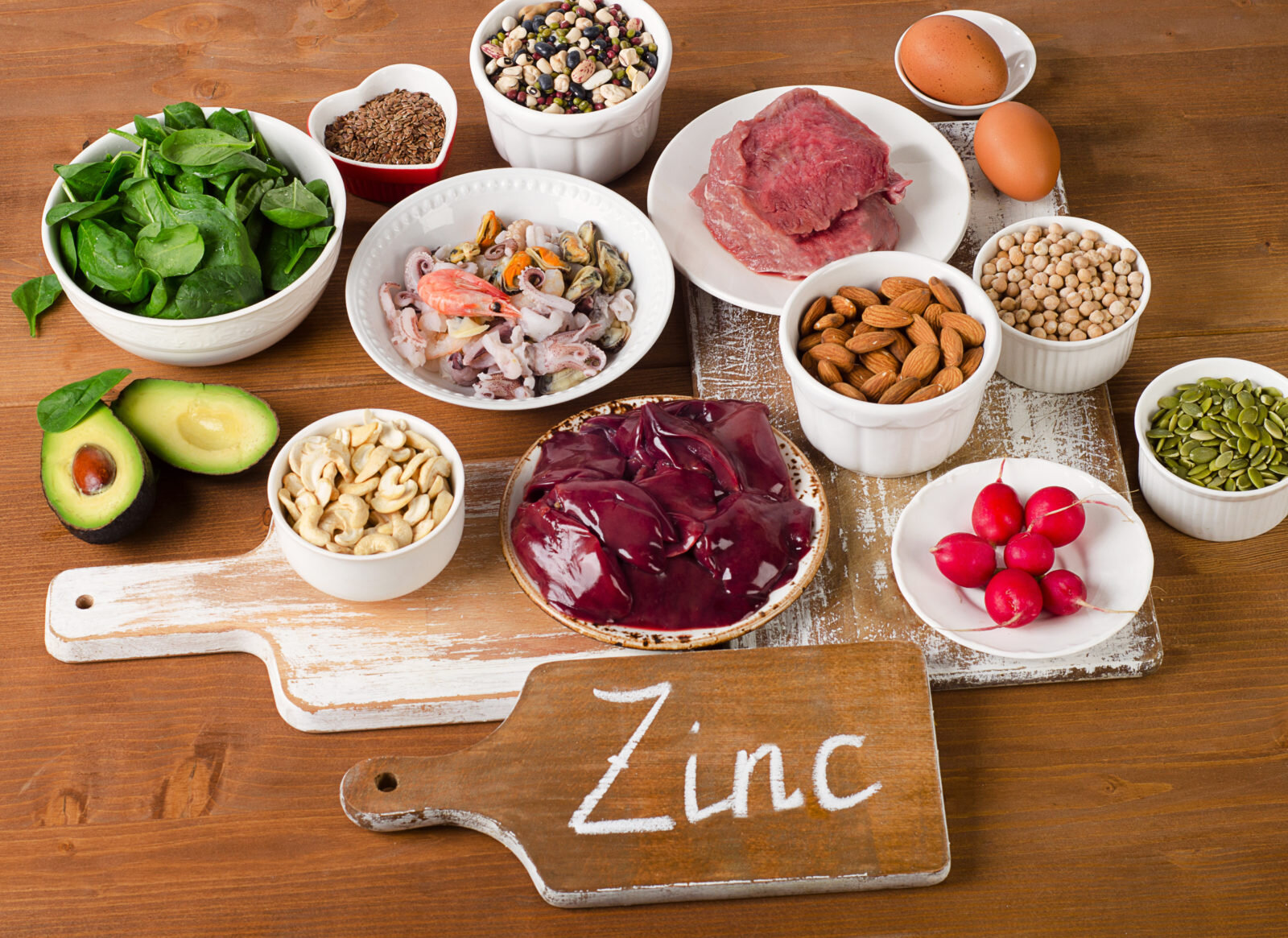
Besides supplementing, you should also eat plenty of healthy, whole foods that contain zinc.  

Some of the best foods to optimize your zinc levels include:  

  • Oysters  

  • Grass-fed beef

  • Pumpkin seeds

  • Cashews

  • Mushrooms  

  • Spinach  

These foods are included in my Free Grocery Shopping Guide for Optimal Brain and Mental Health.  

Check out my previous post all about zinc and anxiety if you want to learn more about how zinc impacts anxiety levels and can contribute to OCD. 

Zinc can also stimulate your vagus nerve, which reduces anxiety. 


4. Glycine

Glycine is an amino acid commonly found in protein-rich foods such as meat, fish, collagen and gelatin. These foods are included in my Free Grocery Shopping Guide for Optimal Brain and Mental Health.

Glycine is one of three amino acids that your body uses to make glutathione, the master antioxidant in your body.  

Supplementing with 60 grams of glycine daily has been shown to reduce OCD symptoms (70).  

I personally take collagen protein powder to make sure I get enough glycine. Or you can supplement with pure glycine powder.

Another option is to take sarcosine.  

Sarcosine is a natural supplement that inhibits the uptake of glycine. By doing this, it increases the availability of glycine in the brain.  

Researchers have found that sarcosine can lead to quick, profound and sustained improvements in OCD symptoms (71).  

I’ve tried sarcosine and I find that it’s much more powerful and effective at improving mental health symptoms than taking glycine or collagen powder. It's very good at reducing anxiety.  


5. Curcumin

Curcumin is the most heavily researched compound within turmeric, the spice that gives curry its yellow colour.  

It’s one of my favourite natural compounds for optimal health.  

Research shows that curcumin can significantly improve obsessive-compulsive symptoms by increasing serotonin (53).  

Curcumin is a good option if you struggle with chronic inflammation, depression and OCD. 

In my experience, it doesn’t help as much if you only have anxiety

Curcumin is included in the Optimal Energy and Optimal Antiox supplements. 

Since curcumin is a fat soluble, take it with a fatty meal. 

Click here to subscribe

6. Caffeine

Caffeine is a surprising natural remedy for OCD. 

It usually increases anxiety and stress in most people. 

But research shows that it can improve OCD symptoms.  

Two clinical trials found that caffeine significantly reduces the severity of OCD symptoms in people with treatment-resistant OCD (47-48).  

I recently cut out coffee completely but I used to drink this coffee.  

You can also just take pure caffeine tablets if you want. I sometimes take tablets before a workout. 

Coffee and caffeine can disrupt sleep though, so make sure you don’t drink it in the evening close to bed. Some people like me are really sensitive and have to stop drinking it very early in the day so that it doesn’t disrupt their sleep. 

It's also a good idea to try to consume the whole coffee fruit, instead of just coffee or pure caffeine. 

Traditionally, the coffee bean is extracted from the coffee fruit for roasting. And the surrounding fruit is discarded.  

But that’s a problem because the coffee fruit contains several healthy compounds not found in coffee beans themselves.  

And researchers have found that consuming whole coffee fruit concentrate can significantly enhance cognitive functioning.  

That’s why I included coffee fruit in the Optimal Brain supplement


7. Magnesium

Best-natural-ocd-treatment-for-of-at-home-remedies-supplements-cures-without-medication-drugs-meds-medicine-anxiety-and-diet-foods-ways-to-help-obsessive-compulsive-disorder-intrusive-thoughts-herbs-control-in-adults-depression-remedy-cure-symptoms-…

Magnesium is the fourth most abundant mineral in the human body, and it’s absolutely essential for optimal mental health.  

It’s absolutely essential for the proper functioning of your nervous system and optimal neurotransmitter activity.  

Unfortunately, many people don’t get enough of it, even if they eat a healthy diet

Research shows that low magnesium levels contribute and worsen many neuropsychiatric problems, including OCD.  

Patients with OCD have significantly lower levels of magnesium in their blood than people without OCD (54).  

So if you have OCD, it’s clearly important to make sure you’re getting enough magnesium so that you don’t have a deficiency. 

Since most people are deficient, magnesium is one of the three supplements that I think everyone should be taking every day. That’s why it’s included in my Optimal Calm supplement.

Epsom salt baths are another great way to increase your body’s intake of magnesium.  

You should also make sure you’re eating enough magnesium-rich foods on a regular basis, including:  

  • Spinach  

  • Chard  

  • Pumpkin seeds

  • Almonds

  • Avocado  

  • Dark chocolate

  • Bananas  

These foods are included in my Free Grocery Shopping Guide for Optimal Mental Health


8. Milk Thistle

Milk thistle is a herb commonly used to improve liver health and protect the liver from alcohol and other drugs

Silymarin, one of the flavonoids in milk thistle, has been shown to increase serotonin levels in the brains of animals (72).  

And one human study found that milk thistle works just as well as a popular SSRI antidepressant at reducing OCD symptoms (73).  


9. Probiotics

As you probably already know, the health of your gut (and the bacteria within it) significantly influence your brain and mental health.  

So not surprisingly, probiotics have been shown to be another possible natural remedy for OCD. 

Studies also show that the neurotransmitter serotonin is produced in the gut.  

By taking a probiotic supplement, you can enhance the diversity of the bacteria in your gut, create a better environment for the synthesis of serotonin, and therefore increase serotonin levels and activity in your brain (18). 

Probiotics have also been shown to stimulate the vagus nerve and reduce inflammation, which tends to be elevated in people with OCD. 

A systematic review of 38 studies concluded the probiotics can improve psychiatric disorder-related behaviors, including anxiety and OCD (55).  

The researchers found that the following probiotics can help with OCD: 

All three of these probiotics are included in the Optimal Biotics supplement

You can also check out this article to learn more about the top 9 psychobiotics that can help reduce your anxiety.  

And this article includes 5 ways to increase your good gut bacteria. 

Click here to subscribe

10. Borage Oil

Borage oil is a natural remedy made from the seeds of the Borago officinalis plant. 

The oil is high in gamma linoleic acid (GLA), which is an essential fatty acid that must be obtained from your diet.  

It’s commonly used to help reduce the inflammation that is linked to many chronic diseases. 

Its anti-inflammatory effects may be why it helps reduce OCD.  

Researchers have found that 500 mg of borage oil per day can reduce obsessive and compulsive and anxiety symptoms (75).  

Animal research also shows that it can have anti-anxiety effects similar to benzodiazepines (74).  

I took borage oil years ago but no longer feel the need to take it.  


11. Iron

Iron is a trace mineral found in every living cell in our bodies.  

It carries oxygen to all parts of your body, and low levels can leave you feeling tired, pale, irritable and foggy.  

But research also shows that iron is an important cofactor in the synthesis of serotonin, and an iron deficiency can increase the risk of developing an anxiety disorder (6). 

Researchers have also found that blood iron levels are significantly lower in patients with mild and moderate OCD (51).  

Despite this, I don’t actually recommend supplementing with iron because some research suggests that too much iron can cause health problems and actually increase anxiety (7).  

It’s definitely a much better idea to test your iron levels and naturally get your iron from food.  

I make sure I get enough simply by taking grass-fed beef liver capsules.  

Beef liver is one of the best sources of iron. But I don’t like the taste of cooked beef liver, so I go with the capsules instead.  

Some other good sources of iron include: 

  • Spirulina

  • Dark chocolate

  • Spinach

  • Sardines

  • Pistachios

  • Raisons

These foods are included in my Free Grocery Shopping Guide for Optimal Brain and Mental Health


12. Ashwagandha

Best-natural-ocd-treatment-for-of-at-home-remedies-supplements-cures-without-medication-drugs-meds-medicine-anxiety-and-diet-foods-ways-to-help-obsessive-compulsive-disorder-intrusive-thoughts-herbs-control-in-adults-depression-remedy-cure-symptoms-…

Ashwagandha (Withania sominifera) is a popular Indian herb that has been used for more than 3000 years. It’s sometimes called the “Indian Ginseng”.  

It’s known as an “adaptogen”, which is a compound that balances the body and restores normal bodily functioning after chronic stress

In one study, 30 people with OCD took ashwagandha for 6 weeks, and it notably and significantly reduced their OCD symptoms (52).  

Animal research also shows that ashwagandha causes anti-anxiety effects, reduces OCD-like behaviour and improves stress tolerance in rats (8-13). 

So it’s a pretty impressive herbal remedy for OCD and anxiety.

But how does it work?  

By increasing serotonin and GABA in the brain, and lowering cortisol levels by 25 per cent (14-17).  

Ashwagandha is one of the main herbs I took to help myself get off psychiatric medications

It’s included in the Optimal Calm supplement.


13. Saffron

Saffron is a spice derived from the Crocus sativus plant.  

It has a number of health benefits due to the medicinal compounds within it.  

Saffron is one of the best supplements for reducing depression, anxiety and stress

Safranal and Crocetin, two of the compounds within saffron, have been shown to stimulate GABA receptors and increase serotonin levels in the brain (19-20). 

As a result, researchers have determined that saffron can reduce compulsive behavior (56).  


14. Valerian

Valerian (Valeriana officinalis) is a natural herb, and the root of the herb has traditionally been used to treat insomnia.  

But it also can reduce symptoms of OCD. 

In one study, supplementing with 750 mg of valerian for eight weeks reduced symptoms by 25% in people diagnosed with OCD (57).  

And in an animal study, valerian demonstrated anti-obsessive and anti-compulsive effects and researchers determined it's a good candidate for treating obsessive-compulsive disorder (21). 

Scientists have collected a massive amount of research demonstrating that the compounds in valerian naturally reduce symptoms of OCD by:  

As a result of this, it creates a calming effect similar to anti-anxiety drugs like Xanax and Valium.  

This is why valerian is often called “Nature’s Valium”.  

Valerian is one of the first herbal remedies I took years ago to manage my anxiety at night and improve my sleep.  

It’s included in this anti-anxiety supplement.  

Valerian supplements include the roots and stems of the plant.  

But you can also take it as a tea or tincture if you want. 

Click here to subscribe

The Best Lifestyle Habits, Therapies and Practices for Naturally Treating OCD

15. Cognitive Behavioral Therapy

Cognitive behavioral therapy (CBT) is one of the first-line treatments for OCD. 

It involves challenging and changing unhelpful cognitive distortions and behaviors, improving emotional regulation, and developing personal coping strategies. 

A meta-analysis of high-quality studies concluded that CBT is an effective method for treating OCD and reducing OCD symptoms (77-78).  

I personally never found CBT helpful for my mental health issues but other people do. 

It’s definitely worth trying if you OCD though. 


16. Neurofeedback

Neurofeedback is a type of biofeedback that shows you your brain activity in real-time and teaches you how to self-regulate it.  

Sensors are placed on your scalp to measure your brain’s activity, and the measurements are displayed using video or sound. 

Personally, neurofeedback was one of the most impactful actions I took to overcome severe anxiety

It works at a deep subconscious level, breaking the cycle of chronic anxiety.  

It allows shifts you into a natural, healthier state of mind.  

And research shows that it works for people with OCD. 

One study showed that it can normalize brain activity in people with OCD (58). 

If you want to try neurofeedback, it’s best to work with a qualified neurofeedback practitioner.  

If you’re interested in neurofeedback, I recommend becoming a client and working with us to determine the best type of neurofeedback for you and your condition. I have found that some types of neurofeedback are completely ineffective and may even be harmful. So it’s very important to do the right type of neurofeedback that actually works.

I also sometimes recommend the Muse headband. It’s a decent substitute to real neurofeedback and gives you real-time feedback in your brainwaves while you meditate.

I previously wrote about the Muse headband here, and you can get it through the Muse website. But keep in mind that it’s definitely not as good as clinical neurofeedback.

Please note: If you’re interested in trying neurofeedback, I recommend becoming a client and working with us to determine the best type of neurofeedback for you and your condition. I have found that some types of neurofeedback are completely ineffective and may even be harmful. So it’s very important to do the right type of neurofeedback that actually works. It’s also critical to work with a qualified neurofeedback practitioner who knows what they are doing. Otherwise, you can get worse. We help our clients find a qualified practitioner in their area.


17. Light Therapy

Best-natural-ocd-treatment-for-of-at-home-remedies-supplements-cures-without-medication-drugs-meds-medicine-anxiety-and-diet-foods-ways-to-help-obsessive-compulsive-disorder-intrusive-thoughts-herbs-control-in-adults-depression-remedy-cure-symptoms-…

Light therapy is another natural therapy that you may be able to use to manage and treat your OCD. 

I came across a case study of a woman who had OCD and it got a lot worse in the winter. 

But two hours of light therapy every day for two weeks improved her mood and reduced her symptoms of obsession. 

What’s most surprising is that her condition remained stable for 16 months afterwards. She even made it through the next following winter (69).  

I personally get sunlight every day during the spring and summer months to support my mental health.  

I also use a number of different at-home devices to improve my mood and optimize my brain function. 

Throughout the winter, I use a seasonal affective disorder (SAD) light box. I turn it on next to my desk in the morning.

I also have a Vitamin D sunlamp for the winter months. 

And all year around, I use low-level red-light therapy (LLLT) to improve my mood and cognitive function. I use these three LLLT devices: 

  • Optimal 1000 Brain Photobiomodulation Therapy Light (Combo Red/NIR) - This is a powerful device that shines 660 nm of red light and 850 nm of infrared light. I shine it on my forehead for 5 minutes every day. I also shine it on other parts of my head and on my entire body, including on my thyroid, thymus gland and gut. I experience incredible benefits from doing this.

  • Optimal 300 Brain Photobiomodulation Therapy Light (Combo Red/NIR) - This is a smaller and more convenient device that I take with me when I’m travelling. I shine it on my forehead.

  • Vielight Neuro Duo – This is a transcranial-intranasal headset with 810 nm of near infrared light that I’ve now been using regularly. It penetrates deeper into brain tissue and is absorbed better by the central nervous system. If you decide to get this one, you can use the coupon code JORDANFALLIS for a 10% discount. Some research has shown a 20-fold higher efficiency of light delivery to the deep brain through the nose instead of transcranial application (125). Vielight has several different devices and you can also use the coupon code JORDANFALLIS for 10% off any of them.

You can read more about LLLT here.  

I highly recommend all of the above devices if you really want to optimize your mental health and reduce symptoms of OCD. 


18. Meditation

Meditation is my favourite daily activity to relax and ground myself. 

And if you have OCD, you should try to add it into your daily routine as well. 

In one study, OCD patients received mindfulness training. They were taught meditative breathing, body-scan, and mindful daily living.  

By the end of the study, they witnessed a “significant and large reduction” in their OCD symptoms. It was much easier for them to “let go” (66).  

I use the Muse headband to meditate. It gives you real-time feedback while you meditate. That way, you know how well you are meditating. It makes meditation a lot more fun and tolerable.  

I previously wrote about the Muse headband here, and you can get it through the Muse website

Click here to subscribe

19. Mindfulness-Based Cognitive Therapy

Mindfulness-based cognitive therapy (MBCT) is a type of therapy that includes a mix of cognitive behavioral therapy methods and mindfulness meditate practices. 

As mentioned before, mindfulness meditation and cognitive behavioral therapy help people with OCD individually. 

So it’s not too surprising they also help when used in combination. 

In one study, eight weeks of MBCT reduced OCD symptoms.  

Two third of the participants reported a decline in symptoms, including an increased ability to let unpleasant emotions surface and to live more consciously in the present (76).  


20. Exercise

Best-natural-ocd-treatment-for-of-at-home-remedies-supplements-cures-without-medication-drugs-meds-medicine-anxiety-and-diet-foods-ways-to-help-obsessive-compulsive-disorder-intrusive-thoughts-herbs-control-in-adults-depression-remedy-cure-symptoms-…

Exercise is another natural way to manage and treat OCD. 

It’s easily accessible and free, and many doctors and researchers recommend exercise as their number one piece of advice for optimal mental health. 

Five different studies have found that aerobic exercise can reduce OCD symptoms (59-63).  

After exercising for 12 weeks, study participants reported fewer obsessions and compulsions, and the benefits remain for 6 months (64).  

The exercise doesn’t need to be intense though.  

Even simply walking can reduce symptoms of OCD (65).  

Exercise can be a big chore for a lot of people, so I recommend finding some sort of sport or aerobic activity that you enjoy. That way you won’t get sick of it and you’ll exercise regularly. 


21. Music

Music is actually very healing and can have a calming effect on the brain. 

I previously wrote about how music can naturally reduce cortisol, and increase dopamine and oxytocin

This is probably why it’s been shown to help people with OCD. 

In one study, music therapy reduced symptoms of obsession, depression and anxiety in patients with OCD (67).  


22. Acupuncture

Acupuncture is another natural treatment that has been shown to help people with OCD. 

In one study, 19 patients with treatment-resistant OCD received 12 sessions of acupuncture, and it significantly alleviated their OCD symptoms (68). 

I’m personally a really big fan of auricular acupuncture. Auricular acupuncture is when needles are inserted into ear. I’d recommend trying to find a health practitioner in your area who provides it, especially if you’re weening off psychiatric medication. It really helped me the first time I came off antidepressants. I was surprised.  

At the end of each appointment, my practitioner would secure small black seeds on my ear.  

In my experience, ear acupuncture is more effective than regular acupuncture.  

I also lie on an acupuncture mat at home to relax before bed. 


Enjoy This Article? You Might Also Like My FREE Food Guide for Optimal Brain and Mental Health!

Click here to subscribe

Live Optimally,

Jordan Fallis

Connect with me

References:  

(1) https://en.wikipedia.org/wiki/Inositol  

(2) https://www.ncbi.nlm.nih.gov/pubmed/7416064 

(3) https://en.wikipedia.org/wiki/Inositol 

(4) https://www.ncbi.nlm.nih.gov/pubmed/8780431  

(5) https://www.ncbi.nlm.nih.gov/pubmed/9169302 

(6) https://www.ncbi.nlm.nih.gov/pmc/articles/PMC3680022/ 

(7) https://www.ncbi.nlm.nih.gov/pmc/articles/PMC4253901/ 

(8) https://www.ncbi.nlm.nih.gov/pmc/articles/PMC3252722/  

(9) https://www.ncbi.nlm.nih.gov/pubmed/11194174  

(10) https://www.https://www.ncbi.nlm.nih.gov/pubmed/18476388cbi.nlm.nih.gov/pubmed/18476388  

(11) https://www.ncbi.nlm.nih.gov/pubmed/22546655  

(12) https://www.ncbi.nlm.nih.gov/pubmed/12895672  

(13) https://www.ncbi.nlm.nih.gov/pubmed/10075127 

(14) https://www.ncbi.nlm.nih.gov/pmc/articles/PMC4270108/  

(15) https://www.ncbi.nlm.nih.gov/pmc/articles/PMC3252722/  

(16) https://www.ncbi.nlm.nih.gov/pmc/articles/PMC2958355/pdf/IJPsy-42-295.pdf  

(17) https://www.ncbi.nlm.nih.gov/pmc/articles/PMC3040882/ 

(18) https://www.ncbi.nlm.nih.gov/pmc/articles/PMC5319175/ 

(19) https://www.ncbi.nlm.nih.gov/pmc/articles/PMC4599112/  

(20) https://www.ncbi.nlm.nih.gov/pmc/articles/PMC4599118/ 

(21) https://www.ncbi.nlm.nih.gov/pubmed/22718671 

(22) https://www.ncbi.nlm.nih.gov/pubmed/14742369  

(22) https://www.ncbi.nlm.nih.gov/pubmed/10411208  

(24) https://www.ncbi.nlm.nih.gov/pubmed/17585957  

(25) https://www.ncbi.nlm.nih.gov/pubmed/18095218  

(26) https://www.ncbi.nlm.nih.gov/books/NBK11084/  

(27) https://www.ncbi.nlm.nih.gov/pmc/articles/PMC4863311/  

(28) https://www.ncbi.nlm.nih.gov/pubmed/14751470  

(29) https://www.ncbi.nlm.nih.gov/pubmed/12895671  

(30) https://www.ncbi.nlm.nih.gov/pubmed/12662130  

(31) https://www.ncbi.nlm.nih.gov/pmc/articles/PMC4303399/  

(32) https://www.ncbi.nlm.nih.gov/pubmed/20634372  

(33) https://www.ncbi.nlm.nih.gov/pubmed/24758222  

(34) https://www.ncbi.nlm.nih.gov/pubmed/18160026  

(35) https://www.ncbi.nlm.nih.gov/pubmed/18602406  

(36) https://www.ncbi.nlm.nih.gov/pubmed/20042323  

(37) https://www.ncbi.nlm.nih.gov/pubmed/25495725  

(38) https://www.ncbi.nlm.nih.gov/pubmed/26177123  

(39) https://www.ncbi.nh  

(40) https://jamanetwork.com/journals/jamapsychiatry/fullarticle/482548  

(41) https://www.ncbi.nlm.nih.gov/pubmed/15921820  

(42) https://www.ncbi.nlm.nih.gov/pubmed/10622375  

(43) https://www.ncbi.nlm.nih.gov/pubmed/24055511 

(44) https://www.ncbi.nlm.nih.gov/pubmed/19581567 

(45) https://www.ncbi.nlm.nih.gov/pmc/articles/PMC4423164/ 

(46) https://www.ncbi.nlm.nih.gov/pubmed/23131885 

(47) https://www.ncbi.nlm.nih.gov/pubmed/19573497 

(48) https://www.ncbi.nlm.nih.gov/pmc/articles/PMC6559101/ 

(49) https://www.ncbi.nlm.nih.gov/pubmed/22383079 

(50) https://www.ncbi.nlm.nih.gov/pubmed/22465904 

(51) https://www.ncbi.nlm.nih.gov/pubmed/22383079 

(52) https://www.ncbi.nlm.nih.gov/pubmed/27515872 

(53) https://www.ncbi.nlm.nih.gov/pmc/articles/PMC3354439/ 

(54) https://www.ncbi.nlm.nih.gov/pubmed/22383079 

(55) https://www.ncbi.nlm.nih.gov/pmc/articles/PMC5056568/ 

(56) https://www.ncbi.nlm.nih.gov/pubmed/22985509 

(57) https://www.ncbi.nlm.nih.gov/pubmed/22718671 

(58) http://www.yalescientific.org/2016/02/battling-ocd-in-real-time-live-brain-imaging-helps-patients-attack-anxiety-at-the-source/ 

(59) https://www.ncbi.nlm.nih.gov/pubmed/17568300/ 

(60) https://www.ncbi.nlm.nih.gov/pubmed/19616916/ 

(61) https://www.ncbi.nlm.nih.gov/pubmed/25738234 

(62) https://www.ncbi.nlm.nih.gov/pmc/articles/PMC5726421/ 

(63) https://www.ncbi.nlm.nih.gov/pubmed/30699885 

(64) https://www.ncbi.nlm.nih.gov/pubmed/19616916 

(65) https://www.ncbi.nlm.nih.gov/pmc/articles/PMC3567313/ 

(66) https://www.ncbi.nlm.nih.gov/pubmed/18852623 

(67) https://www.ncbi.nlm.nih.gov/pubmed/26066780 

(68) https://www.ncbi.nlm.nih.gov/pubmed/19684500 

(69) https://www.ncbi.nlm.nih.gov/pmc/articles/PMC4361980/ 

(70) https://www.ncbi.nlm.nih.gov/pubmed/19046587 

(71) https://www.ncbi.nlm.nih.gov/pubmed/21508860 

(72) https://www.tandfonline.com/doi/abs/10.1080/13880200490519712 

(73) https://www.ncbi.nlm.nih.gov/pubmed/20035818 

(74) https://www.ncbi.nlm.nih.gov/pubmed/15261383 

(75) https://www.ncbi.nlm.nih.gov/pubmed/19737592 

(76) https://www.ncbi.nlm.nih.gov/pmc/articles/PMC3549892/ 

(77) https://www.ncbi.nlm.nih.gov/pubmed/17849776 

(78) https://www.ncbi.nlm.nih.gov/pubmed/22999486 

(79) https://www.ncbi.nlm.nih.gov/pmc/articles/PMC2797569/ 

(80) https://www.ncbi.nlm.nih.gov/pmc/articles/PMC3613755/ 

(81) https://www.ncbi.nlm.nih.gov/pubmed/18424906/  

(82) https://www.ncbi.nlm.nih.gov/pmc/articles/PMC3762604/ 

(83) https://www.ncbi.nlm.nih.gov/pubmed/12888801/ 

(84) https://www.ncbi.nlm.nih.gov/pmc/articles/PMC3762604/ 

(85) https://www.ncbi.nlm.nih.gov/pubmed/8201248 

(86) https://www.ncbi.nlm.nih.gov/pubmed/22024245 

(87) https://www.ncbi.nlm.nih.gov/pmc/articles/PMC3181951/ 

(88) https://www.ncbi.nlm.nih.gov/pubmed/28549337 

(89) https://www.ncbi.nlm.nih.gov/pmc/articles/PMC3181951/

Terms and Conditions

Privacy Policy

Affiliate Disclosure

Disclaimer

13 Powerful Ways to Support Your Thyroid & Mental Health

When you know better, you do better.
— Maya Angelou
Picture of the thyroid gland.

Sometimes it may feel as if we have no control over our thoughts and emotions. Our minds can take on a life of their own, with no rhyme or reason as to why we're suddenly sad and anxious.

But there are always underlying causes of these mood swings, and with a better understanding of them, you can learn to manage and overcome them. 

Like I have, you can connect the dots, determine your underlying triggers, learn to control them and even completely eliminate them over time. 

So today I want to talk about thyroid dysfunction. It was one of the underlying issues of my chronic mental illness. 

Your thyroid is a small butterfly-shaped gland located in your neck below your Adam’s apple.

It’s one of your most important glands, producing hormones – thyroxine (T4) and triiodothyronine (T3) – which impact the health and functioning of your entire body.

In fact, normal metabolism and energy levels depend on these hormones. 

Your thyroid also plays a key role in the optimal health and functioning of your brain. It can impact your cognition, concentration, mood, memory and emotions. 

So when your thyroid hormones are out of balance, you can be too, and brain and mental problems can arise.

Your thyroid can either be overactive and produce too much thyroid hormone (hyperthyroidism), or underactive and produce too little thyroid hormone (hypothyroidism).

Hypothyroidism (low thyroid) is much more common, and since I personally struggled with symptoms of hypothyroidism, this post will mostly focus on that.

Picture of thyroid gland.

Hypothyroidism can also be caused by an autoimmune conditions called Hashimoto’s thyroiditis in which the body’s immune system attacks the thyroid tissue.

According to Dr. Datis Kharrazian, author of Why Isn’t My Brain Working? and Why Do I Still Have Thyroid Symptoms?, 90% of people with hypothyroidism have Hashimoto’s. 

Here are some of the common brain and mental health symptoms of low thyroid that I experienced:

  • Chronic fatigue

  • Brain fog

  • Low mood

  • Forgetfulness

  • Weakness

  • Sluggishness

Sounds just like depression, doesn’t it?


You Don't Have Mental Illness, You Have Thyroid Problems

Many studies show that people with cognitive, emotional and behavioural disturbances have lower levels of thyroid hormone than the general population, and their psychiatric symptoms improve when they take thyroid hormone.

The following symptoms and disorders have been linked to thyroid problems (69-86): 

  • Depression

  • Anxiety

  • Bipolar disorder, mania and mood swings

  • Irritability and rage

  • Insomnia

  • Paranoid schizophrenia and psychosis

  • Dementia and confusion

  • Social anxiety disorder

  • Generalized anxiety disorder

  • Borderline personality disorder

  • Obsessive-compulsive disorder (OCD)

  • Attention-deficit hyperactivity disorder (ADHD)

In fact, many people struggling with these conditions see better improvements when they are treated with thyroid hormone than when they are treated with psychiatric medication (and experience fewer side effects). 

Psychiatric patients with subclinical hypothyroidism - especially those with incomplete responses to psychotropic therapy - should usually be treated with thyroid hormone. In some patients with no clear evidence of a biochemical or clinical thyroid disorder, mood symptoms nevertheless respond to thyroid hormone.
— Thomas D. Geracioti Jr, MD

A number of different medical practitioners and researchers have written books about how thyroid problems can negatively affect brain and contribute to mental illness:

  • “Brain cells have more thyroid hormone receptors than any other tissue, which means that a proper uptake of thyroid hormone is essential for the brain cells to work properly.” – Dr. Barry Durrant-Peatfield, MD, Author of Your Thyroid and How to Keep It Healthy

  • “How much of what we call “mental illness” is actually thyroid-driven? In my experience, a vast majority.” – Dr. Kelly Brogan, MD, Author of A Mind of Your Own: The Truth About Depression and How Women Can Heal Their Bodies to Reclaim Their Lives

  • "T3 [thyroid hormone] is actually a bonafide neurotransmitter. If you don’t have enough T3, or if its action is blocked, an entire cascade of neurotransmitter abnormalities may ensue, which can lead to mood and energy changes, including depression and anxiety.”– Dr. Christiane Northrup, MD, Author of Women's Bodies, Women's Wisdom: Creating Physical and Emotional Health and Healing

  • “Scientists now consider thyroid hormone one of the major players in brain chemistry disorders. And as with any brain chemical disorder, until treated correctly, thyroid hormone imbalance has serious effects on the patient’s emotions and behavior.” – Dr. Ridha Arem, MD, Author of The Thyroid Solution: A Mind Body Program for Beating Depression and Regaining Your Emotional and Physical Health

  • “There’s a very tight correlation between hypothyroidism and depression. Unfortunately, patients are misdiagnosed with depression when really they have low thyroid. There are well designed clinical trials to show you that your active thyroid hormone is essential to a happy mood. Correcting and nourishing the thyroid gland is absolutely imperative in order to improve mood.” – Suzy Cohen, Author of Thyroid Healthy: Lose Weight, Look Beautiful and Live the Life You Imagine

  • “People with mental health issues have greater rates of thyroid antibodies and Hashimoto's. I've had so many clients who were misdiagnosed. They were on heavy-duty psychotropic medications. They were hospitalized. But it was their thyroid disorder that was causing their issues.” – Dr. Izabella Wentz, PharmD, Author of Hashimoto's Thyroiditis: Lifestyle Interventions for Finding and Treating the Root Cause

So if you struggle with brain or mental illness, you likely do not need a prescription for antidepressants, antipsychotics and anti-anxiety medication. What you really need is to support your thyroid. Treating the underlying thyroid problem is critical to alleviating the associated psychiatric symptoms.

Luckily, there are easy, natural ways for you to do just that.

Below are 13 main strategies I’ve used to balance my thyroid hormones and improve thyroid function. 

Before implementing all of them, I highly recommend getting a full thyroid panel so that you know your starting point.

Click here to subscribe

1. Cut Out Gluten

Certain foods can disrupt proper thyroid function and you should avoid them to optimize brain and mental health. 

Gluten-containing grains (barley, wheat, rye, spelt) are the worst offenders.  

Picture of bread and bagels, which are full of gluten and worsen thyroid function.

The problem with gluten is that it can increase intestinal permeability (leaky gut syndrome). When this happens, small particles of food can leak into your bloodstream. Your immune system sees these food particles as foreign entities and attacks them, increasing inflammation throughout your body. 

On top of this, the molecular structure of gliadin (the protein found in gluten) resembles that of the thyroid gland. So when gliadin enters your bloodstream, your immune system not only attacks the gliadin, but also your thyroid tissue because of its close resemblance. And this can cause many brain and mental health problems (11-13). 

Research shows that people with celiac disease and gluten intolerance are more likely to have thyroid diseases and mental illnesses, and vice versa (1-10). 

Many people that have hypothyroidism really have gluten sensitivity. Over time, they actually have significant brain degeneration. When people degenerate their brain, one of the first things they get is depression.
— Dr. Datis Kharrazian

Thyroid function, and therefore brain and mental health, will often improve after the elimination of gluten-containing grains. 


2. Eat Enough Calories and Carbohydrates

Making sure you eat enough calories and carbohydrates on a daily basis is critical for optimal thyroid and brain function.  

A landmark paper, known as the Vermont Study, found that thyroid hormone drops when you don’t eat enough calories and carbohydrates (14). 

Person holding potatoes in their hands.

Several other studies also show that ketogenic low-carb diets can suppress thyroid function and reduce thyroid hormone. This is because carbohydrates play a key role on the production of thyroid hormone (15-18). 

In previous posts, I have mentioned that fasting and ketogenic dieting can have beneficial effects on your brain. This is still true. However, it's important to note fasting and low-carb diets should be followed intermittently and not consistently over long stretches of time, mainly because of their detrimental effects on the thyroid. I prefer to take exogenous ketones instead. They immediately increase my mental clarity without having to restrict carbohydrates. 

My Free Grocery Shopping Guide for Optimal Brain Health contains plenty of healthy, nutrient-dense sources of carbohydrate, including:

  • Yams

  • Squash

  • Potatoes

  • Carrots

  • Other root vegetables

  • Berries

  • Apples

  • Bananas

  • Raw honey


3. Avoid Vegetable Oils

You should also significantly limit all refined vegetable oils, including soybean, corn, safflower, sunflower, and canola. 

These oils are predominantly made up of omega-6 polyunsaturated fatty acids (PUFAs), which are highly unstable and oxidize very easily within your body. 

Unfortunately, like gluten, rancid PUFAs are everywhere and hard to avoid. Most commercially-prepared processed foods include them. 

And your thyroid is particularly vulnerable to their effects.

Dr. Raymond Peat, PhD, says that the sudden increase of fragile and rancid polyunsaturated oils into our food supply after World War II has caused many changes in human health, particularly thyroid function and hormones: 

Their [polyunsaturated oils] best understood effect is their interference with the function of the thyroid gland. Unsaturated oils block thyroid hormone secretion, its movement in the circulatory system, and the response of tissues to the hormone. By 1950, then, it was established that unsaturated fats suppress the metabolic rate, apparently creating hypothyroidism. The more unsaturated the oils are, the more specifically they suppress tissue response to thyroid hormone, and transport of the hormone on the thyroid transport protein. And in 1980, experimenters demonstrated that young rats fed milk containing soy oil incorporated the oil directly into their brain cells, and had structurally abnormal brain cells as a result.
Click here to subscribe

4. Eat coconut oil

I’ve discussed the brain and mental health benefits of coconut oil before here

It can help reduce brain fog and enhance your cognitive performance. And it may be accomplishing this by supporting your thyroid. 

According to Dr. Raymond Peat, coconut oil is very beneficial to the brain and thyroid:

Coconut oil has a general pro-thyroid action by diluting and displacing anti-thyroid unsaturated oils. And brain tissue is very rich in complex forms of fats. An experiment in which pregnant mice were given diets containing either coconut oil or unsaturated oil showed that brain development was superior in the young mice whose mothers ate coconut oil. Because coconut oil supports thyroid function, and thyroid governs brain development, including myelination, the result might simply reflect the difference between normal and hypothyroid individuals.

And you don’t need to stick with coconut oil. Coconut milk, water and meat are other ways to get the benefits of coconut. 


5. Try Low-level Laser Therapy (LLLT)

Low-level laser therapy (LLLT) is probably the best cutting-edge way to support your thyroid. I wrote about it previously here.  

Using it on my thyroid has made a remarkable difference in my energy levels and mental clarity. And this is likely because of an increase in my thyroid hormones. 

Multiple studies show that LLLT can improve the production of thyroid hormones and improve thyroid function in patients with chronic autoimmune thyroid disease. Study participants were able to reduce the dosage of their thyroid medication (36, 37).  

A study from Brazil showed that LLLT not only reduced the need for thyroid medication in all patients, but 9 months later after the study concluded, it also showed that 47% of patients no longer required any thyroid medication at all.  Participants with Hashimoto’s thyroiditis also saw a reduction in their anti-thyroid antibodies by more than 39% (40). 

A Russian study also demonstrated a 97% success rate when treating women with subclinical hypothyroidism. Researchers concluded LLLT should be the “method of choice in the treatment of [subclinical hypothyroidism], especially in the elderly” (40). 

Animal research has found similar results in rats and rabbits (38, 39). 

I shine the Optimal 1000 Brain Photobiomodulation Therapy Light (Combo Red/NIR) device on my thyroid. It includes both red and infrared light. I’m convinced most people would benefit from it.

When I’m travelling, I take this smaller and more convenient device with me.

Infrared saunas are another excellent way to expose yourself to infrared light and support thyroid function. Check out my post about the benefits here


6. Get Enough Vitamin A and D

Fat soluble vitamins A and D are also critical for optimal thyroid and brain function.

Illustration of the sun with “Vitamin D” in the middle.

Vitamin D is necessary to help transport thyroid hormone into your cells and deficiency is quite common in people with thyroid problems. Vitamin D deficiency is also associated with thyroid disease and supplementation has been shown to benefit the thyroid. (22-24). 

I previously discussed the brain health benefits of vitamin D here.

You should test and monitor your Vitamin D levels regularly.

Vitamin A helps your body produce thyroid hormone and protects the thyroid gland from oxidative stress (which is higher in people with thyroid issues). Research also shows that vitamin A can reduce your risk of hypothyroidism (19-21). 

However, I personally don’t recommend you supplement with vitamin A. It’s better to get it from food. Pastured eggs, grass-fed liver and butter (or ghee if you can't tolerate butter) are ideal sources. 

Cod liver oil is another great option as it contains both vitamin A, vitamin D and omega-3 fatty acids all together. I take it every so often.


7. Get Enough Minerals

Your thyroid gland needs specific trace minerals to do its job properly. 

I take and recommend a multi-mineral supplement so that you have all the minerals you need to support brain and thyroid health. It includes a small amount of iodine, selenium, magnesium and zinc.

Iodine is the most important, as it’s one of the building blocks used by your thyroid to create hormones. 

However, I don’t recommend supplementing with large doses of iodine separately. Many functional medicine practitioners that I’ve learned from over the years have told me that high iodine intake through supplements can often do more harm than good. Too much supplemental iodine has been shown to cause further thyroid problems (66-68). 

Brazil nuts contain selenium, which can support your thyroid.

So I think the small amount in a multi-mineral is enough.

And getting some more iodine from whole foods, including seafood and sea vegetables, can also benefit you since they contain other nutrients that can support your thyroid.  

Selenium is another indispensable mineral for your thyroid and brain health.

It helps regulate and recycle your iodine stores, and selenium-based proteins help regulate thyroid hormone synthesis and metabolism.

Without it, you’ll likely experience low-thyroid symptoms.

Brazil nuts are the richest dietary source of selenium. 

Low levels of zinc can also lead to depleted thyroid hormones, and vice versa (34). This is just another reason to supplement with zinc.

As I’ve discussed before, a zinc deficiency can also contribute to stress and anxiety.

And although it isn't mentioned very often, magnesium is also critical for optimal thyroid function. The thyroid gland can't function properly without it (89).

I previously discussed how it can help a lot of people with depression and anxiety here

Click here to subscribe

8. Reduce Stress and Cortisol

High levels of physical and mental stress can be detrimental to your thyroid function. 

Your adrenal glands –  two walnut-shaped glands that sit atop the kidneys – secrete your stress stress hormones, such as cortisol, epinephrine and norepinephrine. 

Research shows that cortisol inhibits thyroid hormones from getting into your cells, and weakened adrenal glands can lead to hypothyroid symptoms over time (35).

That’s why it’s critical that you manage stress.

I highly recommend you try to do something every day to manage it. 

The most effective way to significantly and permanently reduce your stress and anxiety is neurofeedback. It’s advanced, guided meditation and I previously wrote about my experience with it here

Person meditating outside.

If you can’t access neurofeedback, taking up a daily meditation practice is an excellent idea. 

I’m a big fan of the Muse headband . It can guide your meditation. Similar to neurofeedback, it gives you real-time feedback while you meditate. I wrote an entire review about it here, and you can get it through the Muse website

I also find massage, acupuncture, heart-rate variability (HRV) training and an acupressure mat very helpful as well.

Lying on the acupressure mat while using my EmWave2 for just 10 minutes relaxes my entire body and mind. I do this at night before bed. 

Supplements that can help with stress include zinc, ashwagandha and phosphatidylserine, which have been shown to lower cortisol levels (87, 88). 

This anti-anxiety supplement also includes a number of natural compounds that have helped me manage my stress over the years.

Lastly, you should get enough sleep and don’t exercise too much. The stress caused by excessive exercise can wear you’re your body and contribute to thyroid problems. So make sure you get plenty of rest and recover between workout sessions.


9. Take Thyroid-Supporting Herbs

A number of different herbs can assist your thyroid gland. 

Ashwagandha is one of my favourites. Not only can it reduce stress and anxiety, but a number of studies show that it can boost thyroid hormones (25-29).

Bacopa is another adaptogen that has been shown to increase thyroid (T4) hormone levels by 42% (30). 

Forskolin stimulates the release of thyroid hormones (31). 

And one study found that ginseng increases and normalizes thyroid hormone levels (32). 

And last but not least, researchers say that rhodiola can “improve the quality of life of patients with short-term hypothyroidism” (33). 

Rhodiola also has a number of brain and mental health benefits. I explored them previously here

I’ve experimented with all of these herbs and they have improved my brain and mental health.

But it’s good to know they have some beneficial effects on my thyroid as well.


10. Eat “Head to Tail”

Whole plant foods tend to be much healthier when they’re left whole, as they tend to have various nutrients that work together synergistically. 

The same can be said about animal food. 

Muscle meats contain so much tryptophan and cysteine that a pure meat diet can suppress the thyroid. In poor countries, people have generally eaten all parts of the animal, rather than just the muscles – bones, cartilage, skin, organs, and other odd bits. About half of the protein in an animal is collagen, and collagen is deficient in tryptophan and cysteine. This means that, in the whole animal, the amino acid balance is similar to the adult’s requirements.
— Dr. Raymond Peat

In other words, muscle meat (chicken breasts, lean beef) shouldn’t be your only source of animal protein. Our ancestors didn’t eat this way, so neither should we.  

Your body and thyroid prefer and expect to receive a balance of amino acids from different parts of whole animals.

That’s why I recommend “head-to-tail eating” – consuming a wide variety of proteins from the entire animal. 

Along with muscle meat, you should regularly cook and eat organ meats such as liver and bone broth.

Jars of bone broth.

Bone broth contains collagen, gelatin and amino acids such as glycine and proline that help the body better metabolize muscle meat.

Organ meats such as liver have an abundance of beneficial nutrients that aren’t found in muscle meat alone. For example, it’s much higher in vitamin A, which is important for optimal thyroid health (19, 20). 

I previously discussed the benefits of liver in more depth here.

I personally don’t like the taste of liver and bone broth can be inconvenient to make all the time, so I often supplement with grass-fed beef liver capsules and drink high-quality pre-made bone broth.

I also take a Multi-Glandular For Men, which contains a number of different organ tissues. There is also one for women. 

But if you’re actually interested in learning about how to cook and incorporate more whole animal proteins into your diet, I recommend checking out the book Odd Bits: How to Cook the Rest of the Animal by Jennifer McLagan.


11. Limit Halogens

Your thyroid doesn’t know the difference between iodine, and other halogens such as bromine, fluorine, chlorine, and perchlorate, which are often found in tap water. 

So your thyroid soaks them up and uses them like iodine.

By occupying iodine receptors, they worsen iodine deficiency, inhibit the production of your thyroid hormones and contribute to thyroid dysfunction.

Studies show that chlorine interferes with proper conversion of thyroid hormone (50, 58-61). 

That’s why I recommend filtering your drinking and shower water. Brita filters aren't enough because they don’t remove fluoride. I use this water filter to make sure I’m drinking the purest water available. It filters everything out of the water. I also use this filter to remove chlorine from my shower water. 

The research shows that bromide in particular can cause a lot of problems. Bromide is found in pesticides, prescription medication, plastic products and personal care products. PBDE (bromide) fire retardants have been added to mattresses, carpeting, electronics, furniture and car interiors since the 1970s. 

Even small amounts of bromide can be problematic, depleting iodine and weakening the thyroid gland. Bromide levels are 50 times higher in thyroid cancer than normal thyroid tissue, and elevated levels of bromide have been linked to mental illness, including depression and schizophrenia (50-57). 


12. Avoid Environmental and Dietary Mycotoxins

Mycotoxins – toxic metabolites produced by mold – can also disrupt normal thyroid function.

Mycotoxins are released into the air in water-damaged buildings, and you may not realize it’s affecting your brain and thyroid health until you develop certain symptoms. And even then, people frequently won’t make the connection between the mold and their health. 

That’s what happened to me, and my hormonal health went downhill, along with my brain and mental health. Luckily I’ve recovered since then

Mycotoxins are known hormone disruptors that cause inflammation, and a couple of studies mention that there is an increased frequency of “thyroid, immune dysfunction and autoimmune conditions” in people exposed to water-damaged building (41, 42). 

Very moldy home and man trying to clean it.

And one study shows that mold exposure is correlated with hypothyroidism and Hashimoto’s thyroiditis (43). 

Kurt and Lee Ann Billings wrote the book Mold: The War Within after extensive personal bouts with toxic mold exposure. They write extensively about their experience and recovery and describe ongoing problems with thyroid dysfunction. 

After I moved out of the moldy home, I became extremely sensitive to any environmental mold and mycotoxins. 

I now use an air filter in my apartment. It removes any mold spores and smoke that may be in the air.

Low amounts of mycotoxins are often found in some seemingly healthy foods, such as tea, nuts, grains, coffee and chocolate. I recommend finding the freshest, highest-quality, organic versions of these foods.

Lastly, if exposed to mold or their toxins, you should supplement with activated charcoal or bentonite clay.

Activated charcoal and bentonite clay are potent natural treatments that can trap toxins and chemicals, allowing them to be flushed out of your body.


13. Avoid and Remove Other Environmental Toxins

Mold and other halogens aren’t the only endocrine disruptors in your environment that can affect your thyroid metabolism and function.

In the book Thyroid Mind Power, Dr. Karilee Shames reports that “the last 40 years have witnessed a massive increase in the amount of hormone-disrupting synthetic chemicals, finding their way into our air, food and water. The most sensitive and highly susceptible of human tissues turned out to be the thyroid gland.”

Here are some common ones:

Water bottle. The plastic in water bottles can disrupt the thyroid.
  • Bisphenol A – found in plastic bottles and containers. I recommend you only eat and drink out of glass, ceramic and stainless steel. Avoid storing any of your food in plastic too. BPA-free plastic isn’t much better for you and can still disrupt hormonal health.

  • Perfluorooctanoic acid (PFOA) – found in common household products including non-stick cookware and waterproof fabrics. Researchers have found that people with higher levels of PFOA (perfluorooctanoic acid) have a higher incidence of thyroid disease (44, 45).

  • Other pesticides and chemical additives – You should avoid processed food and eat organic as often as possible, wash all produce thoroughly to minimize your pesticide exposure, and find personal care products that don’t include toxic chemicals.

I also recommend increasing your levels of glutathione – your body’s main antioxidant and master detoxifier – to help your body combat the above substances from your body. I do this by supplementing with glutathione on regular basis. 

Or you could take NAC and Vitamin C to help your body produce more of its own glutathione. 

Researchers have found that a decrease in thyroid function could be reversed by NAC supplementation, which increased glutathione. This is because glutathione plays a key role in the production and conversion of your thyroid hormones (46-49). 

Epsom salt baths, infrared saunas, and turmeric can also help your body release and remove environmental toxins. 


Summary and Conclusion

With the right information, you can make simple choices to improve thyroid health.

Here's a summary of everything we've gone over:

Doctor holding a woman’s neck to monitor her thyroid.
  • Cut out gluten-containing grains (barley, wheat, rye, spelt)

  • Don't follow a long-term ketogenic low-carb diet and eat enough calories and healthy sources of carbohydrates. See my free food guide for plenty of options. And consider taking exogenous ketones to get the cognitive benefits of a ketogenic diet without actually having to follow the diet.

  • Avoid refined vegetable oils, including soybean, corn, safflower, sunflower, and canola

  • Eat coconut oil

  • Try low-level laser therapy (LLLT)

  • Supplement with Vitamin D, and make sure you get enough Vitamin A from egg yolks, grass-fed liver and ghee

  • Take a multimineral with iodine, selenium and zinc

  • Reduce stress with deep sleep, massage, acupuncture, meditation, neurofeedback, the Muse headband, an acupressure mat, the EmWave2, ashwagandha and phosphatidylserine

  • Take herbs such as bacopa, ginseng, forskolin and rhodiola

  • Eat beef liver and bone broth

  • Filter your drinking water with a filtration system to avoid fluoride, chlorine and other halogens

  • Avoid mold, mycotoxins and other environmental toxins, and protect yourself from them with an air filter, activated charcoal and glutathione

So with that, I want to leave you with a quote from a book I read recently by Sam Harris, called Free Will.

I think this quote is appropriate considering the wide variety of factors that underlie brain and mental health problems:

Becoming sensitive to the background causes of one’s thoughts and feelings can - paradoxically - allow for greater creative control over one’s life. It is one thing to bicker with your wife because you are in a bad mood; it is another to realize that your mood and behaviour have been caused by low blood sugar. This understanding reveals you to be a biochemical puppet, of course, but it also allows you to grab hold of one of your strings: A bite of food may be all your personality requires. Getting behind our conscious thoughts and feelings can allow us to steer a more intelligent course through our lives (while knowing, of course, that we are ultimately being steered).

So even though it seems like there are an overwhelming amount of “strings” to pull, realize that you don’t have to pull them all at once.

You just have to start with one, and go from there.

And then over time, you'll start to get a handle on all of them, and you'll heal.

 
Click here to subscribe

Live Optimally,

Jordan Fallis

Connect with me

References:

(1) http://www.ncbi.nlm.nih.gov/pubmed/11280546

(2) http://www.ncbi.nlm.nih.gov/pubmed/12217453

(3) http://www.ncbi.nlm.nih.gov/pubmed/11123714

(4) http://www.ncbi.nlm.nih.gov/pubmed/10529537

(5) http://www.ncbi.nlm.nih.gov/pmc/articles/PMC2111403/

(6) http://www.eje-online.org/content/130/2/137.abstract

(7) http://www.ncbi.nlm.nih.gov/pubmed/15244201

(8) http://www.ncbi.nlm.nih.gov/pubmed/9872614

(9) http://www.ncbi.http://www.ncbi.nlm.nih.gov/pubmed/12919165lm.nih.gov/pubmed/12919165

(10) http://www.ncbi.nlm.nih.gov/pubmed/11768252

(11) http://www.ncbi.nlm.nih.gov/pubmed/12366374

(12) http://www.ncbi.nlm.nih.gov/pubmed/19014325

(13) http://www.ncbi.nlm.nih.gov/pmc/articles/PMC1808742/

(14) http://www.ncbi.nlm.nih.gov/pmc/articles/PMC371281/

(15) http://www.ncbi.nlm.nih.gov/pubmed/6761185

(16) http://www.ncbi.nlm.nih.gov/pubmed/3740086

(17) http://ajcn.nutrition.org/content/35/1/24.full.pdf

(18) http://www.ncbi.nlm.nih.gov/pubmed/1249190

(19) http://www.ncbi.nlm.nih.gov/pubmed/6470830

(20) http://www.ncbi.nlm.nih.gov/pubmed/23378454

(21) http://ajcn.nutrition.org/content/34/8/1489.abstract

(22) http://www.ncbi.nlm.nih.gov/pmc/articles/PMC3921055/

(23) http://www.ncbi.nlm.nih.gov/pubmed/12919165

(24) http://www.ncbi.nlm.nih.gov/pubmed/10750047

(25) http://www.ncbi.nlm.nih.gov/pubmed/19789214

(26) http://www.ncbi.nlm.nih

(27) http://onlinelibrary.wiley.com/doi/10.1211/146080800128735782/abstract

(28) http://www.ncbi.nlm.nih.gov/pubmed/9811169

(29) http://www.ncbi.nlm.nih.gov/pubmed/10619390

(30) http://www.sciencedirect.com/science/article/pii/S037887410200048X

(31) http://www.ncbi.nlm.nih.gov/pubmed/6327383

(32) http://www.ncbi.nlm.nih.gov/pubmed/6327383

(33) http://www.ncbi.nlm.nih.gov/pubmed/20946017

(34) http://www.ncbi.nlm.nih.gov/pmc/articles/PMC3746228/

(35) http://www.ncbi.nlm.nih.gov/pubmed/17002934

(36) http://www.ncbi.nlm.nih.gov/pubmed/20662037

(37) http://www.ncbi.nlm.nih.gov/pubmed/22718472

(38) http://www.ncbi.nlm.nih.gov/pubmed/25265487

(39) http://www.ncbi.nlm.nih.gov/pubmed/25975382

(40) http://valtsus.blogspohttp://va

(41) http://www.ncbi.nlm.nih.gov/pmc/articles/PMC3654247/

(42) http://www.ncbi.nlm.nih.gov/pubmed/15143854

(43) http://www.ncbi.nlm.nih.gov/pubmed/430949

(44) http://www.ncbi.nlm.nih.gov/pubmed/24407430

(45) http://www.ncbi.nlm.nih.gov/pmc/articles/PMC2866686/

(46) http://www.ncbi.nlm.nih.gov/pubmed/21540553?dopt=Abstract

(47)https://www.researchgate.net/publication/12044880_Effect_of_Glutathione_GSH_Depletion_on_the_Serum_Levels_of_Triiodothyronine_T_3_Thyroxine_T_4_and_T_3_T_4_Ratio_in_Allyl_AlcoholTreated_Male_Rats_and_Possible_Protection_With_Zinc

(48) http://www.ncbi.nlm.nih.gov/pubmed/7408784

(49) http://www.ncbi.nlm.nih.gov/pubmed/7052928

(50) http://www.ncbi.nlm.nih.gov/pubmed/8909694

(51) http://www.ncbi.nlm.nih.gov/pubmed/15255296

(52) http://www.ncbi.nlm.nih.gov/pubmed/10999431

(53) http://www.ncbi.nlm.nih.gov/pubmed/9542578

(54) http://www.ncbi.nlm.nih.gov/pubmed/9341949

(55) http://www.ncbi.nlm.nih.gov/pubmed/8909694

(56) http://www.ncbi.nlm.nih.gov/pubmed/6548284

(57) http://www.ncbi.nlm.nih.gov/pubmed/8909694

(58) http://www.ncbi.nlm.nih.gov/pmc/articles/PMC3890436/

(59) http://www .ncbi.nlm.nih.gov/pubmed/1087230

(60) http://www.ncbi.nlm.nih.gov/pubmed/19318504

(61) http://www.ncbi.nlm.nih.gov/pmc/articles/PMC3956646/

(62) http://www.ncbi.nlm.nih.gov/pubmed/9140329

(63) http://www.ncbi.nlm.nih.gov/pubmed/21001996

(64) www.gulflink.osd.mil/library/randrep/pb_paper/mr1018.2chap10.html

(65) http://www.optimox.com/iodine-study-18

(66) http://www.ncbi.nlm.nih.gov/pubmed/7477223

(67) http://www.ncbi.nlm.nih.gov/pubmed/20517655?dopt=AbstractPlus

(68) http://www.eymj.org/Synapse/Data/PDFData/0069YMJ/ymj-44-227.pdf

(69) https://www.ncbi.nlm.nih.gov/pubmed/15213796

(70) http://www.drrichardhall.com/Articles/hashimoto.pdf

(71) http://www.ncbi.nlm.nih.gov/pubmed/11958781

(72) http://www.ncbi.nlm.nih.gov/pubmed/17141745

(73) http://bmcpsychiatry.biomedcentral.com/articles/10.1186/1471-244X-4-25

(74) http://cpementalhealth.biomedcentral.com/articles/10.1186/1745-0179-1-23

(75) http://www.ncbi.nlm.nih.gov/pubmed/19215985

(76) http://www.ccjm.org/indhttp://www.ccjm.org/index.php?id=107937&tx_ttnews[

(77) http://www.health.harvard.edu/diseases-and-conditions/thyroid-deficiency-and-mental-health

(78) http://www.ncbi.nlm.nih.gov/pubmed/20404728

(79) http://www.ncbi.nlm.nih.gov/pubmed/27268005

(80) http://www.ncbi.nlm.nih.gov/pubmed/24480318

(81) http://www.ncbi.nlm.nih.gov/pubmed/24480318

(82) http://www.eje-online.org/content/138/1/1.full.pdf

(83) http://www.ncbi.nlm.nih.gov/pubmed/24443228

(84) http://www.ncbi.nlm.nih.gov/pubmed/24345793

(85) http://www.ncbi.nlm.nih.gov/pmc/articles/PMC3013313/

(86) http://www.ncbi.nlm.nih.gov/pubmed/23380316

(87) http://www.ncbi.nlm.nih.gov/pubmed/23439798

(88) http://www.ncbi.nlm.nih.gov/pubmed/1325348

(89) http://www.ncbi.nlm.nih.gov/pubmed/6747732

Terms and Conditions

Privacy Policy

Affiliate Disclosure

Disclaimer

Inositol: An Important Nutrient For OCD, Anxiety and Depression

The nutrient that I want to talk about today isn’t very well known.

But it has helped me manage OCD, anxiety and depression over the years, especially after I weened off psychiatric medication.

It’s called inositol, or myo-inositol. 

Inositol is a non-essential vitamin and naturally-occurring compound in the body. It's structurally similar to glucose and small amounts of it can be found in food.

Researchers extracted and isolated it in 1849, but it wasn't until the 1980s that they discovered high levels of it in the central nervous system, and found that it plays a key role in neurotransmission (1, 4). 

Studies show that it can increase GABA-A receptor function and enhance serotonin receptor sensitivity, working similarly to anti-anxiety (benzodiazepines) and antidepressant (SSRIs) medications (2-3, 5). 

Inositol levels in the brain have also been shown to be lower in people with several neuropsychiatric conditions (30).

Considering this, it’s not too surprising that researchers have found that supplementing with it can help treat anxiety and depression

If you have one of the following anxious and depressive conditions, inositol could help you. 

Woman eating a salad outside.

Inositol and Depression

First of all, researchers have found reduced levels of inositol in the spinal fluid of depressed patients (14).

They’ve also found significantly less inositol in brain samples of suicide victims (16). 

Transcranial direct current stimulation (tDCS) is a form of neurostimulation that helps treat depression, and one of the reasons it works may be because it causes a significant increase in brain inositol levels (15). 

But you don’t need to do tDCS to increase inositol levels in the brain.

Clouds raining on a stick man.

Supplementing with inositol has also been shown to increase inositol concentration within the central nervous system and treat depression in adults (17):

  • In one study, 11 people with treatment-resistant depression took 6 grams of inositol every day for four weeks, and nine of them experienced major improvements in their mood (18).

  • Another study had depressed patients take 12 grams of inositol every day for four weeks. Researchers found that these depressed patients experienced significantly greater improvements in their depression compared to the patients who took placebo (19, 22).

  • And people with bipolar disorder who were going through a major depressive episode supplemented with inositol for six weeks, and it led to a 17.4% reduction in their depressive symptoms (20).

Despite all of this research, it’s important to point out that I found one meta-analysis concluding that “it is currently unclear whether or not inositol is of benefit in the treatment of depression” (21). 

That’s not to say it won’t work for you though. 

In my experience, inositol does help with depression – just not with everyone.  

If you typically respond to SSRI antidepressants (like I do), it’s more likely that inositol will help you with your depressive symptoms (23). 

If SSRI antidepressants don't improve your mood when you take them, it’s less likely that inositol will help you.

Overall, it’s worth a try though. 


Inositol and Premenstrual Dysphoric Disorder (PMDD)

Woman with PMDD holds stomach and head in worry.

Premenstrual dysphoric disorder (PMDD) is a condition in which a woman has severe depressive symptoms, irritability, and tension before menstruation, which disrupts her social and/or occupational life. PMDD symptoms are more severe than symptoms of premenstrual syndrome (PMS) (12). 

Inositol has been shown to help treat PMDD. 

Over the course of six menstrual cycles, women with PMDD supplemented with 12 grams inositol daily, and they experienced a significant reduction in their symptoms of dysphoria and depression.

Researchers concluded that they “were able to clearly prove the efficacy of myo-inositol in PMDD” (13). 

Click here to subscribe

Inositol and Anxiety, Panic Disorder and Agoraphobia

Based on my research and experience, inositol is better at reducing anxiety and treating anxious disorders than depression

Panic disorder is diagnosed in people who experience sudden panic attacks and are preoccupied with the fear of a recurring attack.

Some people stop going into environments in which they previously had a panic attack, anticipating that it will happen again. This is considered agoraphobia. They may avoid public places such as shopping malls, public transportation, or large sports arenas. 

Many patients with panic disorder and agoraphobia don’t respond well to current treatments, or they discontinue drugs because of their side effects.

Woman with agoraphobia stares outside through window.

Luckily, there is research showing that inositol can help treat both of these conditions with little to no side effects.

In one study, researchers compared the effects of inositol to fluvoxamine (Luvox), an SSRI antidepressant commonly used in the treatment of panic disorder. 

Twenty patients with panic disorder took 18 grams of inositol every day for one month, and then took 150 mg of fluvoxamine every day for another month. 

Researchers found that inositol decreased the number of weekly panic attacks per week by four, while fluvoxamine only reduced them by two. Fluvoxamine also had side effects such as nausea and lethargy, and inositol didn’t have any side effects (6). 

In another study, twenty-one patients with panic disorder (with and without agoraphobia) took 12 grams of inositol daily for four weeks.

Compared to placebo, the frequency and severity of panic attacks, and the severity of agoraphobia, significantly declined after taking inositol. And there were hardly any side effects!

The researchers concluded that inositol is an “attractive therapeutic for panic disorder” (7, 8). 

Inositol has also been shown to reduce anxiety in children and decrease anxiety-like behaviours in rats (24, 25). 


Inositol and Obsessive Compulsive Disorder (OCD)

Obsessive-compulsive disorder (OCD) is a psychiatric disorder characterized by obsessive thoughts and compulsive behaviors.

Illustration of man on ladder fixing OCD sign.

In his book Nutrient Power, Dr. William Walsh says he uses inositol with all his patients with OCD.

I personally noticed a reduction in my obsessive-compulsive tendencies while supplementing with it. 

And there is some research to support this. 

In one study, patients with OCD took 18 grams of inositol or placebo daily for six weeks. 

At the end of the six weeks, the patients who took inositol had significantly lower scores on the Yale-Brown Obsessive Compulsive Scale.

The researchers concluded that inositol can effectively treat obsessive-compulsive disorder (9, 10). 

Check out this article for 21 other ways to treat OCD.

 
Click here to subscribe

Inositol and Binge Eating Disorder and Bulimia

Binge eating disorder (BED) is a condition characterized by frequent and recurrent binge eating episodes, while bulimia nervosa is characterized by binge eating followed by purging.

Research has shown that inositol supplementation can help with both of these conditions.

In one study, people with these disorders took 18 grams of inositol daily for six weeks, and researchers found that it reduced symptoms of binge eating significantly better than placebo. It also reduced depressive and anxiety scores.

The researchers concluded that “inositol is as therapeutic in patients with bulimia nervosa and binge eating as it is in patients with depression and panic and obsessive-compulsive disorders” (11). 


Inositol Dosage and My Personal Review and Experience

As a standard dietary supplement, many people take between 1 and 3 grams of inositol daily.

But for the brain and mental health benefits, you need to take much higher doses. 

The usual dosage for anxious disorders ranges between 12 and 18 grams. One of the depression studies used just 6 grams, but I haven’t found any research suggesting that it works neurologically at doses any lower than that. 

I took 18 grams (4.5 grams, 4 times daily) of this inositol powder while weening off psychiatric medication and it made the transition much easier.

However, some people find relief with lower dosages.

Therefore, it’s best to start with a lower dose and work your way up to 18 grams if necessary. 

Since you’ll likely need to take large amounts, and capsules usually only contain 500 mg of inositol, I recommend inositol powder.

I used this one, but there are a number of different choices online. It’s easy to consume because it has a sugary taste. 

You may need a scale to measure your doses.

Inositol is known to be extremely safe. There are no documented cases of drug interactions from studies in which inositol was taken alongside psychiatric medications such as SSRIs.

I started taking it while taking medication, and soon realized I was experiencing more side effects from my antidepressant. This is sometimes a sign that you're on too high of a dose of medication. At that point, I could lower my SSRI dose easily because inositol was helping.

This anti-anxiety supplement also includes several other natural compounds that have helped me manage my anxiety over the years. It can help reduce stress and anxiety alongside inositol.


Conclusion

If you struggle with anxiety or depression, supplementing with inositol is worth a shot.

The current research suggests it can help with illnesses that respond well to SSRI antidepressants, but probably isn’t beneficial to people struggling with other disorders, such as autism, Alzheimer's disease, schizophrenia and ADHD (26-29).

This aligns with my personal experience, as it helped me the most with anxiety and depression. And I had pretty severe symptoms of ADHD and cognitive decline, and inositol never helped me with that. 

Go ahead and try it yourself and see if it helps you. 

I hope it does. 

 
Click here to subscribe

Live Optimally,

Jordan Fallis

Connect with me

References:

(1) https://www.ncbi.nlm.nih.gov/pubmed/6278902

(2) https://www.ncbi.nlm.nih.gov/pubmed/22986984

(3) https://www.ncbi.nlm.nih.gov/pubmed/9169302

(4) https://www.ncbi.nlm.nih.gov/pubmed/3017301

(5) http://www.ncbi.nlm.nih.gov/pubmed/8131066

(6) https://www.ncbi.nlm.nih.gov/pubmed/11386498

(7) https://www.ncbi.nlm.nih.gov/pubmed/7793450

(8) https://www.ncbi.nlm.nih.gov/pubmed/9169302

(9) https://www.ncbi.nlm.nih.gov/pubmed/8780431

(10) https://www.ncbi.nlm.nih.gov/pubmed/9169302

(11) https://www.ncbi.nlm.nih.gov/pubmed/11262515

(12) https://www.ncbi.nlm.nih.gov/pubmed/20359434

(13) https://www.ncbi.nlm.nih.gov/pubmed/22031267

(14) https://www.ncbi.nlm.nih.gov/pubmed/623854

(15) http://onlinelibrary.wiley.com/doi/10.1002/mrm.21709/full

(16) https://www.ncbi.nlm.nih.gov/pubmed/9247405

(17) http://www.ncbi.nlm.nih.gov/pubmed/24424706

(18) http://onlinelibrary.wiley.com/doi/10.1002/hup.470080109/abstract

(19) http://www.ncbi.nlm.nih.gov/pubmed/7726322

(20) https://www.ncbi.nlm.nih.gov/pubmed/16449473

(21) https://www.ncbi.nlm.nih.gov/pubmed/15106232

(22) https://www.ncbi.nlm.nih.gov/pubmed/9169302

(23) https://www.ncbi.nlm.nih.gov/pubmed/8780431

(24) http://www.ncbi.nlm.nih.gov/pubmed/11172878

(25) http://www.ncbi.nlm.nih.gov/pmc/articles/PMC3875047/

(26) https://www.ncbi.nlm.nih.gov/pubmed/7894259

(27) https://www.ncbi.nlm.nih.gov/pubmed/21917766

(28) https://www.ncbi.nlm.nih.gov/pubmed/9169302

(29) https://www.ncbi.nlm.nih.gov/pubmed/9169302

(30) http://onlinelibrary.wiley.com/doi/10.1002/mrm.21709/full

Terms and Conditions

Privacy Policy

Affiliate Disclosure

Disclaimer