20 Effective Ways to Overcome Brain Fog

An image of a face and cloudiness.

I used to suffer from massive brain fog, especially after I suffered multiple concussions.

I had to drop out of school temporarily because it was so bad. 

I couldn’t read. I had trouble writing. And my memory was impaired. 

I walked around all day with a cloud over my head. 

But since then, I’ve learned that there are a number of ways to overcome brain fog, and you can implement them so that brain fog doesn’t slow you down and chip away at your quality of life.

Below are 20 steps that will help you clear away brain fog and regain your mental clarity. 


What Is Brain Fog and What Causes It?

Charlie Brown cartoon: “I’m afraid my brain has left for the day.”

Researchers describe brain fog symptoms as “an interaction of physiological, cognitive, and perceptual factors” (1). 

People suffering from brain fog describe it as feeling “forgetful,” “cloudy,” and “difficulty focusing, thinking and communicating” (2). 

Brain fog symptoms are actually quite common, but that doesn’t mean they are normal and you should accept them. They are an important sign that something is wrong.

Brain fog can be caused by a number of things, including medication, poor diet, too much exercise, not enough sleep.

But the underlying mechanism is usually the same – inflammation

Datis Kharrazian, author of the book Why Isn’t My Brain Working?, says that brain fog is often a sign of underlying brain inflammation and oxidative stress, which slows down neuronal communication. A number of studies also demonstrate this (38, 39).

When you experience brain fog acutely, it’s because your body is experiencing an increase in inflammation and oxidative stress. If you experience persistent brain fog, it’s because your body is chronically inflamed. Chronic inflammation is also linked to a number of mental disorders, including depression and dementia.

So a lot of my recommendations focus on reducing your overall systemic inflammation and oxidative stress.

On top of this, you may also have lower levels of nicotinamide adenine dinucleotide (NAD) if you struggle with brain fog. NAD is an enzyme that can be found in every cell of your body, and it helps your cells properly utilize the energy you get from food. Without enough of it, your body and brain won't function optimally (6, 7). 

Check out this article to learn how to increase NAD levels.

NAD levels decline as you get older, but they can also be depleted from eating foods that cause high blood sugar levels (3-5).

And that leads us to my first recommendation…


1. Limit Refined Carbohydrates

If you want to prevent brain fog, the first thing you should do is avoid processed food that contain refined carbohydrates (particularly flour and sugar) because they increase inflammation and cause blood sugar fluctuations.

Crackers and candies. Refined carbohydrates can contribute to brain fog.

Chronically elevated blood glucose leads to insulin resistance and diabetes, which have been linked to memory loss and Alzheimer’s disease. A lot of researchers and experts are discovering that dementia should actually be called Type 3 diabetes (9-11). 

Following a low-glycemic, low-grain diet will not only help you control your blood sugar, but it will also reduce inflammation that contributes to brain fog. 

You should try your best to avoid refined sugar. Breakfast cereals, fruit juice and sport drinks containing high-fructose corn syrup are your brain’s worst enemies. 


2. Eat Healthy Sources of Carbohydrates Instead

Even though you should avoid refined carbohydrates and sugar, that doesn’t mean you should avoid all carbohydrates. 

Going on a long-term low-carbohydrate diet can backfire and eventually increase your brain fog. 

Aim to get your carbohydrates from starchy vegetables and fruits instead.

My Free Grocery Shopping Guide for Optimal Brain Health contains plenty of healthy options. 

A whole sweet potato and a cut up sweet potatoe. Sweet potatoes are a healthy course of carbohydrates that can support your health and help you fight brain fog.

I make sure I eat a decent amount of carbs every day, usually from:

  • Yams

  • Squash

  • Potatoes

  • Carrots

  • Other root vegetables

  • Berries

  • Apples

  • Bananas

Click here to subscribe

3. Eat Healthy Fats 

Low-fat diets can be detrimental to brain health and contribute to your brain fog. 

Your brain is mostly made up of fat and requires a steady supply of essentials fatty acids to run properly and smoothly (15). 

Foods that contain healthy fats, including avocados, nuts, salmon and olive oil. Healthy fats are essential for optimal brain health.

The best sources of fat for your brain are:

  • Coconut oil

  • Olive oil

  • Salmon and krill oil

  • MCT oil

  • Avocado and its oil

  • Grass-fed beef

  • Egg yolks

  • Nuts and seeds

And you don’t need to worry about the cholesterol in these traditional foods. You brain depends on cholesterol. Too little of it actually increases your risk of mental illness and Alzheimer’s (62). 

Furthermore, an imbalance between omega-3 and omega-6 fatty acids can contribute to systemic inflammation. Today, most people get way too many inflammatory omega-6 fats from refined vegetable oils (corn, soybean, sunflower, safflower, canola). And they don’t get enough anti-inflammatory omega-3 fats from fatty fish, which are critical for optimal brain function.

So make sure you avoid vegetable oil, and eat enough wild salmon and grass-fed beef and/or supplement with krill oil. Doing so will reduce overall inflammation and brain fog symptoms over time. 


4. Optimize Your Sleep and Circadian Rhythm

Not surprisingly, lack of high-quality sleep is one of the main causes of brain fog. 

This is because poor sleep lowers your glutathione levels and increases oxidative stress and inflammation in the brain (40-43). 

Disrupting your circadian rhythm also increases inflammation and oxidative stress (53-55). 

This sleep supplement contains magnesium and a number of other natural compounds that I’ve used over the years to deepen sleep.

But I work with my clients so that they can maintain their circadian rhythm and maximize the quality of their sleep without so many supplements. We have free online workshop that talks about how you can work with us. You can register for the workshop here.


5. Support Methylation

Methylation is one of the most important processes in your body and brain.

It plays a role in the formation of almost all of your neurotransmitters, and methylation abnormalities often lie behind many brain and mental health problems (77). 

Vitamins B6, B12 and folate are critical to the methylation process, and deficiencies can lead to poor methylation. So you can improve your methylation by making sure you get enough of them.

Optimal Energy includes the most bioavailable forms of B6 and B12, which I take every day. Every time I take it, I experience a boost in brain function and clarity.

I also take some extra folate a few times each week as I personally find I don’t need it every day.

Trimethylamine and SAM-e are two other critical nutrients in the methylation cycle that you could try to increase energy and mental clarity.  I take them after drinking any alcohol.


6. B Vitamins

Besides supporting methylation, a number of the B vitamins have been shown to help combat brain fog.  

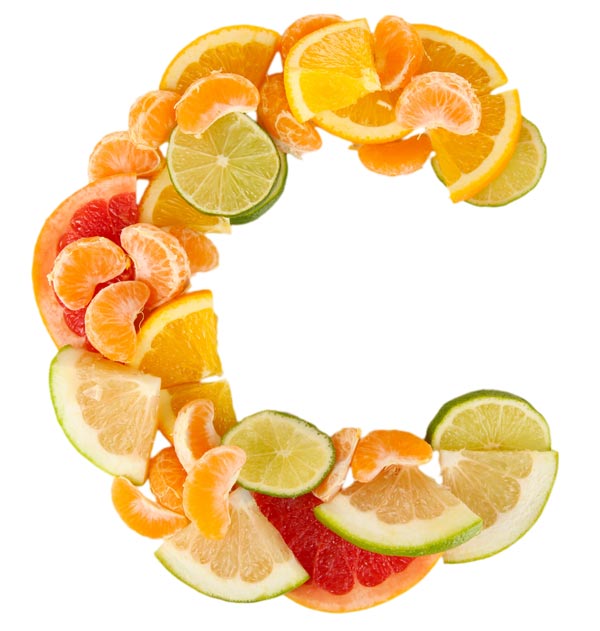
Fruits and vegetables in the shape of the letter B. B vitamins can help reduce brain fog.

Vitamin B1 helps turn glucose, the fuel for your brain, into energy. So brain fog and fatigue are often the first symptoms of vitamin B1 deficiency. Research shows that low levels of B1 are correlated with poor cognitive function in young adults, and even without a deficiency, supplementation with B1 leads to faster reaction times and reports of feeling more clear-headed (16, 17). 

Vitamin B3 (niacin) is used by your body to form NAD, which I mentioned earlier is lower in people who struggle with brain fog. 

Lastly, in my experience, vitamin B5 (pantethine) does a remarkably good job at clearing mental fogginess.

This supplement includes B1, B3 and B5. 

It's also important to note that a number of psychiatric drugs have been shown to deplete B vitamins, and brain fog is a common side effect of these drugs. I've discussed this before. You can learn more here


7. Increase Acetylcholine (Citicoline) and Dopamine (Tyrosine)

Another way to overcome your brain fog is by increasing production of acetylcholine and dopamine, two neurotransmitters that are critical for optimal brain function. 

Acetylcholine is important for memory and learning, and dopamine increases mood, motivation and focus.

Citicoline (also known as CDP-Choline) is an anti-inflammatory and neuroprotective nutrient that enhances the synthesis of acetylcholine and dopamine, and increases the number of acetylcholine and dopamine receptors in your brain. It also increases blood flow and mental energy in the frontal cortex of the brain, which is often compromised in people who suffer from chronic brain fog (80-85). 

If that’s not enough, Citicoline has also been shown to improve cognitive speed and attention in young adults, stoke patients and elderly individuals with dementia (86-88). 

Citicoline is the most bioavailable form of choline, an essential nutrient that most people don’t consume enough of because very few foods in the Western diet contain it. That’s why I recommend supplementing with it. It's included in the Optimal Brain supplement

You can also find some choline in beef liver and egg yolks. That's why I'm a big fan of eating these foods regularly. 

Unfortunately, many prescription drugs are anticholinergic, meaning they reduce acetylcholine in the brain.

The commonly-prescribed antidepressant Wellbutrin is anticholinergic, meaning it inhibits the physiological action of acetylcholine. I took it for multiple years, and I experience gradual cognitive decline during that time. 

Once I got off Wellbutrin, I started supplementing with Citicoline and noticed a remarkable improvement in cognitive function since it increased my levels of acetylcholine and dopamine. I still take it today to help clear brain fog.

Make sure you read this article to learn more about the remarkable benefits of Citicoline.

Tyrosine also increases the production of dopamine.

It is an amino acid and precursor to dopamine

Coffee and stimulants increase dopamine in the brain. So if you rely on them to get through the day, you likely have low dopamine, and increasing your natural production by supplementing with tyrosine may help you overcome brain fog.

I don’t take it regularly anymore, but tyrosine gives my brain a huge boost when I need it. I still use it sometimes, particularly if I don’t get enough sleep. It's also helpful for depression.

You should take tyrosine with vitamin B6 and vitamin C, as they are also cofactors in the production of dopamine

Check out this article for more ways to increase dopamine. And this article for more ways to increase acetylcholine.

Click here to subscribe

8. Limit Pharmaceutical and Recreational Drugs 

A number of different pharmaceuticals and over-the-counter drugs cause brain fog and forgetfulness as side effects, including:

Three bottles of prescription medication. Prescription medications can sometimes cause brain fog as a side effect.

Benzodiazepines are probably the worst for brain fog, as they’ve been linked to cognitive impairment and the development of dementia (79). I regret ever taking them for anxiety and sleep. Along with antidepressants, they caused me serious brain fog and cognitive impairment. Withdrawal from these medications can also cause brain fog. 

Anticholinergic medications block acetylcholine, an important neurotransmitter for learning and memory. There are more than 100 drugs that fall into the anticholinergic category. So if you’re taking an anticholinergic drug, make sure to take a choline supplement. The Optimal Brain supplement includes two high-quality sources of choline (78). 

But it’s not just pharmaceutical drugs that can be a problem. 

Not surprisingly, alcohol is also known to increase inflammation and oxidative stress in the brain, and also lower NAD levels, so you should avoid it as much as possible to prevent brain fog (56-60). 


9. Hydrate with Clean Water

Your brain is 75% water by volume, so it makes sense that dehydration could cause brain fog (72). 

Being dehydrated by just 2% has been shown to impair performance in tasks that require attention, psychomotor, and immediate memory skills (73). 

But you also want to make sure you’re drinking the purest water possible. Otherwise, the water itself could be contributing to your brain fog.

Tap water contains fluoride and copper that could be contributing to your inflammation and brain fog. 

There are also hundreds of other compounds in tap water, including trace amounts of pharmaceutical medication, which can affect your brain function. 

I use a water filter to make sure I’m drinking the purest water available. It filters everything out of the water. 


10. Elimination Diet

A study published in the Journal of Biological Psychiatry showed that food allergies and sensitivities could trigger a number of mental symptoms, including severe mental blankness and loss of motivation. Wheat, milk and eggs produced the most severe mental reactions (37). 

If you struggle from brain fog (or any mental illness), you should eliminate the most common food allergens from your diet for at least two weeks, and then add them back in one by one and see how you feel:

  • Wheat, spelt, rye, barley, oats (gluten)

  • All dairy (casein, lactose)

  • Eggs

  • Soy

  • Corn

  • Nightshade vegetables

  • Nuts

  • Yeast

  • Shellfish

If cutting out all those foods seems overwhelming, start by eliminating all flour and gluten grains, including bread, cereal and pasta, and see how you feel. Don’t eat gluten-free junk food instead, as they are full of sugar and just as bad for brain fog.

Wheat grain. Wheat can often cause brain fog in many people.

Dr. Kenneth Fine, a pioneer in gluten intolerance research, has demonstrated that 1 in 3 Americans are gluten intolerant, and that 8 in 10 have the genes that predispose them to developing gluten intolerance. And research has also shown that gluten can contribute to ADHD, cognitive impairment and Alzheimer’s (74-76). 

Unfortunately, when you are gluten intolerant, you will often “cross-react” with other proteins similar to gluten. Plus, there are many other proteins in wheat other than gluten that can cause brain fog. 

A lot of people who suffer from brain and mental health problems are also allergic or sensitive to lactose or milk protein (casein), which cause inflammation in the body and brain. So you should avoid all milk, cheese and yogurt, especially when you're trying to overcome brain fog. 

I will never eat wheat and dairy again in my life. It’s just not worth it because my mood, energy and mental clarity are remarkably more consistent when I avoid them. I’m also intolerant to egg whites. I have to throw them away and only eat the yolks.


11. Forskolin

Forskolin is an active compound found in the roots of the Indian coleus (Coleus forskohlii).

It has been used by traditional cultures to treat various conditions and diseases (67). 

I notice it increases mental energy and clarity for me.

This is because forskolin increases cyclic AMP (cAMP), which lowers inflammation (61). 

Click here to subscribe


12. Get Sun and Vitamin D3

I’ve discussed Vitamin D many times before, so I won’t belabor the point too much here. 

But Vitamin D significantly affects your brain function, and turns on genes that support the production and release of dopamine and serotonin.

A cartoon sun with sunglasses and two thumbs up. Sunlight and Vitamin D from the sun can help you overcome brain fog.

Yet most people are deficient (an estimated one billion people worldwide), and being low in Vitamin D can lead to chronic brain fog, low energy, poor memory, and depression (19).

It’s worth getting your levels checked and supplementing with it if you’re low. 

Vitamin D levels above 40 ng/mL (100 nmol/L) reduce the risk of cognitive impairment, and low vitamin D levels are linked to higher risk of dementia (20).

Most people need to take at least 2000IU every day. I take 5000IU of this supplemental source of Vitamin D every day. 

Using a Vitamin D lamp and getting enough sunlight can also help you with brain fog as they decrease inflammation (52). 

It's important to test and monitor your Vitamin D levels before and after supplementing with it.


13. Acetyl-L-Carnitine (ALCAR)

Acetyl-L-Carnitine (ALCAR) is a neuroprotective and cognitive-enhancing amino acid.

It is often used as a brain booster because it increases alertness and provides support to brain cells. It’s also been shown to be very effective at alleviating neurological decline and chronic fatigue (68-71). 

I personally find ALCAR gives me a huge boost in brain energy and clarity. That's why it's included in the Optimal Brain supplement

And as I discussed previously, it can protect your brain from alcohol.

Make sure you read this article to learn more about the remarkable benefits of ALCAR.


14. Exercise Properly 

I’ve already discussed how exercise increases your brain’s growth hormone (brain-derived neurotrophic factor). 

Two women running on the beach. Exercise can help reduce brain fog. Too much exercise can cause brain fog though.

But it also reduces foggy thinking by reducing inflammation and oxidative stress, improving blood flow to the brain, controlling blood sugar, and raising NAD levels (12). 

But it’s important to note that chronic endurance exercise can actually increase inflammation, so be careful (13, 14). 

That’s why I'm convinced that walking, weightlifting and sprinting are the best forms of exercise. 

Overtraining and lack of rest will lead to hormonal imbalances and brain fatigue. 

So when you engage in endurance cardio, make sure you don’t overexert yourself and always take long enough breaks between workouts to recover. Otherwise, you can physically and mentally exhaust yourself.


15. Increase Good Gut Bacteria

I’ve discussed this before, so I won’t go too in-depth here. 

But there are approximately 100 trillion microorganisms and 500 known bacterial species living inside of you. Your digestive tract holds a lot of these bacteria, and cutting-edge research suggests there is a connection between your brain and your gut. Therefore, the makeup of these bacteria in your gut can affect how you feel mentally (50-52).
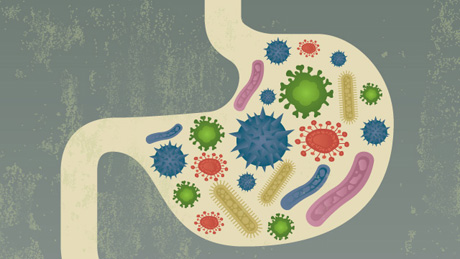
An illustration of the gut and the bacteria within it. Increasing your good bacteria can help you overcome brain fog.

Unfortunately, a lot of people today have out-of-balance and dysregulated gut bacteria, which can increase inflammation and oxidative stress in the gut and brain, leading to brain fog and other mental symptoms.

Not surprisingly, research has shown that people with irritable bowel syndrome often have chronic fatigue syndrome. This is because both conditions often result from bacterial imbalances and gut inflammation (48).

Here are some steps I recommend to improve the composition of your gut bacteria, which can help eliminate symptoms of brain fog:

  • Take a high-quality probiotic.

  • Eat prebiotics foods – such as sweet potatoes, carrots, onions, asparagus, squash and others found in my free food guide – to promote the growth of good bacteria

  • Supplement with resistant starch

  • Avoid antibiotics unless absolutely necessary

Overall, you need a healthy gut for a healthy brain. You can read my previous article “5 Ways to Increase Your Good Gut Bacteria for a Healthier Brain” for more tips and information.

Click here to subscribe

16. Take Adaptogens (Rhodiola, Ginseng)

Adaptogenic herbs help normalize the body and help you reach a state of mental balance (21, 22, 23).

I’ve weaned off psychiatric medications more than once. The very last time I did, I used two adaptogens – rhodiola and ginseng – and I noticed they reduced withdrawal symptoms, including brain fog.  

Many studies show that rhodiola can clear brain fog and improve mental function by increasing cognitive energy and improving connections and communication between brain cells. It’s also been shown to reduce oxidative stress and inflammation in the brain, which is linked to brain fog (24-29). 

I wrote about rhodiola before if you’re interested in learning more. 

I still use both rhodiola and ginseng regularly, especially if I’m dealing with brain fog for some reason. 


17. Intermittent Fasting and Ketosis

Short-term fasting and ketogenic dieting are great ways to enhance your mental clarity and reduce brain fog. 

I fast for at least 12 hours every day, and sometimes follow a ketogenic diet to improve my cognition. 

A ketogenic diet is a very low-carb diet. When there is limited access to carbohydrates, the body’s main source of energy, your body enters ketosis – a metabolic state in which your body and brain run on fatty acids and ketones. Ketones are an alternative source of fuel, which can quickly recharge your brain cells and improve cognitive function. (33). 
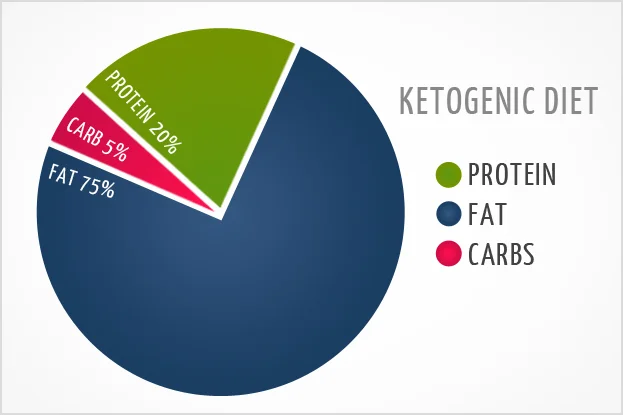
A pie chart demonstrating the macronutrient breakdown of the ketogenic diet. It is 75% fat, 20% protein and 5% carbs. A ketogenic diet can help clear brain fog in some people.

This advice clearly contradicts my earlier advice that you should be eating plenty of healthy carbohydrates. 

But some people notice their brain fog completely disappears and their cognition is very sharp if they fast or follow a low-carb ketogenic diet. But it’s not for everyone. Others feel much worse and need to eat enough carbs to feel mentally well. So I suggest you experiment with both and see what works for you. 

You can get into ketosis more quickly by taking this supplement, which includes exogenous ketones that are easily digested by the body. They readily cross the blood-brain barrier, and provide instant energy to brain cells, helping you quickly overcome brain fog (30, 31).


18. Low-level Laser Therapy (LLLT)

Low-level laser therapy (LLLT) is about as cutting-edge as it gets. It’s even more unconventional that neurofeedback. And it works. 

Low-level laser therapy, or photobiomodulation, is a treatment that uses low-level (low-power) lasers or light-emitting diodes (LEDs) to stimulate brain cells, helping them heal and function better (63). 

A man wearing an LLLT helmet and the Vielight intranasal device. LLLT can help with brain fog.

LLLT increases blood flow to the brain and appears to have an effect on damaged brain cells, which can produce clearer, sharper thinking. It's important to note that the brain and mental effects of LLLT are limited to a specified set of wavelengths (18, 64, 65). 

Most doctors are clueless about LLLT; but not every doctor. 

Dr. Norman Doige, a physician who teaches at the University of Toronto here in Canada, discusses the amazing healing effects of LLLT in his book The Brain’s Way of Healing.

I first tried LLLT with a practitioner. I noticed a boost in cognitive energy, brain function and mental clarity.

I now use these devices at home:

  • Optimal 1000 Brain Photobiomodulation Therapy Light (Combo Red/NIR) - This is a powerful device that shines 660 nm of red light and 850 nm of infrared light. I shine it on my forehead for 5 minutes every day. I also shine it on other parts of my head and on my entire body, including on my thyroid, thymus gland and gut. I experience incredible benefits from doing this.

  • Vielight Neuro Duo – This is a transcranial-intranasal headset with 810 nm of near infrared light that I’ve now been using regularly. It penetrates deeper into brain tissue and is absorbed better by the central nervous system. If you decide to get this one, you can use the coupon code JORDANFALLIS for a 10% discount. Some research has shown a 20-fold higher efficiency of light delivery to the deep brain through the nose instead of transcranial application (125).

In my experience, applying the light directly to your forehead (prefrontal cortex) will help with brain fog.

This may seem strange and dangerous, but don’t worry – LLLT is very safe (66).

You can read about my experience with LLLT here


19. Avoid Environmental Mold and Mycotoxins

Environmental mold is a silent killer, as most people aren’t aware that it’s in their home and workplace and affecting their brain function. If you’re genetically susceptible, it can wreak havoc on your brain, and your cognitive abilities and mental health can deteriorate for no apparent reason.

After I lived in a moldy home, I became extremely sensitive to any environmental mold and mycotoxins (toxic metabolites produced by mold). 

Black mold on a wall. Environmental mold and mycotoxins can cause brain fog.

I now use an air filter in my apartment. It removes any mold spores and smoke that may be in the air.  

Low amounts of mycotoxins are often found in some seemingly healthy foods, such as tea, nuts, coffee and chocolate. So if you’re sensitive to mycotoxins like I am, you’ll likely experience brain fog and fatigue after eating low-quality versions of these foods. I recommend finding the freshest, highest-quality, organic versions of these foods.

Lastly, if exposed to mold or their toxins, I supplement with activated charcoal or bentonite clay.

Activated charcoal and bentonite clay are potent natural treatments that can trap toxins and chemicals, allowing them to be flushed out of your body.

I take activated charcoal every time I eat something bad for my brain and mental health (mycotoxins, gluten, dairy), as it binds to problematic proteins and drags them out of my body. I notice I don’t feel as sick when I do this, and recover much more quickly than without it. 

This is just the tip of the iceberg when it comes to toxic mold. I’ll be writing more about it soon.


20. Increase Testosterone

This one applies to men only. 

Low testosterone levels can contribute to your brain fog. 

When I lived in a moldy home and suffered multiple concussions, my testosterone plummeted. 

A muscular man lifting weights. Testosterone can help with brain fog.

No conventional doctor tested my testosterone because they assumed every 20-year-old man would have healthy levels. 

But they were wrong. 

Eventually I saw an integrative physical and he found out that I had the testosterone levels of an old man.

I was put on testosterone replacement therapy (TRT) for almost one year to get my levels back to normal. And over that time, I saw a huge increase in my mental sharpness. I’m now off TRT and my testosterone remains at optimal levels because of my healthy lifestyle. 

I recommend getting your levels checked and then consider TRT if necessary, especially when you’re older.

Your doctor will test your total testosterone levels. But it’s just as important to also check you free testosterone levels.

You can test your total and free levels here. 


Conclusion

Clearly, there are a lot of causes and solutions to brain fog. 

You don’t need to accept it as “normal.”

You may need to try a combination of these methods, and it may take some time to finally get to the bottom of it. But it can be done. And you can experience mental clarity again. 

If you’re looking for an all-in-one solution to manage and overcome brain fog, check out the Optimal Energy supplement.

Do you struggle with brain fog? What helps you manage it? Have you overcome it for good? 

Let me know in the comments, as your personal experiences could help someone. 
 
Click here to subscribe

Live Optimally,

Jordan Fallis

Connect with me

References

(1) http://www.ncbi.nlm.nih.gov/pubmed/23576989

(2) http://www.ncbi.nlm.nih.gov/pubmed/23999934

(3) http://www.ncbi.nlm.nih.gov/pubmed/22848760

(4) http://diabetes.diabetesjournals.org/content/53/11/2931.full

(5) http://www.ncbi.nlm.nih.gov/pubmed/11939620

(6) http://www.ncbi.nlm.nih.gov/pubmed/18493620

(7) http://www.ncbi.nlm.nih.gov/pubmed/18165311

(8) http://www.medicinenet.com/script/main/art.asp?articlekey=56589

(9) https://pubs.acs.org/cen/science/87/8720sci1.html

(10) http://www.neurology.org/content/early/2013/10/23/01.wnl.0000435561.00234.ee.short

(11) http://www.ncbi.nlm.nih.gov/pmc/articles/PMC2769828/

(12) http://jcb.rupress.org/conthttp://jcb.rupr

(13) http://www.ncbi.nlm.nih.gov/pmc/articles/PMC3793976/

(14) http://www.ncbi.nlm.nih.gov/pubmed/23258605

(15) http://www.ncbi.nlm.nih.gov/pubmed/20329590

(16) http://link.springer.com/article/10.1007/BF02246104#page-1

(17) http://link.springer.com/article/10.1007/s002130050163

(18) http://www.research.vahttp

(19) http://www.nejm.org/doi/full/10.1056/NEJMra070553

(20) https://www.vitamindcouncil.org/health-conditions/cognitive-impairment/

(21) http://www.ncbi.nlm.nih.gov/pubmed/10468649

(22) http://www.ncbi.nlm.nih.gov/pubmed/17504218

(23) http://www.ncbi.nlm.nih.gov/pubmed/19601854

(24) http://www.ncbi.nlm.nih.gov/pubmed/20378318

(25) http://www.ncbi.nlm.nih.gov/pubmed/19168123

(26) http://www.ncbi.nlm.nih.gov/pubmed/7756969

(27) http://www.ncbi.nlm.nih.gov/pubmed/20378318

(28) http://www.ncbi.nlm.nih.gov/pubmed/25172797

(29) http://www.ncbi.nlm.nih.gov/pubmed/11410073

(30) http://www.ncbi.nlm.nih.gov/pmc/articles/PMC2604900/

(31) http://www.nutritionjrnl.com/article/S0899-9007(12)00365-6/abstract

(32) http://www.ncbi.nlm.nih.gov/pubmed/15123336

(33) http://www.ncbi.nlm.nih.gov/pubmed/17332207

(34)  http://journals.plos.org/plospathogens/article?id=10.1371/journal.ppat.1003726

(35) http://www.sciencedirect.com/science/article/pii/S0166432814004768

(36) http://www.pnas.org/content/108/38/16050.long

(37) http://www.ncbi.nlm.nih.gov/pubmed/7225473

(38) https://www.ncbi.nlm.nih.gov/pmc/articles/PMC4490655/

(39) http://www.ncbi.nlm.nih.gov/pmc/articles/PMC3907532/

(40) https://www.sciencedaily.com/releases/2008/09/080902075211.htm

(41) http://www.ncbi.nlm.nih.gov/pubmed/24080377

(42) http://www.sciencedirect.com/science/article/pii/S1087079202902613

(43) http://www.ncbi.nlm.nih.gov/pubmed/9760133

(44) http://www.ncbi.nlm.nih.gov/pmc/articles/PMC3497293/

(45) http://www.jimmunol.org/content/167/11/6518.full.pdf

(46) http://care.diabetesjournals.org/content/35/10/2076.short

(47) http://pmmp.cnki.net/Resources/CDDPdf/evd%5C200801%5CJAMA%5C%E7%97%85%E4%BE%8B%E5%AF%B9%E7%85%A7%E7%A0%94%E7%A9%B6%5Cjama2006295041681.pdf

(48) http://nutritionandmetabolism.biomedcentral.com/articles/10.1186/1743-7075-7-79

(49) http://www.sciencedirect.com/science/article/pii/S002432050700358X

(50) http://www.ncbi.nlm.nih.gov/pubmed/20357926

(51) http://www.ncbi.nlm.nih.gov/pubmed/24669208

(52) http://www.ncbi.nlm.nih.gov/pubmed/21412260

(53) http://europepmc.org/abstract/MED/24202171/

(54) http://www.ncbi.nlm.nih.gov/pubmed/16855156

(55) http://www.ncbi.nlm.nih.gov/pubmed/23198849

(56) http://www.ncbi.nlm.nih.gov/pubmed/20357926

(57) http://www.ncbi.nlm.nih.gov/pubmed/24669208

(58) http://www.ncbi.nlm.nih.gov/pmc/articles/PMC3484320/

(59) http://www.ncbi.nlm.nih.gov/pubmed/6407471

(60) http://www.sciencedirect.com/science/article/pii/S002432050700358X

(61) http://www.ncbi.nlm.nih.gov/pubmed/17397885

(62) http://www.ncbi.nlm.nih.gov/pubmed/15911792

(63) https://www.ncbi.nlm.nih.gov/pmc/articles/PMC2442599/

(64) http://www.ncbi.nlm.nih.gov/pmc/articles/PMC3953713/

(65) http://www.ncbi.nlm.nih.gov/pmc/articles/PMC3065857/

(66) http://www.ncbi.nlm.nih.gov/pubmed/23675984

(67) http://www.ncbi.nlm.nih.gov/pubmed/17345261

(68) http://www.ncbi.nlm.nih.gov/pubmed/17658628

(69) http://www.ncbi.nlm.nih.gov/pubmed/18065594

(70) http://www.ncbi.nlm.nih.gov/pubmed/17693145

(71) http://www.ncbi.nlm.nih.gov/pubmed/15039515

(72) http://www.nature.com/ejcn/journal/v57/n2s/full/1601898a.html

(73) http://www.ncbi.nlm.nih.gov/pubmed/22855911

(74) http://www.sciencedaily.com/releases/2006/10/061010022602.htm

(75) http://www.ncbi.nlm.nih.gov/pmc/articles/PMC3184556/

(76) http://onlinelibrary.wiley.com/doi/10.1111/apt.12809/full

(77) http://ispub.com/IJNW/2/1/4476

(78) http://www.ncbi.nlm.nih.gov/pubmed/18510583

(79) http://www.bmj.com/content/352/bmj.i90

(80) http://www.ncbi.nlm.nih.gov/pmc/articles/PMC2695184/

(81) http://www.ncbi.nlm.nih.gov/pubmed/11796739

(82) http://www.ncbi.nlm.nih.gov/pmc/articles/PMC1430829/

(83) https://www.ncbi.nlm.nih.gov/pubmed/1839138

(84) https://www.ncbi.nlm.nih.gov/pubmed/1098982

(85) http://www.ncbi.nlm.nih.gov/pubmed/19351232

(86) http://www.scirp.org/journal/PaperInformation.aspx?paperID=19921

(87) http://kyowa-usa.com/news/2014/07-29
(88) http://www.ncbi.nlm.nih.gov/pubmed/15005642

Terms and Conditions

Privacy Policy

Affiliate Disclosure

Disclaimer

2 Affordable Biofeedback Devices That Will Help You Focus and Relax At Home

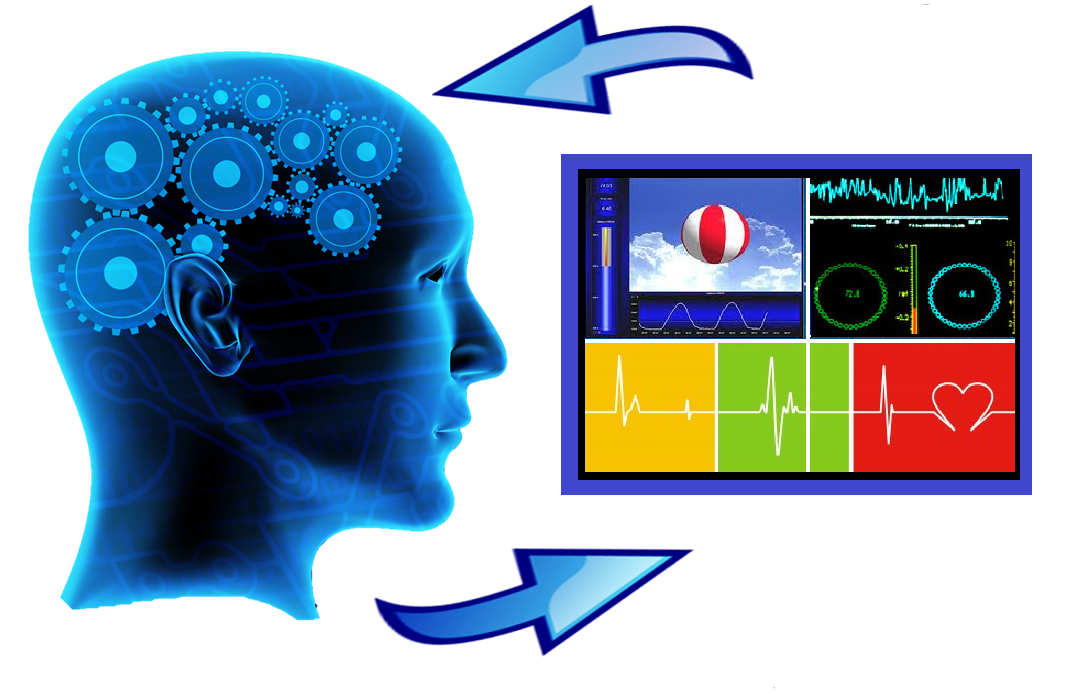
Image displaying how biofeedback works.

Technology is often blamed for causing us stress and inattention.

But what if technology could solve these problems?

There is an increasing amount of accessible biofeedback devices and machines available today that can actually help you reduce anxiety and increase your concentration. Yet a lot of people don't know about them. 

Biofeedback is the process of gaining greater awareness of how your body is functioning. By doing this, you learn how to change and manipulate your body and brain at will.  

I’ve already discussed how neurofeedback dramatically altered my brain function for the better.  

But neurofeedback is just one form of biofeedback, and there are lots of different types of biofeedback equipment available today. 

This article explores my two favourite biofeedback devices that I’ve used and continue to use at home on a daily basis to maintain optimal brain and mental health. 


1. The Muse Headband

Neurofeedback has been one of the best investments of my entire life. But when I first wrote about it, I got a lot of messages and comments from people expressing their disappointment that neurofeedback isn’t available in their area. Or that it's simply too expensive.

I understand that. You have bills to pay and children to support. If it's between putting food on your plate or doing some strange brain training, it makes sense that you'll choose the former and forget the latter. 

But that doesn't mean you can't experience some of the benefits of clinical neurofeedback through other technologies.

In my experience, the Muse headband is a decent substitution that can help you increase your mental resilience. 

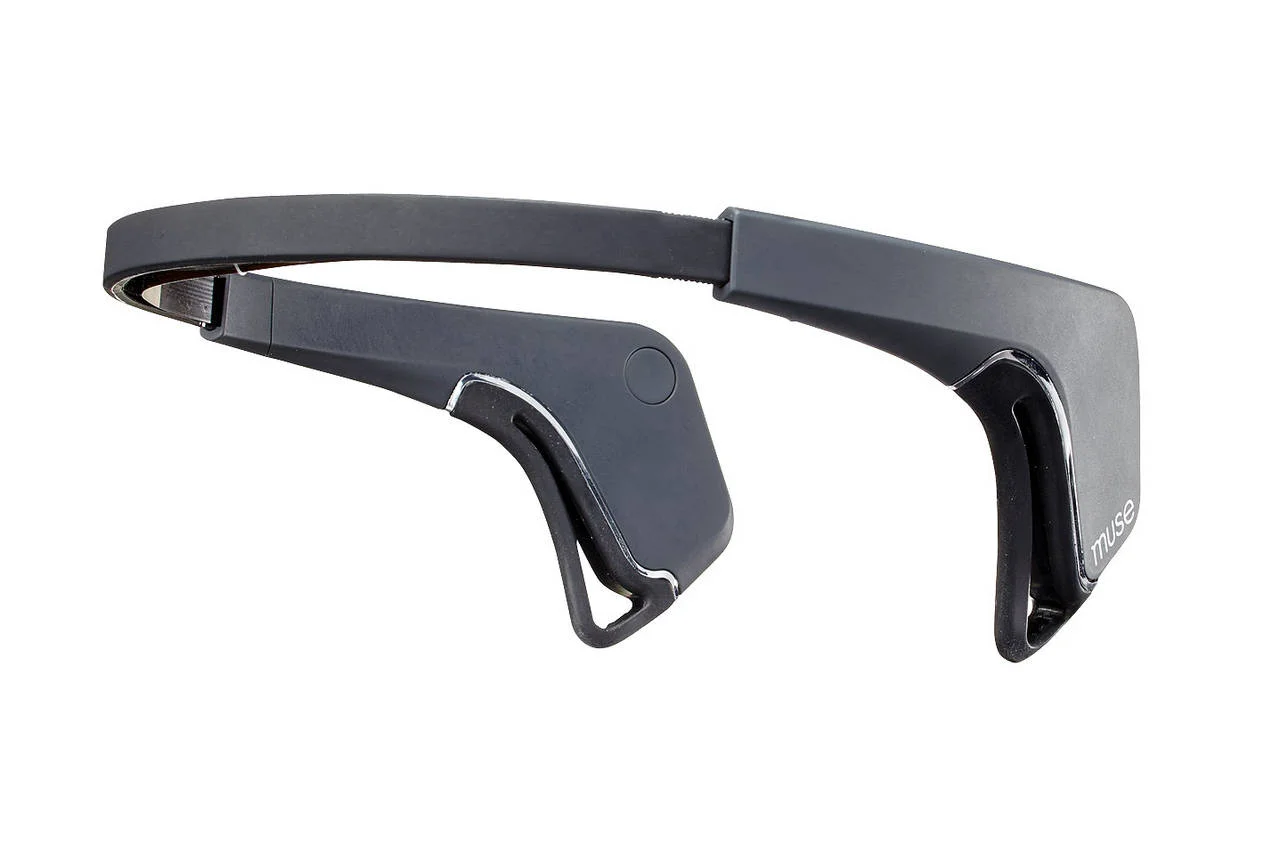
Muse is a brain-sensing headband that accurately monitors and measures your brainwaves, similar to clinical neurofeedback, but in the comfort of your own home.

As I discussed in my article about neurofeedback, your brain is constantly generating electrical signals. These signals can be detected from outside your head, via electroencephalography (EEG) sensors. Doctors and scientists have used this technology for more than 100 years to study the brain.

The Muse headset has seven EEG sensors that pick up the electrical activity of your brain while you meditate. 


How The Muse Works and How It Can Help You

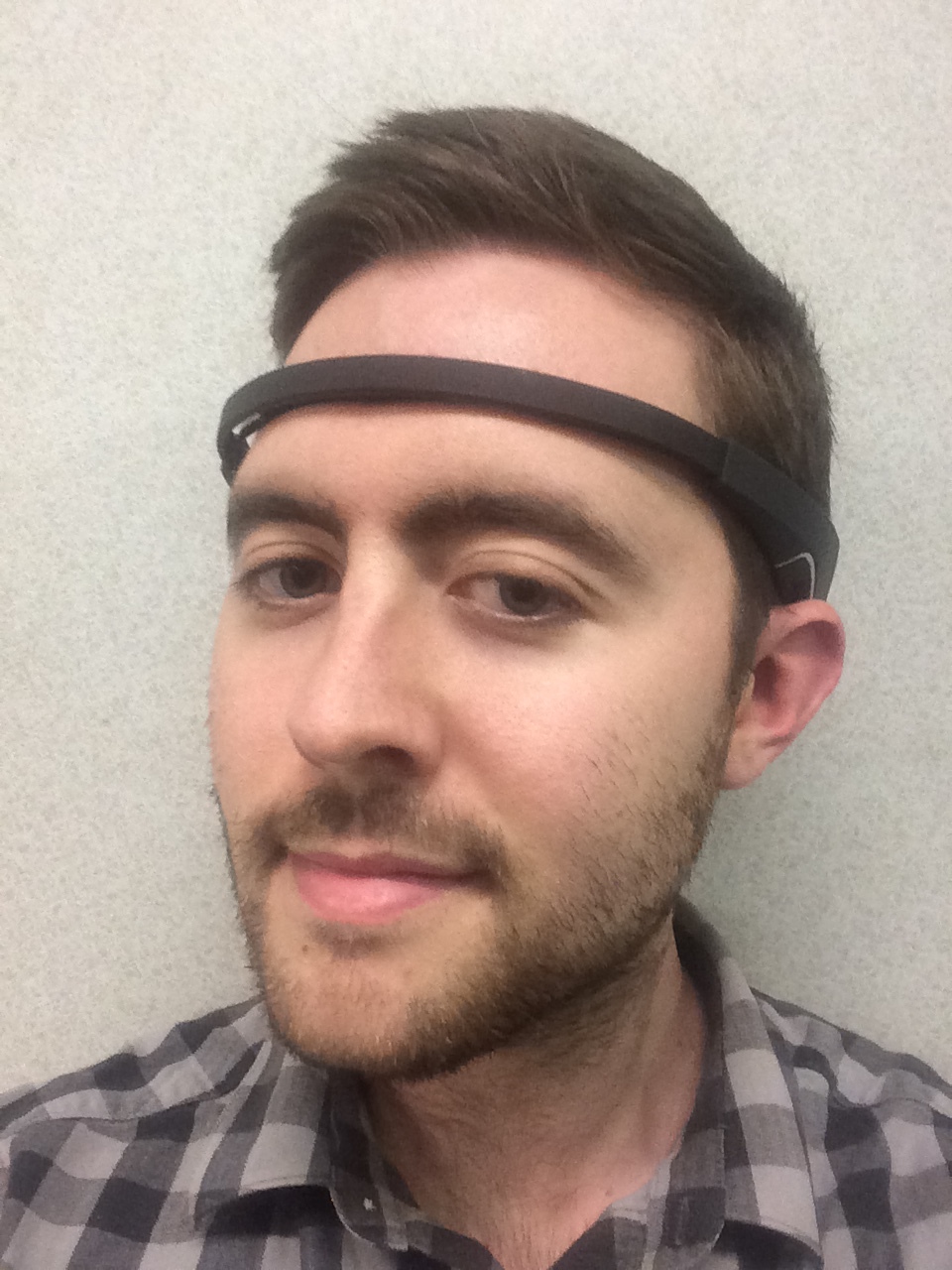
The Muse headset rests across your forehead and tucks behind your ears.

The Muse headset rests across your forehead and tucks behind your ears.

During each meditation session, the Muse headband sends your brainwave data to your mobile phone via Bluetooth.

The Muse app then quickly analyzes this data, and determines whether your mind is relaxed or active. It then provides you with instant feedback through your mobile phone.

The feedback comes in the form of auditory weather sounds. When you’re calm and focused, you’ll hear sounds of peaceful weather through your phone, such as gentle waves and chirping birds. But when your mind is wandering, the weather will become more turbulent and you’ll hear loud wind and crashing waves, reminding you to relax and refocus.

After each session, the app will display the percentage of time you spent in a calm, neutral or active state of mind.

In other words, the Muse is a mental health wearable that lets you hear what’s going on inside your mind so that you can learn to naturally guide yourself to a calmer, focused state. 

Jordan Fallis wearing Muse headband.

To do this, you typically need multiple sensors attached to your head and thousands of dollars of professional neurofeedback equipment. That’s why many physicians, researchers and educators are extremely interested in the Muse.

Over 100 universities and institutes including Harvard are running clinical trials with the device. The Denver Public School system has already implemented a pilot program using the Muse in classrooms to help children with ADHD and other learning difficulties. And the Department of Veterans Affairs plans to test the product’s efficacy in managing the symptoms of PTSD. 

If you’re interested in trying it, you can get it through Amazon or the Muse website

If you truly struggle with anxiety and lack of concentration, I think it’s money well-spent. It costs about the same as several therapy sessions, but the Muse is much more helpful because, unlike psychologists and psychiatrists, it provides instant feedback on the functioning of your brain and doesn't push medication on you. Plus, you only need one headband for your household because more than one person is able to use the same headset.

Click here to subscribe
 

My Experience with the Muse and How It’s Similar to Clinical Neurofeedback

I bought the Muse headband late last year after it was recommended to me by my neurofeedback practitioner.

Based on further research, it appears to be the most effective and affordable EEG device on the market. It's very accurate, easy to use and immediately picks up when your mind wanders. I use it for 10-20 minutes, five to seven days each week. 

Because of my intensive clinical neurofeedback training, I get very high scores on Muse. I usually get at least 95% calm during each session. During the above session, I got 99% calm.

Because of my intensive clinical neurofeedback training, I get very high scores on Muse. I usually get at least 95% calm during each session. During the above session, I got 99% calm.

The Muse headband may not be as tailored and profound as working with a neurofeedback practitioner, but it’s very similar. And with consistent practice and patience, you can reach similar levels of calm and experience many of the same cognitive benefits that you would with neurofeedback (without having to pay thousands of dollars for it). In fact, it’s signal quality has been shown to be almost as accurate as expensive clinical-grade EEG neurofeedback equipment (12). 

As you train with the Muse on a regular basis, you'll get better at managing your brain waves and become more centered and focused over time. Because of neurofeedback and the Muse, I have a consistent sense of being in the present moment, rather than being lost in thoughts about the past or future.

I still very much recommend clinical neurofeedback training over the Muse, as it’s the fastest way to make mental progress. But if you can’t access or afford neurofeedback, the Muse is a decent substitute that packs traditional EEG technology into a small and cheaper device. 

My neurofeedback practitioner actually suggests that some people may only need consistent practice with the Muse. Depending on the patient and the results of their "brain mapping," she'll sometimes recommend the Muse instead of neurofeedback training at her clinic. 

However, this definitely isn’t the case for everyone. The Muse wouldn’t have been enough for me. I personally needed clinical neurofeedback training, and others likely do too. But the Muse is definitely a good place to start. You can get it here or here.

If you decide to get the Muse Headband, you should also consider downloading the third-party EEG monitoring app called the “Muse Monitor” app. It's a third-party EEG monitoring app that displays all of your brainwaves (alpha, beta, theta, etc.) and their patterns on your phone in real time. 

This app has allows me to test and experiment with different nootropic supplements and monitor how they affect my brain waves, something I was unable to do in the clinic with my neurofeedback practitioner. I plan on writing more about those experiments later. 

See what's really going on inside your head in real time! Muse Monitor is exclusively for use with "Muse: The Brain-Sensing Headband" from Interaxon (available at http://www.choosemuse.com) Get real time EEG brainwave data beautifully graphed, right on your phone or tablet. Split data by channel, into left brain/right brain, Front/Back, or even individual sensors.


2. The EmWave2

When you experience stressful emotions such as tension, anxiety, irritation, or anger, your heart rhythm becomes irregular and incoherent, negatively affecting your health and brain function. When you experience positive emotions such as appreciation, care, joy and love, your heart rhythm is more ordered and coherent.

The EmWave2 trains you to change your heart rhythm pattern and reach a state of coherence. When you are in a coherent state, there is harmony between your heart, brain and nervous system. Your psychological and physiological bodily functions are balanced, and your parasympathetic “rest-and-digest” nervous system becomes dominant.

Overall, high coherence is like “being in the zone” – a simultaneous state of calm relaxation and energized alertness. And the EmWave2 helps you get there. 


How EmWave2 Works

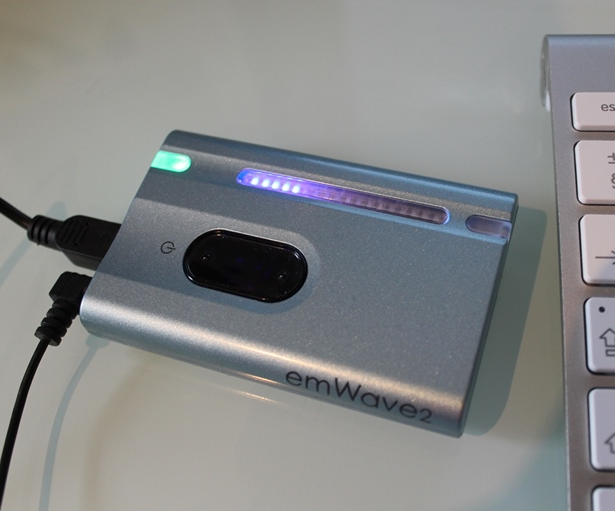
The EmWave2 is a small handheld device about the size of an iPod. It collects your pulse through a pulse sensor, measures your heart rhythm, guides you to breathe in and out every five seconds, and determines if your nervous system is in a “coherent” or “incoherent” state. 

HeartMath devices, coherence and incoherence.

If you’re completely stressed, the EmWave2 will give you feedback in the form of a red light, letting you know that you’re in an incoherent state. The device will then provide guidance you so that you can consciously increase your coherence. Once your heart rate and breathing are synchronized, the EmWave2 will give you positive feedback in the form of a green light, letting you know that you’ve reached a coherent state. As you get used to the device, it becomes a challenge to see how high you can score on the coherence scale. Higher coherence scores indicate that you are in a more relaxed state of mind.

The EmWave2 is being used by over 10,000 different health care professionals in the U.S., including 65 veteran administration hospitals and clinics for the treatment of PTSD.

Dr. Lawrence Rosen, an Integrative Pediatrician at the Whole Child Center, says he uses the EmWave2 with his patients that struggle with anxiety:

I teach my anxious and stressed patients really simple little breathing techniques, and we work on synchronizing their breathing with their heartbeat. Not only do they feel more relaxed, but the body’s physiology changes. We can measure hormone levels that show that the body is in a less stressed state. I’ve used it on people as young as 3 years old and up to 103.
— Dr. Lawrence Rosen, MD
Click here to subscribe

My Experience with the EmWave2 and How It Could Help You

I’ve been using the EmWave2 for over a year now and it works. Increasing my coherence has had a number of mental and emotional and benefits. When I have a high degree of coherence, I am able to focus while remaining physically and emotionally calm.

I use the EmWave2 twice every day for just five to ten minutes. After using it, it feels like there has been a positive internal shift within my body. It’s hard to explain exactly. But when I stop using it, I notice I feel less content and fall into negative attitudes and mindsets much more easily.

If you're interested in trying the EmWave2, you can get it through the HeartMath website.

Here are some of the main benefits you may notice from using it:

  • Less stress and anxietyThe EmWave2 will help turn down your “fight or flight” response. If you struggle with generalized anxiety or chronic stress like I used to, I highly recommend this device (and supplementary zinc and magnesium). It won’t stop stress and anxiety completely, but it will definitely reduce the amount you experience, increase your resilience to it and help you cope with it when it does hit you. I use it when I find myself in an anxious state of mind. It shifts my mindset into a calmer state.

  • Improved mood – When you have low heart coherence, you’re more likely to be stuck in a stressed and depressed state of mind. In my experience, the EmWave2 can help you snap out of it and regain an emotionally-balanced mood and optimistic outlook.

  • Improved cognitive performance – Anxiety and depression can cause poor cognition. I noticed this for many years. Whenever I wasn’t feeling mentally well, my performance suffered and it was hard for me to think straight and be productive. That’s because stress shuts down the prefrontal cortex. The EmWave2 can increase the efficiency and functioning of your nervous system, which reduces stress and helps reactivate your brain’s higher-order functions. My focus has improved since I started using it.

Without some sort of biofeedback, it’s hard to know when you’re coherent or incoherent. The EmWave2 will tell you when you’re in an incoherent state, and then guide you so that you can consciously get yourself out of it.  

At first, you may get really low coherence scores and find it incredibly frustrating. I went through the same thing. But you need to give it some time. These devices are long-term healing strategies, not quick-fixes. Getting the most out of the device will require a commitment to use it on a regular basis because the benefits appear over time. And if it doesn't end up helping you, you can return it for a refund.


Conclusion

As I’ve said before, cognitive problems and mental illness are multi-faceted. There are many underlying problems and multiple fixes. But regulating your nervous system and brainwaves is a big part of it, and these devices (along with neurofeedback) have allowed me to make huge strides:

Unfortunately, your health insurance won’t cover them. But that doesn’t mean you can’t take control of your own brain and mental health starting today.

Please let me know what you think in the comments, and share with anyone you think might benefit because a lot of people don’t know about these types of biofeedback technologies.

 
Click here to subscribe

Live Optimally,

Jordan Fallis

Connect with me

How to Protect Your Brain from Alcohol & Never Be Hungover

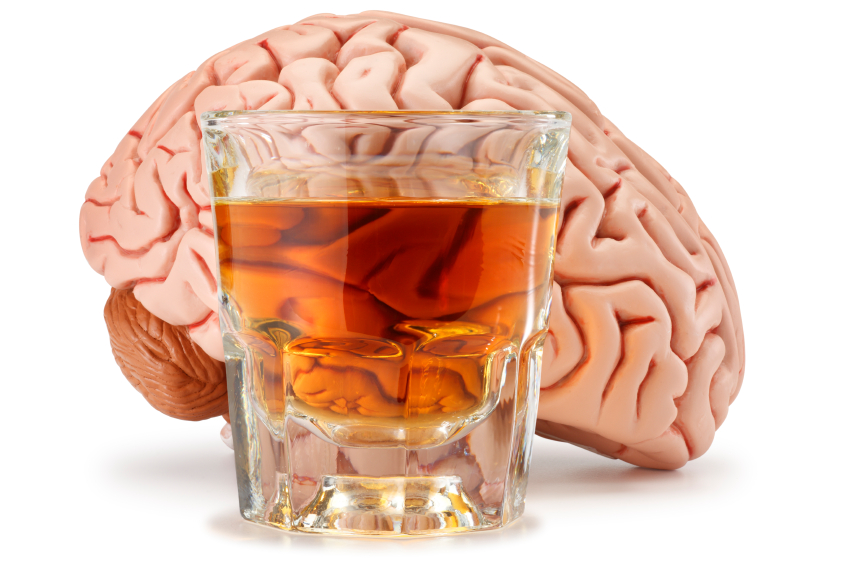
Picture of alcohol in front of brain.

Alcohol isn’t good for you.

Ideally, you should completely avoid it for optimal brain and mental health. 

But that’s in a perfect world. 

Alcohol is everywhere and social interactions often involve it. So you’re going to end up drinking it every now and then. And during big holidays or special occasions, you likely won’t stop at one drink. 

And I don’t blame you. 

There are times when I let loose and have a drink or two (or several). Life’s too short not to indulge once in a while. 

Fortunately, it’s possible to have a few drinks on occasion without completely destroying your brain and mental health. In fact, you can enjoy the buzz safely and wake up the next day feeling great.

So I’m going to share with you my comprehensive anti-alcohol regimen so that you can manage and fight back against the damaging effects of alcohol. 

I often go many months without having a sip of alcohol. But when I do imbibe, I follow the steps below.

These recommendations will:

  • Protect your brain while consuming alcohol

  • Decrease the chances that you'll wake up depressed, anxious and hungover

  • Help you recover if you do wake up feeling sub-optimal

  • Heal your brain after long-term alcohol abuse

The more steps that you take, the less likely you will wake up feeling physically and mentally sick. 

And as you’ll see, these recommendations are very good for your brain and mental health in general. If you don’t drink, implementing some of these strategies into your everyday life will help you overcome anxiety and depression.


The Most Important Steps For Protecting Your Brain From Alcohol and Avoiding a Hangover

1. Pick The Right Drinks

The type of alcohol you drink can make a huge difference in how you feel the next morning. 

Certain drinks are worse for your brain and increase your chance of waking up hungover and depressed. 

Based on my experience and research, here are some common forms of alcohol, from best to worst:

Man holding shot glass with vodka.
  • Vodka – best option

  • Gin

  • Rum

  • Dry cider

  • Dry white wine

  • Tequila

  • Whiskey

  • Regular white wine

  • Red wine

  • Cider with lots of sugar

  • Gluten-free beer

  • Regular beer – worst option

Highly filtered and distilled liquor such as vodka, gin and rum are your best options. And it’s best to drink them straight. Carbonation increases the absorption of alcohol, which may increase the chance of you experiencing a hangover the next day (7). 

Dry cider and dry white wine are also decent options, but not as optimal as filtered and distilled liquor.

I recommend you completely avoid or significantly limit sugary drinks and beer. Refined sugar and wheat in beer can activate the immune system and trigger inflammation, which can negatively affect your brain and make you feel mentally unstable and foggy (57, 58). 

Some alcoholic drinks also contain congeners, substances produced during fermentation. They are often found in dark alcoholic drinks, such as whiskey and tequila, and can also contribute to hangovers, making you feel suboptimal the next day. So you should try to stay away from those too (4). 

Glass of red wine.

Lastly, mycotoxins are toxic metabolites produced by mold that are capable of causing disease in humans. Low amounts of mycotoxins are often found in wine and beer, and can make you feel sick if you’re sensitive to them. And some research shows that one type of mycotoxin, ochratoxin A, can cause brain damage (49, 50, 51, 52). 

After living in a moldy environment for over one year, I became extremely sensitive to seemingly healthy foods and drinks, such as coffee, tea and nuts. Eating low-quality versions of these foods give me asthma and make me feel mentally tired. I couldn’t figure it out why at first, but I’ve now confirmed that it’s the mycotoxins that are commonly found in cheap versions of these foods. 

Not everyone will be sensitive to them. But if you are, your hangover will be worse and your cognition will suffer the next day.

That’s why I don’t recommend red wine, as it often contains them. Red wine is also overrated. It does contain the beneficial antioxidant resveratrol but not very much. Red wine manufacturers love to make it seem like it has a lot, but that’s just a marketing gimmick. You would have to drink several bottles of red wine on a regular basis to consume enough resveratrol and get major health benefits. And by drinking that much alcohol, you’d be destroying your health anyway. So you’re better off just supplementing with resveratrol

If you decide to drink something other than straight liquor, I recommend you take activated charcoal along with each drink.


2. Drink Lots of Water

Alcohol dehydrates your body. 

And the tissue around your brain is made up of water. So as you drink, and you lose water, the tissues around your brain start to shrink. This leads to pressure around your head that can contribute to headaches, fatigue and dizziness (5, 6).

That’s why you should hydrate heavily. Have one or two cups of water with each alcoholic drink, and lots of water before bed. 

Your brain will thank you for it. 


3. Glutathione

Your body breaks down alcohol into acetaldehyde, a highly-reactive compound that is actually much more toxic to your brain than alcohol itself.

Your liver enzymes and antioxidants try to detoxify and eliminate it, but they often cannot keep up, leading to common hangover symptoms (19).

But hangover symptoms can be prevented or significantly reduced if you help your body get rid of the acetaldehyde. 

This can be done by supporting your body's natural detoxification pathways.  

One way to do this is by increasing glutathione, your body’s master antioxidant. 

Man hungover in front of several bottles of alcohol.

Glutathione plays a key role in alcohol detoxification by “mopping up” acetaldehyde. And it's been shown that regular alcohol exposure depletes glutathione (47).

That’s why I recommend supplementing with glutathione before and after you drink alcohol. Doing so will guarantee you have enough of the antioxidant to protect your brain and prevent hangover symptoms. 

It’s important to note that most standard glutathione supplements get broken down by the your digestive tract and do not enter your bloodstream. So you’ll need to find a highly-absorbable form of glutathione. 

I take Optimal Antiox an hour before drinking, and in the morning to restore glutathione to healthy levels. Optimal Antiox contains N-Acetyl-Cysteine, which increases the production of glutathione in the body.


4. N-Acetyl-Cysteine and Vitamin C

Another way you can increase gluathione is by taking Vitamin C and n-acetyl-cysteine (NAC) together. 

NAC is the precursor to glutathione. It's been shown that it effectively produces and replenishes glutathione levels in our tissues, helping us fend off the consequences of alcohol consumption (23, 24).

In rats, it prevents alcohol toxicity and death by binding directly to acetaldehyde and blocking its damaging effects in the body and brain (25, 26). 

I’ve also previously discussed how NAC can help treat six different mental illnesses

Along with NAC, Vitamin C plays a key role in the production of glutathione. Research shows that it also helps soak up acetaldehyde, and it is depleted by alcohol consumption (25, 36).

If you do just one thing to protect your brain from alcohol, it would be to take either glutathione, or NAC and Vitamin C.

NAC and Vitamin C are both included in the Optimal Antiox supplement. I take it before, during, and after I drink alcohol.

It’s important to note that taking glutathione, NAC and Vitamin C before or during alcohol consumption does not prevent you from getting drunk. It simply blocks alcohol toxicity and the irritable side effects that you may experience the next day. So technically, you can “have your cake and eat it too” when you follow these steps properly.

Click here to subscribe

5. Vitamin B1

Thiamine (vitamin B1) is an essential water-soluble vitamin.

Alcohol depletes Vitamin B1, and deficiency is common in regular drinkers. A lack of Vitamin B1 has been shown to damage brain cells and cause a variety of mental symptoms including lethargy, fatigue, apathy, impaired awareness, loss of equilibrium, disorientation, memory loss and anorexia, (37, 38, 39). 

NAC’s antioxidant effects are even more powerful when combined with Vitamin B1. In one study, NAC, Vitamin C and Vitamin B1 completely blocked a deadly dose of acetaldehyde in animals. None of the animals treated with these nutrients died (25, 34). 

Vitamin B1 is included in the Optimal Energy supplement.


6. Alpha Lipoic Acid and Acetyl-L-Carnitine

Alpha Lipoic Acid (ALA) is an antioxidant that could possibly be even more protective than Vitamin C. It is fat soluble and can easily cross the blood-brain barrier to protect your brain (53, 54, 55).

ALA enhances the antioxidant power of glutathione, NAC and vitamin C and helps them clear acetaldehyde from your body (56).

ALA is included in the Optimal Antiox supplement, along with NAC and Vitamin C.

Combining ALA with Acetyl-l-carnitine (ALCAR) is even more powerful.

ALCAR is a neuroprotective and cognitive-enhancing amino acid.

ALA and ALCAR are synergistic, meaning that when you take them together, they are more effective at protecting your brain.

They've been shown to prevent brain inflammation and neurotransmitter impairment caused by alcohol. They can also reverse brain damage and restore healthy brain function after drinking alcohol (55, 59, 60). 

Along with Optimal Antiox, I also take the Optimal Brain supplement before and after drinking. It includes 500 mg of ALCAR.  

Make sure you read this article to learn more about the remarkable benefits of ALCAR.


7. Minerals

Alcohol depletes a number of minerals, particularly zinc, potassium and magnesium. 

That’s why I recommend taking a high-quality multi-mineral supplement after your last drink, before going to bed, and then again the next morning. 

Zinc and magnesium are especially important for brain and mental health, so you don’t want to be deficient in either of them. I take extra zinc and magnesium on top of my multimineral before bed. 

Magnesium is especially helpful, as it’s been shown to prevent and relieve headaches and improve sleep. Epson salt baths can provide your body with lots of magnesium (8). 

Epsom salts.

It’s also been shown that alcoholics are often deficient in zinc (and have too much copper) (28). 

Zinc deficiency may explain why alcoholics drink in the first place. As I’ve discussed before, zinc deficiency can contribute to social anxiety and generalized anxiety. And chronic drinkers often drink to manage their anxiety and stress. 

That’s why I would recommend a zinc supplement if you struggle with anxiety, stress or a drinking problem.

As a former anxious drinker, I find great relief in taking zinc. 

I created and take the Optimal Zinc supplement.


8. Theanine

Theanine is a relaxing amino acid found in tea that has a number of health benefits (9, 40). 

Cup of green tea.

It’s been shown to protect your brain from alcohol, as it blocks free radicals, counteracts the loss of glutathione, improves sleep, and accelerates the breakdown acetaldehyde – all of which contribute to the development of a hangover (12). 

It can also make you feel less drunk.

When researchers give theanine to mice, it significantly reduces blood levels of alcohol (12). So when you want to drink socially, but would rather not feel intoxicated, you should take theanine before consuming alcohol. 

Personally, I don’t want to block the buzz of alcohol. That’s why I take 200 mg of theanine just before going to bed, and then another 200 mg again in the morning when I wake up. Doing this will improve your sleep, help you sober up, and make you calmer and more stable the next morning. 

Theanine can also be found in green tea, but you would have to drink a lot to get the same amount that you would in supplement form. 

If you don’t want to experiment and take each supplement individually, I recommend taking Optimal Antiox and Optimal Energy. They include many of the nutrients that I recommend throughout this article. I take them myself, as it’s much more convenient than taking everything separately.

Click here to subscribe

Additional Steps To Protect Your Brain From Alcohol and Avoid a Hangover

Based on my research and self-experimentation, my previous recommendations are the most impactful steps you can take. 

However, here are some extra tips and recovery solutions for you to consider.

9. Ashwagandha

Ashwagandha is an adaptogen that mixes well with alcohol. 

It has anti-anxiety effects that are synergistic with alcohol, so you will need less of each to experience the relaxing effects of each (61). 

In my experience, ashwagandha is helpful when you want to be in a relaxed and socialble mood, but would rather limit your alcohol intake. I have a reduced urge to continue drinking alcohol when I take ashwagandha before drinking. And from what I’ve heard, there isn’t any negative interaction between them, and I only experience positive results mixing the two.

It’s also been shown to help relieve anxiety and depression during alcohol withdrawal. In one study, its anti-anxiety effects were comparable to diazepam, an anti-anxiety medication (62).

So when you experience anxiety and depression after drinking alcohol, I’d recommend taking ashwagandha the next morning. It definitely helps me manage and overcome any alcohol withdrawal much easier.

You can get high-quality ashwagandha here. Take a low dose before drinking alcohol or a larger dose the morning after drinking. 


10. S-adenosylmethionine (SAM-e)

If you struggle from depression, you probably notice that alcohol makes you feel more depressed the day after.

I used to be convinced that I would need to avoid alcohol forever because every time I drank it, I would be very depressed for several days afterwards.

Man drinking alcohol.

This is likely because alcohol increases the amino acid homocysteine, and high levels of homocysteine have been associated with depression (2, 3). 

That’s why I take S-adenosylmethionine (SAM-e) after a night of drinking, as it helps lower homocysteine. Regular alcohol consumption has also been shown to lead to SAM-e deficiency (27). 

SAM-e also helps restore glutathione after you drink alcohol (29, 30). 

Even if you don’t drink, but struggle with depression, supplementing with SAM-E may really help you. I took it for a few months after coming off psychiatric medication, but no longer need to take it regularly.

Supplementing with trimethylglycine and B vitamins (folate and B12) also helps your body synthesize its own SAMe, similar to how NAC and vitamin C work together to produce glutathione. 


11. Taurine

Taurine is another amino acid that reduces the bad effects of alcohol on your brain. 

It’s been shown to prevent brain cell death, reduce lack of coordination, and decrease the urinary loss of certain minerals during alcohol use (31, 32, 33).

Taurine is included in the Optimal Zinc supplement

I recommend taking taurine before and after consuming alcohol.


12. B Vitamins

Bill Wilson, co-founder of Alcoholics Anonymous, took B vitamins to manage his alcohol cravings

Bill Wilson, co-founder of Alcoholics Anonymous, took B vitamins to manage his alcohol cravings

As I mentioned above, Vitamin B1 (thiamine) is the most important B vitamin to take when consuming alcohol.

But research shows that alcohol significantly depletes all the B vitamins, particularly vitamin B3, B6 and folate (2, 27). 

Vitamin B3 (niacin) is very beneficial for the brain of regular drinkers. Niacin deficiency often leads to a desire to drink alcohol, and drinking alcohol further depletes niacin in the body and brain. Bill Wilson, the co-founder of Alcoholics Anonymous (AA), took niacin to remain sober and manage his cravings for alcohol. 

Alcohol has also been shown to deplete the body of folate and vitamin B6, which are critical nutrients involved in the production of GABA and serotonin (20, 64). 

Vitamin B1 and Vitamin B3 are both included in the Optimal Energy supplement. I take it before and after drinking alcohol.


13. Pyritinol

As I just mentioned, alcohol depletes vitamin B6. 

Fruits and vegetables in the shape of Vitamin B6.

Similar to subutiamine, pyritinol is a special form of Vitamin B6 in which two Vitamin B6 molecules attached to each other. This allows Vitamin B6 to easily cross the blood-brain barrier and support the brain. 

Taking it before, during and after alcohol consumption has been shown to reduce hangover symptoms by more than 50% (46).

I take 300 mg before and 300 mg after drinking.


14. Krill Oil

I’ve talked about the many mental health benefits of Omega-3 fatty acids before, and it appears they can protect your brain from alcohol exposure too.

When people are exposed to both alcohol and the omega-3 fatty acid DHA, they experience less brain inflammation and brain cell death than people who simply drink alcohol alone. It appears that DHA mitigates oxidative damage in the brain that results from binge drinking (11).

Click here to subscribe

15. Curcumin

I’ve also discussed curcumin lots before, as it has helped me overcome chronic depression and anxiety. It’s one of the best supplements you can take for your brain and mental health. 

And here’s another reason you might want to consider taking it – it can increase glutathione and prevent brain damage caused by alcohol (35). 

It’s also been shown to prevent brain inflammation, and reverse the negative biochemical and behavioural changes that result from previous alcohol consumption (1).

I take the curcumin in Optimal Energy every day anyway. But I try to take it immediately before having any alcohol because of its protective effects. You can get it here.


16. Silymarin (Milk Thistle)

Silymarin is the active compound found in milk thistle, a herb commonly used to improve liver health and protect the liver from alcohol and other drugs.

Milk thistle also has powerful antioxidant properties that have been shown to help prevent the conversion of alcohol to acetaldehyde (18, 45). 

I take it before a night out.


17. Garlic

Cloves of garlic.

Garlic contains the antioxidant s-allyl-cysteine, which neutralizes acetaldehyde. It’s also been shown to reduce oxidative stress and protect the nervous system (41, 42). 

Maybe this is why I always crave garlic shawarma at the end of a night out :) 

I haven’t tried supplementing with garlic extract for preventing hangovers, but I did take a garlic extract after moving out of my moldy house in 2011 and it made me feel better.  


18. Other Antioxidants

One of the best ways you can  the oxidative stress that results from alcohol consumption is to regularly consume enough antioxidants, especially leading up to a night out (21).

Some other protective antioxidants include CoQ10, quercetin, grape seed extract, Vitamin E, selenium and resveratrol. 

Mixture of berries.

Resveratrol is a very powerful antioxidant that can protect against alcohol’s toxic effects (13, 14, 15). 

Grape seed extract has also been shown to prevent the oxidative damage caused by alcohol (16, 17). 

Selenium levels tend to be lower in people who drink alcohol on a regular basis (22). 

And Vitamin E is a fat-soluble vitamin with antioxidant properties that can prevent brain damage caused by alcohol. It’s often depleted in chronic drinkers (43, 44). 

And similar to statin drugs, alcohol has also been shown to deplete CoQ10 (63). 

I created and take the Optimal Antiox supplement and the Optimal Energy supplement before and after drinking, and they contain many of the antioxidants mentioned above.


19. Activated Charcoal

Activated charcoal is a potent natural treatment that can trap toxins and chemicals, allowing them to be flushed out of your body. 

If you choose to drink wine or beer, you should take activated charcoal with each drink and once you’re done drinking. 

Activated charcoal.

Activated charcoal can help bind and remove gluten and mycotoxins from your body, although it won’t catch them all. You’re definitely better off just avoiding drinks that contain them. 

The activated charcoal is also very good at protecting you from the congeners found in tequila and whiskey. 

I take activated charcoal whenever I eat something that makes me sick.


Conclusion

Clearly, there’s lots that can be done to protect your brain from alcohol. 

Even though your body and brain can be overwhelmed by alcohol, you can support yourself and reduce the damage by drinking the right alcohol, hydrating heavily, and supplementing with various antioxidants, vitamins and minerals.

Obviously it would be much easier to just avoid alcohol altogether. And that would definitely be optimal for your brain and mental health.

But if you do decide to drink, I’ve shared bunch of ideas here, and hopefully you find a good mix of preventative solutions that work for you. Self-experimentation is key.

But in my experience, the below interventions are the essentials. They work very well for me, mitigating damage and allowing me to wake up in the morning feeling great:

Woman smiling and clinking wine glasses with man.
  • Stick with straight vodka

  • Drink lots of water

  • Glutathione before and after

  • NAC before and after

  • Vitamin C before and after

  • Lipoic Acid before, during and after

  • Vitamin B1 before, during and after

  • Minerals – particularly zinc, magnesium – before bed

  • Theanine before bed

  • Sulbutiamine the next morning

If you don’t want to experiment and take each supplement individually, I recommend taking Optimal Antiox and Optimal Energy. They include many of the nutrients that I recommend throughout this article. I take them myself, as it’s much more convenient than taking everything separately.

Lastly, it’s important to consider your current level of health. If you’re an alcoholic, on medication, or struggle with severe mental health issues, you should focus on dealing and overcoming those issues first. Otherwise, alcohol will make everything worse. After you heal your body and brain, you should be able to tolerate it just fine.

Alcohol used to be a complete no-no for me, but I can now handle it just fine because I'm healthy. Yet, funny enough, now that I experience optimal brain and mental health, I actually don’t even feel the need to drink alcohol like I used to. 

Overall, I hope you found this useful. Let me know what you think in the comments.

Do you drink? What do you do to protect yourself or avoid a hangover? Have I missed anything?

 
Click here to subscribe

Live Optimally,

Jordan Fallis

Connect with me

References:

(1) http://www.ncbi.nlm.nih.gov/pubmed/23583655

(2) http://www.ncbi.nlm.nih.gov/pubmed/18790817

(3) http://www.ncbi.nlm.nih.gov/pubmed/17541043

(4) http://www.ncbi.nlm.nih.gov/pubmed/18182417

(5) http://www.ncbi.nlm.nih.gov/pubmed/20336685

(6) http://www.ncbi.nlm.nih.gov/pubmed/20497950

(7) http://www.ncbi.nlm.nih.gov/pubmed/17720590

(8) http://www.ncbi.nlm.nih.gov/pubmed/8984087

(9) http://www.ncbi.nlm.nih.gov/pubmed/18296328

(10) http://www

(11) http://www.plosone.org/article/info%3Adoi%2F10.1371%2Fjournal.pone.0101223

(12) http://www.ncbi.nlm.nih.gov/pubmed/16141543

(13) http://www.ncbi.nlm.nih.gov/pubmed/17567031

(14) http://www.ncbi.nlm.nih.gov/pmc/articles/PMC3037055/

(15) http://www.ncbi.nlm.nih.gov/pubmed/21281738

(16) http://www.ncbi.nlm.nih.gov/pubmed/17910615

(17) http://www.ncbi.nlm.nih.gov/pubmed/17567031

(18) http://www.ncbi.nlm.nih.gov/pubmed/19900758

(19) http://www.ncbi.nlm.nih.gov/pubmed/20712596

(20) http://www.ncbi.nlm.nih.gov/pubmed/10726110

(21) http://www.ncbi.nlm.nih.gov/pubmed/10728605

(22) http://www.ncbi.nlm.nih.gov/pubmed/18175657

(23) http://www.ncbi.nlm.nih.gov/pubmed/2538005

(24) http://www.ncbi.nlm.nih.gov/pubmed/16899047

(25) http://www.ncbi.nlm.nih.gov/pubmed/1171591

(26) http://www.ncbi.nlm.nih.gov/pubmed/8833231

(27) http://www.ncbi.nlm.nih.gov/pubmed/8139796

(28) http://www.ncbi.nlm.nih.gov/pubmed/4012273

(29) http://www.ncbi.nlm.nih.gov/pmc/articles/PMC508623/

(30) http://toxsci.oxfordjournals.org/content/115/1/131.full

(31) http://www.hubmed.org/display.cgi?uids=19239146

(32) http://www.hubmed.org/display.cgi?uids=17961547

(33) http://www.hubmed.org/display.cgi?uids=19239172

(34) http://www.dsf.uniss.it/documenti/54.pdf

(35) http://www.ncbi.nlm.nih.gov/pubmed/10548748

(36) http://www.ncbi.nlhttp://www.ncbi.nlm.nih.gov/pubmed/15969504.nih.gov/pubmed/15969504

(37) http://pubs.niaaa.nih.gov/publications/arh27-2/134-142.htm

(38) http://www.ncbi.nlm.nih.gov/pubmed/15166742

(39) http://www.ncbi.nlm.nih.gov/pubmed/15778906

(40) http://www.ncbi.nlm.nih.gov/pubmed/21735551

(41) http://www.ncbi.nlm.nih.gov/pubmed/15380627

(42) http://www.ncbi.nlm.nih.gov/pubmed/12885594

(43) http://www.ncbi.nlm.nih.gov/pubmed/11723717

(44) http://www.ncbi.nlm.nih.gov/pubmed/11454938

(45) http://www.ncbi.nlm.nih.gov/pubmed/21182217

(46) http://psycnet.apa.org/psycinfo/1974-20470-001

(47) http://www.ncbi.nlm.nih.gov/pubmed/16054981

(48) http://www.ncbi.nlm.nih.gov/pubmed/8929745

(49) http://www.ncbi.nlm.nih.gov/pmc/articles/PMC3153291/

(50) https://www.researchgate.net/publication/228666280_Mycotoxin_Contamination_of_Beverages_Occurrence_of_Patulin_in_Apple_Juice_and_Ochratoxin_A_in_Coffee_Beer_and_Wine_and_Their_Control_Methods

(51) http://wwh

(52) http://www.ncbi.nlm.nih.gov/pubmed/21954354

(53) http://www.berkeley.edu/news/media/releases/96legacy/releases.96/14316.html

(54) http://www.ncbi.nlm.nih.gov/pubmed/11854488

(55) http://www.ncbi.nlm.nih.gov/pubmed/11854529

(56) http://www.ncbi.nlm.nih.gov/pubmed/23238616

(57) http://www.ncbi.nlm.nih.gov/pubmed/25642988

(58) http://www.ncbi.nlm.nih.gov/pubmed/26970578

(59) http://www.ncbi.nlm.nih.gov/pmc/articles/PMC3022478/

(60) http://www.ncbi.nlm.nih.gov/pmc/articles/PMC2734271/

(61) http://www.ncbi.nlm.nih.gov/pubmed/18697607

(62) http://www.sciencedirect.com/science/article/pii/S2222180812602795

(63) http://www.ncbi.nlm.nih.gov/pubmed/22841563

(64) http://www.ncbi.nlm.nih.gov/pubmed/12163694

Terms and Conditions

Privacy Policy

Affiliate Disclosure

Disclaimer

31 Proven Ways to Increase BDNF, Your Brain's Growth Hormone

An illustration of a brain with arms and legs. The brain is lifting weights over it’s head.

Just like some people are able to drop massive amounts of weight and never gain it back, you can drop your chronic depression, anxiety and poor cognition and never have it consume you again. 

One way to do this is by increasing brain-derived neurotrophic factor, also known as BDNF.

BDNF is a naturally-occurring protein in the brain that improves brain function and lowers your risk of mental disease. 

BDNF protects and repairs your brain cells, increases the growth of new brain cells, and improves learning, memory and mood. In fact, many researchers consider it a natural antidepressant (12-17, 66).

Research suggests that if you struggle with mental illness or poor brain function, you likely have reduced levels of BDNF. But luckily, there are ways to boost it. And by doing so, you can reverse depression and protect yourself from Alzheimer’s disease (46-50, 31, 64-65, 67).

After suffering two concussions, living in a moldy house, and falling into a deep depression in 2010, I started searching far and wide for ways to boost BDNF and heal my damaged brain.

Below are 31 ways that significantly helped me, and they likely will help you too.


The Best Foods, Nutrients and Natural Supplements to Increase BDNF Levels in the Brain

1. Coffee Fruit Concentrate

Whole coffee fruit has a number of brain health benefits.

It includes the flesh of the berry that surrounds the coffee bean. 

Traditionally, the coffee bean is extracted for roasting, and the surrounding fruit is discarded.

But this is a problem because the coffee fruit contains several healthy compounds not found in coffee beans themselves.

After years of careful clinical research, scientists have discovered that ingesting whole coffee fruit concentrate significantly increases BDNF in humans. 

One study found that 100mg of whole coffee fruit concentrate increases BDNF by an astounding 143%.

And another study found that it doubles the amount of BDNF in the blood.

Coffee fruit concentrate is included in the Optimal Brain supplement


2. Curcumin

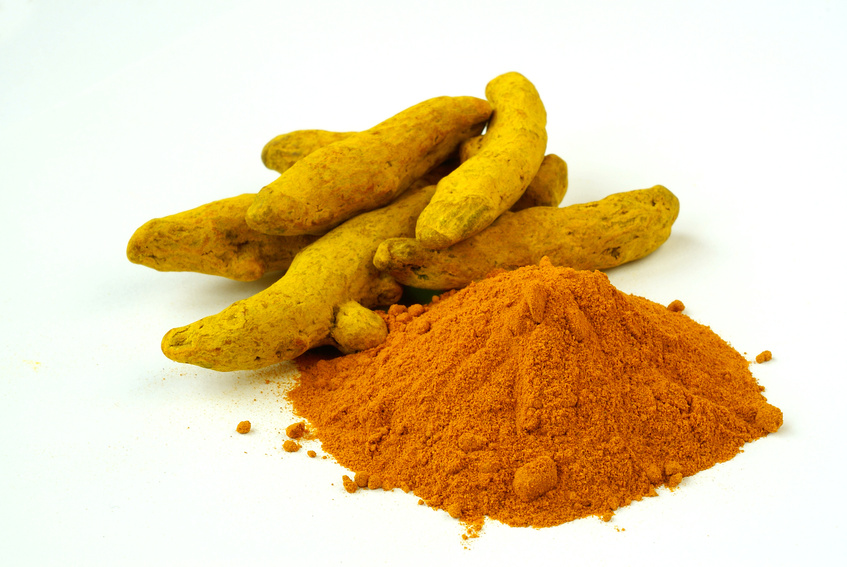
Curcumin is the most heavily researched compound found within turmeric, the spice that gives curry its yellow colour.

It’s one of my favourite compounds for the brain.

Studies show that it can increase BDNF production in the brain, leading to improved cognition and mood (18- 20, 22). 

It also protects the brain by activating BDNF (21). 

There are several different forms of “bioavailable” curcumin and I've tried most of them. 

I included my favourite forms in the Optimal Energy supplement.


3. Green Tea

Drinking green tea is another way you can increase BDNF. 

The antioxidants within it have been shown to increase BDNF (25). 

You can either drink green tea on a regular basis or consider taking a supplement that includes a concentrated green tea extract.

Green tea extract is included in this supplement.

Click here to subscribe

4. Omega-3 Fatty Acids

A large number of people are deficient in omega-3 fatty acids today, and they are necessary for the normal electrical functioning of your brain and nervous system (70). 

They've been shown to improve mood, sleep, learning and memory, and protect against psychiatric disorders including depression, mild cognitive impairment, dementia and Alzheimer's disease (31-33).

This is likely because they've been shown to increase BDNF levels (71). 

After traumatic brain injury, omega-3s normalize BDNF levels in rats. Without supplementation, levels did not return to baseline (68). 

And omega-3 fatty acids have been shown to help patients with bipolar, likely because they support optimal BDNF levels (69). 

Yet most people don't consume enough omega-3 fatty acids through their diet.

That's why I recommend people supplement with krill oil, a special kind of fish oil that contains the essential omega-3 fatty acids.


5. Resveratrol

Resveratrol is a beneficial antioxidant compound found in red wine. 

It’s also known to help prevent the development neurodegenerative diseases.

And science is starting to understand why. 

For one, it has neuroprotective effects by elevating BDNF (37). 

Because of this increase, it can be effective at improving fatigue (38). 

That’s why I included in the Optimal Energy supplement.


6. Prebiotics and Resistant Starch

Prebiotics are substances that humans can't digest, so they pass through our gastrointestinal tract and promote the growth of many different strains of good bacteria in our lower bowel.

Essentially, they are food for the good bacteria in our intestines.

Bacteria convert prebiotics into butyrate, a substance that has been shown to increase BDNF (43, 44) 

Prebiotic-rich foods include sweet potatoes, carrots, onions, asparagus and squash. These foods are included in my free grocery shopping guide for optimal brain health and you should try to eat them as much as possible.

Resistant starch is one of the most potent ways to boost your prebiotic intake. 

A convenient way to incorporate more resistant starch into your diet is by using Unmodified Potato Starch. I take it on a regular basis. It's one of the easiest and cheapest ways to incorporate more resistant starch into your diet. It is bland so you can simply add it to beverages, smoothies and meals. It has to stay raw though, so don’t cook it.

I discussed prebiotics and resistant starch in this previous article.

Other high-quality resistant starches include banana flour, plantain flour and waxy maize. I usually rotate between them.

Cooked and cooled white rice and potatoes also contain some resistant starch. 


7. Magnesium

Magnesium has been shown to cause antidepressant effects by significantly increasing BDNF expression in the brain (51, 52). 

It’s one of the three nutrients that everyone should be taking for their brain, as most people are deficient. 

The good news is that you can easily correct magnesium deficiency yourself.

Supplementation can restore the mineral to healthy levels. 

Click here to subscribe

8. Lithium Orotate

Lithium is predominantly known as a medication given to bipolar patients to manage their symptoms. 

However, it’s also an essential mineral.

Bipolar patients are often given high doses of lithium carbonate.

But low doses of lithium orotate has been shown to improve mood and have neuroprotective effects in people without bipolar disorder, and some studies have shown that it increases BDNF (54, 55). 

I don’t take it anymore but I did feel calmer and more stable when I supplemented with it.


9. Dark Chocolate

I’m sure you're smiling right now.

Everyone loves chocolate.

And thankfully, it’s really good for your brain.

The antioxidants in dark chocolate (not milk chocolate) trigger neuroprotection by activating the BDNF survival pathway (56). 

You should try to eat high-quality, organic dark chocolate with the least amount of sugar. 


10. N-Acetyl-Cysteine

N-Acetyl-Cysteine (NAC) is a cheap amino acid and antioxidant.

It’s a safe and effective way to manage and deal with mental illness or sub-optimal cognition.

Research shows that it increases BDNF (57). 

I’ve previously wrote about NAC in depth here. It can help treat at least six mental illnesses

NAC is included in Optimal Antiox.


11. Theanine

L-Theanine is a relaxing amino acid found in tea.

It’s known to reduce stress and promote relaxation.

Unlike prescription anti-anxiety medication, it does not cause sedation and drowsiness.

One study also found that theanine increases BDNF (58). 

My personal experience with theanine is that it mixes really well with caffeine. Coffee can make a lot of people jittery and unfocused. But theanine reduces that side effect. I still take it from time to time when I drink coffee. 

It’s included in this anti-stress supplement.

Click here to subscribe

12. Adaptogenic Herbs

Adaptogens are plants and herbs containing bioactive compounds that can support your brain.

They increase your resilience to physical and mental stress, calm you down, or increase your energy, depending on what your body needs.

Rhodiola is one of my favourite adaptogenic herbs, and it’s been shown to increase BDNF expression in the brain (59). 

I sometimes take rhodiola to boost my mood and energy when I’m working really hard.

I previously wrote about rhodiola here

Bacopa is another adaptogenic herb.

It’s effective at improving memory and cognition, and reducing anxiety.

And research shows that bacopa increases BDNF in rats that are undergoing chronic stress (60).

Lastly, ginseng has been shown to prevent stress-induced decline of BDNF (61). 

I used to take ginseng daily to support my mood and cognition but no longer need it.

Rhodiola, bacopa and ginseng are the three main herbs I have used to increase BDNF and support my brain function.

But there are several other herbs that have been shown to increase BDNF, including baicalin, ashwagandha, gotu kola, and magnolia officinalis (81-84).


13. Zinc

Supplementing with zinc can also increase your BDNF levels.

Zinc is an essential trace mineral that activates several hundred enzymatic reactions, including brain and nervous system function and neurotransmission.

Several studies have shown that zinc has antidepressant effects because it causes a significant increase in BDNF levels and BDNF gene expression (76-79). 

But unfortunately, it’s estimated that 2 billion people in the world are deficient in zinc, and six different studies show that subclinical deficiency of zinc impairs brain function in children and adults (72, 73, 74).

If you struggle with depression or anxiety, you are likely deficient in zinc, and therefore likely to have depleted BDNF levels. 

I used to suffer from anxiety and depression, and increasing my intake of zinc was one of the most impactful steps I took to overcome them. You can read more about my research and experience with zinc here. 

I created and take the Optimal Zinc supplement so that my zinc levels are optimal.


14. Blueberries

Eating lots of fruits and vegetables is a great idea if you want to improve your brain health and cognitive function. 

But blueberries are particularly potent because of the flavonoids within them. 

Research shows that supplementing with the pure blueberry flavanols for 6 weeks, at levels similar to what is found in blueberries, significantly improves memory by increasing BDNF levels and BDNF expression (85). 

I buy wild blueberries every time I go grocery shopping. 

They are included in my Free Grocery Shopping Guide for Optimal Brain Health.  

Alternatively, you can take a blueberry extract. It’s actually cheaper in the long run that eating blueberries every day, but I just prefer eating actual blueberries.

In fact, most researchers actually use a blueberry extract instead of actual blueberries when they study the beneficial health effects of blueberries.

Click here to subscribe

15. Progesterone

Progesterone is a natural steroid and sex hormone involved in the menstrual cycle and pregnancy.  

It has a variety of important functions in the body, and even plays an important role in brain function.  

Research shows that progesterone supports the normal development of brain cells and protects them from damage. 

Researchers have also found that it increases BDNF release (86).  

In addition to its role as a natural hormone, progesterone can be taken as a medication, usually by women during menopause as part of their hormone replacement therapy. 


16. Dehydroepiandrosterone

Dehydroepiandrosterone (DHEA) is one of the most abundant circulating steroid hormones in humans. It’s produced in the adrenal glands, the gonads, and the brain, and it’s a precursor to other hormones, including estrogen and testosterone. 

It's also available as a supplement. 

DHEA is known to have neuroprotective effects and to improve memory and cognition. 

In one study, it increased acetylcholine and BDNF expression (87).  

DHEA is also one of the best supplements for reducing depression.  


17. Quercetin

Quercetin is a bioflavonoid found in fruits and vegetables.  

It is one of the most widely consumed flavonoids in the human diet.  

Quercetin has potent antioxidant action and is “neuroactive”, meaning it can affect brain function.  

As a result, it can protect brain cells from oxidative stress and inhibit the pro-inflammatory molecules that are associated with many progressive brain disorders. 

Researchers have also found that it increases BDNF (89).  

Red apples, onions and tomatoes have the high levels of quercetin. But you can also supplement with it if you want.  

It’s interesting to point out that quercetin increases the absorption of resveratrol, so it’s a good idea to take them both together if you really want to increase BDNF (88).  


18. Coffee and Caffeine

Drinking coffee is another great way to increase BDNF levels.

Research shows that caffeine protects brain cells and lowers the risk of developing neurodegenerative diseases

In one study, researchers found that caffeine significantly reduced age-related impairments in memory by increasing BDNF levels (90).  

I drink one cup of high-quality coffee every morning.

Caffeine can disrupt sleep though, so make sure you don’t drink it later in the day. I have my last cup sometime between 10 in the morning and noon. If I have it any later than that, it disrupts my sleep.

Click here to subscribe

19. Niacin

Niacin, also known as nicotinic acid or Vitamin B3, is an essential nutrient. 

Evidence suggests that niacin supplementation up-regulates the expression of BDNF (91).  

In one study, treatment with niacin significantly increased BDNF expression (92).  

Niacin is included in the Optimal Energy supplement.


20. Extra Virgin Olive Oil

Olive oil has numerous health benefits, particularly because of its strong anti-inflammatory effects.  

Oleuropein, a polyphenol found in olive oil, has been shown to induce autophagy and reduce cognitive impairment. As a result, many researchers propose that a diet with extra virgin olive oil might have potential benefits for Alzheimer’s patients.  

Researchers have found that it also increases BDNF in important areas of the brain (93-95).  

This is why I add olive oil to my salads and sometimes even just take a tablespoon of it straight.  

Be careful though. A lot of cheap extra virgin olive oil in grocery stores are not actually “extra virgin.” 

Investigations have found that there is a lot of fraud within the olive oil industry and many so-called extra virgin olive oils contains other cheaper, refined vegetable oils, such as soybean, corn and canola. 

This is discussed more in the book Extra Virginity: The Sublime and Scandalous World of Olive Oil


21. Taurine

Taurine is an organic compound found in food, particularly meat and seafood.  

It has a wide variety of health benefits.  

It can cross the blood-brain barrier and increases short-term memory by increasing BDNF expression (96).  

Taurine is included in the Optimal Zinc supplement


22. Saffron

Saffron is a spice derived from the Crocus sativus plant.  

It has a number of health benefits due to the medicinal compounds within it. 

Saffron is one of the best supplements for reducing depression

And researchers have found that it has antidepressant effects because it significantly increases BDNF levels (97).  


The Best Lifestyle Habits, Therapies and Practices to Increase BDNF Levels in the Brain 

23. Exercise

Exercise is the fastest and most effective way to boost BDNF levels, and improve learning, memory and mood (1, 2, 3, 4). 

In just 5 weeks, mild-intensity exercise significantly increased BDNF levels and reversed cognitive decline in old rats (62). 

And it’s not just old brains that benefit from regular exercise. High-intensity exercise increases BDNF and improves memory in young sedentary men (63). 

You should choose a sport or exercise routine that you enjoy, so that you’ll stick with it consistently. 

I plan on discussing my exercise routine in more depth soon, but for now, this is the general gist of it:

•    Lift heavy weights 1-4 times per week
•    High-intensity interval sprinting 1-2 times per week
•    Walk as much as you can (ideally 30-60 minutes every day)

Exercise has a number of benefits besides increasing BDNF. It’s the most important thing you can do for your brain.

So you should try to exercise as much as you can. 


24. Sunlight

Exposing yourself to sunshine each day can also increase BDNF. 

One study found that BDNF increased in the summer and spring, and decreased in the fall and winter. They also found that participants with the lowest BDNF levels were more likely to be depressed, which likely explains why some people suffer from seasonal affective disorder (5). 

I try to get 30 minutes every day during the spring and summer months here in Canada. 

On top of increasing BDNF, the sun also provides Vitamin D, which is very important for optimal brain and mental health. 

During the winter months, I take a Vitamin D supplement. 

It's important to test and monitor your Vitamin D levels before and after supplementing with it.


25. Intermittent Fasting

A person holds a knife and fork over an empty plate. Intermittent fasting can increase BDNF levels.

Fasting allows your digestive system to take a break, and triggers a number of hormones that boost your body’s ability to repair itself. 

I personally do not eat breakfast at all, and then "break my fast" by eating my first meal of the day around 2 or 3 p.m. That means I eat all my food for the day within an 8-hour window. 

That may sound ridiculous and shocking to you. But there are huge health benefits from doing this. 

One benefit is that it increases BDNF signalling, which can improve heart and brain health (7, 8). 

And studies show that limiting yourself to only 600 calories every other day boosts BDNF up to 400 per cent (9, 10).

You don’t necessarily need to be this extreme and fast for 16 hours like I usually do. Even a 12-hour fast shows some benefits (11).

All you need to do is avoid eating anything after dinner, and then eat a regular breakfast the next day. 


26. Avoid Processed Food and Refined Sugar

While some habits can raise BDNF, others can lower it.

Many studies suggest that if you eat processed food and sugar (The Standard American Diet), you'll have lower levels of BDNF and neurotransmitters, and impaired cognition (23, 24). 

Ideally, you should stick with the whole foods from my Free Grocery Shopping Guide for Optimal Brain Health and you can be sure that you’re supporting optimal BDNF levels. 

Click here to subscribe

27. Lose Fat 

The fatter you are, the lower your BDNF levels will be.

Research shows that BDNF levels are lower in obese adults and children (26, 27, 28). 

This may be because overweight and obese individuals are less likely to eat healthy and exercise. 

Regardless, if you’re holding onto extra weight, it’d be best to lose it.

Your BDNF will increase as a result, which will lead to improved brain and mental health. 

One study showed that weight loss in obese men improved depressive symptoms by increasing BDNF levels, and females with higher levels of BDNF are in better shape and perform better on cognitive tests (29, 30). 


28. Socialize

Talk to people whenever you get the chance. If you suffer from anxiety, push yourself outside your comfort zone and try starting a conversation with a stranger – even if it’s just the cashier at the supermarket. 

Your brain will thank you. 

I'm an introvert, so I find this difficult. But I try to socialize as much as I can. 

Research has shown that a stimulating social environment increases BDNF and reduces depression and anxiety (34, 36). 

Women who are friendlier to strangers also have higher BDNF levels (35). 


29. Deep Sleep

A woman sleeping deeply. Deep sleep can increase BDNF levels.

Getting high-quality, deep sleep is critical for the health of your brain.

My sleep used to be terrible and it was one of main factors that contributed to my poor mental health.  

Not surprisingly, sleep deprivation reduces BDNF (39). 

And it’s been shown that insomniacs have lower BDNF levels, and higher levels of BDNF are often a sign that a person is sleeping well (41, 42). 

Luckily, regular exercise can maintain BDNF levels when you’re not getting enough sleep (40). 

You should aim for at least 7 hours of sleep every night.

But it’s not just the amount of sleep you get that’s important. It’s also the quality of sleep. In fact, the quality of your sleep is more important than the length of your sleep.

I'll be writing more about how to improve the quality of your sleep soon.

In the meantime, I recommend this sleep supplement, which contains magnesium and a number of other natural compounds that I’ve used over the years to promote the production of melatonin.


30. Reduce Stress (Neurofeedback/Meditation)

People who experience a lot of stress produce less BDNF, and both acute and chronic stress has been shown to significantly decrease existing BDNF levels (45-48). 

Stress can also ruin your sleep, which as I mentioned earlier, decreases BDNF (41).

As you can see, everything is connected. Ignoring one area of your health will often affect other areas.

I highly recommend you try to do something every day to manage your stress

One of the most effective ways to reduce stress and anxiety is neurofeedback. It’s advanced, guided meditation that you need to do with a qualified practitioner. I previously wrote about my experience with it here

If you can’t access neurofeedback, taking up a daily meditation practice is an excellent idea. 

I’m also a big fan of the Muse headband. Similar to neurofeedback, it gives you real-time feedback while you meditate. I’ve used the Muse for the past few months, and I've written an entire review about it. You can get it through the Muse website

I often use an acupressure mat as well. Lying on it for just 10 minutes can relax your entire body and mind. I also use it before bed. It helps me fall asleep faster. 

Lastly, this anti-anxiety supplement includes several natural compounds that have helped me manage my stress and anxiety over the years. 

Please note: If you’re interested in trying neurofeedback, I recommend becoming a client and working with us to determine the best type of neurofeedback for you and your condition. I have found that some types of neurofeedback are completely ineffective and may even be harmful. So it’s very important to do the right type of neurofeedback that actually works. It’s also critical to work with a qualified neurofeedback practitioner who knows what they are doing. Otherwise, you can get worse. We help our clients find a qualified practitioner in their area.


31. Ketogenic Diet

Ketosis is a metabolic state in which your body runs on fatty acids. This happens when there is limited access to glucose, the body’s main source of energy. Ketosis often results from following a very low-carb diet (49). 

To get into ketosis, you need to eat less than 50 grams of carbs per day, meaning you have to avoid grains, sugar, and even potatoes, legumes and fruit.

Picture of foods commonly part of a ketogenic diet, including salmon, red meat, coconut oil, olive oil and butter. A ketogenic diet and ketones have been shown to increase BDNF levels.

I don’t recommend following a low-carb ketogenic diet for long periods of time, unless you witness huge beneficial changes in your health.

However, going in and out of ketosis may have some beneficial effects on your brain. One study found that it can increase BDNF (50). 

Taking exogenous ketones can help you get into ketosis very quickly.


Conclusion

A picture of a brain.

As you can see, there are so many ways to increase your brain-derived neurotrophic factor (BDNF) to promote healing and the growth of new brain cells. 

I’ve implemented and experimented with all these treatments with good results. My brain wouldn’t be as healthy today without them. 

It’s been tough to overcome my chronic depression, anxiety and concussion symptoms. I’m not going to act like it’s been very easy. But you (and your brain) can definitely grow stronger over time. 

If you liked this article, please share it with family and friends because there are still a lot of people who feel hopeless and aren’t aware that they can protect and heal their brains, and strengthen their mental health, without a doctor or prescription.

And let me know what you think in the comments. 

 
Click here to subscribe

Live Optimally,

Jordan Fallis

Connect with me

References:

(1) http://www.ncbi.nlm.nih.gov/pubmed/21722657

(2) http://www.ncbi.nlm.nih.gov/pubmed/21282661

(3) http://web.stanford.edu/group/hopes/cgi-bin/hopes_test/brain-derived-neurotrophic-factor-bdnf/

(4) http://www.ncbi.nlm.nih.gov/pubmed/24205142

(5) http://www.ncbi.nlm.nih.gov/pmc/articles/PMC3487856/

(6) http://www.ncbi.nlm.nih.gov/pubmed/25138265

(7) http://www.ncbi.nlm.nih.gov/pubmed/15741046

(8) http://www.ncbi.nlm.nih.gov/pubmed/16011467

(9) http://www.sciencedirect.com/science/article/pii/S0969996106003251

(10) http://www.ncbi.nlm.nih.gov/pubmed/12558961

(11) http://www.ncbi.nlm.nih.gov/pmc/articles/PMC3680567/

(12) http://www.hindawi.com/journals/tswj/2009/624894/abs/

(13) http://www.ncbi.nlm.nih.gov/pmc/articles/PMC2504526/

(14) http://www.sciencedirect.com/science/article/pii/S0006322303001811

(15) http://www.sciencedirect.com/science/article/pii/0896627391902733

(16) http://www.sciencedirect.com/science/article/pii/S0166432812006997

(17) http://www.sciencedirect.com/science/article/pii/S0006899306027144

(18) http://www.ncbi.nlm.nih.gov/pubmed/24914461

(19) http://www.ncbi.nlm.nih.gov/pubmed/24712702

(20) http://www.ncbi.nlm.nih.gov/pmc/articles/PMC3225189/

(21) http://www.ncbi.nlm.nih.gov/pubmed/19879308

(22) http://www.ncbi.nlm.nih.gov/pubmed/21334417

(23) http://www.ncbi.nlm.nih.gov/pubmed/18651634

(24) http://www.ncbi.nlm.nih.gov/pubmed/12088740

(25) http://www.ncbi.nlm.nih.gov/pubmed/24508265

(26) http://www.ncbi.nlm.nih.gov/pmc/articles/PMC3388065/

(27) http://www.hindawi.com/journals/jobe/2012/102942/

(28) http://www.ncbi.nlm.nih.gov/pubmed/24548578

(29) http://www.ncbi.nlm.nih.gov/pubmed/24524285

(30) http://www.ncbi.nlm.nih.gov/pubmed/22768299

(31) http://www.ncbi.nlm.nihhttp://www.ncbi.nlm.nih.gov/pmc/articles/PMC3618203/gov/pmc/articles/PMC3618203/

(32) http://www.ncbi.nlm.nih.gov/pmc/articles/PMC533861/

(33) http://www.ncbi.nlm.nih.gov/pubmed/12777162

(34) http://www.ncbi.nlm.nih.gov/pubmed/16533499

(35) http://journals.cambridge.org/action/displayAbstract?fromPage=online&aid=6292548

(36) http://www.ncbi.nlm.nih.gov/pubmed/16477619

(37) http://www.ncbi.nhttp://www.ncbi.nlm.nih.gov/pubmed/21221775m.nih.gov/pubmed/21221775

(38) http://www.ncbi.nlm.nih.gov/pubmed/21372384

(39) http://www.ncbi.nlm.nih.gov/pubmed/25093703

(40) http://www.ncbi.nlm.nih.gov/pubmed/25450575

(41) http://journals.plos.org/plosone/article

?id=10.1371/journal.pone.0076050

(42) http://www.nature.com/mp/journal/v19/n2/full/mp201310a.html

(43) http://www.ncbi.nlm.nih.gov/pmc/articles/PMC3858812/

(44) http://www.ncbi.nlm.nih.gov/pubmed/19549282

(45) http://www.ncbi.nlm.nih.gov/pubmed/25584253

(46) http://www.ncbi.nlm.nih.gov/pubmed/16024125

(47) http://www.ncbi.nlm.nih.gov/pubmed/15341606/

(48) http://www.ncbi.nlm.nih.gov/pubmed/9220467/

(49) http://www.ncbi.nlm.nih.gov/pubmed/17332207

(50) http://www.ncbi.nlm.nih.gov/pubmed/22787591

(51) http://www.ncbi.nlm.nih.gov/pubmed/25027582

(52) http://www.ncbhttp://www.ncbi.nlm.nih.gov/pubmed/22016520.nlm.nih.gov/pubmed/22016520

(53) http://www.ncbi.nlm.nih.gov/pubmed/23723987

(54) http://www.ncbi.nlm.nih.gov/pubmed/21886605

(55) http://www.ncbi.nlm.nih.gov/pmc/articles/PMC3565922/

(56) https://www.sciencedaily.com/releases/2013/04/130412132229.htm

(57) http://www.ncbi.nlm.nih.gov/pmc/articles/PMC3044191/figure/f1-0360078/

(58) http://www.ncbi.nlm.nih.gov/pubmed/21617527

(59) http://www.ncbi.nlm.nih.gov/m/pubmed/25101546/?i=4&from=attenuate%20crh

(60) http://www.ncbi.nlm.nih.gov/pubmed/25110503

(61) http://www.ncbi.nlm.nih.gov/pubmed/24975446

(62) http://www.sciencedirehttp://www.sciencedirect.com/science/article/pii/S0047637411001564t.com/science/article/pii/

(63) http://www.ncbi.http://www.ncbi.nlm.nih.gov/pubmed/21722657lm.nih.gov/pubmed/21722657

(64) http://www.ncbi.nlm.nih.gov/pmc/articles/PMC2614307/

(65) http://www.ncbi.nlm.nih.gov/pubmed/11119686

(66) http://www.ncbi.nlm.nih.gov/pubmed/25568448

(67) http://www.ncbi.nlm.nih.gov/pubmed/17173978

(68) http://www.ncbi.nlm.nih.gov/pubmed/15672635

(69) http://www.ncbi.nlm.nih.gov/pubmed/21721919

(70) http://ajcn.nutrition.org/content/71/1/179S.long

(71) http://www.ncbi.nhttp://www.ncbi.nlm.nih.gov/pubmed/24860731m.nih.gov/pubmed/24860731

(72) http://www.ncbi.nlm.nih.gov/pubmed/22664333

(73) http://www.ncbi.nlhttp://www.ncbi.nlm.nih.gov/pubmed/21939673.nih.gov/pubmed/21939673

(74) http://www.ncbi.nlm.nih.gov/pubmed/22673824

(75) http://www.ncbi.nlm.nih.gov/pubmed/3630857

(76) http://www.ncbi.nlm.nih.gov/pubmed/15145706

 (77) http://www.ncbihttp://www.ncbi.nlm.nih.gov/pubmed/18766297nlm.nih.gov/pubmed/18766297

(78) http://www.ncbi.nlm.nih.gov/pubmed/24621065

(79) http://www.sciencedirect.com/science/article/

(80) https://www.ncbi.nhttps://www.ncbi.nlm.nih.gov/pubmed/22016520m.nih.gov/pubmed/22016520

(81) https://www.ncbi.nlm.nih.gov/pubmed/26300488

(82) https://www.ncbi.nlm.nih.gov/pmc/articles/PMC3214041/

(83) https://www.ncbi.nlm.nih.gov/pubmed/23876367

(84) https://www.ncbi.nlm.nih.gov/pubmed/22223265

(85) https://www.ncbi.nlm.nih.gov/pubmed/23723987 

(86) https://www.ncbi.nlm.nih.gov/pubmed/22778217 

(87) https://www.ncbi.nlm.nih.gov/pubmed/24622829 

(88) https://www.ncbi.nlm.nih.gov/pubmed/25669932  

(89) https://www.ncbi.nlm.nih.gov/pubmed/22936120  

(90) https://www.ncbi.nlm.nih.gov/pubmed/22841916  

(91) https://www.ncbi.nlm.nih.gov/pmc/articles/PMC4192966/  

(92) https://www.ncbi.nlm.nih.gov/pmc/articles/PMC4192966/  

(93) https://naturallysavvy.com/eat/can-olive-polyphenols-make-you-less-forgetful/ 

(94) https://www.researchgate.net/publication/312041499_NGF_BDNF_olive_oil_polyphnols 

(95) https://www.nutraingredients.com/Article/2013/04/05/Olive-polyphenols-play-key-role-in-learning-and-memory-processes  

(96) https://www.ncbi.nlm.nih.gov/pubmed/25612506 

(97) https://www.ncbi.nlm.nih.gov/pmc/articles/PMC3927874/  

Terms and Conditions

Privacy Policy

Affiliate Disclosure

Disclaimer