3 Foods You Should Avoid for Better Mental Health

Avoiding these three foods was one of the very first steps I took to improve my mental health.

I had a lot more energy, improved mood and reduced anxiety.

Unfortunately, about two months after cutting them out, I moved into a moldy house and suffered two really bad concussions. At that point, I had to look for even more advanced solutions.

But if you haven't done so already, I would strongly encourage you to try removing these three foods from your diet.

Doing so will likely improve your symptoms and calm your nervous system, making other therapies even more effective.

It’s harder to overcome trauma if you haven’t taken care of your physiology, as researchers have found that food allergies and sensitivities can trigger a wide range of emotional and mental health symptoms (110).

The problem with some foods is that they disrupt normal gut function and increase intestinal permeability (leaky gut syndrome). 

When this happens, small particles of food can leak into your bloodstream. Your immune system sees these food particles as foreign entities and attacks them, increasing inflammation throughout your body and reducing the integrity of the blood-brain barrier, which can cause or worsen mental health problems (4-6, 66-67). 

This is discussed in the book Gut and Psychology Syndrome: Natural Treatment for Autism, ADD/ADHD, Dyslexia, Dyspraxia, Depression, Schizophrenia by Dr. Natasha Campbell-McBride, MD.

If I eat any of these three foods by accident, I supplement with activated charcoal or bentonite clay. 

Activated charcoal and bentonite clay are potent natural treatments that can trap problematic proteins, toxins and chemicals, allowing them to be flushed out of your body. 

I notice I don’t feel as sick when I do this, and recover much more quickly.

Without further ado, here are three foods that I avoid as much as possible. 

A woman thinking and looking at two lightbulbs. One lightbulb is full of pizza, fries and junk food. Another lightbulb is full of leafy green vegetables.

1. Wheat

Gluten sensitivity can be primarily, and at times, exclusively, a neurological disease.
— Dr. Hadjivassiliou, MD, Professor of Neurology

Following a gluten-free diet has significantly improved my mental health (even though I didn’t have any terrible digestive issues). 

Wheat can contribute to mental illnesses.

I completely cut it out seven years ago, and within a few weeks, I felt so much better mentally. 

I also lost a bunch of weight and my asthma disappeared. 

I haven't touched it again since.

The same thing happened to Mikhaila Peterson, the daughter of University of Toronto Professor Jordan Peterson.

She followed a gluten-free diet and her depression, fatigue, irritability and memory problems faded away, allowing her to come off her antidepressants.

Dr. Peterson made the same dietary changes and was able to reduce his medication by half. 

You can watch a video of them discussing it here

Unfortunately, the myth continues to spread that only people with celiac disease need to avoid gluten-containing food. That’s simply not true.  

Dr. Kenneth Fine, a pioneer in gluten intolerance research, has demonstrated that 1 in 3 Americans are gluten intolerant, and that 8 in 10 have the genes that predispose them to developing gluten intolerance (1-3). 

The benefits of cutting out gluten are also discussed in this book

So if you struggle with a cognitive or mental health condition, you owe it to yourself to follow a strict gluten-free diet for 30 days and see how you feel. You'll likely feel better.

For more than sixty years, reports in the scientific literature have linked wheat and gluten sensitivity to a variety of neurological and psychiatric conditions (75-81), including:

A PubMed literature search (dates 1953–2011) located 162 original articles associating psychiatric and neurologic complications to celiac disease or gluten sensitivity. Thirty-six articles were located for seizure disorders, 20 articles for ataxia and cerebellar degeneration, 26 for neuropathy, 20 for schizophrenia, 14 for depression, 12 for migraine, and up to 10 articles each for anxiety disorders, attention deficit and hyperactivity disorder, autism, multiple sclerosis, myasthenia gravis, myopathy, and white matter lesions.
  • Schizophrenia (39-60)

  • Depression (18-25)

  • Autism spectrum disorders (30-38)

  • Epilepsy and seizures (13-17)

  • Dementia and cognitive decline (61-63)

  • Anxiety (9-10)

  • Attention deficit hyperactivity disorder (26-27)

  • Cerebellar ataxia (69-72)

  • Social phobia (11)

  • Panic disorder (12)

  • Bipolar disorder (28)

  • Migraines (29)


Luckily, research shows that when people with these neurological and psychiatric disorders follow a gluten-free diet, there is a reduction in their symptoms. 

Many times, there is even a complete resolution in their symptoms. 

In one study, depressed patients who didn’t have digestive issues (like me) followed a gluten-free diet. Within 2-3 months, they experienced a reversal of their depressive symptoms (68). 

Researchers have also found that a gluten-free diet improves depression and reduces behavioural problems by increasing levels of l-tryptophan – the precursor to the neurotransmitter serotonin (64). 

Another study found a significant increase in serotonin and dopamine because of the removal of gluten (65). 

Clearly, there is more to gluten than celiac disease and digestive issues, and cutting out wheat is one of the first dietary steps I recommend to people who are striving to overcome mental health challenges. 

I understand that it's tough to cut out completely, but it’s worth a try because it may be all you need. 

A grain-free diet, although difficult to maintain (especially for those that need it the most), could improve the mental health of many and be a complete cure for others.
— Dr. Paola Bressan

Other than avoiding wheat, you should also avoid foods that contain barley, rye and spelt because they also contain gluten. Sauces, condiments and soups often contain it, so you should stay clear of almost all processed food. Even some medications can contain gluten

As discussed in the GAPS Diet book, the bacteria in our guts can determine the degree to which we are sensitive to gluten (73). 

So you should also try to increase the good bacteria in your gut

And as I mentioned earlier, I take activated charcoal or bentonite clay whenever I accidentally consume wheat and it minimizes the negative effects. 

Click here to subscribe

2. Milk

"Milk, and all that comes from milk, increases melancholy." – Robert Burton, Anatomy of Melancholy

After childhood, many people lose the enzyme, lactase, required to digest milk.

And a lot of people who suffer from brain and mental health problems are allergic or sensitive to milk.

People are allergic or sensitive to two main components of milk – lactose and casein.

Casein is the milk protein. Lactose is the milk sugar. 

Like gluten, both lactose and casein can contribute to inflammation in the body and brain, contributing to mental illness.

A glass of milk. The protein and sugars in milk can cause inflammation and contribute to mental illnesses.

Research shows that people with neuropsychiatric diseases – including schizophrenia, bipolar disorder, depression, anxiety, and autism – often have significantly elevated immune reactions to casein in milk, which corresponds with the severity of their mental symptoms. And their symptoms can be “improved substantially or even been cured completely” on a dairy-free diet (82-83, 85-91). 

Interestingly, casein has been shown to reduce the absorption of cysteine by 64% (92). 

Cysteine is an important amino acid for mental health. I previously discussed it here

It plays a role in the production of glutathione, your body’s master antioxidant, which protects your body from oxidative stress. And people with mental health problems often have high levels of oxidative stress (93-94). 

Therefore, milk may indirectly reduce glutathione levels and increase oxidative stress by preventing the amino acid cysteine from entering cells (92). 

Perhaps this is why so many people find benefit from supplementing with n-acetyl-cysteine

Folate is another critical nutrient for mental health, and milk has been shown to decrease the transport of folate into the brain (95). 

This makes sense considering that folate plays a key role in methylation, and other research has found that casein also reduces DNA methylation by 43% (96). 

Lastly, researchers have also discovered that high levels of lactose in the intestines can interfere with tryptophan metabolism and serotonin levels. They concluded that lactose malabsorption may play a role in the development of depression (84). 

All this being said, it seems that dairy affects everyone differently.

So you should try eliminating all conventional milk-based foods including ice cream, cheese and yogurt for 30 days. Then try adding it back in and examine how you feel.

It’s important to note that the milk in the grocery store is usually processed, homogenized, and pasteurized with distorted fats and denatured proteins. It’s not considered a whole food and I think everyone should avoid it. 

My free food guide still includes grass-fed, full-fat, organic dairy because it’s a healthy whole food and plenty of people can tolerate it just fine.

I personally choose not to eat any milk or dairy though because I still feel better without it.

In conclusion, here is Dr. Daniel Kalish’s take on dairy. He is the author of The Kalish Method: Healing the Body, Mapping the Mind

People with sub-clinical gluten intolerance need to avoid pasteurized cow’s milk products. As the villi on the intestinal lining heal from a gluten free diet, most individuals will be able to tolerate raw or unpasteurized dairy products again in nine months to a year. In other people, there will be a more or less permanent sensitivity to dairy products. However, in the initial two months of eliminating gluten, it is absolutely required to avoid all milk dairy products, because they will inflame the intestine lining just like gluten does and prevent healing.
— Dr. Daniel Kalish
 

3. Vegetable Oil

The increased incidence rate of major depression since 1913 may be explained by a sharp increase in the rate of omega-6 PUFAs in the diet.
— Dr. Michael Maes

The last food you should avoid or significantly limit is refined vegetable oil, including soybean, corn, safflower, sunflower, and canola oils.

They are highly unstable and oxidize very easily. 

Like gluten, vegetable oils are everywhere and hard to avoid because they’re included in most processed foods.  

These oils are also predominantly made up of omega-6 fatty acids.

Omega 6 and Omega 3 content of oils.

This is a problem because most people eat way too many omega-6 fatty acids today, and not enough omega-3 fatty acids.  

Omega-6 fatty acids increase inflammation, while omega-3 fatty acids reduce inflammation.

An international panel of lipid experts says that the ideal dietary ratio of omega-6 to omega-3 is approximately 1 to 1. But these same experts estimate that the current ratio that people are consuming today is around 20 to 1 (97-101).

As I discussed before, omega-3 fatty acids can help prevent and treat mental disorders

Unfortunately, they are being outnumbered by the inflammatory omega-6 fatty acids in our food supply. 

Luckily you can combat this by staying clear of vegetable oils, supplementing with krill oil, and eating wild salmon regularly.

Not doing this can lead to mental health problems.

Dr. Raymond Peat, PhD, says that the sudden increase of vegetable oils in our food supply after World War II has caused many changes in our mental health:

In 1980, experimenters demonstrated that young rats fed milk containing soy oil incorporated the oil directly into their brain cells, and had structurally abnormal brain cells as a result.

Studies have also found a very strong correlation between vegetable oil consumption and violent behavior, including homicide (109). 

This graph shows data from one study, looking at omega-6 intake and homicide rates in five countries.

Correlation between homicide rates and omega-6 fatty acid consumption.

Dr. Stephan Guyenet, author of The Hungry Brain: Outsmarting the Instincts That Make Us Overeat, discusses this in more depth here

And it’s not just violent behaviour. 

There is a significant correlation between the severity of depression and the ratio of omega-6 to omega-3 fatty acids. Many researchers suggest trying to treat depression by reducing the ratio with omega-3 supplementation (106). 

Other researchers have found significantly lower levels of omega-3 fatty acids in the blood of patients with depression because of their higher omega-6 fatty acid intake (107). 

Too many omega-6 fatty acids have also been linked to increases in cortisol, your body’s main stress hormone (102-104). 

And elevated homocysteine levels – a known risk factor for mental health problems – has been associated with excess omega-6 fatty acids (108). 

I recommend checking out the Perfect Health Diet by Paul Jaminet and Shou-Ching Jaminet if you’re interested in learning more about the detrimental health effects of refined vegetable oils. 

Click here to subscribe

Other Possible Food Intolerances

Be aware that you may be sensitive or intolerant to other seemingly healthy foods, and if so, they should be avoided to maintain good mental health. 

This is discussed in Brain Allergies: The Psychonutrient and Magnetic Connections by Dr. Willam Philpott, MD. 

Three eggs. Sometimes people have an intolerance to eggs and it can contribute to symptoms of mental illness.

For example, eggs are an incredibly nutritious and healthy food, but I’m personally intolerant to the egg whites, so I throw away the whites and just eat the yolks. 

It’s not a big deal though because the yolks are the healthiest part of the egg anyway.

But I originally figured this out by following an elimination diet.

You eliminate all possible food allergens and then add them back in one by one and see if you have a negative reaction.

You can learn more about it in this book. 

Some of the most common food allergens that could affect your mental health include:

  • Eggs

  • Soy

  • Corn

  • Nightshade vegetables

  • Peanuts

  • Tree nuts, like walnuts, almonds, pine nuts, brazil nuts, and pecans.

  • Yeast

  • Fish

  • Shellfish

  • Sulphites

If you struggle with mental health problems, you should cut them all out for at least 2 weeks. Then add them back in one by one and see how you feel. 

Eat each food a lot over the course of three days and monitor your reaction to each one. Sometimes negative symptoms can pop up a few days later. 


Conclusion

Unfortunately, the role of food in the development of mental health disorders is often overlooked by conventional psychiatrists and some psychologists. 

Fruits and vegetables in the shape of a brain.

They hardly receive any training in nutrition and rarely consider food intolerances as a possible cause of mental health symptoms. 

Instead, psychiatric drugs are simply prescribed, which can lead to worse gut health, more symptoms and more medications. 

However, psychiatric drugs are necessary for many people. I completely understand that.

But if your mental health is failing, try eliminating gluten, dairy and refined vegetable oils and observe the effects. You may be surprised at how much better you feel. 

Please share this post with anyone that might find it useful. 

Let’s spread the word that there is a link between nutrition and mental health!
 
Click here to subscribe

Live Optimally,

Jordan Fallis

Connect with me

References:

(1) http://www.sciencedaily.com/releases/2006/10/061010022602.htm

(2) http://www.ncbi.nlm.nih.gov/pmc/articles/PMC3184556/

(3) http://onlinelibrary.wiley.com/doi/10.1111/apt.12809/full

(4) http://www.ncbi.nlm.nih.gov/pubmed/12366374

(5) http://www.ncbi.nlm.nih.gov/pubmed/19014325

(6) http://www.ncbi.nlm.nih.gov/pmc/articles/PMC1808742/

(7) https://www.eurekalert.org/pub_releases/2016-10/sh-nsl101016.php

(8) https://www.ncbi.nlm.nih.gov/pubmed/24275240

(9) https://www.ncbi.nlm.nih.gov/pubmed/11346203/

(10) https://www.ncbi.nlm.nih.gov/pubmed/20533598/

(11) https://www.ncbi.nlm.nih.gov/pubmed/18365905/

(12) https://www.ncbi.nlm.nih.gov/pubmed/12217453

(13) https://www.ncbi.nlm.nih.gov/pubmed/15489401/

(14) https://www.ncbi.nlm.nih.gov/pubmed/9548226/

(15) https://www.ncbi.nlm.nih.gov/pubmed/17122729/

(16) https://www.ncbi.nlm.nih.gov/pubmed/7842435/

(17) https://www.ncbi.nlm.nih.gov/pubmed/19244266/

(18) https://www.ncbi.nlm.nih.gov/pubmed/14716525/

(19) https://www.ncbi.nlm.nih.gov/pubmed/12217453

(20) https://www.ncbi.nlm.nih.gov/pubmed/14716525/

(21) https://www.ncbi.nlm.nih.gov/pubmed/17030405/

(22) https://www.ncbi.nlm.nih.gov/pubmed/20545470/

(23) https://www.ncbi.nlm.nih.gov/pubmed/10086676/

(24) http://onlinelibrary.wiley.com/doi/10.1111/apt.12730/abstract

(25) https://www.ncbi.nlm.nih.gov/pubmed/24689456

(26) https://www.ncbi.nlm.nih.gov/pmc/articles/PMC3184556/

(27) https://www.ncbi.nlm.nih.gov/pubmed/17085630/

(28) http://onlinelibrary.wiley.com/doi/10.1111/j.1399-5618.2011.00894.x/full

(29) https://www.ncbi.nlm.nih.gov/pubmhttps://www.ncbi.nlm.nih.gov/pubmed/12650798/d/12650798/

(30) https://www.ncbi.nlm.nih.gov/pubmed/19564647

(31) https://www.ncbi.nlm.nih.gov/pubmed/19581261/

(32) https://www.ncbi.nlm.nih.gov/pubmed/19027584/

(33) https://www.ncbi.nlm.nih.gov/pubmed/20683204/

(34) https://www.ncbi.nlm.nih.gov/pubmed/15526989/

(35) https://www.ncbi.nlm.niht

(36) https://www.ncbi.nlm.nih.gov/pubmed/20406576

(37) https://www.ncbi.nlm.nih.gov/pubmed/19664354

(38) https://www.ncbi.nlm.nih.gov/pubmed/8930054

(39) https://www.ncbi.nlm.nih.gov/pubmed/16423158/

(40) https://www.ncbi.nlm.nih.gov/pubmed/13707687/

(41) https://www.ncbi.nlm.nih.gov/pubmed/5820122/

(42) https://www.ncbi.nlm.nih.gov/pubmed/4739849/

(43) https://www.ncbi.nlm.nih.gov/pubmed/1246624/

(44) https://www.ncbi.nlm.nih.gov/pubmed/567316/

(45) https://wwhttps://www.n

(46) https://www.ncbi.nlm.nih.gov/pubmed/707651/

(47) https://www.ncbi.nlm.nih.gov/pubmed/3524724/

(48) https://www.ncbi.nlm.nih.gov/pubmed/7270725/

(49) https://www.ncbi.nlm.nih.gov/pubmed/19494248/

(50) https://www.ncbi.nlm.nih.gov/pubmed/20471632/

(51) https://www.ncbi.nlm.nih.gov/pubmed/20884755/

(52) https://www.ncbi.nlm.nih.gov/pubmed/19748229/

(53) https://www.ncbi.nlm.nih.gov/pubmed/6192458/

(54) https://www.ncbi.nlm.nih.gov/pubmed/19748229

(55) https://goo.gl/CBo7bX

(56) http://www.ncbi.nlm.nih.gov/pubmed/19748229

(57) https://www.ncbi.nlm.nih.gov/pubmed/22535227

(58) http://http//onlinelibrary.wiley.com/doi/10.1111/j.1600-0447.1966.tb01920.x/abstract

(59) https://www.ncbi.nlm.nih.gov/pubmed/19494248

(60) https://www.ncbi.nlm.nih.gov/pubmed/6609726

(61) https://www.sciencedaily.com/releases/2006/10/061010022602.htm

(62) http://jamanetwork.com/journals/jamaneurology/fullarticle/792544

(63) https://www.ncbi.nlm.nih.gov/pubmed/17030661

(64) https://www.ncbi.nlm.nih.gov/pubmed/15774013/

(65) https://www.ncbi.nlm.nih.gov/pubmed/6192458/

(66) https://www.ncbi.nlm.nih.gov/pubmed/21248165

(67) https://www.ncbi.nlm.nih.gov/pubmed/23639523

(68) https://www.ncbi.nlm.nih.gov/pubmed/10086676

(69) http://brain.oxfordjournals.org/content/126/3/685.short

(70) http://brain.oxfordjournals.org/content/124/5/1013.full

(71) http://www.ncbi.nlm.nih.gov/pubmed/18787912

(72) http://jnnp.bmj.com/content/74/9/1221.full

(73) https://www.ncbi.nlm.nih.gov/pubmed/24483336

(74) http://journal.frontiersin.org/article/10.3389/fnhum.2016.00130/full

(75) https://www.ncbi.nlm.nih.gov/pmc/articles/PMC4517012/

(76) https://www.ncbi.nlm.nih.gov/pmc/articles/PMC3944951/

(77) http://jnnp.bmj.com/content/72/5/560.full

(78) https://www.hindawi.com/journals/grp/2014/293206/

(79) https://www.ncbi.nlm.nih.gov/pubmed/5900428/

(80) https://www.ncbi.nlm.nih.gov/pmc/articles/PMC3641836/

(81) https://www.ncbi.nlm.nih.gov/pmc/articles/PMC3641836/

(82) http://journal.frontiersin.org/article/10.3389/fnhum.2016.00130/full

(83) https://www.ncbi.nlm.nih.gov/pubmed/20071146

(84) https://www.ncbi.nlm.nih.gov/pubmed/9824144

(85) http://www.ncbi.nlm.nih.gov/pubmed/24313887

(86) https://www.ncbi.nlm.nih.gov/pubmed/24313887

(87) https://www.ncbi.nlm.nih.gov/pubmed/20071146

(88) https://www.ncbi.nlm.nih.gov/pubmed/21176030

(89) http://www.ncbi.nlm.nih.gov/pubmed/20406576

(90) http://www.ncbi.nlm.nih.gov/pubmed/20071146

(91) https://www.ncbi.nlm.nih.gov/pubmed/22801085

(92) https://www.ncbi.nlm.nih.gov/pubmed/25018147

(93) https://www.ncbi.nlm.nih.gov/pubmed/16410648

(94) https://www.ncbi.nlm.nih.gov/pubmed/22542447

(95) https://www.ncbi.nlm.nih.gov/pmc/articles/PMC2715943/

(96) https://www.ncbi.nlm.nih.gov/pubmed/25018147

(97) https://www.ncbi.nlm.nih.gov/pubmed/10511332/

(98) hhttps://goo.gl/ChjWh4tps://goo.gl/ChjWh4

(99) http://www.nutrasource.ca/files/omega_3_chronic_nov2006.pdf

(100) https://ods.od.nih.gov/pubs/conferences/w6w3_abstracts.html

(101) https://www.ncbi.nlm.nih.gov/pubmed/14579680/

(102) http://www.ncbhttp

(103) http://www.ncbi.nlm.nih.gov/pubmed/12442909

(104) http://www.ncbi.nlm.nih.gov/pmc/articles/PMC3081099/

(105) http://bjp.rcpsych.org/content/186/4/275

(106) https://www.ncbi.nlm.nih.gov/pubmed/8729112/

(107) http://ajcn.nutrition.org/content/62/1/1.abstract

(108) https://www.ncbi.nlm.nih.gov/pubmed/15041026/

(109) https://www.ncbi.nlm.nih.gov/pubmed/15736917

(110) http://www.ncbi.nlm.nih.gov/pubmed/7225473

Terms and Conditions

Privacy Policy

Affiliate Disclosure

Disclaimer

How EMFs and WiFi Can Make Your Mental Health Worse

You often hear that modern life is making us sick.

It’s true. A lot of people are suffering from diseases of civilization – including neurodegenerative and psychiatric illnesses – because there is a mismatch between our ancient physiology and the western diet and lifestyle (1). 

Most people are aware of some of the causes – poor dietary choices, nutrient deficiencies, excess stress, emotional trauma, lack of exercise, etc. 

But what if there was something in our modern environment that we couldn’t see that was making us sick?

Well, over the past several months, I’ve been learning more and more about the brain and mental health effects of man-made electromagnetic fields (EMFs). 

They’re actually a huge problem.

An increasing amount of scientific research is showing that they can cause widespread neuropsychiatric effects, including depression (2).

Learning about this inspired me to go live in the woods for 11 days. Yes, I’m serious :-) 

Read on to learn more about EMFs and my experience getting completely away from them. 

An illustration demonstrating EMFs in our environment.

Researchers and Doctors Are Sounding the Alarm about the Brain and Mental Health Effects of EMFs

“I have no doubt in my mind that at the present time, the greatest polluting element in the earth’s environment is the proliferation of electromagnetic fields. I consider that to be far greater on a global scale, than warming, and the increase in chemical elements in the environment.” – Dr. Robert Becker, MD, two-time Nobel nominee, and author of The Body Electric: Electromagnetism and the Foundation of Life

Man-made EMFs emitted by cellphones, Wi-Fi internet, and radio are considered radiofrequency (RF) EMFs. 

People can experience a wide range of brain and mental health symptoms from these EMFs, including EEG changes, sleep disturbance/insomnia, depression, headache, tinnitus, brain fog, dizziness, listlessness, irritability, malaise, restlessness/anxiety, fatigue/tiredness, concentration/attention dysfunction, memory and thinking difficulties

This has been well documented in European countries. The prevalence of EMF sensitivity in Sweden, Switzerland and Austria have been reported to be 1.5%, 3.5% and 5% respectively (2, 3, 7). 

But I suspect the amount of people who are struggling with the negative effects of EMFs is actually higher because most people are simply not aware of the problem. 

As of March 22, 2017, 225 scientists from 42 countries have signed a letter that urges the United Nations, the World Health Organization, and governments around the world to develop stricter controls on devices that emit EMFs. Altogether, these scientists have published more than 2,000 peer-reviewed papers demonstrating the biological and health effects of radiofrequency EMFs.

As a result of the increasing amount of research demonstrating the risk of EMFs, the World Health Organization has now reclassified radiofrequency EMFs as a “class 2B carcinogen”, which places it in the same carcinogenic class as lead and the pesticide DDT (4).

Some European countries have also taken action in response. Switzerland has replaced the wireless internet in schools with wired internet. In Germany, the public health department is recommending their citizens switch off WiFi when they are not using it. And Italy, France, Austria, Luxembourg, Bulgaria, Poland, Hungary, Israel, Russia and China all have set limits on radiofrequency exposure that are 100 to 10,000 times lower than US standards (5, 6). 

Meanwhile, the United States rushes forward with the wireless revolution and the rollout of 5G

What about in Canada? Not much has been done here either, even though more than 50 Canadian doctors and researchers have demanded that Health Canada raise awareness about EMFs, update their EMF guidelines, and provide resources  to assist Canadian physicians in treating people with EMF sensitivity. 

Dr. Riina Bray, medical director of the Environmental Health Clinic at the Women’s College Hospital in Toronto, has even stood in front of Canadian Parliament to bring awareness to this issue. She says:

Individuals who are sensitive to EMF, or those with electromagnetic hypersensitivity, are canaries in a coal mine and lucky enough to have discovered what it is that is making them feel unwell. Many of them find everyday life and work difficult and uncomfortable. Most often we see them with family members who thought the patient had gone mad, but then realized that what they were saying was actually true, through observations.

The question that continues to alarm me is this. What of those who have not yet become sensitized, or those who are unwell but have not realized it is the EMFs provoking the problem and continue to try to function in an environment where the electrical and magnetic fields are high?

As a physician who has specialized in the area of environmental health for over 20 years, I am mortified at the lack of accountability regarding radio and microwave radiation use in the everyday lives of Canadians both young and old. There are no longitudinal studies except the one going on right now on people who did not ask to be subjects, who gave no research ethics board consent, and on whom data is not being collected. That is not a study at all.
— Dr. Riina Bray

I highly recommend you read the full transcript here. It is eye opening.

Dr. Jack Kruse, author of author of the book Epi-Paleo Rx, also talks about the risks of man-made EMFs extensively.

And these three books discuss the issue. I just started reading the first one: 

  • Zapped: Why Your Cell Phone Shouldn't Be Your Alarm Clock and 1,268 Ways to Outsmart the Hazards of Electronic Pollution by Dr. Ann Louise Gittleman, PhD

  • Earthing: The Most Important Health Discovery Ever by Dr. Stephen T. Sinatra, MD

  • Disconnect: The Truth About Cell Phone Radiation by Dr. Devra Davis, PhD

Lastly, I highly recommend watching this TV special if you're interested in hearing more experts talk about the effects of man-made EMFs:

My Experience

Two practitioners have confirmed that I’m particularly sensitive to EMFs. 

I live and work in the city, so I bought this EMF meter to figure out the amount of EMFs I was being exposed to in my environment. 

Pathway leading toward's the cottage property.

Pathway leading toward's the cottage property.

The result? Lots of radiofrequency EMFs where I spend most of my time, including my downtown apartment. 

However, my family has a cottage property about 1.5 hours away from the city. It’s just a cabin in the woods, in the middle of nowhere, away from civilization. 

So, I recently went there with my meter to measure the levels.

The result? Dead air. Zero radiofrequency EMFs. 

I thought my meter was broken because I’m so used to it displaying a yellow or red warning signal in the city. But at the cottage property, it was green. 

So, for 11 days, I lived at this property. I’ve been very quiet on social media because of this.

I had my phone off, the Wi-Fi was off the entire time, and I connected to the Internet only sparingly using an Ethernet cable. 

I even went to the electrical panel in the basement and cut the power supply on the circuit breaker sometimes, particularly right before I went to bed. 

What did I experience from this experiment?

  • Deeper, more restful sleep – I usually never dream or remember any dreams. But I had very vivid dreams and remembered them the next morning while in the woods. This rarely happens. The last time this happened, it was when I was doing neurofeedback. I’ve since learned that neurofeedback is protective against EMFs and helps people cope with EMFs [because EMFs alter electrical activity in the brain (18-23)].

  • Complete elimination of coffee

  • Reduction in the amount of supplements I had to take – In the city, I usually need to manage some lingering symptoms with supplements and other therapies. But these symptoms faded when I completely removed myself from EMFs.

  • More mental energy and endurance

  • Increased focus

A deer I saw on my trip away from the city.

A deer I saw on my trip away from the city.

Of course, there could be other factors at play and this could have been placebo, but I really don’t think so considering the huge difference in my sleep quality and the amount of dreams I could vividly recall the next morning.

Some people may be skeptical of all this, so let me lay out some of the research showing that EMFs can affect brain function and impact mental health.

Research in Russia shows that much of the impact from EMFs occurs in the brain and nervous system, and 26 studies have associated EMFs with 13 different neuropsychiatric effects (2). 

Below are 15 specific ways EMFs can affect your brain and mental health. 

Click here to subscribe

1. EMFs Damage Myelin

Myelin is a fatty, white substance that wraps around the end of many nerve cells. It forms an electrically insulating sheath that increases nerve condition speeds. 

Myelin sheath.

In other words, it allows your brain to send information faster and more efficiently, making it absolutely essential for the optimal functioning of your nervous system.

This research paper explains that there is an association between EMFs and the deterioration of myelin.

The researchers say there is "an association between RF-EMF exposure and either myelin deterioration or a direct impact on neuronal conduction, which may account for many electro-hypersensitivity symptoms” (9). 

I previously provided 25 proven ways to promote the regeneration of myelin.


2. EMFs Reduce Cognitive Function

While I was away from the city, my cognitive function improved. I found that it was easier to read quickly. 

In 2009, researchers looked at whether EMFs emitted by cellphones would affect cognitive function.

They found that the participants that were exposed to cellphone radiation demonstrated slower response times during a working memory task (8). 


3. EMFs Contribute to Bipolar Disorder

Smiley faces. EMFs may contribute to bipolar disorder.

I couldn’t find any scientific research demonstrating that EMFs cause or worsen bipolar disorder.

However, I did find an amazing case study from someone named Carmen in Virginia Beach.

She explains that limiting her exposure to EMFs significantly improved her symptoms of bipolar disorder:

I was diagnosed with bipolar disorder in 2003. 

I have always taken my medications and still even with great doctors and family support, I was not able to avoid the mental hospital in 2010. 

In 2014, I started to have some odd health issues that resembled symptoms of a stroke. 

It took many months but I was able to identify the root of my symptoms: fluorescent lights, cell towers, WIFI, my cell phone and other things too. 

Nobody listened because I have a pre-existing mental condition and attributed some of my symptoms to panic attacks and OCD.

I had to stop working in due to the severity of my symptoms and I had to do a lot of changes in my house, changed WIFI for a hardwire connection straight to the router from computer, changed our home cordless phone for old fashion corded one and all my family stopped using cell phones in the house. I also had to change light bulbs and some other things. 

I realized my cell phone on my night table had been keeping me up at night because all of a sudden, I had no trouble sleeping anymore.

Now I can focus on things, I am no longer confused or forgetful, and I am not hyperactive.

Most important of all, I have not had any periods of mania, depression or hypomania since I reduced my exposures to electromagnetic fields.

You can read her entire story here

It's important to note that she mentions that she also experienced symptoms from fluorescent lights and had to change the light bulbs in her home. 

This is likely because of the negative health effects of blue LED lighting, which I previously wrote about here


4. EMFs Alter Brain Proteins

Research shows that long-term exposure to EMFs significantly alters the expression of 143 proteins in the brain. 

What does this mean to us?

Researchers explain that these changes may affect brain plasticity, increase oxidative stress in the nervous system, and may explain conditions such as headaches, sleep disturbance, fatigue, memory deficits, and brain tumors (13). 


5. EMFs Increase Anxiety

Research clearly shows that radiation from wireless technology affects the autonomic nervous system and increases anxiety and stress.

EMFs increase anxiety.

In particular, it can lead to neurotic disturbances by upregulating the sympathetic nervous and downregulating the parasympathetic nervous system (15, 17). 

In other words, it can directly increase your “fight-or-flight” response, making you chronically stressed and anxious. 

And researchers are making it clear that it’s not just “in the person’s head”. One report explains that the response to “electrosmog is physiological and not psychosomatic”. In other words, it’s really affecting the person's body. 

Unfortunately, “those who experience prolonged and severe EMF hypersensitivity may end up developing psychological problems”, stress-related behaviours and anxiety disorders due to their inability to work, and the social stigma that their symptoms are imagined rather than real (15, 16). 

Click here to subscribe

6. EMFs Affect Neurotransmitters

EMFs also affect neurotransmitters, the chemicals that communicate information throughout your brain.

One study found that radiation from cellphones significantly disrupts levels of serotonin, dopamine and norepinephrine in the brain. 

The researchers concluded that this may be why people report that they experience stress, memory problems and learning difficulties from EMF exposure (14). 


7. EMFs Affect Thyroid Function

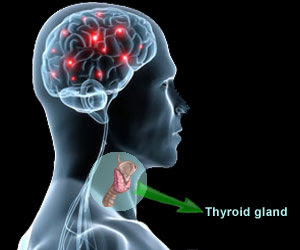
Your thyroid is a small butterfly-shaped gland located in your neck below your Adam’s apple.

An illustration showing the location of the thyroid gland.

As I discussed before, your thyroid gland plays a key role in the optimal health and functioning of your brain. It can impact your cognition, concentration, mood, memory and emotions.

Researchers have found that EMF exposure can affect the structure and functioning of the thyroid gland (10). 

One study found that heavy cellphone users have higher than normal TSH levels, and lower than normal T4 levels. These abnormal levels are linked to thyroid dysfunction and hypothyroidism (low thyroid) (11). 

Here are some of the brain and mental health symptoms of low thyroid that I’ve experienced:

  • Chronic fatigue

  • Brain fog

  • Low mood

  • Forgetfulness

  • Weakness

  • Sluggishness

Not surprisingly, these are also common symptoms of EMF hypersensitivity.

Check out this post for ways to support your thyroid.

My favourite way is by applying this red and infrared light to my thyroid. 


8. EMFs Increase Risk of Attention Deficit Hyperactivity Disorder (ADHD)

Attention deficit hyperactivity disorder (ADHD) is characterized by inattention and hyperactivity.

Yale researchers have determined that cellphone use during pregnancy affects the brain development of offspring, and this can lead to symptoms of ADHD in the children once they are born (12). 

This is the first experimental evidence that fetal exposure to radiofrequency radiation from cellular telephones does in fact affect adult behaviour. The rise in behavioral disorders in human children may be in part due to fetal cellular telephone irradiation exposure.
— Dr. Hugh Taylor, MD
 

9. EMFs May Worsen Symptoms of Autism

A report published in the journal Pathophysiology points out that autism involves many biological disturbances that are very similar to the physiological impacts of EMFs and radiofrequency radiation.

The researchers even say that reducing EMF exposure might reduce symptoms of autism.

With dramatic increases in reported autism that are coincident in time with the deployment of wireless technologies, we need an aggressive investigation of potential Autism/EMF/RFR links. The evidence is sufficient to warrant new public exposure standards benchmarked to low-intensity (non-thermal) exposure levels now known to be biologically disruptive, and strong, interim precautionary practices are advocated.
 

10. EMFs Reduce Melatonin and Disrupt Sleep

Melatonin is a hormone released by your pineal gland, a small gland in your brain. It helps control your sleep and wake cycles (circadian rhythm), and adequate levels of melatonin are necessary to fall asleep quickly and sleep deeply throughout the night.

Melatonin acts as a very potent antioxidant in your brain and can protect against a number of neurodegenerative and mental health conditions (26). 

Reduced levels of melatonin are associated with depression and suicide, seasonally affective disorder (SAD), schizophrenia, Alzheimer’s disease and Parkinson’s disease (24). 

Cellphone next to a woman sleeping. EMFs negatively affect sleep.

Unfortunately, 17 independent studies have found that EMFs disrupt the body’s circadian rhythm and natural production of melatonin, leading to sleep difficulties and many adverse health effects (25, 27-31). 

Researchers say that the evidence is “substantial and robust” and “there is a sound scientific basis for concluding that” acute and chronic EMF exposure lowers melatonin production, leading to very serious health effects, including depression (25, 32). 

That’s why you should turn off all Wi-Fi before bed. I live in a downtown apartment with lots of radiation coming from all the apartments around me, which likely explains why I slept so much better in the woods.

This sleep supplement contains magnesium and a number of other natural compounds that I’ve used over the years to promote the production of melatonin.

But I work with my clients so that they can naturally produce more melatonin and maximize the quality of their sleep without so many supplements. We have free online workshop that talks about how you can work with us. You can register for the workshop here.

Click here to subscribe

11. EMFs Increase Brain Tumors

The National Toxicology Program conducted a large, complex, two-year study on the potential health hazards of cellphone use. They found that RF and EMF exposure increases brain tumors in rats, mice, and humans (50-51). 

Sweden researchers have also published a meta-analysis showing a significant association between long-term cellphone use and both malignant and benign brain tumors (52). 


12. EMFs Disrupt the Blood-Brain Barrier

The blood-brain barrier is a protective shield that surrounds your brain. It acts as a gatekeeper and filter, allowing beneficial nutrients to cross over into your brain, and keeping unwanted molecules out of your brain.

A leaky brain. EMFs disrupt the blood-brain barrier.

In his book Why Isn’t My Brain Working, Dr. Datis Kharrazian explains that the blood-brain barrier can break down and become “leaky”. This allows harmful substances to enter your brain, contributing to brain inflammation, which has been shown to cause cognitive problems and mental illness.

A number of factors contribute to “leaky brain”, including electromagnetic fields. 

Radiofrequency EMFs emitted from cellphones have been shown to increase the permeability of the brain-blood barrier in several studies (33-34). 

And this increased permeability may lead to the accumulation of brain tissue damage and cognitive impairment (33, 35). 

I previously provided ways to support and repair the blood-brain barrier in this post


13. EMFs Increase Risk of Depression and Suicide

About 10 studies have reported an association between exposure to EMFs and depression (36, 37). 

A woman with depression. EMFs contribute to the rising rates of depression.

In a few of those studies, researchers found a specific correlation between living near a cellphone base station and severity of depressive symptoms (38-40). 

In another study, researchers looked at personnel at the U.S. embassy in Moscow who were exposed to EMFs, and they found that there was a statistically significant increase in depression (41). 

People working around radiofrequency EMFs are also more likely to suffer from depression and commit suicide (42-45). 

A good way to combat this is by supplementing with rhodiola. I previously wrote about how it’s a good antidepressant, but it’s been shown to be radioprotective as well (60-62). 


14. EMFs Increase Free Radicals and Oxidative Stress  

Free radicals are unstable molecules that damage cells and contribute to brain damage, aging and mental disease (46-47). 

Oxidative stress is when there is an altered balance between free radicals and their elimination by antioxidants.

After an extensive literature review, researchers have concluded that EMF exposure increases levels of free radicals and oxidative stress in the body, leading to acute and chronic health effects (49). 

In another study, researchers found that EMFs are an “oxidative stressor and DNA damage inducer” (48). 

Long-term EMF exposure has also been shown to lead to a chronically increased level of free radicals, reducing the effects of melatonin in the brain (49).


15. EMFs Linked to Dementia

Dementia is the third leading cause of death in the United States behind cardiovascular disease and cancer, and by 2050, it’s estimated that 13 million Americans and 160 million people globally will be affected by the disease.

Unfortunately, there are more than 70 studies linking EMFs to dementia, and this number is likely to rise as time goes on, along with the number of diagnoses (53). 

The research also includes several epidemiological studies and meta-analyses that link exposure to EMFs and Alzheimer’s onset (55). 

An elderly man sitting and thinking. EMFs contribute to dementia and cognitive decline.

Researchers have found that overnight exposure to EMFs significantly increases the secretion of amyloid-beta, a peptide that is involved in the development of Alzheimer's disease (54). 

EMF exposure also negatively affects the “entorhinal cortex”, the area of the brain that is first affected by Alzheimer's disease (56-57). 

Lastly, animal studies show that EMFs decrease learning and memory and cause cognitive deficits (58-59). 

I previously wrote a post with some ways to reverse cognitive decline and dementia. You can check that out here


Conclusion

If we continue to develop our technology without wisdom or prudence, our servant may prove to be our executioner.
— Omar N. Bradley
What EMFs would look like if you could see them.

What EMFs would look like if you could see them.

My vacation in the woods is now over, and I’m currently back in the city. 

I’m certain I’m sensitive to EMFs now, and it’s definitely impacting the quality of my life.

I really hope I don’t scare people with this post. But I do think it’s something that should be on your radar. 

At this point, I still don’t have too many recommendations to combat EMFs, other than the ones I already mentioned in my previous post about myelin (see step #25 in that post). 

But I plan on researching more and putting together a complete protocol that I’ve personally tested myself, so that you can also protect and shield yourself from EMFs!

So, stay tuned for that in an upcoming article. 

 
Click here to subscribe

Live Optimally,

Jordan Fallis

Connect with me

References:

(1) https://www.dovepress.com/the-western-diet-and-lifestyle-and-diseases-of-civilization-peer-reviewed-article-RRCC

(2) http://www.sciencedirect.com/science/article/pii/S0891061815000599

(3) http://www.sciencedirect.com/science/article/pii/S0928468012000442

(4) http://www.magdahavas.com/whos-new-classification-of-rfr-what-does-this-mean-for-canada/

(5) http://www.magdahavas.com/free-internet-access-in-swiss-schools-no-wifi/

(6) http://www.parentsforsafetechnology.org/worldwide-countries-taking-action.html

(7) https://openparliament.ca/committees/health/41-2/58/dr-riina-bray-1/only/

(8) https://www.ncbi.nlm.nih.gov/pubmed/19194860

(9) https://www.ncbi.nlm.nih.gov/m/pubmed/25205214/

(10) http://jeb.biologists.org/content/209/17/3322.long

(11) https://www.ncbi.nlm.nih.gov/pmc/articles/PMC3243874/

(12) https://www.sciencedaily.com/releases/2012/03/120315110138.htm

(13) http://www.tandfonline.com/doi/abs/10.3109/15368378.2011.631068

(14) https://www.ncbi.nlm.nih.gov/pubmed/23852905

(15) https://www.ncbi.nlm.nih.gov/pubmed/24192494

(16) http://www.ncbi.nlm.nih.gov/pubmed/25359903

(17) https://www.ncbi.nlm.nih.gov/m/pubmed/9501332/

(18) https://www.rfsafe.com/study-shows-30-mins-exposure-4g-lte-cell-phone-radiation-alters-brain-activity/

(19) http://www.ewg.org/cell-phone-radiation-affects-brain-function

(20) https://www.ncbi.nlm.nih.gov/pubmed/12881192

(21) https://www.ncbi.nlm.nih.gov/pubmed/20001702

(22) https://www.ncbi.nlm.nih.gov/pubmed/14995060

(23) https://www.ncbi.nlm.nih.gov/pmc/articles/PMC4459698/

(24) http://www.neilcherry.nz/documents/90_b1_EMR_Reduces_Melatonin_in_Animals_and_People.pdf

(25) http://www.neilcherry.nz/documents/90_b1_EMR_Reduces_Melatonin_in_Animals_and_People.pdf

(26) https://www.ncbi.nlm.nih.gov/pmc/articles/PMC1262766/

(27) https://www.ncbi.nlm.nih.gov/pubmed/23051584

(28) https://www.ncbi.nlm.nih.gov/pmc/articles/PMC1519707/

(29) https://www.ncbi.nlm.nih.gov/pmc/articles/PMC4207748/

(30) https://www.ncbi.nlm.nih.gov/pmc/articles/PMC4207748/

(31) https://www.ncbi.nlm.nih.gov/pmc/articles/PMC3062017/

(32) http://www.saludgeoambiental.org/sites/saludgeoambiental.org/files/docs/cem_baja_frec_y_depresion_canada.pdf

(33) https://www.ncbi.nlm.nih.gov/pubmed/12076339

(34) https://www.ncbi.nlm.nih.gov/pubmed/19345073

(35) https://www.ncbi.nlm.nih.gov/pubmed/25598203

(36) http://www.saludgeoambiental.org/sites/saludgeoambiental.org/files/docs/cem_baja_frec_y_depresion_canada.pdf

(37) http://www.sciencedirect.com/science/article/pii/S0891061815000599

(38) https://www.ncbi.nlm.nih.gov/pubmed/15620045

(39) https://www.ncbi.nlm.nih.gov/pubmed/22219055

(40) https://www.emf-portal.org/en/article/18762

(41) https://www.ncbi.nlm.nih.gov/pubmed/9814721

(42) https://www.cdc.gov/niosh/niosht

(43) https://www.ncbi.nlm.nih.gov/pmc/articles/PMC1071010/

(44) https://www.ncbi.nlm.nih.gov/pubmed/7275611

(45) http://www.tandfonline.com/doi/abs/10.1080/13102818.1994.10818812

(46) https://www.ncbi.nlm.nih.gov/pubmed/2701375

(47) https://www.ncbi.nlm.nih.gov/pubmed/15182885

(48) https://www.ncbi.nlm.nih.gov/pubmed/22535669

(49) https://www.ncbi.nlm.nih.gov/pubmed/15352165

(50) https://ntp.niehs.nih.gov/results/areas/cellphones/index.html

(51) https://blogs.scientificamerican.com/guest-blog/do-cell-phones-cause-cancer-probably-but-it-s-complicated/

(52) https://www.ncbi.nlm.nih.gov/pmc/articles/PMC2569116/

(53) http://www.emfresearch.com/emfs-dementia/

(54) http://www.sciencedirect.com/science/article/pii/S0304394007002480

(55) https://www.hindawi.com/journals/ijcb/2012/683897/

(56) https://www.ncbi.nlm.nih.gov/pubmed/25462671

(57) https://www.nature.com/neuro/journal/v17/n2/full/nn.3606.html

(58) https://www.ncbi.nlm.nih.gov/pubmed/25359903

(59) https://www.ncbi.nlm.nih.gov/pubmed/25542888

(60) https://www.ncbi.nlm.nih.gov/pubmed/16822199

(61) https://www.ncbi.nlm.nih.gov/pmc/articles/PMC3148626/

(62) https://www.ncbi.nlm.nih.gov/pubmed/16013456

Terms and Conditions

Privacy Policy

Affiliate Disclosure

Disclaimer

How to Overcome Trauma & PTSD without Medication

The subjective experience of trauma is unique and varies according to the individual and the type of trauma. What does not vary is the fact that trauma often results in a devastating intrusion into a wished-for life of peace, calm, and well-being, along with a corresponding unexpected and undesired fragmented sense of self and of life in general.
— Dr. Rollin McCraty, Ph.D.

Eating healthy and supplementing with specific nutrients was never enough for me to overcome my chronic mental health problems.

A broken heart.

I had to work hard at overcoming emotionally traumatic experiences as well. 

Trauma isn’t just something that happens to you in the past.

It’s not just a story or a memory.

Emotional trauma can actually change your brain, and how you see yourself in the world, leading to profoundly disturbing physical sensations and emotions in the present moment. 

It can occur because of one single event, or build up gradually due to a threatening or lonely environment.

These traumatic events and experiences, in both childhood and adulthood, can linger inside you and make you feel depressed, anxious and fearful for years. 

This is commonly known as post-traumatic stress disorder (PTSD), and it’s a heavy burden to carry.

We’re made to believe that talk therapy and psychiatric drugs are the best way to overcome it.

But that is simply not true.

You can overcome psychological and emotional trauma without having to resort to life-long therapy and medication.

It’s not necessarily easy. 

It can take some time and effort.

But it can definitely be done.

I’m living proof. 

So today I’m going to share with you the therapies and treatments that have changed the course of my life by allowing me to permanently overcome emotional trauma and PTSD. 


Why Talk Therapy and Drugs Aren’t the Best Treatment Options

Dr. Bessel van der Kolk, MD, a psychiatrist at the Boston University School of Medicine and one the world’s leading experts on trauma, is convinced that talk therapy isn’t that effective, and psychiatric drugs don’t get to the root of traumatic issues:

The study of trauma shows that you cannot “knock sense” into people by talking to them. Trauma is not an issue of cognition. It’s an issue of disordered biological systems.

Based on my experience, I agree with Bessel van der Kolk, and I highly recommend you check out his book The Body Keeps Score: Brain, Mind, and Body in the Healing of Trauma if you’re interested in learning more. 

The book talks about how the brain is shaped by traumatic experiences, how traumatic stress is experienced by the entire body, and how this knowledge needs to be integrated into conventional treatment. 

Because of trauma, I used to struggle with chronic hyper-vigilance – a heightened state of awareness and over-activation of my "fight-or-flight" response. 

In other words, my brain was irrationally on constant alert.

This is because trauma impacts the “unconscious, emotional, reptilian" part of our brains, causing us to become chronically frightened and interpret the world as dangerous.

You know you shouldn’t feel that way, but you do.

And then that makes you feel even more defective and ashamed.

You cannot reason your way out of that.

Talk therapy can be helpful in acknowledging what has happened to you and how it has affected you.

But talking about it doesn’t put it behind you.

It simply does not go deep enough and affect the emotional, reptilian part of your brain. 

Your body can actually hold onto trauma, and it wasn’t until I tapped into the reptilian part of my brain with the following 12 treatments and therapies that I was able to permanently let it go and move on with my life. 

And even if you don't think you've experienced anything too traumatic, you'll probably benefit from these steps. 


1. Neurofeedback

Neurofeedback is a type of biofeedback that shows you your brain activity in real-time and teaches you how to self-regulate it.  

Sensors are placed on your scalp to measure your brain’s activity, and the measurements are displayed using video or sound.

In this powerful video, a captain with multiple deployments in Iraq shares his experiences in dealing with PTSD, and how neurofeedback treatment aided in his recovery.

Personally, neurofeedback was one of the most impactful action I took to overcome trauma. I previously wrote about my experience with it here

It works at a deep subconscious level, breaking the cycle of trauma and post-traumatic symptoms.

It allows you to move past traumatic events without actually having to talk about them and relive them, and shifts you into a natural, healthier state of mind.

And research shows that it works. 
 
Just last year, individuals with treatment-resistant post-traumatic stress disorder completed 40 sessions of neurofeedback, and researchers found it significantly reduced their PTSD symptoms (3). 

In my 38 years of practice, I have never seen any treatment that comes close to producing the results that Neurofeedback offers. I have seen results achieved in days and weeks that previously took months and years to achieve, using the best methods available to us.
— Dr. Jack Woodward, MD, Board Certified Psychiatrist

In another study, victims of torture who had not responded to conventional treatment did 20 sessions of neurofeedback and demonstrated a “substantial recovery” (5). 

Researchers have also concluded that neurofeedback is “helpful in the shedding of substance dependencies that are common in treatment-resistant PTSD” (4). 

If you’re interested in digging more into the research, here is a list of studies looking at neurofeedback for the treatment of post-traumatic stress disorder and anxiety. 

It’s best to work with a qualified practitioner.

But I also like the Muse headband. It’s a good substitute and gives you real-time feedback in your brainwaves while you meditate.

I previously wrote about it here, and you can get it through the Muse website. 

Please note: If you’re interested in trying neurofeedback, I recommend becoming a client and working with us to determine the best type of neurofeedback for you and your condition. I have found that some types of neurofeedback are completely ineffective and may even be harmful. So it’s very important to do the right type of neurofeedback that actually works. It’s also critical to work with a qualified neurofeedback practitioner who knows what they are doing. Otherwise, you can get worse. We help our clients find a qualified practitioner in their area.

Click here to subscribe

2. Vagus Nerve Stimulation

The vagus nerve is the longest nerve in your body and part of your parasympathetic “rest and digest” nervous system.

Stimulating your vagus nerve allows you to more effectively respond to emotional trauma and overcome it. 

Research shows that vagus nerve stimulation can help treat a number of treatment-resistant anxiety disorders. This includes patients with PTSD that haven’t responded to medication (34-35). 

Vagus nerve stimulation has also been shown to enhance the “extinction of conditioned fear”, making it useful for severe anxiety and PTSD (36-38). 

So how do you stimulate your vagus nerve naturally?

I previously provided 13 ways to activate your vagus nerve in this post.

I recommend reading that post alongside this one because many of the mind-body practices and nutrients discussed – such as yoga, acupuncture, zinc and omega-3 fatty acids – have also been shown to directly help people overcome emotional trauma. 


3. Eye Movement Desensitization and Reprocessing (EMDR)

The cure for the pain is the pain.
— Rumi

I mentioned above that neurofeedback lets you move past traumatic events without actually having to talk about them and re-live them.

But sometimes that isn’t enough.

Sometimes you have to relive your trauma to actually move past it. 

That’s where Eye Movement Desensitization and Reprocessing (EMDR) comes in.  

EMDR is a fairly new, non-traditional type of psychotherapy, but it’s growing in popularity, particularly for treating emotional trauma and post-traumatic stress disorder (PTSD).

During a session, your therapist will move his or her fingers back and forth in front of your face. You’ll then follow the hand motions with your eyes while thinking of a disturbing event from your past. 

As you do this, your brain will start to reprocess the traumatic memory until it no longer bothers you. It allows you to come to peaceful terms with previously-disturbing events and, surprisingly, leads to increased insight about yourself. 

In my experience, it is one of the most impactful actions you can take for your mental health. 

This is a very good video about EMDR and trauma. More people should see it. 

I did 4 sessions of EMDR and it really helped me come to terms with certain traumatic experiences from my past. I didn’t know it at the time, but these previously traumatic events were wearing me down, and life is now lighter and brighter since finishing the treatments.  

According to Dr. Norman Doidge, the author of The Brain’s Way of Healing, EMDR is the most promising treatment for trauma and PTSD.

More than 30 controlled clinical trials have demonstrated the effectiveness of EMDR therapy for overcoming emotional trauma and PTSD (15, 25-33). 

Several studies have found that 84 to 100% of single-trauma victims no longer have post-traumatic stress disorder (PTSD) after just three 90-minute EMDR sessions (16). 

Other studies have found that 77% of multiple trauma victims were no longer diagnosed with PTSD after only six sessions, and 77% of combat veterans were free of PTSD in 12 sessions (17, 18). 

And EMDR has also been shown to be effective in children who have experienced emotional trauma (19). 

As a result of this, researchers and multiple health organizations have concluded that EMDR should be a first-line treatment for acute and chronic PTSD, and must be considered before medication because it’s been shown to be more effective than SSRI antidepressants (20-24). 

Although the research continues to pile up in support of EMDR, it remains controversial among some health care professionals. This is likely because it does not rely on life-long talk therapy or medication, and therefore puts a lot of people out of business.

It’s best to work with a qualified EMDR therapist first so that you understand how EMDR works.

Once you experience the treatment and understand it, you can actually self-administer EMDR


4. Loving-Kindness Meditation (Metta)

I recently found out about loving-kindness meditation in Tim Ferriss’ book Tools of Titans: The Tactics, Routines, and Habits of Billionaires, Icons, and World-Class Performers, and have been practicing it since.

Loving-kindness meditation, or metta, is a practice designed to enhance feelings of kindness and compassion for yourself and others.

A cartoon Buddhist monk meditating. Loving-Kindness Meditation can help you overcome trauma and PTSD without medication.

You repeat positive phrases to yourself and direct well-wishes towards other people.

You can learn how to practice it here or through this video

In one study, veterans with post-traumatic stress disorder (PTSD) practiced loving-kindness meditation for 12 weeks. 

At the end of the 12 weeks, the researchers reported increased levels of mindfulness and self-compassion in the veterans. 

And three months later, the veterans had reduced symptoms of trauma and depression because of their enhanced feelings of compassion (1). 

Another study found increased positive emotions and self-acceptance in veterans who practiced loving-kindness meditation (2). 

Click here to subscribe

5. Emotional Freedom Technique (EFT)

Emotional Freedom Technique, or “tapping”, is a form of therapy based on ancient Chinese acupressure and modern psychology. 

A woman tapping and using EFT. EFT can help you overcome trauma and PTSD without medication.

It involves tapping a series of acupressure points while thinking about a traumatic event and stating positive affirmations.

It’s best to do EFT alongside a therapist, but you can also practice it yourself.

If you’re interested in learning how to do it yourself, check out the book, The Tapping Solution: A Revolutionary System for Stress-Free Living

I’ve never done EFT with a therapist but I use the technique myself on a regular basis to reduce stress.

I previously discussed how it can lower your stress hormone here

Research also shows that it can also help you manage and overcome emotional trauma. 

Last year, researchers conducted a meta-analysis of all high-quality EFT studies and concluded that 4 to 10 sessions of EFT can effectively treat post-traumatic stress disorder without side effects. They determined that it’s just as effective as EMDR and cognitive behavior therapy (6). 
    
Researchers have stated that even though the approach has been controversial, there’s no doubt that EFT “is unusually effective in its speed and power because deactivating signals are sent directly to the [fear centre of the brain]” (12).

Tapping on selected acupoints during imaginal psychological exposure quickly and permanently reduces maladaptive fear responses to traumatic memories and related cues.
— Dr. David Feinstein

Several individual studies have also found that it quickly and permanently reduces PTSD symptoms in military veterans, disaster survivors, and other traumatized individuals (7-11).

With veterans, studies have found that EFT significantly reduces their psychological distress, and 90% participants no longer score positive for PTSD after just six treatment sessions. These improvements remained one year later (13-14). 

The film Operation: Emotional Freedom also documents a number of veterans and their families as they go through EFT therapy.


6. Forgiveness

Resentment is like drinking poison and then hoping it will kill your enemies.
— Nelson Mandela

Research shows that difficulty forgiving oneself and difficulty forgiving others is associated with increased symptoms of post-traumatic stress disorder (51). 

One study found that a when a victim of emotional trauma forgives the person at fault, there is a significant reduction in their PTSD symptoms (52). 

Two people holding hands. Forgiving one another can help us overcome trauma and PTSD.

And emotionally-abused women that did forgiveness therapy experienced significantly greater improvements in their PTSD symptoms than women who received an alternative treatment (53). 

So if you’ve experienced emotional trauma, you need to focus on letting go. 

Easier said than done, I know. Luckily, a lot of the therapies above – particularly EMDR – make it easier to forgive. 

I started using “forgiveness affirmations” several years ago after reading The Success Principles:  How to Get from Where You Are to Where You Want to Be by Jack Canfield.

Below is the main forgiveness affirmation from the book, and I recommend reading the full book for more tips on forgiveness.

I release myself from all the demands and judgments that have kept me limited. I allow myself to go free – to live in joy and love and peace. I allow myself to create fulfilling relationships, to have success in my life, to experience pleasure, to know that I am worthy and deserve to have what I want. I now go free. In that process I release all others from any demands and expectations I have placed on them. I choose to be free. I allow others to be free. I forgive myself and I forgive them. And so it is.
 

7. Brain Stimulation

There are several forms of brain stimulation, but two stand out for the treatment of emotional trauma and post-traumatic stress disorder. 

The first is cranial electrotherapy stimulation (CES), which I have personal experience with. 

CES involves the application of a low intensity micro-current (less than 2 mA) to the brain. This current stimulates the brain via electrodes placed on the earlobes, and affects emotional regulation by influencing neurotransmission in the brain – including serotonin, norepinephrine and melatonin – which play a role in depression, anxiety and sleep (42-44). 

I know it sounds dangerous but it is very safe and has been widely used in Europe since 1950 and in the US since the 1960s (39). 

It’s also been cleared by Health Canada and the US Food and Drug Administration for the treatment of depression, anxiety, addiction and insomnia (41). 

Research has found that CES treatment (20 to 60 minutes daily, 3 to 5 days each week for 4 weeks) decreases the frequency of PTSD symptoms in veterans (40). 

In an online survey of 145 veterans and military personnel, 60% of individuals used CES to treat their PTSD, and the majority of participants reported at least a 50% reduction in their PTSD symptoms when using their CES device for at least 20 minutes, once or twice daily. The results shows that individuals who were not taking any prescription medication rated CES more effective than veterans who were also taking medication (45, 46). 

Unlike all other brain stimulation modalities, it’s relatively inexpensive and you don’t need to go see a professional to take advantage of it. 

I use it based on the presentation of the client – do they have difficulty falling asleep? Are they anxious or depressed? Do they have chronic pain? These symptoms respond well to CES. It is a non-addictive alternative to medication; a gentler solution.
— Dr. Jonathan Douglas

I personally use the cranial electrical stimulation. I find it really helpful when I’m stuck in an “anxious rut.” It snaps me out of it. It also calms my nervous system and makes me sleepy before bed. I often combine it with an acupressure mat.

The other form of brain stimulation that can help you overcome emotional trauma and post-traumatic stress disorder is called transcranial magnetic stimulation (TMS) 

TMS is a noninvasive procedure that uses magnetic fields to stimulate nerve cells in the brain.

Studies have found that TMS can significantly reduce depression, anxiety, and PTSD symptoms including hyperarousal, intrusive thoughts, vigilance, withdrawal and emotional numbness. The effects are persistent and remained significant 3 months after treatment (47-49). 

However, unlike CES, you cannot do TMS at home. You need to find a practitioner who provides the treatment. 


8. Gratitude

Gratitude is the tendency to appreciate positive occurrences or being thankful for receiving certain benefits in your life.

A piece of paper that says “I am grateful for…”. Gratitude can help you overcome trauma and PTSD without medication.

Studies have shown that gratitude is associated with increased resilience to emotional trauma, and individuals with PTSD have significantly lower dispositional gratitude (54-55, 58).

But luckily, this can be changed through practice. 

Research shows that over time, daily gratitude promotes positive outcomes after trauma and reduces symptoms of PTSD (56-57). 

My recommendation is to write down five things that you’re grateful for every day. I try to do this regularly.

They don’t have to be big things. Anything will do. It could be as simple as being grateful for the apple that you ate today.

And if you do this every day, you’ll start to gather a pretty big list of things that you can look over whenever you’re feeling ungrateful. 

Click here to subscribe

9. Heart Rate Variability (HRV) Biofeedback

Heart rate variability (HRV) is the variation in the time interval between heartbeats.

It’s a reliable psycho-physiological marker for the functioning of your nervous system and accurately reflects your ability to cope with stress.

People with good HRV tend to be more optimistic, take initiative and are stress resistant.

People with low HRV tend to be depressed or anxious and have trouble learning.

Several studies show that higher HRV is associated with less anxiety and fear, and individuals with post-traumatic stress disorder display lower levels of HRV (63, 65-66, 69-72). 

Our results don’t necessarily suggest that lower HRV causes PTSD, rather that it’s a harbinger or a signal that the body’s stress response system is not functioning optimally and that may put the individual at greater risk of developing PTSD once he or she has been exposed to a trauma.
— Dr. Arpi Minassian, Ph.D

In one study, marines whose HRV was low before they were deployed were significantly more likely to be diagnosed with PTSD after deployment (73, 74). 

Luckily you can increase your HRV

Researchers have found that HRV biofeedback significantly reduces symptoms of PTSD, improves cognition for those suffering from PTSD, and improves the efficacy of other therapies that treat emotional trauma (64, 67-68, 75). 

I increase my HRV by using the EmWave2 biofeedback device

You can get it through the HeartMath website, and I previously wrote about the benefits of using it here.

It’s been shown to increases HRV coherence in combat veterans with PTSD (76-77). 

And it’s important to note that when your HRV is high, your vagal tone is also high. They are correlated with each other (78-80). 

So stimulating your vagus nerve will also increase your HRV. Check out this post for 13 ways to do it. 

And make sure you check out this article to learn about 24 other ways to increase your heart rate variability.


10. Curcumin

Curcumin is the most heavily researched compound within turmeric, the spice that gives curry its yellow colour.

It’s one of my favourite compounds for the brain. 

As I discussed before, it can lower your stress hormone, increase your brain’s growth hormone, and strengthen the integrity of your blood-brain barrier

It may also be able to help treat post-traumatic stress disorder. 

PTSD is characterized by unusually strong and persistently reactivated “fear memories", and researchers have found that curcumin impairs the reconsolidation of fear memories in animals, and concluded that it could be used to treat PTSD (50). 

In other words, supplementing with curcumin may help your brain forget about previously traumatic experiences. 


11. Magnesium

Magnesium is a vital mineral that participates in more than 300 biochemical reactions in your body. This includes neurotransmitter, enzyme, and hormonal activity, all of which can have a huge effect on your mood and brain function.

It’s one of the three nutrients that I think everyone should be taking for their brain, as most people are deficient.

As I’ve discussed before, it can help you overcome addiction and withdrawal and support your brain's mitochondria.

Studies reveal that magnesium enhances this process so that events which previously caused an emotional response no longer trigger fear. Magnesium L-threonate helps the prefrontal region of the brain block the return of old fear memories.
— Dr. Michael Smith

It can also help you overcome emotional trauma. 

Studies have found that supplementing with magnesium increases levels of magnesium in the brain and enhances the extinction of conditioned fear responses to traumatic memories. The researchers concluded that it may be used to enhance PTSD therapy (59, 60). 

Foods that contain magnesium include spinach, chard, pumpkin seeds, almonds, avocado, dark chocolate and bananas.

But supplementation or taking Epsom salt baths is still necessary for most people because magnesium is rapidly used up during times of stress and certain psychiatric drugs can deplete magnesium.

Magnesium is included in the Optimal Calm supplement.


12. Melatonin

Melatonin is a hormone released by your pineal gland, a small gland in your brain. It helps control your sleep and wake cycles (circadian rhythm), and adequate levels of melatonin are necessary to fall asleep quickly and sleep deeply throughout the night.

A disrupted circadian rhythm is linked to the development of post-traumatic stress disorder (PTSD), and researchers have concluded that supplementing with melatonin is a “promising treatment strategy in the management of PTSD” (61). 

Animal research has also shown that melatonin reduces PTSD-induced anxiety-like behaviors in rats (62). 

This sleep supplement contains magnesium and a number of other natural compounds that I’ve used over the years to promote the production of melatonin.

But I work with my clients so that they can naturally produce more melatonin and maximize the quality of their sleep without so many supplements. We have free online workshop that talks about how you can work with us. You can register for the workshop here.


Conclusion

You don’t have to live with emotional trauma for the rest of your life. 

You can overcome post-traumatic stress disorder and live a happy, fulfilling life

An illustration of a solider or war veteran with a broken brain and PTSD.

And medication and life-long talk therapy are not your only solutions, despite what many so-called experts say.

There is a much better way.

Remember, traumatic stress has very little to do with cognition. Instead, it stems from the emotional part of the brain that is rewired to constantly send out messages of danger.

These therapies and treatments have helped me come out on the other side of emotionally traumatizing experiences and post-traumatic stress disorder, and have allowed me to live more fully in the present moment:

I hope you get the chance to try them and they help you too. :)

 
Click here to subscribe

Live Optimally,

Jordan Fallis

Connect with me

References:

(1) https://www.ncbi.nlm.nih.gov/pubmed/23893519/

(2) https://www.ncbi.nlm.nih.gov/pubmed/25397820

(3) https://www.ncbi.nlm.nih.gov/pubmed/26782083

(4) https://www.eeginfo.com/research/articles/PTSD-NeurofeedbackRemedy.pdf

(5) http://www.eeginfo.com/research/researchpapers/RodaKorset_update%20graphics%20corrected.pdf

(6) https://www.ncbi.nlm.nih.gov/labs/articles/27889444/

(7) https://www.ncbi.nlm.nih.gov/pubmed/24439093

(8) https://www.ncbi.nlm.nih.gov/pubmed/21629014

(9) https://www.ncbi.nlm.nih.gov/pubmed/27543343

(10) http://journals.sfu.ca/seemj/index.php/seemj/article/view/377

(11) https://www.ncbi.nlm.nih.gov/pubmed/22402094/

(12) https://www.ncbi.nlm.nih.gov/pubmed/22402094/

(13) http://journals.sagepub.com/doi/abs/10.1177/1534765609347549?journalCode=tmta

(14) https://www.ncbi.nlm.nih.gov/pubmed/23364126

(15) https://en.wikipedia.org/wiki/Eye_movement_desensitization_and_reprocessing

(16) https://www.ncbi.nlm.nih.gov/pubmed/10225500

(17) https://www.ncbi.nlm.nih.gov/pmc/articles/PMC3951033/

(18) http://www.emdr.com.au/faq.php

(19) http://www.istss.org/treating-trauma/effective-treatments-for-ptsd,-2nd-edition.aspx

(20) https://www.ncbi.nlm.nih.gov/pubmed/24338345

(21) https://www.ncbi.nlm.nih.gov/pubmed/23842024

(22) https://www.ncbi.nlm.nih.gov/pubmed/17267924

(23) https://www.ncbi.nlm.nih.gov/pubmed/19169192

(24) https://goo.gl/mUXgC7.

(25) https://www.ncbi.nlm.nih.gov/pmc/articles/PMC3951033/

(26) https://www.ncbi.nlm.nih.gov/pubmed/17990196

(27) https://www.ncbi.nlm.nih.gov/pubmed/22622278

(28) https://www.ncbi.nlmh

(29) https://www.ncbi.nlm.nih.gov/pubmed/25101684

(30) https://www.ncbi.nlm.nih.gov/pubmed/25188700

(31) https://www.ncbi.nlm.nih.gov/pubmed/25974059

(32) https://link.springer.com/article/10.1007/BF02109568

(33) https://www.ncbi.nlm.nih.gov/pubmed/21629014

(34) https://www.ncbi.nlm.nih.gov/pmc/articles/PMC3402102/

(35) https://www.ncbi.nlm.nih.gov/pubmed/20633378/

(36) https://www.ncbi.nlm.nih.gov/pmc/articles/PMC4166996/

(37) https://www.ncbi.nlm.nih.gov/pubmed/25278857

(38) https://www.ncbi.nlm.nih.gov/pmc/articles/PMC4176918/

(39) https://www.ncbi.nlm.nih.gov/pubmed/11455071/

(40) https://stress.org/wp-content/uploads/CES_Research/CES-for-PTSD.pdf

(41) https://www.ncbi.nlm.nih.gov/pubmed/?term=cranial+electrotherapy+stimulation+psychiatric+clinics

(42) http://www.bestbrainmachines.com/Cerebrospinal_fluid_and_cranial_electrical_stimulation.pdf

(43) https://www.ncbi.nlm.nih.gov/pubmed/?term=cranial+electrotherapy+stimulation+psychiatric+clinics

(44) https://www.ncbi.nlm.nih.gov/pubmed/22741094

(45) https://www.ncbi.nlm

(46) http://medistim.hu/wp-content/uploads/2014/07/Military-Survey-Poster.pdf

(47) https://www.ncbi.nlm.nih.gov/pubmed/14992978/

(48) https://www.ncbi.nlm.nih.gov/pubmed/20051219/

(49) https://www.ncbi.nlm.nih.gov/pmc/articles/PMC4177524/

(50) https://www.ncbi.nlm.nih.gov/pubmed/25430781

(51) https://www.ncbi.nlm.nih.gov/pubmed/15253099

(52) https://www.ncbi.nlm.nih.gov/pubmed/24898771

(53) https://www.ncbi.nlm.nih.gov/pubmed/17032096

(54) https://www.ncbi.nlm.nih.gov/labs/articles/16389060/

(55) https://www.ncbi.nlm.nih.gov/pmc/articles/PMC4588123/

(56) https://www.ncbi.nlm.nih.gov/pubmed/27548470

(57) https://www.ncbi.nlm.nih.gov/pmc/articles/PMC4676265/

(58) https://www.ncbi.nlm.nih.gov/pubmed/26626947

(59) https://www.ncbi.nlm.nih.gov/pmc/articles/PMC3668337/

(60) https://www.ncbi.nlm

(61) http://onlinelibrary.wiley.com/doi/10.1111/jpi.12330/pdf

(62) http://koomeshjournal.semums.

(63) https://www.ncbi.nlm.nih.gov/pubmed/9821570

(64) https://www.ncbi.nlm.nih.gov/pmc/articles/PMC4375291/

(65) https://www.ncbi.nlm.nih.gov/pubmed/26095980

(66) https://www.ncbi.nlm.nih.gov/pmc/articles/PMC4152223/

(67) https://www.ncbi.nlm.nih.gov/pubmed/20680439

(68) https://www.resourcenter

(69) https://www.ncbi.nlm.nih.gov/pubmed/27311838

(70) https://www.ncbi.nlm.nih.gov/pubmed/10804906

(71) https://www.ncbi.nlm.nih.gov/pmc/articles/PMC4862083/

(72) https://www.ncbi.nlm.nih.gov/pmc/articles/PMC3246136/

(73) http://www.medscape.com/viewarticle/851634

(74) http://jamanetworhttp://jamanetwork.com/journals/jamapsychiatry/fullarticle/2436276.com/journals/jamapsychiatry/fullar

(75) http://www.aapb-biofeedback.com/doi/abs/10.5298/1081-5937-41.3.05?code=aapb-site

(76) https://goo.gl/jAUzHZ

(77) https://www.ncbhttps://www.ncbi.nlm.nih.gov/pubmed/20653296.nlm.nih.gov/pubmed/20653296

(78) http://circ.ahajournals.org/content/118/8/863.long

(79) https://en.wikipedia.org/wiki/Heart_rate_variability

(80) https://en.wikipedia.org/wiki/Vagal_tone

Terms and Conditions

Privacy Policy

Affiliate Disclosure

Disclaimer

Inositol: An Important Nutrient For OCD, Anxiety and Depression

The nutrient that I want to talk about today isn’t very well known.

But it has helped me manage OCD, anxiety and depression over the years, especially after I weened off psychiatric medication.

It’s called inositol, or myo-inositol. 

Inositol is a non-essential vitamin and naturally-occurring compound in the body. It's structurally similar to glucose and small amounts of it can be found in food.

Researchers extracted and isolated it in 1849, but it wasn't until the 1980s that they discovered high levels of it in the central nervous system, and found that it plays a key role in neurotransmission (1, 4). 

Studies show that it can increase GABA-A receptor function and enhance serotonin receptor sensitivity, working similarly to anti-anxiety (benzodiazepines) and antidepressant (SSRIs) medications (2-3, 5). 

Inositol levels in the brain have also been shown to be lower in people with several neuropsychiatric conditions (30).

Considering this, it’s not too surprising that researchers have found that supplementing with it can help treat anxiety and depression

If you have one of the following anxious and depressive conditions, inositol could help you. 

Woman eating a salad outside.

Inositol and Depression

First of all, researchers have found reduced levels of inositol in the spinal fluid of depressed patients (14).

They’ve also found significantly less inositol in brain samples of suicide victims (16). 

Transcranial direct current stimulation (tDCS) is a form of neurostimulation that helps treat depression, and one of the reasons it works may be because it causes a significant increase in brain inositol levels (15). 

But you don’t need to do tDCS to increase inositol levels in the brain.

Clouds raining on a stick man.

Supplementing with inositol has also been shown to increase inositol concentration within the central nervous system and treat depression in adults (17):

  • In one study, 11 people with treatment-resistant depression took 6 grams of inositol every day for four weeks, and nine of them experienced major improvements in their mood (18).

  • Another study had depressed patients take 12 grams of inositol every day for four weeks. Researchers found that these depressed patients experienced significantly greater improvements in their depression compared to the patients who took placebo (19, 22).

  • And people with bipolar disorder who were going through a major depressive episode supplemented with inositol for six weeks, and it led to a 17.4% reduction in their depressive symptoms (20).

Despite all of this research, it’s important to point out that I found one meta-analysis concluding that “it is currently unclear whether or not inositol is of benefit in the treatment of depression” (21). 

That’s not to say it won’t work for you though. 

In my experience, inositol does help with depression – just not with everyone.  

If you typically respond to SSRI antidepressants (like I do), it’s more likely that inositol will help you with your depressive symptoms (23). 

If SSRI antidepressants don't improve your mood when you take them, it’s less likely that inositol will help you.

Overall, it’s worth a try though. 


Inositol and Premenstrual Dysphoric Disorder (PMDD)

Woman with PMDD holds stomach and head in worry.

Premenstrual dysphoric disorder (PMDD) is a condition in which a woman has severe depressive symptoms, irritability, and tension before menstruation, which disrupts her social and/or occupational life. PMDD symptoms are more severe than symptoms of premenstrual syndrome (PMS) (12). 

Inositol has been shown to help treat PMDD. 

Over the course of six menstrual cycles, women with PMDD supplemented with 12 grams inositol daily, and they experienced a significant reduction in their symptoms of dysphoria and depression.

Researchers concluded that they “were able to clearly prove the efficacy of myo-inositol in PMDD” (13). 

Click here to subscribe

Inositol and Anxiety, Panic Disorder and Agoraphobia

Based on my research and experience, inositol is better at reducing anxiety and treating anxious disorders than depression

Panic disorder is diagnosed in people who experience sudden panic attacks and are preoccupied with the fear of a recurring attack.

Some people stop going into environments in which they previously had a panic attack, anticipating that it will happen again. This is considered agoraphobia. They may avoid public places such as shopping malls, public transportation, or large sports arenas. 

Many patients with panic disorder and agoraphobia don’t respond well to current treatments, or they discontinue drugs because of their side effects.

Woman with agoraphobia stares outside through window.

Luckily, there is research showing that inositol can help treat both of these conditions with little to no side effects.

In one study, researchers compared the effects of inositol to fluvoxamine (Luvox), an SSRI antidepressant commonly used in the treatment of panic disorder. 

Twenty patients with panic disorder took 18 grams of inositol every day for one month, and then took 150 mg of fluvoxamine every day for another month. 

Researchers found that inositol decreased the number of weekly panic attacks per week by four, while fluvoxamine only reduced them by two. Fluvoxamine also had side effects such as nausea and lethargy, and inositol didn’t have any side effects (6). 

In another study, twenty-one patients with panic disorder (with and without agoraphobia) took 12 grams of inositol daily for four weeks.

Compared to placebo, the frequency and severity of panic attacks, and the severity of agoraphobia, significantly declined after taking inositol. And there were hardly any side effects!

The researchers concluded that inositol is an “attractive therapeutic for panic disorder” (7, 8). 

Inositol has also been shown to reduce anxiety in children and decrease anxiety-like behaviours in rats (24, 25). 


Inositol and Obsessive Compulsive Disorder (OCD)

Obsessive-compulsive disorder (OCD) is a psychiatric disorder characterized by obsessive thoughts and compulsive behaviors.

Illustration of man on ladder fixing OCD sign.

In his book Nutrient Power, Dr. William Walsh says he uses inositol with all his patients with OCD.

I personally noticed a reduction in my obsessive-compulsive tendencies while supplementing with it. 

And there is some research to support this. 

In one study, patients with OCD took 18 grams of inositol or placebo daily for six weeks. 

At the end of the six weeks, the patients who took inositol had significantly lower scores on the Yale-Brown Obsessive Compulsive Scale.

The researchers concluded that inositol can effectively treat obsessive-compulsive disorder (9, 10). 

Check out this article for 21 other ways to treat OCD.

 
Click here to subscribe

Inositol and Binge Eating Disorder and Bulimia

Binge eating disorder (BED) is a condition characterized by frequent and recurrent binge eating episodes, while bulimia nervosa is characterized by binge eating followed by purging.

Research has shown that inositol supplementation can help with both of these conditions.

In one study, people with these disorders took 18 grams of inositol daily for six weeks, and researchers found that it reduced symptoms of binge eating significantly better than placebo. It also reduced depressive and anxiety scores.

The researchers concluded that “inositol is as therapeutic in patients with bulimia nervosa and binge eating as it is in patients with depression and panic and obsessive-compulsive disorders” (11). 


Inositol Dosage and My Personal Review and Experience

As a standard dietary supplement, many people take between 1 and 3 grams of inositol daily.

But for the brain and mental health benefits, you need to take much higher doses. 

The usual dosage for anxious disorders ranges between 12 and 18 grams. One of the depression studies used just 6 grams, but I haven’t found any research suggesting that it works neurologically at doses any lower than that. 

I took 18 grams (4.5 grams, 4 times daily) of this inositol powder while weening off psychiatric medication and it made the transition much easier.

However, some people find relief with lower dosages.

Therefore, it’s best to start with a lower dose and work your way up to 18 grams if necessary. 

Since you’ll likely need to take large amounts, and capsules usually only contain 500 mg of inositol, I recommend inositol powder.

I used this one, but there are a number of different choices online. It’s easy to consume because it has a sugary taste. 

You may need a scale to measure your doses.

Inositol is known to be extremely safe. There are no documented cases of drug interactions from studies in which inositol was taken alongside psychiatric medications such as SSRIs.

I started taking it while taking medication, and soon realized I was experiencing more side effects from my antidepressant. This is sometimes a sign that you're on too high of a dose of medication. At that point, I could lower my SSRI dose easily because inositol was helping.

This anti-anxiety supplement also includes several other natural compounds that have helped me manage my anxiety over the years. It can help reduce stress and anxiety alongside inositol.


Conclusion

If you struggle with anxiety or depression, supplementing with inositol is worth a shot.

The current research suggests it can help with illnesses that respond well to SSRI antidepressants, but probably isn’t beneficial to people struggling with other disorders, such as autism, Alzheimer's disease, schizophrenia and ADHD (26-29).

This aligns with my personal experience, as it helped me the most with anxiety and depression. And I had pretty severe symptoms of ADHD and cognitive decline, and inositol never helped me with that. 

Go ahead and try it yourself and see if it helps you. 

I hope it does. 

 
Click here to subscribe

Live Optimally,

Jordan Fallis

Connect with me

References:

(1) https://www.ncbi.nlm.nih.gov/pubmed/6278902

(2) https://www.ncbi.nlm.nih.gov/pubmed/22986984

(3) https://www.ncbi.nlm.nih.gov/pubmed/9169302

(4) https://www.ncbi.nlm.nih.gov/pubmed/3017301

(5) http://www.ncbi.nlm.nih.gov/pubmed/8131066

(6) https://www.ncbi.nlm.nih.gov/pubmed/11386498

(7) https://www.ncbi.nlm.nih.gov/pubmed/7793450

(8) https://www.ncbi.nlm.nih.gov/pubmed/9169302

(9) https://www.ncbi.nlm.nih.gov/pubmed/8780431

(10) https://www.ncbi.nlm.nih.gov/pubmed/9169302

(11) https://www.ncbi.nlm.nih.gov/pubmed/11262515

(12) https://www.ncbi.nlm.nih.gov/pubmed/20359434

(13) https://www.ncbi.nlm.nih.gov/pubmed/22031267

(14) https://www.ncbi.nlm.nih.gov/pubmed/623854

(15) http://onlinelibrary.wiley.com/doi/10.1002/mrm.21709/full

(16) https://www.ncbi.nlm.nih.gov/pubmed/9247405

(17) http://www.ncbi.nlm.nih.gov/pubmed/24424706

(18) http://onlinelibrary.wiley.com/doi/10.1002/hup.470080109/abstract

(19) http://www.ncbi.nlm.nih.gov/pubmed/7726322

(20) https://www.ncbi.nlm.nih.gov/pubmed/16449473

(21) https://www.ncbi.nlm.nih.gov/pubmed/15106232

(22) https://www.ncbi.nlm.nih.gov/pubmed/9169302

(23) https://www.ncbi.nlm.nih.gov/pubmed/8780431

(24) http://www.ncbi.nlm.nih.gov/pubmed/11172878

(25) http://www.ncbi.nlm.nih.gov/pmc/articles/PMC3875047/

(26) https://www.ncbi.nlm.nih.gov/pubmed/7894259

(27) https://www.ncbi.nlm.nih.gov/pubmed/21917766

(28) https://www.ncbi.nlm.nih.gov/pubmed/9169302

(29) https://www.ncbi.nlm.nih.gov/pubmed/9169302

(30) http://onlinelibrary.wiley.com/doi/10.1002/mrm.21709/full

Terms and Conditions

Privacy Policy

Affiliate Disclosure

Disclaimer