16 Remarkable Brain Benefits of Phosphatidylserine

Phosphatidylserine is a naturally occurring phospholipid that has become quite popular as a dietary supplement.

It has been linked to numerous benefits, ranging from memory enhancement to stress reduction

But what really is Phosphatidylserine? How does it function within your body and brain, and why has it captured so much attention in the world of health and nutrition? 

In this post, I'll delve into the science and benefits of Phosphatidylserine, shedding light on its significance and the reasons behind its growing acclaim.

I'll also guide you through the recommended dosage, and how to choose the right Phosphatidylserine supplement.

Continue reading to learn more about the remarkable benefits of Phosphatidylserine.

 

What is Phosphatidylserine?

Phosphatidylserine is a phospholipid.

A phospholipid is a type of fat compound that plays a foundational role in the structure and functionality of cell membranes.

So Phosphatidylserine is not just an external supplement. It's also naturally present within us. 

Every cell in our body contains some amount of Phosphatidylserine. But it's most concentrated in the brain, specifically the neurons. 

In fact, the human brain boasts about 60 grams of total phospholipids, with Phosphatidylserine accounting for 15% of this total.

This significant presence underlines its importance in cognitive function and overall brain health.

Research into Phosphatidylserine began in the mid-20th century. 

At that time, scientists discovered a unique phospholipid that was an essential component of cell membranes, particularly in neurons. They identified it as Phosphatidylserine.

Initially, the primary source of supplemental Phosphatidylserine was derived from cow brains, especially the cortex. This form, known as bovine cortex Phosphatidylserine, was used in various studies and demonstrated promising effects on memory and cognition

However, in the late 1980s and early 1990s, concerns arose regarding the potential transmission of diseases like Bovine Spongiform Encephalopathy, leading to a shift in sourcing. 

As the demand for safer and more ethical alternatives grew, soy and sunflower lecithin emerged as popular plant-based sources of Phosphatidylserine. These new sources not only provided a vegetarian-friendly option but also eliminated the safety concerns associated with animal-derived products.


How Does Phosphatidylserine Work in the Brain?

Phosphatidylserine plays many different roles in the brain.

Overall, it plays a multifaceted and crucial role in maintaining and supporting brain function.

At its most basic level, Phosphatidylserine is a phospholipid, making it integral to the formation of cell membranes.

As a vital component of cell membranes, it ensures the fluidity, structural integrity, and optimal function of brain cells.

In the brain, Phosphatidylserine helps ensure that neuron membranes remain fluid and permeable. This allows for the effective exchange of nutrients, ions, and waste products.

It also assists in neurotransmitter release and function, specifically acetylcholine and dopamine, which are instrumental in processes like memory and mood regulation.

Lastly, Phosphatidylserine is a key molecule in the signaling of apoptosis, a programmed cell death process. This ensures that old or damaged cells are removed to make way for newer, healthy brain cells.

Now that you know all that, let’s drive into the 16 benefits of Phosphatidylserine.


16 Proven Benefits of Phosphatidylserine 

1. Phosphatidylserine Enhances Memory

There is a body of research showing that Phosphatidylserine has positive effects on memory.

Phosphatidylserine plays a role in the release and availability of acetylcholine and dopamine, neurotransmitters that are crucial for memory.

Phosphatidylserine also aids in brain glucose metabolism, ensuring that brain cells have the energy needed for memory formation and retrieval.

Several studies have indicated that Phosphatidylserine can enhance memory, especially under stress or when faced with complex tasks.

In one study, researchers found that Phosphatidylserine supplementation led to improvements in memory among people with subjective memory complaints (1). 

In another study, people with memory complaints showed significant improvements in memory recall and flexibility after taking Phosphatidylserine for six months (2). 

Researchers have also found that Phosphatidylserine can significantly improve memory, attention, and mood (3). 


2. Phosphatidylserine Slows Down and Protects Against Age-Related Cognitive Decline

Cognitive decline is a common phenomenon associated with aging. It’s characterized by a gradual deterioration in cognitive abilities such as memory, attention, and executive function.

Several studies have shown that Phosphatidylserine supplementation can help reduce symptoms of age-related memory decline or cognitive deterioration. 

In a review article, researchers highlighted several clinical studies demonstrating improvements in memory, learning, and cognitive performance following Phosphatidylserine supplementation in older adults (27). 

In a double-blind, placebo-controlled trial, older participants with cognitive decline experienced improvements in brain function after supplementing with Phosphatidylserine for three months.

The participants exhibited improvements in memory, learning, behavior, and daily life activities (24). 

In another study, elderly subjects with moderate cognitive decline supplemented with Phosphatidylserine for six months. 

At the end of the study, the subjects experienced significant improvements in memory, learning, and recall tasks (25). 

Another study found that Phosphatidylserine supplementation improves cognitive function in elderly individuals with age-associated memory impairment

Participants who received Phosphatidylserine supplementation showed significant improvements in memory, learning, and attention compared to those who received a placebo (26).

Click here to subscribe

3. Phosphatidylserine Protects Against Alzheimer's Disease

Alzheimer's disease is a neurodegenerative disorder characterized by progressive cognitive decline, memory loss, and changes in behavior.

There's preliminary evidence that Phosphatidylserine can be beneficial for individuals with Alzheimer's disease

Some studies have shown moderate improvements in cognitive function and behavior in patients with Alzheimer's disease after they supplement with Phosphatidylserine.

In a double-blind, placebo-controlled study, researchers investigated the effects of Phosphatidylserine on cognitive performance in patients with Alzheimer's disease

After 12 weeks of Phosphatidylserine supplementation, patients showed significant improvement in behavioral and cognitive parameters (28). 

Another study investigated the effects of Phosphatidylserine supplementation on cognitive function in Alzheimer's disease patients. The researchers found significant improvements in memory, learning, and behavioral symptoms compared to placebo (30). 

Phosphatidylserine supplementation has also been shown to improve memory, learning, and cognitive function in individuals with age-related cognitive decline and mild cognitive impairment (MCI).

MCI is considered an earlier stage of Alzheimer's disease.

As a result, Phosphatidylserine can help maintain cognitive function and delay the onset of Alzheimer's disease symptoms.

Amyloid-beta accumulation and aggregation in the brain are hallmarks of Alzheimer's disease pathology. This leads to the formation of plaques that disrupt neuronal function and contribute to neurodegeneration

But some studies suggest that Phosphatidylserine can help modulate amyloid-beta levels. It does this by promoting its clearance from the brain or inhibiting its aggregation. This then reduces the toxic effects associated with amyloid-beta accumulation (29).


4. Phosphatidylserine Reduces Symptoms of Depression

Research suggests that Phosphatidylserine can help alleviate symptoms of depression.

In one study, patients with depressive disorders received Phosphatidylserine

The patients has a significant improvement in depressive symptoms, along with enhanced behavior and daily life activities. 

The study suggests that Phosphatidylserine could have a role in managing depression (4). 

Another study found that Phosphatidylserine supplementation resulted in an improvement in emotional symptoms, including depression, in people struggling with ADHD (5). 

Check out this article for 24 other supplements that can help reduce depression.


5. Phosphatidylserine Lowers Cortisol and Reduces Stress

Phosphatidylserine can also reduce cortisol, which is a stress hormone.

This is especially after mentally stressful tasks and physical exertion.

Phosphatidylserine supplementation has been shown to blunt the production of cortisol in response to acute mental and physical stressors. 

Elevated cortisol levels, especially when chronic, can have deleterious effects on brain function and structure.

Chronically elevated cortisol levels are associated with various adverse health effects, including anxiety, depression, cognitive impairment, and metabolic disturbances.

Phosphatidylserine supplementation has been shown to modulate the body's response to stress by influencing the hypothalamic-pituitary-adrenal (HPA) axis. The HPA axis is the primary neuroendocrine system involved in the stress response

Phosphatidylserine appears to normalize cortisol levels by regulating the release of corticotropin-releasing hormone (CRH) from the hypothalamus and adrenocorticotropic hormone (ACTH) from the pituitary gland. This ultimately leads to reduced cortisol secretion from the adrenal glands (31). 

As a result, Phosphatidylserine supplementation has been associated with improvements in stress-related symptoms, including anxiety, mood disturbances, and cognitive function (32). 

In one study, researchers demonstrated that Phosphatidylserine supplementation blunted the cortisol response to mental stress in healthy young adults. It also reduced their subjective measures of stress and anxiety (33). 

Another study found that Phosphatidylserine supplementation reduced the cortisol response to exercise-induced stress in trained athletes. It also improved their subjective measures of mood and well-being (34). 

Make sure you read this article to learn about 19 other ways to quickly lower your cortisol levels.


6. Phosphatidylserine Helps Treat Attention-Deficit/Hyperactivity Disorder (ADHD)

Some research has suggested that children and adolescents with Attention-Deficit/Hyperactivity Disorder (ADHD) can benefit from Phosphatidylserine supplementation.

In one study, researchers focused on children aged 4 to 14 years who were diagnosed with ADHD. 

They were given Phosphatidylserine or a placebo for two months. 

The children receiving Phosphatidylserine showed improved attention and ADHD symptoms, and better auditory memory

The study concluded that Phosphatidylserine is a safe nutritional strategy for improving mental performance in children experiencing ADHD symptoms (6).

Another study focused on the combined effect of Phosphatidylserine and Omega-3 fatty acids. 

Children with ADHD were given a combination of Phosphatidylserine and Omega-3 fatty acids, or a placebo. 

The treatment group showed improved ADHD symptoms, especially with impulsivity and restlessness (7).


7. Phosphatidylserine Improves Sleep Quality

Phosphatidylserine is commonly recognized for its cognitive benefits.

But its role in sleep quality has also been explored by researchers.

In one study, researchers found that Phosphatidylserine significantly increased the duration of deep, restorative sleep. 

The researchers also found that there was a reduction in the number of awakenings throughout the night with Phosphatidylserine ingestion (8).


8. Phosphatidylserine Improves Learning and Academic Performance

Phosphatidylserine can impact the release and function of acetylcholine and dopamine

These neurotransmitters play a key role in attention, learning, and memory.

As a result of this, some individuals can experience improved capacity to learn and process new information with Phosphatidylserine supplementation.

In children, Phosphatidylserine supplementation significantly improves focus and attention, which is crucial for learning and academic performance (9). 

Other studies have shown that Phosphatidylserine can enhance learning as well (10-11). 

Click here to subscribe

9. Phosphatidylserine Helps with Brain Injury Recovery

Brain injuries can range from mild concussions to severe traumatic brain injuries (TBIs).

They can present significant challenges in terms of recovery and rehabilitation

Research indicates that Phosphatidylserine has therapeutic benefits for individuals recovering from brain injuries.

After an injury, the brain goes through repair processes, including the re-establishment of cell membranes.

Given the vital role of Phosphatidylserine in membrane structure, supplementing with it can support the recovery and healing of brain tissue.

Phosphatidylserine also has neuroprotective effects that protect neurons from damage after an injury, especially by reducing oxidative stress.

In multiple studies, researchers have found that treatment with Phosphatidylserine shows neuroprotective effects in models of brain injury (12, 14). 

In a review article, researchers discussed the various roles phosphatidylserine plays in the human brain, including its neuroprotective potential. 

They suggested that Phosphatidylserine supplementation has benefits in specific brain health contexts, including traumatic brain injuries (13). 

Phosphatidylserine also plays a role in regulating apoptosis (programmed cell death). This can be beneficial in controlling excessive neuronal death after an injury.

Make sure you read this article for other tips on how to recover from a brain injury.


10. Phosphatidylserine Supports Brain Plasticity

Brain plasticity, often referred to as neuroplasticity, describes the brain's ability to reorganize itself by forming new neural connections throughout life. 

This capacity allows brain cells to compensate for injury and disease. Brain cells can adjust their activities in response to new situations, or changes in their environment.

Research shows that Phosphatidylserine can modulate synaptic activity and plasticity, essentially influencing how well neurons "talk" to each other. 

This has implications for learning, memory, and overall cognitive function.

Phosphatidylserine is a primary component of neuronal membranes. The fluidity and integrity of these membranes are essential for various processes related to neuroplasticity, such as dendritic branching, synaptogenesis, and neurotransmitter release.

Synaptic refinement is a critical physiological process that removes excess synapses. This process is necessary to establish and maintain functional neuronal circuits. 

In one study, researchers investigated how phosphatidylserine affects synaptic refinement.

Researchers found that phosphatidylserine mediates synaptic maintenance and synaptic pruning (15). 

Make sure you read this article to learn about 13 other ways to promote brain plasticity.


11. Phosphatidylserine Reduces Brain Inflammation

Brain inflammation, also known as neuroinflammation, can be a response to a variety of stimuli.

These stimuli include infections, traumatic brain injuries, toxic metabolites, or autoimmune reactions. They can all cause brain inflammation.

Chronic neuroinflammation has been implicated in the progression of neurodegenerative diseases such as Alzheimer's, Parkinson's, and multiple sclerosis.

Some evidence suggests Phosphatidylserine reduces inflammation in the brain.

Research shows that Phosphatidylserine can modulate the activity of immune cells and reduce the production of inflammatory cytokines. Cytokines are cell signaling molecules that can promote inflammation.

Phosphatidylserine can also influence the activity of immune cells such as macrophages and microglia (immune cells of the brain).

By modulating their activity, Phosphatidylserine can reduce excessive inflammatory responses in the brain.

In one study, researchers investigated the effects of Phosphatidylserine on microglia. The research indicated that Phosphatidylserine can influence the resolution of inflammation (16). 

Make sure you read this article to learn about 22 other ways to reduce inflammation in your brain


12. Phosphatidylserine Is Neuroprotective

As I mentioned earlier, Phosphatidylserine has neuroprotective properties.

This means it protects neurons from damage or degeneration.

Phosphatidylserine provides antioxidant effects that help neutralize harmful free radicals in the brain. This shields brain cells from the damaging effects of oxidative stress. 

Additionally, by maintaining cell membrane integrity, Phosphatidylserine helps protect neurons from harmful agents in their environment.

Phosphatidylserine has also been shown to modulate inflammatory responses in the brain and reduce the production of pro-inflammatory cytokines

By dampening brain inflammation, it can protect neurons from inflammatory damage.

In one study, researchers investigated the effects of Phosphatidylserine supplementation on cerebral glucose metabolism in patients with Alzheimer's disease.

The results suggested that Phosphatidylserine has neuroprotective effects by improving energy metabolism in the brain (17). 

Another study found that Phosphatidylserine plays a neuroprotective role in aging-related cognitive decline.

In the study, Phosphatidylserine supplementation improved cognitive function in elderly individuals with memory impairment (18). 


13. Phosphatidylserine Supports Brain Energy Metabolism

Phosphatidylserine also plays a role in supporting and enhancing brain energy metabolism.

The brain is an energy-intensive organ.

Glucose is the primary energy source for the brain, and efficient glucose metabolism is essential for optimal brain function.

Research shows that phosphatidylserine supports brain cell energy production by aiding in glucose metabolism. 

In one study, researchers found that Phosphatidylserine supplementation improved glucose metabolism in the brains of people with Alzheimer's disease (17). 

Phosphatidylserine has been shown to influence glucose metabolism in the brain. It enhances glucose uptake and utilization. 

This ensures that neurons receive an adequate supply of glucose, which is critical for maintaining their energy demands.

Make sure you read this article to learn about 24 other ways to boost the energy in your brain.

Click here to subscribe

14. Phosphatidylserine Increases Nerve-Growth Factor (NGF)

Nerve growth factor (NGF) is a protein crucial for the growth, maintenance, and survival of neurons.

NGF plays a critical role in the development and maintenance of the nervous system, including the formation of synapses.

Some studies suggest that Phosphatidylserine can increase NGF levels and increase NGF activity in the brain (19). 

Phosphatidylserine has been proposed to enhance NGF production or release, leading to increased NGF availability for neurons (20). 

This may then contribute to the neuroprotective and neurotrophic effects of Phosphatidylserine.

Increasing NGF levels or activity through Phosphatidylserine supplementation could have therapeutic implications for various neurological conditions, including neurodegenerative diseases and cognitive decline.

Make sure you read this article for 31 other ways to increase NGF levels.


15. Phosphatidylserine Increases Dopamine

Dopamine is a neurotransmitter involved in various physiological functions, including mood regulation, motivation, reward processing, and motor control.

Some studies suggest that Phosphatidylserine supplementation can modulate dopaminergic activity in the brain

In one study, researchers found that Phosphatidylserine supplementation led to an increase in dopamine metabolites in the cerebrospinal fluid of geriatric patients with depressive disorders, suggesting an effect on dopamine metabolism (21). 

Phosphatidylserine has also been proposed to enhance dopamine release in certain brain regions.

Increased dopamine release can then lead to transient increases in extracellular dopamine levels, which then improves mood, motivation, and cognitive function.

Phosphatidylserine may also influence the sensitivity of dopamine receptors.

Dopamine receptors are proteins located on the surface of neurons that bind to dopamine molecules and transmit signals into the cell. 

By modulating dopamine receptor sensitivity, Phosphatidylserine can improve the responsiveness of neurons to dopamine signals.

Make sure you read this article for 35 other ways to increase dopamine in the brain


16. Phosphatidylserine Increases Acetylcholine 

Acetylcholine is a neurotransmitter that plays a crucial role in various cognitive functions, including memory, learning, and attention.

Phosphatidylserine can influence acetylcholine synthesis by enhancing the availability of choline, which is a precursor to acetylcholine (23). 

Choline is transported into neurons via the choline transporter.

Phosphatidylserine can help facilitate this process, leading to increased acetylcholine synthesis (22). 

Phosphatidylserine can also influence the activity of cholinergic neurons, which are neurons that release acetylcholine.

Make sure you read this article for 26 other ways to increase acetylcholine in the brain.


How To Increase Your Intake of Phosphatidylserine + The Best Phosphatidylserine Supplement

While our body can produce small amounts of Phosphatidylserine, certain foods are rich in this phospholipid, including:

  • Organ Meats, especially chicken liver and pig's spleen.

  • Fish, particularly mackerel, herring, and eel. 

  • White Beans

But achieving therapeutic levels of Phosphatidylserine through diet alone is very challenging. This is where supplements come into play.

Since Phosphatidylserine is available as a supplement, it's very easy to incorporate it into your daily routine.

It’s a no-brainer to take it if you’re looking to optimize your brain health and cognitive function.

In fact, supplementing with Phosphatidylserine has become very popular over the years due to its amazing cognitive-enhancing and neuroprotective effects.

There are several forms of Phosphatidylserine supplements available, usually derived from soy lecithin, sunflower lecithin, and occasionally, bovine cortex.

Since Phosphatidylserine has so many beneficial effects on the brain, I decided to include it in the Optimal Brain supplement

You can get Optimal Brain here

Optimal Brain includes Phosphatidylserine, plus several other natural compounds that have been shown to improve brain function.


Recommended Dosage For Phosphatidylserine 

The recommended dosage for Phosphatidylserine can vary depending on factors such as age, health condition, and individual needs. 

However, many studies indicate that a dosage of 100 to 300 mg of Phosphatidylserine daily can be effective for cognitive benefits.

The Optimal Brain supplement includes just 100 mg of Phosphatidylserine. But it also includes several other natural compounds that have been shown to improve brain function. These ingredients work synergistically with Phosphatidylserine. Since they all work better together, you don’t need to take as large of a dose of Phosphatidylserine for optimal results.

You can get Optimal Brain here.

Phosphatidylserine can be taken at any time of the day. But some users prefer taking it in the morning or early afternoon to help with mental clarity throughout the day. 

Consistency is key. Just like any supplement, the benefits of Phosphatidylserine are best realized with consistent intake over time.


Enjoy This Article? You Might Also Like My FREE Food Guide for Optimal Brain and Mental Health!
Click here to subscribe

Live Optimally, 

Jordan Fallis 

Connect with me

References:

(1) https://pubmed.ncbi.nlm.nih.gov/23723695/ 

(2) https://www.ncbi.nlm.nih.gov/pmc/articles/PMC2966935/ 

(3) https://pubmed.ncbi.nlm.nih.gov/3518329/ 

(4) https://pubmed.ncbi.nlm.nih.gov/1693032/ 

(5) https://pubmed.ncbi.nlm.nih.gov/23495677/ 

(6) https://pubmed.ncbi.nlm.nih.gov/23495677/ 

(7) https://pubmed.ncbi.nlm.nih.gov/21807480/ 

(8) https://www.ncbi.nlm.nih.gov/pmc/articles/PMC4155056/ 

(9) https://pubmed.ncbi.nlm.nih.gov/23495677/ 

(10) https://pubmed.ncbi.nlm.nih.gov/20677367/ 

(11) https://pubmed.ncbi.nlm.nih.gov/22889566/ 

(12) https://pubmed.ncbi.nlm.nih.gov/24725086/ 

(13) https://pubmed.ncbi.nlm.nih.gov/25933483/ 

(14) https://pubmed.ncbi.nlm.nih.gov/19414058/ 

(15) https://pubmed.ncbi.nlm.nih.gov/34585770/ 

(16) https://pubmed.ncbi.nlm.nih.gov/25147114/ 

(17) https://karger.com/dti/article-abstract/1/4/197/117875/Effect-of-Phosphatidylserine-on-Cerebral-Glucose?redirectedFrom=fulltext 

(18) https://pubmed.ncbi.nlm.nih.gov/11842880/ 

(19) https://www.ncbi.nlm.nih.gov/pmc/articles/PMC4258547/ 

(20) https://www.sciencedirect.com/science/article/abs/pii/036192309390143Y 

(21) https://pubmed.ncbi.nlm.nih.gov/1693032/ 

(22) https://pubmed.ncbi.nlm.nih.gov/4088427/ 

(23) https://www.ncbi.nlm.nih.gov/pmc/articles/PMC4258547/ 

(24) https://eurekamag.com/research/005/941/005941254.php 

(25) https://pubmed.ncbi.nlm.nih.gov/8323999/ 

(26) https://pubmed.ncbi.nlm.nih.gov/11842880/ 

(27) https://www.researchgate.net/publication/265047666_Phosphatidylserine_Membrane_Nutrient_for_Memory_A_Clinical_and_Mechanistic_Assessment 

(28) https://pubmed.ncbi.nlm.nih.gov/1609044/ 

(29) https://pubmed.ncbi.nlm.nih.gov/36317678/ 

(30) https://pubmed.ncbi.nlm.nih.gov/1776745/ 

(31) https://www.ncbi.nlm.nih.gov/pmc/articles/PMC2503954/ 

(32) https://pubmed.ncbi.nlm.nih.gov/11842886/ 

(33) https://pubmed.ncbi.nlm.nih.gov/15512856/ 

(34) https://www.ncbi.nlm.nih.gov/pmc/articles/PMC2503954 

Terms and Conditions

Privacy Policy

Affiliate Disclosure

Disclaimer

14 Powerful Ways to Form New Synapses in the Brain

Over the years, I’ve taken several psychiatric drugs, drank too much alcohol, and had numerous concussions – sometimes, all at once. 

In other words, my brain has taken quite the beating. 

Researchers used to think that if you damaged your brain like I did, you simply had to live with it.

But that’s no longer true. 

They now know the brain is plastic and flexible, and it can heal and recover.

You’re not stuck with the brain you have. 

You can actually change and improve it.

One way your brain repairs itself is through a process called synaptogenesis.

Synaptogenesis is the formation of new synapses in the brain.

Synapses are the connecting points between your 100 billion brain cells. You have trillions of synapses in your brain, and your brain cells communicate with one another across them (79). 

The deterioration and loss of synapses is linked to a number of neurodegenerative diseases and mental health disorders, including Alzheimer's disease, depression, poor learning and memory, intellectual impairment and other cognitive deficits (83-87). 

The good news is that researchers now know that synaptogenesis occurs in the brain throughout our entire lives (81-82). 

And there are a number of ways you can support synaptogenesis, promote the formation of new brain synapses and increase brain synapses. 

Below are 15 ways to do that.

Following these strategies can improve your mood, learning, memory and cognition.

Picture of brain and synapses.

1. Omega-3 Fatty Acids, Uridine and Choline

The formation of synapses depends on sufficient brain levels of three key nutrients – uridine, omega-3 fatty acids, and choline. These nutrients are synergistic, and if you take them taken together, they accelerate the formation of new synapses in the brain (66-67, 75-78). 

Unfortunately, most people nowadays don’t get enough of these essential nutrients through their diet because very few foods in the Western diet actually contain them.

In fact, the uridine in food is not bioavailable, and no food has been shown to increase plasma levels of uridine (1).

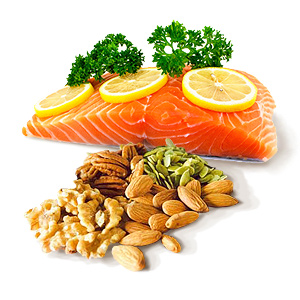
Picture of salmon and walnuts. Salmon and walnuts and rich in omega-3 fatty acids, which have been shown to form new brain synapses.

That’s why I take a uridine monophosphate supplement sublingually to support the long-term health of my brain. 

At the same time, I take a krill oil supplement and the Optimal Brain supplement, which includes CDP-Choline and Alpha GPC (two high-quality sources of choline). This ensures my brain is getting enough of omega-3 fatty acids and choline.

Several researchers have concluded that supplementing with all three nutrients can increase synaptic formation, increase brain synapses, and improve cognition, learning and memory, particularly in people with Alzheimer's disease (68-74). 

Besides supplementation, I still encourage people to eat foods that contain omega-3 fatty acids and choline. 

The best way to get omega-3 fatty acids from food is by eating more cold-water fish such as salmon, black cod, sablefish, sardines and herring. And the best food sources of choline include grass-fed beef liver and egg yolks. These foods are included in my Free Grocery Shopping Guide for Optimal Brain Health.

Taking uridine, choline and omega-3 fatty acids together can also promote the regeneration of myelin.


2. Low Level Laser Therapy

Low-level laser therapy (LLLT), or photobiomodulation, is a treatment that uses low-level (low-power) lasers or light-emitting diodes (LEDs) to stimulate brain cells, helping them function better.

Most doctors don't know about LLLT; but not every doctor.

Man wearing LLLT helmet and using the Vielight device. LLLT and Vielight devices can help form new synapses in the brain.

Dr. Norman Doidge, a physician who teaches at the University of Toronto here in Canada, discusses the amazing effects of LLLT in his book The Brain’s Way of Healing.

One way that LLLT may help the brain is by encouraging synaptogenesis (12-15). 

Researchers have found that LLLT treatment significantly stimulates the synthesis of synapsin-1 (a marker for synaptogenesis) and increases synaptogenesis in the cortex (16-17). 

I previously wrote about my experience with low-level laser therapy here.

I use this device and shine the red and infrared light on my forehead for 5 minutes every day. I also shine it on other parts of my head and on my entire body, including on my thyroid, thymus gland and gut. I experience incredible benefits from doing this.

When I’m travelling, I take this smaller and more convenient device with me and shine it on my forehead.

I’ve also been using the Vielight Neuro Duo, which is a transcranial-intranasal headset with 810 nm of near infrared light. It penetrates deeper into brain tissue and is absorbed better by the central nervous system. If you decide to try a Vielight device, you can use the coupon code JORDANFALLIS for a 10% discount

Before trying LLLT, I highly recommend reading my full article about it first.

LLLT can also support mitochondria function, reduce brain fog, and increase blood flow to the brain


3. Bacopa

Bacopa monniera is an adaptogenic herb with cognitive-enhancing effects.

Several studies show that it improves cognition, learning and memory by strengthening communications between brain cells. Both healthy and elderly people who take the herb experience improved attention, learning and memory (2-5). 

Researchers believe that these improvements are because bacopa increases brain synapses and increases specific neuromolecular mechanisms that encourage and enhance synaptogenesis (18). 

Click here to subscribe

4. Exercise

Exercise is one of the best ways to promote the formation of new synapses.

Researchers have repeatedly found that physical activity encourages synaptogenesis and increases brain synapses (32-33). 

Exercise also increases blood flow to the brain, promotes the regeneration of myelin, and can help reverse brain damage and cognitive decline

So not surprisingly, many brain health experts recommend exercise as their number one piece of advice for optimal brain health.

My usual advice is to find a sport or exercise routine that you enjoy, so that you’ll stick with it consistently.


5. Magnesium Threonate

Magnesium is a vital mineral that participates in more than 300 biochemical reactions in your body, including neurotransmitter and hormonal activity, which can have a huge effect on your brain function.

Researchers have found that increasing magnesium levels in the brain improves learning and memory by promoting synaptogenesis and increasing brain synapses (25-26). 

One study concluded that magnesium threonate increases the number of synaptic connections between brain cells and boosts the density of synapses (27). 

Magnesium rich foods, including spinach, avocados, bananas, almonds. Magnesium helps the brain form new synapses.

Unfortunately, lot of people are deficient in magnesium today (6-8).

But there are a number of ways you can make sure you’re consuming enough. 

First, make sure you’re eating magnesium-rich foods on a regular basis, including spinach, chard, pumpkin seeds, almonds, avocado, dark chocolate and bananas. These foods are included in my Free Grocery Shopping Guide for Optimal Brain Health.

Epsom salt baths are another great way to increase your body’s intake of magnesium. 

But I also recommend a high-quality magnesium supplement. 

Magnesium threonate is the best form of magnesium for increasing brain magnesium levels and forming new synapses. 

Since most people are deficient, magnesium is one of the three supplements that I think everyone should be taking.

Magnesium can also help repair a leaky blood-brain barrier.


6. Intermittent Fasting

Fasting allows your digestive system to take a break and triggers a number of hormones that boost your body’s ability to repair itself.

On most days, I don’t eat breakfast at all, and then "break my fast" by eating my first meal of the day around 2 or 3 p.m. That means I eat all my food for the day within an 8-hour window.

There are many health benefits to doing this.

It can improve mitochondrial function, reduce brain fog, and help protect you from dementia

And researchers have also found that fasting can trigger and enhance synaptogenesis (28-31). 

The best way to start fasting is simply by eating dinner around 6, not eating anything after that before bed, and then eating a regular breakfast the next day. That should give you about 12-14 hours of fasting time. 


7. Ginkgo Biloba

Ginkgo Biloba is a plant that has been used in China for thousands of years to treat a number of health problems. It’s one of the top-selling herbal supplements in the world, and it’s even a prescription herb in Germany.

It’s most commonly used to improve brain health because it’s been shown to increase brain blood flow and improve memory and attention in both healthy and unhealthy individuals. It even reduces the risk of dementia and Alzheimer’s disease and may also improve mood and mental energy (34).

Researchers have also discovered that it stimulates synaptogenesis and increases brain synapses (35). 

Ginkgo Biloba is included in the Optimal Brain supplement.

Click here to subscribe

8. Motor Learning

Motor learning is essentially when you learn something new that involves movement.

Complex processes occur in the brain in response to practicing or experiencing the new motor skill.

This results in changes to the central nervous system, which allows you to produce the movement again in the future.

Researchers have found that motor learning triggers synaptogenesis and generates new synapses in the cerebellar cortex of the brain (36-39). 

Some activities that involve motor learning include learning how to play the piano, climbing trees, juggling, and playing table tennis. 

When you engage in these activities, motor learning occurs, and you form new synapses in order to learn and solidify the new skill. 

I have personally used a number of different neuroplasticity exercises that involve motor learning to promote synaptogenesis in my own brain.


9. Resveratrol

Picture of grapes. Grapes are rich in resveratrol, an antioxidant than help you form new synapses in your brain.

Resveratrol is a beneficial antioxidant and anti-inflammatory compound found in grapes, red wine, raspberries and dark chocolate.

Resveratrol is known to help prevent the development of neurodegenerative diseases.

And researchers are starting to understand why.

Resveratrol can help restore the integrity of the blood-brain barrier, support your mitochondria, and increase blood flow to the brain.

But it can also increase synaptogenesis.

Research shows the resveratrol promotes and enhances synaptogenesis (23-24). 

Resveratrol is included in Optimal Energy.


10. Piracetam

Piracetam is a nootropic (cognitive-enhancing) supplement. It provides a mild boost to brain function and has a long history of being used to treat cognitive impairment in Europe, Asia and South America. 

According to researchers, one way it improves cognition is by enhancing synaptogenesis and increasing brain synapses (9-10). 

One study found that rats treated with piracetam had a higher number of synapses than rats not treated with piracetam (11). 

Phenylpiracetam is an advanced version of piracetam and I found it to be even more effective. It also has impressive anti-anxiety and antidepressant effects.

Both piracetam and phenylpiracetam work best if you take them with a source of choline, either CDP-Choline or Alpha GPC.

Both CDP-Choline and Alpha GPC are included in the Optimal Brain supplement


11. Quercetin

Quercetin is a bioflavonoid found in fruits and vegetables. It is one of the most widely consumed flavonoids in the human diet. 

Quercetin has potent antioxidant action and is “neuroactive”, meaning it can affect brain function. 

As a result, it can protect brain cells from oxidative stress and inhibit the pro-inflammatory molecules that are associated with many progressive brain disorders (45-46). 

Researchers have also found that it stimulates synaptogenesis (48). 

Red apples, onions and tomatoes have the high levels of quercetin. But you can also supplement with it if you want. 

It’s interesting to note that quercetin increases the absorption of resveratrol, so it’s a good idea to take them both together if you want to increase synaptogenesis and form new brain synapses (47). 

Click here to subscribe

12. Intranasal Insulin

Insulin is one of the hormones that significantly affects brain function.

It has a number of important functions in the central nervous system, and researchers have found that it passes the blood-brain barrier and acts on insulin receptors directly within the brain.

In a new therapeutic approach, commercially-available insulin (Novalin R) is prepared and added to nasal spray bottles, and sprayed and inhaled through the nose to support brain and mental health.

Intranasal insulin has been reported to significantly enhance learning and memory, increase mental energy, reduce brain fog, improve mood, and lower anxiety and stress levels.

One possible mechanism is by increasing synaptogenesis.

Brain insulin receptors are found primarily in synapses, and insulin signaling contributes to synaptogenesis (19-21). 

And the disruption of insulin action in the brain leads to impaired synaptogenesis (22). 

If you’re interested in learning more about intranasal insulin, I previously wrote a full article about it here.


13. Progesterone

Progesterone is a natural steroid and sex hormone involved in the menstrual cycle and pregnancy.

It has a variety of important functions in the body, and even plays an important role in brain function. 

Research shows that progesterone supports the normal development of brain cells and protects them from damage (40).

But many researchers have also found that progesterone promotes synaptogenesis (41-43). 

In addition to its role as a natural hormone, progesterone can be taken as a medication, usually by women during menopause as part of their hormone replacement therapy. 


14. Antioxidant Nutrients

Some nutrients have antioxidant effects in the body, and not consuming enough of them can reduce your rate of synaptogenesis. 

Research shows that “synaptic membrane synthesis” depends on sufficient dietary intake of Vitamin C, Vitamin E, and the mineral selenium (64). 

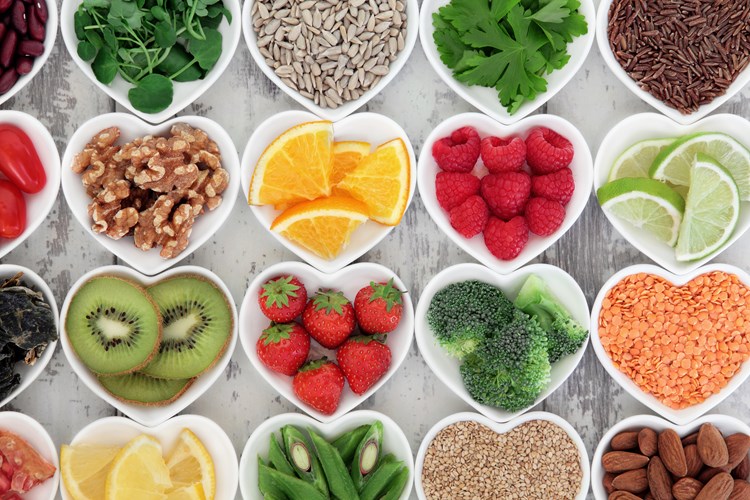
A bunch of antioxidant-rich fruits and vegetables in heart-shaped bowls. Antioxidants can helps the brain form new synaptic connections.

One study found that synaptogenesis was significantly enhanced by supplementing with omega-3 fatty acids, uridine, Vitamin C, Vitamin E, and selenium. But it wasn’t enhanced as much with omega-3 fatty acids and uridine alone, suggesting that Vitamin C, Vitamin E, and selenium play a key role in synaptogenesis (65). 

I get these antioxidant nutrients from a number of sources. 

In addition to getting Vitamin C from fruits and vegetables, I take at least 500 mg of supplemental Vitamin C every day. At one point, I was actually taking up to 10 grams of Vitamin C every day as an experiment, but that’s not necessary unless you find it really helps you.

For selenium, I make sure I eat brazil nuts regularly, as they are the richest source. But I also take some extra selenium in supplement form.

For Vitamin E, good food sources include almonds, spinach, sweet potatoes, avocados, olive oil, sunflower seeds and butternut squash. It’s also included in the Optimal Antiox supplement.

Besides increasing synaptogenesis, antioxidants can also protect your brain from alcohol and help reverse brain damage


15. BONUS: 4 Things to Avoid

It’s not just what you do, but also what you avoid that can impact your rate of synaptogenesis. 

Researchers have found that certain compounds can impair synaptogenesis and inhibit the formation of new synapses in the brain. 

So besides trying to implement the 14 steps above, you should also try to avoid:

  • Bisphenol A – This compound is found in plastic bottles and containers, food and beverage cans, and other common consumer products, such as CDs, DVDs and sales receipts. Researchers have found that it impairs synaptogenesis in the brain (49). That’s why I recommend you only eat and drink out of glass, ceramic and stainless steel. Avoid all canned food and plastic containers. BPA-free plastic isn’t much better for you and can still disrupt hormonal health.

  • Lead – Lead is a heavy metal that can accumulate in the body and negatively affect brain function. Research shows that lead exposure can interfere with the formation of brain synapses (55-59). So it’s definitely a good idea to reduce your exposure to sources of lead. One way is by using an infrared sauna regularly.

  • Gabapentin – Gabapentin is a medication used to treat epilepsy, neuropathic pain, hot flashes, and restless legs syndrome. Researchers have found that it halts the formation of new synapses (80).

  • StressChronic stress decreases synaptogenesis and decreases the number of synapse connections (88-89). Here are 20 ways to lower cortisol, your body’s main stress hormone. These two biofeedback devices are my favourite ways to reduce stress.


Enjoy This Article? You Might Also Like My FREE Food Guide for Optimal Brain and Mental Health!

Click here to subscribe

Live Optimally,

Jordan Fallis

Connect with me

References:

(1) https://www.ncbi.nlm.nih.gov/pmc/articles/PMC4011061/

(2) https://www.ncbi.nlm.nih.gov/pubmed/20590480

(3) https://www.ncbi.nlm.nih.gov/pubmed/18611150

(4) https://www.ncbi.nlm.nih.gov/pubmed/12093601

(5) https://www.ncbi.nlm.nih.gov/pubmed/18683852

(6) http://www.tandfonline.com/doi/abs/10.1080/00048670802534408

(7) http://www.ncbi.nlm.nih.gov/pubmed/10746516

(8) http://www.ncbi.nlm.nih.gov/pubmed/9861593

(9) https://www.ncbi.nlm.nih.gov/pubmed/17710536/

(10) https://www.ncbi.nlm.nih.gov/pmc/articles/PMC2944646/

(11) https://goo.gl/cq2MxB

(12) https://www.ncbi.nlm.nih.gov/pmc/articles/PMC5066074/

(13) https://www.ncbi.nlm.nih.gov/pubmed/29131369

(14) http://iopscience.iop.org/article/10.1088/2040-8986/19/1/013003/meta

(15) https://goo.gl/i6XxYc

(16) http://www.ncbi.nlm.nih.gov/pubmed/25196192

(17) https://www.ncbi.nlm.nih.gov/pmc/articles/PMC5379854/

(18) https://www.ncbi.nlm.nih.gov/pubmed/27692172

(19) https://www.ncbi.nlm.nih.gov/pmc/articles/PMC3260944/

(20) https://www.ncbi.nlm.nih.gov/pubmed/18549783/

(21) https://www.ncbi.nlm.nih.gov/pubmed/19026743/

(22) http://diabetes.diabetesjournals.org/content/63/7/2232

(23) https://www.ncbi.nlm.nih.gov/pubmed/28957797

(24) https://www.karger.com/Article/Abstract/481611

(25) https://www.ncbi.nlm.nih.gov/pmc/articles/PMC4172865/

(26) https://www.ncbi.nlm.nih.gov/pubmed/20152124/

(27) https://goo.gl/FE9Gsh

(28) https://www.ncbi.nlm.nih.gov/pubmed/22325203

(29) https://www.ncbi.nlm.nih.gov/pmc/articles/PMC3278709/

(30) http://www.intermittentfaster.com/intermittent-fasting-science/

(31) https://www.ncbi.nlm.nih.gov/pmc/articles/PMC2622429/

(32) https://www.ncbi.nlm.nih.gov/pmc/articles/PMC3865437/

(33) https://www.ncbi.nlm.nih.gov/pubmed/23973748

(34) https://www.ncbi.nlm.nih.gov/pmc/articles/PMC3679686/

(35) https://www.ncbi.nlm.nih.gov/pubmed/19661619

(36) http://www.pnas.org/content/87/14/5568

(37) http://www.ncbi.nlm.nih.gov/pmc/articles/PMC54366/

(38) http://www.ncbi.nlm.nih.gov/pubmed/11749086

(39) http://www.ncbi.nlm.nih.gov/pubmed/24304717

(40) https://www.ncbi.nlm.nih.gov/pubmed/10833057

(41) https://www.ncbi.nlm.nih.gov/pubmed/21308798

(42) https://www.ncbi.nlm.nih.gov/pubmed/11487645

(43) https://www.ncbi.nlm.nih.gov/pubmed/18308850

(44) http://online.liebertpub.com/doi/abs/10.1089/rej.2011.1170

(45) https://www.ncbi.nlm.nih.gov/pubmed/15319809

(46) https://www.karger.com/Article/Abstract/72357

(47) https://www.ncbi.nlm.nih.gov/pubmed/25669932

(48) https://www.ncbi.nlm.nih.gov/pubmed/19661619

(49) https://www.ncbi.nlm.nih.gov/pubmed/18048497

(50) https://en.wikipedia.org/wiki/Synaptogenesis

(51) https://goo.gl/a9KtYe

(52) https://www.sciencedirect.com/science/article/pii/S0005273603000245

(53) http://www2.cnrs.fr/en/201.htm

(54) https://goo.gl/m9eqHg

(55) https://goo.gl/BnJM77

(56) https://www.ncbi.nlm.nih.gov/pmc/articles/PMC4084981/

(57) https://www.ncbi.nlm.nih.gov/m/pubmed/21192972/

(58) https://www.ncbi.nlm.nih.gov/pmc/articles/PMC3049857/

(59) https://www.ncbi.nlm.nih.gov/pmc/articles/PMC3076195/

(60) https://en.wikipedia.org/wiki/Synaptogenesis

(61) https://www.sciencedirect.com/science/article/pii/S0005273603000245

(62) https://goo.gl/rzjaXo

(63) https://goo.gl/NRCtsz

(64) https://www.ncbi.nlm.nih.gov/pubmed/28598848

(65) https://www.ncbi.nlm.nih.gov/pmc/articles/PMC5502840/

(66) http://www.ncbi.nlm.nih.gov/pmc/articles/PMC4011061/

(67) https://www.ncbi.nlm.nih.gov/pubmed/16055952

(68) https://www.ncbi.nlm.nih.gov/pubmed/19400698

(69) https://www.ncbi.nlm.nih.gov/pubmed/16631143

(70) http://wurtmanlab.mit.edu/static/pdf/1051.pdf

(71) https://www.ncbi.nlm.nih.gov/pmc/articles/PMC4011061/

(72) https://www.frontiersin.org/articles/10.3389/fnins.2017.00440/full

(73) https://www.ncbi.nlm.nih.gov/pubmed/12399581

(74) https://www.ncbi.nlm.nih.gov/pubmed/16880353

(75) https://www.ncbi.nlm.nih.gov/pubmed/27597963

(76) https://goo.gl/7cH9oD

(77) https://www.ncbi.nlm.nih.gov/pubmed/19262950

(78) https://www.ncbi.nlm.

(79) https://www.ncbi.nlm.nih.gov/pubmedhealth/PMHT0024276/

(80) https://goo.gl/EmQRxy

(81) https://www.sciencedaily.com/releases/2013/10/131010205325.htm

(82) https://goo.gl/UoYf2D

(83) https://www.ncbi.nlm.nih.gov/pmc/articles/PMC3059649/

(84) https://www.ncbi.nlm.nih.gov/pmc/articles/PMC3405673/

(85) https://www.ncbi.nlm.nih.gov/pmc/articles/PMC5405628/

(86) https://www.ncbi.nlm.nih.gov/pmc/articles/PMC3491115/

(87) https://www.ncbi.nlm.nih.gov/pmc/articles/PMC4424898/

(88) https://www.ncbi.nlm.nih.gov/pmc/articles/PMC4432471/

(89) https://www.ncbi.nlm.nih.gov/pmc/articles/PMC3984887/

Terms and Conditions

Privacy Policy

Affiliate Disclosure

Disclaimer

How to Stimulate Your Vagus Nerve for Better Mental Health

By developing an understanding of the workings of your vagus nerve, you may find it possible to work with your nervous system rather than feel trapped when it works against you.
— Dr. Arielle Schwartz, Clinical Psychologist

Stimulation of my vagus nerve has played a key role in the management of my anxiety and mental health over the years. 

What exactly is the vagus nerve?

The vagus nerve is the longest cranial nerve in your body.

13 ways to stimulate your vagus nerve for better mental health

It connects your brain to many important organs throughout the body, including the gut (intestines, stomach), heart and lungs. 

In fact, the word "vagus" means “wanderer” in Latin, which accurately represents how the nerve wanders all over the body and reaches various organs.  

The vagus nerve is also a key part of your parasympathetic “rest and digest” nervous system. It influences your breathing, digestive function and heart rate, all of which can have a huge impact on your mental health.

But what you really need to pay special attention to is the "tone" of your vagus nerve.

Vagal tone is an internal biological process that represents the activity of the vagus nerve. 

Increasing your vagal tone activates the parasympathetic nervous system, and having higher vagal tone means that your body can relax faster after stress.

In 2010, researchers discovered a positive feedback loop between high vagal tone, positive emotions, and good physical health. In other words, the more you increase your vagal tone, the more your physical and mental health will improve, and vice versa (5).

It’s almost like yin and yang. The vagal response reduces stress. It reduces our heart rate and blood pressure. It changes the function of certain parts of the brain, stimulates digestion, all those things that happen when we are relaxed.
— Dr. Mladen Golubic, MD, Medical Director of the Cleveland Clinic
An image of the vagus nerve.

What’s interesting is that studies have even shown that vagal tone is passed on from mother to child. Mothers who are depressed, anxious and angry during their pregnancy have lower vagal activity. And once they give birth to their child, the newborn also has low vagal activity and low dopamine and serotonin levels (1-3). 

Your vagal tone can be measured by tracking certain biological processes such as your heart rate, your breathing rate, and your heart rate variability (HRV). 

When your heart rate variability (HRV) is high, your vagal tone is also high. They are correlated with each other (53-55). 

You can increase your HRV by using the EmWave2 device (and this article shares 24 other ways to increase your HRV).

Some researchers actually use the EmWave2 to measure vagal tone in their studies. 

If your vagal tone is low, don’t worry - you can take steps to increase it by stimulating your vagus nerve. This will allow you to more effectively respond to the emotional and physiological symptoms of your brain and mental illness.

Stimulating the vagus nerve and increasing vagal tone has been shown to help treat a wide variety of brain and mental health conditions, including:

For people with treatment-resistant depression, the FDA has even approved a surgically-implanted device that periodically stimulates the vagus nerve. And it works (6-9). 

But you don’t need to go down that route.

You can enjoy the benefits of vagus nerve stimulation naturally by following these 13 steps. 


1. Cold Exposure

Acute cold exposure has been shown to activate the vagus nerve and activate cholinergic neurons through vagus nerve pathways (10). 

Image of an old-fashioned, muscular, manly man. It says “Have a cold shower? You mean a shower?”

Researchers have also found that exposing yourself to cold on a regular basis can lower your sympathetic “fight or flight” response and increase parasympathetic activity through the vagus nerve (11).

I often take cold showers and go outside in cold temperatures with minimal clothing.

Try finishing your next shower with at least 30 seconds of cold water and see how you feel. Then work your way up to longer periods of time.

It's painful to do, but the lingering effects are worth it.

You can also ease yourself into it by simply sticking your face in ice cold water. 


2. Deep and Slow Breathing

Deep and slow breathing is another way to stimulate your vagus nerve. 

A woman closing here eyes and breathing deeply near the ocean. Deep breathing stimulates the vagus nerve.

It’s been shown to reduce anxiety and increase the parasympathetic system by activating the vagus nerve (51-52). 

Most people take about 10 to 14 breaths each minute. Taking about 6 breaths over the course of a minute is a great way to relieve stress. You should breathe in deeply from your diaphragm. When you do this, your stomach should expand outward. Your exhale should be long and slow. This is key to stimulating the vagus nerve and reaching a state of relaxation. 

The best way to know if you’re on the right track is by using the EmWave2 device. It’s a biofeedback device that assists you in pacing your breathing. I previously wrote about the benefits of using the device here. You can get it through the HeartMath website


3. Singing, Humming, Chanting and Gargling

The vagus nerve is connected to your vocal cords and the muscles at the back of your throat. 

Singing, humming, chanting and gargling can activate these muscles and stimulate your vagus nerve.

And this has been shown to increase heart-rate variability and vagal tone (12).

I often gargle water before swallowing it. This is discussed more in Dr. Datis Kharrazian’s book, Why Isn’t My Brain Working?

Click here to subscribe

4. Acupuncture

Acupuncture is another alternative treatment that has been shown to stimulate the vagus nerve (46). 

A woman’s ear with three acupuncture needles in it. Auricular acupuncture is very effective at stimulating the vagus nerve.

I’m a really big fan of auricular acupuncture. Auricular acupuncture is when needles are inserted into ear. I’d recommend trying to find a health practitioner in your area who provides it, especially if you’re weening off psychiatric medication. It really helped me the first time I came off antidepressants. I was surprised.

Research shows that ear acupuncture stimulates the vagus nerve, increases vagal activity and vagal tone, and can help treat “neurodegenerative diseases via vagal regulation” (45). 

In my experience, ear acupuncture is more effective than regular acupuncture. I’m not sure why. I’ve just personally noticed more benefits from ear acupuncture. 

At the end of each appointment, my practitioner would secure small black seeds on my ear. 

I also use an acupuncture mat at home to relax before bed. 


5. Yoga and Tai Chi

Yoga and tai chi are two “mind-body” relaxation techniques that work by stimulating the vagus nerve and increasing the activity of your parasympathetic “rest and digest” nervous system.

A woman practicing yoga or tai chi outside. Yoga and tai chi stimulate the vagus nerve and can improve your mental health.

Studies have shown that yoga increases GABA, a calming neurotransmitter in your brain. Researchers believe it does this by “stimulating vagal afferents”, which increase activity in the parasympathetic nervous system (13-18). 

Researchers have also found that yoga stimulates the vagus nerve and therefore should be practiced by people who struggle with depression and anxiety (19). 

Despite all the great research, I’m personally not a big fan of yoga. A lot of people swear by it but it’s just not for me. I prefer tai chi. 

Tai chi has also been shown to increase heart rate variability, and researchers think this means it can “enhance vagal modulation” (20).


6. Probiotics

It’s becoming increasingly clear to researchers that gut bacteria improve brain function by affecting the vagus nerve (27).  

Bacteria. Probiotic bacteria can stimulate your vagus nerve and improve your mental health.

In one study, animals were given the probiotic Lactobacillus Rhamnosus, and researchers found positive changes to the GABA receptors in their brain, a reduction in stress hormones, and less depression and anxiety-like behaviour. 

The researchers also concluded that these beneficial changes between the gut and the brain were facilitated by the vagus nerve. When the vagus nerve was removed in other mice, the addition of Lactobacillus Rhamnosus to their digestive systems failed to reduce anxiety, stress, and improve mood (25). 

Another study found that the probiotic Bifidobacterium Longum normalized anxiety-like behavior in mice by acting through the vagus nerve (26). 

Both Lactobacillus Rhamnosus and Bifidobacterium Longum are included in the Optimal Biotics supplement

I previously wrote about some other ways you can increase the good bacteria in your gut. You can read about that here.

And here are 7 other probiotic strains that can help treat anxiety. 


7. Meditation and Neurofeedback

Meditation is my favourite relaxation technique and it can stimulate the vagus nerve and increase vagal tone.        

Research shows that meditation increases vagal tone and positive emotions, and promotes feelings of goodwill towards yourself (22, 23). 

Another study found that meditation reduces sympathetic “fight or flight” activity and increases vagal modulation (21). 

“OM” chanting, which is often done during meditation, has also been shown to stimulate the vagus nerve (24). 

I couldn’t find any research demonstrating this, but in my experience, neurofeedback significantly increased my heart-rate variability and vagal tone as measured by my EmWave2

Now that I’m done neurofeedback, I use the Muse headband to meditate. Similar to neurofeedback, it gives you real-time feedback on your brainwaves. I previously wrote about it here, and you can get it through the Muse website.

Please note: If you’re interested in trying neurofeedback, I recommend becoming a client and working with us to determine the best type of neurofeedback for you and your condition. I have found that some types of neurofeedback are completely ineffective and may even be harmful. So it’s very important to do the right type of neurofeedback that actually works. It’s also critical to work with a qualified neurofeedback practitioner who knows what they are doing. Otherwise, you can get worse. We help our clients find a qualified practitioner in their area.


8. Omega-3 Fatty Acids

Omega-3 fatty acids are essential fats that your body cannot produce itself. They are found primarily in fish and are necessary for the normal electrical functioning of your brain and nervous system.

Two pieces of uncooked salmon. Salmon contains omega-3 fatty acids, which have been shown to stimulate the vagus nerve.

They often appear in most of my posts because they are so critical for brain and mental health and affect so many aspects of wellness. 

They’ve been shown to help people overcome addiction, repair a “leaky brain”, and even help reverse cognitive decline.

But researchers have also discovered that omega-3 fatty acids increase vagal tone and vagal activity (35-37, 40). 

Studies shown that they reduce heart rate and increase heart rate variability, which means they likely stimulate the vagus nerve (34, 38, 39). 

And high fish consumption is also associated with “enhanced vagal activity and parasympathetic predominance” (35). 

That's why I eat lots of wild-caught salmon, as well as supplement with krill oil. 


9. Exercise

I’ve already discussed how exercise increases your brain’s growth hormone, supports your brain’s mitochondria, and helps reverse cognitive decline.

But it’s also been shown to stimulate the vagus nerve, which may explain its beneficial brain and mental health effects (28). 

A man running near the water. Exercise stimulates the vagus nerve.

Many brain health experts recommend exercise as their number one piece of advice for optimal brain health. 

This is my exercise routine:

  • Lift heavy weights 1-4 times per week

  • High-intensity interval sprinting 1-2 times per week

  • Walk as much as I can (ideally 30-60 minutes every day)

Walking, weightlifting and sprinting are the best forms of exercise, but you should choose a sport or exercise routine that you enjoy, so that you’ll stick with it consistently. 

Click here to subscribe

10. Zinc

As I’ve discussed before, zinc is an essential mineral for mental health, especially if you struggle with chronic anxiety

One study shows that zinc increases vagus nerve stimulation in zinc-deficient rats (41). 

It’s estimated that 2 billion people in the world are deficient in zinc, and six different studies show that subclinical deficiency of zinc impairs brain function in children and adults (42-44).

Oysters contain zinc, which has been shown to stimulate the vagus nerve.

So, if you struggle with a brain or mental health disorder, it’s quite possible that you’re deficient.  

Some of the best food sources of zinc include oysters, grass-fed beef, pumpkin seeds, cashews, mushrooms and spinach. These foods are included in my Free Grocery Shopping Guide for Optimal Brain and Mental Health.

However, I still recommend at least short-term supplementation to ensure you get enough.

I created and take the Optimal Zinc supplement to make sure my zinc levels are optimal. 

Check out my previous post about zinc and copper if you’re interested in discovering more steps you can take to increase your zinc levels. 


11. Massage

Research shows that massages can stimulate the vagus nerve, and increase vagal activity and vagal tone (31-32). 

A woman getting a massage. Massages improve your mental health by stimulating the vagus nerve.

The vagus nerve can also be stimulated by massaging several specific areas of the body.

Foot massages (reflexology) have been shown to increase vagal modulation and heart rate variability, and decrease the “fight or flight” sympathetic response (29). 

Massaging the carotid sinus, an area located near the right side of your throat, can also stimulate the vagus nerve to reduce seizures (30). 

I personally get a massage from a registered massage therapist every couple of months. 


12. Socializing and Laughing

I’ve already discussed how socializing and laughing can reduce your body’s main stress hormone.

Two men laughing. Laughter and socializing stimulates the vagus nerve.

And now I’ve learned that they are likely doing this by stimulating the vagus nerve. 

Researchers have discovered that reflecting on positive social connections improves vagal tone and increases positive emotions (47, 48). 

Laughter has been shown to increase heart-rate variability and improve mood (49). 

And vagus nerve stimulation often leads to laughter as a side effect, suggesting that they are connected and influence one another (50). 

So my advice is to hang out and laugh with your friends as much as possible. Although I should probably be taking my own advice here, as I’m an introvert and often avoid socializing too much. 


13. Intermittent Fasting

On most days, I don’t eat breakfast at all, and then "break my fast" by eating my first meal of the day around 2 or 3 p.m. That means I eat all my food for the day within an 8-hour window.

An empty plate with a fork and knife beside it. Intermittent fasting stimulates the vagus nerve.

There are many health benefits to doing this. As I’ve discussed before, intermittent fasting can boost your brain’s growth hormone, improve mitochondrial function, and may help some people overcome brain fog and cognitive decline

Research also shows that fasting and caloric restriction increase heart rate variability, which is an indicator that it increases parasympathetic activity and vagal tone (33). 

The best way to start fasting is simply by eating dinner around 6, not eating anything after that before bed, and then eating a regular breakfast the next day. That should give you about 12-14 hours of fasting time. 


Conclusion

You don’t have to be controlled by your body and mind. You have the power to tell them what to do. 

By stimulating the vagus nerve, you can send a message to you body that it’s time to relax and de-stress, which leads to long-term improvements in mood, wellbeing and resilience. 

Increasing my vagal tone has allowed me to overcome anxiety and depression, and better manage them when they arise.

Overall, I hope you implement some of the above steps into your daily life, and they allow you to live more optimally.

 
Click here to subscribe

Live Optimally,

Jordan Fallis

Connect with me

References:

(1) https://www.ncbi.nlm.nih.gov/pubmed/12768648

(2) https://www.https://www.ncbi.nlm.nih.gov/pubmed/12521495/.nlm.nih.gov/pubmed/12521495/

(3) https://www.ncbi.nlm.nih.gov/pmc/articles/PMC2556849

(4) https://www.ncbi.nlm.nih.gov/pmc/articles/PMC3705176/

(5) http://pss.sagepub.com/content/early/2013/05/06/0956797612470827.abstract

(6) http://www.webmd.com/depression/vagus-nerve-stimulation#1

(7) https://www.ncbi.nlm.nih.gov/pmc/articles/PMC2990624/

(8) https://www.sciencedaily.com/releases/2016/02/160204111728.htm

(9) https://www.elsevier.com/about/press-releases/research-and-journals/new-non-invasive-form-of-vagus-nerve-stimulation-works-to-treat-depression

(10) https://www.ncbi.nlm.nih.gov/pubmed/11447037

(11) https://www.ncbi.nlm.nih.gov/pubmed/18785356

(12) https://www.ncbi.nlm.nih.gov/pmc/articles/PMC3705176/

(13) https://www.ncbi.nlm.nih.gov/pmc/articles/PMC3111147/

(14) https://www.ncbi.nlm.nih.gov/pubmed/12568274

(15) https://www.ncbi.nlm.nih.gov/pubmed/12090812

(16) https://www.ncbi.nlm.nih.gov/pmc/articles/PMC2176143/

(17) https://www.ncbi.nlm.nih.gov/pubmed/16641939

(18) https://www.ncbi.nlm.nih.gov/pubmed/15750381

(19) http://www.bu.edu/news/2012/03/07/researchers-find-yoga-helps-ease-stress-related-medical-and-psychological-conditions/

(20) https://www.ncbi.nlm.nih.gov/pubmed/18991518

(21) https://www.ncbi.nlm.nih.gov/pmc/articles/PMC3546358/

(22) http://healthland.time.com/2013/05/09/why-kindness-can-make-us-happier-healthier/?iid=hl-main-lead

(23) https://www.ncbi.nlm.nih.gov/pubmed/23649562

(24) https://www.ncbi.nlm.nih.gov/pmc/articles/PMC3099099/

(25) http://www.ncbi.nlm.nih.gov/pubmed/21876150

(26) https://www.ncbi.nlm.nih.gov/pmc/articles/PMC3413724/

(27) https://www.ncbi.nlm.nih.gov/pmc/articles/PMC4367209/

(28) http://www.ncbi.nlm.nih.gov/pubmed/20948179

(29) https://www.ncbi.nlm.nih.gov/pubmed/22314629

(30) http://www.ncbi.nlm.nih.gov/pubmed/23962632

(31) https://www.ncbi.nlm.nih.gov/pmc/articles/PMC3133856/

(32) https://www.ncbi.nlm.nih.gov/pmc/articles/PMC2844909/

(33) http://www.ncbi.nlm.nih.gov/pubmed/16581971

(34) https://www.ncbi.nlm.nih.gov/pubmed/17326331

(35) https://www.ncbi.nlm.nih.gov/pmc/articles/PMC3217222/

(36) https://www.ncbi.nlm.nih.gov/pubmed/16616012/

(37) https://www.ncbi.nlm.nih.gov/pubmed/18461305

(38) https://www.ncbi.nlm.nih.gov/pmc/articles/PMC3483717/

(39) https://www.ncbi.nlm.nih.gov/pubmed/17134636

(40) https://www.ncbi.nlm.nih.gov/pmc/articles/PMC3653417/

(41) http://www.ncbi.nlm.nih.gov/pubmed/19158231

(42) http://www.ncbi.nlm.nih.gov/pubmed/22664333

(43) http://www.ncbi.nlm.nih.gov/pubmed/21939673

(44) http://www.ncbi.nlm.nih.gov/pubmed/22673824

(45) https://www.hindawi.com/journals/ecam/2012/786839/

(46) https://www.ncbi.nlm.nih.gov/pubmed/24359451

(47) https://www.ncbi.nlm.nih.gov/pubmed/23649562

(48) http://journals.sagepub.com/doi/abs/10.1177/0956797612470827

(49) https://www.ncbi.nlm.nih.gov/pubmed/22894892

(50) http://www.ncbi.nlm.nih.gov/pubmed/12959437

(51) http://www.npr.org/2010/12/06/131734718/just-breathe-body-has-a-built-in-stress-reliever

(52) https://www.hindawi.com/journals/ecam/2013/743504/

(53) http://circ.ahajournals.org/content/118/8/863.long

(54) https://en.wikipedia.org/wiki/Heart_rate_variability

(55) https://en.wikipedia.org/wiki/Vagal_tone

Terms and Conditions

Privacy Policy

Affiliate Disclosure

Disclaimer

31 Powerful Ways to Induce Autophagy in the Brain

Autophagy is an absolutely essential biological process that plays a key role in the normal functioning and survival of your brain cells.

The word autophagy is derived from the Greek words auto and phagein.

Auto translates to “self”.

And phagein translates to “devouring”.

So autophagy essentially means “self-devouring”, or “to eat oneself”.  

That may sound scary and something that you would want to avoid…

But it’s actually something you want to embrace and induce yourself.

Because autophagy is a self-cleaning mechanism within our cells, which helps your brain detoxify, repair and regenerate itself.

It destroys the old, damaged, and malfunctioning components of your cells – and rebuilds new and healthier ones instead!

It’s sort of like spring cleaning or replacing old parts of your car.

By inducing autophagy, we are clearing out worn-out and faulty cellular parts within our brain cells.

Our brain cells need to last a lifetime, so autophagy is our body’s unique way of naturally rejuvenating them and defending them from disease.

Autophagy.

How Does Autophagy Affect Your Brain and Mental Health?

What we’ve discovered is that autophagy protects against neurodegenerative diseases like Parkinson’s, Huntington’s and certain forms of dementia. If you switch on autophagy, you remove proteins rapidly, as well as protect against excessive inflammation. By learning how to influence this process, we are able to affect the progression of these diseases.
— Dr. David Rubinsztein, professor of molecular neurogenetics at the University of Cambridge and UK Dementia Research Institute

Research shows that autophagy supports the central nervous system, improves brain function and reduces neurological cellular breakdown (136-138).

And studies suggest that autophagy is a built-in defense mechanism that detoxifies and clears the central nervous system (139).

But the autophagy process becomes less efficient as we get older.

And over time, our brain cells accumulate a variety of damaged organelles, abnormal and pathogenic proteins, and oxidized particles (141-142).

This clogs up the brain, accelerates cognitive aging, and even contributes to the development of dementia (140).

But autophagy doesn’t just decline in older individuals.

Even younger people with depression and schizophrenia have been shown to have deficiencies in autophagy pathways (162-163).

In fact, researchers have found a link between autophagy dysfunction and many neurodegenerative, neurodevelopmental and neuropsychiatric disorders, including (143-161):

  • Alzheimer’s disease

  • Parkinson’s disease

  • Huntington’s disease

  • Schizophrenia

  • Depression

  • Bipolar disorder

  • Frontotemporal dementia

  • Amyotrophic Lateral Sclerosis

  • Autism spectrum disorders

  • Fragile X syndrome

  • Mood disorders

  • Psychotic symptoms

  • Behavioural change

The good news is that you can do something about this.

You have the power to activate autophagy.

There are several reliable and natural ways to increase it.

And by doing so, you can reduce neuroinflammation, protect the nervous system, improve cognitive function, encourage the growth of brain cells, and even fight depression and Alzheimer’s disease (164-174).

Read on to learn more about how you can induce autophagy.  


The Best Lifestyle Habits and Therapies That Induce Autophagy in the Brain

1. Exercise

Exercise is one of the best ways to boost autophagy in the brain.

Researchers have found that aerobic exercise induces neuronal autophagy (1).

They believe the reason why exercise improves cognitive function is perhaps because it increases autophagy in the brain (2).

Exercise is a stressor on the body, and the body induces autophagy so that your cells can recover from the stress. All it takes is 30 minutes of aerobic exercise to activate autophagy in the brain (3).

As a result, exercise increases neurogenesis and reduces neurodegeneration.

Many doctors and researchers recommend exercise as their number one piece of advice for optimal brain health.

You should find a sport or aerobic exercise routine that you enjoy, so that you’ll stick with it consistently.


2. Intermittent Fasting

One of the major benefits of fasting is a dramatic increase in autophagy, followed by a massive boost in stem cell production.
— Dr. Rhonda Patrick, PhD

Fasting is another biological stressor that promotes autophagy.

When you’re fasting, your body isn’t receiving nutrients, so it stresses out and triggers autophagy.

Researchers have found that fasting activates “profound autophagy” in the brain (24-26).

As a result, it can help treat neurological conditions and lowers the risk of cognitive decline and neurodegenerative diseases such as Alzheimer’s disease and Parkinson’s disease (27-28).

So how long do you have to fast to trigger autophagy in the brain?

Research suggests 24 to 48-hour fasts are ideal and have the strongest effects (29).

But long fasts are not very realistic and practical.

Luckily, even shorter fasts have been shown to significantly promote neuronal autophagy (30-31).

That’s why I personally eat all my food for the day within an 8-hour window, and then fast for the other 16 hours of the day.

You don’t need to go that long, but you should try to fast for at least 12 hours at a time.

The best way to get started is simply by eating dinner around 6, not eating anything after that before bed, and then eating a regular breakfast the next day.

That should give you about 12-14 hours of fasting time.

Click here to subscribe

3. A Ketogenic Diet

Ketogenesis is like an autophagy hack. You get a lot of the same metabolic changes and benefits of fasting without actually fasting.
— Dr. Colin Champ, MD

A ketogenic diet is a very high-fat, low-carb diet.

To follow the diet, you need to get most of your calories from healthy fats, and no more than 10 percent of calories from carbs (less than 50 grams of carbs per day).

When you restrict carbohydrate-rich foods – such as grains, sugar, and even potatoes, legumes and fruit – your body enters “ketosis”, a metabolic state in which your body and brain run on fatty acids and “ketones” instead of glucose.

And this be very beneficial and increase autophagy in the brain.

Researchers have found that ketosis is neuroprotective and reduces neurodegeneration by promoting autophagy in the brain (4-6).

Autophagy reduces amyloid beta, the main component of amyloid plaques found in the brains of patients with Alzheimer's disease (8-9).

An animal study also shows that ketosis reduces brain injury (during and after seizures) by activating autophagy (10).

I follow a ketogenic diet every so often.

Some of the best foods to eat if you follow a ketogenic diet include coconut oil, olive oil, pastured eggs, ghee, grass-fed meat, avocado, nuts and seeds.

These foods are included in my Free Grocery Shopping Guide for Optimal Brain Health.

Research also shows that the ketone bodies stimulates autophagy (7).


4. Circadian Rhythm, Melatonin and Deep Sleep

A baby sleeping. Sleep induces autophagy in the brain.

Getting enough high-quality sleep is very important if you want to increase autophagy.

I used to have very poor sleep and it was one of the main factors that contributed to my poor cognitive function.

Research shows that not getting enough sleep, and waking up intermittently throughout the night, negatively alters autophagy in the brain (11-12).

So it’s the length and quality of your sleep that matters.

That’s why I highly recommend getting at least 7 hours of uninterrupted sleep every night.

What can you do to improve your sleep?

  • Maintain a proper circadian rhythm

  • Promote the production and release of melatonin at night

Researchers have found that our circadian rhythm (sleep-wake cycle) controls autophagy and plays a role in cognitive decline (13-14).

Melatonin is a hormone released by your pineal gland, a small gland in your brain.

It helps control your circadian rhythm, and adequate levels of melatonin are necessary to fall asleep quickly and sleep deeply throughout the night.

Melatonin has been shown to induce autophagy in the brain, and it reduces the risk of developing neuropsychiatric disorders (66-68).

Even mild changes in our external environment (i.e. blue lighting at night) can affect our circadian rhythm and reduce melatonin production, negatively altering autophagy and our cognition the next day (13-14).

This sleep supplement contains natural compounds that I’ve used over the years to promote the production of melatonin.

But I work with my clients so that they can naturally produce more melatonin and maximize the quality of their sleep without so many supplements. We have free online workshop that talks about how you can work with us. You can register for the workshop here.


5. Hot and Cold Exposure

Exposing yourself to both hot and cold temperatures can stress your cells and promote autophagy.

Several researchers have found that “heat stress” triggers autophagy and stimulates the autophagic process (15-18).

Autophagy and the heat-shock response are also tightly linked (19-20).

Researchers have found that cold exposure induces neuronal autophagy, and they believe it can reduce the risk of neurodegenerative diseases (21-22).

Research also shows that switching back and forth between cold and hot can induce autophagy (23).

So how does this translate into every day life?

Try switching back and forth between hot and cold in the shower.

Or spend time in a sauna or steam room, and then take a cold shower.

I personally like to go outside with minimal clothing in the winter, and then eventually come back inside and take a hot shower.

Cold plunges, cold baths and cryotherapy are some other ways to expose yourself to cold.

Click here to subscribe

6. Hyperbaric Oxygen Therapy

Hyperbaric oxygen therapy (HBOT) is a treatment that enhances healing and recovery after injury to the central nervous system.

Patients inhale 100% oxygen in a total body chamber.

Usually, oxygen is transported throughout the body only by red blood cells. But with HBOT, oxygen is dissolved into all body fluids, including the fluids of the central nervous system.

This leads to oxygen being carried to areas of the body where circulation is diminished or blocked. As a result, extra oxygen can reach all damaged tissues, including areas that need to heal.

Several studies have shown that HBOT elevates and enhances autophagy in the central nervous system (41-44).

You’ll need to find a practitioner or clinic in your area that provides this treatment.


7. Acupuncture

Acupuncture is an alternative treatment that has been shown to induce autophagy in the brain (69).

One study found that acupuncture improved learning and memory, and protected brain cells, by upregulating the autophagy pathway (70).

Another found that acupuncture promoted the “autophagic clearance” of proteins from the brain that contribute to Parkinson’s disease (71).

I’m a really big fan of auricular acupuncture. Auricular acupuncture is when needles are inserted into ear. I’d recommend trying to find a health practitioner in your area who provides it, especially if you’re weening off psychiatric medication. It really helped me the first time I came off antidepressants. I was surprised.

In my experience, ear acupuncture is more effective than regular acupuncture.

I also lie on an acupuncture mat at home to relax before bed.


The Best Foods That Induce Autophagy in the Brain

8. Coffee and Caffeine

A cup of coffee on a plate with a spoon. Coffee induces autophagy in the brain.

Drinking coffee is another great way to induce autophagy in the brain.

Researchers have found that both regular and decaffeinated coffee rapidly trigger autophagy (32).

The polyphenols in coffee are also good for your brain health because they stimulate autophagy (32).

And other studies show that caffeine protects brain cells and lowers the risk of developing neurodegenerative diseases by inducing autophagy in the brain (33-35).

I drink one cup of high-quality coffee every morning.

Coffee and caffeine can disrupt sleep though, so make sure you don’t drink it later in the day. I have my last cup sometime between 10 in the morning and noon. If I have it any later than that, it disrupts my sleep.

It’s also a good idea to try to consume the whole coffee fruit, instead of just the coffee bean or pure caffeine.

Traditionally, the coffee bean is extracted from the coffee fruit for roasting. And the surrounding fruit is discarded.

But that’s a problem because the coffee fruit contains several healthy compounds not found in coffee beans themselves.

And after years of careful clinical research, scientists have discovered that ingesting whole coffee fruit concentrate significantly increases brain function.

Coffee fruit concentrate is included in the Optimal Brain supplement.


9. Green Tea

Epigallocatechin-3-Gallate (EGCG) is the main polyphenol found in green tea.

It’s been shown to have anti-inflammatory and neuroprotective effects.

Researchers have found that EGCG stimulates autophagy in the brain, protects against brain cell toxicity and may help treat neurodegenerative disorders (36-38, 40).

It also improves learning and memory after chronic stress by restoring autophagic flux in the brain (39).

I personally drink organic green tea regularly, usually in place of coffee on days when I’m relaxing.

I also take Optimal Antiox, a supplement that includes green tea extract and EGCG.

Click here to subscribe

10. Coconut Oil and Medium Chain Triglycerides (MCTs)

Coconut oil is one of the best foods for your brain.

It’s especially important if you want to support your thyroid.

But it can also stimulate autophagy in the brain by increasing ketone levels (45-46).

I eat one or two tablespoons of coconut oil almost every day now to boost ketones and induce autophagy in my brain.

The medium-chain triglycerides (MCTs) within coconut oil are responsible for the ketone-increasing effects of coconut oil. 

If you don’t like coconut oil, you can supplement with pure MCT oil instead.


11. Ginger

Ginger is one of the healthiest spices.

It contains lots of nutrients and bioactive compounds that have powerful, protective benefits for your brain (47-49).

6-shagol, one of the active compounds within ginger, induces autophagy (50-55).


12. Reishi Mushroom

Reishi mushroom (Ganoderma lucidum) is a powerful fungus with hundreds of bioactive compounds.

It has been used for thousands of years by Chinese medicine practitioners to support the immune system, regulate inflammation, lower anxiety and support brain function.

Research shows that reishi mushroom can induce autophagy (56).

It also protects the brain from oxidative stress by regulating autophagy (57-58).

I’ve supplemented with a reishi mushroom tincture in the past to support my immune system.


13. Turmeric (Curcumin)

Curcumin is the most heavily researched compound within turmeric, the spice that gives curry its yellow colour.

It’s one of my favourite natural compounds for the brain.

One reason is because it protects brain cells from damage by activating autophagy (59-61).

Curcumin is included in the Optimal Energy supplement.

Click here to subscribe

14. Broccoli Sprouts (Sulforaphane)

Sulforaphane is a phytochemical found in cruciferous vegetables such as broccoli, Brussels sprouts, cabbage, cauliflower and kale.

It has potent antioxidant and anti-inflammatory actions, similar to curcumin.

Studies have shown that sulforaphane increases autophagy within brain cells (62-63).

As a result, researchers believe it can be a therapeutic tool in the treatment of neurodegenerative diseases (63).

Broccoli sprouts are the best source of sulforaphane.

You can also take sulforaphane in supplement form.

If you decide to take it in supplement form, make sure you get the "myrosinase-activated" form.

Myrosinase is the enzyme in broccoli that helps metabolize sulforaphane.

I once bought a supplement that didn't contain myrosinase and had to return it, and then ended up buying another one instead.


15. Galangal

Galangal is a spice.

It’s known as “Thai ginger” or “Siamese ginger” because it looks very similar to ginger.

But it’s actually a different spice altogether.

It's commonly found in Thai, Indonesian, and Malaysian cooking.

Galangin, a compound within galangal, has been shown to induce autophagy and protect dopaminergic neurons in the brain (64-65).


16. Extra Virgin Olive Oil (Oleuropein)

Olive oil on a picnic table. The antioxidants in olive oil can induce autophagy in the brain.

Olive oil has numerous health benefits, particularly because of its strong anti-inflammatory effects.

Oleuropein, a polyphenol found in olive oil, has been shown to induce autophagy and reduce cognitive impairment (92).

As a result, researchers propose that a diet with extra virgin olive oil might have potential benefits for Alzheimer’s patients because of its induction of autophagy (72).

I add olive oil to my salads and sometimes even just take a tablespoon of it straight.

Be careful though. A lot of cheap extra virgin olive oil in grocery stores are not actually “extra virgin.”

Investigations have found that there is a lot of fraud within the olive oil industry and many so-called extra virgin olive oils contains other cheaper, refined vegetable oils, such as soybean, corn and canola.

This is discussed more in the book Extra Virginity: The Sublime and Scandalous World of Olive Oil.

You don’t just have to eat olive oil to get the benefits of oleuropein though.

Oleuropein can also be found in olive leaf extract and argon oil.


17. Berries

Blueberries, strawberries, acai berries are included in my Free Grocery Shopping Guide for Optimal Brain.

And for good reason.

All three berries have been shown to significantly activate autophagy in the brain (74-74).

The polyphenols within them also protect brain cells from oxidative stress and inflammation and improve cognitive function.

I try to eat one cup of berries every day to support my brain health.

Click here to subscribe

18. Omega-3 Fatty Acids

Omega-3 fatty acids are essential fats that your body cannot produce itself, and they are absolutely necessary for the normal functioning of your brain and nervous system.

They have been shown in many studies to significantly reduce brain inflammation; improve memory, mood and cognition; and protect against mild cognitive impairment, dementia and Alzheimer's disease.

Researchers have also demonstrated that omega-3 fatty acids can increase BDNF signaling and enhance autophagy in the brain (108-112).

So increasing your intake of them is one of the most impactful actions you can take to support your brain.

Omega-3 fatty acids are found primarily in cold water fish, including:

  • Salmon

  • Black cod

  • Sablefish

  • Sardines

  • Herring

These foods are included in my Free Grocery Shopping Guide for Optimal Brain Health.

Unfortunately, most people don't consume enough omega-3 fatty acids through their diet.

That’s why I recommend supplementing with krill oil, a special kind of fish oil that contains the essential omega-3 fatty acids.

Some researchers believe that the beneficial effects of supplementing with omega-3 fatty acids may simply be due to their ability to activate autophagy (107).


The Best Natural Supplements That Induce Autophagy in the Brain

19. Probiotics

Research suggests that certain probiotics can stimulate autophagy in the brain.

In one study, researchers gave the SLAB51 probiotic formulation to mice, and it partially restored autophagy in the brains of the mice (75).

The researchers also found that the SLAB51 probiotic reduced brain damage and decreased cognitive decline in the mice (75).

I tried to find the SLAB51 probiotic formulation online, but it doesn’t appear to be commercially available yet.

I personally take the Optimal Biotics supplement every day to support my gut and brain health.

I also like to drink kombucha and eat fermented foods regularly.

Check out this older article for several other ways to increase your good gut bacteria.

And if you struggle with anxiety, here are 9 probiotic strains that can help.


20. American Ginseng

American ginseng (Panax quinquefolius) is a powerful herb that enhances brain function.

Researchers have found that it induces autophagy, which then protects the brain from neurotoxicity and reduces mitochondrial dysfunction (76-78).

Because of this, researchers believe it can help treat neurodegenerative disorders (77, 79).


21. Ginkgo Biloba

Ginkgo Biloba is a plant that has been used in China for thousands of years to treat a number of health problems.

It’s one of the top-selling natural supplements in the world, and it’s even a prescription herb in Germany.

It’s most commonly used to improve brain health because it increases brain blood flow and improves memory, mood, mental energy and attention in both healthy and unhealthy individuals. It even reduces the risk of dementia and Alzheimer’s disease.

Researchers have also discovered it helps treat dementia and Alzheimer’s disease by activating and increasing autophagy in the brain (80-82).

Ginkgo Biloba is included in the Optimal Brain supplement.

Click here to subscribe

22. Acetyl-L-Carnitine

Acetyl-L-carnitine (ALCAR) is an acetylated form of the amino acid carnitine. It’s been shown to have neuroprotective and cognitive-enhancing effects.

It’s often used as a natural brain booster because it increases alertness and provides support to brain cells. It’s been shown to be very effective at alleviating chronic fatigue and improving mood.

Researchers have also found that it helps reverse cognitive decline and supports mitochondrial function by inducing autophagy in the brain (83-86).

I find that it personally gives me a big boost in mental energy and resilience.

ALCAR is included in the Optimal Brain supplement.

Make sure you read this article to learn more about the remarkable benefits of ALCAR.


23. Vitamin D (and K2)

Vitamin D is a fat-soluble vitamin that your skin synthesizes when exposed to the sun.

Unfortunately, researchers estimate that 50% of people are at risk of Vitamin D deficiency.

This is a huge problem because every tissue in your body has Vitamin D receptors, including the brain, so a deficiency can lead to costly physiological and psychological consequences.

Research shows that Vitamin D, and activation of the Vitamin D receptor, induces autophagy (89-91, 93).

Vitamin D supplementation in mice also increases levels of autophagy (92).

One study found that Vitamin D can reduce neurological deficits caused by traumatic brain injury by restoring autophagy in the brain (95).

And some researchers have pointed out that Vitamin D deficiency is associated with many diseases that involve defective autophagy (94).

Ideally, you should get your Vitamin D by going outside and getting sun.

I try to get sunlight every day during the spring and summer months.

But most people still don’t get enough Vitamin D from the sun, especially during the winter.

During the winter months, when there isn't enough sun, I take a Vitamin D3 supplement.

Vitamin D is so critical for optimal brain health, so make sure to check your levels regularly.

If you decide to take a Vitamin D3 supplement, it’s a good idea to take it along with Vitamin K2. They are synergistic and mix well together.

There is also some evidence that Vitamin K2 stimulates autophagy as well (87-88).


24. Lithium

Lithium is predominantly known as a medication given to bipolar patients to manage their symptoms.

However, it’s also an essential mineral.

Bipolar patients are often given high doses of lithium carbonate.

But low doses of lithium orotate can be safely supplemented to improve your brain health and increase the formation of myelin.

Research shows that lithium induces autophagy in the brain and enhances the breakdown and clearance of proteins that contribute to neuropsychiatric and neurodegenerative diseases.

Therefore, it may help treat Huntington’s disease, Alzheimer’s disease, Parkinson's disease, and dementia (96-97).

I used to take lithium orotate. I don’t take it anymore because I don’t need it, but I remember it making me feel calm and stable.


25. Cannabidiol (CBD)

Cannabidiol (CBD) is one of the active cannabinoids found in marijuana.

Unlike tetrahydrocannabinol (THC), CBD isn’t psychoactive and doesn’t make you “high”.

But it can help treat a number of diseases because it reduces inflammation.

Researchers have found that CBD activates and enhances autophagy pathways in the brain (98-100).

I take this CBD oil and I highly recommend it. It significantly reduces my stress, makes me sleepy and knocks me out before bed.


26. Rhodiola

Rhodiola, also known as golden root or arctic root, is a Traditional Chinese and Scandinavian herb.

It’s one of the most popular adaptogens used to increase physical and mental stamina.

One study found that rhodiola can reduce neurodegeneration by inducing autophagy in the brain (101).

Other studies have found that the herb significantly upregulates autophagy (102-103).

I take a rhodiola supplement. I don't take it every day though, only when I need a cognitive boost.

Check out this post all about rhodiola to learn more about this amazing herb.

Click here to subscribe

27. Berberine

A bowl of berberine. Berberine induces autophagy in the brain.

Berberine is an alkaloid extracted from various plants.

It has anti-inflammatory, neuroprotective and possibly antidepressant effects. It can also improve intestinal health and lower cholesterol.

Researchers have also found that berberine reduces inflammation and protects the brain from damage by boosting autophagy in the brain (104-105).

One study even found it reduces neurological deficits and promotes neurogenesis by stimulating autophagy (106).

I’ve experimented with varying dosages of berberine. I personally didn’t notice any profound brain and mental health benefits, but I have heard good things from others.


28. Nicotinamide

Nicotinamide, also known as niacinamide or nicotinic acid amide, is the water-soluble, active form of Vitamin B3.

It has been shown to reduce cognitive decline and halt the progression of Alzheimer’s disease by improving autophagy function in the brain (113-114).

It also improves cognitive performance and preserves mitochondrial integrity (113).

Nicotinamide is included in this supplement.


29. Schisandra

Schisandra is a berry commonly used by Traditional Chinese Medicine practitioners.

The seeds of the berry contain lignans, which have health-promoting properties.

It’s considered an adaptogen and traditionally used to treat depression, stress and menopause.

But lots of research shows that Schisandra can also benefit people struggling with Alzheimer’s disease and Parkinson’s disease (115-116).

This is because it reduces neurodegeneration and cognitive impairment by enhancing autophagy (117-120).

Besides promoting autophagy, it also has anti-inflammatory and neuroprotective effects upon brain cells (116).

You can also get Schisandra as dried whole berries or as juice.

But it usually isn’t used as a food.

Rather, it’s more commonly used as a supplement. It’s available in multiple forms, including dried powder and pills.


30. Spermidine

Spermidine is a polyamine compound with various metabolic functions.

It’s found in living tissues and within a wide range of foods, including aged cheese, fermented soy, chicken, mushrooms, pears and potatoes.

It can also be taken as a supplement.

Researchers have found that it’s neuroprotective and reduces synapse aging by enhancing autophagy in the brain (121-127).

As a result, it counteracts neurodegeneration, reduces memory impairment, and protects neurons from demyelination (121).


31. Resveratrol and Pterostilbene

Resveratrol is a beneficial antioxidant and anti-inflammatory compound found in grapes, red wine, raspberries and dark chocolate.

It’s known to help prevent the development of neurodegenerative diseases.

And researchers are starting to understand why.

Several studies have shown that resveratrol induces autophagy in the brain (128-132).

In two of the studies, it protected brain cells and helped brain cells recover after injury by enhancing autophagy (131-132).

Researchers propose it could even be used to help prevent and treat Alzheimer’s Disease due to its autophagy-enhancing effects (130).

To consume enough resveratrol to promote autophagy, you’ll need to supplement with it.

Resveratrol is included in the Optimal Energy supplement.

Pterostilbene, a compound found in blueberries, is very similar to resveratrol, and it has also been shown to induce autophagy (133-135).

I tried pterostilbene and it was beneficial, but I didn’t find it any more helpful than resveratrol, so I’ve decided to just stick with resveratrol considering it has significantly more research to back it up.


Enjoy This Article? You Might Also Like My FREE Food Guide for Optimal Brain and Mental Health!

Click here to subscribe

Live Optimally,

Jordan Fallis

Connect with me

References:

(1) https://www.ncbi.nlm.nih.gov/pmc/articles/PMC3463459/

(2) https://www.ncbi.nlm.nih.gov/pubmed/22892563

(3) http://www.tandfonline.http://www.tandfonline.com/doi/abs/10.4161/auto.21327#.Vdyc87J3nIUom/doi/abs/10.4161/auto.21327

(4) https://www.ncbi.nlm.nih.gov/pubmed/26306884

(5) https://www.ncbi.nlm.nih.gov/pubmed/27050461

(6) http://www.sciencedirect.com/s

(7) http://www.jbc.org/content/280/27/25864.short

(8) https://www.ncbi.nlm.nih.gov/pubmed/25126727

(9) https://www.ncbi.nlm.nih.gov/pmc/articles/PMC2835623/

(10) https://www.ncbi.nlm.nih.gov/pubmed/29056525

(11) https://www.ncbi.nlm.nih.gov/pubmed/27078501

(12) https://www.researchgate.net/publication/282903173_Impacts_of_chronic_sleep_deprivation_on_learning_and_memory_autophagy_and_neuronal_apoptosis_in_mice

(13) https://www.ncbi.nlm.nih.gov/pmc/articles/PMC3389582/

(14) https://www.ncbi.nlm.nih.gov/pmc/articles/PMC5600856/

(15) http://journals.plos.org/plosone/article?id=10.1371/journal.pone.0041412

(16) https://www.ncbi.nlm.nih.gov/pmc/articles/PMC5796267/

(17) https://www.ncbi.nlm.nih.gov/pubmed/29361800

(18) https://www.nature.com/articles/ncomms14337

(19) https://www.ncbi.nlm.nih.gov/pubmed/25714619

(20) https://www.ncbi.nlm.nih.gov/pmc/articles/PMC4502786/

(21) https://www.ncbi.nlm.nih.gov/pmc/articles/PMC5399722/

(22) https://clinmedjournals.org/articles/ijnn/international-journal-of-neurology-and-neurotherapy-ijnn-3-053.pdf

(23) https://journals.plos.org/plosone/article?id=10.1371/journal.pone.0069687

(24) https://www.ncbihttps://www.ncbi.nlm.nih.gov/pubmed/21106691nlm.nih.gov/pubmed/21106691

(25) https://www.ncbi.nlm.nih.gov/pubmed/27411589

(26) https://www.ncbi.nlm.nih.gov/pubmed/20534972

(27) http://www.sciencedirect.com/science/article/pii/S0092867407016856

(28) http://www.tandfonline.com/doi/full/10.4161/auto.6.6.12376#abstract

(29) https://www.ncbi.nlm.nih.gov/pmc/articles/PMC3106288/

(30) http://www.tandfonline.com/doi/abs/10.4161/auto.6.6.12376

(31) https://www.ncbi.nlm.nih.gov/pmc/articles/PMC3106288/

(32) https://www.ncbi.nlm.nih.gov/pubmed/24769862

(33) https://www.spandidos-publications.com/10.3892/ijmm.2014.1814

(34) https://www.ncbi.nlm.nih.gov/pmc/articles/PMC5942142/

(35) https://www.fasebj.org/doi/abs/10.1096/fasebj.31.1_supplement.659.8

(36) https://www.ncbi.nlm.nih.gov/pubmed/24489859

(37) https://www.ncbi.nlm.nih.gov/pmc/articles/PMC4496391/

(38) https://www.hindawi.com/journals/omcl/2018/6721530/

(39) https://www.ncbi.nlm.nih.gov/pmc/articles/PMC4231069/

(40) https://www.ncbi.nlm.nih.gov/pubmed/26207957

(41) https://www.ncbi.nlm.nih.gov/pmc/articles/PMC5446542/

(42) https://www.ncbi.nlm.nih.gov/pmc/articles/PMC5464519/

(43) https://www.sciencedirect.com/science/article/pii/S0304394016301215

(44) https://www.dovepress.com/neuroprotection-of-hyperbaric-oxygen-treatment-for-traumatic-brain-inj-peer-reviewed-article-JN

(45) https://www.ncbi.nlm.nih.gov/pubmed/15883160

(46) https://www.ncbi.nlm.nih.gov/pubmed/26306884

(47) https://www.ncbi.nlm.nih.gov/pubmed/14980683

(48) https://www.ncbi.nlm.nih.gov/pmc/articles/PMC4211852/

(49) https://www.ncbi.nlm.nih.gov/pmc/articles/PMC3253463/

(50) https://www.ncbi.nlm.nih.gov/pubmed/19799425

(51) https://pubs.acs.org/doi/full/10.1021/tx500211x

(52) https://pubs.acs.org/doi/abs/10.1021/jf902315e

(53) https://www.ncbi.nlm.nih.gov/pubmed/28641163

(54) https:/https://www.ncbi.nlm.nih.gov/pubmed/26355461www.ncbi.nlm.nih.gov/pubmed/26355461

(55) https://www.ncbi.nlm.nih.gov/pubmed/19799425

(56) https://www.ncbi.nlm.nih.gov/pubmhttps://www.ncbi.nlm.nih.gov/pubmed/20574924/20574924

(57) https://www.ncbi.nlm.nih.gov/pubmed/29991712

(58) http://www.nrronline.org/article.asp?issn=1673-5374;year=2017;volume=12;issue=6;spage=953;epage=958;aulast=Sun

(59) https://www.ncbi.nlm.nih.gov/pubmed/24048094

(60) https://www.ncbi.nlm.nih.gov/pubmed/28177687

(61) https://www.hindawi.cohttps://www.hinda

(62) https://www.ncbi.nlm.nih.gov/pubmed/24952354

(63) https://www.ncbi.nlm.nih.gov/pubmed/25130556

(64) https://www.ncbi.nlm.nih.gov/pubmed/27460655

(65) http://www.mdpi.com/1422-0067/19/1/12

(66) https://www.sciencedirect.com/science/article/pii/S2314808X16300197

(67) https://www.ncbi.nlm.nih.gov/pubmed/21883444

(68) https://www.ncbi.nlm.nih.govhttps://www.ncbi.nlm.nih.gov/pubmed/22335252pubmed/22335252

(69) https://www.hindawi.com/jouhttps://www.hindawi.com/journals/ecam/2017/8268736/nals/ecam/2017/8268736/

(70) https://aim.bmj.com/cohttps://aim.bmj.com/content/34/6/449tent/34/6/449

(71) https://www.nature.com/articles/srep19714

(72) https://www.hindawi.com/journals/omcl/2018/5010741/

(73) https://www.fasebj.org/doi/abs/10.1096/fasebj.25.1_supplement.213.8

(74) https://www.acs.org/content/acs/en/pressroom/newsreleases/2010/august/eating-berries-may-activate-the-brains-natural-housekeeper-for-healthy-aging.html

(75) https://www.nature.com/articles/s41598-017-02587-2

(76) https://www.ncbi.nlm.nih.gov/pubmed/25137374

(77) https://www.ncbi.nlm.nih.gov/pmc/articles/PMC5349867/

(78) https://www.ncbi.nlm.nih.gov/pmc/articles/PMC5240827/

(79) https://www.ncbi.nlm.nih.gov/pmc/articles/PMC4503934/

(80) https://www.ncbi.nlm.nih.gov/pubmed/25637484  

(81) https://www.ncbi.nlm.nih.gov/pubmed/30010136

(82) https://www.sciencedirect.com/science/article/pii/S0944711316301283

(83) https://www.ncbi.nlm.nih.gov/pmc/articles/PMC2790425/

(84) https://www.ncbi.nlm.nih.gov/pmc/articles/PMC5303734/

(85) https://www.metabolismjournal.com/article/S0026-0495(17)30249-4/pdf

(86) https://www.ncbi.nlm.nih.gov/pubmed/28966077

(87) https://www.ncbi.nlm.nih.gov/pubmed/18376138

(88) https://www.ncbi.nlm.nih.gov/pubmed/17982686

(89) https://www.ncbi.nlm.nih.gov/pubmed/27430408

(90) https://www.ncbi.nlm.nih.gov/pmc/articles/PMC5895342/

(91) https://www.ncbi.nlm.nih.gov/pubmed/28242709

(92) https://www.ncbi.nlm.nih.gov/pubmed/28242709

(93) https://www.ncbi.nlm.nih.gov/pmc/articles/PMC3285235/

(94) https://www.cell.com/trends/molecular-medicine/pdf/S1471-4914(10)00056-0.pdf?code=cell-site

(95) https://www.ncbi.nlm.nih.gov/pubmed/28772270

(96) https://www.ncbi.nlm.nih.gov/pubmed/16186256

(97) https://www.ncbi.nlm.nih.gov/pubmed/24738557

(98) https://www.ncbi.nlm.nih.gov/pubmed/26738731

(99) https://www.sciencedirect.com/science/article/pii/S0022202X15372870

(100) https://www.ncbi.nlm.nih.gov/pubmed/21566064

(101) https://www.ncbi.nlm.nih.gov/pmc/articles/PMC6015705/

(102) https://www.liebertpub.com/doi/full/10.1089/acm.2014.5389.abstract

(103) https://www.ncbi.nlm.nih.gov/pmc/arhttps://www.ncbi.nlm.nih.gov/pmc/articles/PMC3144985/icles/PMC3144985/

(104) https://www.ncbi.nlm.nih.gov/pmc/articles/PMC5716731/

(105) https://www.ncbi.nlm.nih.gov/pubmed/26306884

(106) https://www.ncbi.nlm.nih.gov/pmc/articles/PMC4846963/

(107) https://www.ncbi.nhttps://www.ncbi.nlm.nih.gov/pubmed/23392608m.nih.gov/pubmed/23392608

(108) https://www.ncbi.nlm.nih.gov/pmc/articles/PMC4621527/

(109) https://www.ncbi.nlm.nih.gov/pubhttps://www.ncbi.nlm.nih.gov/pubmed/23841076ed/23841076

(110) https://www.ncbi.nlm.nih.gov/pubmed/22903547

(111) https://www.ncbi.nlm.nih.gov/pmc/articles/PMC3691929/

(112) https://www.ncbi.nlm.nih.gov/pmc/articles/PMC3242799/

(113) https://www.ncbi.nlm.nih.gov/pubmed/23273573

(114) https://www.ncbi.nlm.nih.gov/pubmed/26306884

(115) https://www.ncbi.nlm.nih.gov/pubmed/28891753

(116) http://www.sciencedirect.com/science/article/pii/S0014299912004736

(117) https://www.researchgate.net/publication/286118192_Effects_of_Schisandra_total_lignin_on_autophagy_and_apoptosis_of_mouse_brain_aging_induced_by_D-galactose

(118) https://journals.plos.org/plosone/article?id=10.1371/journal.pone.0152772

(119) https://www.ncbi.nlm.nih.gov/pubmed/29260265

(120) https://www.ncbi.nlm.nih.gov/pmc/articles/PMC5935080/

(121) http://science.sciencemag.org/content/359/6374/eaan2788

(122) https://www.nature.com/articles/cddis2017161

(123) https://www.tandfonline.com/doi/full/10.1080/15548627.2016.1265193

(124) https://www.ncbi.nlm.nih.gov/pmc/articles/PMC4389874/

(125) https://www.ncbi.nlm.nih.gov/pubmed/24262970

(126) https://www.ncbi.nlm.nih.gov/pmc/articles/PMC5477584/

(127) https://www.tandfonline.com/doi/pdf/10.4161/auto.26918

(128) https://www.ncbi.nlm.nih.gov/pubmed/25068516

(129) https://www.ncbi.nlm.nih.gov/pubmed/26212201

(130) https://www.ncbi.nlm.nih.gov/pmc/articles/PMC5622687/

(131) https://www.ncbi.nlm.nih.gov/pmc/articles/PMC5666068/

(132) https://journals.lww.com/neuroreport/Fulltext/2018/03020/Resveratrol_protects_early_brain_injury_after.6.aspx

(133) https://www.ncbi.nlm.nih.gov/pubmed/28911530

(134) https://www.ncbi.nlm.nih.gov/pmc/articles/PMC3276376/

(135) https://www.ncbi.nlm.nih.gov/pmc/articles/PMC5802216/

(136) https://www.ncbi.nlm.nih.gov/pmc/articles/PMC4320293/

(137) https://www.ncbi.nlm.nih.gov/pmc/articles/PMC5563719/

(138) https://www.sciencedirect.com/science/article/pii/S0959438818300011

(139) https://www.ncbi.nlm.nih.gov/pmc/articles/PMC2647148/

(140) https://www.ncbi.nlm.nih.gov/pubmed/26101267

(141) https://www.ncbi.nlm.nih.gov/pubmed/26101267

(142) https://www.ncbi.nlm.nih.gov/pubmed/22983160

(143) https://www.ncbi.nlm.nih.gov/pubmed/26101267

(144) https://www.sciencedirect.com/science/article/pii/S0959438818300011

(145) https://www.ncbi.nlm.nih.gov/pubmed/26101267

(146) https://www.ncbi.nlm.nih.gov/pmc/articles/PMC2990190/

(147) https://www.ncbi.nlm.nih.gov/pmc/articles/PMC3294068/

(148) https://www.annualreviews.org/doi/abs/10.1146/annurev-neuro-071013-014149

(149) https://www.ncbi.nlm.nih.gov/pubmed/25139375

(150) https://www.ncbi.nlm.nih.gov/pubmed/24582593

(151) https://www.ncbi.nlm.nih.gov/pubmed/24365867

(152) https://www.ncbi.nlm.nih.gov/pubmed/22983160

(153) https://www.ncbi.nlm.nih.gov/pmc/articles/PMC5321090/

(154) https://www.ncbi.nlm.nih.gov/pmc/articles/PMC5321090/

(155) https://www.ncbi.nlm.nih.gov/pmc/articles/PMC5321090/

(156) https://www.ncbi.nlm.nih.gov/pmc/articles/PMC4320293/

(157) https://www.frontiersin.org/research-topics/5983/the-possible-involvement-of-autophagy-in-neuropsychiatric-disorders-and-their-treatment

(158) https://onlinelibrary.wiley.com/doi/full/10.1111/jcmm.12349

(159) https://www.ncbi.nlm.nih.gov/pmc/articles/PMC5563719/

(160) https://www.ncbi.nlm.nih.gov/pubmed/26254058

(161) https://www.nature.com/articles/cdd2014204

(162) https://www.ncbi.nlm.nih.gov/pubmed/24582593

(163) https://www.ncbi.nlm.nih.gov/pubmed/24365867

(164) https://www.ncbi.nlm.nih.gov/pubmed/28367813

(165) https://www.ncbi.nlm.nih.gov/pubmed/28367813

(166) https://www.ncbi.nlm.nih.gov/pubmed/28832529

(167) https://www.frontiersin.org/research-topics/5983/the-possible-involvement-of-autophagy-in-neuropsychiatric-disorders-and-their-treatment

(168) https://www.ncbi.nlm.nih.gov/pubmed/26254059

(169) https://www.ncbi.nlm.nih.gov/pubmed/26101267

(170) https://www.ncbi.nlm.nih.gov/pubmed/26567363

(171) https://www.ncbi.nlm.nih.gov/pubmed/25282404

(172) https://www.ncbi.nlm.nih.gov/pubmed/28279350

(173) https://www.ncbi.nlm.nih.gov/pubmed/17984323

(174) https://www.ncbi.nlm.nih.gov/pubmed/25139375

Terms and Conditions

Privacy Policy

Affiliate Disclosure

Disclaimer