26 Powerful Ways to Boost Your Endocannabinoid System

The endogenous cannabinoid system, named after the plant that led to its discovery, is perhaps the most important physiologic system involved in establishing and maintaining human health.
— Dr. Dustin Sulak

It’s becoming increasingly clear that stimulating and supporting your endocannabinoid system is another way to improve your brain and mental health. 

But you don’t need to smoke marijuana to do this. 

There are a number of other options, and this article explore them.
Marijuana leaf and the endocannabinoid system.

But first, what exactly is your endocannabinoid system? 

Well, your body actually creates its own cannabinoids, similar to those found in cannabis. 

And these naturally-occurring cannabinoids bind to cannabinoid receptors within your body and brain.

You can think of these receptors like little “locks”, and your body’s cannabinoids fit naturally into these locks like “keys”. Together, they make up your endocannabinoid system, which can influence your appetite, pain, inflammation, sleep, stress responses, mood, memory, motivation, reward, etc. (91-92). 

There are two main cannabinoid receptors – cannabinoid receptor type 1 (CB1) and cannabinoid receptor type 2 (CB2). 
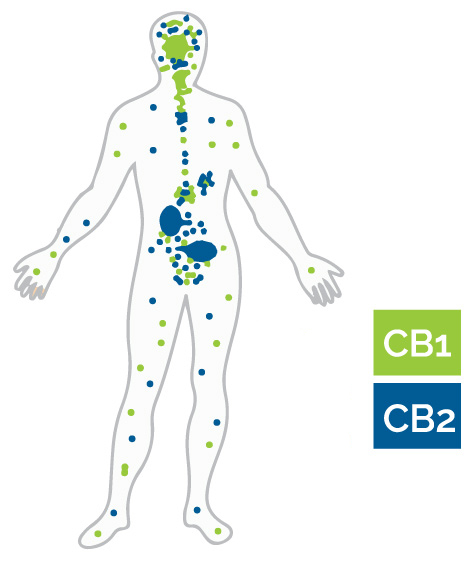
An illustration of CB1 and CB2 receptors in the body and brain.

CB1 receptors are mostly found in the brain and impact a number of neurotransmitters, including GABA, glutamate, dopamine and serotonin. CB2 receptors, on the other hand, are mostly found within the immune system and blood cells (93-99).

However, it’s important to note that some CB1 receptors are still located outside the brain, and some CB2 receptors can be found within the brain. So, there is some overlap. 

According to Martin Lee, author of Smoke Signals: A Social History of Marijuana, cannabinoid receptors are more abundant in the brain than any other type of neurotransmitter receptor.

There are two different types of cannabinoids that can activate these receptors in your body:

  • Phytocannabinoids – plant-derived cannabinoids, such as tetrahydrocannabinol (THC) and cannabidiol (CBD) found in marijuana

  • Endocannabinoids – as mentioned before, these cannabinoids are produced naturally within the body. Anandamide is the main endocannabinoid in your body. It can be found in humans, but also many other animals and plants. It binds to both CB1 and CB2 receptors and has similar effects as THC. 2-Arachidonoylglycerol (2-AG) is another critical endocannabinoid in your body that also binds to the CB1 and CB2 receptors. Its effects are similar to CBD (100-107).


What Are the Benefits of Stimulating and Supporting Your Endocannabinoid System?

Modulating the activity of the endocannabinoid system has turned out to hold therapeutic promise in a wide range of disparate diseases and pathological conditions, ranging from mood and anxiety disorders, movement disorders such as Parkinson’s and Huntington’s disease, neuropathic pain, multiple sclerosis and spinal cord injury, to cancer, atherosclerosis, myocardial infarction, stroke, hypertension, glaucoma, obesity/metabolic syndrome, and osteoporosis, to name just a few.
— Dr. Pal Pacher, M.D., Ph.D

There is an increasing amount of research linking a number of illnesses and symptoms to low endocannabinoids levels, including:

Some researchers are convinced that when your body doesn’t produce enough endocannabinoids (anandamide and 2-AG), you’re more likely to develop these diseases.

They’ve even coined the term “Clinical Endocannabinoid Deficiency” to describe the problem (108). 
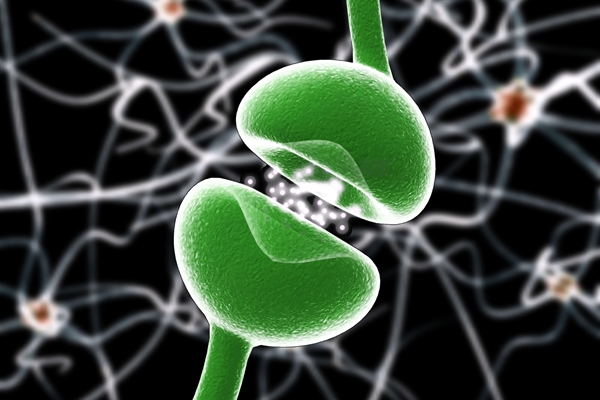
CDB receptor synapses.

But if you have one of the above conditions, don’t worry!

You can stimulate and support your endocannabinoid system naturally, which can lead to a number of brain and mental health benefits:

So without further ado, here are 26 ways to stimulate and support your endocannabinoid system naturally.


1. Cold Exposure

Cold exposure has been shown to increase endocannabinoid levels (1). 

Researchers have also found that cold exposure significantly increases the density of CB1 neurons (2). 

A man sitting outside in the freezing cold. Cold exposure stimulates the endocannabinoid system.

To support my endocannabinoid system, I take a cold shower every day, and often go outside with minimal clothing in the winter.

Try finishing your next shower with at least 30 seconds of cold water and see how you feel.

Then work your way up to longer periods of time.

It's painful to do, but the lingering effects are worth it.

You can also ease yourself into it by simply sticking your face in ice cold water.

Cold exposure also stimulates the vagus nerve.


2. Sex Hormones

Male and female sex hormones also stimulate and support the endocannabinoid system.

Both testosterone and estradiol have been shown to upregulate CB1 receptors (3-4). 

Estradiol also increases the synthesis and release of the endocannabinoids (anandamide), which activates CB1 receptors (5-6). 

And the plasma levels of anandamide correlate nicely with the levels of estrogen during the menstrual cycle in women (7). 

I recommend both men and women get their hormones checked regularly.

You can get your testosterone levels checked here and your estradiol levels checked here.

I used to have low testosterone and testosterone replacement therapy (TRT) really improved my brain and mental health when I used to take it.


3. Coffee

Drinking coffee is another way to stimulate and support your endocannabinoid system. 

Researchers believe that the cannabinoid system is involved in the psychoactive properties of caffeine (10). 

A cup of coffee on a plate with a spoon. Coffee supports and boost the endocannabinoid system.

Regular caffeine consumption has been shown to enhance the activation of CB1 receptors by endocannabinoids (8). 

CB1 receptors are downregulated after “social defeat stress”, but caffeine counteracts this effect (9). 

I drink one cup of coffee most mornings.

Coffee and caffeine can disrupt sleep though, so make sure you don’t drink it later in the day. I have my last cup sometime between 10 in the morning and noon. If I have it any later than that, it disrupts my sleep.

It's also a good idea to try to consume the whole coffee fruit, instead of just the coffee bean or pure caffeine. 

Traditionally, the coffee bean is extracted from the coffee fruit for roasting. And the surrounding fruit is discarded. 

But that’s a huge problem.

Because the coffee fruit contains several healthy compounds not found in coffee beans themselves.

And after years of careful clinical research, scientists have discovered that ingesting whole coffee fruit concentrate significantly increases brain function. 

Coffee fruit concentrate is included in the Optimal Brain supplement


4. Extra Virgin Olive Oil

Olive oil has numerous health benefits, particularly because of its strong anti-inflammatory effects.

It’s also been shown to upregulate CB1 receptors (11).

I add olive oil to my salads and sometimes even just take a tablespoon of it straight.

Be careful though. A lot of the cheap extra virgin olive oils in grocery stores are not actually “extra virgin.”

Investigations have found that there is a lot of fraud within the olive oil industry and many so-called extra virgin olive oils contains other cheaper, refined vegetable oils, such as soybean, corn and canola. 

This is discussed more in the book Extra Virginity: The Sublime and Scandalous World of Olive Oil.

Click here to subscribe

5. Cannabidiol (CBD) Oil

Cannabidiol (CBD) is one of the active cannabinoids in cannabis.

It is not psychoactive but it has a wide range of medical applications.

Research shows that CBD enhances the expression of CB1 receptors in the brain (12-13). 
CBD oil boosts the endocannabinoid system.

It also increases levels of 2-AG by preventing it from breaking down (14-15). 

I used to take CBD oil but no longer need to take it.

It reduced my stress, made me really sleepy and knocked me out before bed.


6. Flavonoids

Flavonoids are a diverse group of plant compounds found in almost all fruits and vegetables.

Chocolate, tea, wine, and some beans, herbs, spices, nuts and seeds contain them. Overall, the more colorful a food is, the richer it is in flavonoids.

Fruits and vegetables that are rich in flavinoids, which are known to stimulate the endocannabinoid system.

The following flavonoids inhibit fatty acid amide hydrolase (FAAH), which is the enzyme responsible for breaking down endocannabinoids (anandamide) (16):

  • Genistein

  • Kaempferol

  • 7-hydroxyflavone

  • 3,7-dihydroxyflavone

I try to eat as many fruits and vegetables as possible on a daily basis so that I’m consuming plenty of flavonoids.

It’s best to consume fruits and vegetables in their raw forms to receive the highest number of flavonoids (cooked fruits and vegetables have less).

Check out my Free Grocery Shopping Guide for Optimal Brain Health for a bunch of flavonoid-rich foods. 


7. Tea

Tea contains catechins, which are antioxidant compounds that have anti-inflammatory and neuroprotective effects.

Researchers have found that catechins in tea target and bind to cannabinoid receptors in the central nervous system (25-26).

Epigallocatechin gallate (EGCG) is the most well known catechin. It’s found in green tea. I take a concentrated green tea extract with EGCG to support my endocannabinoid system. 

Drinking tea can also lower cortisol, and green tea increases BDNF


8. Kava

Kava is a plant located in the western Pacific. The root of the plant is used medicinally to treat anxiety and sleep disorders because it causes relaxation without impacting cognitive performance. Some people say it feels like drinking alcohol (30-31). 

Researchers have evaluated commercially available kava supplements to see whether they bind to cannabinoid receptors. They found that yangonin, a compound in kava, binds to the CB1 receptor, and concluded that kava’s anti-anxiety effects may be because it stimulates the endocannabinoid system (32). 

I searched for kava supplements that include yangonin and found this one.

I personally don’t take kava anymore because I get a weird reaction from it and I found out I’m allergic to the plant. 

Click here to subscribe

9. Osteopathy

Osteopathy is a healing modality that emphasizes the treatment of disease by manipulating and massaging the bones, joints, and muscles. 

One study found that endocannabinoid levels increased by 168% on average after osteopathic treatment. (33). 

Practitioners of osteopathy are referred to as osteopaths. I saw an osteopath in Ottawa soon after my concussions in 2010. I had been suffering from constant dizziness, and his therapy completely reversed the dizziness. And it was permanent. The dizziness never came back. I was amazed and very grateful. 

I recommend finding an osteopath in your area if you’ve ever suffered a traumatic brain injury.

If you happen to be in the Ottawa area, go to the one that I did


10. Probiotics

Research suggests that some probiotics can stimulate and support the endocannabinoid system. 
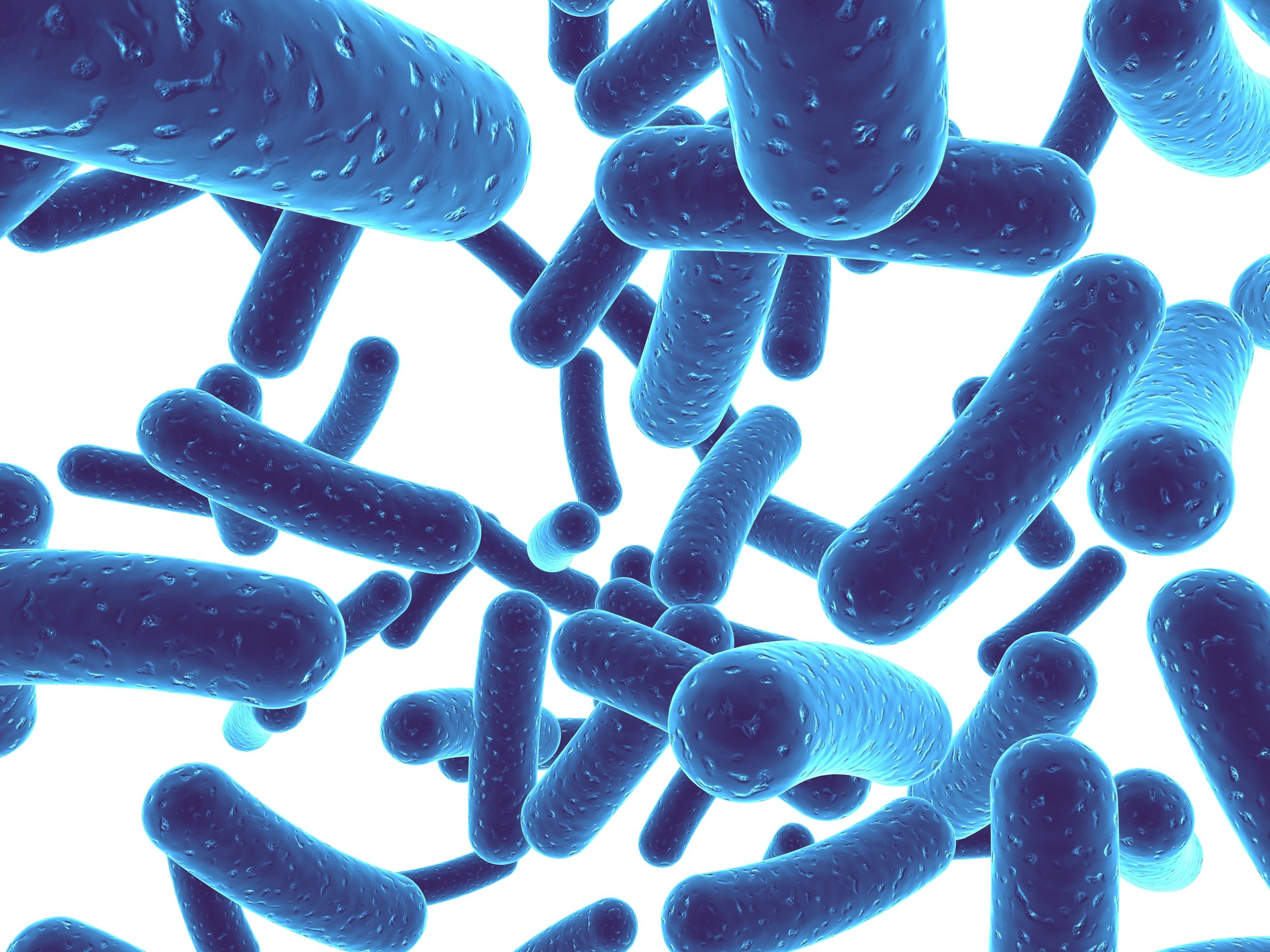
In one study, researchers found that lactobacillus acidophilus, a specific probiotic species, increases the expression of CB2 receptors (53). 

Lactobacillus acidophilus is included in the Optimal Biotics supplement.

Probiotics have also been shown to stimulate the vagus nerve and help with depression

And here are five other ways to increase the good bacteria in your gut. 


11. Dark Chocolate

Most people know dark chocolate is rich in multiple antioxidants, such as flavonols and polyphenols, which reduce oxidative stress.

But interestingly, it also contains the endocannabinoid anandamide (54). 

Dark chocolate also other compounds that slow down the breakdown of anandamide, increasing the amount of anandamide that stimulates your endocannabinoid system (55-56). 

This is likely one reason why eating chocolate makes people feel so good.

Dark chocolate also increases BDNF and reduces cortisol.  


12. Reduce Stress

I highly recommend you try to do something every day to manage your stress because emotional stress has been shown to downregulate CB1 receptors (57-58). 

High cortisol levels for prolonged periods of time, such as those caused by chronically stressful circumstances, also reduces CB1 receptors and significantly reduces cannabinoid binding to CB1 receptors (59-62). 

On top of this, chronic psychological stress reduces endocannabinoid levels in the brain (63-66). 

A hand squeezing a stress ball. Reducing stress can support your endocannabinoid system.

Overall, researchers say there is strong evidence that the endocannabinoid system needs to function optimally in order to properly deal with stress (67). 

Some of my favourite ways to reduce stress include neurofeedback, meditation (using the Muse headband), massage, acupuncture, eye movement desensitization and reprocessing (EMDR), emotional freedom techniques (EFT), heart-rate variability (HRV) training, and using an acupressure mat. 

Some supplements that can help you reduce stress include zinc, magnesium, ashwagandha and phosphatidylserine.

This anti-anxiety supplement also includes a number of natural compounds that have personally helped me manage my stress over the years.

And here is an article with 20 other ways to lower your stress hormone, cortisol. 


13. Magnolia Officinalis

Magnolia Officinalis is a plant that has neuroprotective properties and relaxing effects.

It’s used in Chinese traditional medicine for the treatment of anxiety, depression and sleeping disorders. 

Researchers have found that Magnolia officinalis extract and its main bioactive constituents, magnolol and honokiol, can activate cannabinoid receptors (17). 

You can either supplement with an extract, or you can drink Magnolia tea. 

Both the tea and extract should be taken with a meal consuming fat because the active ingredients are fat soluble. 

Click here to subscribe

14. Exercise

Exercise is another great way to stimulate and support your endocannabinoid system.

Medium and high-intensity exercise has been shown to activate the endocannabinoid system (73). 

Research also shows that exercise significantly upregulates CB1 receptors and enhances CB1 receptor sensitivity, which is why exercise can protect against the consequences of stress (68, 72, 74). 

Exercise-related improvements in memory are also due to activation of the CB1 receptor. Blocking this receptor seems to prevent the memory benefits of exercise (69, 72). 

Several studies also show that exercise increases levels of anandamide and activates cannabinoid signaling (70-71). 

Illustration of people running. Exercise stimulates the endocannabinoid system.

And researchers now believe that endocannabinoids may actually be responsible for the “runner’s high” (euphoria) that you get when you exercise, and not endorphins (76-77). 

However, you shouldn’t force yourself to exercise. Forced exercise is seen by the endocannabinoid system as a type of stress, and therefore doesn’t increase endocannabinoid levels and can actually decrease CB1 signaling (75). 

So, you should find an aerobic activity that you enjoy so that it’s not a burden.

This is exercise routine I try to follow consistently:

  • Lift heavy weights 1-4 times per week

  • High-intensity interval sprinting 1-2 times per week

  • Walk as much as I can (ideally 30-60 minutes every day)

  • Run for 20-30 minutes before lifting weights


15. Palmitoylethanolamide

Palmitoylethanolamide (PEA) is a natural compound that has anti-inflammatory and neuroprotective effects, and low levels of PEA can contribute to chronic brain inflammation and pain (20). 

Research shows that PEA can alleviate pain and increase mood by enhancing endocannabinoid activity (18-19, 21-24).

PEA is naturally found within the body, but it’s also available as a supplement. It's even used for medical purposes in Italy and Spain. 


16. Omega-3 Fatty Acids

Omega-3 fatty acids are essential fats that your body cannot produce itself. They are necessary for the normal electrical functioning of your brain and nervous system.

Research shows that they increase the synthesis of endocannabinoids and upregulate both CB1 and CB2 receptors (78-79). 
There is also a connection between low omega-3 fatty acid intake, poor endocannabinoid function and mood changes (80). 

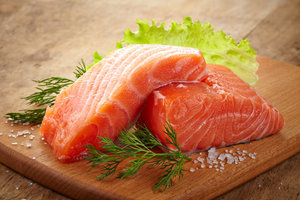
Omega-3 fatty acids are found primarily in cold water fish such as salmon, black cod, sablefish, sardines and herring.

Unfortunately, most people don't consume enough omega-3 fatty acids through their diet.

That’s why I recommend people supplement with krill oil, a special kind of fish oil that contains the essential omega-3 fatty acids. 

And you can read more about the importance of omega-3 fatty acids here

Click here to subscribe

17. Agmatine

Agmatine is a metabolite of the amino acid arginine.

It can help reduce pain, treat drug addiction, and protect the brain from toxins (27-28). 

It has been shown to enhance the painkilling effects of cannabinoids. It does this by increasing cannabinoid action and signalling through the CB1 receptor (29). 

My personal experience with agmatine is that it made me agitated, so I stopped taking it. But I don’t have any symptoms of pain. If you do, I think it’s worth trying.


18. Caryophyllene

Caryophyllene is a compound found in many plants and essential oils, including clove, rosemary, basil, oregano, lavender, and hops. It also contributes to the spiciness of black pepper (34). 

Caryophyllene has been shown to have anti-inflammatory, neuroprotective, antidepressant, anti-anxiety and anti-alcoholism effects (35, 40-41). 

These effects are likely because it binds to the cannabinoid receptors (36-37, 39, 42-43). 

It can also help reduce neuropathic pain through the CB2 receptor (38). 


19. Echinacea

Echinacea is a Native American medicinal plant and one of the most popular medicinal herbs.

People often use it to reduce flu symptoms and shorten the duration of the common cold. It’s also sometimes used to reduce anxiety and relieve fatigue.

Compounds in Echinacea, called alkylamides, have been shown to reduce inflammation by binding to the CB2 receptor (44, 46-47). 

Researchers have also found that alkylamides increase the effect of endocannabinoids (45). 


20. Black Truffle

Tuber melanosporum, also called the black truffle, is an edible mushroom native to Southern Europe.

Researchers have found that black truffles contain the endocannabinoid anandamide (49). 

Black truffle peelings can be added meals and go particularly well with mashed potatoes. 


21. Diindolylmethane (DIM)

Diindolylmethane (DIM) is an anti-carcinogenic compound found in cruciferous vegetables such as broccoli, cauliflower, Brussels sprouts, cabbage and kale.

DIM is one of the reasons why these foods are considered so healthy. 

Studies show that DIM reduces inflammation because it binds to CB2 receptors (50-51). 

You can also take it as a supplement.

Click here to subscribe


22. Ruta Graveolens

Ruta graveolens, commonly known as rue, is a medicinal herb.

Researchers have found that a compound within it binds to cannabinoid receptors (52). 

Rue can be taken as an extract.


23. Acmella Oleracea

Acmella Oleracea, also known as Electric Daisy, is a medicinal herb originating from the Amazon region. 

It contains phytocannabinoids and other compounds that can reduce pain and inflammation (81-82). 

It’s available as an extract.


24. Helichrysum Umbraculigerum

Helichrysum Umbraculigerum is a plant with anti-inflammatory and antioxidant properties, originating from South Africa.
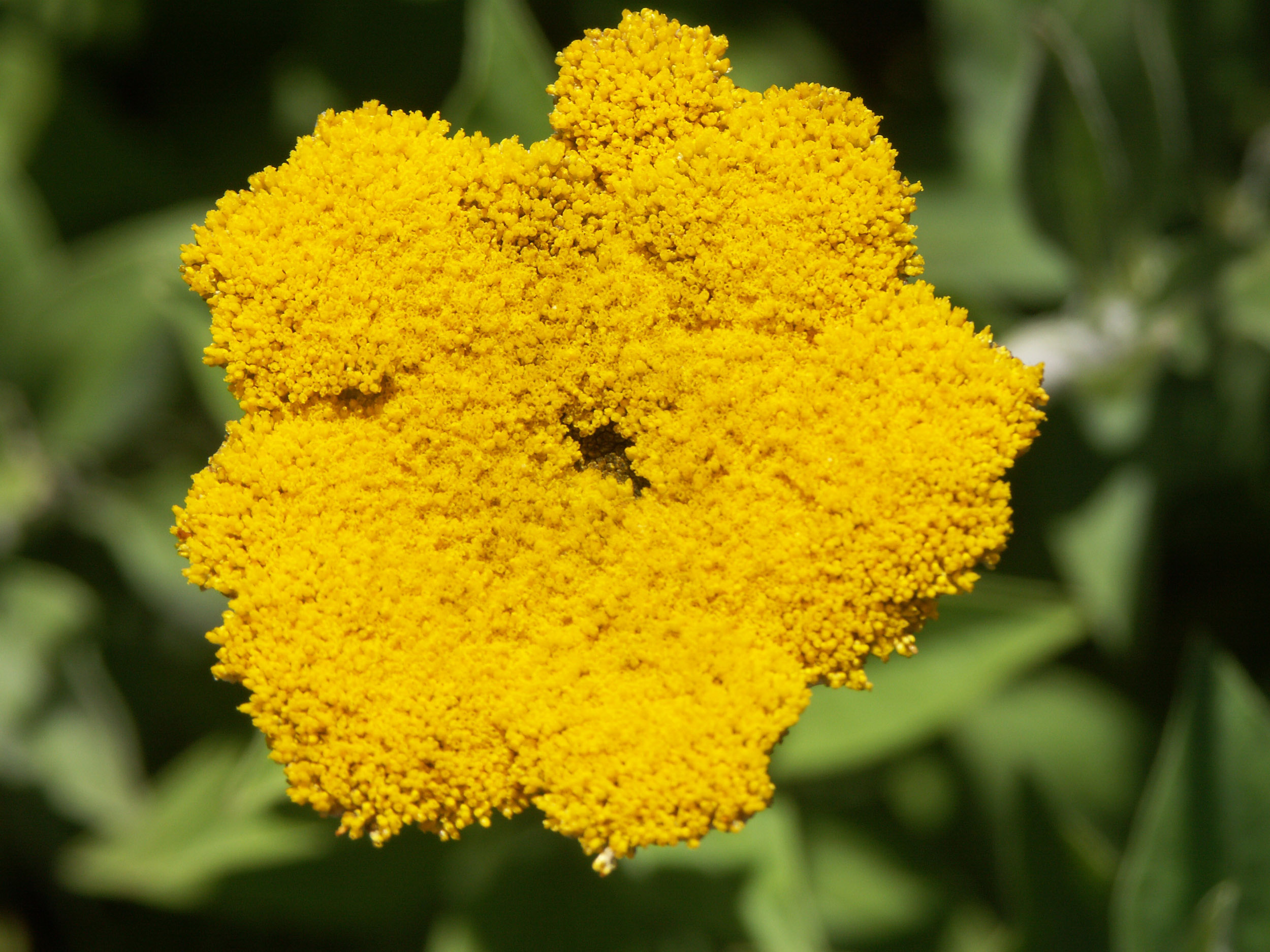
It’s been used medicinally for thousands of years, especially in countries like Italy, Spain, and Portugal. 

Researchers have found that it has antidepressant effects likely because it contains cannabigerol, a phytocannabinoid that stimulates the endocannabinoid system (83-85). 

A number of different essential oils with Helichrysum Umbraculigerum are available.


25. Radula Marginata

Radula Marginata is a plant commonly found in New Zealand.

It contains cannabinoids and cannabinoid-like compounds that bind to CB1 receptors, activating the endocannabinoid system (86-90). 


26. Curcumin

Curcumin is the most heavily researched compound within turmeric, the spice that gives curry its yellow colour.  

Researchers have found that supplementing with curcumin for 4 weeks reduces depression by binding to the CB1 receptor and increasing endocannabinoid levels in the brain (155).

Curcumin is included in the Optimal Energy supplement.

Since curcumin is a fat soluble, take it with a fatty meal.  


Conclusion

As you can see, there are many different ways to stimulate your endocannabinoid system besides smoking cannabis.

And supporting this important system can lead to a number of brain and mental health benefits. 

I hope you implement some of these strategies into your regular routine and notice you feel better and live more optimally over time. 

If you think you know someone who might benefit from this article, please share it with them.


Enjoy This Article? You Might Also Like My FREE Food Guide for Optimal Brain and Mental Health!
Click here to subscribe

Live Optimally,

Jordan Fallis

Connect with me

References:

(1) http://www.jlr.org/content/57/3/464.short

(2) https://www.researchgate.net/publication/272355424_INCREASE_IN_THE_NUMBER_OF_CB1_IMMUNOPOSITIVE_NEURONS_IN_THE_AMYGDALOID_BODY_AFTER_ACUTE_COLD_STRESS_EXPOSURE

(3) https://www.ncbi.nlm.nih.gov/pubmed/24055403

(4) https://www.ncbi.nlm.nih.gov/pubmed/21412772

(5) https://www.ncbi.nlm.nih.gov/pmc/articles/PMC3697880/

(6) https://www.ncbi.nlm.nih.gov/pubmed/12393387/

(7) https://www.ncbi.nlm.nih.gov/pubmed/21227997

(8) https://www.ncbi.nlm.nih.gov/pubmed/19027757

(9) https://www.ncbi.nlm.nih.gov/pubmed/19027757

(10) https://www.ncbi.nlm.nih.gov/pubmed/19027757

(11) https://www.ncbi.nlm.nih.gov/pubmed/25533906

(12) https://www.ncbi.nlm.nih.gov/pubmed/18021759

(13) http://www.sciencedirect.com/science/article/pii/S016561470900128X

(14) https://www.ncbi.nlm.nih.gov/pmc/articles/PMC4301686/

(15) https://www.ncbi.nlm.nih.go

(16) https://www.ncbi.nlm.nih.gov/pmc/articles/PMC2931553/

(17) https://www.ncbi.nlm.nih.gov/pubmed/24900561

(18) https://www.ncbi.nlm.nih.gov/pmc/articles/PMC1621151/

(19) https://www.ncbi.nlm.nih.gov/pmc/articles/PMC2597234/

(20) https://en.wikipedia.org/wiki/Palmitoylethanolamide

(21) https://www.ncbi.nlm.nih.gov/pubmed/9685157

(22) https://www.ncbi.nlm.nih.gov/pubmed/11426841

(23) https://www.ncbi.nlm.nih.gov/pubmed/8739213

(24) https://www.ncbi.nlm.nih.gov/pubmed/21857095

(25) https://www.ncbi.nlm.nih.gov/pubmed/19897346

(26) https://www.ncbi.nlm.nih.gov/pmc/articles/PMC2931553/

(27) https://examine.com/supplements/agmatine/

(28) https://en.wikipedia.org/wiki/Agmatine

(29) https://wwwhttps://www.ncbi.nlm.nih.gov/pubmed/19538988ncbi.nlm.nih.gov/pubmed/19538988

(30) https://en.wikipedia.org/wiki/Kava

(31) http://www.umm.edu/health/medical/altmed/herb/kava-kava

(32) https://www.ncbi.nlm.nihttps://www.ncbi.nlm.nih.gov/pubmed/22525682.gov/pubmed/22525682

(33) https://www.ncbi.nlm.nih.gov/pubmed/16118355

(34) https://en.wikipedia.or

(35) https://en.wikipedia.org/wiki/Caryophyllene

(36) https://en.wikipedia.org/wiki/Caryophyllene

(37) https://www.ncbi.nlm.nih.gov/pmc/articles/PMC2931553/

(38) https://www.ncbi.nlm.nih.gov/pmc/articles/PMC2931553/

(39) http://www.pnas.org/content/105/26/9099.long

(40) http://www.europeanneuropsychopharmacology.com/article/S0924-977X(13)00302-7/abstract

(41) http://www.sciencedirect.com/science/article/pii/S0031938414003400

(42) https://www.ncbi.nlm.nih.gov/pmc/articles/PMC2449371/

(43) https://www.ncbi.nlm.nih.gov/pubmed/18574142

(44) https://www.ncbi.nlm.nih.gov/pmc/articles/PMC2931553/

(45) https://www.ncbi.nlm.nih.gov/pmc/articles/PMC2931553/

(46) http://www.jbc.org/content/281/20/14192.full.pdf

(47) https://www.ncbi.nlm.nih.gov/pubmed/16142631

(48) http://www.sciencedirect.com/science/article/pii/S0031942214004956

(49) http://www.sciencedirect.com/science/article/pii/S0031942214004956

(50) https://www.ncbi.nlm.nih.gov/pmc/articles/PMC2931553/

(51) https://www.ncbi.nlm.nih.gov/pubmed/19286662/

(52) https://www.ncbi.nlm.nih.gov/pubmed/19096995/

(53) https://www.ncbi.nlm.nih.gov/pubmed/17159985

(54) https://www.ncbi.nlm.nih.gov/pubmed/8751435

(55) https://www.ncbi.nlm.nih.gov/pmc/articles/PMC2931553/

(56) www.sacredchocolate.com/docs/sacredpdf/brain-cannabinoids-chocolate.pdf

(57) http://onlinelibrary.wiley.com/doi/10.1111/febs.12125/full#febs12125-bib-0082

(58) https://www.ncbi.nlm.nih.gov/pubmed/19027757

(59) https://www.ncbi.nlm.nih.gov/pmc/articles/PMC3706194/

(60) https://www.ncbi.nlm.nih.gov/pubmed/18058925/

(61) https://www.ncbi.nlm.nih.gov/pmc/articles/PMC3706194/

(62) https://www.ncbi.nlm.nih.gov/pubmed/21263035/

(63) https://www.ncbi.nlm.nih.gov/pmc/articles/PMC3706194/

(64) https://www.ncbi.nlm.nih.gov/pubmed/20439721/

(65) https://www.ncbi.nlm.nih.gov/pubmed/20348201

(66) http://www.ncbi.nlm.nih.gov/pmc/articles/PMC3817535/

(67) http://www.ncbi.nlm.nih.gov/pmc/articles/PMC3817535/

(68) https://www.ncbi.nlm.nih.gov/pmc/articles/PMC3055381/

(69) http://www.leafsciencehttp://

(70) http://www.leafscience.com/2013/11/04/study-memory-benefits-exercise-tied-cannabinoid-system/

(71) http://onlinelibrary.wiley.com/doi/10.1002/hipo.22206/abstract

(72) http://onlinelibrary.wiley.com/doi/10.1002/hipo.22206/abstract

(73) https://www.ncbi.nlm.nih.gov/pubmed/14625449

(74) http://www.os-extra.cannabisclinicians.org/wp-content/uploads/2015/12/ECSSCC-listing.pdf

(75) http://www.os-extra.cannabisclinicians.org/wp-content/uploads/2015/12/ECSSCC-listing.pdf

(76) https://www.ncbi.nlm.nih.gov/pubmed/26438875

(77) http://www.os-extra.cannabisclinicians.org/wp-content/uploads/2015/12/ECSSCC-listing.pdf

(78) http://docs.lib.purdue.edu/dissertations/AAI3444794/

(79) https://www.ncbi.nlm.nih.gov/pubmed/21278728

(80) https://www.ncbi.nlm.nih.gov/pubmed/21278728

(81) https://en.wikipedia.org/wiki/Cannabinoid

(82) https://www.ncbi.nlm.nih.gov/pubmed/18289087

(83) https://en.wikipedia.org/wiki/Cannabinoid

(84) https://www.ncbi.nlm.nih.gov/pubmed/18289087

(85) http://www.sciencedirect.com/science/article/pii/0031942279830253

(86) https://en.wikipedia.org/wiki/Radula_marginata

(87) http://cpb.pharm.or.jp/cpb/200210/c10_1390.pdf

(88) https://www.ncbi.nlm.nih.gov/pubmed/12372871

(89) https://en.wikipedia.org/wiki/Cannabinoid

(90) https://www.ncbi.nlm.nih.gov/pubmed/18289087

(91) https://www.ncbi.nlm.nih.gov/pubmed/23008748

(92) https://www.ncbi.nlm.nih.gov/pubmed/27554802

(93) https://www.ncbi.nlm.nih.gov/pmc/articles/PMC2241751/

(94) https://www.ncbi.nlm.nih.gov/pmc/articles/PMC3817535/

(95) http://www.nature.com/cdd/journal/v22/n10/full/cdd201511a.html

(96) https://www.ncbi.nlm.nih.gov/pubmed/21749363

(97) https://www.ncbi.nlm.nih.gov/pubmed/2165569

(98) https://www.ncbi.nlm.nih.gov/pubmed/1718258

(99) https://www.ncbi.nlm.nih.gov/pubmed/21295074

(100) http://www.leafscience.com/2013/11/04/study-memory-benefits-exercise-tied-cannabinoid-system/

(101) https://en.wikipedia.org/wiki/Anandamide

(102) https://www.ncbi.nlm.nih.gov/pubmed/9285589

(103) https://www.ncbi.nlm.nih.gov/pubmed/9915812

(104) http://www.nature.com/cdd/journal/v22/n10/full/cdd201511a.html

(105) https://www.ncbi.nlm.nih.gov/pubmed/21749363

(106) https://www.ncbi.nlm.nih.gov/pubmed/8751435

(107) https://www.ncbi.nlm.nih.gov/pubmed/9285589

(108) http://www.ncbi.nlm.nih.gov/pubmed/18404144

(109) https://www.ncbi.nlm.nih.gov/pmc/articles/PMC3817535/

(110) https://www.ncbi.nlm.nih.gov/pmc/articles/PMC2685476/

(111) https://www.ncbi.nlm.nih.gov/pmc/articles/PMC3817535/

(112) https://www.ncbi.nlm.nih.gov/pmc/articles/PMC2685476/

(113) http://thelancet.com/journals/lancet/article/PIIS0140-6736(10)60935-X/fulltext

(114) http://www.nel.edu/pdf_/25_12/NEL251204R02_Russo_.pdf

(115) https://www.ncbi.nlm.nih.gov/pmc/articles/PMC2685476/

(116) https://www.ncbi.nlm.nih.gov/pmc/articles/PMC2685476/

(117) http://www.leafscience.com/2013/11/04/study-memory-benefits-exercise-tied-cannabinoid-system/

(118) http://www.ncbi.nlm.nih.gov/pmc/articles/PMC3817535/

(119) https://www.ncbi.nlm.nih.gov/pubmed/16224541

(120) https://www.ncbi.nlm.nih.gov/pubmed/16037095

(121) http://www.jci.org/articles/view/25509

(122) http://www.leafscience.com/2013/11/04/study-memory-benefits-exercise-tied-cannabinoid-system/

(123) https://www.ncbi.nlm.nih.gov/pubmed/15044630

(124) http://www.ncbi.nlm.nih.gov/pubmed/21480865

(125) https://www.ncbi.nlm.nih.gov/pubmed/10716447

(126) https://www.ncbi.nlm.nih.gov/pubmed/11156943

(127) https://www.ncbi.nlm.nih.gov/pubmed/8569415

(128) https://www.ncbi.nlm.nih.gov/pubmed/9813364

(129) http://www.ncbi.nlm.nih.gov/pmc/articles/PMC2685476/

(130) https://www.ncbi.nlm.nih.gov/pmc/articles/PMC3817535/

(131) https://www.ncbi.nlm.nih.gov/pmc/articles/PMC2685476/

(132) http://www.

(133) https://www.ncbi.nlm.nih.gov/pmc/articles/PMC3817535/

(134) https://www.ncbi.nlm.nih.gov/pmc/articles/PMC2685476/

(135) https://www.ncbi.nlm.nih.gov/pubmed/22265864

(136) https://www.ncbi.nlm.nih.gov/pmc/articles/PMC3817535/

(137) https://www.ncbi.nlm.nih.gov/pmc/articles/PMC2685476/

(138) http://thelancet.com/journals/lancet/article/PIIS0140-6736(10)60935-X/fulltext

(139) http://www.nel.edu/pdf_/25_12/NEL251204R02_Russo_.pdf

(140) https://www.ncbi.nlm.nih.gov/pmc/articles/PMC3817535/

(141) https://www.ncbi.nlm.nih.gov/pmc/articles/PMC2685476/

(142) https://www.ncbi.nlm.nih.gov/pmc/articles/PMC2685476/

(143) https://www.ncbi.nlm.nih.gov/pmc/articles/PMC3817535/

(144) https://www.ncbi.nlm.nih.gov/pmc/articles/PMC2685476/

(145) https://www.ncbi.nlm.nih.gov/pubmed/15044630

(146) http://www.ncbi.nlm.nih.gov/pubmed/21480865

(147) https://www.ncbi.nlm.nih.gov/pubmed/10716447

(148) https://www.ncbi.nlm.nih.gov/pubmed/11156943

(149) https://www.ncbi.nlm.nih.gov/pmc/articles/PMC2685476/

(150) https://www.ncbi.nlm.nih.gov/pubmed/8569415

(151) https://www.ncbi.nlm.nih.gov/pubmed/9813364

(152) http://www.ncbi.nlm.nih.gov/pmc/articles/PMC2685476/

(153) http://www.nel.edu/pdf_/25_12/NEL251204R02_Russo_.pdf

(154) http://www.nel.edu/pdf_/25_12/NEL251204R02_Russo_.pdf

(155) https://www.ncbi.nlm.nih.gov/pubmed/22311129

Terms and Conditions

Privacy Policy

Affiliate Disclosure

Disclaimer

31 Powerful Ways to Boost Your Endorphin Levels Naturally

Do you ever wonder why you feel so good after breaking a sweat, sharing a hearty laugh with friends, or basking in the warm sunlight? 

The answer lies in the magic of endorphins, which are nature's feel-good chemicals. 

These powerful neurotransmitters not only reduce pain and lift our spirits. 

They also play a crucial role in our overall mental health and well-being. 

As you navigate the ups and downs of life, understanding how to increase endorphins levels can be the key to a happier, more resilient version of yourself.

In this blog post, I’ll delve into the fascinating world of endorphins.

I’ll explore what they are, their role in our brain function, how they work, and why they're so essential for your mental health.

I’ll also share practical, evidence-based tips and techniques to naturally boost your endorphins.

That way, you can experience the incredible benefits they offer. 

Let’s dive in.

best-ways-how-to-increase-boost-beta-endorphins-levels-supplements-herbs-exercise-mood-enhancement-natural-happiness-stress-reduction-pain-relief-elevate-naturally-boosters-improve-feel-happier-techniques-diet-activities-simple-foods-release-mental-h

Understanding Endorphins and How They Work in the Brain

Endorphins are a group of neurotransmitters – chemical messengers that transmit signals within the nervous system – produced naturally by the body. 

They are mainly synthesized in the pituitary gland, the central nervous system, and other parts of the brain. 

The word "endorphin" is derived from the combination of the words "endogenous" (meaning produced within the body) and "morphine" (a potent painkiller). 

So, “endorphin” essentially means a morphine-like substance originating from within the body.

This makes sense considering that endorphins have powerful, pain-relieving properties.

They are often referred to as the body's "natural painkillers" or "feel-good chemicals" because they can create a sense of happiness or euphoria.

Endorphins function by binding to specific receptors (known as opioid receptors) in the brain. 

When they attach to these receptors, they inhibit the transmission of pain signals and produce a sense of euphoria or well-being. 

This mechanism is similar to how certain pain-relieving drugs work, such as morphine and codeine. 

However, endorphins are naturally produced by the body. They do not carry the risk of addiction, withdrawal, or other adverse side effects often associated with synthetic opioids.

Endorphins are often produced as a response to certain stimuli, especially stress, fear, or pain

They also play a key role in the fight-or-flight response

When your body is exposed to a stressful situation, endorphins are released to reduce the impact of physical pain and induce feelings of pleasure or euphoria.


The Benefits of Increasing Endorphin Levels

Endorphins have numerous benefits that contribute significantly to our overall well-being.

Increasing your body's endorphin levels can have a wide array of positive effects. 

Here are some key advantages and benefits you can experience by increasing your endorphin levels:

Pain Relief: Endorphins are often called the body's natural painkillers. They interact with the same receptors in your brain as some pain medicines would, effectively reducing your perception of pain (63-64). 

Stress and Anxiety Reduction: Endorphins help to alleviate stress and anxiety. They produce a calming effect that can help to relax your mind and body, making stressful situations more manageable (65-66). 

Enhanced Mood: Endorphins are responsible for feelings of pleasure and happiness. They can create a positive mood and enhance your overall sense of well-being (67-69). 

Boosted Immune System: Some research suggests that endorphins can help strengthen your immune system, making you more resistant to illnesses and infections (70-71). 

Aids in Addiction Recovery: Endorphin-releasing activities can provide natural highs, which can be particularly beneficial for individuals recovering from substance addictions (72-73). 

Improved Sleep: The calming effect of endorphins can contribute to better sleep (74). 

Better Digestion: There's some evidence to suggest that endorphins can help regulate digestion and the overall function of your gut. This can lead to improved nutritional absorption and a reduction in digestive discomfort (75-76). 

Promotes Healing: Endorphins can speed up the healing process and recovery from physical injuries by reducing perceived pain and improving mood (77). 


Conditions and Symptoms Associated with Low Endorphin Levels

Low levels of endorphins can lead to a range of health conditions, including:

Depression: Endorphins play an important role in regulating mood, and low levels of endorphins have been linked to depression (78-80). 

Anxiety: Endorphins are also involved in reducing anxiety, so low levels of endorphins can contribute to increased anxiety (81-82). 

Chronic Pain and Fibromyalgia: Endorphins act as natural painkillers, so low levels of endorphins can make chronic pain worse. Fibromyalgia is a condition characterized by chronic pain and tenderness in the muscles and soft tissues. Low levels of endorphins have been linked to fibromyalgia (83-84). 

Migraines: Endorphins can help to reduce the frequency and intensity of migraines, and low levels of endorphins can make migraines more severe (85). 

Eating Disorders: Endorphins are involved in regulating appetite and controlling food cravings, so low levels of endorphins may contribute to eating disorders (86). 

Substance Abuse and Addiction: Endorphins can produce feelings of pleasure and reward, so low levels of endorphins can contribute to substance abuse (87-88). 

Chronic Fatigue Syndrome: Chronic fatigue syndrome is a condition characterized by severe fatigue that is not improved by rest. Low levels of endorphins have been found in people with chronic fatigue syndrome, which may contribute to the fatigue and other symptoms (89). 

Insomnia: Insomnia is a sleep disorder characterized by difficulty falling or staying asleep. Low levels of endorphins have been linked to insomnia, which may be due to the role endorphins play in regulating the sleep-wake cycle (90). 

Now, let’s dive into how to increase your endorphin levels.


The Best Foods, Nutrients, Herbs and Supplements To Naturally Increase Endorphins

1. Probiotics

Gut health is closely connected to brain health, and there is growing evidence that probiotics can influence brain function and neurochemistry.

Probiotics are beneficial live microorganisms, and they have been linked to increased endorphin levels.

Research suggests that certain strains of probiotics can produce neurotransmitters, including endorphins.

In one study, researchers found that Lactobacillus acidophilus reduces pain by inducing the expression of opioid receptors (1). 

Probiotics are also known to reduce inflammation in the body, and chronic inflammation has been linked to various mental health issues, including depression and anxiety

By mitigating inflammation, probiotics can indirectly contribute to endorphin production and mood enhancement.

Probiotics are most commonly found in fermented foods like yogurt, kefir, and sauerkraut.

But they can also be consumed through supplements, such as Optimal Biotics.

Check out this article for several other ways to increase your good gut bacteria.  

And if you struggle with anxiety or depression, here are 9 probiotic strains that can help.


2. Resveratrol

Resveratrol is a natural polyphenol found in grapes, berries, and red wine.

It has been extensively studied for its antioxidant and anti-inflammatory properties. 

It has been shown to increase NGF, help restore the integrity of the blood-brain barrier, and support your mitochondria.

Research also shows that resveratrol also activates opioid receptors and increases the release of endogenous opioids in the nervous system (2). 

To consume enough resveratrol to increase endorphins, you’ll need to supplement with it.

Resveratrol is included in this supplement.


3. DL-Phenylalanine 

Phenylalanine is an essential amino acid, meaning that your body cannot create it, and you must obtain it from your diet.

People struggling with depression have been shown to have low levels of phenylalanine in their blood and urine.

DL-Phenylalanine (DLPA) is a combination of two forms of phenylalanine: D-phenylalanine and L-phenylalanine.

Researchers have found that DLPA inhibits an enzyme called “enkephalinase”.

Enkephalinase breaks down endorphins and enkephalins, another group of opioid peptides. 

By inhibiting enkephalinase, DLPA helps prolong the activity of endorphins and enkephalins, leading to increased pain relief and mood-enhancing effects (3-4).

Studies also show that DLPA results in significant pain relief in patients with chronic pain, and it does this by inhibiting the degradation of endorphins (5). 

I really like DL-Phenylalanine. It was probably the most important supplement that I took while I transitioned off of antidepressants

I previously wrote about the benefits of DLPA here

Click here to subscribe

4. Rhodiola Rosea

Rhodiola Rosea is an adaptogenic herb that has been used for centuries. 

It’s one of the most popular adaptogens used to increase physical and mental stamina.

It helps the body adapt to stress, reduces fatigue, and enhances cognition. 

It also has a positive impact on endorphin levels.

Research shows that rhodiola activates opioid receptors and increases the release of endorphins (6). 

It also has a significant effect on increasing the levels of endogenous morphine and dopamine in the brain (6). 

As a result, researchers have suggested that rhodiola could be used for the treatment of opioid addiction (7).

I take rhodiola when I need an extra boost in brain function and cognitive energy. It’s especially useful after stressful periods of pushing myself too hard. It helps me recover faster.

Rhodiola also boosts acetylcholine and dopamine levels, and induces autophagy in the brain.

Be sure to check out this article to learn more about the benefits of rhodiola.


5. Dark Chocolate

Most people love chocolate, and your brain loves it too. 

It's one of my favorite foods.

And research shows that dark chocolate is another way to stimulate endorphin release and improve mood.

Dark chocolate contains phenylethylamine (PEA), which is a compound that promotes the release of endorphins and other mood-enhancing chemicals in the brain.

Several studies have explored the relationship between dark chocolate consumption and endorphins.

In a review article, researchers discuss the various bioactive compounds present in chocolate, such as phenylethylamine (PEA), and their potential effects on mood. 

The authors suggest that PEA is likely responsible for chocolate's mood-enhancing properties by promoting the release of endorphins and other neurotransmitters (8). 

Dark chocolate also contains other beneficial compounds, such as flavonoids and anandamide. Both of these compounds have been linked to feelings of happiness and well-being, and they both influence neurotransmitters, such as serotonin and dopamine.

Dark chocolate also increases blood flow to the brain, increases BDNF, and reduces cortisol.

It’s important to choose a type of dark chocolate with at least 70 percent cocoa


6. Spicy Foods

Spicy foods have been associated with the release of endorphins in the brain. 

Capsaicin is the active component of chili peppers responsible for their spiciness.

Researchers have found that it triggers endorphin release in the brain.

When you consume spicy foods, capsaicin binds to TRPV1 receptors.

TRPV1 receptors are found primarily in the nerve cells responsible for pain and heat sensation. 

This binding causes a sensation of heat or burning, which is perceived as pain

In response to this pain signal, the brain releases endorphins (9).


7. Tryptophan

Tryptophan is an essential amino acid.

It is also the precursor to serotonin, a neurotransmitter that can affect endorphin levels. 

Endorphins have been shown to increase following oral dosing of tryptophan (10). 

Researchers have also found that certain tryptophan metabolites have opioid-like effects (11). 

Endogenous opioid-induced analgesia also depends on an increase in the uptake of tryptophan into the brain (14). 

Animal studies have also shown that tryptophan significantly increases endorphin levels in the brain (12-13). 

In one study, researchers found that tryptophan administration led to a significant increase in the release of both beta-endorphin and Met-enkephalin (15). 

Foods high in tryptophan include turkey, chicken, eggs, cheese, nuts, and seeds.

These foods are included in my Free Grocery Shopping Guide for Optimal Brain and Mental Health.

Or you can supplement with it to increase endorphin production and improve mood.

Personally, supplementing with tryptophan never helped me. In fact, it always seemed to make me worse. It gave me asthma and acne and actually increased my chronic inflammation and depression.

However, some people do see their mental health improve when they increase their intake of tryptophan. So it shouldn’t be completely disregarded. 

So supplementing with tryptophan is worth a shot if you haven’t tried it yet. Just be aware of possible side effects. 

If you want, you can also try supplementing with 5-Hydroxy-tryptophan (5-HTP) instead of regular tryptophan, as some people respond better to it. 

5-HTP is included in this supplement.


8. Vitamin C

Research suggests that vitamin C can also have an impact on endorphin levels.

In one study, researchers found that vitamin C inhibits the breakdown of endogenous opioids and increases endorphin levels (16). 

Other studies also suggest that vitamin C can enhance the synthesis of endorphins (17). 

Animal studies also show that vitamin C increases endorphin levels in rats after exercise (18). 

As you probably know, vitamin C is found in fruits and vegetables such as green peppers, citrus fruits, tomatoes, cauliflower, Brussels sprouts, broccoli, and cabbage.

These foods are included in my Free Grocery Shopping Guide for Optimal Brain and Mental Health.

In addition to getting vitamin C from fruits and vegetables, I take at least 100 mg of supplemental vitamin C every day.

I’ve taken up to 10 grams of vitamin C daily, and it definitely improves mood and reduces stress and anxiety.

Vitamin C is included in this supplement.


9. Turmeric (Curcumin)

Curcumin is the most heavily researched compound within turmeric, the spice that gives curry its yellow colour. 

It’s one of my favourite natural compounds for optimal brain function and mental health. 

In one study, researchers examined the effects of curcumin on pain and opioid dependence.

The study found that curcumin reduced pain and had an anti-addictive effect in opioid-dependent animals. 

The authors suggest that curcumin may modulate the opioid system by affecting opioid receptor expression and signaling (20). 

In another study, researchers found that curcumin significantly increased the production of endorphins in the spinal cord (19). 

Turmeric and curcumin are included in the Optimal Antiox supplement

Since turmeric and curcumin are fat soluble, they are best absorbed when combined with a fatty meal or taken with fats like coconut oil or olive oil.

Click here to subscribe

10. Coffee (Caffeine)

As you probably know, coffee contains caffeine, which is a natural stimulant that affects the central nervous system. 

Caffeine's impact on endorphin levels has been a subject of interest among researchers, given its widespread consumption and its potential influence on mood and cognitive function.

Studies have shown that caffeine can trigger the release of endorphins, which can lead to feelings of well-being and happiness

In one study, researchers investigated the effects of caffeine on the release of beta-endorphins in healthy male volunteers. 

The participants received either a caffeine pill or a placebo. Their blood levels of beta-endorphins were then measured before and after administration. 

The researchers found that caffeine consumption led to a significant increase in beta-endorphin levels compared to the placebo group (21). 

This effect could partly explain why many people report an improved mood after consuming a cup of coffee.

A follow-up study showed that caffeine can lower pain perception and increase beta-endorphin release (23). 

And then in an animal study, researchers found that caffeine increased the extracellular levels of beta-endorphins in the brains of rats (22).

Coffee and caffeine can disrupt sleep though, so make sure you don’t drink it in the evening close to bed.  

Some people like me are really sensitive and have to stop drinking it very early in the day so that it doesn’t disrupt their sleep. I would have my last cup sometime between 10 in the morning and noon. Any later than that and it disrupted my sleep. 

It’s also a good idea to try to consume the whole coffee fruit, instead of just coffee or pure caffeine. 

Traditionally, the coffee bean is extracted from the coffee fruit for roasting. And the surrounding fruit is discarded.  

But that’s a problem because the coffee fruit contains several healthy compounds not found in coffee beans themselves.

And researchers have found that consuming whole coffee fruit concentrate can significantly enhance cognitive functioning.  

That’s why I included coffee fruit in the Optimal Brain supplement.


11. Green Tea (EGCG)

Green tea is a popular beverage known for its numerous health benefits, including antioxidant properties and cognitive enhancements. 

Some research also suggests that green tea has an impact on endorphin levels.

Green tea is rich in catechins, a type of antioxidant that has been associated with various health benefits. 

One particular catechin, epigallocatechin gallate (EGCG), has been shown to affect the release of neurotransmitters, including endorphins.

In one study, researchers investigated the effects of EGCG on endogenous opioid peptides, including endorphins, in the brain. 

The researchers found that EGCG increased the levels of beta-endorphins in specific brain regions (25). 

If you're not a fan of drinking green tea, you can opt for a green tea extract supplement containing EGCG to increase endorphin production instead.

In fact, most studies use either green tea extract or EGCG rather than regular green tea.

It’s also important to keep in mind that the body isn't very good at absorbing EGCG from green tea and distributing it to the brain and other tissues.  

That's why researchers often use large dosages of concentrated EGCG in their studies instead of green tea.  

But unfortunately, large doses of concentrated EGCG have been shown to cause liver toxicity.  

So you could supplement with large dosages of concentrated EGCG and see some benefits.  

But you'd be damaging your liver at the same time.  

Not good.  

So what should you do? How do you absorb EGCG and get the amazing benefits of it without damaging your liver?  

You take it with Vitamin C.  

Research shows that you can enhance the absorption and availability of EGCG by taking it with Vitamin C. 

That's why the Optimal Antiox supplement includes a small and safe amount of EGCG, plus 500 mg of Vitamin C.  

This significantly enhances the absorption of EGCG, and ensures you get all the brain and mental health benefits of EGCG (without the harm).


12. Magnesium

Magnesium is an essential mineral that plays a crucial role in various physiological processes, including muscle and nerve function, bone health, and energy production. 

Some studies suggest that magnesium can influence the activity of endorphins within the body. 

In one study, magnesium potentiated the analgesic effect of morphine, an opioid drug.

A study by another group of researchers demonstrated the same results with magnesium and tramadol, another opioid drug.

These findings suggest that magnesium interacts with the opioid system to enhance the pain-relieving effects of endorphins (26-27). 

There are a number of things you can do to make sure you’re getting enough magnesium, so that you maintain adequate magnesium levels and support your opioid system. 

First, make sure you’re eating magnesium-rich foods on a regular basis, including:

  • Spinach

  • Chard

  • Pumpkin seeds

  • Almonds

  • Avocado

  • Dark chocolate

  • Bananas

These foods are included in my Free Grocery Shopping Guide for Optimal Mental Health.

You can also increase your body’s intake of magnesium by taking Epsom salt baths.

Supplementation is often a good idea for most people, as many people are deficient. 

Magnesium is included in this supplement.


13. Theanine

Theanine is an amino acid.

It’s commonly found in tea leaves, but it can also be taken as a supplement.

Theanine is known to promote relaxation and improve mental focus.

But it can also increase endorphin production and release within the brain.

In one study, researchers found that theanine increased the release of alpha-endorphins in rats. 

The researchers suggested that theanine might contribute to the relaxing effects of tea through its impact on endorphin release (24). 

Theanine is one of my favorite compounds for optimal mental health because it stimulates many other neurotransmitters, including dopamine and GABA

This stress-relief supplement includes theanine.


14. Selenium

Selenium is an essential trace mineral that is important for many bodily processes that affect your brain and mental health. 

It plays a critical role in immune function, thyroid hormone metabolism, and antioxidant defense.

Researchers have investigated the effects of selenium on the secretion of beta-endorphins.

They found that selenium significantly increased beta-endorphin levels (28). 

Brazil nuts are the richest dietary source of selenium, but it can also be found in wild-caught seafood, pastured chicken and eggs, and grass-fed meat.

These foods are included in my Free Grocery Shopping Guide for Optimal Mental Health.

You can also supplement with it.

It’s included in this supplement.


15. Zinc

Zinc is an essential trace element that plays a vital role in numerous physiological processes, including immune function, protein synthesis, and DNA synthesis.

Zinc is also necessary for the proper functioning of the nervous system and has been shown to influence synaptic plasticity, learning, and memory.

Research has shown that zinc supplementation significantly enhances the pain-relieving effects of opioids, including those produced by endogenous opioid peptides (29-30).

I created and take the Optimal Zinc supplement to make sure my zinc levels are optimal. I created it because I want to give my readers the very best zinc supplement so that they can experience superior results. I have found that many zinc supplements on the market fall short. Optimal Zinc includes several other nutrients and co-factors that increase the absorption of zinc.

Besides supplementing with zinc, you should also eat plenty of healthy, whole foods that contain zinc.

Some of the best foods to optimize your zinc levels include:

  • Oysters

  • Grass-fed beef

  • Pumpkin seeds

  • Cashews

  • Mushrooms

  • Spinach

These foods are included in my Free Grocery Shopping Guide for Optimal Mental Health.

Click here to subscribe

The Best Lifestyle Habits, Therapies and Practices To Naturally Increase Endorphins

16. Exercise

Exercise is one of the most effective ways to boost endorphin levels.

You may have heard of the term "runner's high," which describes the euphoric sensation some people experience after engaging in prolonged, vigorous exercise. 

This phenomenon is primarily attributed to the release of endorphins. 

When we exercise, our bodies produce more endorphins to help cope with the physical stress and exertion. 

As a result, we often feel an increased sense of happiness, reduced anxiety, and a higher tolerance for pain during and after the workout. 

This positive feedback loop can make exercise an enjoyable and even addictive activity for many individuals.

Numerous studies have demonstrated that exercise can lead to increased endorphin levels.

In one study, researchers used positron emission tomography (PET) to examine the release of endorphins in the human brain during exercise. 

The results showed that after two hours of running, endorphin levels increased in various brain areas, correlating with the participants' reports of increased euphoria and happiness (31). 

Researchers have found that various forms of exercise, such as aerobic and anaerobic activities, can lead to increased endorphin levels. 

The magnitude of the increase depends on factors such as exercise intensity, duration, and individual fitness levels (32). 

Some researchers believe that both endorphins and endocannabinoids contribute to the "feel-good" effects of exercise (33). 

I previously wrote about endocannabinoids here.

Regular exercise also helps reduce stress and improve mood.

Exercise is recommended by many experts and it’s often their number one piece of advice for optimal brain health.

My usual advice is to find a sport or exercise routine that you enjoy, so that you’ll stick with it consistently.


17. Low Level Laser/Light Therapy

Low-level laser/light therapy (LLLT), also known as photobiomodulation, uses light at specific wavelengths to modulate cellular activity.

It has been shown to have various therapeutic effects on the nervous system.

Research shows that LLLT can relieve pain by enhancing the endogenous opioid system.

In one study, researchers found that LLLT increased the pain-relieving effects of endogenous opioids in rats by stimulating the release of endorphins or other endogenous opioids (61).

Another study also shows that LLLT significantly elevates beta-endorphin levels, which then leads to a reduction in pain (62). 

I previously wrote about my experience with LLLT here

I use this device and shine the red and infrared light on my forehead for 5 minutes every day. I also shine it on other parts of my head and on my entire body, including on my thyroid, thymus gland and gut. I experience incredible benefits from doing this. 

When I’m traveling, I take this smaller and more convenient device with me and shine it on my forehead. 

I’ve also been using the Vielight Neuro Duo, which is a transcranial-intranasal headset with 810 nm of near infrared light. It penetrates deeper into brain tissue and is absorbed better by the central nervous system. If you decide to try a Vielight device, you can use the coupon code JORDANFALLIS for a 10% discount. 

Before trying LLLT, I highly recommend reading my full article about it first.


18. Meditation

Meditation has been found to have numerous positive effects on mental and physical health, including relaxation, stress reduction, and mood enhancement.

It can also help increase endorphin production.

Researchers say that meditation influences the release of various neurotransmitters, including endorphins, serotonin, and dopamine (39). 

In one study, researchers investigated the effects of meditation on the plasma levels of beta-endorphin. 

The researchers found that after four weeks of daily meditation, the plasma levels of beta-endorphin increased significantly compared to baseline levels (41). 

In another study, researchers investigated the effects of meditation on the brain using functional magnetic resonance imaging (fMRI). 

The researchers found that meditation led to changes in brain regions associated with the endogenous opioid system (40). 

To experience the benefits of meditation on brain function and mental health, it's essential to practice regularly. 

You should aim for at least 10-20 minutes of meditation per day, gradually increasing the duration as you become more comfortable with the practice. 

By incorporating meditation into your daily routine, you can effectively support endorphin production, improve cognitive function, and promote overall mental well-being.

Meditation is one of my favorite daily activities and treatments to maintain optimal brain function and mental health. 

I recommend the Muse headband to meditate. It gives you real-time feedback while you meditate. It makes meditation a lot more fun and tolerable. 

I previously wrote about it here, and you can get it through the Muse website.


19. Sleep and Melatonin

A healthy sleep pattern and deep sleep are critical for the regulation of the body's neurochemical systems, including endorphins.

Chronic sleep deprivation has been linked to increased pain sensitivity, likely due to decreased efficacy of the body's natural endorphin painkilling response (52). 

Melatonin is the master “sleep hormone”. It’s known for its role in regulating sleep-wake cycles.

Melatonin has been shown to increase endorphin levels. 

In one study, researchers found that melatonin enhances the release of beta-endorphin, contributing to its pain-relieving effects (53). 

Researchers have also found that melatonin enhances the effects of morphine, suggesting further interaction between melatonin and the opioid system.

I personally used to have very poor sleep and it was one of the main factors that contributed to my poor brain function and mental health.

Melatonin levels also go down with age, so you might benefit from taking a melatonin supplement at night if you're older.

If you’re having trouble with sleep, try this sleep supplement. It contains magnesium and other natural compounds that I’ve used over the years to promote the production of melatonin and get deeper and more restful sleep.

I also work with my clients so that they can naturally produce more melatonin and maximize the quality of their sleep without so many supplements. We have a free online workshop that talks about how you can work with us. You can register for the workshop here.


20. Laughter 

Research suggests that laughter improves mood, reduces stress, and enhances immune function. 

One way it does this is by increasing endorphin release and stimulating endorphin production (35). 

In one study, researchers used positron emission tomography (PET) to examine the release of endorphins in the human brain during laughter. 

The results showed that laughter led to increased endorphin release in various brain areas, which was associated with a greater sense of well-being and enhanced mood (34). 

This is why it’s so important to incorporate laughter into your daily life.

So find some time to watch a funny movie, attend a comedy show, or share jokes with friends.


21. Social Connection

Bonding with friends and loved ones also releases endorphins.

In one study, researchers investigated the relationship between adult attachment style and the availability of opioid receptors in the brain. 

The results showed that secure attachment was associated with greater opioid receptor availability (36). 

Some researchers also suggest that the endogenous opioid system, including endorphins, plays a crucial role in forming and maintaining social bonds. This is called the “brain opioid theory of social attachment” (37). 

This is why it’s so critical to make time for social activities and maintain strong relationships.

My advice is to talk to people whenever you get the chance, and hang out with your friends and family as much as possible. I should probably be taking my own advice here because I’m an introvert and don’t socialize too much. 

But even just connecting through social media can increase endorphins. It doesn’t necessarily need to be in person, although that’s definitely better.

Click here to subscribe

22. Aromatherapy

Aromatherapy is the use of essential oils and other aromatic compounds for therapeutic purposes.

It has been reported to have numerous health benefits, including relaxation, stress relief, and mood enhancement.

Inhaling or applying certain essential oils, like lavender, peppermint, or eucalyptus, can also increase endorphin production.

One study found that euphoric essential oil aromas can lead to endorphin release (38).


23. Sunlight and Vitamin D

Sunlight is another great way to increase your endorphin levels.

Research shows that ultraviolet (UV) light exposure significantly increases blood levels of endorphins (42, 44).

Melanocytes in human skin also express a fully functioning endorphin receptor system (43). 

Sun exposure helps your body produce vitamin D, which is also linked to increased endorphin production and improved mood.

Research shows that low vitamin D levels can lead to increased risk of opioid use and addiction (45). 

Besides sunlight exposure, fatty fish and dairy products are some food sources of vitamin D.

But vitamin D supplementation is often necessary for those with limited sun exposure or dietary restrictions.

If you have limited sun exposure or dietary sources, you should consider taking a vitamin D supplement to boost your endorphin levels and support your mental health.

Sunlight exposure is definitely better than supplements, though.

I personally get sunlight every single day during the spring and summer months. 

It’s important to get the sunlight in your eyes to trigger the release of neurotransmitters. So make sure you don’t wear contacts, glasses or sunglasses when you go outside. It’s especially important to do this in the morning because it sets your circadian rhythm. 

At the very least, you should take a Vitamin D supplement if you’re deficient. I take some Vitamin D3 in supplement form, depending on my levels. 

But it's important to test and monitor your Vitamin D levels before and after supplementing with it.


24. Music and Dance

Music has been shown in numerous studies to have a significant impact on mood and emotional state.

This is believed to be related, in part, to its ability to stimulate the release of endorphins.

Numerous studies have explored the neurochemical effects of music.

Researchers suggest that one of the key benefits of listening to music is the release of endorphins in the brain (46). 

Researchers also suggest that this endorphin release could be one reason why music has been found to improve mood, reduce stress, and enhance feelings of social connection (46). 

In one study, researchers found that both “music-making” (i.e., singing, drumming, etc.) and “music-listening” can elevate pain thresholds.

The researchers interpreted this as a sign of increased endorphin release (47). 

So make sure you listen to your favorite tunes regularly, as it will trigger the release of endorphins and elevate your mood.

Research also shows that expressive movement and dance can enhance emotional well-being by stimulating the release of endorphins (46). 

So you can take it to the next level by dancing while you listen to your music.

I previously wrote about how music and dance can also naturally increase dopamine and GDNF levels, and help treat OCD.


25. Kindness

Helping others and engaging in altruistic behaviors can lead to the release of endorphins.

Research shows that individual acts of kindness release both endorphins and oxytocin, and create new neural connections (48). 

This is known as the "helper's high.” 

Being kind can also boost serotonin and dopamine, which are neurotransmitters in the brain that give you feelings of satisfaction and well-being.


26. Massage

Massage therapy has been associated with a range of positive health effects, including an increase in endorphin levels.

In one study, researchers found a significant increase in beta-endorphin levels following massage (49). 

Other research has found that massage can lead to an increase in endorphin levels, and this increase was associated with improved mood and reduced stress, pain, and anxiety (50). 

Massage therapy also leads to decreased levels of cortisol, and increased levels of serotonin and dopamine.

This is one reason why I regularly get a massage from a massage therapist.


27. Yoga

Yoga is a mind-body practice that involves physical postures, breathing exercises, and meditation.

Yoga has been associated with various health benefits, including reduced stress and increased neuroplasticity.

It can also increase levels of endorphins.

In one study, researchers found that yoga participants showed a significant reduction in stress (measured by reduced cortisol levels) and a significant increase in beta-endorphin levels (51). 

Despite all the great research, I’m personally not a big fan of yoga. A lot of people swear by it but it’s just not for me. I prefer meditation and tai chi.

Click here to subscribe

28. Pets

Interacting with animals and pets, especially dogs and cats, has been shown to provide numerous health benefits, one of which is the release of endorphins.

Research shows that pets can help reduce stress and anxiety, which then stimulates the release of endorphins (54). 

In one study, researchers found that petting a dog can lead to increased levels of beta-endorphins, dopamine, and serotonin, all of which are associated with positive feelings and stress reduction (55). 

So if you’re trying to maximize your endorphin levels, you should try to hang out with animals as much as possible, and consider getting a house pet if you don’t have one.


29. Acupuncture

Acupuncture is an ancient practice originating from traditional Chinese medicine.

It has been studied for its role in pain relief and stress reduction for many years. 

One of the mechanisms of acupuncture's pain-relieving properties is the stimulation of the body's endorphin system.

Research shows that acupuncture stimulates the release of endorphins.

In a review paper, researchers outline how acupuncture stimulates the body's endogenous opioid system, particularly the release of beta-endorphin (56). 

In one study, researchers found that the pain-relieving effects of acupuncture could be blocked by naloxone, a drug that inhibits the effects of opioids, including endorphins. 

This study suggests that the pain-relieving effects of acupuncture involves the release of endorphins (57).

I’m personally a really big fan of auricular acupuncture.

Auricular acupuncture is when needles are inserted into the ear. I’d recommend trying to find a health practitioner in your area who provides it, especially if you’re weaning off psychiatric medication.

It really helped me the first time I came off antidepressants. I was surprised. At the end of each appointment, my practitioner would secure small black seeds on my ear.

In my experience, ear acupuncture is more effective than regular acupuncture.

I also lie on an acupuncture mat at home to relax before bed.


30. Sauna

Saunas have been used for centuries in various cultures for their perceived health benefits.

In recent years, scientific studies have begun to explore these benefits.

Some research has suggested that sauna use can stimulate the release of endorphins.

Researchers say that sauna use can stimulate the release of endorphins. 

They suggest that this endorphin release might be one reason why many people report feeling relaxed and rejuvenated after a sauna session (58). 

Heat stress, which is experienced in environments like saunas, can also initiate the release of endorphins.

Endorphin systems appear to be activated in response to heat stress (59). 

If you decide to start using a sauna, you should listen to your body to determine how much time you should spend in it. Start out slowly and increase the length of your sessions over time.  

Also, make sure to drink lots of water before and after each session, and never consume alcohol in combination.  

Check out this article to learn more about saunas and the 13 ways they can improve your brain function and mental health.


31. Cold Exposure 

Cold exposure is brief exposure to cold water or air, such as cold showers or ice baths.

Similar to heat stress, exposure to cold temperatures can also trigger a variety of physiological responses, including the release of endorphins.

This is believed to be part of the body's mechanism for coping with the discomfort of the cold.

In one study, researchers found that cold showers stimulate the release of endorphins (60). 

This might explain why some people report feeling invigorated or euphoric after a cold shower or a plunge into an icy lake. 

The researchers concluded that cold showers could help individuals suffering from depression (60). 

If you’re interested in practicing cold exposure, you can try taking cold showers or spending time in a cool environment. 

However, it's important to approach cold exposure gradually and with caution.

Make sure you do so safely and within your comfort limits.

I personally take a cold shower every day.

During the winter, I’ll also go outside for short periods of time with hardly any clothes. It boosts my dopamine and increases my motivation.

You don’t have to be that extreme though.

You can start by finishing your next shower with one minute of cold water.

See how it feels, and then over time, increase the amount of time you turn off the hot. 

It can be a bit painful.

But the beneficial effects end up being worth it. 

Another way is to stick your face, hand or foot in ice cold water.

Or you can try cold plunges, cold baths and even cryotherapy if you want.

Find what works best for you and do it regularly.


Enjoy This Article? You Might Also Like My FREE Food Guide for Optimal Brain and Mental Health!

Click here to subscribe

Live Optimally, 

Jordan Fallis 

Connect with me

References:

(1) https://pubmed.ncbi.nlm.nih.gov/17159985/ 

(2) https://www.sciencedirect.com/science/article/pii/S2451830120300194 

(3) https://pubmed.ncbi.nlm.nih.gov/2934746/ 

(4) Fries, E. (1983). Enkephalins and endorphins as mediators in the pain modulating system. Acta Physiologica Scandinavica, 117(s503), 45-52.

(5) https://pubmed.ncbi.nlm.nih.gov/10998643/ 

(6) https://pubmed.ncbi.nlm.nih.gov/23192943/ 

(7) https://www.hindawi.com/journals/ecam/2013/697632/ 

(8) https://www.sciencedirect.com/science/article/abs/pii/S0002822399003077 

(9) https://www.nature.com/articles/39807 

(10) https://www.ncbi.nlm.nih.gov/pmc/articles/PMC2908021/ 

(11) hhttps://pubmed.ncbi.nlm.nih.gov/12940508/ 

(12) https://pubmed.ncbi.nlm.nih.gov/6265189/ 

(13) Singewald, N., Philippu, A., & Lubec, G. (1994). Effect of intraperitoneally administered L-tryptophan on opioid peptides in the rat brain. Neuropeptides, 27(4), 195-202.

(14) https://www.sciencedirect.com/science/article/abs/pii/0028390885901856 

(15) Singewald, N., Lubec, G., & Philippu, A. (1994). Release of Met-enkephalin and beta-endorphin in rat brain by L-tryptophan. Naunyn-Schmiedeberg's Archives of Pharmacology, 349(2), 181-186.

(16) https://pubmed.ncbi.nlm.nih.gov/10836211/ 

(17) https://pubmed.ncbi.nlm.nih.gov/33132774/ 

(18) https://www.ncbi.nlm.nih.gov/pmc/articles/PMC6341721/ 

(19) https://pubmed.ncbi.nlm.nih.gov/24316441/ 

(20) Meghani, N., & Vachhani, K. (2017). Curcumin: A natural modulator of the opioid system for pain management. In Turmeric (Curcuma longa L.) and its Bioactive Components (pp. 125-142). Bentham Science Publishers.

(21) Laurent, D., Schneider, K. E., Prusaczyk, W. K., Franklin, C., & Vogel, W. H. (1994). The effect of caffeine on the release of beta-endorphin. Life Sciences, 54(9), 621-626.

(22) https://www.sciencedirect.com/science/article/abs/pii/016501739290012B 

(23) https://www.ncbi.nlm.nih.gov/pmc/articles/PMC4302052/ 

(24) https://pubmed.ncbi.nlm.nih.gov/16493792// 

(25) Gómez-Gallego, M., Gisbert-Garzarán, M., Pérez-Alvarez, L., & Plaza-Díaz, J. (2015). Epigallocatechin gallate increases endogenous β-endorphin levels in rat astrocytes and hypothalamus. Journal of Functional Foods, 12, 55-63.

(26) https://pubmed.ncbi.nlm.nih.gov/11873038/ 

(27) https://pubmed.ncbi.nlm.nih.gov/30505275/ 

(28) https://pubmed.ncbi.nlm.nih.gov/8386402/

(29) M. Sowa-Kućma, G. Nowak, B. Szewczyk. Zinc supplementation augments in vivo antinociceptive effect of opioids and endogenous opioid peptides. Pharmacological Reports, Volume 58, Supplement, 2006, Pages 303-309

(30) https://pubmed.ncbi.nlm.nih.gov/6146993/ 

(31) https://pubmed.ncbi.nlm.nih.gov/18296435/ 

(32) https://pubmed.ncbi.nlm.nih.gov/9257407/ 

(33) https://bjsm.bmj.com/content/38/5/536 

(34) https://www.jneurosci.org/content/37/25/6125 

(35) https://www.ncbi.nlm.nih.gov/pmc/articles/PMC2249748// 

(36) https://pubmed.ncbi.nlm.nih.gov/26046928// 

(37) https://www.jstor.org/stable/23034206 

(38) https://www.ncbi.nlm.nih.gov/pmc/articles/PMC4161086/ 

(39) https://pubmed.ncbi.nlm.nih.gov/12888320/ 

(40) https://www.ncbi.nlm.nih.gov/pmc/articles/PMC3099099/ 

(41) Fadel, Z. E., & Fahmy, S. F. (1997). Meditation: a new therapeutic tool. The Egyptian Journal of Psychiatry, 20(1), 60-67.

(42) https://www.ncbi.nlm.nih.gov/pmc/articles/PMC2290997/ 

(43) https://www.ncbi.nlm.nih.gov/pmc/articles/PMC2290997/ 

(44) https://www.ncbi.nlm.nih.gov/pmc/articles/PMC4117380/ 

(45) https://pubmed.ncbi.nlm.nih.gov/34117054/ 

(46) https://pubmed.ncbi.nlm.nih.gov/23541122/ 

(47) https://journals.sagepub.com/doi/10.1177/147470491201000403 

(48) https://www.ncbi.nlm.nih.gov/pmc/articles/PMC4917056/ 

(49) https://pubmed.ncbi.nlm.nih.gov/2526775/ 

(50) https://www.ncbi.nlm.nih.gov/pmc/articles/PMC2892349/ 

(51) https://pubmed.ncbi.nlm.nih.gov/22830969/ 

(52) https://pubmed.ncbi.nlm.nih.gov/16297554/ 

(53) https://pubmed.ncbi.nlm.nih.gov/15639542/ 

(54) https://pubmed.ncbi.nlm.nih.gov/12271103/ 

(55) https://pubmed.ncbi.nlm.nih.gov/12672376/ 

(56) https://pubmed.ncbi.nlm.nih.gov/15135942/ 

(57) https://pubmed.ncbi.nlm.nih.gov/187888/ 

(58) https://pubmed.ncbi.nlm.nih.gov/3218898/ 

(59) https://www.pnas.org/doi/pdf/10.1073/pnas.75.6.2923 

(60) https://pubmed.ncbi.nlm.nih.gov/17993252/ 

(61) httphttp://onlinelibrary.wiley.com/doi/10.1002/lsm.20583/abstract 

(62) https://www.jstage.jst.go.jp/article/islsm/14/0_Pilot_Issue_2/14_0_Pilot_Issue_2_0_45/_article 

(63) https://www.ncbi.nlm.nih.gov/pmc/articles/PMC7313723/ 

(64) https://pubmed.ncbi.nlm.nih.gov/11452128/ 

(65) https://www.ncbi.nlm.nih.gov/pmc/articles/PMC7796446/ 

(66) https://www.ncbi.nlm.nih.gov/pmc/articles/PMC5928534/ 

(67) https://pubmed.ncbi.nlm.nih.gov/22100768/ 

(68) https://www.nature.com/articles/nrn2333 

(69) https://pubmed.ncbi.nlm.nih.gov/2899326// 

(70) https://pubmed.ncbi.nlm.nih.gov/12946657/ 

(71) https://pubmed.ncbi.nlm.nih.gov/10204969/ 

(72) https://pubmed.ncbi.nlm.nih.gov/6250104/ 

(73) https://pubmed.ncbi.nlm.nih.gov/18809501/ 

(74) Haack, M., Mullington, J. M., & Saper, C. B. (2007). The effect of opioids on sleep regulation. In R. Basbaum, R. B. Lauterborn, & A. Nistico (Eds.), Opioids and Mental Function (pp. 183-196). New York, NY: Springer.

(75) https://pubmed.ncbi.nlm.nih.gov/15357847/ 

(76) https://www.ncbi.nlm.nih.gov/pmc/articles/PMC3163293/ 

(77) Yaksh, T. L., & Wallace, M. S. (2011). Opioids, analgesia, and pain management. In K. L. DeVries & D. P. Doherty (Eds.), Medical Management of the Surgical Patient (pp. 105-133). Hoboken, NJ: Wiley-Blackwell.

(78) https://www.sciencedirect.com/science/article/abs/pii/B9780128240670000165#

(79) hhttps://www.ncbi.nlm.nih.gov/pmc/articles/PMC6310672/ 

(80) https://www.sciencedirect.com/science/article/pii/S0149763422002895 

(81) https://pubmed.ncbi.nlm.nih.gov/19709634/ 

(82) https://pubmed.ncbi.nlm.nih.gov/6258111/ 

(83) Stein C. (2016) Opioid Receptors. In: Stein C. (eds) Analgesia. Handbook of Experimental Pharmacology, vol 227. Springer, Berlin, Heidelberg. 

(84) https://pubmed.ncbi.nlm.nih.gov/2916076/ 

(85) https://pubmed.ncbi.nlm.nih.gov/23314782/ 

(86) https://pubmed.ncbi.nlm.nih.gov/19500625/ 

(87) https://www.nature.com/articles/1395603 

(88) https://pubmed.ncbi.nlm.nih.gov/18855799/ 

(89) https://pubmed.ncbi.nlm.nih.gov/2526966/ 

(90) https://www.ncbi.nlm.nih.gov/pmc/articles/PMC3490359/ 

Terms and Conditions

Privacy Policy

Affiliate Disclosure

Disclaimer

Unlocking Brain Power: 18 Remarkable Benefits of Citicoline (CDP-Choline)

Citicoline is a naturally occurring compound.

It plays a crucial role in the synthesis of phosphatidylcholine, a major component of brain cell membranes.

It is found in trace amounts in certain foods, but it’s typically taken as a dietary supplement.

Citicoline has been extensively researched for its cognitive benefits, including improved memory and focus. 

Additionally, it has been shown to promote neuroprotection and support stroke recovery. 

By supplementing with Citicoline, you can experience a boost in cognitive performance and overall brain health.

Continue reading to learn more about the remarkable benefits of Citicoline.

What is Citicoline?

Citicoline, also known as CDP-choline or cytidine diphosphate-choline, is classified as a nootropic substance due to its cognitive-enhancing effects. 

It is a precursor to both choline and cytidine.

Choline and cytidine are both necessary for the synthesis of essential cell components, particularly in the brain.

Citicoline was first discovered in 1956 by Kennedy and Weiss. They identified it as a key molecule in the Kennedy pathway, which is a metabolic process responsible for the biosynthesis of phosphatidylcholine in the body.

Small amounts of Citicoline can be found in foods such as eggs, liver, and certain legumes. But it is more commonly consumed as a supplement

When taken as a supplement, Citicoline has been shown to provide various cognitive benefits, including improved memory and focus. 

Additionally, Citicoline demonstrates neuroprotective properties. It has been linked to aiding stroke recovery.


How Does Citicoline Work in the Brain?

Citicoline works by increasing the levels of choline and cytidine in the brain. This helps produce more phosphatidylcholine and other essential neurotransmitters, such as acetylcholine. This then supports cognitive function, memory, and learning.

When consumed as a supplement, Citicoline is absorbed through the gastrointestinal tract and metabolized in the liver. It is then broken down into choline and cytidine. 

Choline and cytidine then enter the bloodstream and cross the blood-brain barrier, reaching the brain. Inside the brain, choline and cytidine are recombined to form Citicoline again. 

Citicoline then participates in the synthesis of phosphatidylcholine, a major component of cell membranes, particularly in brain cells. This process helps maintain the integrity and fluidity of cell membranes, ensuring proper cell signaling and communication.

Citicoline also indirectly supports the production of neurotransmitters, such as acetylcholine, which is essential for memory and learning. 

Citicoline also demonstrates neuroprotective effects by reducing the production of harmful free radicals and pro-inflammatory substances in the brain. This helps protect brain cells from oxidative stress, inflammation, and age-related degeneration

For example, it helps regulate glutamate, an excitatory neurotransmitter that can cause neuronal damage when present in excessive amounts.

Lastly, Citicoline has been shown to enhance brain plasticity, promote the growth of new neural connections, and reduce inflammation and damage in the brain. 


18 Proven Benefits of Citicoline (CDP-Choline)

1. Citicoline Enhances Memory

Citicoline has been shown to improve memory.

This is partially attributed to its role in increasing acetylcholine levels, a neurotransmitter essential for memory and learning.

Multiple studies have demonstrated the memory-enhancing effects of Citicoline.

In one study, older adults with age-related memory impairments took Citicoline for 12 weeks. 

The study participants received either 1,000 mg or 500 mg of Citicoline daily.

They experienced improvements in memory after taking it (1). 

Researchers have also examined the effects of Citicoline on healthy adult women. 

The women took 250 mg or 500 mg daily doses of Citicoline for 28 days. 

It led to significant improvements in cognitive function, including memory (2). 

Lastly, a team of researchers analyzed various studies on Citicoline's effects on stroke recovery. 

They concluded that patients who received Citicoline showed improvements in memory and cognitive function (3). 

These studies, among others, provide strong evidence for the memory-enhancing effects of Citicoline.


2. Citicoline Improves Focus and Attention

Citicoline supports the synthesis of essential neurotransmitters, such as acetylcholine and dopamine, which play vital roles in attention and focus.

By increasing the availability of these neurotransmitters, Citicoline helps improve attention and focus.

Research has found this to be true.

Several studies have shown that Citicoline supplementation can help enhance attention, focus, and concentration.

In one study, healthy adult women took 250-500 mg daily doses of Citicoline for 28 days. 

The researchers found that the women experienced significant improvements in attentional performance (4).

In another study, researchers found that healthy adults who took Citicoline for six weeks experienced improvements in attention and cognitive function (5). 

And then a randomized, double-blind, placebo-controlled study looked at the effects of Citicoline on cognitive performance in healthy male volunteers. 

The researchers found that participants who received Citicoline showed significant improvements in attention, working memory, and cognitive flexibility (6). 

Considering all of this research, it’s very clear that Citicoline can be particularly beneficial for students, professionals, or anyone seeking to improve their focus and overall cognitive performance.


3. Citicoline Is Neuroprotective

Citicoline is known to be neuroprotective.

It protects brain cells from damage and degeneration. 

It does this by maintaining the integrity of cell membranes, reducing oxidative stress, and decreasing inflammation in the brain

These effects contribute to overall brain health. They can also protect against cognitive decline and neurodegenerative conditions.

Several studies have demonstrated the neuroprotective effects of Citicoline, particularly in cases of ischemic stroke, traumatic brain injury, and cognitive decline (7-9). 

Researchers found that Citicoline can help regulate the levels of glutamate, an excitatory neurotransmitter. Glutamate can cause neuronal damage when present in excessive amounts (9). 

Click here to subscribe

4. Citicoline Helps With Stroke Recovery 

Studies have shown that Citicoline can aid in the recovery process after a stroke.

It does this by enhancing brain plasticity, promoting the growth of new neural connections, and reducing inflammation and neuronal damage. 

As a result, it is often used as an adjunct therapy alongside conventional stroke treatments.

Citicoline seems to be particularly helpful in patients who have suffered from ischemic strokes. 

Ischemic stroke occurs when blood flow to the brain is blocked, leading to a lack of oxygen and nutrients. This can then cause cell death and neurological damage.

A pooled analysis of clinical trials looked at the effects of Citicoline in acute ischemic stroke.

The researchers found that patients who received Citicoline experienced improved functional and cognitive outcomes (10). 

Another research review assessed the role of Citicoline in neuroprotection and neurorepair in ischemic stroke.

The authors concluded that Citicoline was generally well-tolerated and could improve functional and cognitive outcomes in stroke patients. This was especially true when administered early in the treatment process (11). 


5. Citicoline Improves Mood and Motivation

Citicoline has been linked to increased levels of dopamine, a neurotransmitter associated with motivation, pleasure, and reward. 

This effect can help improve mood, motivation, and overall well-being.

As a result, some studies have proposed that Citicoline has antidepressant-like effects

In one study, researchers investigated the effects of Citicoline supplementation on mood and mental energy.

The trial included 60 healthy adult participants. They received either Citicoline (250 mg/day or 500 mg/day) or a placebo for six weeks.

The participants who received Citicoline reported improvements in their mood and mental energy (12).


6. Citicoline Improves Learning

Citicoline has been shown to improve learning. 

It does this by promoting various aspects of cognitive function, including memory, attention, and neuroplasticity.

In one study, researchers investigated the effects of Citicoline on learning and memory in adults. 

This trial included 60 healthy adults. They received either Citicoline (250 mg/day or 500 mg/day) or a placebo for 28 days.

The researchers found that participants who received Citicoline exhibited improved performance in a variety of cognitive tasks, including those related to learning (13). 


7. Citicoline Increases Acetylcholine in the Brain

Acetylcholine is a crucial neurotransmitter involved in various aspects of cognitive function, including learning, memory, and attention.

When Citicoline is ingested and metabolized, it is broken down into choline.

Choline can then cross the blood-brain barrier and enter the brain.

Once in the brain, choline is used to synthesize acetylcholine.

As a result, Citicoline has been shown to increase choline and acetylcholine levels in the brain. This then contributes to improved cognitive function.

Several studies have demonstrated that Citicoline supplementation can lead to increased acetylcholine levels in the brain.

In one study, researchers investigated the effects of Citicoline on cholinergic neurotransmission. 

The results showed that Citicoline increased the release of acetylcholine in the hippocampus, which is a brain region critical for learning and memory (14). 

Another study looked at the effects of Citicoline on the expression of brain plasticity markers. 

The authors found that Citicoline led to increased levels of acetylcholine in the brain (15). 

This is just two of the many studies showing that Citicoline supplementation can increase acetylcholine levels in the brain.

Check out this article to learn about 26 other ways to increase acetylcholine levels.


8. Citicoline Reduces Inflammation in the Brain 

Inflammation plays a significant role in the development and progression of various neurological disorders. This includes Alzheimer's disease, Parkinson's disease, and stroke.

But Citicoline has been shown to possess anti-inflammatory properties, and it can help reduce inflammation in the brain.

For example, Citicoline significantly reduces the production of pro-inflammatory cytokines in the brain (16). 

In one study, researchers examined the effects of Citicoline on oxidative stress and inflammation in a mouse model of Alzheimer's disease. 

The authors found that Citicoline reduced oxidative stress and inflammation in the brain. This reduction in inflammation was then associated with improved cognitive function in the mice (17).

By reducing brain inflammation, Citicoline can help maintain brain health, and help prevent the development of neurodegenerative diseases.

Check out this article to learn about 22 other ways to reduce inflammation in the brain.


9. Citicoline Enhances Brain Plasticity 

Brain plasticity is the brain's ability to change and adapt in response to new experiences.

Brain plasticity plays a crucial role in the formation of new connections between neurons (synaptogenesis) and the growth of new neurons (neurogenesis). 

Both synaptogenesis and neurogenesis are essential for learning, memory, and recovery from brain injuries.

Citicoline has been shown to enhance brain plasticity, synaptogenesis and neurogenesis. 

In one study, researchers investigated the effects of Citicoline on the expression of brain plasticity markers in a rat model of stroke. 

The results showed that Citicoline led to increased expression of plasticity-related proteins and growth factors, such as BDNF and NGF (18). 

Another study found that Citicoline enhances brain plasticity and promotes recovery after stroke (19). 

Click here to subscribe

10. Citicoline Helps With Cognitive Decline, Mild Cognitive Impairment, and Alzheimer's Disease

Cognitive decline is characterized by a gradual decrease in mental functions, including memory, attention, and problem-solving abilities.

Citicoline has been shown to slow down cognitive decline, particularly in aging individuals and those suffering from neurodegenerative diseases such as Alzheimer's disease

Several studies have demonstrated the benefits of Citicoline in slowing down cognitive decline.

One study looked at the long-term effects of Citicoline in elderly patients with mild cognitive impairment

The researchers found that 9 months of Citicoline supplementation significantly improved cognitive performance in these patients (20). 

Another study investigated the effects of Citicoline on cognitive decline in patients with Alzheimer's disease

The trial found that patients who received Citicoline for 12 months experienced a slower decline in cognitive function (21). 

And then a systematic review evaluated the efficacy of Citicoline in treating cognitive and behavioral disturbances in elderly patients

The authors concluded that Citicoline showed some benefits in improving cognitive and behavioral symptoms in these patients (22). 

Citicoline's ability to slow down cognitive decline can be attributed to several mechanisms. It can enhance neurotransmitter production, support brain cell membrane integrity, increase brain plasticity, and reduce inflammation.


11. Citicoline Helps Treat ADHD

Emerging evidence indicates that Citicoline can have a positive impact on attention deficit hyperactivity disorder (ADHD) symptoms, such as inattention and impulsivity This is likely due to its influence on dopamine and acetylcholine levels.

In one study, researchers examined the effects of Citicoline on adolescents with ADHD. 

The study included 48 male participants aged 13-18 years. They received either Citicoline (250 mg/day or 500 mg/day) or a placebo for 28 days.

The results showed that participants who received Citicoline experienced improvements in attention, impulsivity, and overall ADHD symptoms (23). 

Another review article also discusses the impact of Citicoline on brain reward function and its potential for the treatment of psychiatric disorders, including ADHD. 

The authors suggest that Citicoline can help modulate dopamine pathways and improve cognitive functions in individuals with ADHD (24). 

The mechanisms through which Citicoline benefits individuals with ADHD include enhancing neurotransmitter production, supporting brain cell membrane integrity, and increasing brain plasticity.


12. Citicoline Helps With Addiction

Addiction is a complex brain disorder. 

It’s characterized by compulsive substance use or engagement in certain behaviors, despite negative consequences.

Research has suggested that Citicoline supplementation can help support recovery from substance abuse

It’s especially useful in cases of ccocaine and methamphetamine addiction because it modulates dopamine pathways and reduces cravings.

One study examined the effects of short-term Citicoline supplementation on cocaine craving in cocaine-dependent subjects. 

The results showed that Citicoline significantly reduced craving (25). 

In a review article, researchers discussed the impact of Citicoline on brain reward function and its potential for the treatment of psychiatric disorders, including addiction

The authors suggest that Citicoline can help modulate dopamine pathways. Dopamine plays a crucial role in the development and maintenance of addiction (26). 

Another review article analyzed the available literature on the use of Citicoline in treating addictive disorders

The authors concluded that there are benefits of Citicoline in reducing cravings and improving cognitive function (27). 


13. Citicoline Helps Treat Traumatic Brain Injuries and Concussions

Traumatic brain injury (TBI) is a disruption in normal brain function caused by a bump, blow, or jolt to the head, or a penetrating head injury.

Concussions are a form of mild TBI.

Both can lead to a wide range of symptoms such as headache, confusion, memory problems, and dizziness.

Several studies have examined the effects of Citicoline in people with traumatic brain injuries and concussions.

In a review article, researchers discussed the potential of Citicoline in treating various neurological disorders, including TBIs. They mention that Citicoline can help repair damaged brain cells and improve cognitive function after brain injury (29). 

In one study, patients with head injuries were given Citicoline. The treatment resulted in improvements in memory and behavior. The researchers concluded that Citicoline can help treat post-concussion symptoms (30). 

In another study, researchers investigated the effects of Citicoline on cognitive and motor function.

The results demonstrated that Citicoline improved both cognitive and motor function (28). 
It’s believed that Citicoline can aid in the recovery process following traumatic brain injury by promoting neuroplasticity, enhancing neurotransmitter production, reducing inflammation, and repairing and regenerating brain tissue.


14. Citicoline Helps Treat Tinnitus

Tinnitus is a condition characterized by the perception of ringing, buzzing, or other noises in the ears.

There is some research suggesting that Citicoline can provide some relief to people with tinnitus.

In one retrospective case review, researchers examined the records of 24 patients who were treated with Citicoline for tinnitus.

The review found that 54% of the patients experienced a reduction in their tinnitus after taking Citicoline for at least 12 weeks (31). 

It’s likely that Citicoline helps with tinnitus due to its neuroprotective and neurotransmitter modulating effects.


15. Citicoline Helps Treat Parkinson's Disease

Parkinson's disease is a progressive neurological disorder. 

It is characterized by the death of dopamine-producing neurons in the brain, leading to motor and cognitive symptoms.

Research indicates that Citicoline can provide some benefits for individuals with Parkinson's disease. It could help improve cognitive function and enhance the effectiveness of conventional Parkinson's medications.

A review article discusses the potential benefits of Citicoline in treating various neurological disorders, including Parkinson's disease. 

The authors suggest that Citicoline could protect neurons from damage, enhance the production of neurotransmitters such as dopamine, and improve cognitive function in people with Parkinson's disease (32). 

In one study, researchers investigated the effects of Citicoline on patients with Parkinson's disease. They found that Citicoline improved motor function and reduced the severity of their symptoms (33). 

Another study looked at the effects of Citicoline on patients with Parkinson's disease who were also receiving Levodopa. 
The results indicated that Citicoline has some positive effects on cognitive function in patients with Parkinson's disease (34).

Click here to subscribe

16. Citicoline Supports Mitochondrial Function in the Brain

Mitochondria are the energy-producing organelles in cells.

Their optimal function is essential for maintaining cellular health and energy metabolism.

By supporting the mitochondrial in your brain, you can maintain overall brain health and prevent the development of neurodegenerative diseases. 

Citicoline is one way to support mitochondrial function. 

It can help improve energy production in the brain.

Research shows that it enhances brain energy metabolism by increasing the production of ATP (adenosine triphosphate). ATP is the primary energy source for cells. 

This increased energy availability can contribute to reduced fatigue and better cognitive performance.

In one study, researchers looked at the neuroprotective effects of Citicoline

The results showed that Citicoline improved mitochondrial function in the brain (35).

Citicoline has the potential to support mitochondrial function in the brain through various other mechanisms as well. This includes providing precursor molecules for phospholipid synthesis and reducing oxidative stress.


17. Citicoline Improves Reaction Time and Reduces Cognitive Fatigue

Reaction time is an essential cognitive function. It influences various aspects of daily life, such as decision-making, driving, and sports performance.

Meanwhile, cognitive fatigue is the decline in cognitive performance and mental energy levels during sustained periods of mental effort.

Research shows that Citicoline can help enhance reaction time, increase cognitive energy, and improve processing speed.

In one study, researchers investigated the effects of Citicoline supplementation on motor speed, attention, and reaction time. 

The participants received either Citicoline (as Cognizin) or a placebo for 28 days. 

The results showed that the Citicoline group exhibited significant improvements in motor speed, attention, and reaction time (36).
It accomplishes this by increasing neurotransmitter production and improving cell membrane integrity.


18. Citicoline Improves Verbal Fluency

Verbal fluency is a cognitive function that involves the ability to generate words quickly and accurately. It’s essential for language production, communication, and executive functioning.

In one study, researchers gave Citicoline to older adults who had poor memory. 

Participants received either Citicoline or a placebo for 12 weeks. 

The results showed that Citicoline significantly improved their verbal memory performance (37). 

The study did not directly measure verbal fluency as an outcome. However, improvements in verbal memory are associated with enhancements in verbal fluency.


Best Citicoline Supplement

Since Citicoline is available as a supplement, it's very easy to incorporate it into your daily routine.

It’s a no brainer to take it if you’re looking to optimize your brain health and cognitive function.

In fact, supplementing with Citicoline has become very popular over the years due to its amazing cognitive-enhancing and neuroprotective effects.

Citicoline is available in various supplemental forms, including capsules, tablets, and powder.

Since it has so many beneficial effects on the brain, I decided to include it in the Optimal Brain supplement

You can get Optimal Brain here.

Optimal Brain includes Citicoline, plus several other natural compounds that have been shown to improve brain function. 


Recommended Dosage For Citicoline

The recommended dosage for Citicoline can vary depending on factors such as age, health condition, and individual needs. 

However, the following are some general guidelines for Citicoline supplementation.

For cognitive enhancement in healthy adults, a common dosage range is between 250 to 500 mg per day, taken once or divided into two doses.

For age-related cognitive decline or memory issues, some studies have used doses between 500 to 2000 mg per day, typically divided into two doses.

For stroke recovery and support, clinical trials have administered Citicoline in doses ranging from 500 to 2000 mg per day, often divided into two doses.

The Optimal Brain supplement includes just 250 mg of Citicoline. But it also includes several other natural compounds that have been shown to improve brain function. These ingredients work synergistically with Citicoline. Since they all work better together, you don’t need to take as large of a dose of Citicoline for optimal results.

You can get Optimal Brain here.


Enjoy This Article? You Might Also Like My FREE Food Guide for Optimal Brain and Mental Health!

Click here to subscribe

References:

(1) https://www.ncbi.nlm.nih.gov/pmc/articles/PMC4061873/ 

(2) https://www.scirp.org/journal/paperinformation.aspx?paperid=19921 

(3) https://pubmed.ncbi.nlm.nih.gov/12468781/ 

(4) https://cognizin.com/storage/app/media/pdfs/improve-attention-cognizin.pdf 

(5) hhttps://pubmed.ncbi.nlm.nih.gov/18816480/ 

(6) https://www.ncbi.nlm.nih.gov/pmc/articles/PMC6683073/ 

(7) https://pubmed.ncbi.nlm.nih.gov/12468781/ 

(8) https://jamanetwork.com/journals/jama/fullarticle/1392561 

(9) https://www.ncbi.nlm.nih.gov/pmc/articles/PMC4061873/ 

(10) https://pubmed.ncbi.nlm.nih.gov/12468781/ 

(11) https://www.ncbi.nlm.nih.gov/pmc/articles/PMC4061873/ 

(12) https://pubmed.ncbi.nlm.nih.gov/26179181/ 

(13) https://pubmed.ncbi.nlm.nih.gov/26179181 

(14) https://pubmed.ncbi.nlm.nih.gov/22226841/ 

(15) https://pubmed.ncbi.nlm.nih.gov/15686962/ 

(16) Hurtado O, Lizasoain I, Moro MA, et al. Neuroprotection afforded by citicoline in experimental brain ischemia: effects on neuronal ischemic injury and energy metabolism. Neurochem Int. 2002;40(2):125-134.

(17) Giménez-Llort L, Blázquez G, Cañete T, et al. CDP-choline improves object recognition memory and counteracts oxidative stress and inflammation induced by a single injection of amyloid-β1-40 in mice. Neurosci Lett. 2007;413(2):126-31.

(18) https://pubmed.ncbi.nlm.nih.gov/22226841// 

(19) https://pubmed.ncbi.nlm.nih.gov/29233072/ 

(20) https://pubmed.ncbi.nlm.nih.gov/23403474/ 

(21) Alvarez XA, Laredo M, Corzo D, et al. Citicoline in the treatment of mild to moderate Alzheimer's disease: a multicenter, randomized, double-blind, placebo-controlled trial. Alzheimer's & Dementia. 2016;12(7):P259.

(22) https://pubmed.ncbi.nlm.nih.gov/15106147/ 

(23) https://pubmed.ncbi.nlm.nih.gov/26179181/ 

(24) López-Cruz L, Salamone JD, Correa M. The impact of Cytidine-5′-Diphosphocholine (CDP-choline) on brain reward function and the implications for the treatment of psychiatric disorders. Curr Pharm Des. 2019;25(15):1745-1756.

(25) https://pubmed.ncbi.nlm.nih.gov/10102764/ 

(26) López-Cruz L, Salamone JD, Correa M. The impact of Cytidine-5′-Diphosphocholine (CDP-choline) on brain reward function and the implications for the treatment of psychiatric disorders. Curr Pharm Des. 2019;25(15):1745-1756.

(27) https://pubmed.ncbi.nlm.nih.gov/24950234/ 

(28) Petrone AB, Gatson JW, Simpkins JW, Reed MN. Citicoline and NAC treatment improves cognitive and motor function in a mild TBI mouse model. FASEB J. 2015;29(1_supplement):905.6.

(29) https://pubmed.ncbi.nlm.nih.gov/32173514/ 

(30) https://pubmed.ncbi.nlm.nih.gov/1940965/ 

(31) Aazh H, McFerran D, Moore BCJ. Citicoline (CDP-choline) for treatment of tinnitus in adults: a retrospective case review. J Laryngol Otol. 2019;133(7):615-618.

(32) https://www.ncbi.nlm.nih.gov/pmc/articles/PMC1934404/ 

(33) https://pubmed.ncbi.nlm.nih.gov/7162583/ 

(34) https://pubmed.ncbi.nlm.nih.gov/2289218/ 

(35) Hurtado O, Lizasoain I, Moro MA, et al. Neuroprotection afforded by citicoline in experimental brain ischemia: effects on neuronal ischemic injury and energy metabolism. Neurochem Int. 2002;40(2):125-134. 

(36) https://pubmed.ncbi.nlm.nih.gov/26179181 

(37) https://pubmed.ncbi.nlm.nih.gov/8624220/ 

Terms and Conditions

Privacy Policy

Affiliate Disclosure

Disclaimer

32 Proven Ways to Increase Nerve Growth Factor (NGF)

Nerve Growth Factor (NGF) plays a crucial role in keeping your mind sharp.

It’s a protein that supports the growth, survival, and maintenance of nerve cells. 

It's absolutely essential for optimal cognitive performance.

But with age, stress, and various lifestyle factors, NGF levels can decline over time. 

This can lead to reduced mental sharpness and an increased risk of neurodegenerative disorders

Fortunately, there are many science-backed ways to boost your NGF levels.

In this article, I'll delve into the fascinating world of NGF.

I’ll explore the importance of NGF for optimal brain function. 

And then I’ll provide some actionable strategies to enhance NGF production naturally.

Read on as I uncover the importance of NGF and share 32 proven methods to increase its production.

By implementing these strategies, you'll be well on your way to achieving optimal brain function and unlocking the full potential of your mind.

best-proven-ways-to-how-what-increase-stimulates-nerve-growth-factor-ngf-boost-levels-release-production-natural-supplements-benefits-improve-brain-health-neurogenesis-neuroplasticity-repair-cognitive-function-memory-enhancement-nerve-regeneration-fo

What Is Nerve Growth Factor (NGF)?

Nerve Growth Factor (NGF) is a protein that belongs to a family of molecules called neurotrophins.

Neurotrophins are essential for the development and maintenance of neurons. Neurons are the primary cells responsible for transmitting information within the nervous system.

NGF was the very first neurotrophin discovered by scientists. It was discovered in the 1950s by Rita Levi-Montalcini and Stanley Cohen. They later received the Nobel Prize for their work.

NGF has since been the subject of extensive research due to its crucial role in neuronal health.

NGF is primarily involved in the growth, survival, and maintenance of nerve cells, particularly those responsible for transmitting pain, temperature, and touch sensations. 

It promotes the survival of existing neurons, helps with the growth of new neurons (neurogenesis), and assists in repairing damaged nerve cells.

NGF also plays a significant role in the formation and preservation of synapses. Synapses are the junctions between neurons that enable communication within the brain. NGF’s impact on synapses makes it absolutely critical for learning, memory, and overall cognitive performance.


The Benefits of Increasing NGF Levels and How It Affects Your Brain

NGF has a positive impact on various aspects of brain health and cognitive function. 

Increasing your NGF levels can be the key to unlocking a healthier, more vibrant brain. 

Some of the key benefits of boosting NGF include:

Enhanced cognitive function: Higher NGF levels can support the growth and survival of neurons, leading to enhanced cognitive abilities, such as improved memory, learning, and problem-solving (1-3). 

Support for nerve regeneration: Increased NGF levels can support the regeneration of nerves, which can be particularly beneficial in cases of nerve injury or damage (4-5). 

Enhanced neuroplasticity: Higher NGF levels also contribute to improved synaptic plasticity, which is the brain's ability to adapt and reorganize its connections in response to new experiences and learning. Increasing NGF levels can promote more efficient neural connections and improve the brain's adaptability (6-7). 

Better mood and reduced anxiety: NGF has been found to play a role in mood regulation, particularly in the production and function of serotonin and other neurotransmitters. As a result, increasing NGF has been associated with improved mood, reduced anxiety and depression, and overall emotional well-being (8-10). 

Neuroprotection and protection against neurodegenerative diseases: Having adequate NGF levels can help protect neurons from damage. As a result, increasing NGF can reduce the risk of age-related cognitive decline and neurodegenerative disorders like Alzheimer's disease and Parkinson's disease (11-14). 

Support for brain injury recovery: NGF plays a role in nerve repair and regeneration, making it a potential therapeutic target for recovering from brain injuries and strokes (15-16).

Pain relief: NGF plays a role in pain perception and regulation. Increased NGF levels can help alleviate chronic pain in certain conditions, such as neuropathic pain (17-20). 

Improved stress resilience: Higher NGF levels may help the brain better cope with stress and recover from stress-related damage, leading to improved stress resilience and overall mental health (21-23). 


Conditions and Symptoms Associated with Low NGF Levels

Low levels of Nerve Growth Factor (NGF) have been linked to various health conditions, particularly those related to the nervous system and cognitive function. 

Some health conditions that have been linked to low NGF levels include:

Alzheimer's disease: Lower NGF levels have been observed in patients with Alzheimer's disease. Insufficient NGF can contribute to the degeneration of cholinergic neurons, which play a critical role in cognitive function (24-27). 

Parkinson's disease: Reduced NGF levels have also been reported in Parkinson's disease, a neurodegenerative disorder that affects movement and motor function (28-30). 

Depression and anxiety: Low NGF levels have been associated with mood disorders such as depression and anxiety. NGF is involved in the regulation of neurotransmitters like serotonin, which plays a role in mood regulation (31-32). 

Schizophrenia: Some studies have found lower NGF levels in individuals with schizophrenia, a complex mental disorder that affects thinking, perception, and behavior (33-34). 

Chronic pain: NGF is involved in pain perception and regulation, and low NGF levels may contribute to the development or maintenance of chronic pain conditions, such as neuropathic pain or fibromyalgia (35-38). 

Age-related cognitive decline: Reduced NGF levels may contribute to age-related cognitive decline and the development of age-related neurodegenerative disorders (39-40). 

Multiple sclerosis: Some studies suggest that low NGF levels may be associated with multiple sclerosis, an autoimmune disease that affects the central nervous system (41-43). 

Autism spectrum disorder: Some studies have suggested that low NGF levels may be associated with autism spectrum disorder (ASD), a developmental disorder that affects communication and behavior (44-46). 

Obsessive-compulsive disorder (OCD): Preliminary research has suggested a possible link between low NGF levels and OCD, a mental health disorder characterized by recurring, unwanted thoughts and compulsive behaviors (47). 

Traumatic brain injury (TBI): Reduced NGF levels have been observed in individuals who have experienced a TBI. Adequate NGF levels may play a role in neuronal repair and recovery following brain injury (48).

Now, let’s dive into how to increase your NGF levels.


The Best Lifestyle Habits, Therapies and Practices To Increase NGF

1. Exercise

Exercise not only helps improve cardiovascular health and general well-being.

It also has direct benefits on cognitive function and neuroplasticity.

Regular physical activity has been shown to have a significant impact on brain health, including increasing NGF levels. 

Studies have shown that regular aerobic exercise can enhance memory and learning by increasing NGF levels in the brain (83). 

Activities like running, swimming, cycling, or brisk walking increase heart rate and blood flow, promoting the release of various growth factors, including NGF (84). 

Strength training exercises, such as weightlifting or bodyweight exercises like push-ups and squats, have also been associated with increased NGF levels (85). 

By including a combination of aerobic exercise and resistance training in your routine, you can effectively increase NGF levels and promote better cognitive function, memory, and learning

Regular exercise also helps reduce stress and improve mood

Exercise is recommended by many experts and it’s often their number one piece of advice for optimal brain health. 

My usual advice is to find a sport or exercise routine that you enjoy, so that you’ll stick with it consistently.


2. Sleep

Sleep plays a vital role in maintaining brain health and function, including the regulation of NGF levels. 

During sleep, the brain undergoes essential processes such as memory consolidation, toxin clearance, and neural repair.

All of these processes are influenced by NGF.

Research has shown that NGF levels naturally fluctuate throughout the day, with higher levels occurring during nighttime sleep (87). 

This increase in NGF during sleep is believed to support the brain's restorative processes and facilitate memory consolidation.

Moreover, sleep deprivation has been shown to negatively impact NGF levels. This then leads to impaired cognitive function, reduced memory, and increased susceptibility to stress (86). 

This suggests that getting adequate sleep is crucial for maintaining optimal NGF levels and overall brain health.

I personally used to have very poor sleep and it was one of the main factors that contributed to my poor cognitive function. 

If you’re having trouble with sleep, try this sleep supplement. It contains magnesium and other natural compounds that I’ve used over the years to promote deeper and more restful sleep. 

I also work with my clients so that they can naturally produce more melatonin and maximize the quality of their sleep without so many supplements. We have a free online workshop that talks about how you can work with us. You can register for the workshop here.


3. Meditation

Meditation is a practice that involves focusing the mind, promoting relaxation, and developing a heightened state of awareness. 

Regular meditation has been shown to have numerous benefits for mental well-being.

The benefits include stress reduction, improved concentration, and increased self-awareness.

In addition to these benefits, meditation has also been found to positively influence NGF levels.

Research suggests that meditation can increase the production of NGF in the brain, particularly in areas related to learning, memory, and emotional regulation (88). 

This increase in NGF levels may be one of the mechanisms through which meditation supports cognitive function and overall brain health.

Studies have also shown that meditation can help reduce stress and inflammation, both of which can negatively impact NGF levels (89-91). 

To experience the benefits of meditation on NGF levels and brain health, it's essential to practice regularly. 

You should aim for at least 10-20 minutes of meditation per day, gradually increasing the duration as you become more comfortable with the practice. 

By incorporating meditation into your daily routine, you can effectively support NGF production, improve cognitive function, and promote overall mental well-being.

Meditation is one of my favorite daily activities and treatments to maintain optimal brain function and mental health. 

I recommend the Muse headband to meditate. It gives you real-time feedback while you meditate. It makes meditation a lot more fun and tolerable. 

I previously wrote about it here, and you can get it through the Muse website.


4. Sunlight (Vitamin D)

Exposure to natural sunlight is crucial for the production of vitamin D in the skin. 

Vitamin D is involved in various neurophysiological processes, including neuroprotection, neuroplasticity, and neurotransmitter synthesis. 

It also plays a role in the regulation of nerve growth factor (NGF).

Low levels of vitamin D have been associated with an increased risk of developing neurological and psychiatric disorders.

But studies show that higher levels of vitamin D can support NGF production and increase NGF levels in the brain. 

In a review article, researchers highlight the role of vitamin D in the nervous system, including its impact on neurotrophic factors such as NGF. 

The authors discuss how vitamin D has been shown to promote the synthesis of NGF (92). 

Another review article discusses the potential role of vitamin D in various neurological diseases

The authors mention that vitamin D deficiency has been associated with decreased NGF production (93). 

Besides sunlight exposure, fatty fish and dairy products are some food sources of vitamin D.

But vitamin D supplementation is often necessary for those with limited sun exposure or dietary restrictions.

If you have limited sun exposure or dietary sources, you should consider taking a vitamin D supplement to boost your NGF levels and support your brain health.

Sunlight exposure is definitely better than supplements, though.

I personally get sunlight every single day during the spring and summer months. 

It’s important to get the sunlight in your eyes to trigger the release of neurotransmitters. So make sure you don’t wear contacts, glasses or sunglasses when you go outside. It’s especially important to do this in the morning because it sets your circadian rhythm. 

At the very least, you should take a Vitamin D supplement if you’re deficient. I take some Vitamin D3 in supplement form, depending on my levels. 

But it's important to test and monitor your Vitamin D levels before and after supplementing with it.


5. Low-Level Laser/Light Therapy (LLLT)

Low-level laser/light therapy (LLLT), also known as photobiomodulation, uses light at specific wavelengths to modulate cellular activity.

It has been shown to have various therapeutic effects on the nervous system. 

There is a narrative review that summarizes the current knowledge on the therapeutic effects of LLLT in various neurological conditions

In the review, the authors discuss the potential mechanisms of action of LLLT

They talk about how it can upregulate neurotrophic factors such as NGF, and this then contributes to the overall benefits observed in nervous system disorders (96). 

Some studies have looked at the direct impact of LLLT on NGF levels.

In one study, researchers investigated the effects of LLLT on spinal cord injury. 

The researchers found that LLLT significantly increased levels of NGF.

They concluded that LLLT can promote nerve regeneration and functional recovery by increasing NGF (94). 

Another study looked at the efficacy of LLLT on peripheral nerve regeneration following nerve injury. 

The authors again found that LLLT significantly increased NGF levels, and it contributed to improved nerve regeneration and functional recovery (95). 

I previously wrote about my experience with LLLT here

I use this device and shine the red and infrared light on my forehead for 5 minutes every day. I also shine it on other parts of my head and on my entire body, including on my thyroid, thymus gland and gut. I experience incredible benefits from doing this. 

When I’m traveling, I take this smaller and more convenient device with me and shine it on my forehead. 

I’ve also been using the Vielight Neuro Duo, which is a transcranial-intranasal headset with 810 nm of near infrared light. It penetrates deeper into brain tissue and is absorbed better by the central nervous system. If you decide to try a Vielight device, you can use the coupon code JORDANFALLIS for a 10% discount. 

Before trying LLLT, I highly recommend reading my full article about it first.

Click here to subscribe

6. Cognitive Stimulation

Cognitive stimulation involves engaging in various mental exercises and activities to enhance cognitive function.

Mentally stimulating activities include puzzles, reading, learning a new language, or playing a musical instrument.

Research suggests that cognitive stimulation can boost NGF levels. 

In a review article, researchers discuss the effects of environmental enrichment and cognitive stimulation on brain function and plasticity. 

The authors highlight that these interventions can lead to the upregulation of neurotrophic factors such as NGF (99). 

In another review article, researchers discuss the benefits of cognitive stimulation on brain health and plasticity. 

The authors propose that one potential mechanism by which cognitive stimulation exerts its effects is through the upregulation of neurotrophic factors such as NGF (97). 

In one study, the researchers found that cognitive stimulation through environmental enrichment increased the production of NGF in the brain. 

This increase in NGF levels was associated with enhanced learning and memory performance (98). 


7. Social Interaction

Positive social connections and experiences can also promote the release of NGF.

In one study, researchers found that mice raised in a socially enriched environment had higher NGF levels in specific brain regions and exhibited improved social behaviors (100). 

Follow-up studies also showed that environmental enrichment, including social interaction, increased NGF levels in certain brain regions and improved behavioral outcomes (101-102). 

This is just one reason why it's essential to maintain a healthy social life.

So if you want to produce more NGF, my advice is to talk to people whenever you get the chance, and hang out with your friends and family as much as possible. I should probably be taking my own advice here because I’m an introvert and don’t socialize too much. 

But even just connecting through social media can help. It doesn’t necessarily need to be in person, although that’s definitely better.

8. Acupuncture 

Acupuncture, a traditional Chinese medicine practice, has also been shown to increase NGF levels.

In one study, researchers found that electroacupuncture increased NGF levels, which could be associated with reduced brain injury and improved functional recovery (103). 

In another study, researchers found that acupuncture increased NGF levels in the brain, which was associated with improved cognitive function (105). 

And then other research has shown that electroacupuncture increases the expression of NGF and other neurotrophic factors, which can then protect the brain from injuryy (104). 

I’m personally a really big fan of auricular acupuncture. 

Auricular acupuncture is when needles are inserted into the ear. I’d recommend trying to find a health practitioner in your area who provides it, especially if you’re weaning off psychiatric medication

It really helped me the first time I came off antidepressants. I was surprised. At the end of each appointment, my practitioner would secure small black seeds on my ear. 

In my experience, ear acupuncture is more effective than regular acupuncture. 

I also lie on an acupuncture mat at home to relax before bed.


9. Massage

Regular massages can help increase NGF levels by promoting relaxation and reducing stress.

In one study, researchers found that massage therapy enhances NGF concentrations (106). 

In an animal study, researchers examined the effects of massage on nerve regeneration and functional recovery in rats with sciatic nerve injury. 

They found that massage therapy increased NGF levels in the sciatic nerve, which was associated with improved nerve regeneration and functional recovery (107). 

This is one reason why I regularly get a massage from a registered massage therapist. 

Massage also reduces cortisol, increases GDNF, and stimulates the vagus nerve.


10. Yogic Breathing

Yogic breathing techniques help to calm the mind, reduce stress, increase focus, and promote relaxation.

They also appear to increase NGF levels. 

In one study, researchers found that yogic breathing stimulates the expression of NGF in cognitively normal healthy volunteers (108).

Click here to subscribe

11. Intermittent Fasting

Intermittent fasting is an eating pattern where individuals cycle between periods of fasting and eating. 

It has been found to positively impact various aspects of health, including brain health.

Research suggests that intermittent fasting can stimulate the production of neurotrophic factors, such as NGF. 

This can then result in improved cognitive function, increased neurogenesis, and enhanced neuronal plasticity.

In one study, researchers found that intermittent fasting increased the expression of NGF. 

The increase in NGF was associated with improved cognitive function and reduced brain damage (109). 

In another study, rats underwent intermittent fasting, and they exhibited increased NGF levels.

This resulted in enhanced neuronal survival and reduced brain degeneration (110). 

I often eat all my food for the day within an 8-hour window, and then fast for the rest of the day. 

The best way to start fasting is by eating dinner around 6, not eating anything after that before bed, and then eating a regular breakfast the next day. That should give you about 12-14 hours of fasting time.


12. Cold Exposure

Short-term exposure to cold temperatures, such as cold showers or ice baths, can also help increase NGF levels.

It does this by triggering the release of norepinephrine, a neurotransmitter known to stimulate NGF production.

In one study, researchers found that cold exposure increased the expression of NGF and other neurotrophic factors (111). 

In a review article, researchers discussed the potential of cold exposure to stimulate neurogenesis (the growth and development of new neurons) in the adult brain. 

The authors suggest that cold exposure can increase the production of neurotrophic factors, such as NGF. This then promotes neurogenesis and improves cognitive function (112).

To practice cold exposure, you can try taking cold showers or spending time in a cool environment. 

But make sure you do so safely and within your comfort limits.

I personally take a cold shower every day.

During the winter, I’ll also go outside for short periods of time with hardly any clothes. It boosts my dopamine and increases my motivation.

You don’t have to be that extreme though.

You can start by finishing your next shower with one minute of cold water.

See how it feels, and then over time, increase the amount of time you turn off the hot. 

It can be a bit painful.

But the beneficial effects end up being worth it. 

Another way is to stick your face, hand or foot in ice cold water.

Or you can try cold plunges, cold baths and even cryotherapy if you want.

Find what works best for you and do it regularly.


13. Reduce Inflammation

Chronic inflammation can negatively impact NGF levels. 

Researchers have found that interleukin-1β (IL-1β), a pro-inflammatory cytokine, decreases the production of NGF and other neurotrophic factors (113). 

Interleukin-6 (IL-6) has also been shown to regulate the production of neurotrophic factors, such as NGF (114). 

There are many causes of chronic inflammation, including infections, toxic mold, brain injuries, and leaky brain.

But one of the most common causes – and the one you have the most control over – is your diet.  

That’s why I recommend following an anti-inflammatory diet and limiting foods that can trigger inflammation in the gut and brain.

You should also remove processed food from your diet, and increase your intake of vegetables, fruits, wild fish, grass-fed beef and organic chicken.

Check out my Free Grocery Shopping Guide for Optimal Brain Health for a full list of anti-inflammatory foods. 

Other steps you can take to reduce inflammation include reducing stress, exercising regularly, improving gut health, treating infections and getting enough sleep.

Make sure you also check out this article for 23 effective ways to reduce inflammation in the brain


14. Increase BDNF

BDNF (brain-derived neurotrophic factor) is another growth factor that plays a crucial role in the growth and maintenance of neurons. 

Activities and interventions that increase BDNF, such as exercise, may also help increase NGF levels.

Researchers often find that interventions that improve BDNF levels also have a positive impact on NGF levels.

For example, researchers have investigated the effects of exercise on the expression of BDNF and NGF in the brain. 

Their results often show that exercise increases both BDNF and NGF levels (115). 

Researchers have also found that cinnamon increases both BDNF and NGF levels in the brain (116). 

This suggests a potential link between interventions that increase BDNF and those that also increase NGF levels. 

I previously provided 31 ways to boost BDNF in this article


15. Transcranial Magnetic Stimulation (TMS)

Transcranial Magnetic Stimulation (TMS) is a non-invasive brain stimulation technique.

It uses magnetic fields to stimulate specific areas of the brain. 

By stimulating specific areas of the brain, TMS has effects on NGF levels. 

Emerging research and studies have shown that TMS can modulate and increase the production and release of various neurotrophic factors, including NGF. 

This then supports neuronal growth, synaptic plasticity, and overall brain function.

As a result, TMS has been approved for the treatment of various neurological and psychiatric conditions, such as major depressive disorder, obsessive-compulsive disorder, and migraine. 

In one study, researchers investigated the effect of repetitive TMS (rTMS) on serum levels of neurotrophic factors, including NGF, in drug-resistant depressed patients

The results showed a significant increase in serum NGF levels following rTMS treatment (117). 

In another study, researchers explored the effects of rTMS on plasma levels of NGF and other neurotrophic factors in patients with amyotrophic lateral sclerosis (ALS). 

The researchers found that rTMS led to increased NGF levels in these patients (118). 

This increase in NGF may contribute to the therapeutic effects of TMS, such as improved mood and cognitive function in individuals with depression.

I don’t have any personal experience with TMS. I investigated it but never ended up doing it myself and never ended up needing it. It can sometimes help people who have treatment resistant depression. But I think it should be a last resort and other alternatives should be explored first.


The Best Foods and Nutrients To Increase NGF

16. Omega-3 Fatty Acids

Omega-3 fatty acids, particularly EPA (eicosapentaenoic acid) and DHA (docosahexaenoic acid), are vital for brain health. 

They are considered “essential fatty acids”, meaning your body cannot create them and you have to get them from food or supplements.

They’re found in fish oil, and making sure you get more of them is one of the most important actions you can take to support your brain and nervous system. 

Many studies show that they significantly reduce brain inflammation; improve memory, mood and cognition; and protect against mild cognitive impairment, dementia and Alzheimer's disease.

They have also been linked to increased NGF levels.

In one study, researchers demonstrated that DHA promoted neurite growth in hippocampal neurons. 

They found that DHA treatment increased NGF secretion in the neurons, suggesting that the observed neurite growth might be mediated by NGF (50). 

In another study, researchers found that DHA promoted the development of hippocampal neurons and enhanced synaptic function

The authors suggested that the effect of DHA on neuronal development is likely mediated, in part, by its activation of the NGF receptor and downstream signaling pathways (49). 

Omega-3 fatty acids can be found in fatty fish, walnuts, flaxseeds, and chia seeds.

These foods are included in my Free Grocery Shopping Guide for Optimal Brain Health.


17. Turmeric (Curcumin)

Curcumin, the active compound in turmeric, is one of my favorite natural compounds for the brain.

It has been found to improve memory and protect against neurodegenerative diseases.

One way it does this is by boosting NGF production.

Studies have shown that curcumin can increase the expression of NGF and its receptor (51).

In one study, researchers found that curcumin increased the expression of NGF in brain cells and increased the number of synapses formed between neurons (52). 

Other studies have also shown that curcumin increases the expression of NGF in a dose-dependent manner (53-54). 

Turmeric and curcumin are included in the Optimal Antiox supplement

Since turmeric and curcumin are fat soluble, they are best absorbed when combined with a fatty meal or taken with fats like coconut oil or olive oil.


18. Green Tea (EGCG, Theanine)

Several studies have investigated the potential effects of green tea and its polyphenols on nerve growth and function, including their effects on NGF expression and activity.

Researchers have found that the polyphenols in green tea, particularly epigallocatechin gallate (EGCG), can help increase NGF production.

In one study, researchers found that daily consumption of green tea for 12 weeks improved cognitive function and increased NGF levels in older adults with mild cognitive impairment (57). 

In another study, researchers found that EGCG increased NGF expression in a dose-dependent manner (56). 

If you're not a fan of drinking green tea, you can opt for a green tea extract supplement containing EGCG to increase NGF production instead.

In fact, most studies use either green tea extract or EGCG rather than regular green tea.

It’s also important to keep in mind that the body isn't very good at absorbing EGCG from green tea and distributing it to the brain and other tissues.  

That's why researchers often use large dosages of concentrated EGCG in their studies instead of green tea.  

But unfortunately, large doses of concentrated EGCG have been shown to cause liver toxicity.  

So you could supplement with large dosages of concentrated EGCG and see some benefits.  

But you'd be damaging your liver at the same time.  

Not good.  

So what should you do? How do you absorb EGCG and get the amazing benefits of it without damaging your liver?  

You take it with Vitamin C.  

Research shows that you can enhance the absorption and availability of EGCG by taking it with Vitamin C

That's why the Optimal Antiox supplement includes a small and safe amount of EGCG, plus 500 mg of Vitamin C.  

This significantly enhances the absorption of EGCG, and ensures you get all the brain and mental health benefits of EGCG (without the harm). 

Theanine, which is an amino acid found in green tea, has also been shown to increase NGF (55). 

Theanine is included in this supplement.


19. Magnesium

Magnesium is an essential mineral that plays a key role in nerve function.

It also plays a critical role in regulating the activity of ion channels in nerve cells, which are important for transmitting signals between nerve cells.

Research shows that magnesium supports NGF secretion and promotes the regeneration of nerve axons after central nervous system injury (58-60). 

There are a number of things you can do to make sure you’re getting enough magnesium.

First, make sure you’re eating magnesium-rich foods on a regular basis, including:

  • Spinach

  • Chard

  • Pumpkin seeds

  • Almonds

  • Avocado

  • Dark chocolate

  • Bananas

These foods are included in my Free Grocery Shopping Guide for Optimal Mental Health.

You can also increase your body’s intake of magnesium by taking Epsom salt baths.

Supplementation is often a good idea for most people.

You can find magnesium in the Optimal Energy supplement.

Click here to subscribe

20. Zinc

Zinc is an essential trace element that plays a crucial role in overall brain health and function. 

It is involved in numerous cellular processes, such as enzymatic reactions, gene expression, and protein synthesis. 

Zinc is also necessary for the proper functioning of the nervous system and has been shown to influence synaptic plasticity, learning, and memory.

Zinc has been linked to increased NGF levels. 

In one study, researchers found that zinc supplementation had a positive effect on NGF expression in the brain (61). 

Another study also found that zinc supplementation Increases NGF (62). 

I created and take the Optimal Zinc supplement to make sure my zinc levels are optimal. I created it because I want to give my readers the very best zinc supplement so that they can experience superior results. I have found that many zinc supplements on the market fall short. Optimal Zinc includes several other nutrients and co-factors that increase the absorption of zinc.  

Besides supplementing with zinc, you should also eat plenty of healthy, whole foods that contain zinc.

Some of the best foods to optimize your zinc levels include:

  • Oysters

  • Grass-fed beef

  • Pumpkin seeds

  • Cashews

  • Mushrooms

  • Spinach

These foods are included in my Free Grocery Shopping Guide for Optimal Brain Health.


21. Lion's Mane Mushroom

Lion's mane mushroom (Hericium erinaceus) is a fungus that has been traditionally used in Chinese and Japanese medicine for cognitive enhancement and nerve health.

This edible mushroom has been shown to support overall brain health by promoting neurogenesis and stimulating NGF production.

Several studies have explored the effects of lion's mane mushroom on NGF.

In one study, researchers found that lion's mane mushroom had neurotrophic effects and was able to stimulate the production of NGF (63). 

Another study showed that compounds called hericenones, isolated from the lion's mane mushroom, were able to increase NGF synthesis (64). 

Researchers have identified two active compounds, erinacines A and C, which contribute to the mushroom’s NGF-inducing activity (65). 

Other research has shown that lion's mane mushroom mycelia extracts, which are rich in erinacines, promoted NGF synthesis and protected against neuronal damage (66). 

Lion’s mane mushroom extract is also available as a supplement in capsule or powder form.


22. Resveratrol

Resveratrol is a natural compound found in red wine, grapes, and berries that has antioxidant, anti-inflammatory and neuroprotective properties. 

It has been shown to increase GDNF, help restore the integrity of the blood-brain barrier, and support your mitochondria.

It can also help support NGF production.

In one study, researchers found that resveratrol increased the expression of NGF in the brain (67). 

Researchers have also investigated the effects of resveratrol on NGF and its receptor, TrkA. 

They have found resveratrol increased the levels of NGF and TrkA in the brain (68). 

To consume enough resveratrol to increase NGF, you’ll need to supplement with it.

Resveratrol can be found in this supplement.


23. Cinnamon

Cinnamon is a tasty spice that has a number of health benefits.  

It has been found to have positive effects on NGF levels in the brain.

In one study, researchers investigated the effects of cinnamon on the levels of neurotrophic factors, including NGF. 

They found that cinnamon led to an increase in NGF levels in the brain (116).

Not all cinnamon is created equal though.

You’ll have to find and consume Ceylon, which is considered “true cinnamon”. It has the most health benefits.

Most cinnamon in grocery stores is cheap and not actually Ceylon.

You can usually find Ceylon in health food stores.


The Best Natural Supplements and Herbs To Increase NGF

24. Alpha Lipoic Acid

Alpha lipoic acid (ALA) is a naturally occurring antioxidant found in certain foods. 

It is also produced by the body, playing a role in mitochondrial energy metabolism

It has been studied for its health benefits, including its neuroprotective effects.

In supplement form, it is a potent antioxidant compound that has been shown to improve cognition. 

It reduces oxidative stress and inflammation in the brain, which can contribute to neurological decline

It also helps regulate blood sugar levels, which is crucial for healthy brain function

Researchers have found that ALA increases NGF production as well.

In a review article, researchers mention that ALA has been shown to increase the expression of NGF in the brain (69). 

In one study, diabetic rats treated with ALA showed increased NGF levels in their sciatic nerves.

The researchers concluded that ALA could have a positive effect on neuronal health and function (70). 

Another study showed that ALA protected dopaminergic neurons against apoptosis. 

ALA's protective effect was associated with increased expression of NGF and other neurotrophic factors (71). 

Alpha Lipoic Acid can be found in spinach, broccoli, and organ meats like liver and kidney.

These foods are included in my Free Grocery Shopping Guide for Optimal Brain Health.

But ALA is more commonly taken as a supplement.

ALA supplements are fat soluble and can easily cross your blood-brain barrier

ALA can be found in the Optimal Antiox supplement


25. Acetyl-L-Carnitine

Acetyl-L-carnitine (ALCAR) is a naturally occurring compound derived from L-carnitine.

It’s involved in energy metabolism and the transport of fatty acids into the mitochondria

ALCAR has been studied for its neuroprotective effects and ability to enhance cognitive function.

It’s often used as a natural brain booster by people of all ages because it supports brain cells and increases alertness.

It’s also been associated with increased NGF levels. 

In one study, researchers found that ALCAR resulted in increased NGF levels in the brain.

It also increased the activity of choline acetyltransferase, which is an enzyme involved in the synthesis of the neurotransmitter acetylcholine (72). 

In another study, rats were treated with ALCAR

The treatment resulted in increased NGF levels and choline acetyltransferase activity in the brain (73). 

Regular carnitine is found in red meat, dairy products, and avocados.

But for best cognitive-enhancing results, ALCAR needs to be taken as a supplement.

I find that ALCAR personally gives me a big boost in cognitive energy and resilience. It keeps me motivated to do complex tasks that require optimal brain function.

That’s why it’s included in the Optimal Brain supplement.

Make sure you read this article to learn more about the remarkable benefits of ALCAR.


26. Ginkgo Biloba

Ginkgo biloba, an ancient tree species, has long been used in traditional medicine for its health benefits. 

Ginkgo biloba extracts have been studied for their antioxidant, anti-inflammatory, and neuroprotective properties.

It’s also been shown to improve memory and enhance cognitive function.

One way it does this is by increasing NGF levels. 

In one study, researchers found that Ginkgo biloba increased the expression of NGF in the brain

The increase in NGF levels was associated with enhanced neurogenesis and improved cognitive function (74). 

Another study demonstrated that Ginkgo biloba protected human neuroblastoma cells from cell death. 

The protective effect was associated with the upregulation of NGF expression (75). 

My Optimal Brain supplement contains Ginkgo Biloba, along with other premium ingredients that protect the brain and enhance cognition.


27. Phosphatidylserine

Phosphatidylserine is a naturally occurring phospholipid found in the cell membranes of neurons and other cells. 

It plays a critical role in maintaining membrane fluidity, regulating cell signaling, and supporting neurotransmission.

High amounts of phosphatidylserine are found in the brain, and supplementation has been shown to improve attention, learning and memory.

Studies have shown that phosphatidylserine can also enhance the production of NGF and other neurotrophic factors.

In one study, researchers found that phosphatidylserine increased the release of NGF (127). 

Another study showed that phosphatidylserine supplementation led to enhanced NGF receptor expression and improved cognitive function (128).

Phostadidylserine is included in the Optimal Brain supplement.

Make sure you read this article to learn more about the remarkable benefits of Phosphatidylserine.


28. Gotu Kola

Gotu kola (Centella asiatica) is an herb that has been used in traditional medicine systems for its cognitive-enhancing and neuroprotective properties. 

Some research suggests that Gotu kola has a positive effect on NGF levels.

In one study, researchers found that oral administration of Gotu kola significantly increased NGF levels in the brain.

The researchers suggested that the increased NGF levels might contribute to the memory-enhancing effects of Gotu kola (129). 

Another study demonstrated that Gotu kola promoted neurite outgrowth. This effect was partly mediated through the activation of the TrkA receptor, which is the primary receptor for NGF (130). 

It's important to point out that the Gotu Kola plant soaks up heavy metals from the soil. So you need to find a high-quality, organic source that doesn’t contain heavy metals.

Click here to subscribe

29. Bacopa Monnieri

Bacopa monnieri, also known as Brahmi, is a traditional Ayurvedic herb known for its cognitive-enhancing and neuroprotective properties.

It has been found to support memory and overall brain function. .

It’s also been shown to promote NGF production. 

In one study, researchers found that Bacopa monnieri increased the expression of NGF in the brain. 

The increase in NGF levels was associated with improved cognitive function and memory consolidation (76). 

In another study, treatment with Bacopa monnieri protected against oxidative stress and neurotoxicity. 

The neuroprotective effect was associated with an increase in NGF expression (77). 

Besides improving memory and cognition, I have found that bacopa is very relaxing and good at reducing anxiety and stress

So it’s a good option if you’re looking for something to increase NGF and relieve anxiety at the same time. 


30. Ashwagandha

Ashwagandha (Withania somnifera) is another adaptogenic herb commonly used in Ayurvedic medicine.

Its health benefits include stress reduction, cognitive enhancement, and neuroprotection.

Ashwagandha has also been shown to increase NGF levels.

One study demonstrated that withanolide A, a bioactive compound found in ashwagandha, promoted neurite outgrowth in neurons. 

The neurite outgrowth was accompanied by an increase in NGF expression.

The researchers concluded that ashwagandha can support neuronal regeneration by modulating NGF levels (78).

In another study, ashwagandha supplementation resulted in a significant increase in NGF levels in the brain. 

It also increased antioxidant enzymes in the brain.

This study suggests that ashwagandha has neuroprotective effects by modulating NGF expression and reducing oxidative stress (79). 

Ashwagandha is one of the main herbs I took to reduce stress and anxiety, and restore balance to my brain and body, after I came off psychiatric medications.


31. Rhodiola Rosea

Rhodiola Rosea is an adaptogenic herb that has been used for centuries. 

It’s one of the most popular adaptogens used to increase physical and mental stamina.

It helps the body adapt to stress, reduces fatigue, and enhances cognition. 

It also has a positive impact on NGF levels.

Salidroside is one of the primary active constituents of Rhodiola rosea.

In one study, salidroside had neuroprotective effects by upregulating the expression of NGF (80). 

I take rhodiola when I need an extra boost in brain function and cognitive energy. It’s especially useful after stressful periods of pushing myself too hard. It helps me recover faster.

Rhodiola also boosts acetylcholine and dopamine levels, and induces autophagy in the brain.  

Be sure to check out this article to learn more about the benefits of rhodiola.


32. Probiotics

Gut health is closely connected to brain health, and there is growing evidence that probiotics can influence brain function and neurochemistry.

Some studies suggest that probiotics can support NGF production. 

In one study, researchers investigated the effects of chronic administration of Bifidobacterium longum on anxiety, memory, and neurogenesis. 

The results showed that B. longum increased NGF levels and improved memory performance (81). 

B. longum is included in the Optimal Biotics supplement.

Another study looked at the effects of Lactobacillus plantarum on depression and anxiety-like behavior in mice. 

The results showed that L. plantarum alleviated depression-like behavior and significantly increased NGF levels (82). 

To support your microbiome and increase probiotics in your gut, you can eat probiotic-rich foods like yogurt, kefir, sauerkraut, and kimchi.

You can also take a probiotic supplement, such as Optimal Biotics.

Check out this article for several other ways to increase your good gut bacteria.  

And if you struggle with anxiety or depression, here are 9 probiotic strains that can help.


BONUS: Emerging NGF-Enhancing Drugs and Treatments

Several emerging drugs and treatments are being developed and investigated for their potential to enhance NGF levels or promote its activity. 

While some are still in the preclinical or early clinical stages, they represent potential avenues for future therapies. 

Some of these drugs and treatments include:

NGF gene therapy: This approach involves the delivery of the NGF gene directly into the target tissue, such as the brain, to promote NGF production. Various methods, such as viral vectors, have been investigated for efficient gene delivery. Early studies have shown promise in animal models of neurodegenerative diseases, such as Alzheimer's disease (119). 

Small molecules targeting TrkA receptors: Tropomyosin receptor kinase A (TrkA) is the primary receptor for NGF. Small molecules that target and activate TrkA receptors could potentially mimic the effects of NGF and promote neuronal survival, growth, and function. Several compounds have been investigated for their potential to activate TrkA receptors (120). 

Peptides mimicking NGF: Researchers are developing peptides that mimic the structure and function of NGF. These peptides can bind to TrkA receptors and activate downstream signaling pathways, similar to NGF. These peptides have shown promise in preclinical studies as a potential therapy for neurodegenerative diseases and nerve injuries (121). 

Stem cell therapy: Stem cells can be coaxed to differentiate into specific types of cells, including neurons. Researchers are investigating the potential of stem cell therapy to promote neurogenesis and neuronal survival, which could be partially mediated through NGF enhancement (122). 

P7C3 and its derivatives: P7C3 is a small molecule that has been shown to enhance the production of NGF and support the survival of neurons. P7C3 and its derivatives have demonstrated neuroprotective effects in animal models of neurodegenerative diseases and may hold potential for further development (123). 

LM11A-31: LM11A-31 is a small molecule that targets the p75 neurotrophin receptor (p75NTR), which interacts with NGF and other neurotrophins. This compound has been shown to promote neuronal survival and neurite outgrowth in preclinical studies, and it has undergone phase 1 clinical trials for Alzheimer's disease (124). 

Cerebrolysin: Cerebrolysin is a peptide mixture derived from pig brain tissue that has been shown to have neurotrophic effects, including the enhancement of NGF expression. It has been studied in clinical trials for Alzheimer's disease, stroke, and traumatic brain injury (125). 

Dihexa: Dihexa is a small molecule that has been shown to promote the formation of new synapses and enhance cognitive function in animal models. It is thought to enhance neurotrophic signaling, including the activation of NGF receptors. Dihexa is in the early stages of research and has not yet undergone clinical trials (126). 

It is important to note that many of these emerging drugs and treatments are still in the early stages of research and may have limitations and side effects. Further research is needed to fully understand their potential therapeutic effects, safety, and optimal application.


Enjoy This Article? You Might Also Like My FREE Food Guide for Optimal Brain and Mental Health!

Click here to subscribe

Live Optimally, 

Jordan Fallis 

Connect with me

References:

(1) https://www.ncbi.nlm.nih.gov/pmc/articles/PMC2765804/ 

(2) https://translational-medicine.biomedcentral.com/articles/10.1186/1479-5876-10-239 

(3) https://www.ncbi.nlm.nih.gov/pmc/articles/PMC3263452/ 

(4) https://pubmed.ncbi.nlm.nih.gov/12845152/ 

(5) https://pubmed.ncbi.nlm.nih.gov/24752592/ 

(6) https://www.nature.com/articles/nrn1726 

(7) https://pubmed.ncbi.nlm.nih.gov/9065491/ 

(8) https://www.sciencedirect.com/science/article/abs/pii/S0006322306002319 

(9) https://pubmed.ncbi.nlm.nih.gov/10517960/ 

(10) Alleva, E., & Aloe, L. (1994). Further evidence for a role played by the nerve growth factor in the central nervous system. Journal of Neuroimmunology, 49(1-2), 93-100. doi: 10.1016/0165-5728(94)90167-8

(11) https://www.ncbi.nlm.nih.gov/pmc/articles/PMC2631573/ 

(12) https://www.sciencedirect.com/science/article/abs/pii/S0079612303460287 

(13) https://pubmed.ncbi.nlm.nih.gov/16944323/ 

(14) https://pubmed.ncbi.nlm.nih.gov/7852995/ 

(15) https://pubmed.ncbi.nlm.nih.gov/17270453/ 

(16) https://iopscience.iop.org/article/10.1088/1741-2560/3/2/011 

(17) https://www.annualreviews.org/doi/10.1146/annurev.neuro.29.051605.112929 

(18) https://pubmed.ncbi.nlm.nih.gov/16376998/ 

(19) https://pubmed.ncbi.nlm.nih.gov/12367506/ 

(20) https://pubmed.ncbi.nlm.nih.gov/7694405/ 

(21) https://pubmed.ncbi.nlm.nih.gov/19541429/ 

(22) https://pubmed.ncbi.nlm.nih.gov/16631126/ 

(23) https://pubmed.ncbi.nlm.nih.gov/19442684/ 

(24) https://www.ncbi.nlm.nih.gov/pmc/articles/PMC2631573/ 

(25) https://www.sciencedirect.com/science/article/abs/pii/S0079612303460287 

(26) https://pubmed.ncbi.nlm.nih.gov/16944323/ 

(27) https://pubmed.ncbi.nlm.nih.gov/15835262/ 

(28) https://pubmed.ncbi.nlm.nih.gov/23348013/ 

(29) https://pubmed.ncbi.nlm.nih.gov/8757256/ 

(30) https://pubmed.ncbi.nlm.nih.gov/9761807/ 

(31) https://pubmed.ncbi.nlm.nih.gov/16631126/ 

(32) https://pubmed.ncbi.nlm.nih.gov/11438356/ 

(33) https://www.ncbi.nlm.nih.gov/pmc/articles/PMC6498747 

(34) https://www.ncbi.nlm.nih.gov/pmc/articles/PMC4633968/ 

(35) https://pubmed.ncbi.nlm.nih.gov/16776595/ 

(36) https://pubmed.ncbi.nlm.nih.gov/16376998/ 

(37) https://pubmed.ncbi.nlm.nih.gov/8577480/ 

(38) https://pubmed.ncbi.nlm.nih.gov/23474848/ 

(39) https://www.ncbi.nlm.nih.gov/pmc/articles/PMC2631573/ 

(40) https://pubmed.ncbi.nlm.nih.gov/10867782/ 

(41) https://pubmed.ncbi.nlm.nih.gov/10811872/ 

(42) Skaper, S. D., Giusti, P., & Facci, L. (1996). Glia and mast cells as targets for the neurotrophin nerve growth factor: Functional significance and implications for multiple sclerosis. Progress in Brain Research, 109, 295-312.

(43) https://pubmed.ncbi.nlm.nih.gov/11890844/ 

(44) Al-Ayadhi, L. Y. (2005). Altered nerve growth factor level in autistic children in Central Saudi Arabia. The Neurosciences Journal, 10(1), 47-50.

(45) https://pubmed.ncbi.nlm.nih.gov/35447993/ 

(46) https://www.sciencedirect.com/science/article/abs/pii/S0304394013011075 

(47) Marazziti, D., Dell'Osso, B., Baroni, S., Mungai, F., Catena, M., Rucci, P., ... & Dell'Osso, L. (2008). A relationship between obsessive-compulsive disorder and the ciliary neurotrophic factor gene? Neuropsychobiology, 58(1), 55-60. doi: 10.1159/000154477

(48) https://pubmed.ncbi.nlm.nih.gov/10619564/ 

(49) https://pubmed.ncbi.nlm.nih.gov/19682204/ 

(50) https://pubmed.ncbi.nlm.nih.gov/15287904/ 

(51) https://www.sciencedirect.com/science/article/abs/pii/S0753332217368713 

(52) Goozee, K.G., et al. "Curcumin elevates neurite outgrowth and improves the functional regeneration of peripheral nerves following axotomy." Journal of Neuroscience Research, vol. 88, no. 4, 2010, pp. 692-702.

(53) Yu, W., et al. "Curcumin promotes the differentiation of neural stem cells and neurite outgrowth through the activation of the Wnt signaling pathway." Journal of Medicinal Food, vol. 17, no. 11, 2014, pp. 1361-1369. 

(54) Gupta, S.K., et al. "Amelioration of oxidative stress and diabetic neuropathy by combination of fenofibrate and curcumin in rats." Journal of Ethnopharmacology, vol. 194, 2016, pp. 774-781.

(55) https://pubmed.ncbi.nlm.nih.gov/17904164/ 

(56) Li, X., et al. "Green tea polyphenols promote the neural differentiation of PC12 cells through the ERK1/2 pathway." Journal of Agricultural and Food Chemistry, vol. 60, no. 34, 2012, pp. 8639-8645.

(57) https://pubmed.ncbi.nlm.nih.gov/25268837/ 

(58) https://www.ncbi.nlm.nih.gov/pmc/articles/PMC8385315/ 

(59) https://xuebao.hebmu.edu.cn/EN/abstract/abstract6907.shtml 

(60) https://www.ncbi.nlm.nih.gov/pmc/articles/PMC5270442/ 

(61) Hosseini, M. J., Karami, R., Hemmati, A. A., & Ghafarzadeh, M. (2016). Effect of zinc supplementation on nerve growth factor expression in the hippocampus of rats with chronic cerebral hypoperfusion. Iranian Biomedical Journal, 20(3), 172-177.

(62) https://pubmed.ncbi.nlm.nih.gov/17330505/ 

(63) https://pubmed.ncbi.nlm.nih.gov/24266378/ 

(64) https://www.sciencedirect.com/science/article/abs/pii/003194229280127Z 

(65) https://pubmed.ncbi.nlm.nih.gov/18758067/ 

(66) https://pubmed.ncbi.nlm.nih.gov/29951133/ 

(67) https://pubmed.ncbi.nlm.nih.gov/19219549/ 

(68) Wang, R., Zhang, H., Wang, Y., Song, F., & Yuan, Y. (2016). Effects of resveratrol on the NGF/TrkA signaling pathway in the hippocampus of rats with type 2 diabetes and concomitant memory dysfunction. Journal of Molecular Neuroscience, 60(1), 59-69.

(69) https://pubmed.ncbi.nlm.nih.gov/18760351/ 

(70) https://pubmed.ncbi.nlm.nih.gov/16357803/ 

(71) https://pubmed.ncbi.nlm.nih.gov/23615851/ 

(72) https://pubmed.ncbi.nlm.nih.gov/8187841/ 

(73) https://pubmed.ncbi.nlm.nih.gov/8137174/ 

(74) https://pubmed.ncbi.nlm.nih.gov/17356006/ 

(75) https://pubmed.ncbi.nlm.nih.gov/19414004/ 

(76) https://pubmed.ncbi.nlm.nih.gov/21129470/ 

(77) https://pubmed.ncbi.nlm.nih.gov/19744517/ 

(78) https://pubmed.ncbi.nlm.nih.gov/15711595/ 

(79) Soman, S., Korah, P. K., Jayanarayanan, S., Mathew, J., & Paulose, C. S. (2012). Oxidative stress-induced alterations in the activities of antioxidant enzymes and the effects of Withania somnifera root extract in rat brain. Journal of Pharmacy and Pharmacology, 64(12), 1734-1740.

(80) https://pubmed.ncbi.nlm.nih.gov/19554425/ 

(81) https://pubmed.ncbi.nlm.nih.gov/25794930/ 

(82) https://pubmed.ncbi.nlm.nih.gov/26620542/ 

(83) https://pubmed.ncbi.nlm.nih.gov/7816089/ 

(84) https://pubmed.ncbi.nlm.nih.gov/15653179/ 

(85) https://pubmed.ncbi.nlm.nih.gov/17113656/ 

(86) https://www.ncbi.nlm.nih.gov/pmc/articles/PMC2342950/ 

(87) https://pubmed.ncbi.nlm.nih.gov/11102586/ 

(88) Dada, R., Kumar, S., Kaur, G., & Bhattacharjee, J. (2018). Effect of 6 months intense Yoga and Meditation on quality of life, stress, and inflammation in type 2 Diabetes patients: A randomized control trial. Journal of Diabetes & Metabolic Disorders, 24(1), 60-66.

(89) https://pubmed.ncbi.nlm.nih.gov/22820409/ 

(90) https://pubmed.ncbi.nlm.nih.gov/26799456/ 

(91) https://pubmed.ncbi.nlm.nih.gov/23092711/ 

(92) https://pubmed.ncbi.nlm.nih.gov/11893522/ 

(93) https://pubmed.ncbi.nlm.nih.gov/30065237/ 

(94) https://pubmed.ncbi.nlm.nih.gov/19143019/ 

(95) https://pubmed.ncbi.nlm.nih.gov/17603852/ 

(96) https://pubmed.ncbi.nlm.nih.gov/29327206/ 

](97) https://pubmed.ncbi.nlm.nih.gov/12086747/ 

(98) https://pubmed.ncbi.nlm.nih.gov/10501474/ 

(99) https://www.nature.com/articles/nrn1970 

(100) https://pubmed.ncbi.nlm.nih.gov/16533499/ 

(101) https://pubmed.ncbi.nlm.nih.gov/27388329/ 

(102) https://pubmed.ncbi.nlm.nih.gov/29339005/ 

(103) https://pubmed.ncbi.nlm.nih.gov/21836043/ 

(104) https://pubmed.ncbi.nlm.nih.gov/23356671/ 

(105) https://pubmed.ncbi.nlm.nih.gov/22975802/ 

(106) https://pubmed.ncbi.nlm.nih.gov/32379676/ 

(107) Yuksel, S., & Topuz, O. (2016). Effect of local massage on nerve regeneration and functional recovery in rat sciatic nerve injury. Journal of Neurological Sciences, 33(2), 307-315.

(108) https://www.ncbi.nlm.nih.gov/pmc/articles/PMC4501575/ 

(109) https://pubmed.ncbi.nlm.nih.gov/20186857/ 

(110) https://pubmed.ncbi.nlm.nih.gov/10398297/ 

(111) https://www.ncbi.nlm.nih.gov/pmc/articles/PMC4637617/ 

(112) https://pubmed.ncbi.nlm.nih.gov/24384539/ 

(113) https://pubmed.ncbi.nlm.nih.gov/23651534/ 

(114) https://pubmed.ncbi.nlm.nih.gov/21296109/ 

(115) https://pubmed.ncbi.nlm.nih.gov/16564605/ 

(116) https://pubmed.ncbi.nlm.nih.gov/24946862/ 

(117) https://pubmed.ncbi.nlm.nih.gov/16448701/ 

(118) https://pubmed.ncbi.nlm.nih.gov/15094483/ 

(119) https://pubmed.ncbi.nlm.nih.gov/15852017/ 

(120) https://pubmed.ncbi.nlm.nih.gov/20407211/ 

(121) https://www.nature.com/articles/cdd201322 

(122) https://pubmed.ncbi.nlm.nih.gov/23036020/ 

(123) https://pubmed.ncbi.nlm.nih.gov/24751964/ 

(124) https://www.nature.com/articles/nrd4024 

(125) https://www.mdpi.com/2076-3425/13/3/507 

(126) https://pubmed.ncbi.nlm.nih.gov/25187433/ 

(127) https://www.researchgate.net/publication/265047666_Phosphatidylserine_Membrane_Nutrient_for_Memory_A_Clinical_and_Mechanistic_Assessment 

(128) Mingorance, C., Rodríguez-Rodríguez, R., Justicia, C., Álvarez de Sotomayor, M., & Herrera, M. D. (2004). Effects of the phosphatidylserine on the neuroplasticity in aged rats. Journal of Physiology and Biochemistry, 60(4), 283-290. 

(129) https://pubmed.ncbi.nlm.nih.gov/31736679/ 

(130) https://pubmed.ncbi.nlm.nih.gov/16105244/ 

Terms and Conditions

Privacy Policy

Affiliate Disclosure

Disclaimer