14 Powerful Ways to Form New Synapses in the Brain

Over the years, I’ve taken several psychiatric drugs, drank too much alcohol, and had numerous concussions – sometimes, all at once. 

In other words, my brain has taken quite the beating. 

Researchers used to think that if you damaged your brain like I did, you simply had to live with it.

But that’s no longer true. 

They now know the brain is plastic and flexible, and it can heal and recover.

You’re not stuck with the brain you have. 

You can actually change and improve it.

One way your brain repairs itself is through a process called synaptogenesis.

Synaptogenesis is the formation of new synapses in the brain.

Synapses are the connecting points between your 100 billion brain cells. You have trillions of synapses in your brain, and your brain cells communicate with one another across them (79). 

The deterioration and loss of synapses is linked to a number of neurodegenerative diseases and mental health disorders, including Alzheimer's disease, depression, poor learning and memory, intellectual impairment and other cognitive deficits (83-87). 

The good news is that researchers now know that synaptogenesis occurs in the brain throughout our entire lives (81-82). 

And there are a number of ways you can support synaptogenesis, promote the formation of new brain synapses and increase brain synapses. 

Below are 15 ways to do that.

Following these strategies can improve your mood, learning, memory and cognition.

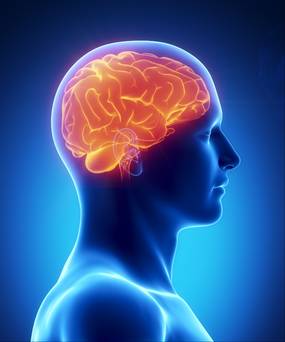
Picture of brain and synapses.

1. Omega-3 Fatty Acids, Uridine and Choline

The formation of synapses depends on sufficient brain levels of three key nutrients – uridine, omega-3 fatty acids, and choline. These nutrients are synergistic, and if you take them taken together, they accelerate the formation of new synapses in the brain (66-67, 75-78). 

Unfortunately, most people nowadays don’t get enough of these essential nutrients through their diet because very few foods in the Western diet actually contain them.

In fact, the uridine in food is not bioavailable, and no food has been shown to increase plasma levels of uridine (1).
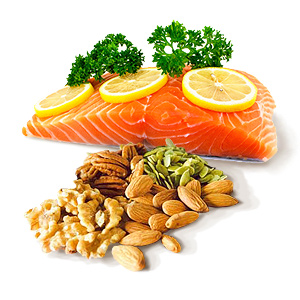
Picture of salmon and walnuts. Salmon and walnuts and rich in omega-3 fatty acids, which have been shown to form new brain synapses.

That’s why I take a uridine monophosphate supplement sublingually to support the long-term health of my brain. 

At the same time, I take a krill oil supplement and the Optimal Brain supplement, which includes CDP-Choline and Alpha GPC (two high-quality sources of choline). This ensures my brain is getting enough of omega-3 fatty acids and choline.

Several researchers have concluded that supplementing with all three nutrients can increase synaptic formation, increase brain synapses, and improve cognition, learning and memory, particularly in people with Alzheimer's disease (68-74). 

Besides supplementation, I still encourage people to eat foods that contain omega-3 fatty acids and choline. 

The best way to get omega-3 fatty acids from food is by eating more cold-water fish such as salmon, black cod, sablefish, sardines and herring. And the best food sources of choline include grass-fed beef liver and egg yolks. These foods are included in my Free Grocery Shopping Guide for Optimal Brain Health.

Taking uridine, choline and omega-3 fatty acids together can also promote the regeneration of myelin.


2. Low Level Laser Therapy

Low-level laser therapy (LLLT), or photobiomodulation, is a treatment that uses low-level (low-power) lasers or light-emitting diodes (LEDs) to stimulate brain cells, helping them function better.

Most doctors don't know about LLLT; but not every doctor.

Man wearing LLLT helmet and using the Vielight device. LLLT and Vielight devices can help form new synapses in the brain.

Dr. Norman Doidge, a physician who teaches at the University of Toronto here in Canada, discusses the amazing effects of LLLT in his book The Brain’s Way of Healing.

One way that LLLT may help the brain is by encouraging synaptogenesis (12-15). 

Researchers have found that LLLT treatment significantly stimulates the synthesis of synapsin-1 (a marker for synaptogenesis) and increases synaptogenesis in the cortex (16-17). 

I previously wrote about my experience with low-level laser therapy here.

I use this device and shine the red and infrared light on my forehead for 5 minutes every day. I also shine it on other parts of my head and on my entire body, including on my thyroid, thymus gland and gut. I experience incredible benefits from doing this.

When I’m travelling, I take this smaller and more convenient device with me and shine it on my forehead.

I’ve also been using the Vielight Neuro Duo, which is a transcranial-intranasal headset with 810 nm of near infrared light. It penetrates deeper into brain tissue and is absorbed better by the central nervous system. If you decide to try a Vielight device, you can use the coupon code JORDANFALLIS for a 10% discount

Before trying LLLT, I highly recommend reading my full article about it first.

LLLT can also support mitochondria function, reduce brain fog, and increase blood flow to the brain. 


3. Bacopa

Bacopa monniera is an adaptogenic herb with cognitive-enhancing effects.

Several studies show that it improves cognition, learning and memory by strengthening communications between brain cells. Both healthy and elderly people who take the herb experience improved attention, learning and memory (2-5). 

Researchers believe that these improvements are because bacopa increases brain synapses and increases specific neuromolecular mechanisms that encourage and enhance synaptogenesis (18). 
Click here to subscribe

4. Exercise

Exercise is one of the best ways to promote the formation of new synapses.

Researchers have repeatedly found that physical activity encourages synaptogenesis and increases brain synapses (32-33). 

Exercise also increases blood flow to the brain, promotes the regeneration of myelin, and can help reverse brain damage and cognitive decline. 

So not surprisingly, many brain health experts recommend exercise as their number one piece of advice for optimal brain health.

My usual advice is to find a sport or exercise routine that you enjoy, so that you’ll stick with it consistently.


5. Magnesium Threonate

Magnesium is a vital mineral that participates in more than 300 biochemical reactions in your body, including neurotransmitter and hormonal activity, which can have a huge effect on your brain function.

Researchers have found that increasing magnesium levels in the brain improves learning and memory by promoting synaptogenesis and increasing brain synapses (25-26). 

One study concluded that magnesium threonate increases the number of synaptic connections between brain cells and boosts the density of synapses (27). 
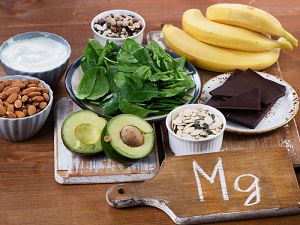
Magnesium rich foods, including spinach, avocados, bananas, almonds. Magnesium helps the brain form new synapses.

Unfortunately, lot of people are deficient in magnesium today (6-8).

But there are a number of ways you can make sure you’re consuming enough. 

First, make sure you’re eating magnesium-rich foods on a regular basis, including spinach, chard, pumpkin seeds, almonds, avocado, dark chocolate and bananas. These foods are included in my Free Grocery Shopping Guide for Optimal Brain Health.

Epsom salt baths are another great way to increase your body’s intake of magnesium. 

But I also recommend a high-quality magnesium supplement. 

Magnesium threonate is the best form of magnesium for increasing brain magnesium levels and forming new synapses. 

Since most people are deficient, magnesium is one of the three supplements that I think everyone should be taking.

Magnesium can also help repair a leaky blood-brain barrier.


6. Intermittent Fasting

Fasting allows your digestive system to take a break and triggers a number of hormones that boost your body’s ability to repair itself.

On most days, I don’t eat breakfast at all, and then "break my fast" by eating my first meal of the day around 2 or 3 p.m. That means I eat all my food for the day within an 8-hour window.

There are many health benefits to doing this.

It can improve mitochondrial function, reduce brain fog, and help protect you from dementia. 

And researchers have also found that fasting can trigger and enhance synaptogenesis (28-31). 

The best way to start fasting is simply by eating dinner around 6, not eating anything after that before bed, and then eating a regular breakfast the next day. That should give you about 12-14 hours of fasting time. 


7. Ginkgo Biloba

Ginkgo Biloba is a plant that has been used in China for thousands of years to treat a number of health problems. It’s one of the top-selling herbal supplements in the world, and it’s even a prescription herb in Germany.

It’s most commonly used to improve brain health because it’s been shown to increase brain blood flow and improve memory and attention in both healthy and unhealthy individuals. It even reduces the risk of dementia and Alzheimer’s disease and may also improve mood and mental energy (34).

Researchers have also discovered that it stimulates synaptogenesis and increases brain synapses (35). 

Ginkgo Biloba is included in the Optimal Brain supplement.

Click here to subscribe

8. Motor Learning

Motor learning is essentially when you learn something new that involves movement.

Complex processes occur in the brain in response to practicing or experiencing the new motor skill.

This results in changes to the central nervous system, which allows you to produce the movement again in the future.

Researchers have found that motor learning triggers synaptogenesis and generates new synapses in the cerebellar cortex of the brain (36-39). 

Some activities that involve motor learning include learning how to play the piano, climbing trees, juggling, and playing table tennis. 

When you engage in these activities, motor learning occurs, and you form new synapses in order to learn and solidify the new skill. 

I have personally used a number of different neuroplasticity exercises that involve motor learning to promote synaptogenesis in my own brain.


9. Resveratrol

Picture of grapes. Grapes are rich in resveratrol, an antioxidant than help you form new synapses in your brain.

Resveratrol is a beneficial antioxidant and anti-inflammatory compound found in grapes, red wine, raspberries and dark chocolate.

Resveratrol is known to help prevent the development of neurodegenerative diseases.

And researchers are starting to understand why.

Resveratrol can help restore the integrity of the blood-brain barrier, support your mitochondria, and increase blood flow to the brain.

But it can also increase synaptogenesis.

Research shows the resveratrol promotes and enhances synaptogenesis (23-24). 

Resveratrol is included in Optimal Energy.


10. Piracetam

Piracetam is a nootropic (cognitive-enhancing) supplement. It provides a mild boost to brain function and has a long history of being used to treat cognitive impairment in Europe, Asia and South America. 

According to researchers, one way it improves cognition is by enhancing synaptogenesis and increasing brain synapses (9-10). 

One study found that rats treated with piracetam had a higher number of synapses than rats not treated with piracetam (11). 

Phenylpiracetam is an advanced version of piracetam and I found it to be even more effective. It also has impressive anti-anxiety and antidepressant effects.

Both piracetam and phenylpiracetam work best if you take them with a source of choline, either CDP-Choline or Alpha GPC.

Both CDP-Choline and Alpha GPC are included in the Optimal Brain supplement. 


11. Quercetin

Quercetin is a bioflavonoid found in fruits and vegetables. It is one of the most widely consumed flavonoids in the human diet. 

Quercetin has potent antioxidant action and is “neuroactive”, meaning it can affect brain function. 

As a result, it can protect brain cells from oxidative stress and inhibit the pro-inflammatory molecules that are associated with many progressive brain disorders (45-46). 

Researchers have also found that it stimulates synaptogenesis (48). 

Red apples, onions and tomatoes have the high levels of quercetin. But you can also supplement with it if you want. 

It’s interesting to note that quercetin increases the absorption of resveratrol, so it’s a good idea to take them both together if you want to increase synaptogenesis and form new brain synapses (47). 

Click here to subscribe

12. Intranasal Insulin

Insulin is one of the hormones that significantly affects brain function.

It has a number of important functions in the central nervous system, and researchers have found that it passes the blood-brain barrier and acts on insulin receptors directly within the brain.

In a new therapeutic approach, commercially-available insulin (Novalin R) is prepared and added to nasal spray bottles, and sprayed and inhaled through the nose to support brain and mental health.

Intranasal insulin has been reported to significantly enhance learning and memory, increase mental energy, reduce brain fog, improve mood, and lower anxiety and stress levels.

One possible mechanism is by increasing synaptogenesis.

Brain insulin receptors are found primarily in synapses, and insulin signaling contributes to synaptogenesis (19-21). 

And the disruption of insulin action in the brain leads to impaired synaptogenesis (22). 

If you’re interested in learning more about intranasal insulin, I previously wrote a full article about it here.


13. Progesterone

Progesterone is a natural steroid and sex hormone involved in the menstrual cycle and pregnancy.

It has a variety of important functions in the body, and even plays an important role in brain function. 

Research shows that progesterone supports the normal development of brain cells and protects them from damage (40).

But many researchers have also found that progesterone promotes synaptogenesis (41-43). 

In addition to its role as a natural hormone, progesterone can be taken as a medication, usually by women during menopause as part of their hormone replacement therapy. 


14. Antioxidant Nutrients

Some nutrients have antioxidant effects in the body, and not consuming enough of them can reduce your rate of synaptogenesis. 

Research shows that “synaptic membrane synthesis” depends on sufficient dietary intake of Vitamin C, Vitamin E, and the mineral selenium (64). 
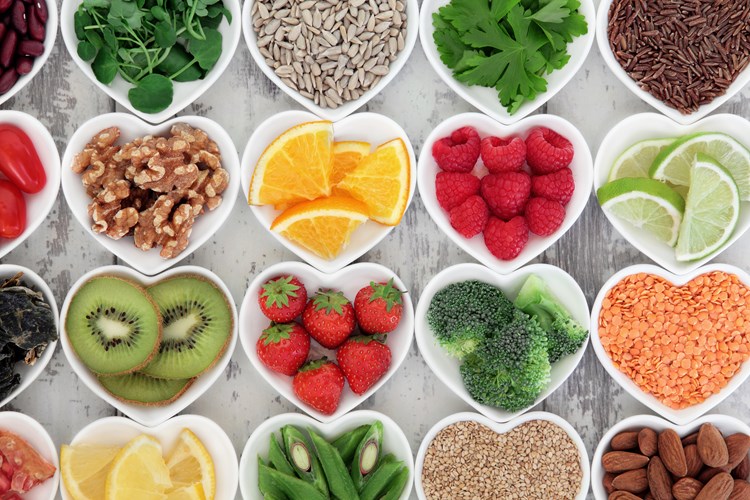
A bunch of antioxidant-rich fruits and vegetables in heart-shaped bowls. Antioxidants can helps the brain form new synaptic connections.

One study found that synaptogenesis was significantly enhanced by supplementing with omega-3 fatty acids, uridine, Vitamin C, Vitamin E, and selenium. But it wasn’t enhanced as much with omega-3 fatty acids and uridine alone, suggesting that Vitamin C, Vitamin E, and selenium play a key role in synaptogenesis (65). 

I get these antioxidant nutrients from a number of sources. 

In addition to getting Vitamin C from fruits and vegetables, I take at least 500 mg of supplemental Vitamin C every day. At one point, I was actually taking up to 10 grams of Vitamin C every day as an experiment, but that’s not necessary unless you find it really helps you.

For selenium, I make sure I eat brazil nuts regularly, as they are the richest source. But I also take some extra selenium in supplement form.

For Vitamin E, good food sources include almonds, spinach, sweet potatoes, avocados, olive oil, sunflower seeds and butternut squash. It’s also included in the Optimal Antiox supplement.

Besides increasing synaptogenesis, antioxidants can also protect your brain from alcohol and help reverse brain damage. 


15. BONUS: 4 Things to Avoid

It’s not just what you do, but also what you avoid that can impact your rate of synaptogenesis. 

Researchers have found that certain compounds can impair synaptogenesis and inhibit the formation of new synapses in the brain. 

So besides trying to implement the 14 steps above, you should also try to avoid:

  • Bisphenol A – This compound is found in plastic bottles and containers, food and beverage cans, and other common consumer products, such as CDs, DVDs and sales receipts. Researchers have found that it impairs synaptogenesis in the brain (49). That’s why I recommend you only eat and drink out of glass, ceramic and stainless steel. Avoid all canned food and plastic containers. BPA-free plastic isn’t much better for you and can still disrupt hormonal health.

  • Lead – Lead is a heavy metal that can accumulate in the body and negatively affect brain function. Research shows that lead exposure can interfere with the formation of brain synapses (55-59). So it’s definitely a good idea to reduce your exposure to sources of lead. One way is by using an infrared sauna regularly.

  • Gabapentin – Gabapentin is a medication used to treat epilepsy, neuropathic pain, hot flashes, and restless legs syndrome. Researchers have found that it halts the formation of new synapses (80).

  • Stress – Chronic stress decreases synaptogenesis and decreases the number of synapse connections (88-89). Here are 20 ways to lower cortisol, your body’s main stress hormone. These two biofeedback devices are my favourite ways to reduce stress.


Enjoy This Article? You Might Also Like My FREE Food Guide for Optimal Brain and Mental Health!
Click here to subscribe

Live Optimally,

Jordan Fallis

Connect with me

References:

(1) https://www.ncbi.nlm.nih.gov/pmc/articles/PMC4011061/

(2) https://www.ncbi.nlm.nih.gov/pubmed/20590480

(3) https://www.ncbi.nlm.nih.gov/pubmed/18611150

(4) https://www.ncbi.nlm.nih.gov/pubmed/12093601

(5) https://www.ncbi.nlm.nih.gov/pubmed/18683852

(6) http://www.tandfonline.com/doi/abs/10.1080/00048670802534408

(7) http://www.ncbi.nlm.nih.gov/pubmed/10746516

(8) http://www.ncbi.nlm.nih.gov/pubmed/9861593

(9) https://www.ncbi.nlm.nih.gov/pubmed/17710536/

(10) https://www.ncbi.nlm.nih.gov/pmc/articles/PMC2944646/

(11) https://goo.gl/cq2MxB

(12) https://www.ncbi.nlm.nih.gov/pmc/articles/PMC5066074/

(13) https://www.ncbi.nlm.nih.gov/pubmed/29131369

(14) http://iopscience.iop.org/article/10.1088/2040-8986/19/1/013003/meta

(15) https://goo.gl/i6XxYc

(16) http://www.ncbi.nlm.nih.gov/pubmed/25196192

(17) https://www.ncbi.nlm.nih.gov/pmc/articles/PMC5379854/

(18) https://www.ncbi.nlm.nih.gov/pubmed/27692172

(19) https://www.ncbi.nlm.nih.gov/pmc/articles/PMC3260944/

(20) https://www.ncbi.nlm.nih.gov/pubmed/18549783/

(21) https://www.ncbi.nlm.nih.gov/pubmed/19026743/

(22) http://diabetes.diabetesjournals.org/content/63/7/2232

(23) https://www.ncbi.nlm.nih.gov/pubmed/28957797

(24) https://www.karger.com/Article/Abstract/481611

(25) https://www.ncbi.nlm.nih.gov/pmc/articles/PMC4172865/

(26) https://www.ncbi.nlm.nih.gov/pubmed/20152124/

(27) https://goo.gl/FE9Gsh

(28) https://www.ncbi.nlm.nih.gov/pubmed/22325203

(29) https://www.ncbi.nlm.nih.gov/pmc/articles/PMC3278709/

(30) http://www.intermittentfaster.com/intermittent-fasting-science/

(31) https://www.ncbi.nlm.nih.gov/pmc/articles/PMC2622429/

(32) https://www.ncbi.nlm.nih.gov/pmc/articles/PMC3865437/

(33) https://www.ncbi.nlm.nih.gov/pubmed/23973748

(34) https://www.ncbi.nlm.nih.gov/pmc/articles/PMC3679686/

(35) https://www.ncbi.nlm.nih.gov/pubmed/19661619

(36) http://www.pnas.org/content/87/14/5568

(37) http://www.ncbi.nlm.nih.gov/pmc/articles/PMC54366/

(38) http://www.ncbi.nlm.nih.gov/pubmed/11749086

(39) http://www.ncbi.nlm.nih.gov/pubmed/24304717

(40) https://www.ncbi.nlm.nih.gov/pubmed/10833057

(41) https://www.ncbi.nlm.nih.gov/pubmed/21308798

(42) https://www.ncbi.nlm.nih.gov/pubmed/11487645

(43) https://www.ncbi.nlm.nih.gov/pubmed/18308850

(44) http://online.liebertpub.com/doi/abs/10.1089/rej.2011.1170

(45) https://www.ncbi.nlm.nih.gov/pubmed/15319809

(46) https://www.karger.com/Article/Abstract/72357

(47) https://www.ncbi.nlm.nih.gov/pubmed/25669932

(48) https://www.ncbi.nlm.nih.gov/pubmed/19661619

(49) https://www.ncbi.nlm.nih.gov/pubmed/18048497

(50) https://en.wikipedia.org/wiki/Synaptogenesis

(51) https://goo.gl/a9KtYe

(52) https://www.sciencedirect.com/science/article/pii/S0005273603000245

(53) http://www2.cnrs.fr/en/201.htm

(54) https://goo.gl/m9eqHg

(55) https://goo.gl/BnJM77

(56) https://www.ncbi.nlm.nih.gov/pmc/articles/PMC4084981/

(57) https://www.ncbi.nlm.nih.gov/m/pubmed/21192972/

(58) https://www.ncbi.nlm.nih.gov/pmc/articles/PMC3049857/

(59) https://www.ncbi.nlm.nih.gov/pmc/articles/PMC3076195/

(60) https://en.wikipedia.org/wiki/Synaptogenesis

(61) https://www.sciencedirect.com/science/article/pii/S0005273603000245

(62) https://goo.gl/rzjaXo

(63) https://goo.gl/NRCtsz

(64) https://www.ncbi.nlm.nih.gov/pubmed/28598848

(65) https://www.ncbi.nlm.nih.gov/pmc/articles/PMC5502840/

(66) http://www.ncbi.nlm.nih.gov/pmc/articles/PMC4011061/

(67) https://www.ncbi.nlm.nih.gov/pubmed/16055952

(68) https://www.ncbi.nlm.nih.gov/pubmed/19400698

(69) https://www.ncbi.nlm.nih.gov/pubmed/16631143

(70) http://wurtmanlab.mit.edu/static/pdf/1051.pdf

(71) https://www.ncbi.nlm.nih.gov/pmc/articles/PMC4011061/

(72) https://www.frontiersin.org/articles/10.3389/fnins.2017.00440/full

(73) https://www.ncbi.nlm.nih.gov/pubmed/12399581

(74) https://www.ncbi.nlm.nih.gov/pubmed/16880353

(75) https://www.ncbi.nlm.nih.gov/pubmed/27597963

(76) https://goo.gl/7cH9oD

(77) https://www.ncbi.nlm.nih.gov/pubmed/19262950

(78) https://www.ncbi.nlm.

(79) https://www.ncbi.nlm.nih.gov/pubmedhealth/PMHT0024276/

(80) https://goo.gl/EmQRxy

(81) https://www.sciencedaily.com/releases/2013/10/131010205325.htm

(82) https://goo.gl/UoYf2D

(83) https://www.ncbi.nlm.nih.gov/pmc/articles/PMC3059649/

(84) https://www.ncbi.nlm.nih.gov/pmc/articles/PMC3405673/

(85) https://www.ncbi.nlm.nih.gov/pmc/articles/PMC5405628/

(86) https://www.ncbi.nlm.nih.gov/pmc/articles/PMC3491115/

(87) https://www.ncbi.nlm.nih.gov/pmc/articles/PMC4424898/

(88) https://www.ncbi.nlm.nih.gov/pmc/articles/PMC4432471/

(89) https://www.ncbi.nlm.nih.gov/pmc/articles/PMC3984887/

Terms and Conditions

Privacy Policy

Affiliate Disclosure

Disclaimer

How to Improve Your Brain Function with An Oxygen Concentrator

“Insufficient oxygen means insufficient biological energy that can result in anything from mild fatigue to life threatening disease. The link between insufficient oxygen and disease has now been firmly established.”
— Dr. W. Spencer Way, Journal of the American Association of Physicians

Oxygen is absolutely essential for life, and your brain depends it more than any other part of your body.

Your brain weighs about 2% of your body weight.

But it consumes about 20% of the oxygen you breathe.

Your brain cells need to get enough oxygen to produce energy and function optimally.

If they don’t, they can start to deteriorate, leading to poor memory and concentration, low mood, lack of energy and drive. 

I personally use oxygen therapy with an oxygen concentrator to support and optimize my brain function. 

This post discusses oxygen therapy, the benefits, how I use it, and how it could help you. 

It’s a great way to boost cognitive function, memory and energy.

Read on to learn more. 


Types of Oxygen Therapy

Oxygen therapy is the use of supplemental oxygen to treat a variety of medical conditions.

Air is typically 21% oxygen by volume, but oxygen therapy increases the amount.

Hyperbaric oxygen therapy (HBOT) is the most well-known type of oxygen therapy, and it allows patients to inhale 100% pure oxygen in a total body chamber.

Tube plugged into oxygen tank

HBOT is often used by professional athletes for recovery and performance.

But it’s expensive and not available to most people. 

Luckily, it’s not the only option available to you. 

Normobaric oxygen therapy (NBOT) is much less expensive, and it’s easily accessible and non-invasive. I personally use NBOT at home. 

Similar to HBOT, NBOT brings a higher percentage of oxygen into the body and can bring major benefits to your brain and cognition.

Researchers have found that both normobaric and hyperbaric oxygen therapy increase the amount of oxygen that is delivered to the blood and brain (1-2). 

With normobaric therapy, oxygen can be delivered via an oxygen concentrator. 

An oxygen concentrator is a machine that separates oxygen from room air, and then delivers the concentrated oxygen through a nasal cannula or mask.

I use this oxygen concentrator.

Make sure you read the “My Experience” section below where I discuss how to use it. .


Why You Might Need Oxygen Therapy and How It Works

Hypoxia is a condition in which the body or a region of the body is deprived of adequate oxygen supply.

If this happens to you, you can end up with mitochondria dysfunction and poor brain function. 

But how do you know?

You can use an oxygen saturation monitor to measure and monitor your blood oxygenation levels. I use this monitor. It’s the best and most accurate oxygen saturation monitor that is often used by medical professionals, and freely available to the public.

Your blood oxygen saturation levels (SpO2) should measure 99-100% if you want to feel optimal.  

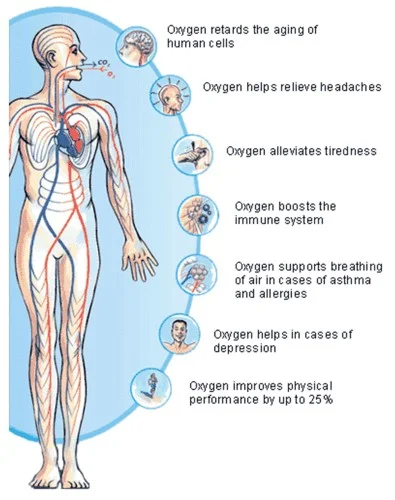
An illustration of the benefits of oxygen therapy.

There are a number of reasons why your body and brain might not be getting enough oxygen:

  • Sedentary lifestyle and lack of exercise

  • Shallow breathing – Most people today don’t breathe well and are shallow breathers.

  • Chronic stress – Stress and anxiety can also affect your breathing. If you're stressed and anxious, you end up taking more shallow breaths. Your sympathetic “fight or flight” nervous system is chronically active, and this reduces the amount of oxygen that reaches your brain.

  • Abnormal blood pressure – Both high and low blood pressure can be problematic and may suggest that blood is not optimally flowing to your brain. If blood flow to your brain is poor, oxygen levels in your brain will also be suboptimal.

Normobaric oxygen therapy can help you if you’re struggling with any of these problems.

It can also help if you’re recovering from a concussion or brain injury or some sort of toxic exposure (e.g. mold). 

Neuroplasticity and neurogenesis require oxygen, and increasing the delivery of oxygen to the body and brain supports the healing process of damaged tissue.

Normobaric oxygen therapy has been shown to work by increasing brain blood flow, reducing permeability of the blood-brain barrier, and it may even have cholinergic properties (3-8). 

Researchers have concluded that the “neuroprotective role of normobaric oxygen therapy is extremely promising” (9). 

They have also found that it can lead to a number of positive cognitive outcomes, which I'll explore below. 

Click here to subscribe

1. Normobaric Oxygen Therapy Improves Memory and Recall

In their book Advances in Natural Medicines, Nutraceuticals, and Neurocognition, Dr. Andrew Scholey and Dr. Con Stough state that normobaric oxygen therapy is an effective memory enhancer: 

“Research has shown that oxygen administration leads to improved long-term memory compared to a control group of normal air-breathing.”

Several clinical studies also show that concentrated oxygen significantly enhances memory formation and recall in adults (10-11, 16-17). 

In one study, inhalation of oxygen immediately prior to learning a word list resulted in a significant increase in the average number of words recalled 10 minutes later (14). 

In other studies, subjects who received oxygen remembered shopping lists and faces better than subjects that didn’t receive oxygen (12-13, 18). 

Researchers have also found significant positive correlations between changes in oxygen saturation and memory performance (15). 


2. Normobaric Oxygen Therapy Improves Cognitive Performance

Research shows that concentrated oxygen significantly enhances cognitive performance (19-20, 29). 

And it doesn’t just improve cognitive function in the elderly; it also enhances cognitive processing in young adults (21-23). 

In one study, students that inhaled oxygen while playing a computer game performed much better compared to students who didn’t inhale any additional oxygen (26). 

In two other studies, researchers found that the inhalation of 30% oxygen improved cognitive functioning and performance by activating several brain areas (24-25). 

“Oxygen administration appears to facilitate cognition most effectively for tasks with a higher cognitive load.”
— Advances in Natural Medicines, Nutraceuticals, and Neurocognition

They concluded that breathing a higher concentration of oxygen increases blood oxygen levels in the brain, which then supports cognition (24-25). 

And other researchers have found significant correlations between blood oxygen levels and cognitive performance (27-28). 


3. Normobaric Oxygen Therapy Enhances Accuracy

Several studies have found that normobaric oxygen therapy can also increase your accuracy when doing tasks. 

Two studies found that 30% and 40% oxygen administration significantly enhanced accuracy rates compared to 21% oxygen (normal air). It did this by increasing oxygen levels in the blood, which then stimulated activity in the brain (31-32). 

As the difficulty of the task increased, the difference in the accuracy rate between 40% and 21% oxygen administration also increased (33-34). 

And researchers found a positive correlation between task performance and oxygen levels in the brain (33-34). 

Other research has found that 30% oxygen administration enhances accuracy rates during verbal tasks by activating specific areas of the brain (35-36). 

Click here to subscribe

4. Normobaric Oxygen Therapy Reduces Reaction Time

People who receive normobaric oxygen therapy also have faster reaction times (37-38). 

In one study, participants performed visual matching tasks under 43% oxygen or 21% oxygen (normal air).

Researchers reported a significant decrease in reaction time in the presence of 43% oxygen (39).

The researchers hypothesized that normobaric oxygen therapy increases oxygen levels in the blood, which then leads to more available oxygen in the brain (39). 

Another follow-up study confirmed that response time decreases during normobaric oxygen therapy due to the increase in blood oxygen levels (40). 

Normobaric oxygen therapy has even been shown to reduce reaction time in children with attention deficit hyperactivity disorder (ADHD) (41). 


5. Normobaric Oxygen Therapy Increases Energy

“Despite comprising only 2 percent of the body’s weight, the brain gobbles up more than 20 percent of daily energy intake.”

All cells within your body need oxygen, particularly your brain cells.

They require a lot of oxygen to produce energy. 

In fact, your energy levels depend on how much oxygen you have and how well your mitochondria utilize it.

If your brain doesn’t get enough oxygen, it simply won’t function properly, and you’ll end up feeling tired. 

But normobaric oxygen therapy can increase energy.

Research shows that it "decreases fatigue and reduces feelings of sleepiness" (51). 


6. Normobaric Oxygen Therapy Improves Neurological Function After Stroke

Researchers say that normobaric oxygen therapy is a promising therapy for stroke patients. 

It’s been shown to reduce brain swelling and blood-brain barrier permeability and increase brain blood flow after stroke (42-43). 

One study found that normobaric oxygen therapy significantly improved neurological functions in patients with acute ischemic stroke (44). 

Other researchers have found that normobaric oxygen therapy increases oxygen supply to damaged tissues and improves outcomes after stroke, in both animals and humans (45-46). 

As a non-pharmaceutical and non-invasive treatment, normobaric oxygen therapy is “worthy of notice” (47). 

Click here to subscribe

7. Oxygen Therapy May Help Reverse Brain Damage After Traumatic Brain Injury

Researchers found that a combination of normobaric and hyperbaric oxygen therapy reversed brain damage in 2-year-old girl who nearly drowned in a swimming pool.

She received normobaric oxygen treatment (twice daily for 45 minutes by nasal cannula), and doctors witnessed significant improvements in her neurological function (48-49). 

Normobaric oxygen therapy alone improved the girl’s neurological function before she started hyperbaric oxygen therapy (48-49). 

She eventually made a full recovery with both types of oxygen therapy. 

Researchers have also said that the “neuroprotective role of normobaric oxygen therapy is extremely promising” for traumatic brain injury (50). 

I’ve also seen multiple studies with rats and mice showing that normobaric oxygen therapy reduces brain swelling and brain damage.


8. Other Possible Benefits (with Less Research Behind Them)

  • Increases attention and vigilance – Oxygen administration significantly improved performance on several measures of attention and vigilance (52).

  • Reduces inflammation – Oxygen levels play a critical role in determining the severity of the inflammatory response and ultimately the effectiveness of anti-inflammatory drugs (53-54).

  • Improves hand-eye coordination (55).

  • Increases positive sense of wellbeing (56).


My Experience with Normobaric Oxygen Therapy

“If you use oxygen for 20 minutes, muscles become loosened, headaches and stress seem to disappear, there is a renewed energy and a feeling of relaxation.”
— Dr. Richard de Andrea


I was first introduced to oxygen therapy through an integrative doctor I know.

At the end of each appointment with him, I would use his oxygen concentrator for about 15-20 minutes. He used this oxygen concentrator. 

I eventually decided to buy my own oxygen concentrator and now regularly use it at home. 

There is a dial for adjusting the flow of oxygen and the port is located on the upper right of the machine.

There is a dial for adjusting the flow of oxygen and the port is located on the upper right of the machine.

I bought this oxygen concentrator. I'll discuss how it has helped me below.

The oxygen from the concentrator is supplied through an nasal canula. It’s completely non-invasive and painless, and it’s become one of my favourite tools for supporting my brain.

I use it for about 20 to 30 minutes, a few times each week. I often do this while exercising on this indoor stationary bike. Sometimes I use it without exercising on the bike. 

I also use it for about 3 to 5 minutes as needed, usually when doing work. 

During a session, I use this oxygen saturation monitor to measure my blood oxygenation levels. 

Your blood oxygen saturation levels (SpO2) should measure 99-100%. I see mine increase and max out while using the concentrator. 

My oxygen concentrator delivers up to 5 litres of oxygen per minute. I usually set mine somewhere between 3 and 5 litres per minute. 

But I would recommend starting lower and working your way up. 

Similar to low-level laser/light therapy, oxygen therapy is somewhat experimental. You need to find the right “dosage” for yourself.


Benefits and What I’ve Noticed

Jordan Fallis using oxygen concentrator.

I've had good results with concentrated oxygen therapy and it has surprisingly increased the quality of my life. 

One of the main things I notice is that it feels like it puts energy back into my body every time I use it.

One of my clients uses it whenever she gets brain fog, and it clears it up. Another client uses it when she gets a headache and the headache disappears within 10 minutes.

It also does an incredible job of getting rid of hangovers. They essentially go away if you use the concentrator the morning after drinking. You just immediately feel like a completely new person.

Here are some other benefits I’ve experienced:

  • Increased energy and alertness

  • Improved mood

  • Increased cognitive function

  • Improved memory and enhanced ability to work through difficult tasks

  • More mental motivation, endurance and productivity if used during tasks

Keep in mind that this is my personal experience (and the experiences of a couple of clients). There really is no guarantee that you’ll experience the same results, but it’s worth a try if you’re sick and other therapies aren’t improving your brain function. 

Click here to subscribe

Combining Oxygen Therapy with Other Therapies

I also combine oxygen therapy with other therapies and supplements for their synergistic effects. 

Researchers have found that combining normobaric oxygen therapy with the following therapies leads to better results (57-59):


Enjoy This Article? You Might Also Like My FREE Food Guide for Optimal Brain and Mental Health!

Click here to subscribe

Live Optimally,

Jordan Fallis

Connect with me

References:

(1) https://www.ncbi.nlm.nih.gov/pubmed/23317164

(2) https://www.ncbi.nlm.nih.gov/pmc/articles/PMC5234199/

(3) https://www.ncbi.nlm.nih.gov/pmc/articles/PMC3023418/

(4) https://www.ncbi.nlm.nih.gov/pmc/articles/PMC5110143/

(5) https://www.ncbi.nlm.nih.gov/pubmed/28931617

(6) https://www.ncbi.nlm.nih.gov/pubmed/25804925

(7) https://www.ncbi.nlm.nih.gov/pubmed/27177548

(8) https://www.ncbi.nlm.nih.gov/pubmed/9600580/

(9) https://www.ncbi.nlm.nih.gov/pubmed/19922270

(10) https://www.ncbi.nlm.nih.gov/pubmed/9600580/

(11) https://www.ncbi.nlm.nih.gov/pmc/articles/PMC4107523/

(12) https://www.ncbi.nlm.nih.gov/pubmed/10604851/

(13) https://www.ncbi.nlm.nih.gov/pubmed/9600580

(14) https://www.ncbi.nlm.nih.gov/pubmed/8740047

(15) https://www.ncbi.nlm.nih.gov/pubmed/18322865/

(16) https://www.ncbi.nlm.nih.gov/pubmed/9600580/

(17) https://www.ncbi.nlm.nih.gov/pubmed/9694523/

(18) https://www.ncbi.nlm.nih.gov/pubmed/9862412

(19) https://www.ncbi.nlm.nih.gov/pmc/articles/PMC4107523/

(20) https://www.ncbi.nlm.nih.gov/pubmed/10604851/

(21) https://www.ncbi.nlm.nih.gov/pubmed/9694523/

(22) https://www.ncbi.nlm.nih.gov/pmc/articles/PMC4107523/

(23) https://www.ncbi.nlm.nih.gov/pmc/articles/PMC4107523/

(24) https://www.ncbi.nlm.nih.gov/pubmed/15522765

(25) https://www.ncbi.nlm.nih.gov/pubmed/15684544

(26) https://goo.gl/h9o5Aj

(27) https://www.ncbi.nlm.nih.gov/pmc/articles/PMC4107523/

(28) https://www.ncbi.nlm.nih.gov/pubmed/10604851/

(29) https://www.ncbi.nlm.nih.gov/pubmed/17662686/

(30) https://www.ncbi.nlm.nih.gov/pmc/articles/PMC4107523/

(31) https://www.ncbi.nlm.nih.gov/pubmed/17053947/

(32) https://www.ncbi.nlm.nih.gov/pubmed/17395994/

(33) https://www.ncbi.nlm.nih.gov/pubmed/18569150/

(34) https://www.ncbi.nlm.nih.gov/pubmed/20080151

(35) https://www.ncbi.nlm.nih.gov/pubmed/16678926

(36) https://www.ncbi.nlm.nih.gov/pubmed/15929498

(37) https://www.ncbi.nlm.nih.gov/pubmed/15627418/

(38) https://www.ncbi.nlm.nih.gov/pubmed/10604851/

(39) https://www.ncbi.nlm.nih.gov/pubmed/19429029/

(40) https://www.ncbi.nlm.nih.gov/pmc/articles/PMC4107523/

(41) https://www.ncbi.nlm.nih.gov/pubmed/22285726

(42) https://www.ncbi.nlm.nih.gov/pubmed/26416428

(43) https://www.ncbi.nlm.nih.gov/pubmed/25804925

(44) https://www.ncbi.nlm.nih.gov/pubmed/28931617

(45) https://www.ncbi.nlm.nih.gov/pmc/articles/PMC5110139/

(46) https://www.ncbi.nlm.nih.gov/pmc/articles/PMC4146175/

(47) https://www.ncbi.nlm.nih.gov/pmc/articles/PMC5110139/

(48) https://www.ncbi.nlm.nih.gov/pmc/articles/PMC5510296/

(49) https://goo.gl/m2CbrR

(50) https://www.ncbi.nlm.nih.gov/pubmed/19922270

(51) https://www.ncbi.nlm.nih.gov/pubmed/15627418/

(52) https://www.ncbi.nlm.nih.gov/pubmed/9694523/

(53) http://www.sciencedaily.com/releases/2013/12/131202121536.htm

(54) https://jlb.onlinelibrary.wiley.com/doi/abs/10.1189/jlb.0912462

(55) https://www.ncbi.nlm.nih.gov/pubmed/11258587

(56) https://www.ncbi.nlm.nih.gov/pubmed/11258587

(57) https://www.ncbi.nlm.nih.gov/pubmed/27458543

(58) https://www.ncbi.nlm.nih.gov/pubmed/27177548

(59) https://www.ncbi.nlm.nih.gov/pubmed/26416428

Terms and Conditions

Privacy Policy

Affiliate Disclosure

Disclaimer

9 Nutrient Deficiencies That Can Make You More Anxious

When I first started looking for ways to overcome my chronic anxiety, I originally didn’t think nutrition had anything to do with it. 

But I was wrong.

Being deficient in certain nutrients can actually cause or worsen your anxiety.

And getting more of the right vitamins and minerals can increase your ability to properly manage stress.

Anxiety itself can also deplete nutrient levels. 

So the more anxious you are, the faster your body will burn through its vitamins and minerals. 

And the lower your nutrient levels, the more anxiety you’ll have.

It can become a never-ending cycle, eventually leading you to a psychiatrist’s office.

But instead of checking your nutrient levels, your psychiatrist is likely to prescribe you anti-anxiety medication.

And what most people don’t realize – including most psychiatrists – is that anti-anxiety medications can further deplete your nutrient levels.

This all might sound like a disaster, but I promise you – it’s not.

It doesn’t have to be this way. 

You can nip the problem in the bud. 

This article lays out nine nutrient deficiencies that can contribute to anxiety.

Making sure you get enough of these vitamins and minerals through food or supplementation can make a profound difference. 

All of them have really helped me at one point or another.  

Note: If you also have depression, check out my other article, 20 Nutrient Deficiencies That Can Make You Depressed

A cartoon little boy looks stressed and anxious.

1. Magnesium

Magnesium is the fourth most abundant mineral in the human body.

And it’s absolutely essential for optimal brain function and mental health.

Unfortunately, many people don’t get enough magnesium, even if they eat a healthy diet.

In fact, research shows that many people are deficient in magnesium nowadays (1-3). 

This is a big problem because magnesium is necessary for optimal neurotransmitter activity and for the proper functioning of your nervous system.

Researchers have found that low magnesium levels contribute and worsen many neuropsychiatric problems, including anxiety (18). 

In one study, it was shown that not getting enough magnesium significantly increases anxiety (19). 

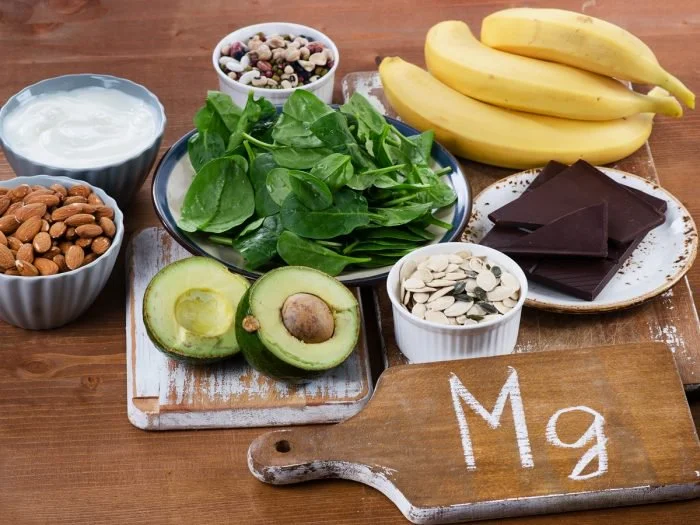
Magnesium-rich foods on a table, including avocados, bananas, almonds, spinach, dark chocolate, etc. A magnesium deficiency can make you more anxious.

And another study found that a magnesium deficiency can increase anxiety by changing the composition of your gut bacteria (23). 

The good news is that nine different studies have concluded that magnesium supplementation can reduce anxiety in humans and improve anxiety-related disorders (20-22, 24-25). 

Plenty of researchers have also found that magnesium has a calming effect in animals by activating GABA (A) receptors. These are the same receptors activated by anti-anxiety medication (26-30). 

So if you have anxiety, it’s very important that you get enough magnesium so that you don’t have a deficiency.

Luckily, there are a number of ways to do this. 

First, you should eat plenty of magnesium-rich foods on a regular basis.

Magnesium-rich foods include spinach, chard, pumpkin seeds, almonds, avocado, dark chocolate and bananas.

These foods are included in my Free Grocery Shopping Guide for Optimal Mental Health.

Epsom salt baths are another great source of magnesium and an excellent way to increase your levels. You can simply throw the salts in your bathtub and take a nice relaxing bed at night before bed.

I also recommend taking a high-quality supplement that includes magnesium so that you know you’re covering all of your bases.

Magnesium is included in this supplement.

Correcting a magnesium deficiency can also help you overcome trauma, depression, addiction and withdrawal. 


2. Zinc

Zinc is another important mineral for mental health, and you want to avoid a deficiency at all costs.

Like magnesium, it supports neurotransmitter production and nervous system functioning, and research shows that having a zinc deficiency can worsen your anxiety. 

More than one study has found that individuals with anxiety have significantly lower levels of zinc (31, 35-36). 

But supplementing with zinc can effectively increase zinc levels and reduce symptoms of anxiety (31).

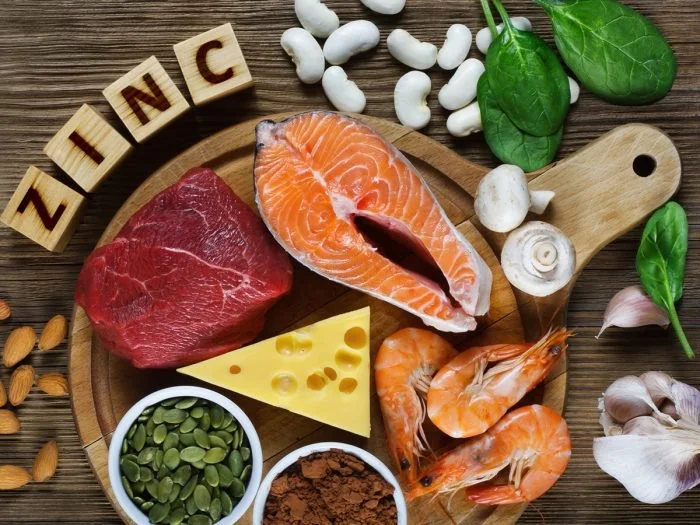
Zinc-rich foods on a table, including salmon, red meat, nuts and seeds. A zinc deficiency can increase anxiety and make you more anxious.

Other studies have also revealed a link between zinc deficiency and anxiety (32, 34).

And when animals are fed a zinc-deficient diet, they display increased anxiety-like behaviour (33). 

Unfortunately, researchers estimate that there are more than 2 billion people in the world that are deficient in zinc. And studies have shown that even a mold zinc deficiency impairs brain function in children and adults (4-6). 

So, if you struggle with anxiety, it’s quite possible that you’re deficient.

And you’ll definitely want to take steps to optimize your zinc levels. 

Eating zinc-rich foods is a good start.

Some of the best food sources of zinc include oysters, grass-fed beef, pumpkin seeds, cashews, mushrooms and spinach. These foods are included in my Free Grocery Shopping Guide for Optimal Mental Health.

However, if you’re deficient like I was, I recommend taking a high-quality zinc supplement, at least for a short period of time. 

I created and take the Optimal Zinc supplement to make sure my zinc levels are optimal. 

Check out my previous post all about zinc, copper and anxiety if you want to learn more about how zinc impacts your mental health and can contribute to your anxiety.

That article also includes other steps you can taken to increase your zinc levels and lower your anxiety.

Zinc also stimulates your vagus nerve, which reduces anxiety. 


3. Vitamin B6

Vitamin B6 is a key nutrient that supports your entire nervous system. 

It accomplishes this by playing a key role in the production of calming neurotransmitters in your brain, including serotonin and GABA.

So having a deficiency in Vitamin B6 can definitely increase your anxiety.  

Vitamin B6 levels have been shown to be significantly lower in individuals who have anxiety and panic attacks (37). 

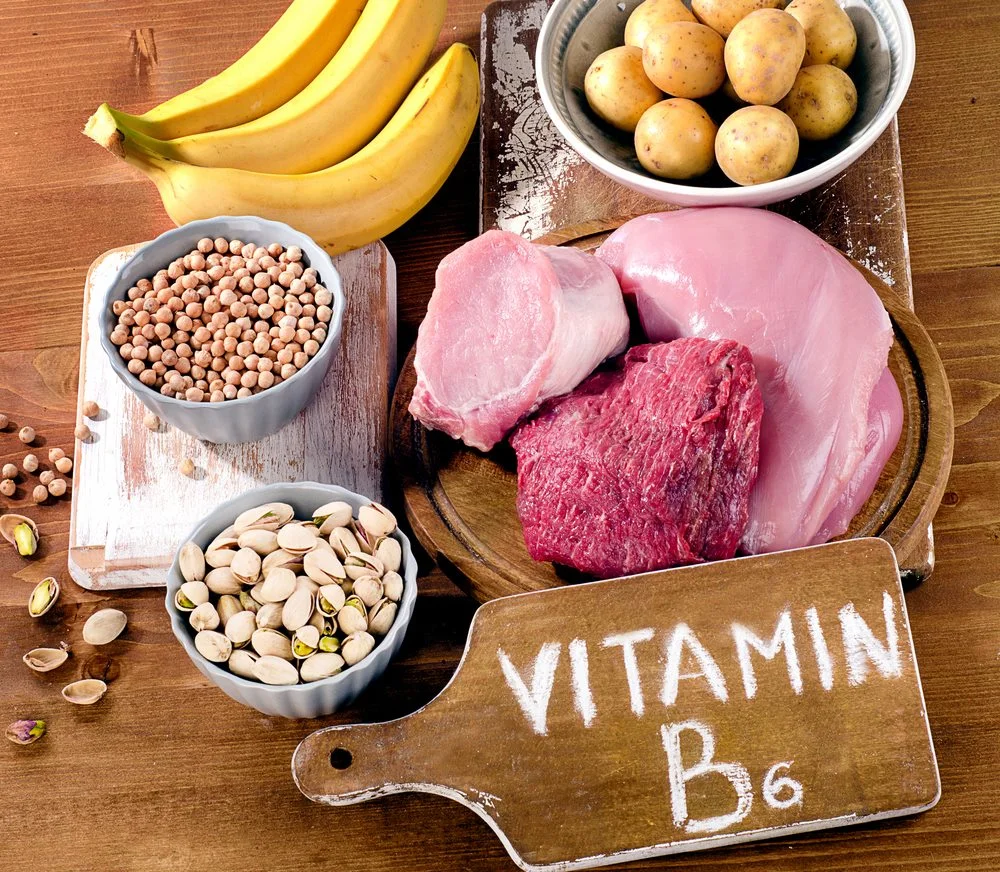
Foods on a table that contain Vitamin B6, including pistachios, chicken, beef, bananas, potatoes, etc. A deficiency in Vitamin B6 can make anxiety worse and make you more anxious.

Some of the best food sources of Vitamin B6 include potatoes, bananas and chicken. These foods are included in my Free Grocery Shopping Guide for Optimal Mental Health.

But if you want to see quick improvements, you may want to try supplementing with Vitamin B6.

Studies have found that Vitamin B6 supplements reduce anxiety (38-40).

When I took antidepressants and benzodiazepines for my chronic anxiety, I supplemented with vitamin B6.

This is because psychiatric medication can actually further deplete Vitamin B6, increasing anxiety in the long run. 

So if you take a medication to manage your anxiety, or simply have anxiety and want to manage it better, I highly recommend supplementing with Vitamin B6. 

That’s why I included it in Optimal Zinc and Optimal Calm.

Click here to subscribe

4. Omega-3 Fatty Acids

Omega-3 fatty acids are essential fats, meaning your body cannot produce them.

They are also necessary for the normal functioning of your brain and nervous system.

So not surprisingly, not eating enough omega-3 fatty acids can increase anxiety. 

Researchers have found low levels of omega-3 fatty acids in anxious individuals (41-42).

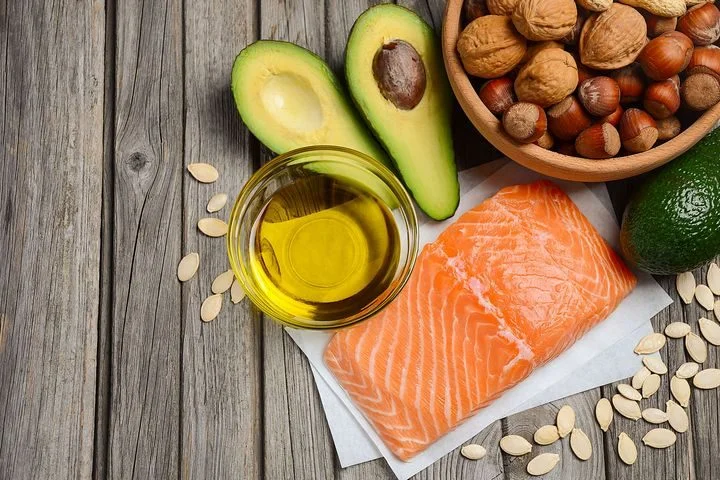
Salmon, avocados, olive oil, nuts and seeds on a picnic table. Salmon is a rich source of omega-3 fatty acids. A deficiency in omega-3 fatty acids can make you more anxious.

In fact, people with the lowest levels of omega-3 fatty acids tend to have most severe anxiety (46-47).

Omega-3 fatty acids are found primarily in cold water fish such as salmon, black cod, sablefish, sardines and herring.

Unfortunately, most people don't consume enough omega-3 fatty acids through their diet.

That’s why I recommend supplementing with krill oil, a special kind of fish oil that contains the essential omega-3 fatty acids. 

Numerous studies show that supplementing with fish oil can lower inflammation and reduce symptoms of anxiety (43-46, 48). 

Other than reducing anxiety, omega-3 fatty acids have been shown to stimulate your endocannabinoid system and lower cortisol.


5. Choline

Choline is an essential nutrient that was only discovered in 1998.

So it’s fairly new.

Your body makes a small amount of choline.

But you still need to eat enough of it through your diet.

Otherwise, you can develop a deficiency.

And many people do.

Most people don’t meet the recommended daily intake for choline because very few foods in the Western diet contain it.

And researchers have found that adults with low levels of choline are more likely to have anxiety (49-50). 

A broken egg and egg yolk. Egg yolks contain choline. A deficiency in choline can increase anxiety and make your anxiety worse.

Animal studies have also shown that choline supplementation during pregnancy can prevent or dramatically reduce the chance of offspring developing anxiety disorders (51). 

The best food sources of choline include grass-fed beef liver and egg yolks, and I definitely recommend eating those foods regularly. These foods are included in my Free Grocery Shopping Guide for Optimal Mental Health.

But taking a high-quality choline supplement can have a more noticeable and immediate effect on stress levels. 

Citicoline (also known as CDP-Choline) is my favourite choline supplement. 

I find that it reduces my racing thoughts when I’m stressed or anxious. 

Another good source of choline is Alpha GPC. 

Both Alpha GPC and CDP-Choline are included in the Optimal Brain supplement. 

Choline can also promote the regeneration of myelin. 

Make sure you read this article to learn more about the remarkable benefits of choline.

And make sure you read this article to learn more about the benefits of Alpha GPC, the optimal dosage, and the best way to take it.


6. Selenium

Selenium is an essential trace mineral that is important for many bodily processes that affect your brain function and mental health.

Research shows that being low or deficient in selenium is associated with a significantly greater incidence of anxiety, and selenium supplementation diminishes anxiety (54). 

Brazil nuts. Brazil nuts are the best course of selenium. A selenium deficiency can increase anxiety and make you more anxious.

In one study, researchers found that individuals with the lowest levels of selenium reported having increased anxiety (52). 

But then after five weeks of supplementing with selenium, their anxiety decreased (52).

Another study found that selenium supplementation reduced anxiety in HIV+ drug users (53). 

Brazil nuts are the richest dietary source of selenium.

But the mineral can also be found in wild-caught seafood, pastured eggs and grass-fed meat. These foods are included in my Free Grocery Shopping Guide for Optimal Mental Health.

I also make sure I’m not deficient by supplementing with it.

Selenium is included in Optimal Antiox.

Click here to subscribe

7. Iron

Iron is a trace mineral found in every living cell in your body.

It carries oxygen to all parts of your body, and low levels can leave you feeling tired, pale and irritable.

But research also shows that iron is an important cofactor in the synthesis of serotonin, and an iron deficiency can increase your risk of developing an anxiety disorder (57). 

In fact, iron levels are significantly lower in individuals with panic disorder (58). 

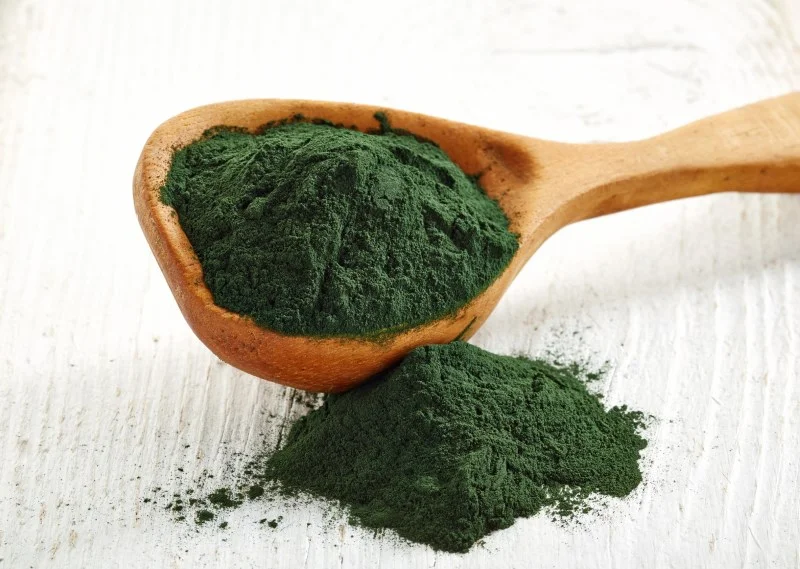
A spoonful of spirulina. Spirulina is an excellent source of iron. An iron deficiency can increase anxiety and make you more anxious.

Other studies have found that iron-deficient individuals have increased anxiety and increased fearfulness (55-56). 

Animal research also supports the idea that iron deficiency increases anxiety, and normalizing iron levels can reverse anxiety-like behaviour (56). 

Despite all this, I don’t actually recommend supplementing with iron because some research suggests that too much iron can cause health problems and actually increase anxiety (56). 

It’s definitely a much better idea to get your iron from food. 

I make sure I get enough simply by taking grass-fed beef liver capsules.

Beef liver is one of the best sources of iron.

I don’t like the taste of cooked beef liver, so I go with the capsules instead. 

Some other good sources of iron include spirulina, dark chocolate, spinach, sardines, pistachios and raisons. These foods are included in my Free Grocery Shopping Guide for Optimal Mental Health.


8. Vitamin D

Vitamin D is a fat-soluble vitamin.

It’s actually more accurate to describe it as a hormone because your skins synthesizes it when it’s exposed to sunlight.

Every tissue in your body has Vitamin D receptors, including the brain.

So developing a Vitamin D deficiency can lead to a number of costly physiological and psychological problems, including anxiety.

And this is backed up by research.

Researchers have discovered significantly lower levels of Vitamin D in individuals with anxiety (60, 62). 

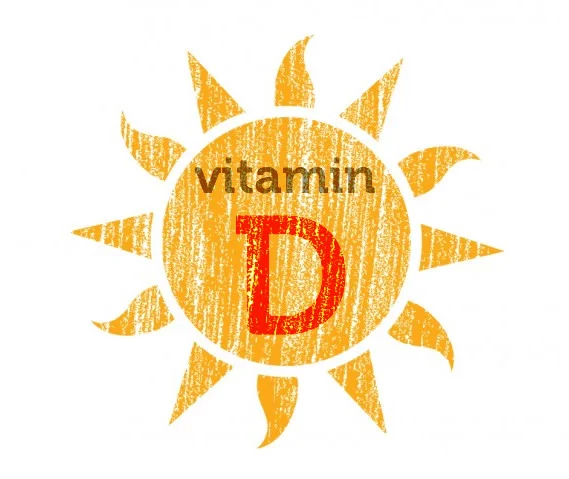
An illustration of the sun. It says Vitamin D in the middle of the sun. Humans get Vitamin D from sunlight. A deficiency in Vitamin D can make you more anxious.

And two studies found that fibromyalgia patients and pregnant women with Vitamin D deficiency have higher levels of anxiety (59, 61). 

Unfortunately, reports indicate that Vitamin D deficiency is very common and a major health problem across the globe (11).

Researchers estimate that 50 percent of the general population is at risk of Vitamin D deficiency (12).

It’s best to get your Vitamin D by going outside and getting sunlight.

But some people can’t get sun, especially during the winter months.

That’s why I recommend taking a Vitamin D supplement. 

It's important to test and monitor your Vitamin D levels before and after supplementing with it.

Increasing your Vitamin D levels can also help with depression, addiction and withdrawal. 


9. Antioxidant Nutrients (Vitamins A, C, and E)

Lastly, some nutrients have antioxidant effects in the body, and being deficient in them can increase your anxiety. 

One study found that people with generalized anxiety disorder have significantly lower levels of Vitamin A (beta carotene), Vitamin C and Vitamin E, all of which have antioxidant properties (68). 

But after six weeks of supplementing with these antioxidant vitamins, researchers observed a significant increase in the blood levels of these nutrients. And the anxious patients experienced a significantly reduction in their anxiety (68). 

An image of fruits rich in antioxidants. Antioxidants can reduce anxiety.

Researchers have also found that taking both Vitamin C and Vitamin E together reduces anxiety (15-17).

And several other studies show that high dose Vitamin C decreases anxiety (14, 69-71).

In addition to getting Vitamin C from fruits and vegetables, I take at least 500 mg of Vitamin C every day.

I’ve tried taking up to 10 grams of Vitamin C daily, and it helped me manage anxiety. But you don’t need to take that much unless you find it really helps you.

Good food sources of Vitamin E include almonds, spinach, sweet potatoes, avocados, olive oil, sunflower seeds and butternut squash.

Vitamin E is also included in the Optimal Antiox supplement, along with Vitamin C.

For Vitamin A, I don’t typically recommend supplementing with it. Instead, you should get enough from food, such as grass-fed beef liver, pastured egg yolks, grass-fed butter/ghee, carrots, sweet potatoes, kale, spinach and broccoli.  These foods are included in my Free Grocery Shopping Guide for Optimal Mental Health.

Cod liver oil is also a very good source of Vitamin A, and it includes Vitamin D as well. I take cod liver oil throughout the winter. 

Antioxidants also reduce cortisol, your body’s main stress hormone. 

Click here to subscribe

Bringing It All Together: Why You Should Take Them in Combination

The mainstream approach to treating anxiety is through talk therapy and medication.

But you can’t treat a nutrient deficiency with counselling and prescriptions.

And it’s important to note that taking all the above nutrients in combination will provide the greatest relief from anxiety.

Together, they have a synergistic effect.

For example, numerous researchers have found that taking Vitamin B6 and magnesium together is more likely to reduce your anxiety than simply taking a magnesium supplement by itself (64, 66-67). 

At this point, you may be thinking that you could just take a daily multivitamin, and that would cover your bases. 

But I wouldn’t recommend it.

Why? 

Because one-a-day multivitamins often contain too much of the nutrients you don’t need, and not enough of the nutrients you do need (magnesium, Vitamin D). 

Overall, if you have anxiety, I would recommend:

If you need additional support, I also recommend this anti-anxiety supplement. It contains a number of natural compounds that I’ve used over the years to manage my anxiety. 


Enjoy This Article? You Might Also Like My FREE Food Guide for Optimal Brain and Mental Health!

Click here to subscribe

Live Optimally,

Jordan Fallis

Connect with me

References:

(1) http://www.tandfonline.com/doi/abs/10.1080/00048670802534408

(2) http://www.ncbi.nlm.nih.gov/pubmed/10746516

(3) http://www.ncbi.nlm.nih.gov/pubmed/9861593

(4) http://www.ncbi.nlm.nih.gov/pubmed/22664333

(5) http://www.ncbi.nlm.nih.gov/pubmed/21939673

(6) http://www.ncbi.nlm.nih.gov/pubmed/22673824

(7) https://www.ncbi.nlm.nih.gov/pubmed/12493090

(8) https://www.ncbi.nlm.nih.gov/pubmed/5314166

(9) https://www.ncbi.nlm.nih.gov/pubmed/14769778

(10) https://www.ncbi.nlm.nih.gov/pubmed/17522618

(11) https://www.ncbi.nlm.nih.gov/pubmed/19543765

(12) http://articles.mercola.com/sites/articles/archive/2014/05/28/vitamin-d-deficiency-signs-symptoms.aspx

(13) https://goo.gl/sK35dL

(14) http://www.ncbi.nlm.nih.gov/pubmed/12208645

(15) http://www.ncbi.nlm.nih.gov/pubmed/21036190

(16) http://whttp://ww

(17) http://www.ncbi.nlm.nih.gov/pubmed/21839761

(18) https://www.ncbi.nlm.nih.gov/pmc/articles/PMC3198864/

(19) https://www.ncbi.nlm.nih.gov/pmc/articles/PMC5452159/

(20) https://www.ncbi.nlm.nih.gov/pmc/articles/PMC5452159/

(21) https://www.ncbi.nlm.nih.gov/pmc/articles/PMC2959081/

(22) https://www.ncbi.nlm.nih.gov/pubmed/27869100

(23) https://www.ncbi.nlm.nih.gov/pubmed/25773775

(24) https://www.ncbi.nlm.nih.gov/pubmed/26591563

(25) https://www.ncbi.nlm.nih.gov/pubmed/20305593

(26) https://www.ncbi.nlm.nih.gov/pubmed/15159129

(27) https://www.ncbi.nlm.nih.gov/pubmed/18799816

(28) https://www.ncbi.nlm.nih.gov/pubmed/28389335

(29) https://www.ncbi.nlm.nih.gov/pubmed/21835188

(30) https://www.ncbi.nlm.nih.gov/pubmed/25773775

(31) https://www.ncbi.nlm.nih.gov/pmc/articles/PMC3738454/

(32) https://www.ncbi.nlm.nih.gov/pubmed/20689416

(33) https://www.ncbi.nlm.nih.gov/pmc/articles/PMC3868572/

(34) https://www.ncbi.nlm.nih.gov/pmc/articles/PMC2954453/

(35) https://www.ncbi.nlm.nih.gov/pubmed/23754591

(36) https://www.ncbi.nlm.nih.gov/pubmed/27825785

(37) https://www.ncbi.nlm.nih.gov/pubmed/23603926

(38) https://www.ncbi.nlm.nih.gov/pmc/articles/PMC2572855/

(39) https://www.ncbi.nlm.nih.gov/pubmed/10746516/

(40) https://www.ncbi.nlm.nih.gov/pmc/articles/PMC4161081/

(41) https://www.ncbi.nlm.nih.gov/pubmed/16243493

(42) https://www.ncbi.nlm.nih.gov/pubmed/25591045

(43) https://www.ncbi.nlm.nih.gov/pmc/articles/PMC2275606/

(44) https://www.ncbi.nlm.nih.gov/pubmed/21784145

(45) https://www.ncbi.nlm.nih.gov/pmc/articles/PMC3191260/

(46) https://www.ncbi.nlm.nih.gov/pubmed/19906519

(47) https://www.ncbi.nlm.nih.gov/pubmed/23945451

(48) https://www.ncbi.nlm.nih.gov/pubmed/17110827

(49) http://ajcn.nutrition.org/content/90/4/1056.full

(50) https://www.ncbi.nlm.nih.gov/pubmed/19656836/

(51) https://www.ncbi.nlm.nih.gov/pubmed/25300468

(52) https://www.ncbi.nlm.nih.gov/pubmed/1873372

(53) https://www.ncbi.nlm.nih.gov/pubmed/12906343

(54) https://www.ncbi.nlm.nih.gov/pmc/articles/PMC4884624/

(55) https://www.ncbi.nlm.nih.gov/pubmed/10742372/

(56) https://www.ncbi.nlm.nih.gov/pmc/articles/PMC4253901/

(57) https://www.ncbi.nlm.nih.gov/pmc/articles/PMC3680022/

(58) https://www.ncbi.nlm.nih.gov/pubmed/23603926

(59) https://www.ncbi.nlm.nih.gov/pubmed/16850115

(60) https://www.ncbi.nlm.nih.gov/pubmed/26680471

(61) https://www.ncbi.nlm.nih.gov/pmc/articles/PMC4089018/

(62) https://www.ncbi.nlm.nih.gov/pubmed/27827293

(63) https://www.ncbi.nlm.nih.gov/pmc/articles/PMC3759100/

(64) https://www.ncbi.nlm.nih.gov/pmc/articles/PMC3208934/

(65) https://www.ncbi.nlm.nih.gov/pubmed/23738221

(66) https://www.ncbi.nlm.nih.gov/pubmed/26978056

(67) https://www.ncbi.nlm.nih.gov/pubmed/18825946

(68) http://pubmedcentralcanada.ca/pmcc/articles/PMC3512361/

(69) https://www.ncbi.nlm.nih.gov/pubmed/27932080

(70) https://www.ncbi.nlm.nih.gov/pubmed/26353411

(71) https://www.ncbi.nlm.nih.gov/pubmed/24511708

Terms and Conditions

Privacy Policy

Affiliate Disclosure

Disclaimer

13 Important Blood Tests to Get Done If You Have Depression

Isn't it weird that when you go to a psychiatrist for depression, they don't even run any blood tests?

Some do. 

But many don’t. 

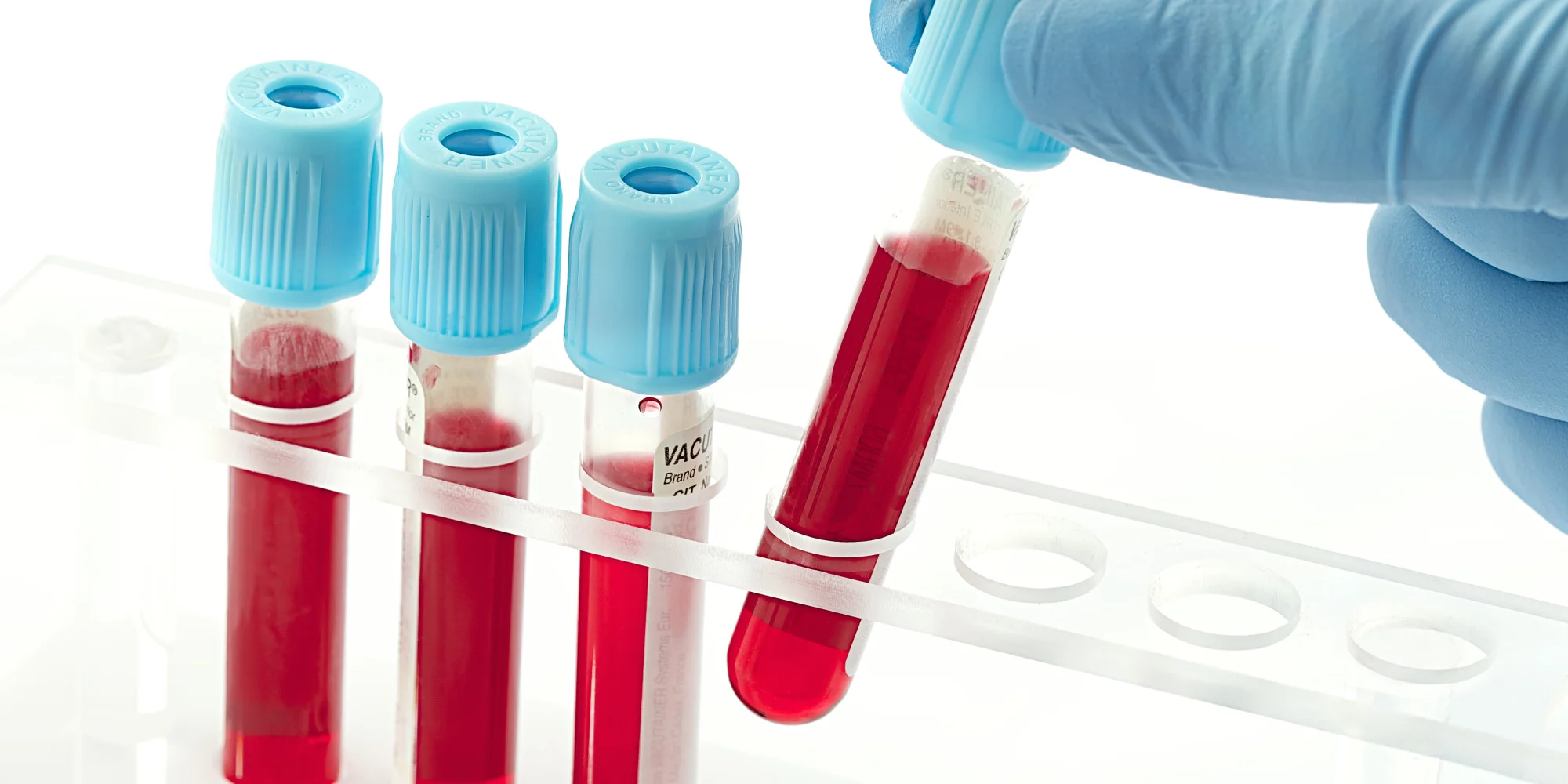
Blood in 4 test tubes.

They simply talk to you for a bit, then give you a prescription and send you on your way. 

Hell, they don't even scan and look at your brain, the very thing they are trying to treat. 

You'd think that they would actually try to find something wrong with you and show that to you. 

You know, like actually demonstrate that you have a "chemical imbalance" before trying to balance you out chemically. 

But they don't. 

They just throw pills at you and cross their fingers they will help. 

Weird isn't it? 

Some days I wake up and wonder how conventional psychiatry is even taken seriously. 

It claims to be "science-based medicine" but it sure seems like quackery to me. 

And even the National Institute of Mental Health (NIMH) is catching on. 

The NIMH no longer funds research based on the Diagnostic and Statistical Manual (DSM) of Mental Disorders, which is the primary tool used by psychiatrists to diagnose people with psychiatric disorders. 

Why?

Because they say the manual doesn't provide any data or evidence about the cause of mental illnesses, including depression (96). 

“The weakness of the manual is its lack of validity. Unlike our definition of Lymphoma or AIDS, the DSM diagnoses are based on consensus about clusters of clinical symptoms, not any objective laboratory measures. Patients with mental disorders deserve better.”
— Dr. Thomas Insel, Director of NIMH

Exactly – you deserve better. 

The current state of psychiatry is essentially a bunch of doctors making diagnoses based on symptoms without actually testing to determine root cause.

It’s insane. 

You're not. 

And it’s time for a paradigm shift. 

The mainstream medical literature is full of peer-reviewed studies that look at the underlying factors contributing to depression and other mental health symptoms.

Yet conventional psychiatry doesn’t pay attention to the findings of its own literature, or the literature of the other medical disciplines.

Psychiatrists simply ignore it.

But that doesn't mean you have to. 

Funny comic strip: “My desire to be well-informed is currently at odds with my desire to remain sane.”

Why You Should Demand Blood Tests from Your Psychiatrist

“Unless you test, you’ve guessed.”
— Dr. Charles Gant, MD

I'll admit - when I originally started trying to figure out my depression, I also did a lot of guessing and not enough testing.

That made things much more difficult, and I ended up making a lot of mistakes along the way. 

That's why I recommend you test more, and guess less. 

Otherwise, it’s hard to know for sure what steps you should take to correctly treat and overcome your depression.

The underlying issues that contribute to depression are different for everyone.

But blood testing can show you the inner functioning of your body, highlight your physiological abnormalities, and help you identify the underlying root causes of your depression so that you can address them using nutrition, supplements, therapies and other lifestyle factors.

Below are 13 important blood tests that you should get done if you struggle with depression. 

These blood tests shine light on some of the real, underlying root causes of depression, and will give you helpful information to act upon.

When something is outside the optimal range, you can then do something about it!

They put the power back into your hands, and give you a much better idea of where you should begin, so that you can get better faster, and overcome your depression sooner rather than later. 

Click here to subscribe

1. High-sensitivity C-reactive protein (hsCRP)

C-reactive protein (CRP) is a substance produced by the liver. It increases in the presence of inflammation in the body, and a high level of CRP in the blood is a marker of systemic inflammation.

It’s obviously very important to test for CRP because an increasing amount of research suggests that depression is an inflammatory disease and many depressive symptoms may simply be a “side effect” of chronic, low-grade inflammation in the body and brain (93).

On top of this, numerous studies and a meta-analysis have found that elevated CRP is significantly associated with depression (94-95). 

Illustration or brain and brain blood flow.

Yet how many psychiatrists test for CRP?

Not many.

But you don’t have to wait around for them to check your levels. 

You can order your own high-sensitivity CRP test. 

If your levels come back high, you’ll need to take steps to fight back against the inflammation and dampen it.  

My first recommended step would be to follow an anti-inflammatory diet. 

My Free Grocery Shopping Guide for Optimal Mental Health is full of anti-inflammatory foods that you eat freely, and doesn’t include foods that are likely to increase your inflammation.

One way to reduce brain inflammation is by supplementing with curcumin, which is included in this supplement.

In fact, curcumin has been shown to be as effective as Prozac in treating depression, likely because of its anti-inflammatory effects.

Omega-3 fatty acids can also reduce inflammation.

Other steps you can take to reduce inflammation include reducing stress, improving gut health, treating infections, getting enough sleep, etc. 

Make sure you also check out this article for 23 effective ways to reduce inflammation in the brain.


2. Vitamin D - 25(OH)D

Vitamin D is a fat-soluble vitamin that your skin synthesizes when exposed to the sun.

Every tissue in your body has Vitamin D receptors, including the brain, so a deficiency can lead to costly physiological and psychological consequences, including depression. 

Researchers have evaluated the effects of Vitamin D on mental health and found those with the lowest levels of Vitamin D were 11 times more likely to be depressed than people with healthy levels (3). 

In fact, one study found that 60 percent of the suicidal patients were deficient in Vitamin D. The patients also had higher inflammatory markers in their blood, suggesting that low levels of Vitamin D could be a cause of the inflammation (5). 

The sun shining through the clouds. The sun provides Vitamin D, which is often low in people with depression.

Unfortunately, reports from across the world indicate that Vitamin D deficiency is widespread and a major health problem globally (1).

Researchers estimate that 50 percent of the general population is at risk of Vitamin D deficiency (2). 

That’s why it’s so important to get your levels checked regularly (at least once each year). 

If you have low levels, optimizing your Vitamin D levels can then reduce inflammation and improve your mood.

Research shows that improvement in Vitamin D levels is significantly associated with improvement in depression scores in people with Seasonal Affective Disorder (SAD) (4). 

It’s best to get your Vitamin D by going outside and getting sunlight, but some people can’t get enough, especially during the winter.

That’s why I recommend supplementing with Vitamin D3 if you're low.

Vitamin D can also help with addiction and withdrawal, support the blood-brain barrier and reduce brain fog. 


3. Thyroid Panel

“There’s a very tight correlation between hypothyroidism and depression. Unfortunately, patients are misdiagnosed with depression when really they have low thyroid. There are well designed clinical trials to show you that your active thyroid hormone is essential to a happy mood. Correcting and nourishing the thyroid gland is absolutely imperative in order to improve mood.”

– Suzy Cohen, Pharmacist, Author of Thyroid Healthy: Lose Weight, Look Beautiful and Live the Life You Imagine

Your thyroid is a small butterfly-shaped gland located in your neck below your Adam’s apple.

It’s one of your most important glands, producing thyroid hormones – thyroxine (T4) and triiodothyronine (T3) – which impact the health and functioning of your entire body.

Lots of research shows that thyroid dysfunction and low levels of thyroid hormones (hypothyroidism) can contribute to depression. 

One of the most common causes of hypothyroidism is an autoimmune disease called Hashimoto’s thyroiditis, in which the body’s immune system attacks the thyroid tissue.

According to Dr. Datis Kharrazian, author of Why Isn’t My Brain Working? and Why Do I Still Have Thyroid Symptoms?, 90% of people with hypothyroidism have Hashimoto’s. 

Here are some of the symptoms of low thyroid that I’ve personally experienced:

An illustration of the the thyroid gland. People with depression are often hypothyroid.

Sounds just like depression, doesn’t it? 

Many people are diagnosed with depression and given antidepressants when in reality they have an underlying thyroid issue that is making them feel depressed.

That’s why I highly recommend getting done a complete thyroid panel. 

A high-quality thyroid panel should measure Thyroid Stimulating Hormone (TSH), Free Triiodothyroine (fT3), Free Serum Thyroxine (fT4), and Thyroid Antibodies. 

Some doctors will only test for TSH, but that is definitely not enough. Others will test for TSH, T3, and T4 but not assess the autoimmune status of the thyroid gland.

If you have low thyroid levels, treating the underlying hypothyroidism is critical to alleviating the depressive symptoms. Thyroid hormone replacement can often make people feel remarkably better and lift their depression completely.

Nutrition and lifestyle factors are also necessary steps in treating hypothyroidism. 

Check out this post for the 13 ways that I’ve supported my thyroid and increased the production of my thyroid hormones over the years.

My favourite ways is low-level laser therapy. 

Click here to subscribe

4. Vitamin B12

“Lack of understanding of B12 is one of the greatest tragedies of modern medicine.”

– Dr. James Greenblatt, Integrative Psychiatrist, Author of Breakthrough Depression Solution: Mastering Your Mood with Nutrition, Diet & Supplementation

Getting your Vitamin B12 levels checked is another very important step to take if you want to manage and overcome depression. 

Having sufficient levels of Vitamin B12 is necessary for your brain to work properly. 

But deficiency is very common, especially in older individuals and vegetarians and vegans.

In fact, it’s estimated that almost 40% of Americans are deficient!

Poor gut health and even psychiatric medications can cause B12 deficiency.

Research shows that if you are depressed, you likely have lower levels of B12 circulating in your blood, and people with low levels of B12 are also at greater risk of developing depression (6-7). 

Supplement bottle and supplement pills in the shape of B12.

Yet, instead of looking at B12 levels in the blood, psychiatrists often prescribe antidepressants that have been shown to further deplete B12.

This happened to me. My levels were never tested. I was simply given medications, which further depleted my Vitamin B12 levels.  

Other symptoms of B12 deficiency include memory loss, fatigue, irritability, apathy, personality changes, etc. The list goes on and on. 

If your levels are low, you will need to take the methylated form of Vitamin B12 (methylcobalamin, or methyl-B12).

You should avoid the semisynthetic version of B12 (cyanocobalamin). Methyl-B12 is better absorbed and more biologically active. It’s included in this supplement.

You can also get B12 from food, primarily animals. Beef liver is a really good source. I also take beef liver capsules because I don’t like the taste of liver. 

But keep in mind that you can also have normal or high B12 levels but then still be B12 deficient on a cellular level. That is very common in my clients, and I talk about that in my workshop presentation. You can register for the free workshop here.

Optimizing your B12 levels is also important if you want to promote the regeneration of myelin, lower your homocysteine levels, and reverse brain damage and cognitive decline.


5. Estradiol

Estradiol is an estrogen and the primary female sex hormone, responsible for the development and regulation of the female reproductive system.

It plays a significant role in the mental health of women. 

There is a strong link between estradiol, mood and wellbeing. In fact, depression is correlated with sudden drops or fluctuations in estradiol, and long periods of sustained low levels of estrogen (8). 

And research shows that stabilizing or restoring estrogen levels can help women recover from depression (postpartum, perimenopause, and postmenopause) (9). 

Estradiol has also been shown to increase the brain’s secretion of oxytocin, which is powerful hormone that acts as a neurotransmitter in the brain. Low levels are linked to depression (10-12). 

You can check your levels here. 


6. Testosterone (Free and Total)

When I lived in a moldy home, suffered multiple concussions and was placed on antidepressants, my testosterone plummeted.

Conventional doctors didn’t test my testosterone because they assumed every a man in his 20s would have healthy levels.

Mustache? You mean visible testosterone? Testosterone levels should be checked if you’re a male and have depression.

But they were wrong. 

Eventually I saw a doctor and he found out that I had the testosterone levels of an old man.

I was put on testosterone replacement therapy for almost one year to get my levels back to normal. And over that time, I saw a huge reduction in my depression.

This is because there is plenty of research showing that low testosterone levels can lead to symptoms of depression in men (14). 

And a systematic review and meta-analysis found that testosterone replacement has antidepressant effects in depressed patients (13). 

Your doctor will test your total testosterone levels. But it’s just as important to also check you free testosterone levels.

You can test your total and free levels here. 

If your levels are low, it would be wise to try testosterone replacement therapy, at least for a little while, until you find out why you have low testosterone.  

Testosterone can also promote the regeneration of myelin and reduce brain fog. 


7. Magnesium (Red Blood Cell)

“The possibility that magnesium deficiency is the cause of most major depression and related mental health problems including IQ loss and addiction is enormously important to public health and is recommended for immediate further study”
— Dr. George Eby, PhD
Magnesium-rich foods, including avocados, bananas, almonds, dark chocolate, spinach, etc. Magnesium levels should be checked if you have depression because depressed individuals often are deficient.

Magnesium is a vital mineral that participates in more than 300 biochemical reactions in your body. This includes neurotransmitter and hormonal activity, all of which can have a huge effect on your mood.

Research shows that low magnesium levels contribute and worsen many neuropsychiatric problems, including depression. 

In fact, case studies have shown that patients with major depression who have attempted suicide had significantly lower levels of magnesium in their cerebrospinal fluid (15). 

That’s why it’s so important to test your levels. You can order a lab test to check your levels here.  

If you have low levels, no worries; there are a number of ways to replete them.

You can eat more foods that contain magnesium, such as spinach, chard, pumpkin seeds, almonds, avocado, dark chocolate and bananas. These foods are included in my Free Grocery Shopping Guide for Optimal Brain and Mental Health.

But supplementation or taking Epsom salt baths is still necessary for most people.

Magnesium is one of the three nutrients that I think everyone should be taking because most people are deficient nowadays. It’s included in this supplement.

Stress depletes magnesium, and unfortunately, certain antidepressants drugs can actually further deplete magnesium as well!

On the flip side, magnesium has been shown to cause antidepressant effects by significantly increasing BDNF.

And research shows recovery from major depression in less than 7 days using 100 to 300 mg of magnesium with each meal and at bedtime (16-18). 

That’s why I think doctors should be testing magnesium levels and prescribing magnesium supplements – which would be something that actually gets to the root cause of depression – rather than giving out antidepressants that cover up symptoms and actually make the underlying condition worse. 

Normalizing magnesium levels can also support the blood-brain barrier and help you overcome addiction and withdrawal. 

Click here to subscribe

8. Homocysteine

Homocysteine is an amino acid that is produced in the body as a by-product of methylation.

In healthy people, it’s properly metabolized and normal levels are maintained. 

But when homocysteine isn’t properly metabolized, it can build up inside the body and levels can become too high.

And that’s when homocysteine becomes dangerous and unhealthy. 

At high levels, homocysteine is inflammatory, and a lot of research shows that it is linked to depression (35-42). 

Studies have found that people with high levels of homocysteine have lower levels of serotonin and SAMe, a nutrient involved in the production of many neurotransmitters that improve mood (33-34).

You can check your homocysteine levels by ordering this blood test. 

If your levels are high, read this post for 16 ways to lower your homocysteine levels. 

Normalizing homocysteine can also help repair the blood-brain barrier and reduce your risk of developing dementia. 


9. Zinc

Zinc is an essential mineral for mental health, as it plays a key role in brain and nervous system function and neurotransmission.

So not surprisingly, having a deficiency can contribute to symptoms of depression.

Unfortunately, six different studies have found that even subclinical deficiency of zinc impairs brain function in children and adults, and it’s actually estimated that 2 billion people in the world are deficient in zinc (19-22).

So, if you struggle with depression, it’s quite possible that you’re deficient.  

Mounting evidence suggests a link between low zinc levels and the development of major depression (27, 30-31). 

However, too much zinc isn't healthy either. That’s why it’s best to test instead of guess.

You can check your zinc levels by ordering this zinc blood test. 

Zinc-rich foods including salmon, beef, almonds. Zinc deficiency is common in people with depression.

Another way to find out if you’re deficient in zinc is by doing the zinc assay taste test. This is how it works:

  • Order liquid zinc assay

  • Put a teaspoon of the liquid in your mouth and mix it around

  • If it tastes like water, you’re likely deficient in zinc. If it tastes really bitter and gross, your zinc levels are optimal.

This is how I originally found out that I was deficient in zinc. During my initial test, the liquid tasted like water. After taking a zinc supplement for a while, I did the test again, and I had a very metallic taste in my mouth the second time around. It’s not as accurate as testing your actual levels, but it can still give you a good idea of where you stand. 

If your levels are low, make sure to eat foods high in zinc. Some of the best food sources include oysters, grass-fed beef, pumpkin seeds, cashews, mushrooms and spinach. These foods are included in my Free Grocery Shopping Guide for Optimal Brain and Mental Health.

However, if you’re deficient, I recommend at least short-term supplementation. 

Several studies have shown that zinc supplementation has antidepressant effects and significantly reduces symptoms of depression. One way it does this is by significantly increasing BDNF levels (23-26, 28-29, 32).

I created and take the Optimal Zinc supplement to make sure my zinc levels are optimal. 

Check out my previous post about zinc and copper if you’re interested in discovering more steps you can take to increase your zinc levels.

Zinc can also stimulate the vagus nerve.


10. Celiac Disease Panel

“A grain-free diet, although difficult to maintain, especially for those that need it the most, could improve the mental health of many and be a complete cure for others.”
— Dr. Paola Bressan

Celiac disease is a serious autoimmune disorder that occurs in genetically predisposed people. 

When people with celiac disease eat gluten (a protein found in wheat, spelt, rye and barley), their body mounts an immune response that attacks and damages their small intestine. 

It is estimated to affect 1 in 100 people worldwide, but celiac disease actually goes undiagnosed in 90% of cases, leaving them at risk for long-term health complications, including depression (46).

In fact, many people with celiac disease often struggle with depression.

One study found that major depressive disorder, dysthymic disorder, and adjustment disorders were more common in a group of celiac disease patients compared to controls (61). 

And this was supported by follow-up studies (62-63). 

Other researchers have found that celiac disease patients are more likely to be diagnosed with depression, but their depressive symptoms improve after following a gluten-free diet (64-65). 

That’s why it’s so important to test for the disease if you struggle with depression. 

Yet many doctors never do.  

Even if you don’t have celiac disease, it may be beneficial for you to cut out all gluten-containing grains from your diet for 30 days and see how you feel. 

Bread, bagels and other wheat products. Gluten intolerance and celiac disease can trigger inflammation and contribute to depression.

Dr. Kenneth Fine, a pioneer in gluten intolerance research, has demonstrated that 1 in 3 Americans are gluten intolerant, and that 8 in 10 have the genes that predispose them to developing gluten intolerance (47-49).

And for more than sixty years, reports in the scientific literature have linked wheat and gluten sensitivity to depression (50-57). 

Following a gluten-free diet significantly improved my mood (even though I didn’t have celiac disease or any digestive issues).

I completely cut it out seven years ago, and within a few weeks, I felt so much better mentally. 

I also lost a bunch of weight and my asthma disappeared. 

In one study, depressed patients who didn’t have digestive issues (like me) followed a gluten-free diet, and within 2-3 months, they experienced a reversal of their depressive symptoms (58). 

Researchers have also found that a gluten-free diet improves depression by increasing levels of l-tryptophan – the precursor to the neurotransmitter serotonin (59). 

Another study found a significant increase in serotonin and dopamine because of the removal of gluten (60).

Clearly, there is more to gluten than celiac disease, and cutting out wheat is one of the first dietary steps I recommend to people who are striving to overcome depression.

Try it out. You’ll like feel better. 

And when you’re done, here are two other foods I recommend avoiding if you have depression. 

The bacteria in our guts can determine the degree to which we are sensitive to foods such as gluten, so you should also try to increase the good bacteria in your gut. 


11. MTHFR DNA Analysis

MTHFR gene mutation.

Methylation is one of the most important processes in your body and brain.

The methylation cycle plays a key role in the synthesis of melatonin, coenzyme Q10, and neurotransmitters such as serotonin and dopamine.

Methylenetetrahydrofolate reductase (MTHFR) is one enzyme that plays a very important role in the methylation cycle.

Most importantly, the MTHFR enzyme helps produce l-methylfolate in the body.

But some people have genetic mutations in the MTHFR enzyme, and it can lead to a number of chronic illnesses, including depression. 

In fact, numerous studies have shown that MTHFR mutations are significantly associated with depression. And more than one meta-analysis has found that people with MTHFR mutations have an elevated incidence of depression (68-77). 

There is also a decrease in serotonin synthesis in patients with MTHFR mutations (71-72). 

Testing your homocysteine levels is one way to know if your methylation pathway is working properly. However, it is just one marker. I look at a number of different markers with my clients. If you’re interested in becoming a client, register for my workshop presentation here.

Click here to subscribe

12. Lyme

“In my database, depression is the most common psychiatric syndrome associated with late stage Lyme disease.”
— Dr. Robert Bransfield, psychiatrist who specializes in treating tick-borne disease infections

Lyme disease is an infectious illness caused by the bacterium Borrelia burgdorferi, which is spread by ticks (78). 

Lyme disease can lead to psychiatric symptoms, including severe depression and suicidal thoughts (79-80, 83-84). 

Depressive states among patients with late Lyme disease are fairly common, ranging from 26% to 66% in studies (82, 85).

Researchers have even concluded that depression in patients with Lyme encephalopathy is caused by central nervous system dysfunction and cannot be explained as a psychological response to chronic illness (81). 

That’s why it’s critical to rule out Lyme disease if you’re feeling depressed. 

It can sometimes be hard to ask for your doctor to test for it.

But you can check yourself by ordering a test yourself.


13. Fasting Glucose, Insulin and Hemoglobin A1C

If you’re struggling with depression, it’s also important to check your blood sugar control. 

Unstable blood sugar can contribute to a number of different mental health problems, including depression.

Researchers have found that impaired fasting blood sugar is a significant predictor of depression (86). 

One study found that men with undiagnosed type 2 diabetes had nearly double the odds of major depression (90). 

And other studies have found that patients with depression have higher fasting glucose and HbA1c levels, and these levels correlated significantly with the severity of their depression (88-89). 

Blood sugar.

A fasting glucose blood test can provide a snapshot of how much sugar is present when your body isn’t processing food. You can order the test here.

A fasting insulin blood test is also important, as it tells you how your pancreas is working when you’re not eating anything. 

Research shows that depressive symptoms are associated with fasting insulin resistance (91). 

You can order a fasting insulin test here.

Lastly, Hemoglobin A1C may be the most important test, as it gives you the average of your blood sugar levels over the past three months. 

And researchers have found that variability in blood sugar control is significantly associated with more depressive symptoms (92). 

You can order the Hemoglobin A1C test here. 

Making dietary changes to control blood sugar is critical. 

Check out my Free Grocery Shopping Guide for Optimal Brain and Mental Health for the best foods to eat in order to manage your blood sugar and improve your mood. 


How to Order These Tests Yourself

Overall, optimizing your mental health and overcoming your depression really relies on having accurate data about your specific biochemistry.

And the above lab tests are a great way to learn about your body so that you can correct the underlying problems that are contributing to your depression. 

You can go to your doctor and ask for them, but don’t be surprised if your doctor tells you they aren’t necessary and won’t order them for you. 

You may have to put up a fight. 

I’ve had to do that many times when I’ve requested different blood tests. 

But if you’re not feeling well, it’s worth advocating for yourself. 

Tell your doctor that you want a baseline assessment before taking medication. 

Push back. 

Remember, your doctor should be working for you. 

If you get fed up, just “fire” your doctor and find a new one – one that will actually work with you and for you. 

If all else fails and you can't find a doctor to run these tests, you can always just skip doctors completely and order the blood tests yourself, which can actually end up saving you a lot of time and hassle.

Walk-In Lab is a reliable and trustworthy way to do this online. 

They provide direct access to blood tests from certified laboratories in the US, Canada, Europe and internationally. All blood tests are “direct-to-consumer”, meaning they allow you to pick and choose the blood tests you’d like, no doctor required.

Doctors shouldn’t have exclusive rights to information about your body anyway.

No one has a greater right to your blood test results than you do, and you should be able to access blood test results directly from the company you pay to run the labs.

Overall, there is no doubt that having direct access to blood testing, and direct access to your results, is an invaluable way for you to take control of your brain and mental health.

Great treatment starts with great testing, providing you with the information you need to put your health back into your own hands.

In summary, here are some of the blood tests I recommend you test for:


Enjoy This Article? You Might Also Like My FREE Food Guide for Optimal Brain and Mental Health!

Click here to subscribe

Live Optimally,

Jordan Fallis

Connect with me

References:

(1) https://www.ncbi.nlm.nih.gov/pubmed/19543765

(2) https://goo.gl/jsLDQH

(3) http://www.ajgponline.org/article/S1064-7481(12)60890-2/abstract

(4) http://europepmc.org/abstract/med/10888476

(5) https://goo.gl/vgB2cR

(6) https://www.ncbi.nlm.nih.gov/pubmed/635065

(7) https://www.ncbi.nlm.nih.gov/pubmed/17568057

(8) https://www.ncbi.nlm.nih.gov/pubmed/17909167

(9) https://www.ncbi.nlm.nih.gov/pubmed/16292022

(10) https://www.ncbi.nlm.nih.gov/pmc/articles/PMC4606117/

(11) https://www.ncbi.nlm.nih.gov/pubmed/23007624

(12) https://www.ncbi.nlm.nih.gov/pubmed/25025656

(13) https://www.ncbi.nlm.nih.gov/pubmed/19625884

(14) https://www.ncbi.nlm.nih.gov/pubmed/24047633

(15) https://goo.gl/xvLWCM

(16) http://www.ncbi.nlm.nih.gov/pubmed/25027582

(17) http://www.ncbi.nlm.nih.gov/pubmed/22016520

(18) http://www.ncbi.nlm.nih.gov/pubmed/16542786

(19) http://www.ncbi.nlm.nih.gov/pubmed/19158231

(20) http://www.ncbi.nlm.nih.gov/pubmed/22664333

(21) http://www.ncbi.nlm.

(22) http://www.ncbi.nlm.nih.gov/pubmed/22673824

(23) http://www.ncbi.nlm.nih.gov/pubmed/15145706

(24) http://www.ncbi.nlm.nih.gov/pubmed/18766297

(25) http://www.ncbi.nlm.nih.gov/pubmed/24621065

(26) http://www.sciencedirect.com/science/article/

(27) https://www.ncbi.nlm.nih.gov/pmc/articles/PMC3868572/

(28) https://www.ncbi.nlm.nih.gov/pubmed/21798601

(29) https://www.ncbi.nlm.nih.gov/pubmed/24130605

(30) https://www.ncbi.nlm.nih.gov/pubmed/20689416

(31) https://www.ncbi.nlm.nih.gov/pubmed/18655800

(32) https://www.ncbi.nlm.nih.gov/pubmed/16491668

(33) https://www.ncbi.nlm.nih.gov/pubmed/24309856

(34) https://www.ncbi.nlm.nih.gov/pubmed/10896698

(35) https://www.ncbi.nlm.nih.gov/pmc/articles/PMC3078648/

(36) https://www.ncbi.nlm.nih.gov/pubmed/15585771

(37) https://www.ncbi.nlm.nih.gov/pubmed/24309856

(38) https://www.ncbi.nlm.nih.gov/pubmed/12601225

(39) https://www.ncbi.nlm.nih.gov/pubmed/15545331

(40) http://emedicine.medscape.com/article/1952251-overview

(41) https://www.ncbi.nlm.nih.gov/pubmed/27035272

(42) https://www.ncbi.nlm.nih.gov/pubmed/24309856

(43) https://www.ncbi.nlm.nih.gov/pubmed/22421956

(44) https://www.ncbi.nlm.nih.gov/pubmed/10448523

(45) https://www.ncbi.nlm.nih.gov/pubmed/17093148

(46) http://www.cbc.ca/news/health/celiac-disease-1.4343691

(47) http://www.sciencedaily.com/releases/2006/10/061010022602.htm

(48) http://www.ncbi.nlm.nih.gov/pmc/articles/PMC3184556/

(49) http://onlinelibrary.wiley.com/doi/10.1111/apt.12809/full

(50) https://www.ncbi.nlm.nih.gov/pubmed/14716525/

(51) https://www.ncbi.nlm.nih.gov/pubmed/12217453

(52) https://www.ncbi.nlm.nih.gov/pubmed/14716525/

(53) https://www.ncbi.nlm.nih.gov/pubmed/17030405/

(54) https://www.ncbi.nlm.nih.gov/pubmed/20545470/

(55) https://www.ncbi.nlm.nih.gov/pubmed/10086676/

(56) http://onlinelibrary.wiley.com/doi/10.1111/apt.12730/abstract

(57) https://www.ncbi.nlm.nih.gov/pubmed/24689456

(58) https://www.ncbi.nlm.nih.gov/pubmed/10086676

(59) https://www.ncbi.nlm.nih.gov/pubmed/15774013/

(60) https://www.ncbi.nlm.nih.gov/pubmed/6192458/

(61) https://www.ncbi.nlm.nih.gov/pubmed/12217453/

(62) https://www.ncbi.nlm.nih.gov/pubmed/14716525/

(63) https://www.ncbi.nlm.nih.gov/pmc/articles/PMC3641836/

(64) https://www.ncbi.nlm.nih.gov/pubmed/17030405/

(65) https://www.ncbi.nlm.nih.gov/pubmed/10086676/

(66) https://jamanetwork.com/journals/jamapsychiatry/fullarticle/207557

(67) http://www.sciencedirect.com/science/article/pii/S0149763414002048

(68) https://www.ncbi.nlm.nih.gov/pubmed/26681493

(69) https://www.ncbi.nlm.nih.gov/pubmed/16402130/

(70) https://www.ncbi.nlm.nih.gov/pmc/articles/PMC1810582/

(71) https://www.ncbi.nlm.nih.gov/pubmed/3347350/

(72) https://www.ncbi.nlm.nih.gov/pmc/articles/PMC1810582/

(73) https://www.ncbi.nlm.nih.gov/pubmed/17074966/

(74) https://www.ncbi.nlm.nih.gov/pmc/articles/PMC2465760/

(75) https://wwwhtt

(76) https://www.ncbi.nlm.nih.gov/pubmed/15671130

(77) https://www.ncbi.nlm.nih.gov/pubmed/26177556

(78) https://www.ncbi.nlm.nih.gov/pmc/articles/PMC4487875/

(79) https://www.ncbi.nlm.nih.gov/pmc/articles/PMC4397473/

(80) https://www.ncbi.nlm.nih.gov/pmc/articles/PMC2751626/

(81) https://www.ncbi.nlm.nih.gov/pubmed/1620329

(82) https://www.ncbi.nlm.nih.gov/pubmed/7943444

(83) https://www.ncbi.nlm.nih.gov/pmc/articles/PMC5481283/

(84) https://www.ncbi.nlm.nih.gov/pmc/articles/PMC2430045/

(85) https://www.ncbi.nlm.nih.gov/pmc/articles/PMC3976119/

(86) https://goo.gl/NrSMtA

(87) https://goo.gl/NrSMtA 

(88) https://www.ncbi.nlm.nih.gov/pubmed/23877807

(89) https://www.hindawi.com/journals/drt/2011/862708/

(90) https://www.ncbi.nlm.nih.gov/pubmed/19892320

(91) https://www.ncbi.nlm.nih.gov/pmc/articles/PMC4163110/

(92) https://www.ncbi.nlm.nih.gov/pubmed/20673594

(93) https://goo.gl/w43F9Q

(94) https://www.ncbi.nlm.nih.gov/pubmed/19188531

(95) https://www.ncbi.nlm.nih.gov/pubmed/21037214

(96) http://www.apa.org/monitor/2013/07-08/nimh.aspx

Terms and Conditions

Privacy Policy

Affiliate Disclosure

Disclaimer