Lowering and normalizing homocysteine levels is another key way to improve the health of your brain and manage your mental health.
In fact, keeping homocysteine levels within normal range is good for overall health in general.
But what exactly is homocysteine?
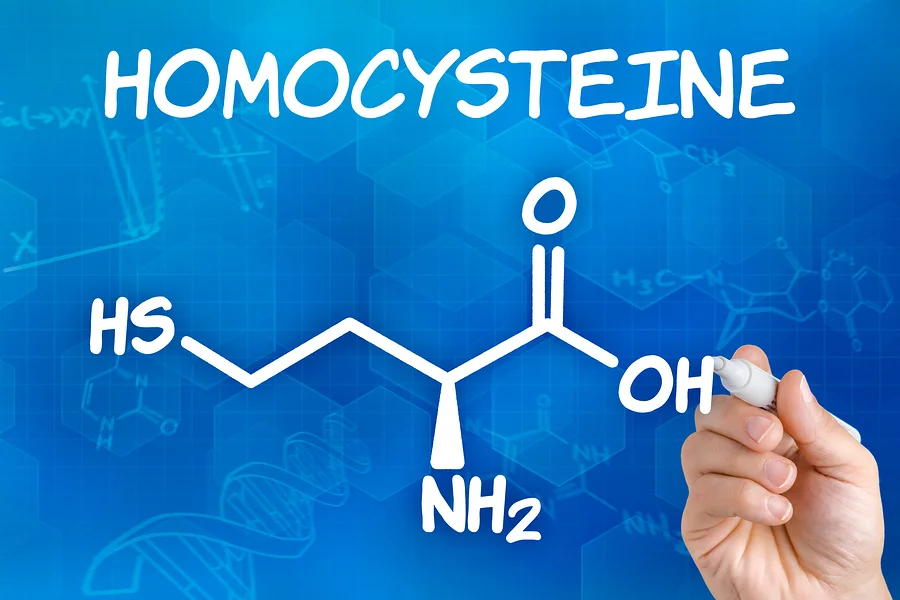
Homocysteine is an amino acid that is produced in the body as a by-product of methylation.
In healthy people, it’s properly metabolized and normal levels are maintained.
But when homocysteine isn’t properly metabolized, it can build up inside the body and levels can become too high.
And that’s when homocysteine becomes dangerous and unhealthy.
At high levels, homocysteine is inflammatory and neurotoxic, and increases oxidative stress and free radical damage in the brain by reducing levels of cysteine and glutathione (89-95, 138-139).
It’s also been shown to contribute to mitochondrial damage and reduce energy production in the brain (96-98).
Researchers have found that high levels of homocysteine disrupt the integrity of the blood-brain barrier, which allows substances that are normally kept out of the brain to cross over and contribute to neurological problems (99-102).
And studies have found that people with high levels of homocysteine have lower levels of serotonin and SAMe, a nutrient involved in the production of many neurotransmitters that improve mood (103-104).
Considering all this, it’s not too surprising that high levels of homocysteine have been linked to many chronic neurodegenerative and neuropsychiatric diseases, including:
Depression (105-111)
Dementia, Alzheimer’s disease, cognitive impairment/dysfunction/decline (119-133, 143)
Headaches and migraines (112-118, 148)
Hearing loss (136-137)
Brain atrophy (134, 144, 151)
Parkinson’s disease (145)
Stroke (154-155)
Postpartum depression (135)
Postmenopausal mental decline (146)
Schizophrenia and other affective disorders (147, 153, 156)
Alcoholism (149)
Multiple sclerosis (158-161)
People with nutritional deficiencies and MTHFR gene mutation are at an increased risk of high homocysteine levels. Homocysteine levels gradually increase as you age, and men are more likely than women to have high levels of homocysteine (140-142).
You can check your homocysteine levels by ordering this blood test.
Thankfully, if your levels are high, there are a number of ways to lower homocysteine.
Here are 18 ways to keep your homocysteine levels in check.
1. Trimethylglycine
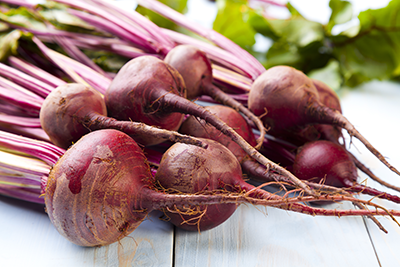
Trimethylglycine (also known as betaine) is an amino acid derivative that can be found in plants such as beets and spinach.
Trimethylglycine plays an important role in methylation, a process that is involved in the synthesis of melatonin, coenzyme Q10, and neurotransmitters such as dopamine and serotonin.
Several studies show that supplementing with trimethylglycine can significantly lower homocysteine levels (1-5).
One study found that the more trimethyglycine a person consumes, the lower their homocysteine levels (6).
According to the research, it appears that you need to supplement with at least three grams of trimethyglycine daily to significantly reduce homocysteine. Doing so will reduce homocysteine levels by 10% in persons with normal levels or by 20 to 40% in persons with elevated homocysteine levels (7-9).
However, even 500mg seems to lower homocysteine slightly (10).
I took a trimethylglycine supplement after coming off psychiatric medication and noticed an improvement in mood and energy.
2. Folate
The best way to lower homocysteine is by making sure you consume enough B vitamins on a regular basis.
Folate is one of the most important B vitamins because it helps metabolize homocysteine into methionine (51).
When your body doesn’t have enough folate, elevated levels of homocysteine are the result (52).

Good dietary sources of natural folate include leafy greens, asparagus, broccoli, cauliflower, strawberries, avocado, beef liver and poultry. These foods are included in my Free Grocery Shopping Guide for Optimal Brain Health.
However, folate-rich foods may not be enough to lower homocysteine. In fact, many people do not get enough folate from food because cooking and food processing destroy natural folates (57).
That’s why I recommend supplementation.
Supplementing with 800 mcg of folate has been shown to lower homocysteine by at least 28%. Even supplementing with just 113 mcg daily lowers homocysteine by about 15% (53-56, 58, 62).
3. Vitamin B12
Vitamin B12 is another nutrient that plays a role in methylation. It's also a necessary cofactor in the metabolism of homocysteine (75-77).
Research shows that Vitamin B12 deficiency can contribute to rising homocysteine levels (78-80, 83-84).
But in those with elevated homocysteine, supplementing with 1,000 mcg of B12 per day can significantly lower and normalize blood levels of homocysteine (81-82).
If you decide to take B12, you should avoid the semisynthetic version of B12 (cyanocobalamin) and take the methylated form (methyl-B12) instead, which is better absorbed and more biologically active. Methy-B12 is included in this supplement.
Vitamin B12 is also found primarily in animal foods, and beef liver is a really good source. I take beef liver capsules because I don’t like the taste of liver.
You should monitor your B12 levels regularly. But keep in mind that you can also have normal or high B12 levels but then still be B12 deficient on a cellular level. That is very common in my clients, and I talk about that in my workshop presentation. You can register for the free workshop here.
4. Vitamin B6
Vitamin B6 is another homocysteine-reducing nutrient that boosts mood, deepens sleep, and supports your entire nervous system.
It accomplishes this by playing a key role in the production of many neurotransmitters in your brain, including serotonin, GABA and dopamine.
Vitamin B6 is also a necessary cofactor in the metabolism of homocysteine, and having a deficiency can cause homocysteine levels to increase (14).
In fact, low blood levels of B6 are common, especially in people with higher homocysteine levels (15).
Thankfully, supplementation has been shown to help lower and normalize homocysteine levels (11-13).
Vitamin B6 is included in this supplement.

It’s important to point out that it’s best to supplement B6 along with both folate and B12 if you want to dramatically lower homocysteine levels.
Supplementing with B6, B12 and folate has been shown to significantly lower homocysteine levels and reduce symptoms of depression (87).
One study found that within three weeks, homocysteine levels could be reduced by 17% using folate alone, 19% using B12 alone, 57% using folate and B12, and 60% using folate, B12 and B6 (86).
Another study found that combining B6 and folate reduces homocysteine 32% within five weeks (85).
Symptoms of Vitamin B6 deficiency include weakness, mental confusion, depression, insomnia and severe PMS symptoms.
Some of the best food sources of Vitamin B6 include potatoes, bananas and chicken. They are included in my free food guide.
5. Taurine
Taurine is an organic compound found in foods, particularly animal products. It has a wide variety of health benefits.
It can cross the blood-brain barrier and produces anti-anxiety effects, and acts as an antioxidant in the brain, protecting it from various substances including lead and cadmium (16-25).
It’s also been shown to lower homocysteine.
Research shows that taurine supplementation significantly reduces plasma homocysteine levels (26-28).
Taurine is included in the Optimal Calm supplement.
6. Creatine
Creatine is a molecule produced in the body and found in some foods, particularly meat, eggs, and fish. These foods are included in my Free Grocery Shopping Guide for Optimal Brain Health.
Creatine is also available in supplement form. Athletes, bodybuilders, wrestlers, sprinters often take creatine supplement to gain more muscle mass. It’s an incredibly well-researched supplement and safe to take regularly.

Supplementing with creatine can also support the brain. It's been shown to have neuroprotective effects and it rapidly produces energy to support brain cell function (29).
Research shows that creatine supplementation can also lower homocysteine in humans (32, 34).
Animal studies show the same (30-31, 33).
I find that creatine gives me energy, and I take it when I’m lifting weights regularly.
7. Green Coffee Extract
Green coffee extract is a supplement that is derived from green coffee beans.
Green coffee beans are similar to regular coffee beans. However, they contain much more chlorogenic acid in them.
Chlorogenic acid is a phytochemical with cognitive health benefits.
One study found that 140 mg of chlorogenic acid, which is 28% of the content of green coffee extract, can significantly lower homocysteine (39).
8. Reduce Stress
I highly recommend you try to do something every day to manage your stress because psychological stress has been shown to significantly increase homocysteine levels (70-71).

My favourite ways to reduce stress include neurofeedback, meditation (using the Muse headband), massage, acupuncture, eye movement desensitization and reprocessing (EMDR), emotional freedom techniques (EFT), heart-rate variability (HRV) training, and an acupressure mat.
Some supplements that can help you reduce stress include zinc, magnesium, ashwagandha and phosphatidylserine.
This anti-anxiety supplement also includes a number of natural compounds that have personally helped me manage my stress over the years.
And here is an article with 20 other ways to lower your stress hormone, cortisol.
9. Estrogen
Estrogen is the primary female sex hormone and responsible for the development and regulation of the female reproductive system.
Research shows that higher estrogen levels are associated with lower homocysteine levels, independent of nutritional status and muscle mass (72).
And individuals on estrogen replacement therapy have significantly lower homocysteine levels (72-73).
I recommend both men and women get their hormone levels checked regularly and optimize them because it can really improve your quality of life.
You can check your estrogen levels here.

One study found that increased intake of choline led to lower levels of circulating homocysteine (43).
And other studies have shown that choline deficiency in mice and humans is associated with increased homocysteine levels (44).
Citicoline (also known as CDP-Choline) is my favourite source of choline for the brain.
Citicoline also supports the blood-brain barrier and promotes the regeneration of myelin.
Another good source of choline for brain health is Alpha GPC.
Both Citicoline and Alpha GPC are included in the Optimal Brain supplement.
You can also find some choline in beef liver and egg yolks, but Citicoline and Alpha GPC have more noticeable effects on cognition.
Make sure you read this article to learn more about the remarkable benefits of choline.
And make sure you read this article to learn more about the benefits of Alpha GPC, the optimal dosage, and the best way to take it.
11. N-Acetyl-Cysteine
N-Acetyl-Cysteine (NAC) is a modified form of the amino acid cysteine. It’s also the precursor to glutathione, your body’s master antioxidant.
I’ve previously discussed how NAC can help treat six different mental illnesses.
And it turns out that it can also help lower homocysteine levels.
Research shows NAC supplementation can cause a “rapid and significant decrease” in homocysteine levels (49).
Studies have found that NAC can decrease homocysteine anywhere from 25 to 45 per cent (47-48, 50).
Researchers believe NAC displaces homocysteine from its protein carrier in the blood, which lowers homocysteine and promotes the formation of glutathione (45-46).
NAC is included in this supplement.
12. Omega-3 Fatty Acids
Is there anything omega-3 fatty acids can’t do?
They can promote the regeneration of myelin, stimulate the vagus nerve, help reverse brain damage, and support the endocannabinoid system.
And now it appears they can also lower homocysteine levels.
A randomized double-blind placebo-controlled clinical trial found that consuming three grams of omega-3 fatty acids daily for 2 months significantly decreases levels of homocysteine (63).
Other researchers have reported that omega-3s can lower homocysteine by 36 to 48% (64-65).
And studies have also found that people using B vitamins to lower homocysteine should also have enough omega-3s to improve brain function. In fact, some clinical trials using B vitamins to improve brain function show benefits only in people with higher omega-3 levels (143-144).
It’s important to eat enough omega-3s because they are essential fats that your body cannot produce itself.
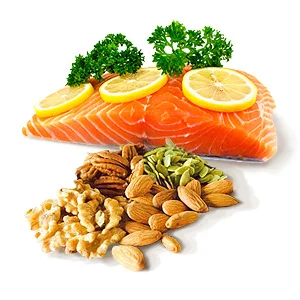
Omega-3 fatty acids are found primarily in cold water fish such as salmon, black cod, sablefish, sardines and herring.
Unfortunately, most people don't consume enough omega-3 fatty acids through their diet.
That’s why I recommend people supplement with krill oil, a special kind of fish oil that contains omega-3s.
I take this krill oil supplement. I feel slightly depressed when I stop taking it. I actually notice the difference.
You can read more about the importance of omega-3 fatty acids here.
13. Probiotics
Research suggests that probiotics may also be able to lower homocysteine.

In one interesting study, researchers gave the probiotic VSL#3 to subjects with high homocysteine.
The researchers found that the probiotic increased the number of good bacteria in the gut, which then naturally increased Vitamin B12 and folate production in the gut. As a result, homocysteine levels dropped (66).
I personally created and take the Optimal Biotics supplement to support my brain and mental health.
Probiotics have also been shown to stimulate the vagus nerve and help with depression.
And here are five other ways to increase the good bacteria in your gut.
14. Avoid Alcohol
Alcohol is a neurotoxin that wreaks havoc on the brain by raising cortisol levels, disrupting the blood-brain barrier, and increasing inflammation and oxidative stress (67).
It also increases homocysteine.
One study found that alcohol significantly reduces Vitamin B12 and folate levels and increased homocysteine levels (68).
And another study found that alcohol consumption increased homocysteine levels regardless of Vitamin B levels (69).
There are ways to protect your brain from alcohol, but you’re better off avoiding it completely or significantly reducing your consumption if you’re trying to heal. I personally don’t drink alcohol at all anymore.
If you do decide to drink it, this post explains that some types of alcohol are better than others.
15. Eat “Head to Tail”
Whole plant foods tend to be much healthier when they’re left whole, as they tend to have various nutrients that work together synergistically.
The same can be said about animal food.
Muscle meat (chicken breasts, lean beef) shouldn’t be your only source of animal protein. Our ancestors didn’t eat this way, so neither should we.
Your body prefers and expects to receive a balance of amino acids from different parts of whole animals.
That’s why I recommend “head-to-tail eating” – consuming a wide variety of proteins from the entire animal.
Along with muscle meat, you should regularly cook and eat organ meats, such as liver, and bone broth.
One of the main reasons I recommend this is because lean muscle meat is high in methionine.
Methionine is an essential amino acid, but too much methionine increases homocysteine levels and increases your need for Vitamin B6, B12, folate and choline (74, 88, 162).
But bone broth contains collagen, gelatin, and amino acids such as glycine and proline, which balance out the methionine in muscle meat, and helps your body better metabolize it.
Bone broth can be inconvenient to make all the time, so I drink a pre-made, organic chicken bone broth.
And if you’re actually interested in learning about how to cook and incorporate more whole animal proteins into your diet, I recommend checking out the book Odd Bits: How to Cook the Rest of the Animal by Jennifer McLagan.
16. Limit Medications and Compounds That Increase Homocysteine
A number of prescription drugs and natural compounds have been shown to increase homocysteine by interfering with folate absorption, or metabolism of homocysteine, including (35-38):

Cholestyramine
Colestipol
Fenofibrate
Levadopa
Metformin
Methotrexate
Niacin
Nitrous oxide
Pemetrexed
Phenytoin
Pyrimethamine
Sulfasalazine
17. Quit Smoking
If you’re a smoker, I’m sure you don’t need to tell anyone it’s bad for you and that you should quit.
But here I am telling you anyway.
Research shows that smoking and exposure to second-hand smoke increases homocysteine levels (163-164).
So even if you don’t smoke, but you’re around others that do, you could end up having higher homocysteine levels that impact your health.
18. Treat Hypothyroidism
Your thyroid is a small butterfly-shaped gland located in your neck below your Adam’s apple.
It’s one of your most important glands, producing thyroid hormones – thyroxine (T4) and triiodothyronine (T3) – which impact the health and functioning of your entire body.
Your thyroid gland plays a key role in the optimal health and functioning of your brain. It can impact your cognition, concentration, mood, memory and emotions.
It can also impact your homocysteine levels.
Your thyroid can either be overactive and produce too much thyroid hormone (hyperthyroidism), or underactive and produce too little thyroid hormone (hypothyroidism).
Many studies show that people with hypothyroidism have higher homocysteine levels (165-167).
And people with hypothyroidism who don’t take their thyroid medication end up having higher homocysteine levels. But once they take their thyroid medication, their homocysteine levels go down (168).
I highly recommend getting a full thyroid panel done regularly to see if you have hypothyroidism.
And check out this post for more ways to support your thyroid and overcome hypothyroidism naturally.
One of my favourite way is by applying this red and infrared light to my thyroid.
Conclusion
High levels of homocysteine can be problematic and increase your risk of many brain and mental health disorders.
But fortunately, you can do something about it!
Implementing the above 16 strategies can provide powerful protection against homocysteine’s negative effects and improve your quality life.
I’ve found great benefit in lowering my homocysteine levels, and I hope you experience the same.
Enjoy This Article? You Might Also Like My FREE Food Guide for Optimal Brain Health!
References:
(1) https://www.ncbi.nlm.nih.gov/pubmed/16197300
(2) http://doi.org/10.1271/bbb.70791
(3) http://doi.org/10.1155/2014/904501
(4) https://www.ncbi.nlm.nih.gov/pubmed/12730412
(5) http://atvb.ahajournals.org/content/25/2/379
(6) https://www.ncbi.nlm.nih.gov/pubmed/16600945
(7) https://www.ncbi.nlm.nih.gov/pubmed/12399266
(8) http://www.ncbi.nlm.nih.gov/pubmed/11849459
(9) https://www.ncbi.nlm.nih.gov/pubmed/15720203
(10) https://examine.com/supphttps://examine.com/supplements/trimethylglycine/ements/trimethylglycine/
(11) https://www.ncbi.nlm.nih.gov/pubmed/10926922
(12) http://www.ncbi.nlm.nih.gov/pubmed/19967264
(13) https://www.ncbi.nlm.nih.gov/pubmed/10475885
(14) https://www.ncbi.nlm.nih.gov/pubmed/10926922
(15) http://circ.ahajournals.org/content/97/5/437
(16) https://www.ncbi.nlm.nih.gov/pubmed/4407108
(17) https://www.ncbi.nlm.nih.gov/pubmed/8915375
(18) https://link.springer.com/article/10.1007%2Fs00210-003-0776-6
(19) https://www.ncbi.nlm.nih.gov/pubmed/1846756
(20) https://www.ncbi.nlm.nih.gov/pubmed/11598776
(21) https://www.ncbi.nlm.nih.gov/pubmed/18676123
(22) https://www.ncbi.nlm.nih.gov/pubmed/18823590
(23) https://www.ncbi.nlm.nih.gov/pubmed/16540157
(24) https://www.karger.com/Article/Abstract/107687
(25) https://www.ncbi.nlm.nih.gov/pubmed/15240184
(26) https://www.ncbi.nlm.nih.gov/pubmed/19398656
(27) https://www.ncbi.nlm.nih.gov/pubmed/19239173
(28) https://www.ncbi.nlm.nih.gov/pubmed/11535574
(29) https://examine.com/supplements/creatine/
(30) https://wwhttps://www.ncbi.nlm.nih.gov/pubmed/11595668.ncbi.nlm.nih.gov/pubmed/11595668
(31) https://www.ncbi.nlm.nih.gov/pubmed/15218538
(32) https://www.ncbi.nlm.nih.gov/pubmed/15168891
(33) https://www.ncbi.nlm.nih.gov/pubmed/19079843
(34) https://www.ncbi.nlm.nih.gov/pubmed/25853877
(35) http://link.springer.com/article/10.2165/00003495-200262040-00005
(37) https://www.ncbi.nlm.nih.gov/pubmed/11893229
(38) http://www.altmedrev.com/publications/11/4/330.pdf
(39) https://www.ncbi.nlm.nih.gov/pubmed/15785008
(40) http://www.tandfonline.com/doi/abs/10.1271/bbb.70791
(41) https://www.hindawi.com/journals/tswj/2014/904501/
(42) https://www.ncbi.nlm.nih.gov/pubmed/15699233
(43) https://www.ncbi.nlm.nih.gov/pubmed/16600945
(44) https://www.ncbi.nlm.nih.gov/pubmed/15699233
(45) https://www.ncbi.nlm.nih.gov/pubmed/17991199
(46) https://www.ncbi.nlm.nih.gov/pubmed/20538838
(47) https://www.ncbi.nlm.nih.gov/pubmed/8929261
(48) https://www.ncbi.nlm.nih.gov/pubmed/18214123
(49) https://www.ncbi.nlm.nih.gov/pubmed/12113295
(50) http://ajcn.nutrition.org/content/early/2015/10/07/ajcn.114.101964
(51) https://www.ncbi.nlm.nih.gov/pmc/articles/PMC3078648/
(52) http://www.ncbi.nlm.nih.gov/pubmed/11553056
(53) https://www.ncbi.nlm.nih.gov/pubmed/15983288
(54) https://www.ncbi.nlm.https://www.ncbi.nlm.nih.gov/pubmed/15883442ih.gov/pubmed/15883442
(55) http://www.ncbi.nlm.nih.gov/pubmed/19967264
(56) https://www.ncbi.nlm.nih.gov/pubmed/19766902
(57) https://www.ncbi.nlm.nih.gov/pubmed/12493090
(58) https://www.ncbi.nlm.nih.gov/pubmed/12600857
(59) https://www.ncbi.nlm.nih.gov/pubmed/5314166
(60) https://www.ncbi.nlm.nih.gov/pubmed/14769778
(61) https://www.ncbi.nlm.nih.gov/pubmed/17522618
(62) https://www.ncbi.nlm.nih.gov/pubmed/17654449
(63) http://www.sciencedirect.com/science/article/pii/S0939475309000970
(64) https://www.ncbi.nlm.nih.gov/pubmed/8269183
(65) https://www.ncbi.nlm.nih.gov/pubmed/9187021
(66) https://www.ncbi.nlm.nih.gov/pubmed/25453395
(67) https://www.ncbi.nlm.nih.gov/pubmed/17241155
(68) https://www.ncbi.nlm.nih.gov/pmc/articles/PMC2572692/
(69) https://www.ncbi.nlm.nih.gov/pubmed/16584970
(70) https://www.ncbi.nlm.nih.gov/pubmed/10374899
(71) https://www.ncbi.nlm.nih.gov/pubmed/14751454
(72) http://aje.oxfordjournals.org/content/152/2/140
(73) http://europepmc.org/abstract/med/9622279
(74) http://www.pnas.org/content/100/25/15089.full
(75) https://www.ncbi.nlm.nih.gov/pubmed/10926922
(76) http://www.ncbi.nlm.nih.gov/pubmed/25456744
(77) https://www.ncbi.nlm.nih.gov/pubmed/10475885
(78) http://www.ncbi.nlm.nih.gov/pubmed/11553056
(79) https://www.ncbi.nlm.nih.gov/pubmed/10926922
(80) https://www.ncbi.nlm.nih.gov/pubmed/20198596
(81) http://www.ncbi.nlm.nih.gov/pubmed/19967264
(82) https://www.ncbi.nlm.nih.gov/pubmed/18206175
(83) https://www.ncbi.nlm.nih.gov/pubmed/3340005
(84) https://www.ncbi.nlm.nih.gov/pubmed/2407253
(85) https://www.ncbi.nlm.nih.gov/pubmed/10353328
(86) https://www.ncbi.nlm.nih.gov/pubmed/11981084
(87) http://www.ncbi.nlm.nih.gov/pubmed/21771745
(88) https://www.ncbi.nlm.nih.gov/pubmed/19204075
(89) https://www.ncbi.nlm.nih.gov/pmc/articles/PMC3078648/
(90) https://www.ncbi.nlm.nih.gov/pubmed/26318987
(91) https://www.ncbi.nlm.nih.gov/pmc/articles/PMC4326479/
(92) http://www.ncbi.nlm.nih.gov/pubmed/23237596
(93) https://www.ncbi.nlm.nih.gov/pubmed/25804098
(94) https://www.ncbi.nlm.nih.gov/pubmed/24867323/
(95) https://www.ncbi.nlm.nih.gov/pubmed/24867323/
(96) https://www.ncbi.nlm.nih.gov/pubmed/9804859
(97) https://www.ncbi.nlm.nih.gov/pubmed/10995836
(99) https://www.ncbi.nlm.nih.gov/pubmed/16189268
(100) https://www.ncbi.nlm.nih.gov/pubmed/18080868
(101) https://www.ncbi.nlm.nih.gov/pubmed/23237596
(102) https://goo.gl/vqa9P5
(103) https://www.ncbi.nlm.nih.gov/pubmed/24309856
(104) https://www.ncbi.nlm.nih.gov/pubmed/10896698
(105) https://www.ncbi.nlm.nih.gov/pmc/articles/PMC3078648/
(106) https://www.ncbi.nlm.nih.gov/pubmed/15585771
(107) https://www.ncbi.nlm.nih.gov/pubmed/24309856
(108) https://www.ncbi.nlm.nih.gov/pubmed/12601225
(109) https://www.ncbi.nlm.nih.gov/pubmed/15545331
(110) http://emedicine.medscape.com/article/1952251-overview
(111) https://www.ncbi.nlm.nih.gov/pubmed/27035272
(112) https://www.ncbi.nlm.nih.gov/pubmed/17986270
(113) https://www.ncbi.nlm.nih.gov/pubmed/18545927
(114) https://www.ncbi.nlm.nih.gov/pubmed/19054516
(115) https://www.ncbi.nlm.nih.gov/pubmed/19619240
(116) https://www.ncbi.nlm.nih.gov/pubmed/24613517
(117) https://www.ncbi.nlm.nih.gov/pubmed/24613517
(118) https://www.ncbi.nlm.nih.gov/pubmed/25657748
(119) https://www.ncbi.nlm.nih.gov/pmc/articles/PMC3078648/
(120) http://www.nejm.org/doi/full/10.1056/NEJMoa011613
(121) http://journals.plos.org/plosone/article?id=10.1371/journal.pone.0012244
(122) https://www.ncbi.nlm.nih.gov/pubmed/19224340
(123) https://www.ncbi.nlm.nih.gov/pubmed/26318987
(124) https://www.ncbi.nlm.nih.gov/pubmed/10746355
(125) https://www.ncbi.nlm.nih.gov/pubmed/11589919
(126) https://www.ncbi.nlm.nih.gov/pubmed/11844848
(127) https://www.ncbi.nlm.nih.gov/pubmed/23224755
(128) https://www.ncbi.nlm.nih.gov/pubmed/16155278
(129) https://www.ncbi.nlm.nih.gov/pubmed/15250847
(130) https://www.ncbi.nlm.nih.gov/pubmed/15694902
(131) http://www.nejm.org/doi/full/10.1056/NEJMoa011613
(132) https://www.ncbi.nlm.nih.gov/pubmed/11844848
(133) https://www.https:/
(134) http://journals.plos.org/plosone/article?id=10.1371/journal.pone.0012244
(135) https://www.ncbi.nlm.nih.gov/pubmed/24309856
(136) https://www.ncbi.nlm.nih.gov/pubmed/17200216
(137) https://www.ncbi.nlm.nih.gov/pubmed/15041049
(138) https://www.ncbi.nlm.nih.gov/pubmed/3872065
(139) https://www.ncbi.nlm.nih.gov/pubmed/9372907
(140) https://www.ncbi.nlm.nih.gov/pubmed/22421956
(141) https://www.ncbi.nlm.nih.gov/pubmed/10448523
(142) https://www.ncbi.nlm.nih.gov/pubmed/17093148
(143) https://www.ncbi.nlm.nih.gov/pubmed/26757190
(144) http://ajcn.nutrition.org/content/102/1/215.full
(145) https://www.ncbi.nlm.nih.gov/pubmed/27840145
(146) https://www.ncbi.nlm.nih.gov/pubmed/25822709
(147) https://www.ncbi.nlm.nih.gov/pmc/articles/PMC4186289/
(148) https://www.ncbi.nlm.nih.gov/pubmed/19384265
(149) https://www.ncbi.nlm.nih.gov/pubmed/11205139
(150) http://fxmed.co.nz/homocysteine-and-brain-health/
(151) https://www.ncbi.nlm.nih.gov/pmc/articles/PMC3192851/
(152) http://www.sciencedirect.com/science/article/pii/S001457930600545X
(153) https://goo.gl/AqKptM
(154) https://goo.gl/n65tzT
(155) https://goo.gl/n65tzT
(156) http://journahttp://jo
(157) https://www.ncbi.nlm.nih.gov/pmc/articles/PMC4164291/
(158) https://www.ncbi.nlm.nih.gov/pmc/articles/PMC2077571/
(159) https://www.ncbi.nlm.nih.gov/pubmed/16421120
(160) https://www.ncbi.nlm.nih.gov/pubmed/22421956
(161) https://goo.gl/2ARLyh
(162) https://www.ncbi.nlm.nih.gov/pubmed/16155267
(163) https://www.ncbi.nlm.nih.gov/pubmed/21143017
(164) https://www.ncbi.nlm.nih.gov/pubmed/20558908
(165) https://www.ncbi.nlm.nih.gov/pubmed/21745107


