How to Protect Your Brain from Blue Light

Overcoming brain and mental health issues isn't just about nutrition and supplementation. 

It's also about light.

A woman staring at a screen and being exposed to blue light at night. She is wearing glasses, but they don’t look like they block out the light!

Chronic exposure to artificial blue light is a risk factor that is often overlooked. 

This post talks about how you should be striving to reduce your blue light exposure as much as possible throughout the entire day (unless it’s naturally coming from the sun). 

We're getting way too much blue light nowadays, and it’s taking a toll on your brain and mental health. 

And if you’re interested in learning more about light, I recommend the book Light: Medicine of the Future by Dr. Jacob Liberman. 


What Is Blue Light?

Light is part of the electromagnetic spectrum. 

Our eyes can only see light that falls within a small range of the electromagnetic spectrum, called "visible light". The human eye is not capable of "seeing" radiation with wavelengths outside the visible spectrum. 

Visible light corresponds to a wavelength range of approximately 400 to 700 nanometers (nm). Each visible wavelength is represented by a colour. Blue light is defined as having a wavelength between 450 and 495 nm. This short wavelength means that blue light is a type of high-energy visible light (25). 

Blue light is emitted from energy-efficient fluorescent and LED bulbs, and electronics such as computers, smartphones, tablets, and televisions. Obviously, these indoor man-made sources of blue light are on the rise, and we’re being exposed to more blue light in our environments than ever before (26). 


Why Artificial Blue Light Is Bad for Your Brain and Mental Health

I’ve been learning more and more that it’s best to limit your exposure to artificial blue light all day long, and not just at night. 

It’s important to note that there’s a big difference between artificial blue light and natural blue light from the sun. 
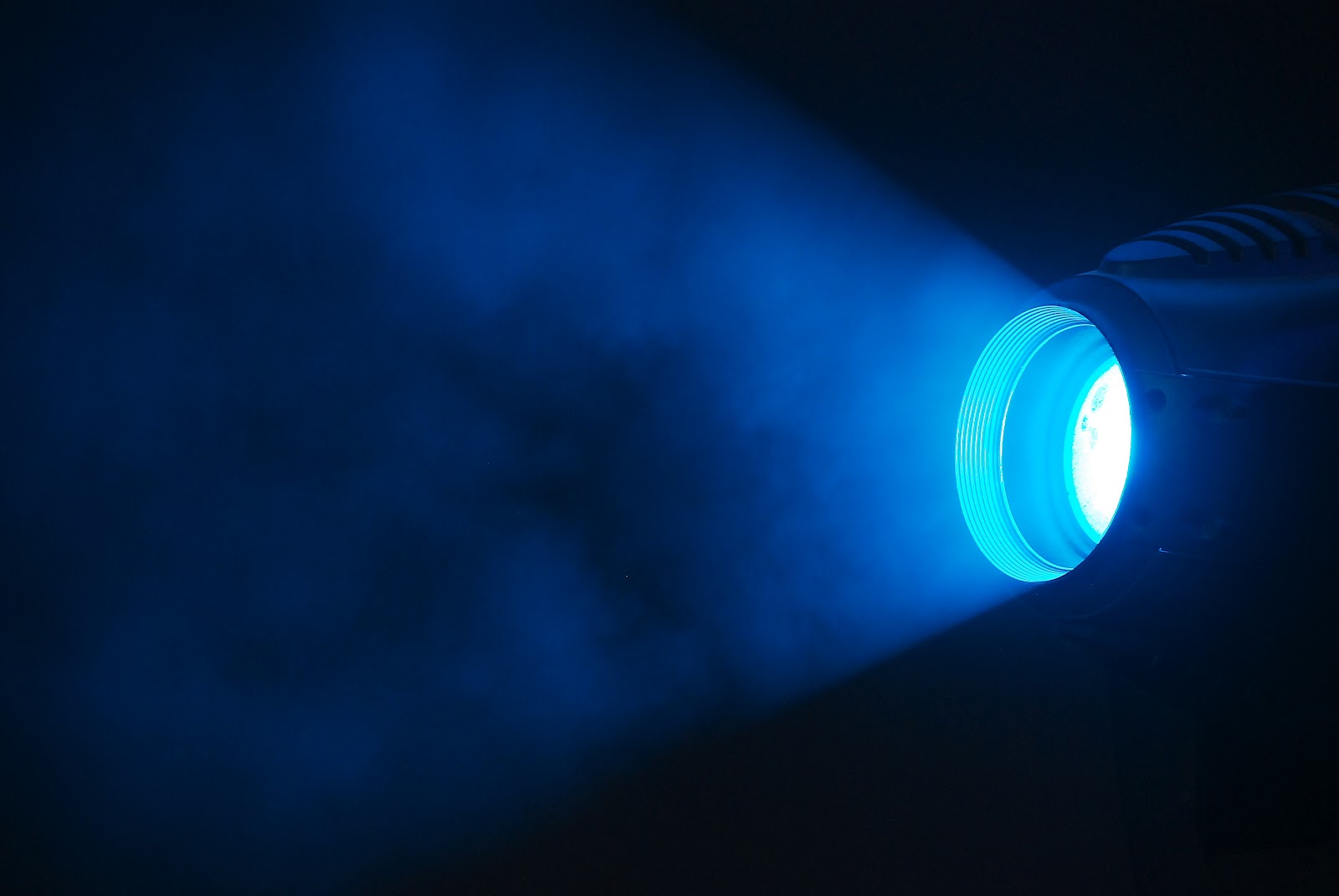
A lamp emitting blue light.

During the day, exposure to full-spectrum sunlight – which naturally contains some blue light –is actually beneficial and necessary for resetting your circadian rhythm.

The blue light from the sun is also balanced with other colours of light, such as red, green, infrared, and ultraviolet light.

But our devices and artificial lights have five times the amount of blue light than you would get from the sun. 

In the past, our ancestors would have been exposed to blue light from the sun only, and they weren’t exposed to blue light at night. 

But today, we shield ourselves from full-spectrum natural sunlight, and live indoors with excess artificial blue lighting all day long. 

And this is having brain and mental health consequences.
Click here to subscribe

What The Experts Are Saying

An increasing number of researchers, doctors and health organizations are speaking out about this. 

Dr. Jack Kruse, MD, a neurosurgeon and author of the book Epi-Paleo Rx, and speaks passionately about the risks of blue light. He argues that attending to your light environment is more important than food. 

Dr. Alexander Wunsch, another physician and researcher in the field of photobiology, explains that artificial LED lights have an excess of blue light, and not enough red light, and this creates reactive oxygen species (19):

We don’t have this kind of light quality in nature. This has consequences. The stress has consequences in the retina; it has consequences in our endocrine system.
— Dr. Alexander Wunsch

Even the American Medical Association is speaking out about this issue.  Last June, they released guidelines on how to reduce the harmful human and environmental effects of high-intensity LED lighting.

They point out that the energy-efficient LED lighting adversely suppresses melatonin at night, has a “five times greater impact” on sleep rhythms than conventional lighting, and widespread implementation of this lighting will lead to sleep problems and other conditions related to poor sleep.

Despite the energy efficiency benefits, some LED lights are harmful.
— Dr. Maya A. Babu, AMA Board Member

There is lots of research to support these claims and concerns. 

Researchers have discovered photoreceptors (light-sensitive cells) in our eyes that track the amount of blue light we're exposed to throughout the day. These photoreceptors communicate with areas of your brain that affect your mood, emotions and circadian rhythm (20-22). 

It’s also well-established that blue light at night sends a signal to your body that it’s daytime, which increases the amount of time it takes to fall asleep and reduces the quality of your sleep. It does this by significantly suppressing the production of melatonin, your body’s sleep hormone (27-34).

Melatonin is also an antioxidant that protects your brain and increases mitochondrial function. So chronically low melatonin can lead to lower mental energy and neurodegeneration (35-37). 

In my experience, if your circadian rhythm is thrown off and you’re not sleeping well, it's very hard to be completely healthy and emotionally balanced.

Studies show that exposure to blue light at night is significantly associated with depression (23). 

Other research has found that “higher nighttime light intensity” leads to lower melatonin levels, which contributes to depression and cognitive impairment (24). 

But luckily there are ways to protect yourself.

Let’s get into what you can do to shield yourself from the negative effects of artificial blue light. 


1. Use Software That Blocks Blue Light

Installing software that prevents blue light from being emitted from your technology is another cheap and straightforward action you can take to protect yourself from excess blue light.

My number one recommendation is to install the program Iris on your computer. You can download it here

Iris automatically alters the colour temperature of your screen as the day goes on, removing the blue wavelengths after sunset.

The standard setting only removes blue light in the evening, but you can change the settings so that it blocks out blue light all day long. That’s what I do now. 

Iris takes care of your computer, but what about your phone? 

Last year, Apple released Night Shift with its iOS 9.3 update to reduce the amount of blue light emitted from the iPhone. You can learn how to activate this on your iPhone here. I have Night Shift turned on all throughout the day. 

You can also install Twilight if you have an Android device.


2. Wear Blue-Light-Blocking Glasses

It's becoming increasing clear that one of the simplest and least expensive ways to support your brain, promote healthy sleep, and lower your risk of chronic mental disease, is to wear blue-light-blocking glasses not just at night, but anytime you are exposed to artificial lighting.

I own multiple pairs of blue-light-blocking glasses myself.  

Research shows that wearing blue-light-blocking glasses improves sleep quality and mood (1). 

Other studies show that wearing blue-light-blocking glasses in a bright room or while using blue-lit technology maintains normal melatonin levels at night (2-4). 

Researchers have also found dramatic improvements in insomnia and mood in about half of bipolar patients who wore blue-blocking glasses (5). 

People with bipolar disorder who wore blue-blocking glasses from 6 p.m. to 8 a.m. for seven days had significant improvements in symptoms of mania compared to those who wore clear glasses. These benefits kicked in after just 3 days (6-7). 

I used to work on a computer in an office with lots of artificial fluorescent lighting shining down on me. 

At that time, I would wear these Gunnar computer glasses. These glasses have a light-yellow tint and are somewhat stylish. They significantly reduced the amount of blue light that I was exposed to throughout the day, which reduced fatigue and eye strain. 

They are like the opposite of sunglasses - I wore them inside when I was exposed to artificial blue light, and took them off when I went outside.

Gunnar Optiks has a wide-range of computer and gaming glasses to choose from through Amazon

If you work under blue light all day, it’s also a good idea to wear long sleeves because your skin also absorbs the blue light. Shielding it from your eyes is the priority though.

At home in the evening, I wear these orange-tinted Uvex glasses as soon as it’s dark outside. They eliminate all blue light, but aren’t stylish at all, so you’re better off wearing them inside and not out in public.

I also just ordered these red glasses, as they block out both blue and green light. Green light has been shown to stunt the release of melatonin, but not nearly as much as blue light. If you don’t have blue-blocking glasses yet, get the red ones

You can also get BluTech prescription lenses for the daytime but I haven’t done that for myself yet.

Click here to subscribe

3. Increase Your Exposure to Red and Infrared Light

Blue light causes reactive oxygen species in your tissue, and this stress needs to be balanced with near-infrared light that is not present in LEDs.
— Dr. Alexander Wunsch

If you’re exposed to too much blue light, you need to make up for it later by exposing yourself to more red light.

One of the reasons red and infrared light supports brain and mental health is because it combats the effects of blue light. 

Ideally, we would simply be exposed to the sunlight throughout the day, which has a healthy balance of both blue and red light.

But unfortunately, we live in the modern world, and it’s not possible to live outside all day like our ancestors, even though our bodies still expect us to. 

I work in an office environment with lots of blue light, and no red and infrared light.

So to balance out my excess blue light exposure during the day, I use a number of different LED devices and bulbs in the evening that emit red and infrared light. 

As I’ve discussed before, I use this device on my head and thyroid. It has LEDs that emit red and infrared light. 

But what I haven’t mentioned before is that I also have this infrared bulb shining in my bedroom and this red bulb in my bathroom. I use them to light up my apartment, particularly at night.

Infrared saunas are another excellent way to expose yourself to infrared light. Check out my post about the benefits here

Penetrating red light is possibly the fundamental anti-stress factor for all organisms. Old observations such as Warburg’s, that visible light can restore the activity of respiratory pigments, showed without doubt that visible light is biochemically active. By the 1960s, several studies had been published showing the inhibition of respiratory enzymes by blue light, and their activation by red light. The problem to be explained is why the science culture simply couldn’t accept crucial facts of that sort.
— Dr. Raymond Peat

I find that doing all of this increases my energy and mood.

This may all seem strange but it works, and there is plenty of evidence to support it. 

In fact, red light therapy has been around for over 100 years. In 1910, Dr. John Kellogg published a book, titled Light Therapeutics, in which he recommended light therapy for a number of different diseases, including chronic fatigue.

Research shows that high-intensity blue light is bad for your mitochondria, while red light enhances mitochondrial function (15-18). 

I even found a study that clearly shows that red LED light protects animals from fake artificial blue light (14). 

And here is a spreadsheet that compiles a lot of the research showing that red and infrared light can help treat many different diseases, including depression, anxiety, traumatic brain injury, stroke, Parkinson's disease, Alzheimer's disease, multiple sclerosis, hypothyroidism, acne and chronic pain. 

Overall, blue light triggers oxidative stress in your cells, while red light repairs and regenerates your cells. Blue light is the equivalent to eating junk food, while red light is like eating healthy food. Staring at your smartphone all day and night is like eating McDonalds, while shining red light on yourself is like eating more vegetables. If you eat too much junk food, you might make up for it later by eating healthier and exercising. But with blue light, you need to make up for it by absorbing more red light. That’s what I do, and I hope it helps you too. 


4. Sleep in a pitch black room

Making sure your bedroom is as dark as possible while you sleep is another step you can take.  

Light can penetrate your eyelids, so simply closing your eyes is not enough. 

A sleep mask.

Even small amounts of light can reduce your melatonin production and disrupt your circadian rhythm. Exposure to room light during sleep has been shown to suppress melatonin by more than 50 percent (8). 

I completely black out my room with black-out curtains.

Another option is to wear a sleep mask. 

However, it’s important to note that your skin also has photreceptors and can sense light in your environment (9-11). 

So it’s optimal to just black out your entire room with curtains, especially if you have LED streetlights outside your house. 

Electronics should also be unplugged so that your room is completely dark. 

If you do these things, you’ll notice a profound difference in your sleep and brain and mental health.

Click here to subscribe

5. Vitamin E and N-Acetyl-Cysteine (NAC)

Vitamin E and N-Acetyl-Cysteine (NAC) are two nutrients with antioxidant effects. 

One study found that NAC protects against the cellular damage induced by blue LED light (38). 

Perhaps this is one of the reasons NAC helps people who struggle with mental illness

Another study found that a combination of vitamin E and NAC significantly reduced blue-light-induced levels of reactive oxygen species (39). 

Both NAC and Vitamin E are included in the Optimal Antiox supplement.


6. Lutein and Zeaxanthin

A broken egg and egg yolk. Egg yolks contain antioxidants that can protect you have excessive blue light exposure.

Lutein and zeaxanthin are two more antioxidants that are found in your eye that may be able to protect you from the detrimental effects of blue light.  

Both zeaxanthin and lutein cannot be made by your body, so you must get them from food or supplements. They are found in green leafy vegetables, orange and yellow-coloured fruits and vegetables, and egg yolks. 

Together, these antioxidants can reduce free radicals before they cause damage and help your body better handle excess blue light. Researchers have found that they “absorb a broader spectrum of high-energy blue light, which offers greater protection of retinal tissue” (12, 13). 

You can also take them together as a supplement. 


Conclusion

Nutrition is important. But it's not the be all and end all.

Light is just as important.

Overall, you should aim to limit your exposure to blue light, both during the day and evening. 

Humans evolved getting a full spectrum of light throughout the day, not overwhelming amounts of artificial blue. 

Excessive blue light from LEDs and electronic screens can contribute to illness by triggering an overproduction of reactive oxygen species and decreasing your body’s production of melatonin.

But with the above modifications, you can significantly reduce the amount of blue light that enters your eyes and affects your brain and mental health.
 
Click here to subscribe

Live Optimally,

Jordan Fallis

Connect with me

References:

(1) https://www.ncbi.nlm.nih.gov/pubmed/20030543

(2) https://www.ncbi.nlm.nih.gov/pubmed/22850476

(3) http://onlinelibrary.wiley.com/doi/10.1111/j.1600-079X.2006.00332.x/full

(4) http://press.endocrine.org/doi/full/10.1210/jc.2004-2062

(5) https://www.ncbi.nlm.nih.gov/pubmed/20030543

(6) http://www.newsweek.com/blue-blocking-glasses-may-help-treat-bipolar-disorder-promote-sleep-484065

(7) http://onlinelibrary.wiley.com/doi/10.1111/bdi.12390/abstract

(8) https://www.ncbi.nlm.nih.gov/pmc/articles/PMC3047226/

(9) https://www.ncbi.nlm.nih.gov/pubmed/19493002

(10) https://www.newscientist.com/article/dn21127-skin-sees-the-light-to-protect-against-sunshine/

(11) http://onlinelibrary.wiley.com/doi/10.1111/bdi.12390/abstract

(12) http://jn.nutrition.org/content/133/4/992.long

(13) http://www.newhope.com/high-energy-blue-light-exposure-protection-all-ages-white-paper

(14) https://www.ncbi.nlm.nih.gov/m/pubmed/27562504/

(15) https://www.ncbi.nlm.nih.gov/pubmed/7769534

(16) https://www.ncbi.nlm.nih.gov/pubmed/18922088

(17) https://www.ncbi.nlm.nih.gov/pubmed/19837048

(18) https://www.ncbi.nlm.nih.gov/pubmed/21116053

(19) https://www.ncbi.nlm.nih.gov/pubmed/15978279 

(20) https://www.ncbi.nlm.nih.gov/pubmed/9554572/

(21) http://www.newsweek.com/blue-blocking-glasses-may-help-treat-bipolar-disorder-promote-sleep-484065

(22) https://www.ncbi.nlm.nih.gov/pmc/articles/PMC3200463/

(23) https://www.ncbi.nlm.nih.gov/pubmed/23856285

(24) http://press.endocrine.org/doi/pdf/10.1210/jc.2015-1859

(25) https://www.ncbi.nlm.nih.gov/pubmed/24909301  

(26) https://www.ncbi.nlm.nih.gov/pmc/articles/PMC4734149/

(27) https://www.ncbi.nlm.nih.gov/pubmed/21415172

(28) https://www.ncbi.nlm.nih.gov/pubmed/21164152

(29) https://www.ncbi.nlm.nih.gov/pubmed/15582288

(30) https://www.ncbi.nlm.nih.gov/pubmed/15325001

(31) http://onlinelibrary.wiley.com/doi/10.1111/jsr.12050/full

(32) http://www.ncbi.nlm.nih.gov/pubmed/23691095

(33) http://bmjopen.bmj.com/content/5/1/e006748

(34) https://www.ncbi.nlm.nih.gov/pmc/articles/PMC3047226/

(35) http://behavioralandbrainfunctions.biomedcentral.com/articles/10.1186/1744-9081-2-15

(36) https://www.ncbi.nlm.nih.gov/pubmed/16179266

(37) https://www.ncbi.nlm.nih.gov/pubmed/16364209

(38) https://www.ncbi.nlm.nih.gov/pubmed/24909301

(39) https://www.ncbi.nlm.nih.gov/pubmed/15978279

Terms and Conditions

Privacy Policy

Affiliate Disclosure

Disclaimer

How to Improve Your Brain Function with An Oxygen Concentrator

Insufficient oxygen means insufficient biological energy that can result in anything from mild fatigue to life threatening disease. The link between insufficient oxygen and disease has now been firmly established.
— Dr. W. Spencer Way, Journal of the American Association of Physicians

Oxygen is absolutely essential for life, and your brain depends it more than any other part of your body.

Your brain weighs about 2% of your body weight.

But it consumes about 20% of the oxygen you breathe.

Your brain cells need to get enough oxygen to produce energy and function optimally.

If they don’t, they can start to deteriorate, leading to poor memory and concentration, low mood, lack of energy and drive. 

I personally use oxygen therapy with an oxygen concentrator to support and optimize my brain function. 

This post discusses oxygen therapy, the benefits, how I use it, and how it could help you. 

It’s a great way to boost cognitive function, memory and energy.

Read on to learn more. 


Types of Oxygen Therapy

Oxygen therapy is the use of supplemental oxygen to treat a variety of medical conditions.

Air is typically 21% oxygen by volume, but oxygen therapy increases the amount.

Hyperbaric oxygen therapy (HBOT) is the most well-known type of oxygen therapy, and it allows patients to inhale 100% pure oxygen in a total body chamber.

Tube plugged into oxygen tank

HBOT is often used by professional athletes for recovery and performance.

But it’s expensive and not available to most people. 

Luckily, it’s not the only option available to you. 

Normobaric oxygen therapy (NBOT) is much less expensive, and it’s easily accessible and non-invasive. I personally use NBOT at home. 

Similar to HBOT, NBOT brings a higher percentage of oxygen into the body and can bring major benefits to your brain and cognition.

Researchers have found that both normobaric and hyperbaric oxygen therapy increase the amount of oxygen that is delivered to the blood and brain (1-2). 

With normobaric therapy, oxygen can be delivered via an oxygen concentrator

An oxygen concentrator is a machine that separates oxygen from room air, and then delivers the concentrated oxygen through a nasal cannula or mask.

I use this oxygen concentrator.

Make sure you read the “My Experience” section below where I discuss how to use it. .


Why You Might Need Oxygen Therapy and How It Works

Hypoxia is a condition in which the body or a region of the body is deprived of adequate oxygen supply.

If this happens to you, you can end up with mitochondria dysfunction and poor brain function. 

But how do you know?

You can use an oxygen saturation monitor to measure and monitor your blood oxygenation levels. I use this monitor. It’s the best and most accurate oxygen saturation monitor that is often used by medical professionals, and freely available to the public.

Your blood oxygen saturation levels (SpO2) should measure 99-100% if you want to feel optimal.  

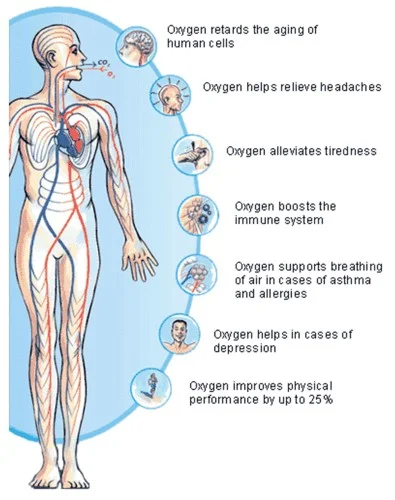
An illustration of the benefits of oxygen therapy.

There are a number of reasons why your body and brain might not be getting enough oxygen:

  • Sedentary lifestyle and lack of exercise

  • Shallow breathing – Most people today don’t breathe well and are shallow breathers.

  • Chronic stressStress and anxiety can also affect your breathing. If you're stressed and anxious, you end up taking more shallow breaths. Your sympathetic “fight or flight” nervous system is chronically active, and this reduces the amount of oxygen that reaches your brain.

  • Abnormal blood pressure – Both high and low blood pressure can be problematic and may suggest that blood is not optimally flowing to your brain. If blood flow to your brain is poor, oxygen levels in your brain will also be suboptimal.

Normobaric oxygen therapy can help you if you’re struggling with any of these problems.

It can also help if you’re recovering from a concussion or brain injury or some sort of toxic exposure (e.g. mold). 

Neuroplasticity and neurogenesis require oxygen, and increasing the delivery of oxygen to the body and brain supports the healing process of damaged tissue.

Normobaric oxygen therapy has been shown to work by increasing brain blood flow, reducing permeability of the blood-brain barrier, and it may even have cholinergic properties (3-8). 

Researchers have concluded that the “neuroprotective role of normobaric oxygen therapy is extremely promising” (9). 

They have also found that it can lead to a number of positive cognitive outcomes, which I'll explore below. 

Click here to subscribe

1. Normobaric Oxygen Therapy Improves Memory and Recall

In their book Advances in Natural Medicines, Nutraceuticals, and Neurocognition, Dr. Andrew Scholey and Dr. Con Stough state that normobaric oxygen therapy is an effective memory enhancer

Research has shown that oxygen administration leads to improved long-term memory compared to a control group of normal air-breathing.

Several clinical studies also show that concentrated oxygen significantly enhances memory formation and recall in adults (10-11, 16-17). 

In one study, inhalation of oxygen immediately prior to learning a word list resulted in a significant increase in the average number of words recalled 10 minutes later (14). 

In other studies, subjects who received oxygen remembered shopping lists and faces better than subjects that didn’t receive oxygen (12-13, 18). 

Researchers have also found significant positive correlations between changes in oxygen saturation and memory performance (15). 


2. Normobaric Oxygen Therapy Improves Cognitive Performance

Research shows that concentrated oxygen significantly enhances cognitive performance (19-20, 29). 

And it doesn’t just improve cognitive function in the elderly; it also enhances cognitive processing in young adults (21-23). 

In one study, students that inhaled oxygen while playing a computer game performed much better compared to students who didn’t inhale any additional oxygen (26). 

In two other studies, researchers found that the inhalation of 30% oxygen improved cognitive functioning and performance by activating several brain areas (24-25). 

Oxygen administration appears to facilitate cognition most effectively for tasks with a higher cognitive load.
— Advances in Natural Medicines, Nutraceuticals, and Neurocognition

They concluded that breathing a higher concentration of oxygen increases blood oxygen levels in the brain, which then supports cognition (24-25). 

And other researchers have found significant correlations between blood oxygen levels and cognitive performance (27-28). 


3. Normobaric Oxygen Therapy Enhances Accuracy

Several studies have found that normobaric oxygen therapy can also increase your accuracy when doing tasks. 

Two studies found that 30% and 40% oxygen administration significantly enhanced accuracy rates compared to 21% oxygen (normal air). It did this by increasing oxygen levels in the blood, which then stimulated activity in the brain (31-32). 

As the difficulty of the task increased, the difference in the accuracy rate between 40% and 21% oxygen administration also increased (33-34). 

And researchers found a positive correlation between task performance and oxygen levels in the brain (33-34). 

Other research has found that 30% oxygen administration enhances accuracy rates during verbal tasks by activating specific areas of the brain (35-36). 

Click here to subscribe

4. Normobaric Oxygen Therapy Reduces Reaction Time

People who receive normobaric oxygen therapy also have faster reaction times (37-38). 

In one study, participants performed visual matching tasks under 43% oxygen or 21% oxygen (normal air).

Researchers reported a significant decrease in reaction time in the presence of 43% oxygen (39).

The researchers hypothesized that normobaric oxygen therapy increases oxygen levels in the blood, which then leads to more available oxygen in the brain (39). 

Another follow-up study confirmed that response time decreases during normobaric oxygen therapy due to the increase in blood oxygen levels (40). 

Normobaric oxygen therapy has even been shown to reduce reaction time in children with attention deficit hyperactivity disorder (ADHD) (41). 


5. Normobaric Oxygen Therapy Increases Energy

Despite comprising only 2 percent of the body’s weight, the brain gobbles up more than 20 percent of daily energy intake.

All cells within your body need oxygen, particularly your brain cells.

They require a lot of oxygen to produce energy. 

In fact, your energy levels depend on how much oxygen you have and how well your mitochondria utilize it.

If your brain doesn’t get enough oxygen, it simply won’t function properly, and you’ll end up feeling tired. 

But normobaric oxygen therapy can increase energy.

Research shows that it "decreases fatigue and reduces feelings of sleepiness" (51). 


6. Normobaric Oxygen Therapy Improves Neurological Function After Stroke

Researchers say that normobaric oxygen therapy is a promising therapy for stroke patients. 

It’s been shown to reduce brain swelling and blood-brain barrier permeability and increase brain blood flow after stroke (42-43). 

One study found that normobaric oxygen therapy significantly improved neurological functions in patients with acute ischemic stroke (44). 

Other researchers have found that normobaric oxygen therapy increases oxygen supply to damaged tissues and improves outcomes after stroke, in both animals and humans (45-46). 

As a non-pharmaceutical and non-invasive treatment, normobaric oxygen therapy is “worthy of notice” (47). 

Click here to subscribe

7. Oxygen Therapy May Help Reverse Brain Damage After Traumatic Brain Injury

Researchers found that a combination of normobaric and hyperbaric oxygen therapy reversed brain damage in 2-year-old girl who nearly drowned in a swimming pool.

She received normobaric oxygen treatment (twice daily for 45 minutes by nasal cannula), and doctors witnessed significant improvements in her neurological function (48-49). 

Normobaric oxygen therapy alone improved the girl’s neurological function before she started hyperbaric oxygen therapy (48-49). 

She eventually made a full recovery with both types of oxygen therapy. 

Researchers have also said that the “neuroprotective role of normobaric oxygen therapy is extremely promising” for traumatic brain injury (50). 

I’ve also seen multiple studies with rats and mice showing that normobaric oxygen therapy reduces brain swelling and brain damage.


8. Other Possible Benefits (with Less Research Behind Them)

  • Increases attention and vigilance – Oxygen administration significantly improved performance on several measures of attention and vigilance (52).

  • Reduces inflammation – Oxygen levels play a critical role in determining the severity of the inflammatory response and ultimately the effectiveness of anti-inflammatory drugs (53-54).

  • Improves hand-eye coordination (55).

  • Increases positive sense of wellbeing (56).


My Experience with Normobaric Oxygen Therapy

If you use oxygen for 20 minutes, muscles become loosened, headaches and stress seem to disappear, there is a renewed energy and a feeling of relaxation.
— Dr. Richard de Andrea


I was first introduced to oxygen therapy through an integrative doctor I know.

At the end of each appointment with him, I would use his oxygen concentrator for about 15-20 minutes. He used this oxygen concentrator. 

I eventually decided to buy my own oxygen concentrator and now regularly use it at home. 

There is a dial for adjusting the flow of oxygen and the port is located on the upper right of the machine.

There is a dial for adjusting the flow of oxygen and the port is located on the upper right of the machine.

I bought this oxygen concentrator. I'll discuss how it has helped me below.

The oxygen from the concentrator is supplied through an nasal canula. It’s completely non-invasive and painless, and it’s become one of my favourite tools for supporting my brain.

I use it for about 20 to 30 minutes, a few times each week. I often do this while exercising on this indoor stationary bike. Sometimes I use it without exercising on the bike. 

I also use it for about 3 to 5 minutes as needed, usually when doing work. 

During a session, I use this oxygen saturation monitor to measure my blood oxygenation levels. 

Your blood oxygen saturation levels (SpO2) should measure 99-100%. I see mine increase and max out while using the concentrator

My oxygen concentrator delivers up to 5 litres of oxygen per minute. I usually set mine somewhere between 3 and 5 litres per minute. 

But I would recommend starting lower and working your way up. 

Similar to low-level laser/light therapy, oxygen therapy is somewhat experimental. You need to find the right “dosage” for yourself.


Benefits and What I’ve Noticed

Jordan Fallis using oxygen concentrator.

I've had good results with concentrated oxygen therapy and it has surprisingly increased the quality of my life. 

One of the main things I notice is that it feels like it puts energy back into my body every time I use it.

One of my clients uses it whenever she gets brain fog, and it clears it up. Another client uses it when she gets a headache and the headache disappears within 10 minutes.

It also does an incredible job of getting rid of hangovers. They essentially go away if you use the concentrator the morning after drinking. You just immediately feel like a completely new person.

Here are some other benefits I’ve experienced:

  • Increased energy and alertness

  • Improved mood

  • Increased cognitive function

  • Improved memory and enhanced ability to work through difficult tasks

  • More mental motivation, endurance and productivity if used during tasks

Keep in mind that this is my personal experience (and the experiences of a couple of clients). There really is no guarantee that you’ll experience the same results, but it’s worth a try if you’re sick and other therapies aren’t improving your brain function. 

Click here to subscribe

Combining Oxygen Therapy with Other Therapies

I also combine oxygen therapy with other therapies and supplements for their synergistic effects. 

Researchers have found that combining normobaric oxygen therapy with the following therapies leads to better results (57-59):


Enjoy This Article? You Might Also Like My FREE Food Guide for Optimal Brain and Mental Health!

Click here to subscribe

Live Optimally,

Jordan Fallis

Connect with me

References:

(1) https://www.ncbi.nlm.nih.gov/pubmed/23317164

(2) https://www.ncbi.nlm.nih.gov/pmc/articles/PMC5234199/

(3) https://www.ncbi.nlm.nih.gov/pmc/articles/PMC3023418/

(4) https://www.ncbi.nlm.nih.gov/pmc/articles/PMC5110143/

(5) https://www.ncbi.nlm.nih.gov/pubmed/28931617

(6) https://www.ncbi.nlm.nih.gov/pubmed/25804925

(7) https://www.ncbi.nlm.nih.gov/pubmed/27177548

(8) https://www.ncbi.nlm.nih.gov/pubmed/9600580/

(9) https://www.ncbi.nlm.nih.gov/pubmed/19922270

(10) https://www.ncbi.nlm.nih.gov/pubmed/9600580/

(11) https://www.ncbi.nlm.nih.gov/pmc/articles/PMC4107523/

(12) https://www.ncbi.nlm.nih.gov/pubmed/10604851/

(13) https://www.ncbi.nlm.nih.gov/pubmed/9600580

(14) https://www.ncbi.nlm.nih.gov/pubmed/8740047

(15) https://www.ncbi.nlm.nih.gov/pubmed/18322865/

(16) https://www.ncbi.nlm.nih.gov/pubmed/9600580/

(17) https://www.ncbi.nlm.nih.gov/pubmed/9694523/

(18) https://www.ncbi.nlm.nih.gov/pubmed/9862412

(19) https://www.ncbi.nlm.nih.gov/pmc/articles/PMC4107523/

(20) https://www.ncbi.nlm.nih.gov/pubmed/10604851/

(21) https://www.ncbi.nlm.nih.gov/pubmed/9694523/

(22) https://www.ncbi.nlm.nih.gov/pmc/articles/PMC4107523/

(23) https://www.ncbi.nlm.nih.gov/pmc/articles/PMC4107523/

(24) https://www.ncbi.nlm.nih.gov/pubmed/15522765

(25) https://www.ncbi.nlm.nih.gov/pubmed/15684544

(26) https://goo.gl/h9o5Aj

(27) https://www.ncbi.nlm.nih.gov/pmc/articles/PMC4107523/

(28) https://www.ncbi.nlm.nih.gov/pubmed/10604851/

(29) https://www.ncbi.nlm.nih.gov/pubmed/17662686/

(30) https://www.ncbi.nlm.nih.gov/pmc/articles/PMC4107523/

(31) https://www.ncbi.nlm.nih.gov/pubmed/17053947/

(32) https://www.ncbi.nlm.nih.gov/pubmed/17395994/

(33) https://www.ncbi.nlm.nih.gov/pubmed/18569150/

(34) https://www.ncbi.nlm.nih.gov/pubmed/20080151

(35) https://www.ncbi.nlm.nih.gov/pubmed/16678926

(36) https://www.ncbi.nlm.nih.gov/pubmed/15929498

(37) https://www.ncbi.nlm.nih.gov/pubmed/15627418/

(38) https://www.ncbi.nlm.nih.gov/pubmed/10604851/

(39) https://www.ncbi.nlm.nih.gov/pubmed/19429029/

(40) https://www.ncbi.nlm.nih.gov/pmc/articles/PMC4107523/

(41) https://www.ncbi.nlm.nih.gov/pubmed/22285726

(42) https://www.ncbi.nlm.nih.gov/pubmed/26416428

(43) https://www.ncbi.nlm.nih.gov/pubmed/25804925

(44) https://www.ncbi.nlm.nih.gov/pubmed/28931617

(45) https://www.ncbi.nlm.nih.gov/pmc/articles/PMC5110139/

(46) https://www.ncbi.nlm.nih.gov/pmc/articles/PMC4146175/

(47) https://www.ncbi.nlm.nih.gov/pmc/articles/PMC5110139/

(48) https://www.ncbi.nlm.nih.gov/pmc/articles/PMC5510296/

(49) https://goo.gl/m2CbrR

(50) https://www.ncbi.nlm.nih.gov/pubmed/19922270

(51) https://www.ncbi.nlm.nih.gov/pubmed/15627418/

(52) https://www.ncbi.nlm.nih.gov/pubmed/9694523/

(53) http://www.sciencedaily.com/releases/2013/12/131202121536.htm

(54) https://jlb.onlinelibrary.wiley.com/doi/abs/10.1189/jlb.0912462

(55) https://www.ncbi.nlm.nih.gov/pubmed/11258587

(56) https://www.ncbi.nlm.nih.gov/pubmed/11258587

(57) https://www.ncbi.nlm.nih.gov/pubmed/27458543

(58) https://www.ncbi.nlm.nih.gov/pubmed/27177548

(59) https://www.ncbi.nlm.nih.gov/pubmed/26416428

Terms and Conditions

Privacy Policy

Affiliate Disclosure

Disclaimer

How to Actually Heal and Repair a Leaky Blood-Brain Barrier

Blood-brain barrier leakage means that the brain has lost its protective means, the stability of brain cells is disrupted and the environment in which nerve cells interact becomes ill-conditioned. These mechanisms could eventually lead to dysfunction in the brain.
— Dr. Walter H. Backes, Maastricht University Medical Center
A leaky brain leaking water.

A healthy, properly-functioning blood-brain barrier is absolutely critical for optimal brain and mental health.

The blood-brain barrier is a protective shield that surrounds your brain.

It acts as a gatekeeper and filter, allowing beneficial nutrients to cross over into your brain, and keeping unwanted molecules out of your brain.  

But in his book Why Isn’t My Brain Working, Dr. Datis Kharrazian explains that the blood-brain barrier can break down and become “leaky”.

This allows harmful substances to enter your brain, contributing to brain inflammation, which has been shown to cause cognitive problems and mental illness (92, 110-111).

Hyper-permeability of the blood-brain barrier and neuroinflammation have been linked to a number of different brain and mental health problems and symptoms, including depression, anxiety, cognitive impairment, brain fog, Alzheimer's disease, Parkinson’s disease, headaches, migraines, chronic fatigue syndrome, attention deficit hyperactivity disorder (ADHD) and schizophrenia (101-109). 

A number of factors contribute to “leaky brain”, including (93-100):

A leaky brain leaking.

Needless to say, these things are very common today, so a lot of people likely have a leaky blood-brain barrier.

The good news is that even though the blood-brain barrier can break down and become leaky, it can also be fixed!

You can repair it if you give it what it needs to heal. 

After living in a moldy home and suffering multiple concussions, my brain and its barrier were in rough shape.

Since then, I’ve searched far and wide for solutions that could strengthen it.

Here are 24 strategies that have been shown to support and repair the blood brain barrier.

Many of them have helped me.

Together, they can help you reduce neuroinflammation, heal your “leaky brain,” and overcome your brain and mental health challenges. 


1. Avoid Gluten

Avoiding gluten is necessary for optimal brain and mental health.

I’m convinced that if you struggle with a chronic brain or mental illness, you should follow a strict gluten-free diet for at least 30 days and see how you feel.

You'll likely feel better.

Man with headache and inflammation in the brain because of gluten.

There’s one main reason I recommend this…

Gluten has been shown to elevate “zonulin”.

Zonulin is a protein in your body that increases the permeability of the intestinal barrier and disrupts the blood-brain barrier (48).

Researchers have found that gluten clearly increases zonulin and contributes to “leaky gut” and “leaky brain”, resulting in neuroinflammation and altered cognitive function (49, 50).

Gluten sensitivity can also create visible changes to the white matter in your brain, according to research in The Lancet Neurology (51).

Yet unfortunately, the myth continues to spread that only people with celiac disease need to avoid gluten-containing food.

That’s simply not true.  

Dr. David Perlmutter, MD, author of Grain Brain and Brain Maker, explains:

Not only is there increased gut permeability when the gut is exposed to gliadin, a protein found in gluten, but in fact the blood brain barrier also becomes more permeable in response to gliadin exposure.

You should also determine if you have other food sensitivities and remove those foods from your diet as well. A lot of people are sensitive to dairy, along with gluten. I can't tolerate gluten, dairy and egg whites and have to avoid them completely. 


2. Heal Your Gut (and Increase the Good Bacteria Within It)

There is a clear connection between your brain and digestive system.

I’ve discussed this before.

Whatever happens in your gut directly impacts your brain function.

Because of this connection, it’s critical to address gut issues in order to heal a leaky brain.

Researchers have studied mice that are “germ free”.

“Germ-free” mice means that the mice don’t have any bacteria in their intestines.

And what did the researchers find?

They found that these germ-free mice had very leaky blood-brain barriers (56).

But when these germ-free mice received a fecal transfer, where researchers introduced bacteria into their intestines, the permeability of their blood-brain barriers decreased significantly (57).

So it’s becoming increasing clear that our gut bacteria directly affect the health of our blood-brain barrier.

And manipulating your gut bacteria, and increasing the amount of good bacteria in your digestive system, can help improve the integrity of your blood-brain barrier and heal your leaky brain. 

Given that the microbiome composition and diversity change over time, it is tempting to speculate that the blood-brain barrier integrity also may fluctuate depending on the microbiome.
— Dr. Sven Pettersson, MD, PhD

In my experience, this is true, as my brain functions much better when I take care of my gut. 

Eating more prebiotic fiber and resistant starch, taking a high-quality probiotic, and eating fermented foods on a regular basis can increase the amount of good bacteria in your gut.

I take Optimal Biotics every day.

You should check out my previous article about gut health to learn more.

And if you have depression or anxiety, taking these probiotics can help.


3. Drink Coffee

Coffee and caffeine are excellent for brain health. There is lots of research showing they are very healthy and can be protective against dementia.

One possible explanation for this is that caffeine supports the blood-brain barrier.

Studies show that caffeine protects against Alzheimer's disease and Parkinson’s disease by keeping the blood-brain barrier intact, and protecting against blood-brain barrier dysfunction and leakage (32).

In one study, researchers found that caffeine blocks the disruption of the blood-brain barrier, concluding that caffeine is “useful in the treatment Alzheimer's disease” (33, 34).

Another study showed that caffeine can protect against Parkinson’s disease and neurodegeneration by stabilizing the blood-brain barrier (35).

I used to not be able to handle any coffee and caffeine at all. But now that I have my anxiety under control, I can handle it just fine. I drink one cup of coffee most mornings.

Coffee and caffeine can disrupt sleep though, so make sure you don’t drink it later in the day. I have my last cup sometime between 10 in the morning and noon. If I have it any later than that, it disrupts my sleep.

There are also additional brain health benefits when you consume the whole coffee fruit, instead of just coffee or pure caffeine. 

Usually, coffee beans are extracted from the whole coffee fruit for roasting. And then the surrounding coffee fruit is then thrown away. 

But this is a problem because the coffee fruit contains several healthy compounds not found in coffee beans themselves.

And researchers have now discovered that ingesting whole coffee fruit concentrate significantly increases brain function.

That’s why I included coffee fruit concentrate in the Optimal Brain supplement

Click here to subscribe

4. Sulforaphane

Sulforaphane is a phytochemical found in cruciferous vegetables such as broccoli, Brussels sprouts or cabbages.

Broccoli has sulforaphane, an antioxidant that can support the blood-brain barrier.

It has potent antioxidant and anti-inflammatory actions.

It’s quite similar to curcumin.

Numerous studies have shown that sulforaphane can prevent the breakdown of the blood-brain barrier, reduce permeability of the blood-brain barrier, and improve cognitive function after stroke and traumatic brain injuries (87-91).

You can take sulforaphane in supplement form.

If you decide to take it as a supplement, make sure you get the "myrosinase-activated" form.

Myrosinase is the enzyme in broccoli that helps metabolize sulforaphane.

I once bought a supplement that didn't contain myrosinase and had to return it, and then ended up buying another one instead.


5. Avoid Alcohol

Glass of alcohol. Alcohol disrupts the blood-brain barrier.

Not surprisingly, alcohol and acetaldehyde – a byproduct of alcohol metabolism – can weaken and damage the blood-brain barrier, and contribute to leaky brain.  

Researchers have found that the oxidative stress that results from excess alcohol consumption leads to blood-brain barrier dysfunction (58, 59).

And this can then lead to neuroinflammation (60).

There are ways to protect your brain from alcohol, but you’re better off avoiding it completely or significantly reducing your consumption if you’re trying to heal.

Some types of alcohol are better than others. You can learn more about the best types of alcohol here


 6. Resveratrol or Pterostilbene

Resveratrol is a beneficial antioxidant and anti-inflammatory compound found in grapes, red wine, raspberries and dark chocolate.

It’s known to help prevent the development of neurodegenerative diseases.

And scientists are starting to understand why.

Resveratrol can increase BDNF and support your mitochondria.

And according to cutting-edge research, it can also protect and support your blood-brain barrier.

Red grapes. Red grapes contain resveratrol, which can support the blood-brain barrier.

In a recent study, researchers gave resveratrol to Alzheimer’s patients and it restored the integrity of their blood-brain barriers.

Because of this, there was a reduction in brain inflammation, which slowed down cognitive decline in the patients (38, 39). 

Numerous other studies have found that resveratrol:

  • Significantly reduces the breakage, damage and dysfunction of the blood-brain barrier;

  • Defends and protects the blood-brain barrier; and

  • Improves and maintains the overall integrity of the blood-brain barrier (36-37, 40-43).

Resveratrol imposes a kind of crowd control at the border of the brain. The agent seems to shut out unwanted immune molecules that can exacerbate brain inflammation and kill neurons.
— Dr. Charbel Moussa, MD, PhD

Because of resveratrol’s ability to stabilize the blood-brain barrier and protect against neuroinflammation, researchers also believe it may reduce the clinical severity of multiple sclerosis (44).

Lastly, resveratrol has been shown to protects against oxidized LDL-induced breakage of the blood–brain barrier (45, 46).

So clearly resveratrol is great for our blood-brain barriers.

If resveratrol was a pharaceutical drug, we would definitely be hearing more about it. But natural compounds cannot be patented, so we don't.  

Pterostilbene, a compound found in blueberries, is very similar to resveratrol.

It’s also been shown to protect the blood-brain barrier by reducing oxidative stress, and it’s apparently better absorbed than resveratrol. In fact, it’s commonly referred to as a “better resveratrol” (47).

I tried pterostilbene and it was beneficial, but I didn’t find it any more helpful than resveratrol, so I’ve decided to just stick with resveratrol considering it has significantly more research to back it up. 

Resveratrol is included in this supplement.

Click here to subscribe

7. Reduce Stress

I highly recommend you try to do something every day to manage and reduce your stress.

Research suggests that acute stress damages the blood-brain barrier (52).

And extreme stress has been shown to increase inflammation and increase the permeability of the blood-brain barrier (53-55).

But normalizing your stress levels can help the blood-brain barrier repair itself.

Person holding stress ball. Reducing stress can help repair the blood-brain barrier.

The most effective way to significantly reduce your stress and anxiety is neurofeedback. It’s advanced, guided meditation and I previously wrote about my experience with it here.

If you can’t access neurofeedback, taking up a daily meditation practice is an excellent idea.

I’m a big fan of the Muse headband. It’s a device that guides you while you meditation. Similar to neurofeedback, it gives you real-time feedback while you meditate. I wrote an entire review about it here, and you can get the device through the Muse website

Regular massage, acupuncture, eye movement desensitization and reprocessing (EMDR), emotional freedom techniques (EFT), heart-rate variability (HRV) training, and an acupressure mat have helped me a lot as well.

Lying on an acupressure mat while using my EmWave2 for just 10 minutes relaxes my entire body and mind. I do this at night before bed.

Some nutrients and herbs that can help you with stress include zinc, magnesium, ashwagandha and phosphatidylserine.

This anti-anxiety supplement also includes a number of natural compounds that have helped me manage my stress over the years.


8. Omega-3 Fatty Acids

Omega-3 fatty acids are essential fats that your body cannot produce itself. So you need to get them from diet or supplements, as they are absolutely necessary for the normal functioning of your brain and nervous system.

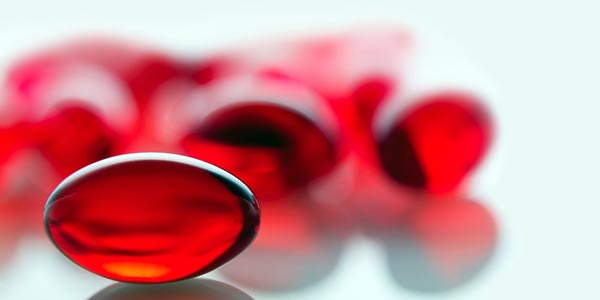
Krill oil. Krill oil contains omega-3 fatty acids that can help heal the blood-brain barrier.

Omega-3 fatty acids can support your mitochondria, increase your BDNF levels, and help you overcome addiction and withdrawal.

But they can also support your blood-brain barrier.

Researchers have found that omega-3 fatty acids can: 

  • Reduce damage to the blood-brain barrier after stoke;

  • Limit blood-brain barrier disruption after traumatic brain injury; and

  • Benefit people with multiple sclerosis by indirectly reducing disruption of their blood-brain barriers (76-78).

Wild fish is the best food source of omega-3 fatty acids, but unfortunately, most people don't consume enough omega-3 fatty acids through their diet.

That’s why I recommend supplementing with krill oil, a special kind of fish oil that contains the essential omega-3 fatty acids.

Krill oil also contains astaxanthin, a powerful, naturally occurring carotenoid.

Astaxanthin has also been shown to decrease inflammation and protect the blood-brain barrier (118-119).


9. Sleep and Melatonin

Deep sleep is necessary for the optimal functioning of your blood-brain barrier.

My sleep used to be terrible and it was one of main factors that contributed to my poor brain and mental health. And then my poor brain and mental health would make my sleep worse. So it was a vicious cycle.

Sleep restriction has been shown to impair the functioning of the blood-brain barrier and increase its permeability (84).

Young child sleeping in bed. Sleep can help fix the blood-brain barrier when it becomes leaky.

So you should really try to get at least 7 hours of high-quality, restorative sleep every night.

Supplementing with melatonin can also help.

Melatonin is a hormone released by your pineal gland, a small gland in your brain. Melatonin helps control your sleep and wake cycles (circadian rhythm).

Adequate levels of melatonin are necessary to fall asleep quickly and sleep deeply throughout the night.

Research also shows that melatonin can stabilize the blood-brain barrier and prevent damage caused by traumatic brain injury (85, 86).

This sleep supplement contains magnesium and a number of other natural compounds that I’ve used over the years to promote the production of melatonin.

But I work with my clients so that they can naturally produce more melatonin and maximize the quality of their sleep without so many supplements. We have free online workshop that talks about how you can work with us. You can register for the workshop here.


10. Berberine

Berberine is an alkaloid extracted from various plants. 

It has anti-inflammatory, neuroprotective and possibly antidepressant effects. It can also improve intestinal health and lower cholesterol.

And several studies have shown that it can decrease the permeability of the blood-brain barrier and reduce brain damage after traumatic brain injury. It does this by suppressing inflammation (23-26). 

I’ve experimented with varying dosages of berberine. I personally didn’t notice any profound brain and mental health benefits, but I have heard good things about berberine from other people. 

Click here to subscribe

11. Avoid Environmental Mold and Mycotoxins

Environmental mold can be a serious problem for some people.

Unfortunately, most people aren’t even aware that mold is in their home or workplace and affecting their brain function.

In water-damaged buildings, mycotoxins (toxic metabolites produced by mold) are released into the air.

If you’re genetically susceptible, they can wreak havoc on your brain, and your cognitive function and mental health can deteriorate for no apparent reason.

One way mold and mycotoxins can disrupt brain function is by causing “leaky brain.”

Researchers have discovered that mycotoxins can clearly reduce the integrity of the blood-brain barrier (62).

They’ve also concluded that exposure to mycotoxins in an indoor environment can cause neurological damage. One way it does this is by breaking down the blood-brain barrier (61).

Moldy roof. Mold can damage the blood-brain barrier and make it permeable and leaky.

Several other studies have found that mycotoxins increase the permeability of blood-brain barrier and disrupt the functioning of the nervous system (63-66).

I lived in a moldy house for more than a year, and my blood-brain barrier likely became significantly leaky during that time, as my brain and mental health deteriorated. I also suffered a terrible concussion while living in that house, making my brain even more permeable. It took a while to get back to normal.

Today I use an air filter in my apartment to protect myself from any mold. It removes any mold spores and smoke that may be in the air.

Mycotoxins aren’t just in your environment though. Low amounts of mycotoxins are also often found in some seemingly healthy foods, such as tea, nuts, coffee and chocolate. I recommend finding the freshest, highest-quality, organic versions of these foods.

If I'm exposed to mold or their toxins, I supplement with activated charcoal or bentonite clay. Activated charcoal and bentonite clay are potent natural treatments that can trap toxins and chemicals, allowing them to be flushed out of your body.


12. B Vitamins

Several B vitamins have been shown to support the blood-brain barrier and help heal leaky brain.

Vitamin B1 (thiamine) deficiency disrupts the blood-brain barrier, and supplementing with Vitamin B1 restores its integrity (80-81).

Researchers have also found that vitamins B12, B6, and B9 (folate) can restore the integrity of the blood-brain barrier in adults that have elevated homocysteine levels and mild cognitive impairment. Homocysteine is an inflammatory compound that can contribute to blood-brain barrier breakdown at high levels, and the B vitamins normalize homocysteine levels (82-83).

A number of B vitamins are included in this supplement.


13. Magnesium

Magnesium is a vital mineral that plays a key role in more than 300 biochemical reactions in your body.

It impacts your neurotransmitters and hormones, both of which can significantly impact your mood and brain function.

Magnesium is one of the three nutrients that I think everyone should be taking for their brain, because most people are deficient nowadays.

Research shows that it can support your mitochondria, protect your brain from alcohol, increase your BDNF levels, and help you overcome addiction and withdrawal.

And there is plenty of research showing that it can protect and support your blood-brain barrier as well.

Magnesium and magnesium rich foods. Magnesium can help the blood-brain barrier heal.

Multiple studies have found that magnesium protects the blood-brain barrier, prevents its disruption, and significantly reduces hyperpermeability of the blood-brain barrier (27, 28, 31).

One study found that it decreases blood-brain barrier permeability by 41% (29).

Magnesium’s protective effect against blood-brain barrier hyperpermeability has also been seen after traumatic brain injury (30).

Foods that contain magnesium include spinach, chard, pumpkin seeds, almonds, avocado, dark chocolate and bananas. These foods are included in my Free Grocery Shopping Guide for Optimal Brain Health.

But supplementation and taking Epsom salt baths is still necessary for most people because magnesium is rapidly used up during times of stress and certain psychiatric drugs can deplete magnesium.


14. Alpha Lipoic Acid (ALA)

Alpha Lipoic Acid (ALA) is an antioxidant produced by your body.

It can also be taken as a supplement.

ALA is fat soluble and can easily cross the blood-brain barrier to protect your brain (1-3).

Human brain and blood flow.

As I’ve discussed before, it can protect your brain from alcohol and support the mitochondria in your brain.

But not only can it cross your blood-brain barrier and support your brain; it can also support your blood-brain barrier itself.

Studies show that ALA has neuroprotective effects, and it maintains the integrity of the blood-brain barrier by reducing oxidative stress (4-5)

Researchers also point out that its anti-inflammatory and antioxidant effects can stabilize the blood-brain barrier. This makes it an “attractive therapeutic agent for the treatment” of multiple sclerosis and traumatic brain injury (6-8).

ALA is included in the Optimal Antiox supplement.


15. Acetyl-Carnitine (ALCAR)

Acetyl-L-carnitine (ALCAR) is an acetylated form of the amino acid carnitine.  

It’s been shown to have neuroprotective and cognitive-enhancing effects. It’s often used as a natural brain booster because it increases alertness and provides support to brain cells.  

ALCAR has also been shown to be very effective at alleviating chronic fatigue and improving mood. It helps reverse neurological decline and supports mitochondria function as well. 

It does so much, so not surprisingly, researchers have also found that ALCAR helps repair the blood-brain barrier by reversing mitochondria decay caused by oxidative damage (122).

I find that ALCAR personally gives me a big boost in mental energy and cognitive function.  

That’s why it’s included in the Optimal Brain supplement

Make sure you read this article to learn more about the remarkable benefits of ALCAR.

Click here to subscribe

16. Curcumin

Curcumin is the most heavily researched compound within turmeric, the spice that gives curry its yellow colour.

Curcumin is one of my favourite compounds for the brain. It can lower your cortisol levels and increase your BDNF levels.

But it can also:

  • Reduce the disruption and hyperpermeability of the blood-brain barrier;

  • Reverse blood-brain barrier dysfunction; and

  • Improve the overall integrity of the blood-brain barrier (13-18).

Studies have also shown that curcumin can prevent blood-brain barrier damage and reduce the permeability of the blood-brain barrier caused by oxygen and glucose deprivation (20-22).

Researchers believe it can do all of this because it significantly reduces inflammation and oxidative stress (19).

Curcumin can be found in this supplement.


17. Vitamin D

Vitamin D is a fat-soluble vitamin that your skin synthesizes when it’s exposed to the sun.

The sun. The sun and sunlight and Vitamin D can help repair the blood-brain barrier.

Every tissue in your body has vitamin D receptors, including the brain, heart, muscles, and immune system.

This means your entire body needs it to function properly and a deficiency can lead to costly physiological and psychological consequences.

Researchers have found that Vitamin D can prevent the disruption of the blood-brain barrier, mainly by reducing inflammation (72, 73).

In patients with multiple sclerosis, Vitamin D has been shown to protect endothelial cells and reduce blood-brain barrier disruption (74).

And one study found that intranasal administration of vitamin D reduces blood–brain barrier disruption (75).

I personally take a Vitamin D3 supplement to make sure my Vitamin D levels are optimal.

It's important to test and monitor your Vitamin D levels before and after supplementing with it.


18. Citicoline or Alpha GPC

Choline is an essential nutrient that most people don’t consume enough of because very few foods in the Western diet contain it.

Citicoline (also known as CDP-Choline) is the most bioavailable supplemental form of choline.

As I’ve discussed before, it can help you overcome brain fog and addiction.

But it’s also been shown to significantly decrease the disruption and breakdown of the blood-brain barrier after traumatic brain injury (11-12).

And after brain ischemia, Citicoline significantly reduces blood-brain barrier dysfunction (10).

I personally take Citicoline every day.

It helps me a lot because I’ve had multiple concussions. 

Make sure you read this article to learn more about the remarkable benefits of Citicoline.

Alpha GPC is another excellent form of choline that has been shown to support the blood-brain barrier.

Researchers have found that it improves cognitive function by reversing the changes to the blood-brain barrier after a brain injury (9).

Make sure you read this article to learn more about the benefits of Alpha GPC, the optimal dosage, and the best way to take it.

You can find some choline in beef liver and egg yolks, but both Citicoline and Alpha GPC have much more noticeable and immediate effects.  

Both citicoline and Alpha GPC are included in the Optimal Brain supplement

Egg yolks. Egg yolks contain choline, which can help repair a leaky blood-brain barrier.
 

19. Reduce Exposure to Electromagnetic Fields (EMFs)

“I have no doubt in my mind that, at the present time, the greatest polluting element in the Earth’s environment is the proliferation of electromagnetic fields.” - Dr. Robert Becker, Nobel Prize nominee and author of The Body Electric: Electromagnetism And The Foundation Of Life

An increasing amount of research is showing that radiofrequency electromagnetic fields emitted from Wi-Fi, laptops, and cellphones can negatively affect the brain and produce widespread neuropsychiatric effects including depression.

It’s an inconvenient truth that needs to be talked about, rather than downplayed, ignored and dismissed.

One way that radiofrequency EMFs may be causing neuropsychiatric effects is by contributing to a "leaky brain".  

Several studies have found that EMFs emitted from cellphones increase the permeability of the brain-blood barrier, and this increased permeability may lead to the accumulation of brain tissue damage and cognitive impairment (112-114). 

I encourage you to check out my other post about EMFs here

I'm still learning about how to manage and combat them, but here are some initial steps you can take:

  • Get an EMF meter to determine your exposure. I use the Cornet ED88T. It's the best option that is currently available. It measures electric, magnetic and radiofrequency fields. It's like having three meters in one. You can get it here.

  • Put your phone on airplane mode when you’re not using it and/or use a radiation-blocking phone case such as Safe Sleeve. I did a lot of research into radiation-blocking cases and Safe Sleeve is the best on the market. They are manufactured with materials that have been 3rd-party tested to block 99.9% of radiation coming off a cell phone.

  • Turn off Wi-Fi at night while you’re sleeping.

  • If you have a laptop, don’t touch it. Use a wired keyboard and wired mouse instead.

  • Supplement with the herb Rhodiola. It has radioprotective effects (60-62). I previously wrote about it here.

This is just the tip of the iceberg. There are many other steps you can take, and I plan on writing more about this soon because it isn’t discussed enough.

This may seem like “woo-woo” but it’s a real issue. And I suspect it will eventually become one of the biggest issues of our time.

Click here to subscribe

20. Lower Homocysteine

Homocysteine is an amino acid that is produced in the body as a result of methylation.

In healthy people, it’s properly metabolized and normal levels are maintained. 

But when homocysteine isn’t properly metabolized, it can build up inside the body and levels can become too high.

And that’s when homocysteine becomes dangerous and unhealthy. 

At high levels, homocysteine is inflammatory, and research shows it increases permeability of the blood-brain barrier (115).

You can check your homocysteine levels by ordering this blood test

If you test and find out your levels are high, check out this article for 16 ways to lower your homocysteine levels.

Normalizing homocysteine not only helps the brain recover from physical damage, but also reduces depression and cognitive decline.


21. Progesterone

Progesterone is a natural steroid and sex hormone involved in the menstrual cycle and pregnancy.  

It has a variety of important functions in the body, and even plays an important role in brain function.  

Research has found that progesterone supports the normal development of brain cells and protects them from damage

And one study shows that it reduces inflammation and can support the blood-brain barrier after brain injury (120).

In addition to its role as a natural hormone, progesterone can be taken as a medication, usually by women during menopause as part of their hormone replacement therapy. 


22. Increase Brain Blood Flow

Brain blood flow, or cerebral blood flow, refers to the blood supply that reaches your brain during a given period of time. 

Your brain needs almost 20% of the blood supply provided by each heartbeat.

A steady flow of blood brings oxygen, glucose and nutrients to the brain, and carries carbon dioxide, lactic acid, and other metabolic waste products away from the brain.

But when blood flow to the brain is impaired, problems can arise, including a leaky blood-brain barrier.

Research shows that lack of brain blood flow increases oxidative stress, damages the blood-brain barrier, and increases blood-brain barrier permeability (116-117).

Be sure to check out this post for 21 ways to increase blood flow to the brain.


23. Vagus Nerve Stimulation

The vagus nerve is the longest cranial nerve in your body and part of your parasympathetic “rest and digest” nervous system.

Research shows that stimulating the vagus nerve can decrease blood-brain barrier disruption.

In fact, researchers have found that vagus nerve stimulation can prevent the increase in blood-brain barrier permeability after a traumatic brain injury, and reduce it after a stroke (123-124).

So how do you stimulate your vagus nerve naturally?

I previously provided 13 ways to activate your vagus nerve in this post.

Deep breathing with the EmWave2 device is my favourite way. 


24. Intermittent Fasting

Fasting is another great way to strengthen your blood-brain barrier.

It allows your digestive system to take a break, and triggers a number of hormones that boost your body’s ability to repair itself.

Ghrelin, a hunger-stimulating hormone, signals to your body that it’s time to eat. And it increases when you are fasting.

Researchers have found that that ghrelin improves the integrity of the blood-brain barrier and reduces the breakdown of the blood-brain barrier after a traumatic brain injury (125).

As a result, fasting can help treat neurological conditions and lowers the risk of cognitive decline and neurodegenerative diseases such as Alzheimer’s disease and Parkinson’s disease.

This is why I personally eat all my food for the day within an 8-hour window, and then fast for the other 16 hours of the day.

You don’t need to go that long, but you should try to fast for at least 12 hours at a time.

The best way to get started is simply by eating dinner around 6, not eating anything after that before bed, and then eating a regular breakfast the next day.

That should give you about 12-14 hours of fasting time.


25. BONUS: Other Nutrients, Antioxidants and Herbs

Here are several other nutrients, antioxidants and herbs that have been demonstrated to support the blood-brain barrier.

I’ve decided to not write about these in-depth because there isn’t as much research to back them up.

That doesn’t mean they aren’t useful though. They have still helped me: 


Conclusion

The brain has a remarkable ability to heal itself, and this includes the barrier that protects it.

The above steps have been proven to help repair and support the blood brain barrier, and I’ve noticed the benefits of implementing them into my own life.

I hope they help you too!

 
Click here to subscribe

Live Optimally,

Jordan Fallis

Connect with me

References:

(1) http://www.berkeley.edu/news/media/releases/96legacy/releases.96/14316.html

(2) http://www.ncbi.nlm.nih.gov/pubmed/11854488

(3) http://www.ncbi.nlm.nih.gov/pubmed/11854529

(4) https://www.ncbi.nlm.nih.gov/pubmed/8958163

(5) https://www.ncbi.nlm.nih.gov/pubmed/19823933

(6) https://www.researchgate.net/publication/26240443_The_protective_effect_of_alpha_lipoic_acid_against_traumatic_brain_injury_in_rats

(7) https://www.researchgate.net/publication/6898853_Lipoic_Acid_Affects_Cellular_Migration_into_the_Central_Nervous_System_and_Stabilizes_Blood-Brain_Barrier_Integrity

(8) http://www.ncbi.nlm.nih.gov/pubmed/16888025

(9) https://www.ncbi.nlm.nih.gov/pubmed/25714975

(10) https://www.ncbi.nlm.nih.gov/pubmed/10561698

(11) https://www.ncbi.nlm.nih.gov/pubmed/12691414

(12) http://www.ncbi.nlm.nih.gov/pubmed/10701532

(13) http://www.sciencedirect.com/science/article/pii/S0022480416303638

(14) https://www.ncbi.nlm.nih.gov/pubmed/26686249

(15) https://www.researchgate.net/publication/307999386_Curcumin_attenuates_blood-brain_barrier_disruption_after_subarachnoid_hemorrhage_in_mice

(16) https://www.ncbi.nlm.nih.gov/pubmed/23494637

(17) http://www.fasebj.org/content/28/1_Supplement/1120.9

(18) http://search.bvsalud.org/ghl/resource/en/wpro-668812

(19) http://www.ncbi.nlm.nih.gov/pubmed/26708209

(20) https://www.ncbi.nlm.nih.gov/pubmed/17303117

(21) http://link.springer.com/article/10.1007/s12031-013-9989-4

(22) http://www.ncbi.nlm.nih.gov/pubmed/23494637

(23) https://www.ncbi.nlm.nih.gov/pubmed/20976070

(24) https://www.ncbi.nlm.nih.gov/pubmed/25546475

(25) https://figshare.com/articles/_Post_injury_berberine_treatment_attenuated_brain_edema_blood_brain_barrier_BBB_permeability_matrix_metalloproteinase_MMP_9_enzymatic_activity_neutrophil_infiltration_and_ICAM_expression_after_TBI_/1324009

(26) https://www.ncbi.nlm.nih.gov/pubmed/22560097

(27) https://www.ncbi.nlm.nih.gov/pmc/articles/PMC1065104/

(28) https://www.ncbi.nlm.nih.gov/pubmed/15519365

(29) https://www.ncbi.nlm.nih.gov/pubmed/17933863

(30) https://www.ncbi.nlm.nih.gov/pubmed/12657997

(31) https://www.ncbi.nlm.nih.gov/pubmed/11599780

(32) https://www.ncbi.nlm.nih.gov/pmc/articles/PMC3086010/

(33) http://www.ncbi.nlm.nih.gov/pubmed/18387175

(34) https://www.ncbi.nlm.nih.gov/pmc/articles/PMC2330033/

(35) http://www.ncbi.nlm.nih.gov/pmc/articles/PMC3692355/

(36) https://www.ncbi.nlm.nih.gov/pubmed/25330860

(37) http://link.springer.com/article/10.1007/s12031-014-0441-1

(38) https://gumc.georgetown.edu/news/Resveratrol-Appears-to-Restore-Blood-Brain-Barrier-Integrity-in-Alzheimers-Disease

(39) https://www.sciencedaily.com/releases/2016/07/160727140041.htm

(40) https://www.ncbi.nlm.nih.gov/pubmed/22331300

(41) http://www.ncbi.nlm.nih.govhttp://www.ncbi.nlm.nih.gov/pubmed/23791503pubmed/23791503

(42) https://www.ncbi.nlm.nih.gov/pubmed/24694235

(43) http://www.ncbi.nlm.nih.gov/pubmed/26454022

(44) https://www.ncbi.nlm.nih.gov/pubmed/27535376

(45) https://www.ncbi.nlm.nih.gov/pmc/articles/PMC3575886/

(46) https://www.ncbi.nlm.nih.gov/pubmed/20980646

(47) https://www.ncbi.nlm.nih.gov/pubmed/26086685

(48) http://physrev.physiology.org/content/91/1/151

(49) http://www.ncbi.nlm.nih.gov/pubmed/16635908

(50) http://www.ncbi.nlm.nih.gov/pubmed/21248165

(51) https://www.ncbi.nlm.nih.gov/pubmed/20170845

(52) http://www.ncbi.nlm.nih.gov/pubmed/11146058

(53) https://www.ncbi.nlm.nih.gov/pubmed/22906518

(54) http://www.nature.com/nm/journal/v2/n12/abs/nm1296-1307.html

(55) http://www.ncbi.nlm.nih.gov/pubmed/11146058

(56) http://stke.sciencemag.org/content/7/353/ec333

(57) https://www.ncbi.nlm.nih.gov/pubmed/25411471

(58) http://www.ncbi.nlm.nih.gov/pubmed/16204625

(59) https://www.ncbi.nlmhttps://www.ncbi.nlm.nih.gov/pubmed/17241155nih.gov/pubmed/17241155

(60) https://www.ncbi.nlm.nih.gov/pubmed/16550326

(61) http://www.ncbi.nlm.nih.gov/pubmed/20549560

(62) https://www.ncbi.nlm.nih.gov/pmc/articles/PMC4658139/

(63) https://www.ncbi.nlm.nih.gov/pmc/articles/PMC3179161/

(64) https://www.ncbi.nlm.nih.gov/pubmed/9771558

(65) https://www.ncbi.nlm.nih.gov/pubmed/15994020

(66) https://ttu-ir.tdl.org/ttu-ir/handle/2346/13628

(67) https://www.ncbi.nlm.nih.gov/pmc/articles/PMC3944243/

(68) http://www.ncbi.nlm.nih.gov/pubmed/9232629

(69) http://www.ncbi.nlm.nih.gov/pubmed/17848733

(70) https://www.ncbi.nlm.nih.gov/pubmed/10591399/

(71) http://www.ncbi.nlm.nih.gov/pubmed/24462216

(72) https://www.ncbi.nlm.nih.gov/pubmed/25815722

(73) https://www.ncbi.nlm.nih.gov/pmc/articles/PMC4376709/

(74) https://www.ncbi.nlm.nih.gov/pmc/articles/PMC3678220/

(75) http://jcb.sagepub.com/content/early/2016/09/21/0271678X16671147.abstract

(76) https://www.ncbi.nlm.nih.gov/pubmed/24342130

(77) https://etsmjournal.biomedcentral.com/articles/10.1186/s13231-014-0012-0

(78) https://www.ncbi.nlm.nih.gov/pmc/articles/PMC3140187/

(79) http://www.ncbi.nlm.nih.gov/pubmed/2525678

(80) http://onlinelibrary.wiley.com/doi/10.1111/j.1749-6632.1999.tb07866.x/abstract

(81) https://www.ncbi.nlm.nih.gov/pubmed/1939760

(82) http://www.ncbi.nlm.nih.gov/pubmed/12826740

(83) https://www.karger.com/Article/Pdf/71002

(84) https://www.ncbi.nlm.nih.gov/pmc/articles/PMC4212067/

(85) http://www.ncbi.nlm.nih.gov/pmc/articles/PMC3001216/

(86) http://journals.plos.org/plosone/article?id=10.1371/journal.pone.0154427

(87) https://www.ncbi.nlm.nih.gov/pubmed/19515491

(88) https://www.ncbi.nlm.nih.gov/pubmed/24017972

(89) http://www.ncbi.nlm.nih.gov/pubmed/17881530

(90) http://www.ncbi.nlm.nih.gov/pmc/articles/PMC3745957

(91) https://www.ncbi.nlm.nih.gov/pubmed/21259333

(92) https://www.ncbi.nlm.nih.gov/pubmed/16081203

(93) https://www.sciencedaily.com/releases/2014/06/140602104749.htm

(94) https://www.ncbi.nlm.nih.gov/pubmed/12935941

(95) https://www.ncbi.nlm.nih.gov/pubmed/10329964

(96) https://www.ncbi.nlm.nih.gov/pubmed/16204625

(97) https://www.ncbi.nlm.nih.gov/pubmed/19659460

(98) https://www.ncbi.nlm.nih.gov/pubmed/14554098

(99) http://www.nature.com/ejcn/journal/v62/n4/full/1602866a.html

(100) https://www.ncbi.nlm.nih.gov/pubmed/18606459

(101) https://www.sciencedaily.com/releases/2016/05/160531081800.htm ;

(102) https://www.ncbi.nlm.nih.gov/pmc/articles/PMC4023063/

(103) https://www.ncbi.nlm.nih.gov/labs/articles/11461179/

(104) https://www.hindawi.com/journals/cpn/2009/278531/

(105) https://www.ncbi.nlm.nih.gov/pmc/articles/PMC3626880/

(106) https://www.ncbi.nlm.nih.gov/pubmed/27243267

(107) https://www.ncbi.nlm.nih.gov/pubmed/17503739

(108) https://www.ncbi.nlm.nih.gov/pubmed/26607405

(109) http://www.sciencealert.com/scientists-think-a-leaky-blood-brain-barrier-is-connected-to-alzheimer-s

(110) https://www.ncbi.nlm.nih.gov/pubmed/20644946

(111) https://www.ncbi.nlm.nih.gov/pubmed/15694227

(112) https://www.ncbi.nlm.nih.gov/pubmed/12675022

(113) https://www.ncbi.nlm.nih.gov/pubmed/15381788

(114) https://www.ncbi.nlm.nih.gov/pubmed/12628496

(115) https://www.ncbi.nlm.nih.gov/pmc/articles/PMC3158726/

(116) https://www.ncbi.nlm.nih.gov/pmc/articles/PMC2949263/

(117) https://www.ncbi.nlm.nih.gov/pmc/articles/PMC4068281/

(118) https://www.ncbi.nlm.nih.gov/pubmed/24948541

(119) https://www.ncbi.nlm.nih.gov/pubmed/24948541

(120) https://www.ncbi.nlm.nih.gov/pubmed/25120639

(121) https://www.ncbi.nlm.nih.gov/pubmed/25026072

(122) http://onlinelibrary.wiley.com/enhanced/doi/10.1196/annals.1320.010

(123) https://www.ncbi.nlm.nih.gov/pubmed/22695423

(124) https://www.ncbi.nlm.nih.gov/pubmed/29496430

(125) http://online.liebertpub.com/doi/abs/10.1089/neu.2011.2053

Terms and Conditions

Privacy Policy

Affiliate Disclosure

Disclaimer


3 Foods You Should Avoid for Better Mental Health

Avoiding these three foods was one of the very first steps I took to improve my mental health.

I had a lot more energy, improved mood and reduced anxiety.

Unfortunately, about two months after cutting them out, I moved into a moldy house and suffered two really bad concussions. At that point, I had to look for even more advanced solutions.

But if you haven't done so already, I would strongly encourage you to try removing these three foods from your diet.

Doing so will likely improve your symptoms and calm your nervous system, making other therapies even more effective.

It’s harder to overcome trauma if you haven’t taken care of your physiology, as researchers have found that food allergies and sensitivities can trigger a wide range of emotional and mental health symptoms (110).

The problem with some foods is that they disrupt normal gut function and increase intestinal permeability (leaky gut syndrome). 

When this happens, small particles of food can leak into your bloodstream. Your immune system sees these food particles as foreign entities and attacks them, increasing inflammation throughout your body and reducing the integrity of the blood-brain barrier, which can cause or worsen mental health problems (4-6, 66-67). 

This is discussed in the book Gut and Psychology Syndrome: Natural Treatment for Autism, ADD/ADHD, Dyslexia, Dyspraxia, Depression, Schizophrenia by Dr. Natasha Campbell-McBride, MD.

If I eat any of these three foods by accident, I supplement with activated charcoal or bentonite clay. 

Activated charcoal and bentonite clay are potent natural treatments that can trap problematic proteins, toxins and chemicals, allowing them to be flushed out of your body. 

I notice I don’t feel as sick when I do this, and recover much more quickly.

Without further ado, here are three foods that I avoid as much as possible. 

A woman thinking and looking at two lightbulbs. One lightbulb is full of pizza, fries and junk food. Another lightbulb is full of leafy green vegetables.

1. Wheat

Gluten sensitivity can be primarily, and at times, exclusively, a neurological disease.
— Dr. Hadjivassiliou, MD, Professor of Neurology

Following a gluten-free diet has significantly improved my mental health (even though I didn’t have any terrible digestive issues). 

Wheat can contribute to mental illnesses.

I completely cut it out seven years ago, and within a few weeks, I felt so much better mentally. 

I also lost a bunch of weight and my asthma disappeared. 

I haven't touched it again since.

The same thing happened to Mikhaila Peterson, the daughter of University of Toronto Professor Jordan Peterson.

She followed a gluten-free diet and her depression, fatigue, irritability and memory problems faded away, allowing her to come off her antidepressants.

Dr. Peterson made the same dietary changes and was able to reduce his medication by half. 

You can watch a video of them discussing it here

Unfortunately, the myth continues to spread that only people with celiac disease need to avoid gluten-containing food. That’s simply not true.  

Dr. Kenneth Fine, a pioneer in gluten intolerance research, has demonstrated that 1 in 3 Americans are gluten intolerant, and that 8 in 10 have the genes that predispose them to developing gluten intolerance (1-3). 

The benefits of cutting out gluten are also discussed in this book

So if you struggle with a cognitive or mental health condition, you owe it to yourself to follow a strict gluten-free diet for 30 days and see how you feel. You'll likely feel better.

For more than sixty years, reports in the scientific literature have linked wheat and gluten sensitivity to a variety of neurological and psychiatric conditions (75-81), including:

A PubMed literature search (dates 1953–2011) located 162 original articles associating psychiatric and neurologic complications to celiac disease or gluten sensitivity. Thirty-six articles were located for seizure disorders, 20 articles for ataxia and cerebellar degeneration, 26 for neuropathy, 20 for schizophrenia, 14 for depression, 12 for migraine, and up to 10 articles each for anxiety disorders, attention deficit and hyperactivity disorder, autism, multiple sclerosis, myasthenia gravis, myopathy, and white matter lesions.
  • Schizophrenia (39-60)

  • Depression (18-25)

  • Autism spectrum disorders (30-38)

  • Epilepsy and seizures (13-17)

  • Dementia and cognitive decline (61-63)

  • Anxiety (9-10)

  • Attention deficit hyperactivity disorder (26-27)

  • Cerebellar ataxia (69-72)

  • Social phobia (11)

  • Panic disorder (12)

  • Bipolar disorder (28)

  • Migraines (29)


Luckily, research shows that when people with these neurological and psychiatric disorders follow a gluten-free diet, there is a reduction in their symptoms. 

Many times, there is even a complete resolution in their symptoms. 

In one study, depressed patients who didn’t have digestive issues (like me) followed a gluten-free diet. Within 2-3 months, they experienced a reversal of their depressive symptoms (68). 

Researchers have also found that a gluten-free diet improves depression and reduces behavioural problems by increasing levels of l-tryptophan – the precursor to the neurotransmitter serotonin (64). 

Another study found a significant increase in serotonin and dopamine because of the removal of gluten (65). 

Clearly, there is more to gluten than celiac disease and digestive issues, and cutting out wheat is one of the first dietary steps I recommend to people who are striving to overcome mental health challenges. 

I understand that it's tough to cut out completely, but it’s worth a try because it may be all you need. 

A grain-free diet, although difficult to maintain (especially for those that need it the most), could improve the mental health of many and be a complete cure for others.
— Dr. Paola Bressan

Other than avoiding wheat, you should also avoid foods that contain barley, rye and spelt because they also contain gluten. Sauces, condiments and soups often contain it, so you should stay clear of almost all processed food. Even some medications can contain gluten

As discussed in the GAPS Diet book, the bacteria in our guts can determine the degree to which we are sensitive to gluten (73). 

So you should also try to increase the good bacteria in your gut

And as I mentioned earlier, I take activated charcoal or bentonite clay whenever I accidentally consume wheat and it minimizes the negative effects. 

Click here to subscribe

2. Milk

"Milk, and all that comes from milk, increases melancholy." – Robert Burton, Anatomy of Melancholy

After childhood, many people lose the enzyme, lactase, required to digest milk.

And a lot of people who suffer from brain and mental health problems are allergic or sensitive to milk.

People are allergic or sensitive to two main components of milk – lactose and casein.

Casein is the milk protein. Lactose is the milk sugar. 

Like gluten, both lactose and casein can contribute to inflammation in the body and brain, contributing to mental illness.

A glass of milk. The protein and sugars in milk can cause inflammation and contribute to mental illnesses.

Research shows that people with neuropsychiatric diseases – including schizophrenia, bipolar disorder, depression, anxiety, and autism – often have significantly elevated immune reactions to casein in milk, which corresponds with the severity of their mental symptoms. And their symptoms can be “improved substantially or even been cured completely” on a dairy-free diet (82-83, 85-91). 

Interestingly, casein has been shown to reduce the absorption of cysteine by 64% (92). 

Cysteine is an important amino acid for mental health. I previously discussed it here

It plays a role in the production of glutathione, your body’s master antioxidant, which protects your body from oxidative stress. And people with mental health problems often have high levels of oxidative stress (93-94). 

Therefore, milk may indirectly reduce glutathione levels and increase oxidative stress by preventing the amino acid cysteine from entering cells (92). 

Perhaps this is why so many people find benefit from supplementing with n-acetyl-cysteine

Folate is another critical nutrient for mental health, and milk has been shown to decrease the transport of folate into the brain (95). 

This makes sense considering that folate plays a key role in methylation, and other research has found that casein also reduces DNA methylation by 43% (96). 

Lastly, researchers have also discovered that high levels of lactose in the intestines can interfere with tryptophan metabolism and serotonin levels. They concluded that lactose malabsorption may play a role in the development of depression (84). 

All this being said, it seems that dairy affects everyone differently.

So you should try eliminating all conventional milk-based foods including ice cream, cheese and yogurt for 30 days. Then try adding it back in and examine how you feel.

It’s important to note that the milk in the grocery store is usually processed, homogenized, and pasteurized with distorted fats and denatured proteins. It’s not considered a whole food and I think everyone should avoid it. 

My free food guide still includes grass-fed, full-fat, organic dairy because it’s a healthy whole food and plenty of people can tolerate it just fine.

I personally choose not to eat any milk or dairy though because I still feel better without it.

In conclusion, here is Dr. Daniel Kalish’s take on dairy. He is the author of The Kalish Method: Healing the Body, Mapping the Mind

People with sub-clinical gluten intolerance need to avoid pasteurized cow’s milk products. As the villi on the intestinal lining heal from a gluten free diet, most individuals will be able to tolerate raw or unpasteurized dairy products again in nine months to a year. In other people, there will be a more or less permanent sensitivity to dairy products. However, in the initial two months of eliminating gluten, it is absolutely required to avoid all milk dairy products, because they will inflame the intestine lining just like gluten does and prevent healing.
— Dr. Daniel Kalish
 

3. Vegetable Oil

The increased incidence rate of major depression since 1913 may be explained by a sharp increase in the rate of omega-6 PUFAs in the diet.
— Dr. Michael Maes

The last food you should avoid or significantly limit is refined vegetable oil, including soybean, corn, safflower, sunflower, and canola oils.

They are highly unstable and oxidize very easily. 

Like gluten, vegetable oils are everywhere and hard to avoid because they’re included in most processed foods.  

These oils are also predominantly made up of omega-6 fatty acids.

Omega 6 and Omega 3 content of oils.

This is a problem because most people eat way too many omega-6 fatty acids today, and not enough omega-3 fatty acids.  

Omega-6 fatty acids increase inflammation, while omega-3 fatty acids reduce inflammation.

An international panel of lipid experts says that the ideal dietary ratio of omega-6 to omega-3 is approximately 1 to 1. But these same experts estimate that the current ratio that people are consuming today is around 20 to 1 (97-101).

As I discussed before, omega-3 fatty acids can help prevent and treat mental disorders

Unfortunately, they are being outnumbered by the inflammatory omega-6 fatty acids in our food supply. 

Luckily you can combat this by staying clear of vegetable oils, supplementing with krill oil, and eating wild salmon regularly.

Not doing this can lead to mental health problems.

Dr. Raymond Peat, PhD, says that the sudden increase of vegetable oils in our food supply after World War II has caused many changes in our mental health:

In 1980, experimenters demonstrated that young rats fed milk containing soy oil incorporated the oil directly into their brain cells, and had structurally abnormal brain cells as a result.

Studies have also found a very strong correlation between vegetable oil consumption and violent behavior, including homicide (109). 

This graph shows data from one study, looking at omega-6 intake and homicide rates in five countries.

Correlation between homicide rates and omega-6 fatty acid consumption.

Dr. Stephan Guyenet, author of The Hungry Brain: Outsmarting the Instincts That Make Us Overeat, discusses this in more depth here

And it’s not just violent behaviour. 

There is a significant correlation between the severity of depression and the ratio of omega-6 to omega-3 fatty acids. Many researchers suggest trying to treat depression by reducing the ratio with omega-3 supplementation (106). 

Other researchers have found significantly lower levels of omega-3 fatty acids in the blood of patients with depression because of their higher omega-6 fatty acid intake (107). 

Too many omega-6 fatty acids have also been linked to increases in cortisol, your body’s main stress hormone (102-104). 

And elevated homocysteine levels – a known risk factor for mental health problems – has been associated with excess omega-6 fatty acids (108). 

I recommend checking out the Perfect Health Diet by Paul Jaminet and Shou-Ching Jaminet if you’re interested in learning more about the detrimental health effects of refined vegetable oils. 

Click here to subscribe

Other Possible Food Intolerances

Be aware that you may be sensitive or intolerant to other seemingly healthy foods, and if so, they should be avoided to maintain good mental health. 

This is discussed in Brain Allergies: The Psychonutrient and Magnetic Connections by Dr. Willam Philpott, MD. 

Three eggs. Sometimes people have an intolerance to eggs and it can contribute to symptoms of mental illness.

For example, eggs are an incredibly nutritious and healthy food, but I’m personally intolerant to the egg whites, so I throw away the whites and just eat the yolks. 

It’s not a big deal though because the yolks are the healthiest part of the egg anyway.

But I originally figured this out by following an elimination diet.

You eliminate all possible food allergens and then add them back in one by one and see if you have a negative reaction.

You can learn more about it in this book. 

Some of the most common food allergens that could affect your mental health include:

  • Eggs

  • Soy

  • Corn

  • Nightshade vegetables

  • Peanuts

  • Tree nuts, like walnuts, almonds, pine nuts, brazil nuts, and pecans.

  • Yeast

  • Fish

  • Shellfish

  • Sulphites

If you struggle with mental health problems, you should cut them all out for at least 2 weeks. Then add them back in one by one and see how you feel. 

Eat each food a lot over the course of three days and monitor your reaction to each one. Sometimes negative symptoms can pop up a few days later. 


Conclusion

Unfortunately, the role of food in the development of mental health disorders is often overlooked by conventional psychiatrists and some psychologists. 

Fruits and vegetables in the shape of a brain.

They hardly receive any training in nutrition and rarely consider food intolerances as a possible cause of mental health symptoms. 

Instead, psychiatric drugs are simply prescribed, which can lead to worse gut health, more symptoms and more medications. 

However, psychiatric drugs are necessary for many people. I completely understand that.

But if your mental health is failing, try eliminating gluten, dairy and refined vegetable oils and observe the effects. You may be surprised at how much better you feel. 

Please share this post with anyone that might find it useful. 

Let’s spread the word that there is a link between nutrition and mental health!

 
Click here to subscribe

Live Optimally,

Jordan Fallis

Connect with me

References:

(1) http://www.sciencedaily.com/releases/2006/10/061010022602.htm

(2) http://www.ncbi.nlm.nih.gov/pmc/articles/PMC3184556/

(3) http://onlinelibrary.wiley.com/doi/10.1111/apt.12809/full

(4) http://www.ncbi.nlm.nih.gov/pubmed/12366374

(5) http://www.ncbi.nlm.nih.gov/pubmed/19014325

(6) http://www.ncbi.nlm.nih.gov/pmc/articles/PMC1808742/

(7) https://www.eurekalert.org/pub_releases/2016-10/sh-nsl101016.php

(8) https://www.ncbi.nlm.nih.gov/pubmed/24275240

(9) https://www.ncbi.nlm.nih.gov/pubmed/11346203/

(10) https://www.ncbi.nlm.nih.gov/pubmed/20533598/

(11) https://www.ncbi.nlm.nih.gov/pubmed/18365905/

(12) https://www.ncbi.nlm.nih.gov/pubmed/12217453

(13) https://www.ncbi.nlm.nih.gov/pubmed/15489401/

(14) https://www.ncbi.nlm.nih.gov/pubmed/9548226/

(15) https://www.ncbi.nlm.nih.gov/pubmed/17122729/

(16) https://www.ncbi.nlm.nih.gov/pubmed/7842435/

(17) https://www.ncbi.nlm.nih.gov/pubmed/19244266/

(18) https://www.ncbi.nlm.nih.gov/pubmed/14716525/

(19) https://www.ncbi.nlm.nih.gov/pubmed/12217453

(20) https://www.ncbi.nlm.nih.gov/pubmed/14716525/

(21) https://www.ncbi.nlm.nih.gov/pubmed/17030405/

(22) https://www.ncbi.nlm.nih.gov/pubmed/20545470/

(23) https://www.ncbi.nlm.nih.gov/pubmed/10086676/

(24) http://onlinelibrary.wiley.com/doi/10.1111/apt.12730/abstract

(25) https://www.ncbi.nlm.nih.gov/pubmed/24689456

(26) https://www.ncbi.nlm.nih.gov/pmc/articles/PMC3184556/

(27) https://www.ncbi.nlm.nih.gov/pubmed/17085630/

(28) http://onlinelibrary.wiley.com/doi/10.1111/j.1399-5618.2011.00894.x/full

(29) https://www.ncbi.nlm.nih.gov/pubmhttps://www.ncbi.nlm.nih.gov/pubmed/12650798/d/12650798/

(30) https://www.ncbi.nlm.nih.gov/pubmed/19564647

(31) https://www.ncbi.nlm.nih.gov/pubmed/19581261/

(32) https://www.ncbi.nlm.nih.gov/pubmed/19027584/

(33) https://www.ncbi.nlm.nih.gov/pubmed/20683204/

(34) https://www.ncbi.nlm.nih.gov/pubmed/15526989/

(35) https://www.ncbi.nlm.niht

(36) https://www.ncbi.nlm.nih.gov/pubmed/20406576

(37) https://www.ncbi.nlm.nih.gov/pubmed/19664354

(38) https://www.ncbi.nlm.nih.gov/pubmed/8930054

(39) https://www.ncbi.nlm.nih.gov/pubmed/16423158/

(40) https://www.ncbi.nlm.nih.gov/pubmed/13707687/

(41) https://www.ncbi.nlm.nih.gov/pubmed/5820122/

(42) https://www.ncbi.nlm.nih.gov/pubmed/4739849/

(43) https://www.ncbi.nlm.nih.gov/pubmed/1246624/

(44) https://www.ncbi.nlm.nih.gov/pubmed/567316/

(45) https://wwhttps://www.n

(46) https://www.ncbi.nlm.nih.gov/pubmed/707651/

(47) https://www.ncbi.nlm.nih.gov/pubmed/3524724/

(48) https://www.ncbi.nlm.nih.gov/pubmed/7270725/

(49) https://www.ncbi.nlm.nih.gov/pubmed/19494248/

(50) https://www.ncbi.nlm.nih.gov/pubmed/20471632/

(51) https://www.ncbi.nlm.nih.gov/pubmed/20884755/

(52) https://www.ncbi.nlm.nih.gov/pubmed/19748229/

(53) https://www.ncbi.nlm.nih.gov/pubmed/6192458/

(54) https://www.ncbi.nlm.nih.gov/pubmed/19748229

(55) https://goo.gl/CBo7bX

(56) http://www.ncbi.nlm.nih.gov/pubmed/19748229

(57) https://www.ncbi.nlm.nih.gov/pubmed/22535227

(58) http://http//onlinelibrary.wiley.com/doi/10.1111/j.1600-0447.1966.tb01920.x/abstract

(59) https://www.ncbi.nlm.nih.gov/pubmed/19494248

(60) https://www.ncbi.nlm.nih.gov/pubmed/6609726

(61) https://www.sciencedaily.com/releases/2006/10/061010022602.htm

(62) http://jamanetwork.com/journals/jamaneurology/fullarticle/792544

(63) https://www.ncbi.nlm.nih.gov/pubmed/17030661

(64) https://www.ncbi.nlm.nih.gov/pubmed/15774013/

(65) https://www.ncbi.nlm.nih.gov/pubmed/6192458/

(66) https://www.ncbi.nlm.nih.gov/pubmed/21248165

(67) https://www.ncbi.nlm.nih.gov/pubmed/23639523

(68) https://www.ncbi.nlm.nih.gov/pubmed/10086676

(69) http://brain.oxfordjournals.org/content/126/3/685.short

(70) http://brain.oxfordjournals.org/content/124/5/1013.full

(71) http://www.ncbi.nlm.nih.gov/pubmed/18787912

(72) http://jnnp.bmj.com/content/74/9/1221.full

(73) https://www.ncbi.nlm.nih.gov/pubmed/24483336

(74) http://journal.frontiersin.org/article/10.3389/fnhum.2016.00130/full

(75) https://www.ncbi.nlm.nih.gov/pmc/articles/PMC4517012/

(76) https://www.ncbi.nlm.nih.gov/pmc/articles/PMC3944951/

(77) http://jnnp.bmj.com/content/72/5/560.full

(78) https://www.hindawi.com/journals/grp/2014/293206/

(79) https://www.ncbi.nlm.nih.gov/pubmed/5900428/

(80) https://www.ncbi.nlm.nih.gov/pmc/articles/PMC3641836/

(81) https://www.ncbi.nlm.nih.gov/pmc/articles/PMC3641836/

(82) http://journal.frontiersin.org/article/10.3389/fnhum.2016.00130/full

(83) https://www.ncbi.nlm.nih.gov/pubmed/20071146

(84) https://www.ncbi.nlm.nih.gov/pubmed/9824144

(85) http://www.ncbi.nlm.nih.gov/pubmed/24313887

(86) https://www.ncbi.nlm.nih.gov/pubmed/24313887

(87) https://www.ncbi.nlm.nih.gov/pubmed/20071146

(88) https://www.ncbi.nlm.nih.gov/pubmed/21176030

(89) http://www.ncbi.nlm.nih.gov/pubmed/20406576

(90) http://www.ncbi.nlm.nih.gov/pubmed/20071146

(91) https://www.ncbi.nlm.nih.gov/pubmed/22801085

(92) https://www.ncbi.nlm.nih.gov/pubmed/25018147

(93) https://www.ncbi.nlm.nih.gov/pubmed/16410648

(94) https://www.ncbi.nlm.nih.gov/pubmed/22542447

(95) https://www.ncbi.nlm.nih.gov/pmc/articles/PMC2715943/

(96) https://www.ncbi.nlm.nih.gov/pubmed/25018147

(97) https://www.ncbi.nlm.nih.gov/pubmed/10511332/

(98) hhttps://goo.gl/ChjWh4tps://goo.gl/ChjWh4

(99) http://www.nutrasource.ca/files/omega_3_chronic_nov2006.pdf

(100) https://ods.od.nih.gov/pubs/conferences/w6w3_abstracts.html

(101) https://www.ncbi.nlm.nih.gov/pubmed/14579680/

(102) http://www.ncbhttp

(103) http://www.ncbi.nlm.nih.gov/pubmed/12442909

(104) http://www.ncbi.nlm.nih.gov/pmc/articles/PMC3081099/

(105) http://bjp.rcpsych.org/content/186/4/275

(106) https://www.ncbi.nlm.nih.gov/pubmed/8729112/

(107) http://ajcn.nutrition.org/content/62/1/1.abstract

(108) https://www.ncbi.nlm.nih.gov/pubmed/15041026/

(109) https://www.ncbi.nlm.nih.gov/pubmed/15736917

(110) http://www.ncbi.nlm.nih.gov/pubmed/7225473

Terms and Conditions

Privacy Policy

Affiliate Disclosure

Disclaimer