How to Fight Alzheimer's Disease with Intranasal Insulin

A woman spraying insulin up her cose with an intranasal bottle.

Today I want to discuss "intranasal insulin", a cutting-edge therapy that could help a lot of people. 

Neurologists and psychiatrists tend to undervalue the impact of hormones originating outside the brain.

Until modern medicine treats the entire body as one unified system, people will continue to lose faith in conventional practitioners and look elsewhere for solutions to their chronic brain and mental health problems. 

As Dr. Suzanne Craft, Ph.D, Professor of Gerontology and Geriatric Medicine, explains:

People are now starting to understand the critical interaction between the brain and the body and that many of the peptides and hormones produced in the body have very substantial roles to play in the brain. I think we’re at the beginning of a very exciting era in which we’re going to be able to start putting together these systems to understand Alzheimer’s disease, which is clearly a disease of the entire organism, not just of the brain.

Insulin is one of the hormones that significantly affects brain function.

It's been shown to pass the blood-brain barrier and act on insulin receptors directly within the brain (3, 4). 

Not only does our body produce and release it, but it can also be taken as a medication, particularly for the treatment of diabetes (1, 2). 

Researchers have found that insulin has “neurotrophic, neuromodulatory, and neuroprotective effects” by:

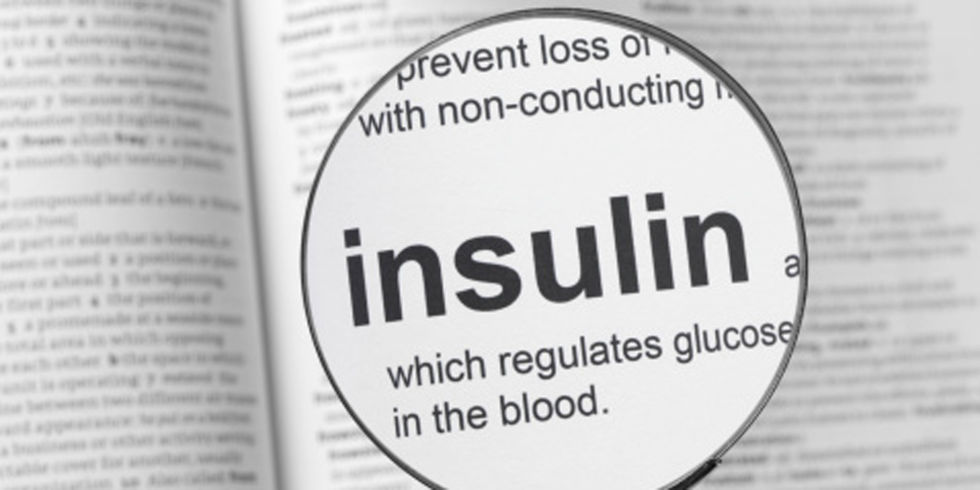
Insulin in the dictionary.
In the brain, insulin has a number of roles to play. It promotes glucose uptake in the neurons of the hippocampal formation and the frontal lobes, areas that are involved in memory. Insulin also strengthens the synaptic connections between brain cells, helping to form new memories. In addition, insulin regulates the neurotransmitter acetylcholine, which plays an important role in learning and memory.
— Dr. Suzanne Craft, Ph.D

So, it clearly does a lot in the brain, and research shows that it can be therapeutic for a number of mental health conditions, particularly Alzheimer’s disease

In a new therapeutic approach, commercially-available insulin (Novalin R) is prepared and added to nasal spray bottles, and sprayed and inhaled through the nose to support brain and mental health. 

Dr. William Banks, Professor of Internal Medicine and Geriatrics, says there are more than 100 different intranasal compounds that are being tested for the treatment of Alzheimer’s disease

“Intranasal insulin” is just one of them, and it’s one of the more promising ones, as it’s been reported to significantly enhance memory, increase mental energy, reduce brain fog, improve mood, and lower anxiety and stress levels

Click here to subscribe

The Link Between Alzheimer’s Disease, Insulin and Diabetes

Many of the brain health experts I’ve talked to are convinced that Alzheimer’s disease should actually be called "Type 3 diabetes".

This is because diabetes and insulin are closely linked to cognitive decline and dementia

Many studies show that diabetes is associated with an increased risk of cognitive dysfunction, and people with diabetes are 2 to 3 times more likely to be diagnosed with Alzheimer’s disease and mild cognitive impairment than non-diabetics (14-21). 

Researchers have also found that insulin declines in the brain as people age, and patients with Alzheimer’s disease often have insulin resistance and reduced levels of insulin in their brains (25-30)

But what if insulin deficiency is detected in the brain, and then insulin is supplied to the brain, could neurodegeneration and the development of dementia be prevented? And could the progression of existing Alzheimer’s disease be halted?

The answers to these questions appears to be yes:

  • Diabetic patients who take insulin have improved memory and reduced rates of Alzheimer’s disease;

  • Elderly diabetics who take insulin have less severe Alzheimer’s disease compared with non-diabetics;

  • Insulin improves cognition and memory in people with Alzheimer’s disease; and

  • Insulin prevents and reverses brain degeneration and cognitive impairment in diabetic animals (22-24).

Check out the below video to learn more from one of the leading researchers in the field: 

Cutting-Edge Research Shows That Intranasal Insulin Improves Cognition and Memory

The intranasal route of insulin administration provides direct access to the cerebrospinal fluid and brain.

This allows insulin to directly enter the brain from the nose, and bind to receptors within specific areas of the brain that are involved in memory and cognition (42). 

Insulin receptors in the brain are found in high densities in the hippocampus, a region that is fundamentally involved in the acquisition, consolidation, and recollection of new information.

An increasing amount of research has been published over the last ten years, demonstrating that intranasal insulin can significantly improve cognition, attention, memory and overall brain function in people with mild cognitive impairment and Alzheimer’s disease (31-33, 38-39, 43-45). 

In fact, there are over 30 randomized, double-blind, placebo-controlled trials showing that it’s effective at improving memory, learning and cognitive performance in humans (34-37). 

Illustration of how intranasal insulin works.

Yet most people aren’t aware of it, and doctors aren’t prescribing it, while millions of people suffer from dementia

One study found that it improved objective biomarkers of neurodegeneration, including amyloid deposits and tau pathology, in people with Alzheimer’s disease within a few months. In the group of patients that didn’t receive intranasal insulin, brain function continued to deteriorate (40). 

In another study, researchers gave intranasal insulin to 104 adults with mild cognitive impairment or Alzheimer’s disease. At the end of the 4-month study, the participants who received insulin had significantly better memory and cognitive function compared to the group who didn’t receive insulin (41). 

The researchers also found that the improvements in cognition were correlated with improvements in objective biomarkers, and concluded that “intranasal insulin therapy can help to stabilize, slow, or possibly even reverse the course of Alzheimer’s disease (41). 

Because of the promising research so far, the US government is currently funding a two-year long clinical trial to see if intranasal insulin will help 240 people with Alzheimer’s disease. Results from the Study of Nasal Insulin in the Fight Against Forgetfulness (SNIFF) are expected to be released in 2017. 

And intranasal insulin doesn’t just help elderly people with dementia. It’s also been shown to improve memory in younger, healthy individuals (46-51). 

Click here to subscribe

Intranasal Insulin and Other Brain and Mental Health Disorders

Alzheimer’s disease isn’t the only brain and mental health condition that can benefit from intranasal insulin. 

Here are some others:

  • ADHD and drug addiction – Insulin affects dopamine, which is a neurotransmitter linked to both these conditions (52).

  • Depression, anxiety and anger – In one study, 38 healthy people took intranasal insulin for 8 weeks and experienced enhanced mood, increased self-confidence and reduced anger. Another study found that it affected heart-rate variability (53, 59).

  • Stroke – Researchers point out that “intranasally administered insulin possesses many of the ideal properties for acute stroke neuroprotection” (54, 62).

  • Bipolar disorder – One study found that intranasal insulin significantly improved executive function in patients with bipolar disorder (55).

  • Neurodevelopmental disorder – Two studies have found that intranasal insulin improves cognition, autonomy, motor activity, nonverbal communication, social skills and developmental functioning of children and adults with a rare neurodevelopmental disorder (Phelan-McDermid syndrome) (57, 58).

  • Overall brain function – “Intranasal insulin appears to restore complex neural networking in the direction of normalization”. In other words, it seems to “reboot” the brain (56).

  • Parkinson’s disease and Down Syndrome – There is no evidence for this yet but there are ongoing trials looking into whether intranasal insulin could help people with these conditions (60, 61).


Safety of Intranasal Insulin and How to Try It Yourself

Numerous studies show that intranasal insulin is incredibly safe and does not cause any significant adverse side effects. The only minor side effects I came across were dizziness, nose bleeding and mild rhinitis, but these were rare (63-65). 

This is because unlike regular insulin administration, intranasal insulin only affects the nose and brain. It doesn’t enter the bloodstream, change insulin levels throughout the entire body, or cause low blood sugar (66-83). 

Intranasal spray bottle.

Overall, I believe the benefits outweigh the risks and it’s worth trying, especially if you’re struggling with mild cognitive impairment or early Alzheimer’s disease. It may be another decade or more until the research trickles down and reaches your doctor’s office. Research shows that it takes about 17 years for new scientific evidence to be implemented in clinical practice

However, I’m not a doctor and you should definitely talk to your doctor about this if you’re considering trying it. If you have an open-minded doctor, perhaps they will support you in trying it. Don’t be surprised if they dismiss the idea entirely though. 

With that said, you can easily and legally buy insulin yourself. It’s available over the counter without a prescription at any pharmacy (in the US and Canada). Pharmacists hold it behind the counter and you just have to walk up and ask for “Novolin R.” In Canada, it’s called “Novolin Toronto.”

It’s that simple. You don’t need to provide personal identification or sign anything. It costs about $30.

After that, you can get a nasal spray bottle - like this one or this one

Then, use pliers to carefully remove the rubber cap from the insulin vial, and pour the insulin into the spray bottle. 

At this point, you’re ready to use it. Make sure to keep it in the fridge when you're not using it. 

Again, I’m not a doctor. So talk to your doctor about this before trying it. But I feel this is worth sharing and writing about considering it has massive potential to help many people who are struggling day-to-day. 

Click here to subscribe

Dosage

Each spray from the nasal bottle is 0.1mL or 10IU of insulin. 

Dosages in human studies range from 10IU to 160IU (1 to 16 sprays) daily. 

In the longest lasting study, participants took either 20 IU (2 sprays) or 40IU (4 sprays) of insulin daily for four months (86). 

So, if you’re going to try it, I wouldn’t take more than 40IU (4 sprays) for longer than 4 months.

However, participants in the ongoing SNIFF trial have been taking intranasal insulin for more than one year, so once the results from that study are released in 2017, my recommendation may change. 

Overall, self-experimentation is necessary to find the correct dosage that works best for you. 


Conclusion

Intranasal insulin is a very impressive and exciting substance, and the lack of side effects is encouraging. 

If you’re looking to improve your memory and brain function and avoid Alzheimer’s disease, it’s definitely worth considering and talking to your doctor about it. 

An elderly man sprays intranasal insulin up his nose.

All that’s needed is:

I’m aware that this might be little bit “out there” for some people, but I think it has the potential to help a lot of people reach optimal brain and mental health. 

Please share with anyone who is struggling with cognitive impairment or the early signs of dementia because it isn't a very well known treatment. 
 
Click here to subscribe

Live Optimally,

Jordan Fallis

Connect with me

References:

(1) http://link.springer.com/article/10.1007/s00125-003-1153-1

(2) http://diabetes.diabetesjournals.org/content/31/11/957.short

(3) http://press.endocrine.org/doi/abs/10.1210/edrv-13-3-387

(4) http://www.ncbi.nlm.nih.gov/pubmed/26401706

(5) https://www.ncbi.nlm.nih.gov/pubmed/15750214/

(6) https://www.ncbi.nlm.nih.gov/pmc/articles/PMC4191295/

(7) https://www.ncbi.nlm.nih.gov/pubmed/15750214/

(8) https://www.ncbi.nlm.nih.gov/pubmed/22586589

(9) https://www.ncbi.nlm.nih.gov/pubmed/18348871

(10) https://www.ncbi.nlm.nih.gov/pubmed/23907764

(11) https://www.ncbi.nlm.nih.gov/pubmed/26040423

(12) https://www.ncbi.nlm.nih.gov/pubmed/26777890

(13) https://www.ncbi.nlm.nih.gov/pmc/articles/PMC4391678/

(14) https://www.ncbi.nlm.nih.gov/pmc/articles/PMC4191295/

(15) https://www.ncbi.nlm.nih.gov/pubmed/22201977/

(16) http://diabetes.diabetesjournals.org/content/54/5/1264?ijkey=3186b318b004c253abda2b3f67535508da9fa50a&keytype2=tf_ipsecsha

(17) http://diabetes.diabetesjournals.org/content/63/7/2253?ijkey=5cc5fc39ea0a601c551a668d0829247222ae292e&keytype2=tf_ipsecsha

(18) http://care.diabetesjournals.org/content/20/3/438

(19) https://www.ncbi.nlm.nih.gov/pubmed/11678970

(20) https://www.ncbi.nlm.nih.gov/pubmed/10647755

(21) http://www.alzheimersanddementia.com/article/S1552-5260(13)02918-X/abstract

(22) https://www.ncbi.nlm.nih.gov/pubmed/15750215/

(23) https://www.ncbi.nlm.nih.gov/pubmed/23565496/

(24) https://www.ncbi.nlm.nih.gov/pubmed/22201977/

(25) https://www.ncbi.nlm.nih.gov/pubmed/17049785?dopt=Abstract

(26) https://www.ncbi.nlm.nih.gov/pubmed/17430239/

(27) https://www.ncbi.nlm.nih.gov/pubmed/16340083/

(28) https://www.ncbi.nlm.nih.gov/pmc/articles/PMC4743662/

(29) https://www.ncbi.nlm.nih.gov/pubmed/18549783

(30) https://www.ncbi.nlm.nih.gov/pubmed/15750215

(31) http://www.karger.com/Article/Abstract/106378

(32) http://link.springer.com/article/10.1007%2Fs40263-013-0076-8

(33) http://jamanetwork.com/journals/jamaneurology/fullarticle/1107947

(34) https://www.ncbi.nlm.nih.gov/pubmed/25008180/

(35) https://www.ncbi.nlm.nih.gov/pubmed/16266773

(36) https://www.ncbi.nlm.nih.gov/pmc/articles/PMC3260944/

(37) https://www.ncbi.nlm.nih.gov/pubmed/21883804

(38) https://www.ncbi.nlm.nih.gov/pubmed/22710630?dopt=Abstract

(39) https://www.ncbi.nlm.nih.gov/pubmed/21911655?dopt=Abstract

(40) https://www.ncbi.nlm.nih.gov/pmc/articles/PMC4743662/

(41) https://www.ncbi.nlm.nih.gov/pubmed/219116/

(42) https://www.ncbi.nlm.nih.gov/pmc/articles/PMC3443484/

(43) https://www.ncbi.nlm.nih.gov/pmc/articles/PMC2804944/

(44) http://www.ncbi.nlm.nih.gov/pubmed/17942819/

(45) https://www.ncbi.nlm.nih.gov/pubmed/23507773

(46) https://www.ncbi.nlm.nih.gov/pubmed/20719831/

(47) http://www.psyneuen-journal.com/article/S0306-4530(04)00052-6/abstract

(48) https://www.ncbi.nlm.nih.gov/pubmed/15288712

(49) https://www.ncbi.nlm.nih.gov/pubmed/15288712?dopt=Abstract

(50) https://www.ncbi.nlm.nih.gov/pubmed/19091002?dopt=Abstract

(51) https://www.ncbi.nlm.nih.gov/pmc/articles/PMC4391678/

(52) http://www.news-medical.net/news/2007/10/18/31385.aspx

(53) https://www.ncbi.nlm.nih.gov/pubmed/15288712

(54) https://www.ncbi.nlm.nih.gov/pmc/articles/PMC4828994/

(55) https://www.ncbi.nlm.nih.gov/pubmed/23107220

(56) https://www.ncbi.nlm.nih.gov/pubmed/25249577

(57) http://www.nature.com/ejhg/journal/v24/n12/full/ejhg2016109a.html

(58) https://www.ncbi.nlm.nih.gov/pubmed/18948358

(59) http://diabetes.diabetesjournals.org/content/63/12/4083.long

(60) https://clinicaltrials.gov/ct2/show/NCT02064166

(61) https://clinicaltrials.gov/ct2/show/NCT02432716

(62) https://www.ncbi.nlm.nih.gov/pubmed/26040423

(63) http://www.ncbi.nlm.nih.gov/pubmed/25374101

(64) https://www.ncbi.nlm.nih.gov/pubmed/18948358

(65) http://www.ncbi.nlm.nih.gov/pubmed/25374101

(66) http://press.endocrine.org/doi/pdf/10.1210/jc.2007-2606

(67) https://www.ncbi.nlm.nih.gov/pmc/articles/PMC4743662/

(68) https://www.ncbi.nlm.nih.gov/pmc/articles/PMC4743662/

(69) https://www.ncbi.nlm.nih.gov/pubmed/23719722?dopt=Abstract

(70) https://www.ncbi.nlm.nih.gov/pubmed/15288712?dopt=Abstract

(71) https://www.ncbi.nlm.nih.gov/pubmed/19091002?dopt=Abstract

(72) https://www.ncbi.nlm.nih.gov/pubmed/26777890

(73) https://www.ncbi.nlm.nih.gov/pubmed/15288712

(74) https://www.ncbi.nlm.nih.gov/pubmed/11992114

(75) https://www.ncbi.nlm.nih.gov/pubmed/26855666

(76) https://www.ncbi.nlm.nih.gov/pubmed/12951650

(77) https://www.ncbi.nlm.nih.gov/pubmed/15288712

(78) https://www.ncbi.nlm.nih.gov/pmc/articles/PMC2804944/

(79) https://www.ncbi.nlm.nih.gov/pubmed/12951650

(80) https://www.ncbi.nlm.nih.gov/pubmed/23107220

(81) https://www.ncbi.nlm.nih.gov/pubmed/24101698

(82) https://www.ncbi.nlm.nih.gov/pubmed/25337926

(83) https://www.ncbi.nlm.nih.gov/pubmed/25374101

(84) https://www.ncbi.nlm.nih.gov/pubmed/20876713

(85) https://www.ncbi.nlm.nih.gov/pubmed/15288712

(86) https://www.ncbi.nlm.nih.gov/pubmed/21911655

Terms and Conditions

Privacy Policy

Affiliate Disclosure

Disclaimer

The 9 Most Promising Psychobiotics for Anxiety

I used to walk around ruminating, struggling with inner turmoil and nervousness all the time. 

It never went away.

It was impossible to shake. 

It wore me down and ruined the quality of my life. 

There’s no doubt that fear and vigilance are helpful when you’re faced with an actual threat. 

But an unnecessarily high state of worry and arousal when there is nothing threatening you? That's a nightmare. 

It doesn’t have to be that way though. 

If you have chronic anxiety, there are ways to manage and reverse it, like I have.

And psychobiotics are one way to do that.

Psychobiotics are probiotics and prebiotics that can improve your mental health by changing the mixture of bacteria in your gut (46-47). 

It is estimated that 100 trillion bacteria, and 500 to 1,000 species of bacteria, live in the human gut. These gut bacteria, collectively known as the gut microbiome, help with digestion. But an increasing amount of research suggests that they also communicate with your brain through the microbiome-gut-brain axis, affecting your thoughts, feelings and behaviour (48-49). 

Gut is playing chess with Brain. Gut says “Gutsy move for a brain…”.

A dysfunctional gut microbiome has been linked to a number of mental health problems and psychiatric conditions, including anxiety.

In fact, anxiety and gut health are very tightly linked. 

Research shows that people who have digestive disorders are more likely to have anxiety, and those with anxiety have higher rates of gastrointestinal disease (50-52).

And studies show that when digestive disorders improve, anxiety improves as well (53). 

Unfortunately, a lot of people have poor gut health today because of the widespread use of antibiotics, medications, herbicides, stress, infections, poor diet, etc. 

But don’t worry. You can improve your gut health and anxiety at the same time with the use of psychobiotics. 

Studies show that psychobiotics can improve anxiety by (54-55):

Here are the nine best psychobiotics that have been shown in human and animal studies to decrease stress and help treat anxiety disorders. 

They are truly the best probiotics for anxiety.

The word psychobiotic.

1. Lactobacillus rhamnosus

Lactobacillus rhamnosus is a bacterium found in the human gut. It is one of the most popular probiotic species found in supplements.

Preliminary research suggests that supplementing with lactobacillus rhamnosus can lower anxiety in humans (3). 

GABA is the main inhibitory and relaxing neurotransmitter in the central nervous system, and studies suggest that lactobacillus rhamnosus may reduce anxiety by changing the expression of GABA receptors (1-2, 4). 

In one study, researchers gave lactobacillus rhamnosus to mice, and it reduced their anxiety-like behaviours. But when researchers removed part of their vagus nerve, lactobacillus rhamnosus did not reduce their anxiety, suggesting that psychobiotics communicate with the brain and improve mental health through the vagus nerve (1-2). 

The mice [given lactobacillus rhamnosus] were more chilled out.
— Dr. John Cryan, researcher and pharmacologist with the Alimentary Pharmabiotic Center at University College Cork, Ireland

Other studies have found that lactobacillus rhamnosus decreases stress-induced anxiety-like behaviour, and researchers have concluded that it can protect against anxiety (5, 7). 

Lactobacillus rhamnosus has also been shown to reduce obsessive-compulsive disorder (OCD)-like behaviour in mice. In fact, researchers found it was just as effective as fluoxetine, an SSRI antidepressant commonly used to treat OCD (6). 

So if you struggle with OCD or obsessive-compulsive tendencies, it’s worth trying this psychobiotic.

Lactobacillus rhamnosus can be found in some yogurt and dairy products, such as fermented and unpasteurized milk and semi-hard cheese. But I typically don’t recommend eating these foods until you are healthy enough to tolerate them.


2. Bifidobacterium longum

Bifidobacterium longum is another bacterium present in the human gut. It is often added to food as it can help prevent the growth of pathogenic organisms.

I previously wrote about how it’s been proven to help treat depression.

Bacteria. Bacteria can affect the mind through the gut-brain axis.

But it can also reduce anxiety. 

Researchers have concluded that bifidobacterium longum can reduce cortisol and alleviate psychological distress in humans (including obsessions, compulsions, paranoia, anxiety) (28-30). 

Lots of animal research also shows that bifidobacterium longum can significantly reduce anxiety-like behaviour (31-34). 

One study found that a chronic infection in mice increased inflammation and caused anxiety-like behaviour, but bifidobacterium longum reduced anxiety and normalized behaviour (35-36). 

Researchers have even figured out that it works by acting through the vagus nerve (27). 

Click here to subscribe

3. Lactobacillus plantarum

Lactobacillus plantarum is another probiotic species that can reduce anxiety. 

In one study, researchers gave lactobacillus plantarum to patients with irritable bowel syndrome and it significantly reduced their anxiety and improved their quality of life (8). 

Animal studies also show that lactobacillus plantarum can cause positive changes in emotional behaviours and significantly reduce anxiety-like behaviours. It does this by increasing dopamine and serotonin, lowering stress hormone levels, and reducing inflammation (9-11). 

As a result, researchers have concluded that lactobacillus plantarum has psychotropic properties without physical side effects, and has great potential for treating neuropsychiatric disorders, including anxiety (9-11). 

Lactobacillus plantarum is also commonly found in many fermented vegetables including sauerkraut, pickles, brined olives, kimchi.


4. Lactobacillus helveticus

Lactobacillus helveticus is a probiotic that has been shown to reduce cortisol and have anti-anxiety effects in humans (37, 39, 44).

One study found that it can even reduce paranoid and obsessive-compulsive thoughts (38). 

Blue bacteria. Bacteria can influence our anxiety levels.

Animal research shows that a Western-style diet can negatively change the gut microbiome, increase brain inflammation, and contribute to anxiety. But lactobacillus helveticus can protect against this, reducing both neuroinflammation and anxiety (40-42).

One study even found that lactobacillus helveticus works better than citalopram, a common SSRI antidepressant, at reducing anxiety-like behaviour in rats. It also reduced their stress hormone levels and increased their serotonin levels (43). 

Lactobacillus helveticus is also commonly found in American Swiss cheese and Emmental cheese, and sometimes other cheeses, such as Cheddar, Parmesan, Romano, provolone, and mozzarella.

If you’re healthy enough to tolerate cheese, you could try adding some of these cheeses into your diet. 

Click here to subscribe

5. Lactobacillus reuteri

Lactobacillus reuteri is a bacterium with anti-inflammatory effects that scientists first discovered in the 1980s. 

It is usually found in the human gut. However, not all humans have it, and some people simply have very low levels of it. Therefore, you may need to supplement with it to introduce and maintain high levels of it.

Research shows that Lactobacillus reuteri can reduce anxiety-like behaviours in animals by reducing stress hormone levels and altering the expression of GABA receptors (13-14).

And one study found that the absence of lactobacillus reuteri causes social deficits in animals.

We found that treatment with this single bacterial strain was able to rescue their social behavior.
— Shelly Buffington, neuroscience researcher at Baylor College of Medicine

By adding it back in to the guts of the animals, the researchers were able to reverse some of their behavioural deficits, which were similar to symptoms of social anxiety and autism in humans (15-16). 

Therefore, lactobacillus reuteri is definitely the psychobiotic worth trying if you struggle with social anxiety or symptoms of autism.

It's also found in breast milk, and some meat and dairy products.


6. Lactobacillus casei

Lactobacillus casei is another bacterium found in the human gut. It has antioxidant and anti-inflammatory effects.

In one double-blind, placebo-controlled trial, patients with chronic fatigue syndrome and digestive problems took Lactobacillus casei as a daily supplement for two months. At the end of the study, they had a significant decrease in their anxiety symptoms (17-19). 

So this is a good psychobiotic to try if you struggle with a mixture of fatigue, digestive problems and anxiety.

Lactobacillus casei is the dominant species in naturally fermented Sicilian green olives, and can also be found in other fermented vegetables and dairy products. 


7. Lactobacillus fermentum

Lactobacillus fermentum is another species that is part of the human microbiome and commonly found in fermented vegetables.

It hasn’t been studied as much as other lactobacillus probiotic species.

Bacteria. Psychobiotics are bacteria that affect our psychological state of mind.

But there still is some evidence that is may be able to help treat anxiety, especially if you have a long history of antibiotic treatment. 

Research shows that antibiotics can trigger anxiety in animals by disturbing the microbiome.

But by giving animals lactobacillus fermentum, researchers can reduce the inflammation and reverse the psychological problems brought on by antibiotics, including anxiety-like behaviour (12).

So if you’ve taken a lot of antibiotics over the years, or noticed that your anxiety got worse after taking a course of antibiotics, taking a psychobiotic supplement with lactobacillus fermentum is worth a try. 

Click here to subscribe

8. Bifidobacterium breve

Bifidobacterium breve is a beneficial bacterium found in human breast milk and the human gut. The amount in your gut declines as you get older (20). 

Research shows that bifidobacterium breve can reduce anxiety-like behaviour in animals (21). 

Anxious animals also perform better on cognitive tests after being given it (22). 

This makes bifidobacterium breve a great psychobiotic option if your anxiety impairs your cognition and interferes with your ability to complete tasks. 

Bifidobacterium breve can be found naturally in some fermented foods.


9. Galacto-oligosaccharides

Not all psychobiotics are simply probiotics.

Psychobiotics can also include “prebiotics,” which are non-digestible soluble fibres that stimulate the growth of good gut bacteria, and therefore improve mental health and reduce anxiety.

Galacto-oligosaccharides (GOS) are a type of prebiotic that have been shown to do just that. 

Picture of intestines. Our intestinal health can significantly affect our mental health.

In one study, GOS significantly decreased the secretion of cortisol, and participants paid more attention to positive information rather than negative information (23).

People who are anxious tend to have high levels of cortisol and often get caught up in negative thinking. So this study suggests that GOS has anti-anxiety effects. 

Other research has demonstrated that people with irritable bowel syndrome (IBS) often have anxiety because of the lack of microbial diversity in their gut. However, when IBS sufferers supplement with a prebiotic mixture containing GOS, it significantly reduces their anxiety and improves the quality of their life (24-26). 


What Psychobiotic Should You Take?

Ideally, you should buy and try one psychobiotic at a time to figure out how you respond to each one.

That's what I did over the span of several years. 

I would buy and try one probiotic, take it for at least one month, and then monitor how I felt during that time.

Sometimes I would stop taking it if I felt worse.

I was my own guinea pig and tested and experimented with so many different probiotic supplements to find the ones that helped. 

I usually recommend people follow the same process because many people like myself often experience a bad reaction to one, but a good reaction to another. 

But I understand doing that can be time-consuming and tedious. Plus, clinical studies often demonstrate that probiotic mixtures with multiple bacteria are better at improving the diversity of gut bacteria than individual ones (45). 

So, to make it easier for you, I’ve now created my own psychobiotic supplement, called Optimal Biotics.

I created it because I want to give my readers the very best psychobiotic supplement so that they can experience superior results.

I have found that many psychobiotic supplements on the market fall short and even cause side effects.

But Optimal Biotics doesn't, and it contains the 8 most well-researched and beneficial probiotic strains for your mental health.

I also recommend adding fermented foods into your diet and see how that goes. Fermented foods contain many strains of bacteria that have not been documented in the scientific literature.  That said, the downside is that the bacteria in fermented foods will vary depending on the batch, and there is sometimes the risk of them containing pathogenic bacteria.

Here are some other steps you can take to increase the good bacteria in your gut. 

And this anti-anxiety supplement also includes several other natural compounds that have helped me manage my anxiety over the years. It can help reduce stress and anxiety while you work to improve your gut health.


Conclusion

The microbiome and psychobiotics are at the cutting-edge of neuroscience and mental health research and treatment. It hasn’t been that long since researchers first discovered that there is a gut-brain connection. 

Cartoon image of bacteria and psychobiotics.

When I first found out about it several years ago, I started consuming psychobiotics, and they have definitely helped me chronic anxiety over the years. 

But it’s important to point out that psychobiotics alone were never enough.

I also had to make changes to my diet, take key supplements, improve thyroid health, and overcome trauma. There really is no quick fix or magic bullet. 

Yet for some people, psychobiotics can be life changing, especially if you have digestive issues alongside your anxiety and worry. 

Overall, I think they are absolutely worth a try. 

I hope this article helps you, and please share it with anyone you think might benefit from it. 


Enjoy This Article? You Might Also Like My FREE Food Guide for Optimal Brain and Mental Health!

Click here to subscribe

Live Optimally,

Jordan Fallis

Connect with me

References:

(1) https://www.ncbi.nlm.nih.gov/pmc/articles/PMC4370913/

(2) https://www.ncbi.nlm.nih.gov/pubmed/21876150/

(3) https://www.ncbi.nlm.nih.gov/pubmed/25879690

(4) https://www.ncbi.nlm.nih.gov/pmc/articles/PMC4934620/

(5) https://www.ncbi.nlm.nih.gov/pmc/articles/PMC5225647/

(6) http://www.ncbi.nlm.nih.gov/pubmed/24257436

(7) https://www.ncbi.nlm.nih.gov/pmc/articles/PMC4200314/

(8) https://www.ncbi.nlm.nih.gov/pubmed/25024629

(9) http://www.ncbi.nlm.nih.gov/pubmed/26620542

(10) http://www.ncbi.nlm.nih.gov/pubmed/26522841

(11) https://www.sciencedaily.com/releases/2016/11/161121160038.htm

(12) http://www.ncbi.nlm.nih.gov/pubmed/25869281

(13) https://www.ncbi.nlm.nih.gov/pmc/articles/PMC3754198/

(14) http://onlinelibrary.wiley.com/doi/10.1111/j.1365-2982.2010.01664.x/full#b28

(15) https://www.sciencedaily.com/releases/2016/06/160616140723.htm

(16) http://www.cell.com/cell/fulltext/S0092-8674(16)30730-9

(17) https://www.ncbi.nlm.nih.gov/pmc/articles/PMC2664325/

(18) https://gutpathogens.biomedcentral.com/articles/10.1186/1757-4749-1-6

(19) http://www.ncbi.nlm.nih.gov/pubmed/19338686/

(20) http://journal.frontiersin.org/article/10.3389/fmicb.2016.01204/full

(21) https://www.ncbi.nlm.nih.gov/pubmed/25251188

(22) https://www.ncbi.nlm.nih.gov/pubmed/25794930

(23) https://www.ncbi.nlm.nih.gov/pmc/articles/PMC4410136/

(24) https://www.ncbi.nlm.nih.gov/pmc/articles/PMC4370913/

(25) http://onlinelibrary.wiley.com/doi/10.1111/j.1365-2036.2008.03911.x/abstract

(26) http://www.ncbi.nlm.nih.gov/pubmed/19053980

(27) https://www.ncbi.nlm.nih.gov/pmc/articles/PMC3413724/

(28) https://www.ncbi.nlm.nih.gov/pubmed/20974015/

(29) http://www.tandfonline.com/doi/abs/10.4161/gmic.2.4.16108

(30) https://www.ncbi.nlm.nih.gov/pubmed/21983070

(31) https://www.ncbi.nlm.nih.gov/pubmed/21683077

(32) https://www.ncbi.nlm.nih.gov/pmc/articles/PMC4934620/

(33) https://www.ncbi.nlm.nih.gov/pubmed/25251188

(34) https://www.ncbi.nlm.nih.gov/pubmed/25794930

(35) https://www.ncbi.nlm.nih.gov/pubmed/20600016

(36) https://www.ncbi.nlm.nih.gov/pubmed/21988661

(37) https://www.ncbi.nlm.nih.gov/pubmed/20974015/

(38) http://www.tandfonline.com/doi/abs/10.4161/gmic.2.4.16108

(39) https://www.ncbi.nlm.nih.gov/pmc/articles/PMC4934620/

(40) https://www.ncbi.nlm.nih.gov/pubmed/23566632

(41) http://www.ncbi.nlm.nih.gov/pubmed/26408987

(42) https://www.ncbi.nlm.nih.gov/pubmed/24554471

(43) https://www.ncbi.nlm.nih.gov/pubmed/26408987

(44) https://www.ncbi.nlm.nih.gov/pubmed/23181058

(45) http://www.ncbi.nlm.nih.gov/pmc/articles/PMC4906699/

(46) https://www.ncbi.nlm.nih.gov/pubmed/23759244

(47) https://www.ncbi.nlm.nih.gov/pmc/articles/PMC5102282/

(48) https://www.ncbi.nlm.nih.gov/pmc/articles/PMC4228144//

(49) http://www.ncbi.nlm.nih.gov/pmc/articles/PMC4937966/

(50) https://www.ncbi.nlm.nih.gov/pubmed/?term=18819774

(51) https://www.ncbi.nlm.nih.gov/pubmed/219080555

(52) https://www.ncbi.nlm.nih.gov/pubmed/21908055

(53) http://www.ashdin.com/journals/JEM/235910/

(54) https://www.ncbi.nlm.nih.gov/pubmed/27632908

(55) https://www.ncbi.nlm.nih.gov/pubmed/27841940

Terms and Conditions

Privacy Policy

Affiliate Disclosure

Disclaimer

18 Powerful Ways to Effectively Lower Homocysteine

Lowering and normalizing homocysteine levels is another key way to improve the health of your brain and manage your mental health. 

In fact, keeping homocysteine levels within normal range is good for overall health in general. 

But what exactly is homocysteine?

Homocysteine is an amino acid that is produced in the body as a by-product of methylation.

In healthy people, it’s properly metabolized and normal levels are maintained. 

But when homocysteine isn’t properly metabolized, it can build up inside the body and levels can become too high.

And that’s when homocysteine becomes dangerous and unhealthy. 

At high levels, homocysteine is inflammatory and neurotoxic, and increases oxidative stress and free radical damage in the brain by reducing levels of cysteine and glutathione (89-95, 138-139). 

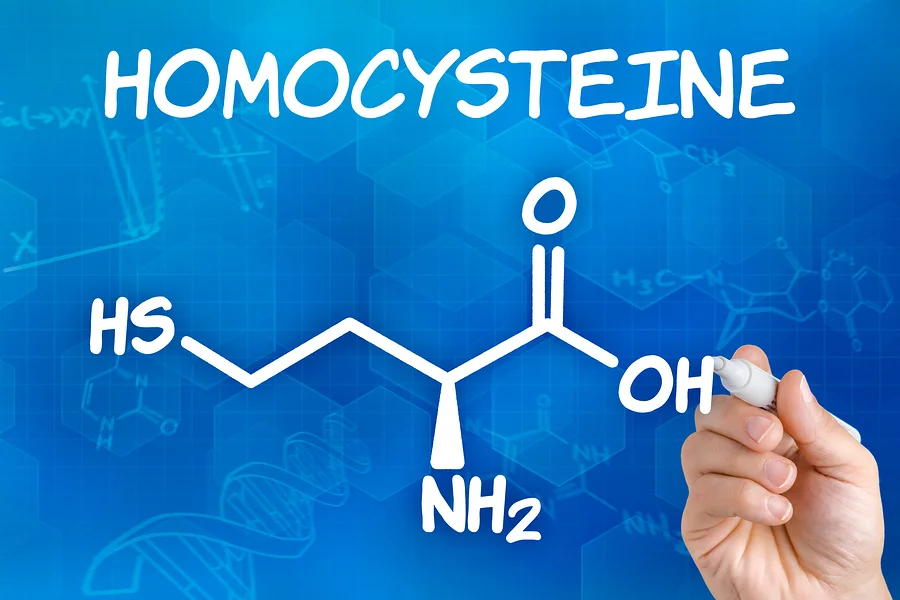
Homocysteine and it’s chemical symbol.

It’s also been shown to contribute to mitochondrial damage and reduce energy production in the brain (96-98). 

Researchers have found that high levels of homocysteine disrupt the integrity of the blood-brain barrier, which allows substances that are normally kept out of the brain to cross over and contribute to neurological problems (99-102). 

And studies have found that people with high levels of homocysteine have lower levels of serotonin and SAMe, a nutrient involved in the production of many neurotransmitters that improve mood (103-104). 

Considering all this, it’s not too surprising that high levels of homocysteine have been linked to many chronic neurodegenerative and neuropsychiatric diseases, including:

People with nutritional deficiencies and MTHFR gene mutation are at an increased risk of high homocysteine levels. Homocysteine levels gradually increase as you age, and men are more likely than women to have high levels of homocysteine (140-142). 

You can check your homocysteine levels by ordering this blood test

Thankfully, if your levels are high, there are a number of ways to lower homocysteine.

Here are 18 ways to keep your homocysteine levels in check. 


1. Trimethylglycine

Trimethylglycine (also known as betaine) is an amino acid derivative that can be found in plants such as beets and spinach. 

Trimethylglycine plays an important role in methylation, a process that is involved in the synthesis of melatonin, coenzyme Q10, and neurotransmitters such as dopamine and serotonin. 

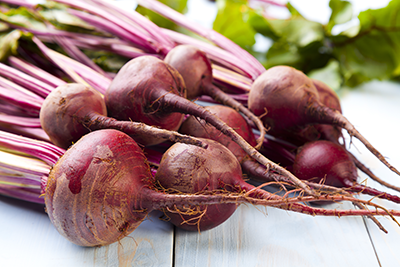
An image of beets. Beets contain betaine, which has been shown to lower homocysteine levels.

Several studies show that supplementing with trimethylglycine can significantly lower homocysteine levels (1-5). 

One study found that the more trimethyglycine a person consumes, the lower their homocysteine levels (6).

According to the research, it appears that you need to supplement with at least three grams of trimethyglycine daily to significantly reduce homocysteine. Doing so will reduce homocysteine levels by 10% in persons with normal levels or by 20 to 40% in persons with elevated homocysteine levels (7-9).

However, even 500mg seems to lower homocysteine slightly (10). 

I took a trimethylglycine supplement after coming off psychiatric medication and noticed an improvement in mood and energy. 


2. Folate

The best way to lower homocysteine is by making sure you consume enough B vitamins on a regular basis.

Folate is one of the most important B vitamins because it helps metabolize homocysteine into methionine (51). 

When your body doesn’t have enough folate, elevated levels of homocysteine are the result (52). 

A pile of green, leafy vegetables. They contain folate, a key nutrient involved in lowering and normalizing homocysteine levels.

Good dietary sources of natural folate include leafy greens, asparagus, broccoli, cauliflower, strawberries, avocado, beef liver and poultry. These foods are included in my Free Grocery Shopping Guide for Optimal Brain Health.

However, folate-rich foods may not be enough to lower homocysteine. In fact, many people do not get enough folate from food because cooking and food processing destroy natural folates (57). 

That’s why I recommend supplementation. 

Supplementing with 800 mcg of folate has been shown to lower homocysteine by at least 28%. Even supplementing with just 113 mcg daily lowers homocysteine by about 15% (53-56, 58, 62). 


3. Vitamin B12

Vitamin B12 is another nutrient that plays a role in methylation. It's also a necessary cofactor in the metabolism of homocysteine (75-77). 

Research shows that Vitamin B12 deficiency can contribute to rising homocysteine levels (78-80, 83-84). 

But in those with elevated homocysteine, supplementing with 1,000 mcg of B12 per day can significantly lower and normalize blood levels of homocysteine (81-82).

If you decide to take B12, you should avoid the semisynthetic version of B12 (cyanocobalamin) and take the methylated form (methyl-B12) instead, which is better absorbed and more biologically active. Methy-B12 is included in this supplement.

Vitamin B12 is also found primarily in animal foods, and beef liver is a really good source. I take beef liver capsules because I don’t like the taste of liver. 

You should monitor your B12 levels regularly. But keep in mind that you can also have normal or high B12 levels but then still be B12 deficient on a cellular level. That is very common in my clients, and I talk about that in my workshop presentation. You can register for the free workshop here.

Click here to subscribe

4. Vitamin B6

Vitamin B6 is another homocysteine-reducing nutrient that boosts mood, deepens sleep, and supports your entire nervous system. 

It accomplishes this by playing a key role in the production of many neurotransmitters in your brain, including serotonin, GABA and dopamine.

Vitamin B6 is also a necessary cofactor in the metabolism of homocysteine, and having a deficiency can cause homocysteine levels to increase (14).

In fact, low blood levels of B6 are common, especially in people with higher homocysteine levels (15). 

Thankfully, supplementation has been shown to help lower and normalize homocysteine levels (11-13). 

Vitamin B6 is included in this supplement.

Fruits and vegetables in the shape of B6. Vitamin B6 has been shown to lower homocysteine levels.

It’s important to point out that it’s best to supplement B6 along with both folate and B12 if you want to dramatically lower homocysteine levels. 

Supplementing with B6, B12 and folate has been shown to significantly lower homocysteine levels and reduce symptoms of depression (87). 

One study found that within three weeks, homocysteine levels could be reduced by 17% using folate alone, 19% using B12 alone, 57% using folate and B12, and 60% using folate, B12 and B6 (86). 

Another study found that combining B6 and folate reduces homocysteine 32% within five weeks (85).

Symptoms of Vitamin B6 deficiency include weakness, mental confusion, depression, insomnia and severe PMS symptoms.

Some of the best food sources of Vitamin B6 include potatoes, bananas and chicken. They are included in my free food guide.


5. Taurine

Taurine is an organic compound found in foods, particularly animal products. It has a wide variety of health benefits.

It can cross the blood-brain barrier and produces anti-anxiety effects, and acts as an antioxidant in the brain, protecting it from various substances including lead and cadmium (16-25). 

It’s also been shown to lower homocysteine. 

Research shows that taurine supplementation significantly reduces plasma homocysteine levels (26-28).

Taurine is included in the Optimal Calm supplement


6. Creatine

Creatine is a molecule produced in the body and found in some foods, particularly meat, eggs, and fish. These foods are included in my Free Grocery Shopping Guide for Optimal Brain Health.

Creatine is also available in supplement form. Athletes, bodybuilders, wrestlers, sprinters often take creatine supplement to gain more muscle mass. It’s an incredibly well-researched supplement and safe to take regularly. 

A scoop of creatine powder next to weights. Creatine lowers homocysteine levels.

Supplementing with creatine can also support the brain. It's been shown to have neuroprotective effects and it rapidly produces energy to support brain cell function (29). 

Research shows that creatine supplementation can also lower homocysteine in humans (32, 34). 

Animal studies show the same (30-31, 33).

I find that creatine gives me energy, and I take it when I’m lifting weights regularly.


7. Green Coffee Extract

Green coffee extract is a supplement that is derived from green coffee beans. 

Green coffee beans are similar to regular coffee beans. However, they contain much more chlorogenic acid in them.

Chlorogenic acid is a phytochemical with cognitive health benefits. 

One study found that 140 mg of chlorogenic acid, which is 28% of the content of green coffee extract, can significantly lower homocysteine (39). 

Click here to subscribe

8. Reduce Stress

I highly recommend you try to do something every day to manage your stress because psychological stress has been shown to significantly increase homocysteine levels (70-71). 

A woman meditating on the beach near the water. Reducing stress can help you to lower your homocysteine levels.

My favourite ways to reduce stress include neurofeedback, meditation (using the Muse headband), massage, acupuncture, eye movement desensitization and reprocessing (EMDR), emotional freedom techniques (EFT), heart-rate variability (HRV) training, and an acupressure mat. 

Some supplements that can help you reduce stress include zinc, magnesium, ashwagandha and phosphatidylserine.

This anti-anxiety supplement also includes a number of natural compounds that have personally helped me manage my stress over the years.

And here is an article with 20 other ways to lower your stress hormone, cortisol.


9. Estrogen

Estrogen is the primary female sex hormone and responsible for the development and regulation of the female reproductive system.

Research shows that higher estrogen levels are associated with lower homocysteine levels, independent of nutritional status and muscle mass (72). 

And individuals on estrogen replacement therapy have significantly lower homocysteine levels (72-73). 

I recommend both men and women get their hormone levels checked regularly and optimize them because it can really improve your quality of life. 

You can check your estrogen levels here


10. Choline

Choline is an essential B vitamin that most people don’t consume enough of, because very few foods in the Western diet contain it.

Research shows that high homocysteine levels can be lowered with choline (40-42). 

Deviled eggs. Eggs contain choline, a nutrient that can lower homocysteine levels.

One study found that increased intake of choline led to lower levels of circulating homocysteine (43). 

And other studies have shown that choline deficiency in mice and humans is associated with increased homocysteine levels (44). 

Citicoline (also known as CDP-Choline) is my favourite source of choline for the brain. 

Citicoline also supports the blood-brain barrier and promotes the regeneration of myelin

Another good source of choline for brain health is Alpha GPC.

Both Citicoline and Alpha GPC are included in the Optimal Brain supplement

You can also find some choline in beef liver and egg yolks, but Citicoline and Alpha GPC have more noticeable effects on cognition. 

Make sure you read this article to learn more about the remarkable benefits of choline.

And make sure you read this article to learn more about the benefits of Alpha GPC, the optimal dosage, and the best way to take it.


11. N-Acetyl-Cysteine

N-Acetyl-Cysteine (NAC) is a modified form of the amino acid cysteine. It’s also the precursor to glutathione, your body’s master antioxidant.

I’ve previously discussed how NAC can help treat six different mental illnesses.

And it turns out that it can also help lower homocysteine levels. 

Research shows NAC supplementation can cause a “rapid and significant decrease” in homocysteine levels (49). 

Studies have found that NAC can decrease homocysteine anywhere from 25 to 45 per cent (47-48, 50).

Researchers believe NAC displaces homocysteine from its protein carrier in the blood, which lowers homocysteine and promotes the formation of glutathione (45-46). 

NAC is included in this supplement.

Click here to subscribe

12. Omega-3 Fatty Acids

Is there anything omega-3 fatty acids can’t do?

They can promote the regeneration of myelin, stimulate the vagus nerve, help reverse brain damage, and support the endocannabinoid system

And now it appears they can also lower homocysteine levels. 

A randomized double-blind placebo-controlled clinical trial found that consuming three grams of omega-3 fatty acids daily for 2 months significantly decreases levels of homocysteine (63). 

Other researchers have reported that omega-3s can lower homocysteine by 36 to 48% (64-65). 

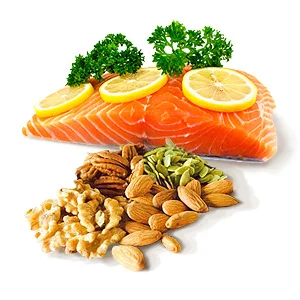
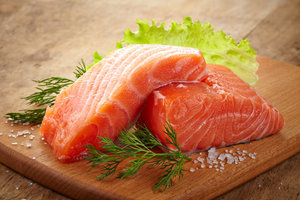
Salmon and walnuts. They contain omega-3 fatty acids, which have been shown to lower homocysteine levels.

And studies have also found that people using B vitamins to lower homocysteine should also have enough omega-3s to improve brain function. In fact, some clinical trials using B vitamins to improve brain function show benefits only in people with higher omega-3 levels (143-144). 

It’s important to eat enough omega-3s because they are essential fats that your body cannot produce itself.

Omega-3 fatty acids are found primarily in cold water fish such as salmon, black cod, sablefish, sardines and herring.

Unfortunately, most people don't consume enough omega-3 fatty acids through their diet.

That’s why I recommend people supplement with krill oil, a special kind of fish oil that contains omega-3s. 

I take this krill oil supplement. I feel slightly depressed when I stop taking it. I actually notice the difference.

You can read more about the importance of omega-3 fatty acids here.


13. Probiotics

Research suggests that probiotics may also be able to lower homocysteine.

Bacteria. Probiotic bacteria can lower homocysteine levels.

In one interesting study, researchers gave the probiotic VSL#3 to subjects with high homocysteine.

The researchers found that the probiotic increased the number of good bacteria in the gut, which then naturally increased Vitamin B12 and folate production in the gut. As a result, homocysteine levels dropped (66). 

I personally created and take the Optimal Biotics supplement to support my brain and mental health. 

Probiotics have also been shown to stimulate the vagus nerve and help with depression

And here are five other ways to increase the good bacteria in your gut. 


14. Avoid Alcohol

Alcohol is a neurotoxin that wreaks havoc on the brain by raising cortisol levels, disrupting the blood-brain barrier, and increasing inflammation and oxidative stress (67).

It also increases homocysteine. 

One study found that alcohol significantly reduces Vitamin B12 and folate levels and increased homocysteine levels (68). 

And another study found that alcohol consumption increased homocysteine levels regardless of Vitamin B levels (69). 

There are ways to protect your brain from alcohol, but you’re better off avoiding it completely or significantly reducing your consumption if you’re trying to heal. I personally don’t drink alcohol at all anymore.

If you do decide to drink it, this post explains that some types of alcohol are better than others


15. Eat “Head to Tail”

Whole plant foods tend to be much healthier when they’re left whole, as they tend to have various nutrients that work together synergistically. 

The same can be said about animal food.

Muscle meat (chicken breasts, lean beef) shouldn’t be your only source of animal protein. Our ancestors didn’t eat this way, so neither should we.

Your body prefers and expects to receive a balance of amino acids from different parts of whole animals.

That’s why I recommend “head-to-tail eating” – consuming a wide variety of proteins from the entire animal. 

Along with muscle meat, you should regularly cook and eat organ meats, such as liver, and bone broth.

One of the main reasons I recommend this is because lean muscle meat is high in methionine.

Methionine is an essential amino acid, but too much methionine increases homocysteine levels and increases your need for Vitamin B6, B12, folate and choline (74, 88, 162). 

But bone broth contains collagen, gelatin, and amino acids such as glycine and proline, which balance out the methionine in muscle meat, and helps your body better metabolize it. 

Bone broth can be inconvenient to make all the time, so I drink a pre-made, organic chicken bone broth. 

And if you’re actually interested in learning about how to cook and incorporate more whole animal proteins into your diet, I recommend checking out the book Odd Bits: How to Cook the Rest of the Animal by Jennifer McLagan.

Click here to subscribe

16. Limit Medications and Compounds That Increase Homocysteine

A number of prescription drugs and natural compounds have been shown to increase homocysteine by interfering with folate absorption, or metabolism of homocysteine, including (35-38):

Various natural health supplements on table.
  • Cholestyramine

  • Colestipol

  • Fenofibrate

  • Levadopa

  • Metformin

  • Methotrexate

  • Niacin

  • Nitrous oxide

  • Pemetrexed

  • Phenytoin

  • Pyrimethamine

  • Sulfasalazine


17. Quit Smoking

If you’re a smoker, I’m sure you don’t need to tell anyone it’s bad for you and that you should quit.

But here I am telling you anyway.

Research shows that smoking and exposure to second-hand smoke increases homocysteine levels (163-164).

So even if you don’t smoke, but you’re around others that do, you could end up having higher homocysteine levels that impact your health.


18. Treat Hypothyroidism

Your thyroid is a small butterfly-shaped gland located in your neck below your Adam’s apple.

It’s one of your most important glands, producing thyroid hormones – thyroxine (T4) and triiodothyronine (T3) – which impact the health and functioning of your entire body.

Your thyroid gland plays a key role in the optimal health and functioning of your brain. It can impact your cognition, concentration, mood, memory and emotions.

It can also impact your homocysteine levels.

Your thyroid can either be overactive and produce too much thyroid hormone (hyperthyroidism), or underactive and produce too little thyroid hormone (hypothyroidism).

Many studies show that people with hypothyroidism have higher homocysteine levels (165-167).

And people with hypothyroidism who don’t take their thyroid medication end up having higher homocysteine levels. But once they take their thyroid medication, their homocysteine levels go down (168).

I highly recommend getting a full thyroid panel done regularly to see if you have hypothyroidism.

And check out this post for more ways to support your thyroid and overcome hypothyroidism naturally. 

One of my favourite way is by applying this red and infrared light to my thyroid. 


Conclusion

High levels of homocysteine can be problematic and increase your risk of many brain and mental health disorders.

But fortunately, you can do something about it!

Implementing the above 16 strategies can provide powerful protection against homocysteine’s negative effects and improve your quality life. 

I’ve found great benefit in lowering my homocysteine levels, and I hope you experience the same. 


Enjoy This Article? You Might Also Like My FREE Food Guide for Optimal Brain Health!

Click here to subscribe

Live Optimally,

Jordan Fallis

Connect with me

References:

(1) https://www.ncbi.nlm.nih.gov/pubmed/16197300

(2) http://doi.org/10.1271/bbb.70791

(3) http://doi.org/10.1155/2014/904501

(4) https://www.ncbi.nlm.nih.gov/pubmed/12730412

(5) http://atvb.ahajournals.org/content/25/2/379

(6) https://www.ncbi.nlm.nih.gov/pubmed/16600945

(7) https://www.ncbi.nlm.nih.gov/pubmed/12399266

(8) http://www.ncbi.nlm.nih.gov/pubmed/11849459

(9) https://www.ncbi.nlm.nih.gov/pubmed/15720203

(10) https://examine.com/supphttps://examine.com/supplements/trimethylglycine/ements/trimethylglycine/

(11) https://www.ncbi.nlm.nih.gov/pubmed/10926922

(12) http://www.ncbi.nlm.nih.gov/pubmed/19967264

(13) https://www.ncbi.nlm.nih.gov/pubmed/10475885

(14) https://www.ncbi.nlm.nih.gov/pubmed/10926922

(15) http://circ.ahajournals.org/content/97/5/437

(16) https://www.ncbi.nlm.nih.gov/pubmed/4407108

(17) https://www.ncbi.nlm.nih.gov/pubmed/8915375

(18) https://link.springer.com/article/10.1007%2Fs00210-003-0776-6

(19) https://www.ncbi.nlm.nih.gov/pubmed/1846756

(20) https://www.ncbi.nlm.nih.gov/pubmed/11598776

(21) https://www.ncbi.nlm.nih.gov/pubmed/18676123

(22) https://www.ncbi.nlm.nih.gov/pubmed/18823590

(23) https://www.ncbi.nlm.nih.gov/pubmed/16540157

(24) https://www.karger.com/Article/Abstract/107687

(25) https://www.ncbi.nlm.nih.gov/pubmed/15240184

(26) https://www.ncbi.nlm.nih.gov/pubmed/19398656

(27) https://www.ncbi.nlm.nih.gov/pubmed/19239173

(28) https://www.ncbi.nlm.nih.gov/pubmed/11535574

(29) https://examine.com/supplements/creatine/

(30) https://wwhttps://www.ncbi.nlm.nih.gov/pubmed/11595668.ncbi.nlm.nih.gov/pubmed/11595668

(31) https://www.ncbi.nlm.nih.gov/pubmed/15218538

(32) https://www.ncbi.nlm.nih.gov/pubmed/15168891

(33) https://www.ncbi.nlm.nih.gov/pubmed/19079843

(34) https://www.ncbi.nlm.nih.gov/pubmed/25853877

(35) http://link.springer.com/article/10.2165/00003495-200262040-00005

(36) https://goo.gl/DUKdcj

(37) https://www.ncbi.nlm.nih.gov/pubmed/11893229

(38) http://www.altmedrev.com/publications/11/4/330.pdf

(39) https://www.ncbi.nlm.nih.gov/pubmed/15785008

(40) http://www.tandfonline.com/doi/abs/10.1271/bbb.70791

(41) https://www.hindawi.com/journals/tswj/2014/904501/

(42) https://www.ncbi.nlm.nih.gov/pubmed/15699233

(43) https://www.ncbi.nlm.nih.gov/pubmed/16600945

(44) https://www.ncbi.nlm.nih.gov/pubmed/15699233

(45) https://www.ncbi.nlm.nih.gov/pubmed/17991199

(46) https://www.ncbi.nlm.nih.gov/pubmed/20538838

(47) https://www.ncbi.nlm.nih.gov/pubmed/8929261

(48) https://www.ncbi.nlm.nih.gov/pubmed/18214123

(49) https://www.ncbi.nlm.nih.gov/pubmed/12113295

(50) http://ajcn.nutrition.org/content/early/2015/10/07/ajcn.114.101964

(51) https://www.ncbi.nlm.nih.gov/pmc/articles/PMC3078648/

(52) http://www.ncbi.nlm.nih.gov/pubmed/11553056

(53) https://www.ncbi.nlm.nih.gov/pubmed/15983288

(54) https://www.ncbi.nlm.https://www.ncbi.nlm.nih.gov/pubmed/15883442ih.gov/pubmed/15883442

(55) http://www.ncbi.nlm.nih.gov/pubmed/19967264

(56) https://www.ncbi.nlm.nih.gov/pubmed/19766902

(57) https://www.ncbi.nlm.nih.gov/pubmed/12493090

(58) https://www.ncbi.nlm.nih.gov/pubmed/12600857

(59) https://www.ncbi.nlm.nih.gov/pubmed/5314166

(60) https://www.ncbi.nlm.nih.gov/pubmed/14769778

(61) https://www.ncbi.nlm.nih.gov/pubmed/17522618

(62) https://www.ncbi.nlm.nih.gov/pubmed/17654449

(63) http://www.sciencedirect.com/science/article/pii/S0939475309000970

(64) https://www.ncbi.nlm.nih.gov/pubmed/8269183

(65) https://www.ncbi.nlm.nih.gov/pubmed/9187021

(66) https://www.ncbi.nlm.nih.gov/pubmed/25453395

(67) https://www.ncbi.nlm.nih.gov/pubmed/17241155

(68) https://www.ncbi.nlm.nih.gov/pmc/articles/PMC2572692/

(69) https://www.ncbi.nlm.nih.gov/pubmed/16584970

(70) https://www.ncbi.nlm.nih.gov/pubmed/10374899

(71) https://www.ncbi.nlm.nih.gov/pubmed/14751454

(72) http://aje.oxfordjournals.org/content/152/2/140

(73) http://europepmc.org/abstract/med/9622279

(74) http://www.pnas.org/content/100/25/15089.full

(75) https://www.ncbi.nlm.nih.gov/pubmed/10926922

(76) http://www.ncbi.nlm.nih.gov/pubmed/25456744

(77) https://www.ncbi.nlm.nih.gov/pubmed/10475885

(78) http://www.ncbi.nlm.nih.gov/pubmed/11553056

(79) https://www.ncbi.nlm.nih.gov/pubmed/10926922

(80) https://www.ncbi.nlm.nih.gov/pubmed/20198596

(81) http://www.ncbi.nlm.nih.gov/pubmed/19967264

(82) https://www.ncbi.nlm.nih.gov/pubmed/18206175

(83) https://www.ncbi.nlm.nih.gov/pubmed/3340005

(84) https://www.ncbi.nlm.nih.gov/pubmed/2407253

(85) https://www.ncbi.nlm.nih.gov/pubmed/10353328

(86) https://www.ncbi.nlm.nih.gov/pubmed/11981084

(87) http://www.ncbi.nlm.nih.gov/pubmed/21771745

(88) https://www.ncbi.nlm.nih.gov/pubmed/19204075

(89) https://www.ncbi.nlm.nih.gov/pmc/articles/PMC3078648/

(90) https://www.ncbi.nlm.nih.gov/pubmed/26318987

(91) https://www.ncbi.nlm.nih.gov/pmc/articles/PMC4326479/

(92) http://www.ncbi.nlm.nih.gov/pubmed/23237596

(93) https://www.ncbi.nlm.nih.gov/pubmed/25804098

(94) https://www.ncbi.nlm.nih.gov/pubmed/24867323/

(95) https://www.ncbi.nlm.nih.gov/pubmed/24867323/

(96) https://www.ncbi.nlm.nih.gov/pubmed/9804859

(97) https://www.ncbi.nlm.nih.gov/pubmed/10995836

(98) https://goo.gl/LscmdT

(99) https://www.ncbi.nlm.nih.gov/pubmed/16189268

(100) https://www.ncbi.nlm.nih.gov/pubmed/18080868

(101) https://www.ncbi.nlm.nih.gov/pubmed/23237596

(102) https://goo.gl/vqa9P5

(103) https://www.ncbi.nlm.nih.gov/pubmed/24309856

(104) https://www.ncbi.nlm.nih.gov/pubmed/10896698

(105) https://www.ncbi.nlm.nih.gov/pmc/articles/PMC3078648/

(106) https://www.ncbi.nlm.nih.gov/pubmed/15585771

(107) https://www.ncbi.nlm.nih.gov/pubmed/24309856

(108) https://www.ncbi.nlm.nih.gov/pubmed/12601225

(109) https://www.ncbi.nlm.nih.gov/pubmed/15545331

(110) http://emedicine.medscape.com/article/1952251-overview

(111) https://www.ncbi.nlm.nih.gov/pubmed/27035272

(112) https://www.ncbi.nlm.nih.gov/pubmed/17986270

(113) https://www.ncbi.nlm.nih.gov/pubmed/18545927

(114) https://www.ncbi.nlm.nih.gov/pubmed/19054516

(115) https://www.ncbi.nlm.nih.gov/pubmed/19619240

(116) https://www.ncbi.nlm.nih.gov/pubmed/24613517

(117) https://www.ncbi.nlm.nih.gov/pubmed/24613517

(118) https://www.ncbi.nlm.nih.gov/pubmed/25657748

(119) https://www.ncbi.nlm.nih.gov/pmc/articles/PMC3078648/

(120) http://www.nejm.org/doi/full/10.1056/NEJMoa011613

(121) http://journals.plos.org/plosone/article?id=10.1371/journal.pone.0012244

(122) https://www.ncbi.nlm.nih.gov/pubmed/19224340

(123) https://www.ncbi.nlm.nih.gov/pubmed/26318987

(124) https://www.ncbi.nlm.nih.gov/pubmed/10746355

(125) https://www.ncbi.nlm.nih.gov/pubmed/11589919

(126) https://www.ncbi.nlm.nih.gov/pubmed/11844848

(127) https://www.ncbi.nlm.nih.gov/pubmed/23224755

(128) https://www.ncbi.nlm.nih.gov/pubmed/16155278

(129) https://www.ncbi.nlm.nih.gov/pubmed/15250847

(130) https://www.ncbi.nlm.nih.gov/pubmed/15694902

(131) http://www.nejm.org/doi/full/10.1056/NEJMoa011613

(132) https://www.ncbi.nlm.nih.gov/pubmed/11844848

(133) https://www.https:/

(134) http://journals.plos.org/plosone/article?id=10.1371/journal.pone.0012244

(135) https://www.ncbi.nlm.nih.gov/pubmed/24309856

(136) https://www.ncbi.nlm.nih.gov/pubmed/17200216

(137) https://www.ncbi.nlm.nih.gov/pubmed/15041049

(138) https://www.ncbi.nlm.nih.gov/pubmed/3872065

(139) https://www.ncbi.nlm.nih.gov/pubmed/9372907

(140) https://www.ncbi.nlm.nih.gov/pubmed/22421956

(141) https://www.ncbi.nlm.nih.gov/pubmed/10448523

(142) https://www.ncbi.nlm.nih.gov/pubmed/17093148

(143) https://www.ncbi.nlm.nih.gov/pubmed/26757190

(144) http://ajcn.nutrition.org/content/102/1/215.full

(145) https://www.ncbi.nlm.nih.gov/pubmed/27840145

(146) https://www.ncbi.nlm.nih.gov/pubmed/25822709

(147) https://www.ncbi.nlm.nih.gov/pmc/articles/PMC4186289/

(148) https://www.ncbi.nlm.nih.gov/pubmed/19384265

(149) https://www.ncbi.nlm.nih.gov/pubmed/11205139

(150) http://fxmed.co.nz/homocysteine-and-brain-health/

(151) https://www.ncbi.nlm.nih.gov/pmc/articles/PMC3192851/

(152) http://www.sciencedirect.com/science/article/pii/S001457930600545X

(153) https://goo.gl/AqKptM

(154) https://goo.gl/n65tzT

(155) https://goo.gl/n65tzT

(156) http://journahttp://jo

(157) https://www.ncbi.nlm.nih.gov/pmc/articles/PMC4164291/

(158) https://www.ncbi.nlm.nih.gov/pmc/articles/PMC2077571/

(159) https://www.ncbi.nlm.nih.gov/pubmed/16421120

(160) https://www.ncbi.nlm.nih.gov/pubmed/22421956

(161) https://goo.gl/2ARLyh

(162) https://www.ncbi.nlm.nih.gov/pubmed/16155267

(163) https://www.ncbi.nlm.nih.gov/pubmed/21143017

(164) https://www.ncbi.nlm.nih.gov/pubmed/20558908

(165) https://www.ncbi.nlm.nih.gov/pubmed/21745107

(166) https://pubmed.ncbi.nlm.nih.gov/25938439-novel-clinical-evidence-of-an-association-between-homocysteine-and-insulin-resistance-in-patients-with-hypothyroidism-or-subclinical-hypothyroidism/

(167) https://www.ncbi.nlm.nih.gov/pubmed/28038798

(168) https://pubmed.ncbi.nlm.nih.gov/25550985-association-between-plasma-homocysteine-status-and-hypothyroidism-a-meta-analysis/

Terms and Conditions

Privacy Policy

Affiliate Disclosure

Disclaimer

26 Powerful Ways to Boost Your Endocannabinoid System

The endogenous cannabinoid system, named after the plant that led to its discovery, is perhaps the most important physiologic system involved in establishing and maintaining human health.
— Dr. Dustin Sulak

It’s becoming increasingly clear that stimulating and supporting your endocannabinoid system is another way to improve your brain and mental health. 

But you don’t need to smoke marijuana to do this. 

There are a number of other options, and this article explore them.

Marijuana leaf and the endocannabinoid system.

But first, what exactly is your endocannabinoid system? 

Well, your body actually creates its own cannabinoids, similar to those found in cannabis. 

And these naturally-occurring cannabinoids bind to cannabinoid receptors within your body and brain.

You can think of these receptors like little “locks”, and your body’s cannabinoids fit naturally into these locks like “keys”. Together, they make up your endocannabinoid system, which can influence your appetite, pain, inflammation, sleep, stress responses, mood, memory, motivation, reward, etc. (91-92). 

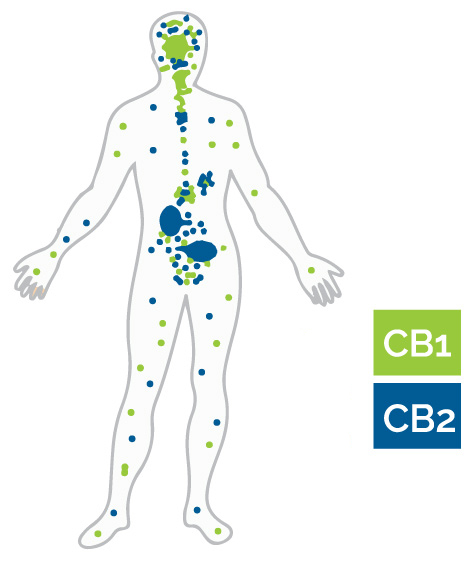
There are two main cannabinoid receptors – cannabinoid receptor type 1 (CB1) and cannabinoid receptor type 2 (CB2). 

An illustration of CB1 and CB2 receptors in the body and brain.

CB1 receptors are mostly found in the brain and impact a number of neurotransmitters, including GABA, glutamate, dopamine and serotonin. CB2 receptors, on the other hand, are mostly found within the immune system and blood cells (93-99).

However, it’s important to note that some CB1 receptors are still located outside the brain, and some CB2 receptors can be found within the brain. So, there is some overlap. 

According to Martin Lee, author of Smoke Signals: A Social History of Marijuana, cannabinoid receptors are more abundant in the brain than any other type of neurotransmitter receptor.

There are two different types of cannabinoids that can activate these receptors in your body:

  • Phytocannabinoids – plant-derived cannabinoids, such as tetrahydrocannabinol (THC) and cannabidiol (CBD) found in marijuana

  • Endocannabinoids – as mentioned before, these cannabinoids are produced naturally within the body. Anandamide is the main endocannabinoid in your body. It can be found in humans, but also many other animals and plants. It binds to both CB1 and CB2 receptors and has similar effects as THC. 2-Arachidonoylglycerol (2-AG) is another critical endocannabinoid in your body that also binds to the CB1 and CB2 receptors. Its effects are similar to CBD (100-107).


What Are the Benefits of Stimulating and Supporting Your Endocannabinoid System?

Modulating the activity of the endocannabinoid system has turned out to hold therapeutic promise in a wide range of disparate diseases and pathological conditions, ranging from mood and anxiety disorders, movement disorders such as Parkinson’s and Huntington’s disease, neuropathic pain, multiple sclerosis and spinal cord injury, to cancer, atherosclerosis, myocardial infarction, stroke, hypertension, glaucoma, obesity/metabolic syndrome, and osteoporosis, to name just a few.
— Dr. Pal Pacher, M.D., Ph.D

There is an increasing amount of research linking a number of illnesses and symptoms to low endocannabinoids levels, including:

Some researchers are convinced that when your body doesn’t produce enough endocannabinoids (anandamide and 2-AG), you’re more likely to develop these diseases.

They’ve even coined the term “Clinical Endocannabinoid Deficiency” to describe the problem (108). 

CDB receptor synapses.

But if you have one of the above conditions, don’t worry!

You can stimulate and support your endocannabinoid system naturally, which can lead to a number of brain and mental health benefits:

So without further ado, here are 26 ways to stimulate and support your endocannabinoid system naturally.


1. Cold Exposure

Cold exposure has been shown to increase endocannabinoid levels (1). 

Researchers have also found that cold exposure significantly increases the density of CB1 neurons (2). 

A man sitting outside in the freezing cold. Cold exposure stimulates the endocannabinoid system.

To support my endocannabinoid system, I take a cold shower every day, and often go outside with minimal clothing in the winter.

Try finishing your next shower with at least 30 seconds of cold water and see how you feel.

Then work your way up to longer periods of time.

It's painful to do, but the lingering effects are worth it.

You can also ease yourself into it by simply sticking your face in ice cold water.

Cold exposure also stimulates the vagus nerve.


2. Sex Hormones

Male and female sex hormones also stimulate and support the endocannabinoid system.

Both testosterone and estradiol have been shown to upregulate CB1 receptors (3-4). 

Estradiol also increases the synthesis and release of the endocannabinoids (anandamide), which activates CB1 receptors (5-6). 

And the plasma levels of anandamide correlate nicely with the levels of estrogen during the menstrual cycle in women (7). 

I recommend both men and women get their hormones checked regularly.

You can get your testosterone levels checked here and your estradiol levels checked here.

I used to have low testosterone and testosterone replacement therapy (TRT) really improved my brain and mental health when I used to take it.


3. Coffee

Drinking coffee is another way to stimulate and support your endocannabinoid system. 

Researchers believe that the cannabinoid system is involved in the psychoactive properties of caffeine (10). 

A cup of coffee on a plate with a spoon. Coffee supports and boost the endocannabinoid system.

Regular caffeine consumption has been shown to enhance the activation of CB1 receptors by endocannabinoids (8). 

CB1 receptors are downregulated after “social defeat stress”, but caffeine counteracts this effect (9). 

I drink one cup of coffee most mornings.

Coffee and caffeine can disrupt sleep though, so make sure you don’t drink it later in the day. I have my last cup sometime between 10 in the morning and noon. If I have it any later than that, it disrupts my sleep.

It's also a good idea to try to consume the whole coffee fruit, instead of just the coffee bean or pure caffeine. 

Traditionally, the coffee bean is extracted from the coffee fruit for roasting. And the surrounding fruit is discarded. 

But that’s a huge problem.

Because the coffee fruit contains several healthy compounds not found in coffee beans themselves.

And after years of careful clinical research, scientists have discovered that ingesting whole coffee fruit concentrate significantly increases brain function. 

Coffee fruit concentrate is included in the Optimal Brain supplement


4. Extra Virgin Olive Oil

Olive oil has numerous health benefits, particularly because of its strong anti-inflammatory effects.

It’s also been shown to upregulate CB1 receptors (11).

I add olive oil to my salads and sometimes even just take a tablespoon of it straight.

Be careful though. A lot of the cheap extra virgin olive oils in grocery stores are not actually “extra virgin.”

Investigations have found that there is a lot of fraud within the olive oil industry and many so-called extra virgin olive oils contains other cheaper, refined vegetable oils, such as soybean, corn and canola. 

This is discussed more in the book Extra Virginity: The Sublime and Scandalous World of Olive Oil.

Click here to subscribe

5. Cannabidiol (CBD) Oil

Cannabidiol (CBD) is one of the active cannabinoids in cannabis.

It is not psychoactive but it has a wide range of medical applications.

Research shows that CBD enhances the expression of CB1 receptors in the brain (12-13). 

CBD oil boosts the endocannabinoid system.

It also increases levels of 2-AG by preventing it from breaking down (14-15). 

I used to take CBD oil but no longer need to take it.

It reduced my stress, made me really sleepy and knocked me out before bed.


6. Flavonoids

Flavonoids are a diverse group of plant compounds found in almost all fruits and vegetables.

Chocolate, tea, wine, and some beans, herbs, spices, nuts and seeds contain them. Overall, the more colorful a food is, the richer it is in flavonoids.

Fruits and vegetables that are rich in flavinoids, which are known to stimulate the endocannabinoid system.

The following flavonoids inhibit fatty acid amide hydrolase (FAAH), which is the enzyme responsible for breaking down endocannabinoids (anandamide) (16):

  • Genistein

  • Kaempferol

  • 7-hydroxyflavone

  • 3,7-dihydroxyflavone

I try to eat as many fruits and vegetables as possible on a daily basis so that I’m consuming plenty of flavonoids.

It’s best to consume fruits and vegetables in their raw forms to receive the highest number of flavonoids (cooked fruits and vegetables have less).

Check out my Free Grocery Shopping Guide for Optimal Brain Health for a bunch of flavonoid-rich foods. 


7. Tea

Tea contains catechins, which are antioxidant compounds that have anti-inflammatory and neuroprotective effects.

Researchers have found that catechins in tea target and bind to cannabinoid receptors in the central nervous system (25-26).

Epigallocatechin gallate (EGCG) is the most well known catechin. It’s found in green tea. I take a concentrated green tea extract with EGCG to support my endocannabinoid system. 

Drinking tea can also lower cortisol, and green tea increases BDNF


8. Kava

Kava is a plant located in the western Pacific. The root of the plant is used medicinally to treat anxiety and sleep disorders because it causes relaxation without impacting cognitive performance. Some people say it feels like drinking alcohol (30-31). 

Researchers have evaluated commercially available kava supplements to see whether they bind to cannabinoid receptors. They found that yangonin, a compound in kava, binds to the CB1 receptor, and concluded that kava’s anti-anxiety effects may be because it stimulates the endocannabinoid system (32). 

I searched for kava supplements that include yangonin and found this one.

I personally don’t take kava anymore because I get a weird reaction from it and I found out I’m allergic to the plant. 

Click here to subscribe

9. Osteopathy

Osteopathy is a healing modality that emphasizes the treatment of disease by manipulating and massaging the bones, joints, and muscles. 

One study found that endocannabinoid levels increased by 168% on average after osteopathic treatment. (33). 

Practitioners of osteopathy are referred to as osteopaths. I saw an osteopath in Ottawa soon after my concussions in 2010. I had been suffering from constant dizziness, and his therapy completely reversed the dizziness. And it was permanent. The dizziness never came back. I was amazed and very grateful. 

I recommend finding an osteopath in your area if you’ve ever suffered a traumatic brain injury.

If you happen to be in the Ottawa area, go to the one that I did


10. Probiotics

Research suggests that some probiotics can stimulate and support the endocannabinoid system. 

In one study, researchers found that lactobacillus acidophilus, a specific probiotic species, increases the expression of CB2 receptors (53). 

Lactobacillus acidophilus is included in the Optimal Biotics supplement.

Probiotics have also been shown to stimulate the vagus nerve and help with depression

And here are five other ways to increase the good bacteria in your gut. 


11. Dark Chocolate

Most people know dark chocolate is rich in multiple antioxidants, such as flavonols and polyphenols, which reduce oxidative stress.

But interestingly, it also contains the endocannabinoid anandamide (54). 

Dark chocolate also other compounds that slow down the breakdown of anandamide, increasing the amount of anandamide that stimulates your endocannabinoid system (55-56). 

This is likely one reason why eating chocolate makes people feel so good.

Dark chocolate also increases BDNF and reduces cortisol.  


12. Reduce Stress

I highly recommend you try to do something every day to manage your stress because emotional stress has been shown to downregulate CB1 receptors (57-58). 

High cortisol levels for prolonged periods of time, such as those caused by chronically stressful circumstances, also reduces CB1 receptors and significantly reduces cannabinoid binding to CB1 receptors (59-62). 

On top of this, chronic psychological stress reduces endocannabinoid levels in the brain (63-66). 

A hand squeezing a stress ball. Reducing stress can support your endocannabinoid system.

Overall, researchers say there is strong evidence that the endocannabinoid system needs to function optimally in order to properly deal with stress (67). 

Some of my favourite ways to reduce stress include neurofeedback, meditation (using the Muse headband), massage, acupuncture, eye movement desensitization and reprocessing (EMDR), emotional freedom techniques (EFT), heart-rate variability (HRV) training, and using an acupressure mat. 

Some supplements that can help you reduce stress include zinc, magnesium, ashwagandha and phosphatidylserine.

This anti-anxiety supplement also includes a number of natural compounds that have personally helped me manage my stress over the years.

And here is an article with 20 other ways to lower your stress hormone, cortisol. 


13. Magnolia Officinalis

Magnolia Officinalis is a plant that has neuroprotective properties and relaxing effects.

It’s used in Chinese traditional medicine for the treatment of anxiety, depression and sleeping disorders. 

Researchers have found that Magnolia officinalis extract and its main bioactive constituents, magnolol and honokiol, can activate cannabinoid receptors (17). 

You can either supplement with an extract, or you can drink Magnolia tea. 

Both the tea and extract should be taken with a meal consuming fat because the active ingredients are fat soluble. 

Click here to subscribe

14. Exercise

Exercise is another great way to stimulate and support your endocannabinoid system.

Medium and high-intensity exercise has been shown to activate the endocannabinoid system (73). 

Research also shows that exercise significantly upregulates CB1 receptors and enhances CB1 receptor sensitivity, which is why exercise can protect against the consequences of stress (68, 72, 74). 

Exercise-related improvements in memory are also due to activation of the CB1 receptor. Blocking this receptor seems to prevent the memory benefits of exercise (69, 72). 

Several studies also show that exercise increases levels of anandamide and activates cannabinoid signaling (70-71). 

Illustration of people running. Exercise stimulates the endocannabinoid system.

And researchers now believe that endocannabinoids may actually be responsible for the “runner’s high” (euphoria) that you get when you exercise, and not endorphins (76-77). 

However, you shouldn’t force yourself to exercise. Forced exercise is seen by the endocannabinoid system as a type of stress, and therefore doesn’t increase endocannabinoid levels and can actually decrease CB1 signaling (75). 

So, you should find an aerobic activity that you enjoy so that it’s not a burden.

This is exercise routine I try to follow consistently:

  • Lift heavy weights 1-4 times per week

  • High-intensity interval sprinting 1-2 times per week

  • Walk as much as I can (ideally 30-60 minutes every day)

  • Run for 20-30 minutes before lifting weights


15. Palmitoylethanolamide

Palmitoylethanolamide (PEA) is a natural compound that has anti-inflammatory and neuroprotective effects, and low levels of PEA can contribute to chronic brain inflammation and pain (20). 

Research shows that PEA can alleviate pain and increase mood by enhancing endocannabinoid activity (18-19, 21-24).

PEA is naturally found within the body, but it’s also available as a supplement. It's even used for medical purposes in Italy and Spain. 


16. Omega-3 Fatty Acids

Omega-3 fatty acids are essential fats that your body cannot produce itself. They are necessary for the normal electrical functioning of your brain and nervous system.

Research shows that they increase the synthesis of endocannabinoids and upregulate both CB1 and CB2 receptors (78-79). 

There is also a connection between low omega-3 fatty acid intake, poor endocannabinoid function and mood changes (80). 

Omega-3 fatty acids are found primarily in cold water fish such as salmon, black cod, sablefish, sardines and herring.

Unfortunately, most people don't consume enough omega-3 fatty acids through their diet.

That’s why I recommend people supplement with krill oil, a special kind of fish oil that contains the essential omega-3 fatty acids. 

And you can read more about the importance of omega-3 fatty acids here

Click here to subscribe

17. Agmatine

Agmatine is a metabolite of the amino acid arginine.

It can help reduce pain, treat drug addiction, and protect the brain from toxins (27-28). 

It has been shown to enhance the painkilling effects of cannabinoids. It does this by increasing cannabinoid action and signalling through the CB1 receptor (29). 

My personal experience with agmatine is that it made me agitated, so I stopped taking it. But I don’t have any symptoms of pain. If you do, I think it’s worth trying.


18. Caryophyllene

Caryophyllene is a compound found in many plants and essential oils, including clove, rosemary, basil, oregano, lavender, and hops. It also contributes to the spiciness of black pepper (34). 

Caryophyllene has been shown to have anti-inflammatory, neuroprotective, antidepressant, anti-anxiety and anti-alcoholism effects (35, 40-41). 

These effects are likely because it binds to the cannabinoid receptors (36-37, 39, 42-43). 

It can also help reduce neuropathic pain through the CB2 receptor (38). 


19. Echinacea

Echinacea is a Native American medicinal plant and one of the most popular medicinal herbs.

People often use it to reduce flu symptoms and shorten the duration of the common cold. It’s also sometimes used to reduce anxiety and relieve fatigue.

Compounds in Echinacea, called alkylamides, have been shown to reduce inflammation by binding to the CB2 receptor (44, 46-47). 

Researchers have also found that alkylamides increase the effect of endocannabinoids (45). 


20. Black Truffle

Tuber melanosporum, also called the black truffle, is an edible mushroom native to Southern Europe.

Researchers have found that black truffles contain the endocannabinoid anandamide (49). 

Black truffle peelings can be added meals and go particularly well with mashed potatoes. 


21. Diindolylmethane (DIM)

Diindolylmethane (DIM) is an anti-carcinogenic compound found in cruciferous vegetables such as broccoli, cauliflower, Brussels sprouts, cabbage and kale.

DIM is one of the reasons why these foods are considered so healthy. 

Studies show that DIM reduces inflammation because it binds to CB2 receptors (50-51). 

You can also take it as a supplement.

Click here to subscribe


22. Ruta Graveolens

Ruta graveolens, commonly known as rue, is a medicinal herb.

Researchers have found that a compound within it binds to cannabinoid receptors (52). 

Rue can be taken as an extract.


23. Acmella Oleracea

Acmella Oleracea, also known as Electric Daisy, is a medicinal herb originating from the Amazon region. 

It contains phytocannabinoids and other compounds that can reduce pain and inflammation (81-82). 

It’s available as an extract.


24. Helichrysum Umbraculigerum

Helichrysum Umbraculigerum is a plant with anti-inflammatory and antioxidant properties, originating from South Africa.

It’s been used medicinally for thousands of years, especially in countries like Italy, Spain, and Portugal. 

Researchers have found that it has antidepressant effects likely because it contains cannabigerol, a phytocannabinoid that stimulates the endocannabinoid system (83-85). 

A number of different essential oils with Helichrysum Umbraculigerum are available.


25. Radula Marginata

Radula Marginata is a plant commonly found in New Zealand.

It contains cannabinoids and cannabinoid-like compounds that bind to CB1 receptors, activating the endocannabinoid system (86-90). 


26. Curcumin

Curcumin is the most heavily researched compound within turmeric, the spice that gives curry its yellow colour.  

Researchers have found that supplementing with curcumin for 4 weeks reduces depression by binding to the CB1 receptor and increasing endocannabinoid levels in the brain (155).

Curcumin is included in the Optimal Energy supplement.

Since curcumin is a fat soluble, take it with a fatty meal.  


Conclusion

As you can see, there are many different ways to stimulate your endocannabinoid system besides smoking cannabis.

And supporting this important system can lead to a number of brain and mental health benefits. 

I hope you implement some of these strategies into your regular routine and notice you feel better and live more optimally over time. 

If you think you know someone who might benefit from this article, please share it with them.


Enjoy This Article? You Might Also Like My FREE Food Guide for Optimal Brain and Mental Health!

Click here to subscribe

Live Optimally,

Jordan Fallis

Connect with me

References:

(1) http://www.jlr.org/content/57/3/464.short

(2) https://www.researchgate.net/publication/272355424_INCREASE_IN_THE_NUMBER_OF_CB1_IMMUNOPOSITIVE_NEURONS_IN_THE_AMYGDALOID_BODY_AFTER_ACUTE_COLD_STRESS_EXPOSURE

(3) https://www.ncbi.nlm.nih.gov/pubmed/24055403

(4) https://www.ncbi.nlm.nih.gov/pubmed/21412772

(5) https://www.ncbi.nlm.nih.gov/pmc/articles/PMC3697880/

(6) https://www.ncbi.nlm.nih.gov/pubmed/12393387/

(7) https://www.ncbi.nlm.nih.gov/pubmed/21227997

(8) https://www.ncbi.nlm.nih.gov/pubmed/19027757

(9) https://www.ncbi.nlm.nih.gov/pubmed/19027757

(10) https://www.ncbi.nlm.nih.gov/pubmed/19027757

(11) https://www.ncbi.nlm.nih.gov/pubmed/25533906

(12) https://www.ncbi.nlm.nih.gov/pubmed/18021759

(13) http://www.sciencedirect.com/science/article/pii/S016561470900128X

(14) https://www.ncbi.nlm.nih.gov/pmc/articles/PMC4301686/

(15) https://www.ncbi.nlm.nih.go

(16) https://www.ncbi.nlm.nih.gov/pmc/articles/PMC2931553/

(17) https://www.ncbi.nlm.nih.gov/pubmed/24900561

(18) https://www.ncbi.nlm.nih.gov/pmc/articles/PMC1621151/

(19) https://www.ncbi.nlm.nih.gov/pmc/articles/PMC2597234/

(20) https://en.wikipedia.org/wiki/Palmitoylethanolamide

(21) https://www.ncbi.nlm.nih.gov/pubmed/9685157

(22) https://www.ncbi.nlm.nih.gov/pubmed/11426841

(23) https://www.ncbi.nlm.nih.gov/pubmed/8739213

(24) https://www.ncbi.nlm.nih.gov/pubmed/21857095

(25) https://www.ncbi.nlm.nih.gov/pubmed/19897346

(26) https://www.ncbi.nlm.nih.gov/pmc/articles/PMC2931553/

(27) https://examine.com/supplements/agmatine/

(28) https://en.wikipedia.org/wiki/Agmatine

(29) https://wwwhttps://www.ncbi.nlm.nih.gov/pubmed/19538988ncbi.nlm.nih.gov/pubmed/19538988

(30) https://en.wikipedia.org/wiki/Kava

(31) http://www.umm.edu/health/medical/altmed/herb/kava-kava

(32) https://www.ncbi.nlm.nihttps://www.ncbi.nlm.nih.gov/pubmed/22525682.gov/pubmed/22525682

(33) https://www.ncbi.nlm.nih.gov/pubmed/16118355

(34) https://en.wikipedia.or

(35) https://en.wikipedia.org/wiki/Caryophyllene

(36) https://en.wikipedia.org/wiki/Caryophyllene

(37) https://www.ncbi.nlm.nih.gov/pmc/articles/PMC2931553/

(38) https://www.ncbi.nlm.nih.gov/pmc/articles/PMC2931553/

(39) http://www.pnas.org/content/105/26/9099.long

(40) http://www.europeanneuropsychopharmacology.com/article/S0924-977X(13)00302-7/abstract

(41) http://www.sciencedirect.com/science/article/pii/S0031938414003400

(42) https://www.ncbi.nlm.nih.gov/pmc/articles/PMC2449371/

(43) https://www.ncbi.nlm.nih.gov/pubmed/18574142

(44) https://www.ncbi.nlm.nih.gov/pmc/articles/PMC2931553/

(45) https://www.ncbi.nlm.nih.gov/pmc/articles/PMC2931553/

(46) http://www.jbc.org/content/281/20/14192.full.pdf

(47) https://www.ncbi.nlm.nih.gov/pubmed/16142631

(48) http://www.sciencedirect.com/science/article/pii/S0031942214004956

(49) http://www.sciencedirect.com/science/article/pii/S0031942214004956

(50) https://www.ncbi.nlm.nih.gov/pmc/articles/PMC2931553/

(51) https://www.ncbi.nlm.nih.gov/pubmed/19286662/

(52) https://www.ncbi.nlm.nih.gov/pubmed/19096995/

(53) https://www.ncbi.nlm.nih.gov/pubmed/17159985

(54) https://www.ncbi.nlm.nih.gov/pubmed/8751435

(55) https://www.ncbi.nlm.nih.gov/pmc/articles/PMC2931553/

(56) www.sacredchocolate.com/docs/sacredpdf/brain-cannabinoids-chocolate.pdf

(57) http://onlinelibrary.wiley.com/doi/10.1111/febs.12125/full#febs12125-bib-0082

(58) https://www.ncbi.nlm.nih.gov/pubmed/19027757

(59) https://www.ncbi.nlm.nih.gov/pmc/articles/PMC3706194/

(60) https://www.ncbi.nlm.nih.gov/pubmed/18058925/

(61) https://www.ncbi.nlm.nih.gov/pmc/articles/PMC3706194/

(62) https://www.ncbi.nlm.nih.gov/pubmed/21263035/

(63) https://www.ncbi.nlm.nih.gov/pmc/articles/PMC3706194/

(64) https://www.ncbi.nlm.nih.gov/pubmed/20439721/

(65) https://www.ncbi.nlm.nih.gov/pubmed/20348201

(66) http://www.ncbi.nlm.nih.gov/pmc/articles/PMC3817535/

(67) http://www.ncbi.nlm.nih.gov/pmc/articles/PMC3817535/

(68) https://www.ncbi.nlm.nih.gov/pmc/articles/PMC3055381/

(69) http://www.leafsciencehttp://

(70) http://www.leafscience.com/2013/11/04/study-memory-benefits-exercise-tied-cannabinoid-system/

(71) http://onlinelibrary.wiley.com/doi/10.1002/hipo.22206/abstract

(72) http://onlinelibrary.wiley.com/doi/10.1002/hipo.22206/abstract

(73) https://www.ncbi.nlm.nih.gov/pubmed/14625449

(74) http://www.os-extra.cannabisclinicians.org/wp-content/uploads/2015/12/ECSSCC-listing.pdf

(75) http://www.os-extra.cannabisclinicians.org/wp-content/uploads/2015/12/ECSSCC-listing.pdf

(76) https://www.ncbi.nlm.nih.gov/pubmed/26438875

(77) http://www.os-extra.cannabisclinicians.org/wp-content/uploads/2015/12/ECSSCC-listing.pdf

(78) http://docs.lib.purdue.edu/dissertations/AAI3444794/

(79) https://www.ncbi.nlm.nih.gov/pubmed/21278728

(80) https://www.ncbi.nlm.nih.gov/pubmed/21278728

(81) https://en.wikipedia.org/wiki/Cannabinoid

(82) https://www.ncbi.nlm.nih.gov/pubmed/18289087

(83) https://en.wikipedia.org/wiki/Cannabinoid

(84) https://www.ncbi.nlm.nih.gov/pubmed/18289087

(85) http://www.sciencedirect.com/science/article/pii/0031942279830253

(86) https://en.wikipedia.org/wiki/Radula_marginata

(87) http://cpb.pharm.or.jp/cpb/200210/c10_1390.pdf

(88) https://www.ncbi.nlm.nih.gov/pubmed/12372871

(89) https://en.wikipedia.org/wiki/Cannabinoid

(90) https://www.ncbi.nlm.nih.gov/pubmed/18289087

(91) https://www.ncbi.nlm.nih.gov/pubmed/23008748

(92) https://www.ncbi.nlm.nih.gov/pubmed/27554802

(93) https://www.ncbi.nlm.nih.gov/pmc/articles/PMC2241751/

(94) https://www.ncbi.nlm.nih.gov/pmc/articles/PMC3817535/

(95) http://www.nature.com/cdd/journal/v22/n10/full/cdd201511a.html

(96) https://www.ncbi.nlm.nih.gov/pubmed/21749363

(97) https://www.ncbi.nlm.nih.gov/pubmed/2165569

(98) https://www.ncbi.nlm.nih.gov/pubmed/1718258

(99) https://www.ncbi.nlm.nih.gov/pubmed/21295074

(100) http://www.leafscience.com/2013/11/04/study-memory-benefits-exercise-tied-cannabinoid-system/

(101) https://en.wikipedia.org/wiki/Anandamide

(102) https://www.ncbi.nlm.nih.gov/pubmed/9285589

(103) https://www.ncbi.nlm.nih.gov/pubmed/9915812

(104) http://www.nature.com/cdd/journal/v22/n10/full/cdd201511a.html

(105) https://www.ncbi.nlm.nih.gov/pubmed/21749363

(106) https://www.ncbi.nlm.nih.gov/pubmed/8751435

(107) https://www.ncbi.nlm.nih.gov/pubmed/9285589

(108) http://www.ncbi.nlm.nih.gov/pubmed/18404144

(109) https://www.ncbi.nlm.nih.gov/pmc/articles/PMC3817535/

(110) https://www.ncbi.nlm.nih.gov/pmc/articles/PMC2685476/

(111) https://www.ncbi.nlm.nih.gov/pmc/articles/PMC3817535/

(112) https://www.ncbi.nlm.nih.gov/pmc/articles/PMC2685476/

(113) http://thelancet.com/journals/lancet/article/PIIS0140-6736(10)60935-X/fulltext

(114) http://www.nel.edu/pdf_/25_12/NEL251204R02_Russo_.pdf

(115) https://www.ncbi.nlm.nih.gov/pmc/articles/PMC2685476/

(116) https://www.ncbi.nlm.nih.gov/pmc/articles/PMC2685476/

(117) http://www.leafscience.com/2013/11/04/study-memory-benefits-exercise-tied-cannabinoid-system/

(118) http://www.ncbi.nlm.nih.gov/pmc/articles/PMC3817535/

(119) https://www.ncbi.nlm.nih.gov/pubmed/16224541

(120) https://www.ncbi.nlm.nih.gov/pubmed/16037095

(121) http://www.jci.org/articles/view/25509

(122) http://www.leafscience.com/2013/11/04/study-memory-benefits-exercise-tied-cannabinoid-system/

(123) https://www.ncbi.nlm.nih.gov/pubmed/15044630

(124) http://www.ncbi.nlm.nih.gov/pubmed/21480865

(125) https://www.ncbi.nlm.nih.gov/pubmed/10716447

(126) https://www.ncbi.nlm.nih.gov/pubmed/11156943

(127) https://www.ncbi.nlm.nih.gov/pubmed/8569415

(128) https://www.ncbi.nlm.nih.gov/pubmed/9813364

(129) http://www.ncbi.nlm.nih.gov/pmc/articles/PMC2685476/

(130) https://www.ncbi.nlm.nih.gov/pmc/articles/PMC3817535/

(131) https://www.ncbi.nlm.nih.gov/pmc/articles/PMC2685476/

(132) http://www.

(133) https://www.ncbi.nlm.nih.gov/pmc/articles/PMC3817535/

(134) https://www.ncbi.nlm.nih.gov/pmc/articles/PMC2685476/

(135) https://www.ncbi.nlm.nih.gov/pubmed/22265864

(136) https://www.ncbi.nlm.nih.gov/pmc/articles/PMC3817535/

(137) https://www.ncbi.nlm.nih.gov/pmc/articles/PMC2685476/

(138) http://thelancet.com/journals/lancet/article/PIIS0140-6736(10)60935-X/fulltext

(139) http://www.nel.edu/pdf_/25_12/NEL251204R02_Russo_.pdf

(140) https://www.ncbi.nlm.nih.gov/pmc/articles/PMC3817535/

(141) https://www.ncbi.nlm.nih.gov/pmc/articles/PMC2685476/

(142) https://www.ncbi.nlm.nih.gov/pmc/articles/PMC2685476/

(143) https://www.ncbi.nlm.nih.gov/pmc/articles/PMC3817535/

(144) https://www.ncbi.nlm.nih.gov/pmc/articles/PMC2685476/

(145) https://www.ncbi.nlm.nih.gov/pubmed/15044630

(146) http://www.ncbi.nlm.nih.gov/pubmed/21480865

(147) https://www.ncbi.nlm.nih.gov/pubmed/10716447

(148) https://www.ncbi.nlm.nih.gov/pubmed/11156943

(149) https://www.ncbi.nlm.nih.gov/pmc/articles/PMC2685476/

(150) https://www.ncbi.nlm.nih.gov/pubmed/8569415

(151) https://www.ncbi.nlm.nih.gov/pubmed/9813364

(152) http://www.ncbi.nlm.nih.gov/pmc/articles/PMC2685476/

(153) http://www.nel.edu/pdf_/25_12/NEL251204R02_Russo_.pdf

(154) http://www.nel.edu/pdf_/25_12/NEL251204R02_Russo_.pdf

(155) https://www.ncbi.nlm.nih.gov/pubmed/22311129

Terms and Conditions

Privacy Policy

Affiliate Disclosure

Disclaimer