The 24 Best Natural Ways to Increase GABA Levels in the Brain

I suffered from severe and chronic anxiety and poor sleep for a large chunk of my life.

So I've always been interested in learning how to increase GABA levels and activate GABA receptors in the brain.

What is GABA? 

GABA is a neurotransmitter, which is a signaling compound in your nervous system.

It inhibits you, makes you more relaxed, stops you from worrying and overthinking, and reduces anxiety and stress.

GABA stands for Gamma-Aminobutyric Acid.

And it’s the main inhibitory neurotransmitter that you’ll definitely want to increase if you’re striving for optimal brain function and mental health.

Research shows that a reduction in the synthesis and release of GABA can lead to brain dysfunction and poor mental health.

So if you suspect you have low GABA levels, you’ll want to pay close attention to this article. 

In it, I explore the 24 best natural ways to increase GABA levels in the brain.

I’ll start by sharing my top 10 favorites. They have personally worked well for me in the past.

Then I’ll give you 14 other decent options as well.

Read on to learn more.
Proven-best-ways-how-to-increase-raise-boost-enhance-gaba-fast-quickly-naturally-anxiety-deficiency-brain-mental-health-symptoms-diseases-natural-treatment-supplements-vitamins-foods-diet-list-substances-things-neurotransmitter-benefits-low-levels-so

What Is GABA and What Does It Do in the Brain?

In the past, I’ve written articles about how to increase dopamine levels, enhance acetylcholine, and boost oxytocin levels in the brain. 

And, like GABA, these compounds are neurotransmitters (at least in part). 

But GABA has other functions.

It’s also an amino acid, which is a building block of protein.

But for today’s article, these other functions aren’t that important.

As a neurotransmitter, the main goal of GABA is inhibition.

GABA opposes “glutamate” in the nervous system, and glutamate promotes activation.

So you can imagine GABA as the break of a car, and glutamate is the gas pedal (1-6).

A common way many people influence their GABA system and quickly increase GABA levels in their brain is by drinking alcohol (7-11).

Although the real physiological effects are more complex, part of the reason most people feel very relaxed drinking alcohol is because it raises GABA levels and activates GABA receptors in the brain.

The same is true for benzodiazepines or “benzos”, which are a category of anti-anxiety and anti-insomnia drugs (12-16).

Obviously, there are problems with both of these approaches.

Sure, you can rely on alcohol and benzos to feel calm and relaxed fast.

But it’s not a particularly productive long-term strategy, as both interventions can be extremely addictive and come with side effects (17-25).

I personally struggled with alcohol and benzo addiction myself. It’s not a fun path to go down.

What’s more, GABA plays a major role in the withdrawal of alcohol and benzos.

So, either way you look at it, you’ll need a natural solution to increase GABA in your brain if you want to avoid alcohol and benzos or if you want to come off of them and minimize severe withdrawal symptoms.

By naturally increasing GABA levels in the brain, you can experience the following benefits:

  • Lowers stress and anxiety - Stress lowers GABA levels in some parts of your brain. But the opposite is also true. When you increase GABA levels, stress levels go down. Even during an acute stressful period or anxiety episode, increasing GABA will decrease your stress levels (26-30).

  • Normalises blood pressure and inhibits hypertension - Hypertension, or “high blood pressure”, is very much related to how well your brain functions, especially as you get older. Hypertension and depression are also interrelated in many studies, so it’s important to point out that GABA normalizes blood pressure (31-44).

  • Increase in sleep quality - Many different compounds, such as GABA, theanine, and valerian extract, affect GABA levels in the brain. These compounds then enhance sleep quality. You’ll get more deep sleep, spend more time dreaming, and fall asleep quicker. Many prescription drugs that affect GABA are used for sleep purposes as well, but are frequently unsustainable over the long run (54-60).

  • Enhance cognitive performance - Learning, memory, emotions, and cognitive processing are all affected by GABA. Furthermore, brain development and neurodegenerative diseases are also influenced by the GABA system. In the last decade or so, the focus on GABA research has actually shifted from relaxation alone, and now significantly focuses on cognition as well (61-68). 

  • Decreases psychiatric illness risk - Although the evidence isn’t too strong, schizophrenia and conditions on the autism spectrum might be related to GABA abnormalities in the brain as well (69-72). 

Click here to subscribe

My Top 10 Favourite Proven Ways to Naturally Increase GABA Levels in the Brain

1. Meditation

Quite a lot of research has looked into the relationship between meditation and GABA levels in the brain.

It turns out that meditation activates the “prefrontal cortex” in the brain. And when the prefrontal cortex is activated, another brain area called the thalamus increases GABA production (73-76).

By meditating over time, you will build a thicker prefrontal cortex.

The prefrontal cortex steers many higher brain functions, such as planning, inhibition control, and abstract thinking. But, by building this area, you will also improve your brain’s ability to produce GABA (77-80). 

But it doesn’t take long to start seeing benefits from meditation.

Researchers have found that a single meditation session leads to measurable improvements in the brain.

This effect happens with many different types of meditation, including mindfulness-styled meditations and “Transcendental Meditation” (75).

Meditation is one of my favourite daily activities and treatments to maintain my mental health.

I recommend the Muse headband to meditate. It gives you real-time feedback while you meditate. It makes meditation a lot more fun and tolerable.

I previously wrote about it here, and you can get it through the Muse website.


2. Magnesium

Magnesium is the “anti-stress mineral” (86). 

Magnesium reduces stress through many different mechanisms, such as making you more relaxed, improving the amount of deep sleep you get, and increasing GABA.

Research shows that magnesium increases the activity of GABA receptors in some parts of the brain (86).

Magnesium’s abilify to increase GABA activity is one of the main reasons why magnesium improves sleep, and increases the amount of deep sleep you get (90).

Animal studies also show that magnesium has anti-anxiety effects through the GABA system.

In one study, researchers found that if you take magnesium with a medication that interferes with GABA, there is a significant reduction in the anti-anxiety effects of magnesium (87-88).

It’s also important to point out that magnesium also decreases the activity of the glutamate system (89, 91).

Overactivity of the glutamate system can stimulate panic, anxiety, and fear.

More research is needed to clarify the interaction between GABA, magnesium, and glutamate. Current research is very promising though.

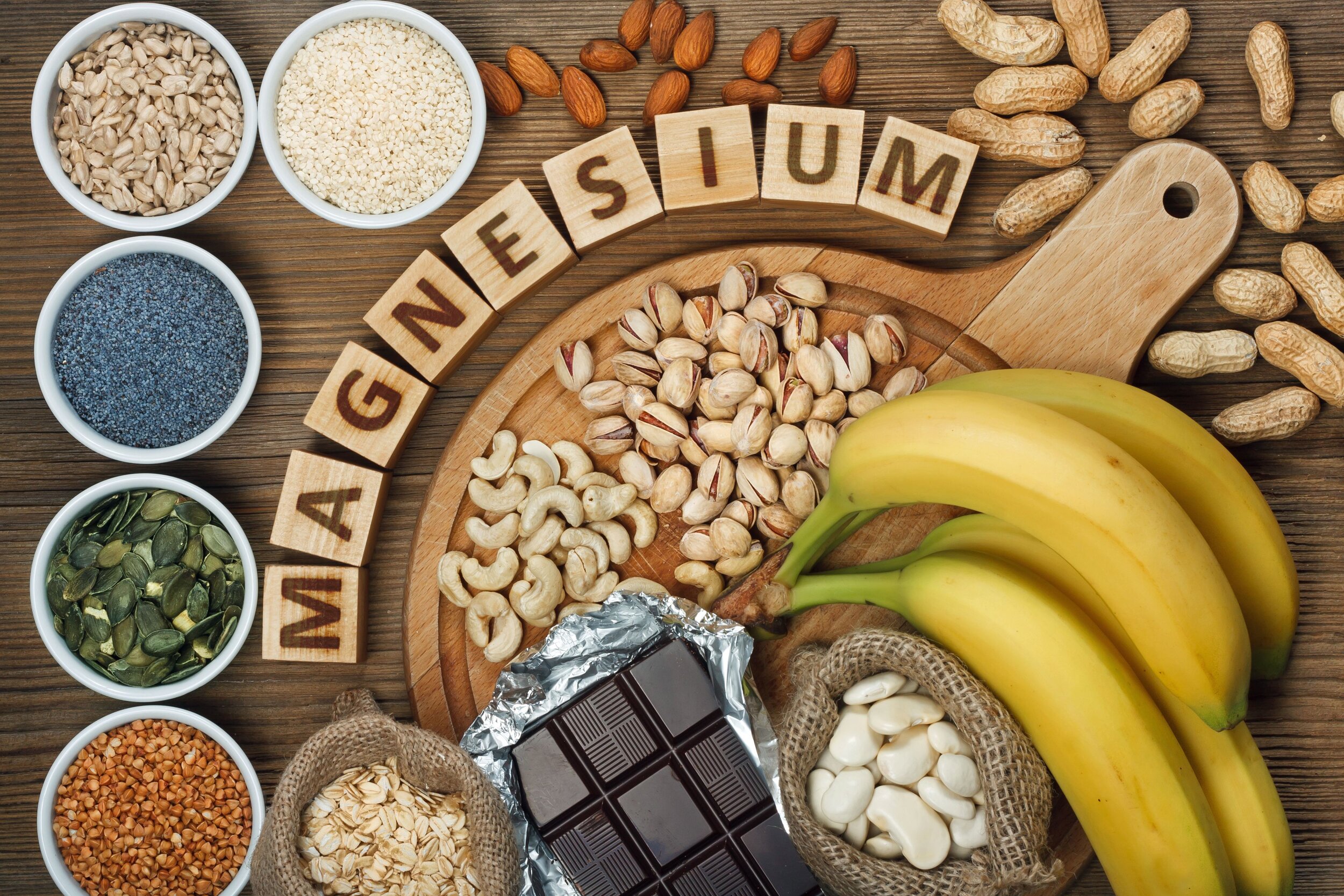
There are a number of things you can do to make sure you’re getting enough magnesium.

First, make sure you’re eating magnesium-rich foods on a regular basis, including:

  • Spinach

  • Chard

  • Pumpkin seeds

  • Almonds

  • Avocado

  • Dark chocolate

  • Bananas

These foods are included in my Free Grocery Shopping Guide for Optimal Mental Health.

You can also increase your body’s intake of magnesium by taking Epsom salt baths.

Supplementation is also a good idea for most people.

Magnesium is included in this supplement.


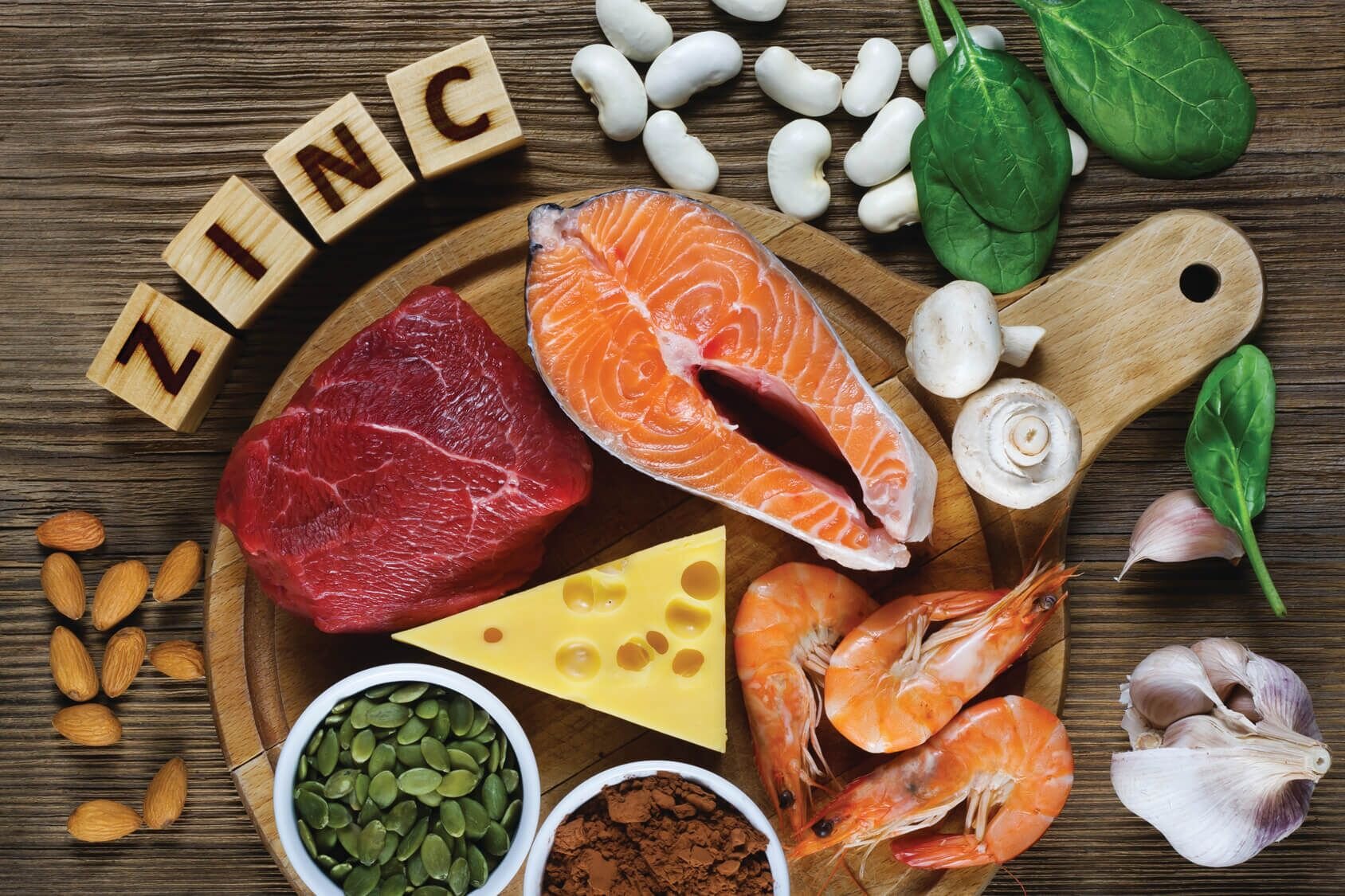
3. Zinc

Researchers have studied the relationship between zinc and the brain in great detail.

They have found that zinc is an essential mineral for mental health, especially if you have chronic anxiety.

Zinc plays a major role in both the glutamate and GABA systems. And having sufficient zinc levels in your brain is necessary for optimal GABA levels (100; 105-107).

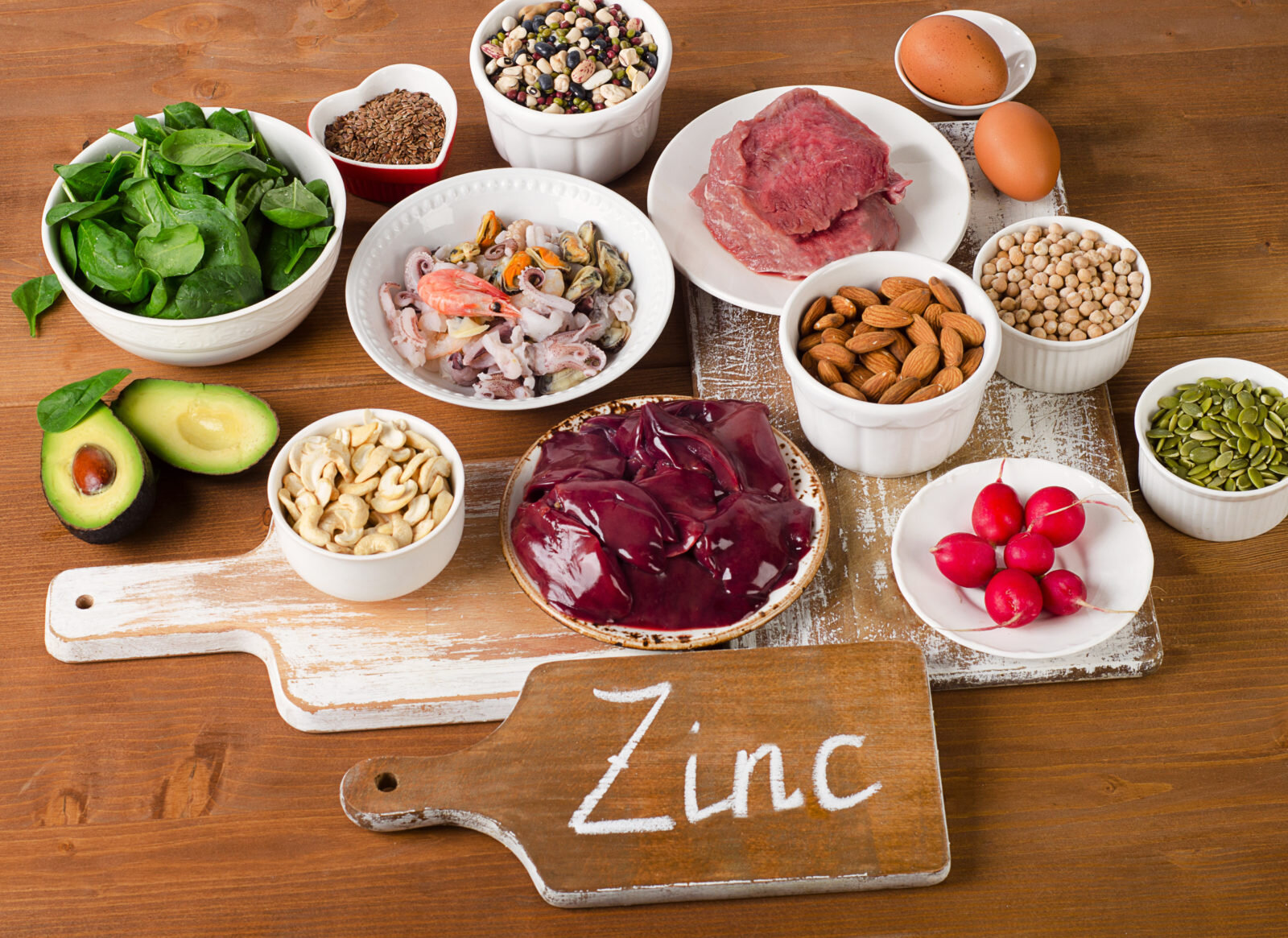
Here are some good sources of zinc:

  • Oysters

  • Grass-fed beef

  • Pumpkin seeds

  • Cashews

  • Mushrooms

  • Spinach

These foods are included in my Free Grocery Shopping Guide for Optimal Brain and Mental Health.

A severe zinc deficiency is somewhat rare in developed nations, but it’s very prevalent in developing nations (102-104).

Optimal levels are another story, though.

Many people today don’t have optimal levels of zinc, and most people aren’t getting the optimal amount of zinc for their brain function and mental health.

For that reason, I developed the Optimal Zinc supplement, which improves mood and decreases anxiety in many people. Its impact on GABA levels is one of the main reasons for these improvements.

Why should you worry about insufficient zinc intake?

Well, animal studies show that if your zinc intake is too low or insufficient for long enough, it eventually affects the zinc levels in the brain. The excitatory glutamate system can then become more predominant in some brain regions (108).

Zinc also counteracts excessive copper levels. Preliminary evidence shows that excessive copper levels can impede and reduce GABA in the brain (109-111).

Check out my previous post all about zinc and anxiety if you want to learn more about how zinc impacts anxiety levels and can contribute to stress.

Zinc can also stimulate your vagus nerve, which reduces anxiety.


4. Theanine

Theanine is one of the reasons why tea gives you a very relaxed and less stimulating experience than coffee.

Theanine is one of my favourite compounds because it stimulates many different brain signaling compounds (neurotransmitters). These neurotransmitters include dopamine, serotonin, and GABA (112).

Learning and memory also improve when you consume theanine. Theanine inhibits the “jittery” effects of caffeine, giving you a calm focus. The same is true for countering the side effects of cannabis (113-114).

Theanine also protects the brain cells associated with the GABA system. That’s part of the reason why you can use theanine as a cognitive enhancer. Theanine is sometimes used in brain conditions such as ADHD, for that reason (114).

If you’re interested in supplementing with theanine, this anti-anxiety supplement contains it. 


5. Taurine

Taurine is an amino acid, a building block for proteins (118). 

Taurine is mainly found in animal products such as meats and dairy (119-120).

By increasing your taurine intake, you will also increase both taurine levels and GABA levels in the brain (123).

Many people don’t know that taurine is also famous for its effect on the GABA system in the nervous system (121). 

Taurine has widespread effects on brain function. It affects nerve conductivity, promotes the regeneration of the nervous system, acts as an antioxidant, and more (122).

In fact, taurine is now being proposed as a pharmacological compound for pathologies that affect GABA receptors in the brain (122). Alcoholism, depression, and epilepsy come to mind here.

If you’re following a vegetarian diet, and especially if you’re following a vegan diet, I highly recommend supplementing with taurine. Taurine is inexpensive and frequently has positive effects on people’s brain health (124).

A final reason why taurine is important is that it affects your health in general in a significant way (125). How well your body handles blood sugar, heart disease risk, inflammation, and mitochondrial function are all affected by taurine. These domains, in turn, influence your brain health.

Taurine is included in the Optimal Calm supplement.

Click here to subscribe

6. Exercise

Not surprisingly, exercise is another natural way to increase GABA levels in your brain.

A huge number of studies have been carried out on exercise and GABA function in the brain (133-139). 

These studies are very difficult to perform on humans in an ethical way because you cannot open a human’s brain up after an experiment.

But animal studies show that exercise disinhibits GABA, resulting in neuroprotective effects. One bout of exercise is already sufficient for rats to receive these positive effects (134).

Research also shows that learning and memory are improved by exercise’s effect on GABA (139).

One of the only human studies investigating the effects of exercise on GABA showed a 20% increase in an area of the brain called the “sensorimotor cortex” (136).

The sensorimotor cortex is one of the main sensory and motor areas of the brain. An improved sensorimotor cortex aids complex thought, movement, and overall brain function (140).

Even though single sessions of exercise support GABA and increase GABA levels in the brain, the gains are also cumulative over time (137). 

So it’s important to exercise consistently over a longer period of time. You are more likely to increase and maintain optimal GABA levels that way.

Exercise can be a big chore for a lot of people, so I recommend finding some sort of sport or aerobic activity that you enjoy. That way you won’t get sick of it and you’ll exercise regularly.

Besides boosting GABA levels, exercise can also stimulate the vagus nerve, promote neurogenesis, and increase blood flow to the brain.

Many experts recommend exercise as their number one piece of advice for optimal brain health.

With more research over time, researchers speculate that they’ll better understand the impact of exercise on GABA levels and they will be able to:

“add to a growing understanding of the distinctive brain state associated with physical activity. A more complete understanding of this brain state may reveal important insights into mechanisms underlying the beneficial effects of physical exercise in neuropsychiatric disorders, neurorehabilitation, aging, and cognition.” (138).


7. Epigallocatechin Gallate / Green Tea

Epigallocatechin-3-Gallate (EGCG) is the main polyphenol found in green tea.

It’s been shown to have anti-inflammatory and neuroprotective effects (152).

EGCG also has a mechanism of action similar to benzodiazepine drugs. The compound works well to lower stress and anxiety, mainly by affecting GABA levels in the brain (153-156).

I personally drink organic green tea regularly, usually in place of coffee on days when I’m relaxing. 

However, it’s important to keep in mind that the body isn't very good at absorbing EGCG from green tea and distributing it to the brain and other tissues.

That's why researchers often use large dosages of concentrated EGCG in their studies instead of green tea.

But unfortunately, large doses of concentrated EGCG have been shown to cause liver toxicity.

So you could supplement with large dosages of concentrated EGCG and see some benefits.

But you'd be damaging your liver at the same time.

Not good.

So what should you do? How do you absorb EGCG and get the amazing benefits of it without damaging your liver? 

You take it with Vitamin C

Research shows that you can enhance the absorption and availability of EGCG by taking it with Vitamin C

That's why the Optimal Antiox supplement includes a small and safe amount of EGCG, plus 500 mg of Vitamin C

This significantly enhances the absorption of EGCG, and ensures you get all the brain and mental health benefits of EGCG (without the harm).


8. Probiotics
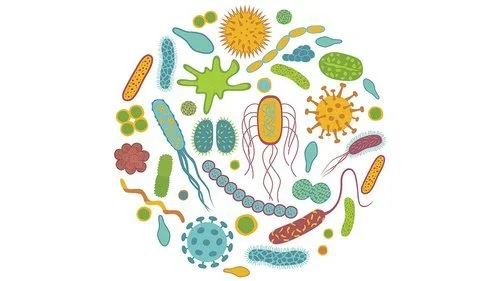
Probiotics are an extremely complex topic so I won’t go into too much detail here. 

But research suggests that certain probiotics can increase GABA and have a huge effect on the GABA system in your body, depending on the probiotic and strain (188-191).

I’ve formulated a probiotic blend myself, Optimal Biotics, with the goal of increasing GABA levels and lowering stress and anxiety.

If you struggle with anxiety, here are 9 probiotic strains that can help.

And make sure you read my other article on promoting healthy gut bacteria for brain health as well. 


9. Vitamin B6

Vitamin B6 is a key nutrient that supports your entire nervous system.

Vitamin B6 is responsible for how well GABA functions in your body (196-199).

As a result, having a deficiency in Vitamin B6 can definitely increase your anxiety.

In fact, Vitamin B6 levels have been shown to be significantly lower in individuals who have anxiety and panic attacks.

And unfortunately, quite a few people are Vitamin B6 deficient nowadays.

The number is as high as 12% in higher socioeconomic settings. In poorer environments, 30% of people or more might have Vitamin B6 insufficiency or deficiency (192-194).

Animal foods and some fruits and vegetables are great sources of Vitamin B6 (195).

Some of the best food sources of Vitamin B6 include potatoes, bananas and chicken.

But if you want to see quick improvements, you may want to try supplementing with Vitamin B6.

When I took antidepressants and benzodiazepines for my chronic anxiety, I took a Vitamin B6 supplement.

This is because psychiatric medication can actually further deplete Vitamin B6, increasing anxiety in the long run.

So if you take medication to manage your anxiety, or simply have anxiety and want to manage it better, I highly recommend supplementing with Vitamin B6.

That’s why I included it in the Optimal Calm supplement.


10. Sunlight

Exposing yourself to sunshine is one of the best natural ways to increase GABA levels in your brain.

When sunlight enters your eyes, it tells your body that it’s daytime. And at night, the absence of sunlight tells your body that you need to sleep, and your body increases the release of melatonin.

As you may be aware, this is called your “circadian rhythm”, and it’s heavily intertwined with GABA in your brain. Different types of light, such as visible light (colours of the rainbow), infrared (heat), and ultraviolet (which can give you sunburns) have different effects on the GABA levels in your brain (141-145).

Unfortunately, right now, many of the studies investigating the effects of light on GABA in the brain are animal studies. These animal studies, however, are extremely promising because ultraviolet light shows such a huge effect.

In studies blocking the effect of GABA activity in the brain, the circadian rhythm no longer responds adequately to light (146).

I personally get sunlight every single day to support my GABA and dopamine levels. My recommendation is to get some sunlight exposure in the early morning and in the afternoon. During the afternoon, make sure you get out of the sun before you get a sunburn.

Click here to subscribe

Other Effective Ways to Naturally Increase GABA Levels in the Brain

11. Alpha GPC

Alpha GPC is a source of choline that’s found in both foods and in your body (218-219).

A wide array of animal and plant foods contain tiny amounts of Alpha GPC. The compound is also sold as a supplement.

The GABA system is also affected by Alpha GPC intake. This effect is only confirmed in animal studies so far though (220).

Alpha GPC is also a powerful cognitive enhancer. It boosts dopamine, and has superior effects to caffeine in some studies (221-223).

Alpha GPC is also neuroprotective and likely lowers the risk of diseases such as Alzheimer’s and Parkinson’s.

Alpha GPC is included in the Optimal Brain supplement.

You can also find some choline in beef liver and egg yolks, but it’s better to take Alpha GPC because you get noticeable and immediate benefits.

Make sure you read this article to learn more about the remarkable benefits of Alpha GPC, the optimal dosage, and the best way to take it.


12. Valerian

Valerian (Valeriana officinalis) is a natural herb, and the root of the herb has traditionally been used to treat insomnia.

It’s extremely popular as a sleep medication herb because it has a strong effect on GABA in the brain.

Research shows that it binds to GABA receptors in the amygdala, a brain region associated with fear and anxiety. It also increases GABA levels and inhibits the breakdown of GABA in the brain (157-161). 

As a result of this, it creates a calming effect similar to anti-anxiety drugs like Xanax and Valium.

Valerian is sold as an over-the-counter supplement almost anywhere. Taking valerian results in both anti-anxiety, anti-pain, and sedative effects. These effects are perfect for promoting quality sleep.

And those effects mainly occur because of valerian’s abilify to increase GABA levels in the brain. 

This is why valerian is often called “Nature’s Valium”.

But unlike EGCG, which I had mentioned earlier, valerian doesn’t exactly mimic benzodiazepines. It has a different mechanism of action.

Valerian is one of the first herbal remedies I took many years ago to manage my anxiety at night and improve my sleep.

It’s included in this anti-anxiety supplement.

Valerian supplements typically include the roots and stems of the plant. 

But you can also take it as a tea or tincture if you want.


13. Chamomile

Chamomile is a flowery plant used for herbal infusions. It’s also sold as a supplement. 

It contains essential oils and flavonoids that can help you relax.

As a result, chamomile is often used as an anti-anxiety plant or sleep aid (162). 

And chamomile’s sedative and anti-anxiety effects almost certainly stem from its effects on GABA (163).

After treating yourself with a standard dose of chamomile for several weeks, it’s likely that your anxiety levels will go down if they were high to begin with (164). 

Researchers have found that oral supplementation of chamomile significantly reduces anxiety and stress in patients with generalized anxiety. 

Animal studies show that chamomile contains substances that act on the same parts of the brain as anti-anxiety drugs.

Apigenin, one of the main flavonoids in chamomile, reduces anxiety without sedation by enhancing GABA communication.

Chamomile’s effects on sleep are less well-proven and have not been extensively studied yet.

Feverfew, which is extremely similar to chamomile, is often used to counter migraines, and it also affects GABA (180-182).


14. Hops

For many people, hops or “Humulus lupulus” is a favourite compound because it’s found in beer. 

An extract of hops has been shown to increase GABA activity in the brain (165).

Hops also works as a sedative by influencing your circadian rhythm, which is the 24-7 day and night cycle in your brain and body.

Researchers have found that it increases sleep duration by increasing GABA (166-168).

The benefits of taking a hops supplement is that you don’t need to drink beer and alcohol to enjoy the relaxing GABA-boosting effect.


15. Lemon Balm

Lemon balm, or Magnolia Officinalis, is yet another herbal extract that increases GABA.

Lemon balm affects both the cannabinoid system and the GABA system, and lowers cortisol and reduces inflammation.

Research shows that lemon balm extract significantly reduces anxiety and stress in humans by increasing GABA levels in the brain (183-187).

As a result, lemon balm can help induce sleep, is neuroprotective, and works as an anti-anxiety compound. The end result is both more deep sleep and REM sleep.

Animal studies also show that it reduces stress and anxiety in rats by reducing stress hormones and increasing GABA. The effects are comparable to anti-anxiety medication.

Lemon balm is included in this anti-anxiety supplement.

Click here to subscribe

16. Passion Flower

Passion Flower represents a family of plants known as Passiflora.

There are about 500 known species of Passion Flower.

One species, Passiflora incarnata, has been shown to reduce anxiety and stress by increasing GABA levels in the brain.

In fact, Passion Flower's role in relation to GABA has been extensively researched (210-212). 

Due to its GABA increasing effects, Passion Flower reduces anxiety and certain types of pain.

Passion Flower may also have benefits in some neuropsychiatric disorders, although more human research is needed. 

Passion Flower is one of the first herbal remedies I took many years ago to manage my anxiety. It’s included in this anti-anxiety supplement.


17. Yoga

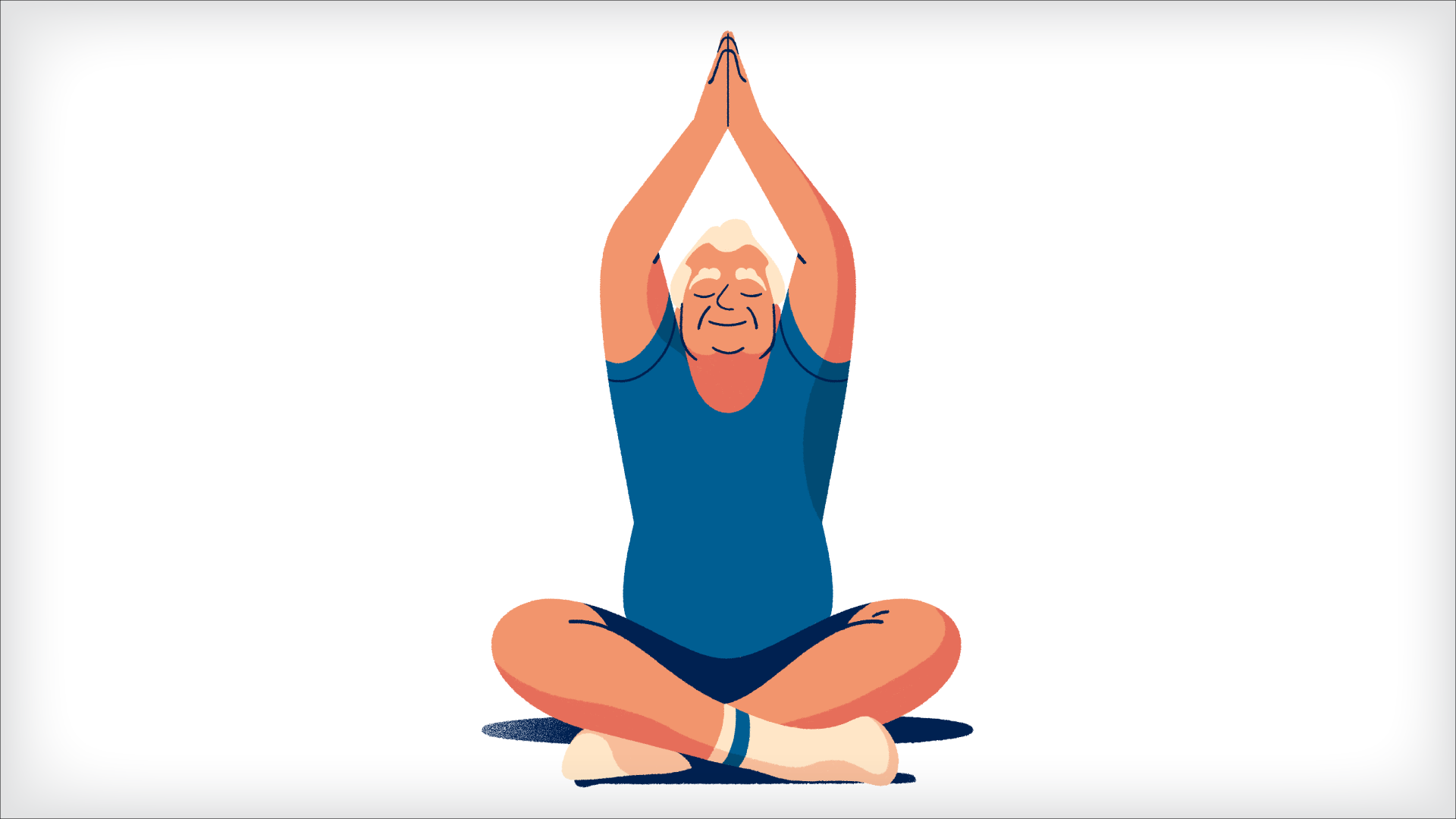
Yoga is a popular “mind-body” relaxation technique that increases the activity of your parasympathetic “rest and digest” nervous system.

Research shows that a single 60-minute yoga session can increase GABA levels in the brain by 27% (81). 

Many other studies confirm this outcome and show extremely positive effects on brain GABA levels during and after yoga (82-84).

The researchers also found, not surprisingly, that participants also experienced mood improvements and reductions in anxiety

These results are even applicable if you struggle with major depressive disorder, as researchers have found that mood can be significantly enhanced (83). 

However, even though an increase in GABA can be seen after just one session, studies show that there are bigger and better improvements in GABA levels after a longer period of time. For example, people often see further improvements and higher levels of GABA after going through a 12-week yoga program. 

So, for the best results, you will need to maintain the yoga practice over time. In fact, eight days after you stop yoga, the GABA levels in the brain drop back down again. Most of the studies use several yoga sessions per week to get their results.

Lastly, there’s also a strong relationship between GABA levels and activation of the parasympathetic nervous system (84). 

The parasympathetic nervous system is often called the “rest and digest” part of the nervous system. The “sympathetic nervous system”, on the contrary, is the “flight and flight” part of the nervous system that’s overactive when you’re very stressed. Yoga supports and activates the parasympathetic nervous system, which then leads to an increase in GABA activity in the brain.

Considering all of this, it’s not too surprising that there’s also a link between practicing yoga and your anxiety levels. Research shows that anxiety levels can drop by 14.7% after just one 2-hour yoga session (85). 

Despite all the great research, I’m personally not a big fan of yoga. A lot of people swear by it but it’s just not for me. I prefer meditation and tai chi.


18. GABA Supplements

GABA is not only a signaling compound for the nervous system (neurotransmitter) but you can also supplement with it (92). 

Many people claim to experience benefits from taking GABA as a supplement.

Some studies question its effectiveness though. The main reason for questioning that effectiveness is because GABA, as an oral supplement, might not travel from your blood to the brain.

GABA does seem to lower blood pressure, which could then improve brain performance (93).

And ingesting GABA isn’t unnatural. Many foods contain small quantities of the compound (99).

But right now, there’s very limited evidence for using GABA to lower stress levels and increase GABA levels in your brain (94). 

And the evidence for using GABA for sleep quality is also insufficient.

I personally don’t recommend taking GABA supplements because in most cases, it simply does not appear to cross the blood-brain barrier

I have never found any benefits or noticed any effects (positive or negative) from taking GABA supplements. They never reduced my anxiety, and therefore I don’t feel comfortable recommending them.

You’re better off just taking supplements that naturally increase GABA instead of taking GABA supplements directly.

However, there is another related compound called “phenibut” that works and can often help people. 

Phenibut is an altered variation of GABA with powerful anti-stress, anti-anxiety, pro-relaxation and pro-sleep quality effects.

Phenibut can travel through the blood to your brain and thus have a very strong effect on sleep quality and anxiety levels (95-98). 

The problem with phenibut is that it’s addictive like benzodiazepines and you could experience strong withdrawal effects if you take it regularly and then try to stop it. For this reason, I can’t recommend it. 

However, Phenibut is legal in most countries and you can buy it online. If you do decide to use it, you should only use it sparingly during special occasions when you really need to reduce your stress and anxiety, such as before an important nerve-wracking public speaking engagement or presentation.


19. Ashwagandha

Ashwagandha (Withania sominifera) is a popular Indian herb that has been used for more than 3000 years. It’s sometimes called the “Indian Ginseng”.

It’s known as an “adaptogen”, which is a compound that balances the body and restores normal bodily functioning after chronic stress.

It is typically used to inhibit stress and anxiety, but it also affects cognitive function, energy levels, well-being and sleep quality. 

It likely has all of these wide-ranging effects because it increases GABA activity and increases GABA levels in the brain (126).

Ashwagandha’s reputation as an adaptogen may be due to the positive effect it has on GABA levels.

As a result of its influence on GABA, ashwagandha might have an effect on many brain disorders, such as epilepsy, anxiety disorders, insomnia, and spasms (126). 

Ashwagandha has also long been known as a compound that can improve sleep quality. Both human and animal studies show this. But what the animal studies show is that improvements in GABA function explain the increase in sleep quality. Taking ashwagandha also activates GABA-related genes (128-132).

Ashwagandha is one of the main herbs I took to reduce stress and anxiety as I came off psychiatric medications.

It’s included in the Optimal Calm supplement.


20. Kava

Kava is a plant located in the western Pacific. The root of the plant is used medicinally to treat anxiety and sleep disorders because it causes relaxation without impacting cognitive performance. Some people say it feels like drinking alcohol.

It has been used for centuries to lower stress and anxiety

One of the mechanisms of kava is that it makes it easier for GABA to bind to its receptors. Kava also inhibits adrenaline (147-151).

Studies also show that kava works similarly to benzodiazepines like Xanax by activating and strengthening GABA receptors in the brain.

Kava is included in a lot of modern research because it can be a compound with fewer side effects than prescription medications with the same goal.

However, kava still has potential side effects, especially skin problems at higher doses. My recommendation is to follow instructions on the product you buy and cycle kava on and off.

I personally don’t take kava anymore because I get a weird reaction from it and I found out I’m allergic to the plant.

Click here to subscribe

21. Bacopa

Bacopa monnieri is a herb that has been used for thousands of years. It’s part of traditional Ayurveda. 

It’s commonly used to improve cognition and memory, but it’s also very good at reducing stress.

Animal studies prove that bacopa restores GABA receptors in some parts of the brain (169-172). 

As a result, bacopa may have effects on brain conditions such as epilepsy and anxiety.

In humans, bacopa works as a nootropic and may have positive effects for Alzheimer’s and dementia (173). 

Many other promising brain effects exist as well, such as increased blood flow in the brain.

In fact, one of the ways bacopa improves cognition is by simply reducing anxiety.

So if you have anxiety, and it negatively impacts your thinking, bacopa is a good choice.

I took a bacopa supplement for a while. I found that it made me really relaxed and sleepy. I eventually stopped taking it because it made me too sleepy. But if you have very severe anxiety, I really think it could be helpful.


22. Lavender

Everyone knows the peaceful and relaxing smell of lavender.

But what you might not know is that breathing the essential oil reduces anxiety and inhibits the glutamate system in the brain. 

Animal research also shows that it reduces anxiety in rats by increasing GABA (174-179).

As a result, lavender can significantly increase calmness, relieve restlessness and nervousness, and reduce emotional distress in people with anxiety disorders – without causing any unwanted side effects.

One study found that Silexan, an oral lavender oil capsule, is just as effective at reducing generalized anxiety as lorazepam, a common benzodiazepine. And it didn’t cause side effects or addiction like the anti-anxiety medication.

Lavender can also counter depression and activate your “rest and digest” parasympathetic nervous system.

Lavender essential oil can be taken orally, inhaled or applied to your skin.


23. Chinese Skullcap

Chinese skullcap is a herb that is part of traditional Chinese medicine.

The plant has anti-anxiety properties

Research shows that it increases GABA activity and binds to GABA receptors within the brain (205-208). 

Chinese skullcap can cause potential injuries and side effects from long-term use though, especially in the liver. So make sure to cycle this compound and follow the instructions on the label (209).


24. Black Seed Oil

Nigella sativa, more commonly known as Black Seed Oil, has been used as a natural remedy for more than 2000 years. 

It’s surprising more people haven’t heard of it because it’s actually one of the top-ranked evidence-based herbal medicines.

You can use it to increase GABA levels and decrease glutamate in your brain

Studies show that it significantly reduces anxiety-like behaviour in animals by increasing GABA levels (214-217).

Black seed oil is neuroprotective and has anti-anxiety and sedative effects, in part because of how it influences GABA.


Enjoy This Article? You Might Also Like My FREE Food Guide for Optimal Brain and Mental Health!
Click here to subscribe

Live Optimally,

Jordan Fallis

Connect with me

References:

(1) https://pubmed.ncbi.nlm.nih.gov/30252380/

(2) https://www.ncbi.nlm.nih.gov/books/NBK513311/

(3) https://pubmed.ncbi.nlm.nih.gov/2573696/

(4) https://pubmed.ncbi.nlm.nih.gov/21889518/

(5) https://pubmed.ncbi.nlm.nih.gov/25565970/

(6) https://en.wikipedia.org/wiki/%CE%93-Aminobutyric_acid

(7) https://pubmed.ncbi.nlm.nih.gov/15451394/

(8) https://pubmed.ncbi.nlm.nih.gov/16952998/

(9) https://pubmed.ncbi.nlm.nih.gov/18423561/

(10) https://pubmed.ncbi.nlm.nih.gov/12968126/

(11) https://pubmed.ncbi.nlm.nih.gov/12921221/

(12) https://pubmed.ncbi.nlm.nih.gov/6147796/

(13) https://pubmed.ncbi.nlm.nih.gov/19447010/

(14) https://pubmed.ncbi.nlm.nih.gov/10559379/

(15) https://pubmed.ncbi.nlm.nih.gov/11100148/

(16) https://en.wikipedia.org/wiki/Benzodiazepine

(17) https://pubmed.ncbi.nlm.nih.gov/6126869/

(18) https://pubmed.ncbi.nlm.nih.gov/15762817

(19) https://pubmed.ncbi.nlm.nih.gov/7439058/

(20) https://www.ncbi.nlm.nih.gov/pmc/articles/PMC4657308/

(21) https://pubmed.ncbi.nlm.nih.gov/27333729/

(22) https://pubmed.ncbi.nlm.nih.gov/11978808/

(23) https://pubmed.ncbi.nlm.nih.gov/18440057/

(24) https://www.ncbi.nlm.nih.gov/pmc/articles/PMC4065474/

(25) https://pubmed.ncbi.nlm.nih.gov/21353710/

(26) https://pubmed.ncbihttps://pubmed.ncbi.nlm.nih.gov/20002524/nlm.nih.gov/20002524/

(27) https://pubmed.ncbi.nlm.nih.gov/30154693/

(28) https://pubmed.ncbi.nlm.nih.gov/20634372/

(29) https://pubmed.ncbi.nlm.nih.gov/30791338/

(30) https://pubmed.ncbi.nlm.nih.gov/29168225/

(31) https://pubmed.ncbi.nlm.nih.gov/19811362/

(32) https://pubmed.ncbi.nlm.nih.gov/12233817/

(33) https://pubmed.ncbi.nlm.nih.gov/17071818/

(34) https://pubmed.ncbi.nlm.nih.gov/11564127/

(35) https://pubmed.ncbi.nlm.nih.gov/6317463/

(36) https://pubmed.ncbi.nlm.nih.gov/24270178/

(37) https://pubmed.ncbi.nlm.nih.gov/34957783/

(38) https://pubmed.ncbi.nlm.nih.gov/27977393/

(39) https://pubmed.ncbi.nlm.nih.gov/35185772/

(40) https://pubmed.ncbi.nlm.nih.gov/28299725/

(41) https://pubmed.ncbi.nlm.nih.gov/32829669/

(42) https://pubmed.ncbi.nlm.nih.gov/30139283/

(43) https://pubmed.ncbi.nlm.nih.gov/26252317/

(44) https://pubmed.ncbi.nlm.nih.gov/22343537/

(45) https://pubmed.ncbi.nlm.nih.gov/17117412/

(46) https://pubmed.ncbi.nlm.nih.gov/21889518

(47) https://pubmed.ncbi.nlm.nih.gov/34781862/

(48) https://pubmed.ncbi.nlm.nih.gov/17430150/

(49) https://pubmed.ncbi.nlm.nih.gov/16395415/

(50) https://www.ncbi.nlm.nih.gov/pmc/articles/PMC3268361/

(51) https://pubmed.ncbi.nlm.nih.gov/18696110/

(52) https://pubmed.ncbi.nlm.nih.gov/19120132/

(53) https://www.ncbi.nlm.nih.gov/pmc/articles/PMC5978385/

(54) https://www.ncbi.nlm.nih.gov/pmc/articles/PMC7527439/

(55) https://pubmed.ncbi.nlm.nih.gov/28993837/

(56) https://pubmed.ncbi.nlm.nih.gov/30707852/

(57) https://pubmed.ncbi.nlm.nih.gov/26052150/

(58) https://www.ncbi.nlm.nih.gov/pmc/articles/PMC6366437/

(59) https://www.ncbi.nlm.nih.gov/pmc/articles/PMC6031986/

(60) https://pubmed.ncbi.nlm.nih.gov/30263304/

(61) https://pubmed.ncbi.nlm.nih.gov/34382179/

(62) https://pubmed.ncbi.nlm.nih.gov/19909270/

(63) https://pubmed.ncbi.nlm.nih.gov/29283020/

(64) https://pubmed.ncbi.nlm.nih.gov/34830337/

(65) https://pubmed.ncbi.nlm.nih.gov/12871033/

(66) https://pubmed.ncbi.nlm.nih.gov/28986640/

(67) https://pubmed.ncbi.nlm.nih.gov/32346158/

(68) https://pubmed.ncbi.nlm.nih.gov/32107102/

(69) https://pubmed.ncbi.nlm.nih.gov/23634979/

(70) https://pubmed.ncbi.nlm.nih.gov/27148090/

(71) https://pubmed.ncbi.nlm.nih.gov/15658502/

(72) https://pubmed.ncbi.nlm.nih.gov/27145016/

(73) https://pubmed.ncbi.nlm.nih.gov/23022436/

(74) https://www.ncbi.nlm.nih.gov/pmc/articles/PMC4769029/

(75) https://pubmed.ncbi.nlm.nih.gov/34037436/

(76) https://pubmed.ncbi.nlm.nih.gov/10859661/

(77) https://pubmed.ncbi.nlm.nih.gov/22569185/

(78) https://pubmehttps://pubmed.ncbi.nlm.nih.gov/35704552/.ncbi.nlm.nih.gov/35704552/

(79) https://www.ncbi.nlm.nih.gov/pmc/articles/PMC1361002/

(80) https://pubmed.ncbi.nlm.nih.gov/26720411/

(81) https://pubmed.ncbi.nlm.nih.gov/17532734/

(82) https://pubmed.ncbi.nlm.nih.gov/20722471/

(83) https://pubmed.ncbi.nlm.nih.gov/31934793/

(84) https://pubmed.ncbi.nlm.nih.gov/22365651/

(85) https://pubmed.ncbi.nlm.nih.gov/20178291/

(86) https://www.ncbi.nlm.nih.gov/books/NBK507254/

(87) https://pubmed.ncbi.nlm.nih.gov/18799816/

(88) https://pubmed.ncbi.nlm.nih.gov/11447329/

(89) https://www.ncbi.nlm.nih.gov/pmc/articles/PMC5452159/

(90) https://pubmed.ncbi.nlm.nih.gov/23853635/

(91) https://www.ncbi.nlm.nih.gov/pmc/articles/PMC7761127/

(92) https://pubmed.ncbi.nlm.nih.gov/26500584/

(93) https://pubmed.ncbi.nlm.nih.gov/34444905/

(94) https://pubmed.ncbi.nlm.nih.gov/33041752/

(95) https://pubmed.ncbi.nlm.nih.gov/32340063/

(96) https://europepmc.org/article/med/11830761

(97) https://pubmed.ncbi.nlm.nih.gov/30852710/

(98) https://pubmed.ncbi.nlm.nih.gov/32791574/

(99) https://www.ncbi.nlm.nih.gov/pmc/articles/PMC5986471/

(100) https://pubmed.ncbi.nlm.nih.gov/14705143/

(101) https://www.healthdirect.gov.au/foods-high-in-zinc

(102) https://pubmed.ncbi.nlm.nih.gov/32627912/

(103) https://pubmed.ncbi.nlm.nih.gov/23209782/

(104) https://pubmed.ncbi.nlm.nih.gov/34660849/

(105) https://pubmed.ncbi.nlm.nih.gov/12640458/

(106) https://pubmed.ncbi.nlm.nih.gov/8553076/

(107) https://pubmed.ncbi.nlm.nih.gov/14561688/

(108) https://pubmed.ncbi.nlm.nih.gov/12704815/

(109) https://pubmed.ncbi.nlm.nih.gov/9749714/

(110) https://www.ncbi.nlm.nih.gov/pmc/articles/PMC1572144/

(111) https://pubmed.ncbi.nlm.nih.gov/12566921/

(112) https://pubmed.ncbi.nlm.nih.gov/17182482/

(113) https://pubmed.ncbi.nlm.nih.gov/35449538/

(114) https://pubmed.ncbi.nlm.nih.gov/35111479/

(115) https://pubmed.ncbi.nlm.nih.gov/34210222/

(116) https://pubmed.ncbi.nlm.nih.gov/29755410/

(117) https://pubmed.ncbi.nlm.nih.gov/19682571/

(118) https://en.wikipedia.org/wiki/Taurine

(119) https://pubmed.ncbi.nlm.nih.gov/2352336/

(120) https://pubmed.ncbi.nlm.nih.gov/32072297/

(121) https://pubmed.ncbi.nlm.nih.gov/28849446/

(122) https://pubmed.ncbi.nlm.nih.gov/30892104/

(123) https://pubmed.ncbi.nlm.nih.gov/18605241/

(124) https://pubmed.ncbi.nlm.nih.gov/18171928/

(125) https://www.ncbi.nlm.nih.gov/pmc/articles/PMC5933890/

(126) https://pubmed.ncbi.nlm.nih.gov/26068424/

(127) https://pubmed.ncbi.nlm.nih.gov/32305638/

(128) https://pubmed.ncbi.nlm.nih.gov/34559859/

(129) https://pubmed.ncbi.nlm.nih.gov/32818573/

(130) https://pubmed.ncbi.nlm.nih.gov/31728244/

(131) https://pubmed.ncbi.nlm.nih.gov/32540634/

(132) https://pubmed.ncbi.nlm.nih.gov/35465115/

(133) https://pubmed.ncbi.nlm.nih.gov/31326567/

(134) https://pubmed.ncbi.nlm.nih.gov/19261870/

(135) https://pubmed.ncbi.nlm.nih.gov/30037768/

(136) https://pubmed.ncbi.nlm.nih.gov/29159914/

(137) https://pubmed.ncbi.nlm.nih.gov/18801833/

(138) https://pubmed.ncbi.nlm.nih.gov/26911692/

(139) https://pubmed.ncbi.nlm.nih.gov/34214757/

(140) https://neuroscientificallychallenged.com/glossary/sensorimotor-cortex

(141) https://pubmed.ncbi.nlm.nih.gov/18258754/

(142) https://pubmed.ncbi.nlm.nih.gov/3194426/

(143) https://pubmed.ncbi.nlm.nih.gov/2542759/

(144) https://pubmed.ncbi.nlm.nih.gov/11600682/

(145) https://pubmed.ncbi.nlm.nih.gov/23033071/

(146) https://pubmed.ncbi.nlm.nih.gov/2549220/

(147) https://pubmed.ncbi.nlm.nih.gov/12383029/

(148) https://pubmed.ncbi.nlm.nih.gov/1332016/

(149) https://pubmed.ncbi.nlm.nih.gov/7701051/

(150) https://pubmed.ncbi.nlm.nih.gov/26527536/

(151) https://pubmed.ncbi.nlm.nih.gov/23635869/

(152) https://en.wikipedia.org/wiki/Polyphenol

(153) https://pubmed.ncbi.nlm.nih.gov/16859659/

(154) https://pubmed.ncbi.nlm.nih.gov/16457806/

(155) https://pubmed.ncbi.nlm.nih.gov/15451406/

(156) https://pubmed.ncbi.nlm.nih.gov/12083865/

(157) https://pubmed.ncbi.nlm.nih.gov/14742369/

(158) https://pubmed.ncbi.nlm.nih.gov/18602406/

(159) https://pubmed.ncbi.nlm.nih.gov/7979830/

(160) https://pubmed.ncbi.nlm.nih.gov/25066015/

(161) https://pubmed.ncbi.nlm.nih.govhttps://pubmed.ncbi.nlm.nih.gov/25419570/25419570/

(162) https://www.ncbi.nlm.nih.gov/pmc/articles/PMC2995283/

(163) https://pubmed.ncbi.nlm.nih.gov/28730280/

(164) https://pubmed.ncbi.nlm.nih.gov/31006899/

(165) https://pubmed.ncbi.nlm.nih.gov/22849837/

(166) https://pubmed.ncbi.nlm.nih.gov/33177986/

(167) https://pubmed.ncbi.nlm.nih.gov/32001220/

(168) https://www.ncbi.nlm.nih.gov/pmc/articles/PMC7591795/

(169) https://pubmed.ncbi.nlm.nih.gov/20821261/

(170) https://pubmed.ncbi.nlm.nih.gov/20153260/

(171) https://pubmed.ncbi.nlm.nih.gov/22364254/

(172) https://pubmed.ncbi.nlm.nih.gov/20451596/

(173) https://www.ncbi.nlm.nih.gov/pmc/articles/PMC3746283/

(174) https://pubmed.ncbi.nlm.nih.gov/23524167/

(175) https://www.ncbi.nlm.nih.gov/pmc/articles/PMC5437114/

(176) https://pubmed.ncbi.nlm.nih.gov/18323320/

(177) https://www.ncbi.nlm.nih.gov/pmc/articles/PMC6007527/

(178) https://pubmed.ncbi.nlm.nih.gov/28579958/

(179) https://www.ncbi.nlm.nih.gov/pmc/articles/PMC3612440/

(180) https://www.ncbi.nlm.nih.gov/pmc/articles/PMC8105190/

(181) https://www.ncbi.nlm.nih.gov/pmc/articles/PMC7070237/

(182) https://pubmed.ncbi.nlm.nih.gov/19441011/

(183) https://pubmed.ncbi.nlm.nih.gov/28517911/

(184) https://pubmed.ncbi.nlm.nih.gov/21501091/

(185) https://pubmed.ncbi.nlm.nih.gov/22771461/

(186) https://pubmed.ncbi.nlm.nih.gov/33950239/

(187) https://pubmed.ncbi.nlm.nih.gov/21518336/

(188) https://pubmed.ncbi.nlm.nih.gov/31677091/

(189) https://pubmed.ncbi.nlm.nih.gov/35586927/

(190) https://pubmed.ncbi.nlm.nih.gov/35699653/

(191) https://pubmed.ncbi.nlm.nih.gov/36005593/

(192) https://pubmed.ncbi.nlm.nih.gov/27598193/

(193) https://pubmed.ncbi.nlm.nih.gov/21034879/

(194) https://pubmed.ncbi.nlm.nih.gov/18469270/

(195) https://www.healthline.com/health/vitamin-b6-foods

(196) https://pubmed.ncbi.nlm.nih.gov/14534310/

(197) https://pubmed.ncbi.nlm.nih.gov/11587709/

(198) https://pubmed.ncbi.nlm.nih.gov/11543957/

(199) https://pubmed.ncbi.nlm.nih.gov/22088923/

(200) https://pubmed.ncbi.nlm.nih.gov/20540981/

(201) https://pubmed.ncbi.nlm.nih.gov/15589332/

(202) https://pubmed.ncbi.nlm.nih.gov/2464409/

(203) https://pubmed.ncbi.nlm.nih.gov/19591188/

(204) https://pubmed.ncbi.nlm.nih.gov/35523992/

(205) https://pubmed.ncbi.nlm.nih.gov/19865069/

(206) https://pubmed.ncbi.nlm.nih.gov/18066140/

(207) https://pubmed.ncbi.nlm.nih.gov/21377498/

(208) https://pubmed.ncbi.nlm.nih.gov/9776664/

(209) https://pubmed.ncbi.nlm.nih.gov/31644066/

(210) https://www.ncbi.nlm.nih.gov/pmc/articles/PMC7766837/

(211) https://pubmed.ncbi.nlm.nih.gov/20382514/

(212) https://pubmed.ncbi.nlm.nih.gov/26912265/

(213) https://en.wikipedia.org/wiki/Nigella_sativa

(214) https://www.ncbi.nlm.nih.gov/pmc/articles/PMC2896676/

(215) https://pubmed.ncbi.nlm.nih.gov/27849392/

(216) https://pubmed.ncbi.nlm.nih.gov/21857076/

(217) https://pubmed.ncbi.nlm.nih.gov/31823399/

(218) https://en.wikipedia.org/wiki/Alpha-GPC

(219) https://examine.com/supplements/alpha-gpc/research/

(220) https://pubmed.ncbi.nlm.nih.gov/8726961/

(221) https://www.ncbi.nlm.nih.gov/pmc/articles/PMC8235064/

(222) https://www.ncbi.nlm.nih.gov/pmc/articles/PMC4595381/

(223) https://www.frontiersin.org/articles/10.3389/fncel.2022.988759/full

Terms and Conditions

Privacy Policy

Affiliate Disclosure

Disclaimer

16 Powerful Ways to Quickly Increase Your NAD Levels

Nicotinamide adenine dinucleotide (NAD) is a very important coenzyme in your body.  

It exists in two forms: NAD+ and NADH. 

NAD+ is more important to pay attention to though.  

Because when you have higher levels of NAD+, you’re healthier and have more vitality.  

And when you have low levels of NAD+, you feel sick and weak. 

Some researchers refer to NAD+ as the “molecule of youth” because NAD+ levels dramatically drop as we age. 

But lower NAD+ levels aren’t simply a sign of aging.  

Even in younger individuals, poor nutrition and unhealthy lifestyle choices can lead to lower NAD+ levels.  

Low physical and mental energy is one of the first signs that your NAD+ levels aren’t as high as they could be. 

But it goes beyond that.  

Your thinking may be slower, you might have memory problems, or you're just not as quick and agile as you used to be. 

Luckily, there are a number of ways to naturally increase your NAD+ levels.  

This post shares the 16 best natural ways.  

Some of the benefits you’ll experience by increasing your NAD+ levels include better memory, enhanced endurance, and improved mental clarity.  

Continue reading to learn how to raise your NAD+ levels naturally. 

how-to-increase-nad-levels-naturally-raise-in-brain-cells-body-niacin-supplement-precursors-foods-nicotinamide-riboside-intermittent-fasting-mitochondria-nmn-make-sources-niagen-nadh-ratio-boost-production-benefits-research.jpg

The Role of NAD+ and How Increasing NAD+ Benefits Your Brain 

NAD+ is found in all living cells, helping the body renew, regenerate and repair itself. 

It’s involved in hundreds of metabolic processes and absolutely necessary for healthy metabolism. 

It also plays a significant role in supporting your mitochondria and increasing energy production in your body and brain cells. 

In fact, when scientists purposely decrease NAD+ levels, cells die because they are unable to generate energy (30).  

In a nutshell, we can’t function without NAD+.  

This is a huge problem because NAD+ levels have been shown to decline over time as you age.  

Your body simply creates less of it as you get older. 

We experience increased DNA damage, which leads to lower levels of NAD+ (31-32).  

And as levels of NAD+ decline in the body, mitochondrial functioning is impaired. 

Your brain cells contain a lot of mitochondria, and they become much weaker when NAD+ levels decline.  

This can lead to an increased risk of mental health and neurodegenerative diseases.  

So not surprisingly, low NAD+ levels have also been associated with several diseases, even in younger individuals.  

People with chronic fatigue syndrome are very likely to have low NAD+ levels, and research shows that taking supplements that increase NAD+ can help them (33-34).  

In patients with multiple sclerosis, there are lower levels of NAD+ in the nervous system. And supplementing with NAD+ precursors has been shown to reduce the pathogenesis of MS in animals (35-36).  

And treatment with oral NAD+ precursors has been shown to improve cognitive functioning in patients with Alzheimer’s disease, Parkinson's disease, depression (37-39).  

So without further ado, here are 16 ways to increase your NAD+ levels.


1. Exercise

how-to-increase-nad-levels-naturally-raise-in-brain-cells-body-niacin-supplement-precursors-foods-nicotinamide-riboside-intermittent-fasting-mitochondria-nmn-make-sources-niagen-nadh-ratio-boost-production-benefits-research.jpg

Exercise is one of the best ways to raise your NAD+ levels. 

It’s easily accessible and free, and many doctors and researchers recommend exercise as their number one piece of advice for optimal brain health. 

Researchers have observed an increase in intracellular NAD+ levels after exercise (1).  

Exercise can be a big chore for a lot of people, so I recommend finding some sort of sport or aerobic activity that you enjoy. That way you won’t get sick of it and you’ll exercise regularly. 

Besides increasing NAD+, exercise also induces autophagy in the brain, increases dopamine and BDNF and IGF-1, and increases blood flow to the brain


2. Ketogenic Diet

A ketogenic diet is a very high-fat, low-carb diet.  

To follow the diet, you need to get most of your calories from healthy fats, and no more than 10 percent of calories from carbs (less than 50 grams of carbs per day).  

When you restrict carbohydrate-rich foods – such as grains, sugar, and even potatoes, legumes and fruit – your body enters “ketosis”, a metabolic state in which your body and brain run on fatty acids and “ketones” instead of glucose.  

And this can be beneficial and increase your NAD+ levels.  

More than one study has shown that a ketogenic diet significant increases NAD+ levels in the brain (3, 6).  

And some researchers think that the main reason a ketogenic diet benefits people with brain disorders is because it increases NAD+ (4).  

Some of the best foods to eat if you follow a ketogenic diet include coconut oil, olive oil, pastured eggs, ghee, grass-fed meat, avocado, nuts and seeds.  

These foods are included in my Free Grocery Shopping Guide for Optimal Brain Health

I follow a ketogenic diet every so often, but not for long stretches of time due to the long-term side effects.  

Studies also show that beta-hydroxybutyrate, a ketone, preserve NAD+ levels in the brain (5-6).  

And animal research has found that the injection of ketones after a stroke increases brain NAD+ levels, which improves neurological and mitochondria function (7). 


3. Intermittent Fasting

how-to-increase-nad-levels-naturally-raise-in-brain-cells-body-niacin-supplement-precursors-foods-nicotinamide-riboside-intermittent-fasting-mitochondria-nmn-make-sources-niagen-nadh-ratio-boost-production-benefits-research.jpeg

Fasting allows your digestive system to take a break and triggers the release of a number of hormones and enzymes that boost your body’s ability to repair itself.  

NAD+ is one of the coenzymes that appears to increase.  

Research shows that NAD+ levels rise when you restrict calories and/or fast intermittently (2). 

I personally eat all my food for the day within an 8-hour window, and then fast for the other 16 hours of the day.  

You don’t need to go that long, but you should try to fast for at least 12 hours at a time.  

The best way to get started is simply by eating dinner around 6, not eating anything after that before bed, and then eating a regular breakfast the next day.  

That should give you about 12-14 hours of fasting time. 


4. Low-Level Laser Therapy

Low-level laser therapy (LLLT), or photobiomodulation, is a treatment that can improve your brain function and mental health.  

The treatment involves the use of low-power lasers or light-emitting diodes (LEDs) that emit red and infrared light. 

You can shine this light on your head, it penetrates the skull and stimulates your brain cells.  

This helps your brain function much better. 

Dr. Norman Doidge, a psychiatrist and researcher who teaches at the University of Toronto, discusses the amazing effects of LLLT in his book The Brain’s Way of Healing

Research shows that LLLT enhances the synthesis of NAD and ATP in the mitochondria (28-29).  

I use this device and shine the red and infrared light on my forehead for 5 minutes every day. I also shine it on other parts of my head and on my entire body, including on my thyroid, thymus gland and gut. I experience incredible benefits from doing this. 

When I’m travelling to visit family and friends, I take this smaller and more convenient device with me and shine it on my forehead. 

I’ve also been using the Vielight Neuro Duo, which is a transcranial-intranasal headset with 810 nm of near infrared light. It penetrates deeper into brain tissue and is absorbed better by the central nervous system. If you decide to try a Vielight device, you can use the coupon code JORDANFALLIS for a 10% discount. 

You can learn about how I use these devices in my LLLT article. I highly recommend reading the article if you want to try this treatment yourself. 

LLLT can also increase dopamine and IGF-1 levels, and increase blood flow to the brain.  

Click here to subscribe

5. Nicotinamide Riboside

Nicotinamide riboside is a natural compound and the precursor to NAD+. It can be taken as a supplement.  

Once it’s within your body, nicotinamide riboside is converted into NAD+. It then increases NAD+ levels and improves mitochondrial function (10).  

Scientists have reported that a single dose of nicotinamide riboside can increase NAD+ levels in the blood by as much as 2.7-fold (27).  

And one animal study found that supplementing with nicotinamide riboside can restore cognitive function by increasing NAD+ levels in the brain (9). 


6. Malic Acid

Malic acid, also known as malate, is an intermediate of the Krebs cycle.  

It’s a key step in the pathway of energy production by the mitochondria.  

And it has a number of health benefits. 

Malic acid has been shown to greatly increase NAD+ and strongly increase the NAD/NADH ratio (11).  

It’s included in the Optimal Energy supplement


7. Sauna Sessions

When it comes to improving your health, some of the simplest strategies can have a huge impact.  

Using a sauna regularly is one of them. 

Research shows that the heat shock from sauna sessions result in an increase in cellular NAD+ (8).  

Once you start using a sauna, you should listen to your body to determine how much time you should spend in it. Start out slowly and increase the length of your sessions over time.  

Also, make sure to drink lots of water before and after each session, and never consume alcohol in combination.  

Check out this post to learn more about saunas and the 13 ways they can improve your brain and mental health. 


8. Resveratrol

Resveratrol is a beneficial antioxidant and anti-inflammatory compound found in grapes, red wine, raspberries and dark chocolate.  

It’s known to help prevent the development of neurodegenerative diseases.  

And researchers are starting to understand why. 

Resveratrol has been shown in several studies to enhance NAD+ synthesis and increase NAD+ levels in human brain cells (12-14).  

It’s also been shown to increase BDNF, IGF-1, synaptogenesis, autophagy and blood flow.  

To consume enough resveratrol to increase NAD+, you’ll need to supplement with it

Resveratrol is included in this supplement.

Click here to subscribe

9. Apigenin

Apigenin is an antioxidant compound found in a wide variety of plants and herbs. 

Research shows that consuming apigenin results in higher intracellular NAD+ levels (15-16).  

You can’t supplement with pure apigenin because it’s unstable by itself but high amounts of apigenin can be found in certain foods and herbs, such as chamomile and bacopa.  

It can also be found in parsley, onions, oranges. These foods are included in my Free Grocery Shopping Guide for Optimal Brain Health


10. Leucine

Leucine is one of three branched chain amino acids (BCAA).  

It's an essential amino acid, meaning you’ll need to get it from food or supplements.  

Athletes and bodybuilders often take it as a supplement because it helps increase energy, improve strength and build muscle. 

Research shows that leucine supplementation increases intracellular NAD+ levels and prevents mitochondrial dysfunction (17-18).  

You can get leucine from protein-rich foods, such as fish, chicken and turkey.  These foods are included in my Free Grocery Shopping Guide for Optimal Brain Health

But you may want to supplement with it if your goal is to increase NAD+. It’s included in this supplement.


11. Reduce Inflammation

Reducing inflammation throughout your entire body is a key step towards increasing your NAD+ levels naturally. 

Research shows that chronic inflammation impairs the synthesis of NAD+ and significantly reduces NAD+ levels (23).  

There are many causes of chronic inflammation, including infections, mold, brain injuries, and leaky brain.  

But one of the most common causes – and the one you have the most control over – is your diet.  

That’s why I recommend following an anti-inflammatory diet and avoiding foods such as gluten and dairy that can trigger inflammation in the gut and brain.  

You should also remove processed food from your diet, and increase your intake of vegetables, fruits, wild fish, grass-fed beef and organic chicken.  

Check out my Free Grocery Shopping Guide for Optimal Brain Health for a full list of anti-inflammatory foods.  

Other steps you can take to reduce inflammation include reducing stress, exercising, improving gut health, treating infections and getting enough sleep. 

Make sure you also check out this article for 23 effective ways to reduce inflammation in the brain.

And this supplement helps reduce inflammation in the brain.


12. Niacinamide

Niacinamide, also known as nicotinamide, is the water-soluble, active form of Vitamin B3 (niacin). 

It’s often taken as a supplement.  

Niacinamide is one of the precursors to NAD+ and therefore supplementation can increase levels and improve mitochondrial function

Studies have shown that niacinamide supplementation results in a striking increase in brain NAD+ levels (19).  

Niacinamide is included in this supplement


13. Optimize Your Circadian Rhythm

how-to-increase-nad-levels-naturally-raise-in-brain-cells-body-niacin-supplement-precursors-foods-nicotinamide-riboside-intermittent-fasting-mitochondria-nmn-make-sources-niagen-nadh-ratio-boost-production-benefits-research.jpg

Research shows that your circadian rhythm regulates the synthesis of NAD+ and affects NAD+ levels (24).  

Even mild changes in our external environment (i.e. blue lighting at night) can affect our circadian rhythm and reduce NAD+ production, negatively altering our cognition. 

I work with my clients so that they can optimize their circadian rhythm. We have free online workshop that talks about how you can work with us. You can register for the workshop here.


14. Succinic Acid

Succinic acid, also known as succinate, is an intermediate molecule of the Krebs cycle that plays a significant role in the electron transport chain.  

It has been shown to increase NAD+ levels and increase the NAD+/NADH ratio (20).  

Succinic acid can be purchased and taken as a supplement to boost energy production

Succinic acid is included in this supplement.

Click here to subscribe

15. Nicotinamide Mononucleotide

Nicotinamide mononucleotide (NMN) is a nucleotide derived from ribose and nicotinamide.  

It's most recognized for its role in the synthesis of NAD+.  

Studies show that NMN is effective at restoring NAD+ levels (22).  

And researchers suggest that supplementing with NMN can counteract many diseases of aging, including neurodegenerative diseases (21). 


16. Avoid Alcohol

how-to-increase-nad-levels-naturally-raise-in-brain-cells-body-niacin-supplement-precursors-foods-nicotinamide-riboside-intermittent-fasting-mitochondria-nmn-make-sources-niagen-nadh-ratio-boost-production-benefits-research.jpg

Alcohol is a neurotoxin that wreaks havoc on the brain by raising cortisol levels, disrupting the blood-brain barrier, and increasing inflammation and oxidative stress.  

It also lowers your NAD+ levels. 

Alcohol has been shown to reduce NAD+ levels and lower the cellular NAD+/NADH redox ratio (25-26).  

There are ways to protect your brain from alcohol, but you’re better off avoiding it completely or significantly reducing your consumption if you’re trying to heal. I personally don’t drink alcohol at all anymore. 

If you do decide to drink it, this post explains that some types of alcohol are better than others. 


Enjoy This Article? You Might Also Like My FREE Food Guide for Optimal Brain and Mental Health!

Click here to subscribe

Live Optimally,

Jordan Fallis

Connect with me

References: 

(1) https://www.ncbi.nlm.nih.gov/pmc/articles/PMC3616265/ 

(2) https://rupress.org/jcb/article/199/2/205/37060/Exploring-the-therapeutic-space-around-NAD 

(3) https://www.ncbi.nlm.nih.gov/pmc/articles/PMC5694488/ 

(4) https://www.ncbi.nlm.nih.gov/pmc/articles/PMC5694488/ 

(5) https://www.ncbi.nlm.nih.gov/pmc/articles/PMC4414487/ 

(6) https://www.frontiersin.org/articles/10.3389/fnut.2018.00062/full 

(7) https://www.frontiersin.org/articles/10.3389/fnut.2018.00062/full 

(8) https://scholarcommons.usf.edu/etd/4567/ 

(9) https://www.ncbi.nlm.nih.gov/pubmed/23312803 

(10) https://www.ncbi.nlm.nih.gov/pubmed/22682224 

(11) https://journals.plos.org/plosone/article?id=10.1371/journal.pone.0058345 

(12) https://www.ncbi.nlm.nih.gov/pmc/articles/PMC6277084/ 

(13) http://precedings.nature.com/documents/4421/version/1 

(14) https://www.ncbi.nlm.nih.gov/pmc/articles/PMC3858599/ 

(15) https://www.ncbi.nlm.nih.gov/pmc/articles/PMC3819727/ 

(16) https://www.ncbi.nlm.nih.gov/pmc/articles/PMC3609577/ 

(17) https://www.ncbi.nlm.nih.gov/pmc/articles/PMC3819727/ 

(18) https://www.ncbi.nlm.nih.gov/pubmed/22967499/ 

(19) https://www.ncbi.nlm.nih.gov/pubmed/10566977 

(20) https://journals.plos.org/plosone/article?id=10.1371/journal.pone.0058345 

(21) https://www.ncbi.nlm.nih.gov/pubmed/24786309 

(22) https://www.ncbi.nlm.nih.gov/pmc/articles/PMC3204926/ 

(23) https://www.ncbi.nlm.nih.gov/pmc/articles/PMC4112140/ 

(24) https://www.ncbi.nlm.nih.gov/pmc/articles/PMC2738420/ 

(25) https://www.ncbi.nlm.nih.gov/pmc/articles/PMC3484320/ 

(26) https://www.ncbi.nlm.nih.gov/pubmed/6407471 

(27) https://www.ncbi.nlm.nih.gov/pubmed/27721479 

(28) https://www.ncbi.nlm.nih.gov/pmc/articles/PMC3065857/ 

(29) https://www.jospt.org/doi/pdf/10.2519/jospt.2010.3294 

(30) https://www.jneurosci.org/content/20/9/3139.short 

(31) https://www.ncbi.nlm.nih.gov/pubmed/22848760 

(32) https://www.ncbi.nlm.nih.gov/pmc/articles/PMC4112140/ 

(33) https://www.ncbi.nlm.nih.gov/pubmed/10071523 

(34) https://www.ncbi.nlm.nih.gov/pubmed/23922501 

(35) https://www.ncbi.nlm.nih.gov/pmc/articles/PMC2651433/ 

(36) https://www.ncbi.nlm.nih.gov/pubmed/16988050/ 

(37) https://www.ncbi.nlm.nih.gov/pubmed/15134388 

(38) https://www.ncbi.nlm.nih.gov/pubmed/8101414 

(39) https://www.ncbi.nlm.nih.gov/pubmed/9013405 

Terms and Conditions

Privacy Policy

Affiliate Disclosure

Disclaimer

27 Effective Ways to Increase Acetylcholine in the Brain

Acetylcholine is one of the most important neurotransmitters. 

It's critical for the optimal functioning of your brain. 

And you’ll definitely want to optimize your levels, especially if you’re looking to improve your memory, attention, sleep and learning abilities. 

Luckily, there are a number of ways you can increase the acetylcholine levels in your brain. 

And this article shares the best strategies with you.  

This post includes six main sections: 

  • The benefits of increasing acetylcholine and how it affects brain function 

  • The conditions associated with low levels of acetylcholine 

  • The best choline supplements you can take to increase acetylcholine production 

  • The best foods and nutrients you should eat to raise acetylcholine 

  • The best herbal supplements for boosting acetylcholine 

  • And the most important hormones for optimal acetylcholine levels 

Continue reading to learn more and discover how you can naturally improve your acetylcholine levels. 

how-to-increase-acetylcholine.png

The Benefits of Increasing Acetylcholine and How It Affects Your Brain

Acetylcholine is a neurotransmitter, meaning it’s a chemical messenger released by neurons (nerve cells) to “communicate” with other neurons. 

In 1914, it was the very first neurotransmitter to be identified within the brain (82-83).  

Researchers have found that acetylcholine acts on the entire nervous system and plays a large variety of roles throughout the brain. 

But it’s most commonly associated with improved memory and learning (84-85).  

The brain actually needs enough acetylcholine to form memories. 

Research shows that acetylcholine plays a central role in synaptic plasticity, which is a process in the brain that allows brain cells to store new information and memories (88). 

Scopolamine is a drug that blocks acetylcholine activity, and it’s known to impair learning and memory in both humans and animals (86-87).  

What’s also interesting is that acetylcholine levels have even been shown to rise during REM sleep, which is the stage of sleep when humans “store and consolidate” new memories (89-91).  

But acetylcholine doesn’t just improve your memory and learning abilities.  

New studies suggest it helps you stay awake, alert and focused (92-93).  

In fact, some stimulant drugs such as amphetamines and cocaine increase the activity of acetylcholine in the brain, and researchers think acetylcholine may be responsible for the wakefulness-promoting effects of these drugs (94).  

Lastly – but perhaps most importantly – acetylcholine can promote relaxation by stimulating the vagus nerve

Research shows that acetylcholine can stimulate vagus nerve activity, which can reduce brain inflammation and improve cognitive function and mental health (95, 99).  

Surprisingly, acetylcholine is the main neurotransmitter of the “rest-and-digest” parasympathetic nervous system. It activates the parasympathetic nervous system and counteracts “fight-or-flight” tendencies (96-98).  


Conditions Associated with Low Levels of Acetylcholine

effective-ways-to-increase-acetylcholine-in-the-brain-how-to-improve-your-levels-with-food-acetylcholinesterase-causes-what-supplements-naturally-boost-release-receptors-by-activity-production-synthesis-caffeine-raise-can-you-neurotransmitter-why-be…

As we get older, acetylcholine activity slowly becomes less and less efficient. Less acetylcholine is released from brain cells, and cells become less sensitive to the acetylcholine that’s released. 

Studies suggest that this is one reason why memory starts to fail in older people (100).  

But besides aging, low acetylcholine levels (and reduced acetylcholine activity in certain areas of the brain) have also been linked to the development and progression of several brain and mental health conditions.  

The biggest link is with Alzheimer's disease and dementia, as people with these conditions often have low acetylcholine levels (101-102). 

In fact, it’s estimated that patients with Alzheimer’s Disease lose 90% of the acetylcholine in their brains (107).  

Research shows that low acetylcholine in the brain can cause cognitive decline and poor memory in people with dementia and Alzheimer's disease.  

And many of the medications that are prescribed to relieve cognitive symptoms and slow down the disease’s progression often work by increasing acetylcholine in the brain and stimulating acetylcholine activity throughout the brain (103-112).  

Parkinson’s disease is another neurodegenerative disorder that is linked to low acetylcholine levels in the brain (113).  

Too little acetylcholine in the brain can also contribute to the poor cognition and psychosis seen in people suffering with schizophrenia (114-115).  

It’s also been found that patients with relapsing-remitting multiple sclerosis have lower acetylcholine levels (116).  

Lastly, children with autism may lack acetylcholine in their brain, which can contribute to their intellectual impairment. But increasing acetylcholine can improve cognitive and social symptoms (117-118).  

It’s also important to point out that many prescription medications are anticholinergic, meaning they reduce acetylcholine and inhibit the physiological action of acetylcholine in the brain.  

I used to be on several prescription drugs that were anticholinergic, and I experienced a gradual decline in my cognition. 

But once I started following and implementing some of the steps below, I noticed an improvement in cognitive function since they increased my levels of acetylcholine.  

I still follow much of the advice below because it helps me focus, remember and learn more effectively. 

Click here to subscribe

The Best Choline Supplements to Increase Acetylcholine in the Brain

One of the best and most straightforward approaches to increasing acetylcholine levels is by supplementing with choline

Choline is an essential nutrient, meaning it can’t be made by the body. You must consume it through your diet. 

Unfortunately, most people don’t eat enough choline because very few foods in the Western diet contain high amounts of it. 

This is a huge problem because choline is a precursor to acetylcholine. It’s one of the important building blocks that the brain needs to make acetylcholine. You need to eat enough choline to synthesize enough acetylcholine in your brain. 

And in one study, researchers found that a higher intake of choline was associated with better cognitive performance (79).  

There are several types of choline supplements on the market, and many of them claim to increase choline and boost acetylcholine levels in the brain.  

But unfortunately, many of them are not effective at increasing choline levels in the brain and raising acetylcholine.  

I’ve tried all of the main choline supplements over the years.  

And I’ve found the two below to be the most effective and best options.  

That’s why they're now both included in the Optimal Brain supplement


1. Citicoline

Citicoline (also known as CDP-Choline) is one of the most bioavailable supplemental forms of choline. 

It has anti-inflammatory and neuroprotective effects. 

Research shows that citicoline increases choline levels in the brain (1).  

Since choline helps produce acetylcholine, citicoline also increases acetylcholine in the brain (2, 5-6).  

Researchers have found that citicoline increases the synthesis and release of acetylcholine in the brain after traumatic brain injury. It also increases the number of acetylcholine receptors in your brain (4,7).  

As a result, supplementing with citicoline can improve cognition, working memory and verbal memory, and attention (80-81).  

Citicoline significantly improves my focus and mental energy. That’s why it’s in the Optimal Brain supplement.  

Make sure you read this article to learn more about the remarkable benefits of Citicoline.


2. Alpha GPC

Alpha GPC is another excellent supplemental form of choline. It’s very effective at reaching the brain and improving cognitive function.  

Researchers have found that Alpha GPC enhances cognition and improves learning and memory by increasing the release of acetylcholine in the brain (8).  

One study found that it increases levels of acetylcholine in the frontal cortex region of the brain, which improves memory, judgment and decision making (10).  

Alpha GPC can also increase the synthesis of acetylcholine in the brain, which can help treat dementia (9).  

Alpha GPC is in Optimal Brain along with citicoline.  

Make sure you read this article to learn more about the remarkable benefits of Alpha GPC, the optimal dosage, and the best way to take it.

Click here to subscribe

The Best Foods and Nutrients to Increase Acetylcholine in the Brain

3. Pantethine

Pantethine is the bioactive form of Vitamin B5.  

It’s the precursor to coenzyme A. And coezyme A plays a key role in the synthesis of acetylcholine. 

So supplementing with pantethine can lead to an increase in the synthesis of acetylcholine in the brain (11-13). 

Researchers have found that chronic alcohol consumption is known to deplete pantethine in the brain. This then inhibits coenzyme A and reduces levels of acetylcholine in all areas of the brain (11-13). 

So it’s best to avoid alcohol if you want to increase your acetylcholine levels. 

And if you do drink alcohol regularly, definitely supplement with pantethine so that you can maintain your acetylcholine levels. 

Pantethine is one of my favourite supplements for energy, focus and motivation.  

That’s why I included it in the Optimal Energy supplement

Pantethine is also a key part of Dr. Bredesen’s protocol for preventing dementia.  


4. Acetyl-L-Carnitine

Acetyl-L-carnitine (ALCAR) is an acetylated form of the amino acid carnitine.  

It’s been shown to have neuroprotective and cognitive-enhancing effects.  

It’s often used as a natural brain booster by people of all ages because it supports brain cells, enhances cognition, and increases alertness. 

One reason it works so well is because it’s the precursor to acetylcholine and increases levels of acetylcholine in the brain. It also activates acetylcholine receptors in the brain (14-15).  

As a result, researchers believe it should be used to treat cognitive decline (16).  

I find that ALCAR personally gives me a big boost in cognitive energy and resilience. It keeps me motivated to do complex tasks that require optimal brain function.  

It’s included it in the Optimal Brain supplement

Make sure you read this article to learn more about the remarkable benefits of ALCAR.


5. Zinc

effective-ways-to-increase-acetylcholine-in-the-brain-how-to-improve-your-levels-with-food-acetylcholinesterase-causes-what-supplements-naturally-boost-release-receptors-by-activity-production-synthesis-caffeine-raise-can-you-neurotransmitter-why-be…

Zinc is an essential mineral for brain health.  

Unfortunately, it’s estimated that 2 billion people in the world are deficient in zinc, and several studies show that even subclinical zinc deficiency impairs brain function (75-77). 

That’s a huge problem. 

Because studies show that zinc significantly inhibits acetylcholinesterase, an enzyme that breaks down and reduces acetylcholine. As a result, it increases acetylcholine levels (23). 

Researchers have also found that zinc activates acetylcholine receptors in the brain (24-25).  

I created and take the Optimal Zinc supplement to make sure my zinc levels are optimal. I created it because I want to give my clients and readers the very best zinc supplement so that they can experience superior results. I have found that many zinc supplements on the market fall short.  Optimal Zinc includes several other nutrients (co-factors) that increase the absorption of zinc.  

Besides supplementing with zinc, you should also eat plenty of healthy, whole foods that contain zinc. 

Some of the best foods to optimize your zinc levels include:

  • Oysters 

  • Grass-fed beef 

  • Pumpkin seeds 

  • Cashews 

  • Mushrooms 

  • Spinach  

These foods are included in my Free Grocery Shopping Guide for Optimal Brain Health.  

Check out my previous post all about zinc for more steps you can take to increase your zinc levels. 


6. Epigallocatechin Gallate

Epigallocatechin-3-Gallate (EGCG) is the main polyphenol found in green tea.  

It’s been shown to have anti-inflammatory and neuroprotective effects. 

Research shows that EGCG improves cognitive function by increasing cholinergic neurotransmission in the brain (26).  

I personally drink organic green tea regularly, usually in place of coffee on days when I’m relaxing. 

However, it’s important to keep in mind that the body isn't very good at absorbing EGCG from green tea and distributing it to the brain and other tissues.  

That's why researchers often use large dosages of concentrated EGCG in their studies instead of green tea.  

But unfortunately, large dosages of concentrated EGCG have been shown to cause liver toxicity.  

So you could supplement with large dosages of concentrated EGCG and see some benefits.  

But you'd be damaging your liver at the same time.  

Not good.  

So what should you do? How do you absorb EGCG and get the amazing benefits of it without damaging your liver?  

You take it with Vitamin C.  

Research shows that you can enhance the absorption and availability of EGCG by taking it with Vitamin C

That's why the Optimal Antiox supplement includes a small and safe amount of EGCG, plus 500 mg of Vitamin C.  

This significantly enhances the absorption of EGCG, and ensures you get all the brain and mental health benefits of EGCG (without the harm).  

Click here to subscribe

7. Grape Seed Extract

Grape seed extract is a supplement high in antioxidants that can help prevent memory loss and improve cognitive function.  

Grape seed extract contains high levels of an antioxidant called proanthocyanidin. 

Proanthocyanidin has been shown to increase acetylcholine levels and decrease the breakdown of acetylcholine in the brain (27).  

And one study found that taking grape seed extract every day can improve attention and memory (78).  

Grape seed extract is included in Optimal Antiox, and it contains 95% proanthocyanidins so that you get optimal results.


8. Magnesium

effective-ways-to-increase-acetylcholine-in-the-brain-how-to-improve-your-levels-with-food-acetylcholinesterase-causes-what-supplements-naturally-boost-release-receptors-by-activity-production-synthesis-caffeine-raise-can-you-neurotransmitter-why-be…

Magnesium is a vital mineral that participates in more than 300 biochemical reactions in your body.  

Unfortunately, a lot of people are deficient in magnesium.  

This is a shame because magnesium is absolutely essential for optimal brain function. 

Magnesium has been shown to have a strong accelerating action on the synthesis of acetylcholine (28).  

The mineral also increases the effectiveness of drugs that slow down the breakdown of acetylcholine (29). 

Since most people are deficient, magnesium is one of the three supplements that I think everyone should be taking every day.  

Epsom salt baths are another great way to increase your body’s intake of magnesium. 

You should also make sure you’re eating enough magnesium-rich foods on a regular basis, including:  

  • Spinach 

  • Chard 

  • Pumpkin seeds  

  • Almonds  

  • Avocado  

  • Dark chocolate  

  • Bananas  

These foods are included in my Free Grocery Shopping Guide for Optimal Brain Health


9. Manganese

Manganese is an important trace mineral for human health. It acts as a cofactor, helping many enzymes carry out their functions in the body. 

Manganese has been shown to increase the synthesis of acetylcholine (30).  

Hazelnuts and macadamia nuts contain high levels of manganese, while leafy green vegetables, tea, chocolate and some fruits contain moderate levels. These foods are included in my Free Grocery Shopping Guide for Optimal Brain Health

However, it’s important to note that you shouldn’t consume too much manganese.  

In excess, manganese is neurotoxic and can lead to manganism, a neurodegenerative disorder that causes dopaminergic neuronal death and symptoms similar to Parkinson's disease.  

So I don’t recommend supplementing with very large doses of manganese.  

The small amount of manganese in Optimal Antiox is fine though.


10. Curcumin

Curcumin is the most heavily researched compound within turmeric, the spice that gives curry its yellow colour.  

It’s one of my favourite natural compounds for the brain. 

One reason is becayse the curcuminoids in turmeric significantly inhibit the breakdown of acetylcholine, increasing levels in the brain. As a result, turmeric can improve memory and help treat Alzheimer's disease (31).  

Curcumin has also been shown to enhance the activity of acetylcholine in the brain (32-33).  

Curcumin is included in the Optimal Energy supplement

Since curcumin is a fat soluble, take it with a fatty meal. 


11. Coffee

effective-ways-to-increase-acetylcholine-in-the-brain-how-to-improve-your-levels-with-food-acetylcholinesterase-causes-what-supplements-naturally-boost-release-receptors-by-activity-production-synthesis-caffeine-raise-can-you-neurotransmitter-why-be…

Coffee and caffeine are excellent for brain health.  

There is lots of research showing they are very healthy and can lower the risk of developing neurodegenerative diseases.  

One reason is because they can help optimize acetylcholine levels.  

Research shows that caffeine enhances the release of acetylcholine and increases acetylcholine levels in the brain, particularly in the hippocampus, which is the “memory center” of the brain (17-18).  

I recently cut out coffee completely but I used to drink this high-quality coffee. 

You can also just take pure caffeine tablets if you want.

Coffee and caffeine can disrupt sleep though, so make sure you don’t drink it in the evening close to bed.  

Some people like me are really sensitive and have to stop drinking it very early in the day so that it doesn’t disrupt their sleep. I would have my last cup sometime between 10 in the morning and noon. Any later than that and it disrupted my sleep. 

It's also a good idea to try to consume the whole coffee fruit, instead of just coffee or pure caffeine.  

Traditionally, the coffee bean is extracted from the coffee fruit for roasting. And the surrounding fruit is discarded.  

But that’s a problem because the coffee fruit contains several healthy compounds not found in coffee beans themselves.  

And researchers have found that consuming whole coffee fruit concentrate can significantly enhance cognitive functioning.  

That’s why I included coffee fruit in the Optimal Brain supplement


12. Eggs

Eggs are one of the richest food sources of choline. 

And research shows that eating eggs can lead to a significant increase in choline levels in the blood and in the brain (19-20).  

I eat at least 3 eggs every day. They are full of nutrients and excellent for brain health. You should try to find pastured eggs from a local farmer in your area.  

Eggs are included in my Free Grocery Shopping Guide for Optimal Brain Health

Click here to subscribe

13. Beef Liver

Beef liver is another very rich source of choline. 

And research shows that eating liver can lead to a significant increase in choline levels in the blood and in the brain (19-20). 

Beef liver is one of my three top foods I recommend eating for optimal brain health. 

It’s included in my Free Grocery Shopping Guide for Optimal Brain Health

I don’t like the taste of cooked liver, so I take desiccated beef liver capsules instead.  


14. Uridine

Uridine is a natural compound commonly found in beer. 

I definitely don’t recommend drinking beer, but supplementing with pure uridine can protect the brain, enhance cognition, and increase mood and motivation. 

Researchers have found that supplementing with uridine increases acetylcholine concentrations in the brain (3).  

It’s important to note that uridine in food is not bioavailable, and no food has been shown to increase blood levels of uridine (74).  

So you’ll need to supplement with it. 

Uridine is synergistic with omega-3 fatty acids and choline, meaning they all work better when you take them together.  


15. Wild Blueberries

effective-ways-to-increase-acetylcholine-in-the-brain-how-to-improve-your-levels-with-food-acetylcholinesterase-causes-what-supplements-naturally-boost-release-receptors-by-activity-production-synthesis-caffeine-raise-can-you-neurotransmitter-why-be…

If you want to improve your cognitive performance, eating lots of fruits and vegetables is definitely something you’ll want to do regularly.  

Wild blueberries are particularly potent because of they are so rich in polyphenols. 

The polyphenols in wild blueberries have been shown to significantly improve learning and memory by increasing acetylcholine levels in the brain (21-22).  

If you eat blueberries, make sure they are wild because they are richer in polyphenols.  

I buy wild blueberries every time I go grocery shopping. 

They are included in my Free Grocery Shopping Guide for Optimal Brain Health.  

I try to eat one cup of them every day to support my brain health.  

Alternatively, you can take a blueberry extract.

In fact, most researchers use a concentrated blueberry extract instead of actual blueberries when they study the beneficial health effects of blueberries. 

It’s actually less expensive in the long run to take an extract than eat blueberries every day, but I just prefer to eat actual blueberries. It’s more enjoyable.  

You can also drink blueberry juice if you want. There is research showing that blueberry juice improves cognitive function in the elderly

Besides increasing acetylcholine, wild blueberries also improve brain health by increasing BDNF and improving brain blood flow

Click here to subscribe

16. Omega-3 Fatty Acids

Omega-3s fatty acids are the highest quality fats for the brain and increasing your intake of them is one of the most impactful actions you can take to promote the normal functioning of your brain and nervous system.  

They have been shown in many studies to significantly reduce brain inflammation; improve memory, mood and cognition; and protect against mild cognitive impairment, dementia and Alzheimer's disease

Research also shows that omega-3 fatty acids increase acetylcholine levels in the brain (34-35).  

It’s important to consume enough omega-3 fatty acids because they are essential fats that your body cannot produce itself.  

Omega-3 fatty acids are found primarily in cold water fish, including:  

  • Salmon  

  • Black cod  

  • Sablefish  

  • Sardines  

  • Herring  

These foods are included in my Free Grocery Shopping Guide for Optimal Brain Health

Unfortunately, most people don't consume enough omega-3 fatty acids through their diet.  

That’s why I recommend supplementing with krill oil, a special kind of fish oil that contains the essential omega-3 fatty acids.  


The Best Herbal Supplements to Increase Acetylcholine in the Brain

There are many different herbs and natural plant compounds that can increase acetylcholine levels.

They usually work by inhibiting acetylcholine esterase, the enzyme responsible for breaking down acetylcholine in the brain.

17. Ginkgo Biloba

Ginkgo Biloba is a plant that has been used in China for thousands of years to treat a number of health problems.  

It’s one of the top-selling natural supplements in the world, and it’s even a prescription herb in Germany.  

Ginkgo Biloba extract is most commonly used to improve brain health because it increases brain blood flow and improves memory, mood, mental energy, and attention in both healthy and unhealthy individuals. 

Ginkgo biloba extract has been shown to enhance cognition by increasing acetylcholine levels in the prefrontal cortex of the brain (42, 45).  

In one study, it significantly increased acetylcholine in the hippocampus, which is the area of the brain involved in memory (41). 

Another study found that it also inhibits acetylcholine esterase, the enzyme responsible for breaking down acetylcholine. As a result, researchers think it could be used to treat dementia and Alzheimer’s disease (43-44).  

Ginkgo Biloba is included in the Optimal Brain supplement


18. Ginseng

Researchers have found that several types of ginseng significantly reduce the breakdown of acetylcholine (52).  

They also increase the synthesis of acetylcholine in the brain, which can reverse memory loss (53).  

The best form of ginseng that I have personally benefited the most from is American Ginseng (Panax quinquefolius).  

I find that it improves my memory and clears brain fog very quickly.  

Research shows that American Ginseng enhances brain function by stimulating the production and release of acetylcholine in the brain (54-55).  

One study found it can recover the cognitive function by enhancing acetylcholine levels (56).  


19. Huperzine A

Huperzine A is a natural compound found in the Chinese herb Huperzia serrata.  

It has neuroprotective effects, and significantly improves cognition in animals and humans (40).  

It's been shown to block acetylcholine esterase, the enzyme responsible for breaking down acetylcholine (39).  

As a result, it can increase acetylcholine levels in the brain, improving learning and memory (36).  

A systematic review concluded it can help reduce cognitive decline and slow down the development of neurodegenerative disorders (38-39).  

And in China, it’s approved and prescribed to treat Alzheimer’s disease (37).  

Click here to subscribe

20. Bacopa

Bacopa monnieri is a medicinal herb that enhances cognition.  

It’s most commonly used to improve memory and reduce symptoms of dementia (48).  

Research shows that bacopa blocks the breakdown of acetylcholine and increases the production of acetylcholine (46, 49). 

One study found that it can even reverse the memory loss caused by anti-cholinergic drugs (47).  

Other studies show that it significantly improves learning and memory by significantly reducing the breakdown of acetylcholine (50-51).  

Besides improving memory and cognition, I have found bacopa very relaxing and good at reducing anxiety and stress

So it’s a good option if you’re looking for something to increase acetylcholine and relieve anxiety at the same time.  


21. Gotu Kola

Gotu Kola (Centella asiatica) is a traditional herb with antioxidant and anti-inflammatory properties.  

It’s been used for centuries in Ayurvedic and traditional Chinese medicine to enhance cognition.  

Studies show that it enhances learning and memory by inhibiting the breakdown of acetylcholine in the brain (58-60).  

It’s even been shown to reduce the formation of amyloid plaques, which occurs in the brains of people with Alzheimer’s disease (57).  

It's important to point out that the Gotu Kola plant soaks up heavy metals from the soil. So you need to find a high-quality, organic source that doesn’t contain heavy metals.  


22. Galantamine

Galantamine is an alkaloid isolated from the plant Galanthus woronowii. 

It’s commonly used to treat mild to moderate Alzheimer’s disease because it can improve memory, cognitive performance, activities of daily living and behavioral symptoms (62, 64).  

Research shows that it maintains acetylcholine levels by slowing down the breakdown of acetylcholine in the brain (61).  

It also stimulates acetylcholine activity throughout the entire brain (63).  


23. Rhodiola

effective-ways-to-increase-acetylcholine-in-the-brain-how-to-improve-your-levels-with-food-acetylcholinesterase-causes-what-supplements-naturally-boost-release-receptors-by-activity-production-synthesis-caffeine-raise-can-you-neurotransmitter-why-be…

Rhodiola, also known as golden root or arctic root, is a Traditional Chinese and Scandinavian herb.  

It’s one of the most popular adaptogens used to increase physical and mental stamina. 

Rhodiola has been shown to improve learning and memory by reducing the breakdown of acetylcholine (65-67).  

As a result, researchers think it is a good candidate for the treatment of dementia and other memory disturbances (65).  

I personally take this rhodiola supplement. I don't take it every day, only when I need an extra boost in brain function and cognitive energy. It’s especially useful after stressful periods of pushing myself too hard. It helps me recover faster.  

Rhodiola also boosts dopamine levels and induces autophagy in the brain.  

Be sure to check out this post to learn more about the benefits of rhodiola. 


24. Rosemary

Rosemary (Rosmarinus officinalis) is a medicinal plant rich in polyphenols and flavonoids. 

It has antidepressant effects by boosting cholinergic activity in brain cells (68).  

It also significantly reduces the breakdown of acetylcholine (69).  

Researchers found that simply inhaling rosemary essential oil can improve cognitive performance by preventing the breakdown of acetylcholine (70).  


Important Hormones That Increase Acetylcholine in the Brain

Hormones levels can also significantly impact your acetylcholine levels. Below are three main hormones that you should optimize.

25. Estrogen

Estrogen is the primary female sex hormone and responsible for the development and regulation of the female reproductive system. 

Increasing estrogen levels has been shown to significantly increase the release of acetylcholine in the frontal cortex of the brain (71).  

I recommend both men and women get their hormone levels checked regularly, and then optimize them if they want to optimize brain function and feel their best.  

You can check your estrogen levels here


26. Insulin

effective-ways-to-increase-acetylcholine-in-the-brain-how-to-improve-your-levels-with-food-acetylcholinesterase-causes-what-supplements-naturally-boost-release-receptors-by-activity-production-synthesis-caffeine-raise-can-you-neurotransmitter-why-be…

Insulin is a hormone that significantly affects brain function.  

Researchers have found that it passes the blood-brain barrier and acts on insulin receptors directly within the brain.  

Unfortunately, many people today develop insulin resistance within the brain.  

When this happens, there is a reduction in cognitive function.  

So in a new therapeutic approach, commercially-available insulin (Novalin R) is being prepared and added to nasal spray bottles, and sprayed and inhaled through the nose to support the brain and mental health. 

Intranasal insulin has been reported to significantly enhance memory, increase mental energy and reduce brain fog

One possible way it does this is by increasing acetylcholine levels in the brain.  

Research shows that insulin improves memory by enhancing cholinergic function and inhibiting the breakdown of acetylcholine in the brain (72). 

Intranasal insulin also improves brain blood flow and increases the formation of new synapses in the brain. 

If you’re interested in learning more about intranasal insulin, I previously wrote a full article about it. You can read that here


27. Melatonin

Melatonin is a hormone released by your pineal gland, a small gland in your brain. You can also take it as a supplement. 

It helps control your circadian rhythm, and adequate levels of melatonin are necessary to fall asleep quickly and sleep deeply throughout the night. 

Research shows that melatonin improves memory by enhancing cholinergic function and inhibiting the breakdown of acetylcholine (73). 

This sleep supplement, which contains magnesium and a number of other natural compounds that I’ve used over the years to promote the production of melatonin.

But I work with my clients so that they can naturally produce more melatonin and maximize the quality of their sleep without so many supplements. We have free online workshop that talks about how you can work with us. You can register for the workshop here.


Enjoy This Article? You Might Also Like My FREE Food Guide for Optimal Brain and Mental Health!

Click here to subscribe

Live Optimally,

Jordan Fallis

Connect with me

References: 

(1) https://www.ncbi.nlm.nih.gov/pubmed/16942753 

(2) https://www.ncbi.nlm.nih.gov/pubmed/18289004 

(3) https://www.ncbi.nlm.nih.gov/pubmed/17184749 

(4) https://www.ncbi.nlm.nih.gov/pubmed/9104933 

(5) https://www.ncbi.nlm.nih.gov/pubmed/15005642 

(6) https://www.ncbi.nlm.nih.gov/pmc/articles/PMC4061873/ 

(7) https://www.ncbi.nlm.nih.gov/pubmed/7958722 

(8) https://www.ncbi.nlm.nih.gov/pubmed/24156263 

(9) https://www.ncbi.nlm.nih.gov/pubmed/23387341 

(10) https://www.ncbi.nlm.nih.gov/pubmed/21195433  

(11) https://www.ncbi.nlm.nih.gov/pubmed/19685700 

(12) https://journals.sagepub.com/doi/pdf/10.1177/1533210110392944 

(13) https://www.ncbi.nlm.nih.gov/pmc/articles/PMC1854155/ 

(14) https://www.ncbi.nlm.nih.gov/pubmed/2215852 

(15) https://www.ncbi.nlm.nih.gov/pubmed/2215852 

(16) https://www.ncbi.nlm.nih.gov/pubmed/2215852 

(17) https://www.ncbi.nlm.nih.gov/pubmed/2003276 

(18) https://www.ncbi.nlm.nih.gov/pubmed/7752065 

(19) https://www.ncbi.nlm.nih.gov/books/NBK209058/ 

(20) https://www.ncbi.nlm.nih.gov/pmc/articles/PMC2782876/ 

(21) https://www.sciencedirect.com/science/article/pii/S0166432808006232 

(22) https://www.ncbi.nlm.nih.gov/pubmed/19056430 

(23) https://www.ncbi.nlm.nih.gov/pubmed/16243721 

(24) https://www.sciencedirect.com/science/article/abs/pii/S0753332216301536 

(25) https://www.ncbi.nlm.nih.gov/pubmed/11245669 

(26) https://www.ncbi.nlm.nih.gov/pubmed/22366543 

(27) https://www.ncbi.nlm.nih.gov/pubmed/16572044 

(28) https://www.ncbi.nlm.nih.gov/pmc/articles/PMC1393682/pdf/jphysiol01485-0019.pdf 

(29) https://www.ncbi.nlm.nih.gov/pubmed/19576448 

(30) https://www.ncbi.nlm.nih.gov/pmc/articles/PMC1393682/pdf/jphysiol01485-0019.pdf 

(31) https://www.ncbi.nlm.nih.gov/pubmed/18930076 

(32) https://www.ncbi.nlm.nih.gov/pubmed/29341902 

(33) https://www.ncbi.nlm.nih.gov/pubmed/29339457 

(34) https://www.ncbi.nlm.nih.gov/pubmed/12221201 

(35) https://www.ncbi.nlm.nih.gov/pubmed/9408223 

(36) https://www.ncbi.nlm.nih.gov/pubmed/17056129 

(37) https://www.ncbi.nlm.nih.gov/pmc/articles/PMC4003111/ 

(38) https://www.ncbi.nlm.nih.gov/pmc/articles/PMC4854009/ 

(39) https://www.ncbi.nlm.nih.gov/pmc/articles/PMC4137276/ 

(40) https://www.ncbi.nlm.nih.gov/pubmed/16364207 

(41) https://www.ncbi.nlm.nih.gov/pubmed/17969894 

(42) https://www.ncbi.nlm.nih.gov/pubmed/22784425 

(43) https://www.ncbi.nlm.nih.gov/pubmed/12213536 

(44) https://www.ncbi.nlm.nih.gov/pubmed/21353510 

(45) https://www.ncbi.nlm.nih.gov/pubmed/11090296 

(46) https://www.ncbi.nlm.nih.gov/pubmed/23772955 

(47) https://www.ncbi.nlm.nih.gov/pubmed/21607013 

(48) https://www.ncbi.nlm.nih.gov/pubmed/26413131 

(49) https://www.ncbi.nlm.nih.gov/pubmed/12213536 

(50) https://www.ncbi.nlm.nih.gov/pubmed/16550227 

(51) https://www.ncbi.nlm.nih.gov/pmc/articles/PMC3746283/ 

(52) https://www.ncbi.nlm.nih.gov/pmc/articles/PMC3659552/ 

(53) https://www.ncbi.nlm.nih.gov/pmc/articles/PMC3659552/ 

(54) https://www.ncbi.nlm.nih.gov/pmc/articles/PMC2952762/ 

(55) https://www.ncbi.nlm.nih.gov/pubmed/27112419 

(56) https://www.ncbi.nlm.nih.gov/pubmed/27112419 

(57) https://www.ncbi.nlm.nih.gov/pmc/articles/PMC3153012/ 

(58) https://www.ncbi.nlm.nih.gov/pmc/articles/PMC3359802/ 

(59) https://www.ncbi.nlm.nih.gov/pubmed/17639556 

(60) https://www.ncbi.nlm.nih.gov/pubmed/16214185 

(61) https://www.ncbi.nlm.nih.gov/pmc/articles/PMC3648782/ 

(62) https://www.ncbi.nlm.nih.gov/pubmed/24461047 

(63) https://www.ncbi.nlm.nih.gov/pmc/articles/PMC4082307/ 

(64) https://www.ncbi.nlm.nih.gov/pubmed/20113148 

(65) https://www.degruyter.com/view/journals/med/8/2/article-p176.xml 

(66) https://www.sciencedirect.com/science/article/pii/S0308814607002439 

(67) https://www.researchgate.net/publication/287915762_Effects_of_the_extracts_of_Rhodiola_rosea_L_on_improving_the_ability_of_learning_and_memory_in_mice 

(68) https://www.ncbi.nlm.nih.gov/pubmed/23085339 

(69) https://www.ncbi.nlm.nih.gov/pubmed/26059146/ 

(70) https://www.ncbi.nlm.nih.gov/pmc/articles/PMC3736918/ 

(71) https://www.ncbi.nlm.nih.gov/pubmed/12020863 

(72) https://www.ncbi.nlm.nih.gov/pubmed/18336929 

(73) https://www.ncbi.nlm.nih.gov/pubmed/18336929 

(74) https://www.ncbi.nlm.nih.gov/pmc/articles/PMC4011061/ 

(75) http://www.ncbi.nlm.nih.gov/pubmed/22664333  

(76) http://www.ncbi.nlm.nih.gov/pubmed/21939673  

(77) http://www.ncbi.nlm.nih.gov/pubmed/22673824 

(78) https://www.ncbi.nlm.nih.gov/pubmed/29163162 

(79) https://www.ncbi.nlm.nih.gov/pmc/articles/PMC3252552/ 

(80) https://www.ncbi.nlm.nih.gov/pubmed/25681529  

(81) http://www.scirp.org/journal/PaperInformation.aspx?paperID=19921 

(82) https://www.ncbi.nlm.nih.gov/pmc/articles/PMC3026477/ 

(83) https://www.ncbi.nlm.nih.gov/pubmed/4403272/ 

(84) https://www.ncbi.nlm.nih.gov/pmc/articles/PMC2659740/ 

(85) https://en.wikipedia.org/wiki/Acetylcholine 

(86) https://www.ncbi.nlm.nih.gov/pmc/articles/PMC1776392 

(87) https://www.ncbi.nlm.nih.gov/pubmed/6431311 

(88) https://www.ncbi.nlm.nih.gov/pmc/articles/PMC2659740/ 

(89) https://www.ncbi.nlm.nih.gov/pubmed/10071091 

(90) https://www.ncbi.nlm.nih.gov/pubmed/10808142 

(91) https://www.ncbi.nlm.nih.gov/pubmed/16183137 

(92) https://www.ncbi.nlm.nih.gov/pubmed/10808142 

(93) https://www.ncbi.nlm.nih.gov/pubmed/16183137 

(94) https://www.ncbi.nlm.nih.gov/pubmed/16183137 

(95) https://www.ncbi.nlm.nih.gov/pmc/articles/PMC3859808/ 

(96) https://www.ncbi.nlm.nih.gov/pmc/articles/PMC6150928/ 

(97) https://pubmed.ncbi.nlm.nih.gov/30969605/ 

(98) https://www.ncbi.nlm.nih.gov/pubmed/20060422 

(99) https://www.ncbi.nlm.nih.gov/pmc/articles/PMC4540232/ 

(100) https://www.ncbi.nlm.nih.gov/pubmed/1654728 

(101) https://www.ncbi.nlm.nih.gov/pubmed/10071091  

(102) https://jnnp.bmj.com/content/66/2/137 

(103) https://www.ncbi.nlm.nih.gov/pmc/articles/PMC4865532/ 

(104) https://www.ncbi.nlm.nih.gov/pmc/articles/PMC2654795/ 

(105) https://www.ncbi.nlm.nih.gov/pubmed/24590577 

(106) https://www.ncbi.nlm.nih.gov/pmc/articles/PMC3243760/ 

(107) http://webspace.ship.edu/cgboer/genpsyneurotransmitters.html 

(108) https://www.ncbi.nlm.nih.gov/pubmed/24590577 

(109) https://www.ncbi.nlm.nih.gov/pmc/articles/PMC3243760/ 

(110) https://www.ncbi.nlm.nih.gov/pubmed/12962529 

(110) https://www.ncbi.nlm.nih.gov/pubmed/12137632 

(111) https://www.ncbi.nlm.nih.gov/pubmed/26942549 

(112) https://www.ncbi.nlm.nih.gov/pubmed/29923184 

(113) https://www.ncbi.nlm.nih.gov/pubmed/14676050 

(114) https://www.ncbi.nlm.nih.gov/pubmed/15888431 

(115) https://www.ncbi.nlm.nih.gov/pmc/articles/PMC2687934/ 

(116) https://www.ncbi.nlm.nih.gov/pmc/articles/PMC3497293/ 

(117) https://www.ncbi.nlm.nih.gov/pubmed/20190638 

(118) https://www.ncbi.nlm.nih.gov/pubmed/24096295 

Terms and Conditions

Privacy Policy

Affiliate Disclosure

Disclaimer

The 22 Best Natural Treatments and Remedies for OCD

Obsessive-compulsive disorder (OCD) is a chronic mental disorder characterized by obsessions (repetitive thoughts) and compulsions (repetitive actions).

It affects about 3 per cent of adults and 1 per cent of children (79).

It’s clear that both genetic and environmental factors contribute to the development of OCD.

Research shows that OCD is often inherited and passed down within families (89).

But experiencing abuse or trauma as a child also increases the risk of developing the disorder (86-88).

Both children and adults with OCD have high levels of cortisol (a stress hormone) in their blood, and increased glutamate (an excitatory neurotransmitter) in their brain (80-83).

They also have lower levels of GABA and serotonin, which are relaxing neurotransmitters in the brain (84-85).

Antidepressant medication is the standard treatment for OCD.

But many people prefer to manage and treat their OCD without having to rely on drugs.

Researchers have studied many different natural treatments for OCD, and this article explores the most promising ones.

The first section of this article explores the best nutrients, herbs and supplements to naturally treat OCD.

The second section of the article explores the best lifestyle habits, therapies and practices to combat and overcome OCD.

It is important to note that people with OCD often have to try more than one therapy to find one that works well for them.

You shouldn't suddenly change or discontinue your current OCD treatment without consulting with your doctor first.

But read on to learn about some of the best natural remedies and therapies that can help reduce your symptoms of obsessive-compulsive disorder.

Best-natural-ocd-treatment-for-of-at-home-remedies-supplements-cures-without-medication-drugs-meds-medicine-anxiety-and-diet-foods-ways-to-help-obsessive-compulsive-disorder-intrusive-thoughts-herbs-control-in-adults-depression-remedy-cure-symptoms-…

The Best Nutrients, Herbs and Supplements for Naturally Treating OCD

1. N-Acetyl Cysteine

N-Acetyl-Cysteine (NAC) is a modified form of the amino acid cysteine.  

It’s also the precursor to glutathione, your body’s master antioxidant.  

Nowadays, we’re exposed to so many environmental toxins, which cause oxidative stress in the body and deplete our reserves of cysteine and glutathione.  

But supplementing with NAC can increase and normalize your cysteine and glutathione levels.  

This can combat and reduce oxidative stress in your brain, which can then help treat several mental illnesses, including OCD. 

More than one study has found that NAC can significantly improve OCD symptoms in more than half of OCD patients (44, 46).

And a systematic review determined that NAC is effective at reducing the severity of OCD symptoms with minimal side effects (45).

NAC is included in Optimal Antiox

Be sure to read this article all about the benefits of NAC.


2. Inositol

Inositol is a naturally-occurring molecule found in nearly all plants and animals. It plays a key role in various biological processes.  

The brain has the highest concentration of inositol, where it plays an important role making and affecting neurotransmitters, including serotonin (1).  

Inositol can be found in many foods, particularly fruit, especially cantaloupe and oranges (2).  These foods are included in my Free Grocery Shopping Guide for Optimal Brain and Mental Health.

It used to be considered a B Vitamin (Vitamin B8). But it currently is no longer considered an essential nutrient because your body can produce inositol from glucose (3). 

However, supplementation with inositol can still help reduce symptoms of OCD.  

In one study, patients with OCD took 18 grams of inositol or placebo daily for six weeks.  

At the end of the six weeks, the patients who took inositol had significantly lower scores on the Yale-Brown Obsessive Compulsive Scale.  

The researchers concluded that inositol can effectively treat obsessive-compulsive disorder (4-5). 

It’s important to point out that the research suggests that you need to take high doses (12 to 18 grams daily) if you want to experience the anxiety-reducing benefits of inositol

I took high doses of inositol when weening off psychiatric medication

I personally noticed a reduction in my obsessive-compulsive tendencies while supplementing with it. 

Check out my full post about inositol to learn more about the benefits. 


3. Zinc

Best-natural-ocd-treatment-for-of-at-home-remedies-supplements-cures-without-medication-drugs-meds-medicine-anxiety-and-diet-foods-ways-to-help-obsessive-compulsive-disorder-intrusive-thoughts-herbs-control-in-adults-depression-remedy-cure-symptoms-…

Zinc is an essential mineral for mental health, especially if you have chronic anxiety.  

Unfortunately, many people are deficient in zinc. In fact, it’s estimated that 2 billion people in the world are deficient. And this often includes people with OCD. 

Researchers have found that patients with OCD tend to have much lower levels of zinc that individuals without OCD (49).  

And one study showed that zinc supplementation helped reduce obsessions and compulsions without side effects (50).  

I created and take the Optimal Zinc supplement to make sure my zinc levels are optimal. I created it because I want to give my clients and readers the very best zinc supplement so that they can experience superior results. I have found that many zinc supplements on the market fall short. Optimal Zinc includes several other nutrients (co-factors) that increase the absorption of zinc. 

Besides supplementing, you should also eat plenty of healthy, whole foods that contain zinc.  

Some of the best foods to optimize your zinc levels include:  

  • Oysters  

  • Grass-fed beef

  • Pumpkin seeds

  • Cashews

  • Mushrooms  

  • Spinach  

These foods are included in my Free Grocery Shopping Guide for Optimal Brain and Mental Health.  

Check out my previous post all about zinc and anxiety if you want to learn more about how zinc impacts anxiety levels and can contribute to OCD. 

Zinc can also stimulate your vagus nerve, which reduces anxiety. 


4. Glycine

Glycine is an amino acid commonly found in protein-rich foods such as meat, fish, collagen and gelatin. These foods are included in my Free Grocery Shopping Guide for Optimal Brain and Mental Health.

Glycine is one of three amino acids that your body uses to make glutathione, the master antioxidant in your body.  

Supplementing with 60 grams of glycine daily has been shown to reduce OCD symptoms (70).  

I personally take collagen protein powder to make sure I get enough glycine. Or you can supplement with pure glycine powder.

Another option is to take sarcosine.  

Sarcosine is a natural supplement that inhibits the uptake of glycine. By doing this, it increases the availability of glycine in the brain.  

Researchers have found that sarcosine can lead to quick, profound and sustained improvements in OCD symptoms (71).  

I’ve tried sarcosine and I find that it’s much more powerful and effective at improving mental health symptoms than taking glycine or collagen powder. It's very good at reducing anxiety.  


5. Curcumin

Curcumin is the most heavily researched compound within turmeric, the spice that gives curry its yellow colour.  

It’s one of my favourite natural compounds for optimal health.  

Research shows that curcumin can significantly improve obsessive-compulsive symptoms by increasing serotonin (53).  

Curcumin is a good option if you struggle with chronic inflammation, depression and OCD. 

In my experience, it doesn’t help as much if you only have anxiety

Curcumin is included in the Optimal Energy and Optimal Antiox supplements. 

Since curcumin is a fat soluble, take it with a fatty meal. 

Click here to subscribe

6. Caffeine

Caffeine is a surprising natural remedy for OCD. 

It usually increases anxiety and stress in most people. 

But research shows that it can improve OCD symptoms.  

Two clinical trials found that caffeine significantly reduces the severity of OCD symptoms in people with treatment-resistant OCD (47-48).  

I recently cut out coffee completely but I used to drink this coffee.  

You can also just take pure caffeine tablets if you want. I sometimes take tablets before a workout. 

Coffee and caffeine can disrupt sleep though, so make sure you don’t drink it in the evening close to bed. Some people like me are really sensitive and have to stop drinking it very early in the day so that it doesn’t disrupt their sleep. 

It's also a good idea to try to consume the whole coffee fruit, instead of just coffee or pure caffeine. 

Traditionally, the coffee bean is extracted from the coffee fruit for roasting. And the surrounding fruit is discarded.  

But that’s a problem because the coffee fruit contains several healthy compounds not found in coffee beans themselves.  

And researchers have found that consuming whole coffee fruit concentrate can significantly enhance cognitive functioning.  

That’s why I included coffee fruit in the Optimal Brain supplement


7. Magnesium

Best-natural-ocd-treatment-for-of-at-home-remedies-supplements-cures-without-medication-drugs-meds-medicine-anxiety-and-diet-foods-ways-to-help-obsessive-compulsive-disorder-intrusive-thoughts-herbs-control-in-adults-depression-remedy-cure-symptoms-…

Magnesium is the fourth most abundant mineral in the human body, and it’s absolutely essential for optimal mental health.  

It’s absolutely essential for the proper functioning of your nervous system and optimal neurotransmitter activity.  

Unfortunately, many people don’t get enough of it, even if they eat a healthy diet

Research shows that low magnesium levels contribute and worsen many neuropsychiatric problems, including OCD.  

Patients with OCD have significantly lower levels of magnesium in their blood than people without OCD (54).  

So if you have OCD, it’s clearly important to make sure you’re getting enough magnesium so that you don’t have a deficiency. 

Since most people are deficient, magnesium is one of the three supplements that I think everyone should be taking every day. That’s why it’s included in my Optimal Calm supplement.

Epsom salt baths are another great way to increase your body’s intake of magnesium.  

You should also make sure you’re eating enough magnesium-rich foods on a regular basis, including:  

  • Spinach  

  • Chard  

  • Pumpkin seeds

  • Almonds

  • Avocado  

  • Dark chocolate

  • Bananas  

These foods are included in my Free Grocery Shopping Guide for Optimal Mental Health


8. Milk Thistle

Milk thistle is a herb commonly used to improve liver health and protect the liver from alcohol and other drugs

Silymarin, one of the flavonoids in milk thistle, has been shown to increase serotonin levels in the brains of animals (72).  

And one human study found that milk thistle works just as well as a popular SSRI antidepressant at reducing OCD symptoms (73).  


9. Probiotics

As you probably already know, the health of your gut (and the bacteria within it) significantly influence your brain and mental health.  

So not surprisingly, probiotics have been shown to be another possible natural remedy for OCD. 

Studies also show that the neurotransmitter serotonin is produced in the gut.  

By taking a probiotic supplement, you can enhance the diversity of the bacteria in your gut, create a better environment for the synthesis of serotonin, and therefore increase serotonin levels and activity in your brain (18). 

Probiotics have also been shown to stimulate the vagus nerve and reduce inflammation, which tends to be elevated in people with OCD. 

A systematic review of 38 studies concluded the probiotics can improve psychiatric disorder-related behaviors, including anxiety and OCD (55).  

The researchers found that the following probiotics can help with OCD: 

All three of these probiotics are included in the Optimal Biotics supplement

You can also check out this article to learn more about the top 9 psychobiotics that can help reduce your anxiety.  

And this article includes 5 ways to increase your good gut bacteria. 

Click here to subscribe

10. Borage Oil

Borage oil is a natural remedy made from the seeds of the Borago officinalis plant. 

The oil is high in gamma linoleic acid (GLA), which is an essential fatty acid that must be obtained from your diet.  

It’s commonly used to help reduce the inflammation that is linked to many chronic diseases. 

Its anti-inflammatory effects may be why it helps reduce OCD.  

Researchers have found that 500 mg of borage oil per day can reduce obsessive and compulsive and anxiety symptoms (75).  

Animal research also shows that it can have anti-anxiety effects similar to benzodiazepines (74).  

I took borage oil years ago but no longer feel the need to take it.  


11. Iron

Iron is a trace mineral found in every living cell in our bodies.  

It carries oxygen to all parts of your body, and low levels can leave you feeling tired, pale, irritable and foggy.  

But research also shows that iron is an important cofactor in the synthesis of serotonin, and an iron deficiency can increase the risk of developing an anxiety disorder (6). 

Researchers have also found that blood iron levels are significantly lower in patients with mild and moderate OCD (51).  

Despite this, I don’t actually recommend supplementing with iron because some research suggests that too much iron can cause health problems and actually increase anxiety (7).  

It’s definitely a much better idea to test your iron levels and naturally get your iron from food.  

I make sure I get enough simply by taking grass-fed beef liver capsules.  

Beef liver is one of the best sources of iron. But I don’t like the taste of cooked beef liver, so I go with the capsules instead.  

Some other good sources of iron include: 

  • Spirulina

  • Dark chocolate

  • Spinach

  • Sardines

  • Pistachios

  • Raisons

These foods are included in my Free Grocery Shopping Guide for Optimal Brain and Mental Health


12. Ashwagandha

Best-natural-ocd-treatment-for-of-at-home-remedies-supplements-cures-without-medication-drugs-meds-medicine-anxiety-and-diet-foods-ways-to-help-obsessive-compulsive-disorder-intrusive-thoughts-herbs-control-in-adults-depression-remedy-cure-symptoms-…

Ashwagandha (Withania sominifera) is a popular Indian herb that has been used for more than 3000 years. It’s sometimes called the “Indian Ginseng”.  

It’s known as an “adaptogen”, which is a compound that balances the body and restores normal bodily functioning after chronic stress

In one study, 30 people with OCD took ashwagandha for 6 weeks, and it notably and significantly reduced their OCD symptoms (52).  

Animal research also shows that ashwagandha causes anti-anxiety effects, reduces OCD-like behaviour and improves stress tolerance in rats (8-13). 

So it’s a pretty impressive herbal remedy for OCD and anxiety.

But how does it work?  

By increasing serotonin and GABA in the brain, and lowering cortisol levels by 25 per cent (14-17).  

Ashwagandha is one of the main herbs I took to help myself get off psychiatric medications

It’s included in the Optimal Calm supplement.


13. Saffron

Saffron is a spice derived from the Crocus sativus plant.  

It has a number of health benefits due to the medicinal compounds within it.  

Saffron is one of the best supplements for reducing depression, anxiety and stress

Safranal and Crocetin, two of the compounds within saffron, have been shown to stimulate GABA receptors and increase serotonin levels in the brain (19-20). 

As a result, researchers have determined that saffron can reduce compulsive behavior (56).  


14. Valerian

Valerian (Valeriana officinalis) is a natural herb, and the root of the herb has traditionally been used to treat insomnia.  

But it also can reduce symptoms of OCD. 

In one study, supplementing with 750 mg of valerian for eight weeks reduced symptoms by 25% in people diagnosed with OCD (57).  

And in an animal study, valerian demonstrated anti-obsessive and anti-compulsive effects and researchers determined it's a good candidate for treating obsessive-compulsive disorder (21). 

Scientists have collected a massive amount of research demonstrating that the compounds in valerian naturally reduce symptoms of OCD by:  

As a result of this, it creates a calming effect similar to anti-anxiety drugs like Xanax and Valium.  

This is why valerian is often called “Nature’s Valium”.  

Valerian is one of the first herbal remedies I took years ago to manage my anxiety at night and improve my sleep.  

It’s included in this anti-anxiety supplement.  

Valerian supplements include the roots and stems of the plant.  

But you can also take it as a tea or tincture if you want. 

Click here to subscribe

The Best Lifestyle Habits, Therapies and Practices for Naturally Treating OCD

15. Cognitive Behavioral Therapy

Cognitive behavioral therapy (CBT) is one of the first-line treatments for OCD. 

It involves challenging and changing unhelpful cognitive distortions and behaviors, improving emotional regulation, and developing personal coping strategies. 

A meta-analysis of high-quality studies concluded that CBT is an effective method for treating OCD and reducing OCD symptoms (77-78).  

I personally never found CBT helpful for my mental health issues but other people do. 

It’s definitely worth trying if you OCD though. 


16. Neurofeedback

Neurofeedback is a type of biofeedback that shows you your brain activity in real-time and teaches you how to self-regulate it.  

Sensors are placed on your scalp to measure your brain’s activity, and the measurements are displayed using video or sound. 

Personally, neurofeedback was one of the most impactful actions I took to overcome severe anxiety

It works at a deep subconscious level, breaking the cycle of chronic anxiety.  

It allows shifts you into a natural, healthier state of mind.  

And research shows that it works for people with OCD. 

One study showed that it can normalize brain activity in people with OCD (58). 

If you want to try neurofeedback, it’s best to work with a qualified neurofeedback practitioner.  

If you’re interested in neurofeedback, I recommend becoming a client and working with us to determine the best type of neurofeedback for you and your condition. I have found that some types of neurofeedback are completely ineffective and may even be harmful. So it’s very important to do the right type of neurofeedback that actually works.

I also sometimes recommend the Muse headband. It’s a decent substitute to real neurofeedback and gives you real-time feedback in your brainwaves while you meditate.

I previously wrote about the Muse headband here, and you can get it through the Muse website. But keep in mind that it’s definitely not as good as clinical neurofeedback.

Please note: If you’re interested in trying neurofeedback, I recommend becoming a client and working with us to determine the best type of neurofeedback for you and your condition. I have found that some types of neurofeedback are completely ineffective and may even be harmful. So it’s very important to do the right type of neurofeedback that actually works. It’s also critical to work with a qualified neurofeedback practitioner who knows what they are doing. Otherwise, you can get worse. We help our clients find a qualified practitioner in their area.


17. Light Therapy

Best-natural-ocd-treatment-for-of-at-home-remedies-supplements-cures-without-medication-drugs-meds-medicine-anxiety-and-diet-foods-ways-to-help-obsessive-compulsive-disorder-intrusive-thoughts-herbs-control-in-adults-depression-remedy-cure-symptoms-…

Light therapy is another natural therapy that you may be able to use to manage and treat your OCD. 

I came across a case study of a woman who had OCD and it got a lot worse in the winter. 

But two hours of light therapy every day for two weeks improved her mood and reduced her symptoms of obsession. 

What’s most surprising is that her condition remained stable for 16 months afterwards. She even made it through the next following winter (69).  

I personally get sunlight every day during the spring and summer months to support my mental health.  

I also use a number of different at-home devices to improve my mood and optimize my brain function. 

Throughout the winter, I use a seasonal affective disorder (SAD) light box. I turn it on next to my desk in the morning.

I also have a Vitamin D sunlamp for the winter months. 

And all year around, I use low-level red-light therapy (LLLT) to improve my mood and cognitive function. I use these three LLLT devices: 

  • Optimal 1000 Brain Photobiomodulation Therapy Light (Combo Red/NIR) - This is a powerful device that shines 660 nm of red light and 850 nm of infrared light. I shine it on my forehead for 5 minutes every day. I also shine it on other parts of my head and on my entire body, including on my thyroid, thymus gland and gut. I experience incredible benefits from doing this.

  • Optimal 300 Brain Photobiomodulation Therapy Light (Combo Red/NIR) - This is a smaller and more convenient device that I take with me when I’m travelling. I shine it on my forehead.

  • Vielight Neuro Duo – This is a transcranial-intranasal headset with 810 nm of near infrared light that I’ve now been using regularly. It penetrates deeper into brain tissue and is absorbed better by the central nervous system. If you decide to get this one, you can use the coupon code JORDANFALLIS for a 10% discount. Some research has shown a 20-fold higher efficiency of light delivery to the deep brain through the nose instead of transcranial application (125). Vielight has several different devices and you can also use the coupon code JORDANFALLIS for 10% off any of them.

You can read more about LLLT here.  

I highly recommend all of the above devices if you really want to optimize your mental health and reduce symptoms of OCD. 


18. Meditation

Meditation is my favourite daily activity to relax and ground myself. 

And if you have OCD, you should try to add it into your daily routine as well. 

In one study, OCD patients received mindfulness training. They were taught meditative breathing, body-scan, and mindful daily living.  

By the end of the study, they witnessed a “significant and large reduction” in their OCD symptoms. It was much easier for them to “let go” (66).  

I use the Muse headband to meditate. It gives you real-time feedback while you meditate. That way, you know how well you are meditating. It makes meditation a lot more fun and tolerable.  

I previously wrote about the Muse headband here, and you can get it through the Muse website

Click here to subscribe

19. Mindfulness-Based Cognitive Therapy

Mindfulness-based cognitive therapy (MBCT) is a type of therapy that includes a mix of cognitive behavioral therapy methods and mindfulness meditate practices. 

As mentioned before, mindfulness meditation and cognitive behavioral therapy help people with OCD individually. 

So it’s not too surprising they also help when used in combination. 

In one study, eight weeks of MBCT reduced OCD symptoms.  

Two third of the participants reported a decline in symptoms, including an increased ability to let unpleasant emotions surface and to live more consciously in the present (76).  


20. Exercise

Best-natural-ocd-treatment-for-of-at-home-remedies-supplements-cures-without-medication-drugs-meds-medicine-anxiety-and-diet-foods-ways-to-help-obsessive-compulsive-disorder-intrusive-thoughts-herbs-control-in-adults-depression-remedy-cure-symptoms-…

Exercise is another natural way to manage and treat OCD. 

It’s easily accessible and free, and many doctors and researchers recommend exercise as their number one piece of advice for optimal mental health. 

Five different studies have found that aerobic exercise can reduce OCD symptoms (59-63).  

After exercising for 12 weeks, study participants reported fewer obsessions and compulsions, and the benefits remain for 6 months (64).  

The exercise doesn’t need to be intense though.  

Even simply walking can reduce symptoms of OCD (65).  

Exercise can be a big chore for a lot of people, so I recommend finding some sort of sport or aerobic activity that you enjoy. That way you won’t get sick of it and you’ll exercise regularly. 


21. Music

Music is actually very healing and can have a calming effect on the brain. 

I previously wrote about how music can naturally reduce cortisol, and increase dopamine and oxytocin

This is probably why it’s been shown to help people with OCD. 

In one study, music therapy reduced symptoms of obsession, depression and anxiety in patients with OCD (67).  


22. Acupuncture

Acupuncture is another natural treatment that has been shown to help people with OCD. 

In one study, 19 patients with treatment-resistant OCD received 12 sessions of acupuncture, and it significantly alleviated their OCD symptoms (68). 

I’m personally a really big fan of auricular acupuncture. Auricular acupuncture is when needles are inserted into ear. I’d recommend trying to find a health practitioner in your area who provides it, especially if you’re weening off psychiatric medication. It really helped me the first time I came off antidepressants. I was surprised.  

At the end of each appointment, my practitioner would secure small black seeds on my ear.  

In my experience, ear acupuncture is more effective than regular acupuncture.  

I also lie on an acupuncture mat at home to relax before bed. 


Enjoy This Article? You Might Also Like My FREE Food Guide for Optimal Brain and Mental Health!

Click here to subscribe

Live Optimally,

Jordan Fallis

Connect with me

References:  

(1) https://en.wikipedia.org/wiki/Inositol  

(2) https://www.ncbi.nlm.nih.gov/pubmed/7416064 

(3) https://en.wikipedia.org/wiki/Inositol 

(4) https://www.ncbi.nlm.nih.gov/pubmed/8780431  

(5) https://www.ncbi.nlm.nih.gov/pubmed/9169302 

(6) https://www.ncbi.nlm.nih.gov/pmc/articles/PMC3680022/ 

(7) https://www.ncbi.nlm.nih.gov/pmc/articles/PMC4253901/ 

(8) https://www.ncbi.nlm.nih.gov/pmc/articles/PMC3252722/  

(9) https://www.ncbi.nlm.nih.gov/pubmed/11194174  

(10) https://www.https://www.ncbi.nlm.nih.gov/pubmed/18476388cbi.nlm.nih.gov/pubmed/18476388  

(11) https://www.ncbi.nlm.nih.gov/pubmed/22546655  

(12) https://www.ncbi.nlm.nih.gov/pubmed/12895672  

(13) https://www.ncbi.nlm.nih.gov/pubmed/10075127 

(14) https://www.ncbi.nlm.nih.gov/pmc/articles/PMC4270108/  

(15) https://www.ncbi.nlm.nih.gov/pmc/articles/PMC3252722/  

(16) https://www.ncbi.nlm.nih.gov/pmc/articles/PMC2958355/pdf/IJPsy-42-295.pdf  

(17) https://www.ncbi.nlm.nih.gov/pmc/articles/PMC3040882/ 

(18) https://www.ncbi.nlm.nih.gov/pmc/articles/PMC5319175/ 

(19) https://www.ncbi.nlm.nih.gov/pmc/articles/PMC4599112/  

(20) https://www.ncbi.nlm.nih.gov/pmc/articles/PMC4599118/ 

(21) https://www.ncbi.nlm.nih.gov/pubmed/22718671 

(22) https://www.ncbi.nlm.nih.gov/pubmed/14742369  

(22) https://www.ncbi.nlm.nih.gov/pubmed/10411208  

(24) https://www.ncbi.nlm.nih.gov/pubmed/17585957  

(25) https://www.ncbi.nlm.nih.gov/pubmed/18095218  

(26) https://www.ncbi.nlm.nih.gov/books/NBK11084/  

(27) https://www.ncbi.nlm.nih.gov/pmc/articles/PMC4863311/  

(28) https://www.ncbi.nlm.nih.gov/pubmed/14751470  

(29) https://www.ncbi.nlm.nih.gov/pubmed/12895671  

(30) https://www.ncbi.nlm.nih.gov/pubmed/12662130  

(31) https://www.ncbi.nlm.nih.gov/pmc/articles/PMC4303399/  

(32) https://www.ncbi.nlm.nih.gov/pubmed/20634372  

(33) https://www.ncbi.nlm.nih.gov/pubmed/24758222  

(34) https://www.ncbi.nlm.nih.gov/pubmed/18160026  

(35) https://www.ncbi.nlm.nih.gov/pubmed/18602406  

(36) https://www.ncbi.nlm.nih.gov/pubmed/20042323  

(37) https://www.ncbi.nlm.nih.gov/pubmed/25495725  

(38) https://www.ncbi.nlm.nih.gov/pubmed/26177123  

(39) https://www.ncbi.nh  

(40) https://jamanetwork.com/journals/jamapsychiatry/fullarticle/482548  

(41) https://www.ncbi.nlm.nih.gov/pubmed/15921820  

(42) https://www.ncbi.nlm.nih.gov/pubmed/10622375  

(43) https://www.ncbi.nlm.nih.gov/pubmed/24055511 

(44) https://www.ncbi.nlm.nih.gov/pubmed/19581567 

(45) https://www.ncbi.nlm.nih.gov/pmc/articles/PMC4423164/ 

(46) https://www.ncbi.nlm.nih.gov/pubmed/23131885 

(47) https://www.ncbi.nlm.nih.gov/pubmed/19573497 

(48) https://www.ncbi.nlm.nih.gov/pmc/articles/PMC6559101/ 

(49) https://www.ncbi.nlm.nih.gov/pubmed/22383079 

(50) https://www.ncbi.nlm.nih.gov/pubmed/22465904 

(51) https://www.ncbi.nlm.nih.gov/pubmed/22383079 

(52) https://www.ncbi.nlm.nih.gov/pubmed/27515872 

(53) https://www.ncbi.nlm.nih.gov/pmc/articles/PMC3354439/ 

(54) https://www.ncbi.nlm.nih.gov/pubmed/22383079 

(55) https://www.ncbi.nlm.nih.gov/pmc/articles/PMC5056568/ 

(56) https://www.ncbi.nlm.nih.gov/pubmed/22985509 

(57) https://www.ncbi.nlm.nih.gov/pubmed/22718671 

(58) http://www.yalescientific.org/2016/02/battling-ocd-in-real-time-live-brain-imaging-helps-patients-attack-anxiety-at-the-source/ 

(59) https://www.ncbi.nlm.nih.gov/pubmed/17568300/ 

(60) https://www.ncbi.nlm.nih.gov/pubmed/19616916/ 

(61) https://www.ncbi.nlm.nih.gov/pubmed/25738234 

(62) https://www.ncbi.nlm.nih.gov/pmc/articles/PMC5726421/ 

(63) https://www.ncbi.nlm.nih.gov/pubmed/30699885 

(64) https://www.ncbi.nlm.nih.gov/pubmed/19616916 

(65) https://www.ncbi.nlm.nih.gov/pmc/articles/PMC3567313/ 

(66) https://www.ncbi.nlm.nih.gov/pubmed/18852623 

(67) https://www.ncbi.nlm.nih.gov/pubmed/26066780 

(68) https://www.ncbi.nlm.nih.gov/pubmed/19684500 

(69) https://www.ncbi.nlm.nih.gov/pmc/articles/PMC4361980/ 

(70) https://www.ncbi.nlm.nih.gov/pubmed/19046587 

(71) https://www.ncbi.nlm.nih.gov/pubmed/21508860 

(72) https://www.tandfonline.com/doi/abs/10.1080/13880200490519712 

(73) https://www.ncbi.nlm.nih.gov/pubmed/20035818 

(74) https://www.ncbi.nlm.nih.gov/pubmed/15261383 

(75) https://www.ncbi.nlm.nih.gov/pubmed/19737592 

(76) https://www.ncbi.nlm.nih.gov/pmc/articles/PMC3549892/ 

(77) https://www.ncbi.nlm.nih.gov/pubmed/17849776 

(78) https://www.ncbi.nlm.nih.gov/pubmed/22999486 

(79) https://www.ncbi.nlm.nih.gov/pmc/articles/PMC2797569/ 

(80) https://www.ncbi.nlm.nih.gov/pmc/articles/PMC3613755/ 

(81) https://www.ncbi.nlm.nih.gov/pubmed/18424906/  

(82) https://www.ncbi.nlm.nih.gov/pmc/articles/PMC3762604/ 

(83) https://www.ncbi.nlm.nih.gov/pubmed/12888801/ 

(84) https://www.ncbi.nlm.nih.gov/pmc/articles/PMC3762604/ 

(85) https://www.ncbi.nlm.nih.gov/pubmed/8201248 

(86) https://www.ncbi.nlm.nih.gov/pubmed/22024245 

(87) https://www.ncbi.nlm.nih.gov/pmc/articles/PMC3181951/ 

(88) https://www.ncbi.nlm.nih.gov/pubmed/28549337 

(89) https://www.ncbi.nlm.nih.gov/pmc/articles/PMC3181951/

Terms and Conditions

Privacy Policy

Affiliate Disclosure

Disclaimer