The 36 Best Natural Ways to Increase Dopamine Levels in the Brain

Dopamine makes you happier, smarter, more productive, more creative, more focused, and more social.

Who doesn't want that? 

There are many ways to increase dopamine naturally.

But what are the VERY BEST ways to do it?

This article gives you the answer. 

It includes the 36 very best ways to increase dopamine levels in your brain.

It starts off with my 10 personal favourites.

And then offers 26 other great options. 

Not only do they work, but many of them work very quickly.

Read on to learn more. 

Natural-Ways-to-Increase-Dopamine-Levels-in-the-Brain-naturally-how-to-boost-sources-release-produce-raise-receptors-supplements-foods-sensitivity-fast-quickly-density-production-synthesis-instantly-what-will-intelligence-which-vitamins-herbs-essent…

What Is Dopamine and What Does It Do in the Brain?

“Dopamine may be the secret to what makes us human – meaning awfully bright, able to plan ahead, and resist impulses when necessary.”
— Dr. Emily Deans

Dopamine influences almost every aspect of your life.

Dopamine is a neurotransmitter, meaning it’s a chemical messenger released by neurons (nerve cells) to “communicate” with other neurons (236). 

Like all neurotransmitters, dopamine shuttles between cells and binds to receptors.

In the media and popular culture, dopamine is often promoted as the main pleasure neurotransmitter.   

But dopamine actually appears to increase desire and motivation more than pleasure.

In fact, it’s often called the “motivation molecule”. 

The brain includes several dopamine pathways, and they play a key role in reward, motivation, memory and attention (233-235). 

So not surprisingly, dopamine significantly impacts human behaviour.

And research shows that naturally increasing dopamine levels can lead to numerous benefits, including:


Conditions and Symptoms Associated with Low Levels of Dopamine in the Brain

“Low levels of dopamine make people less likely to work for things.”
— Dr. John Salamone

Research shows that low dopamine levels are associated with a number of brain and mental health conditions and symptoms, including:

Perhaps you struggle with one of these conditions or symptoms. 

The good news is that you’re not powerless.

You can naturally increase your dopamine levels and recapture your zest for life.

All you need to do is implement some of the natural strategies below.   

They can significantly improve your motivation, focus and mood.

They have helped me, and they can help you too. 

Let’s jump into them.
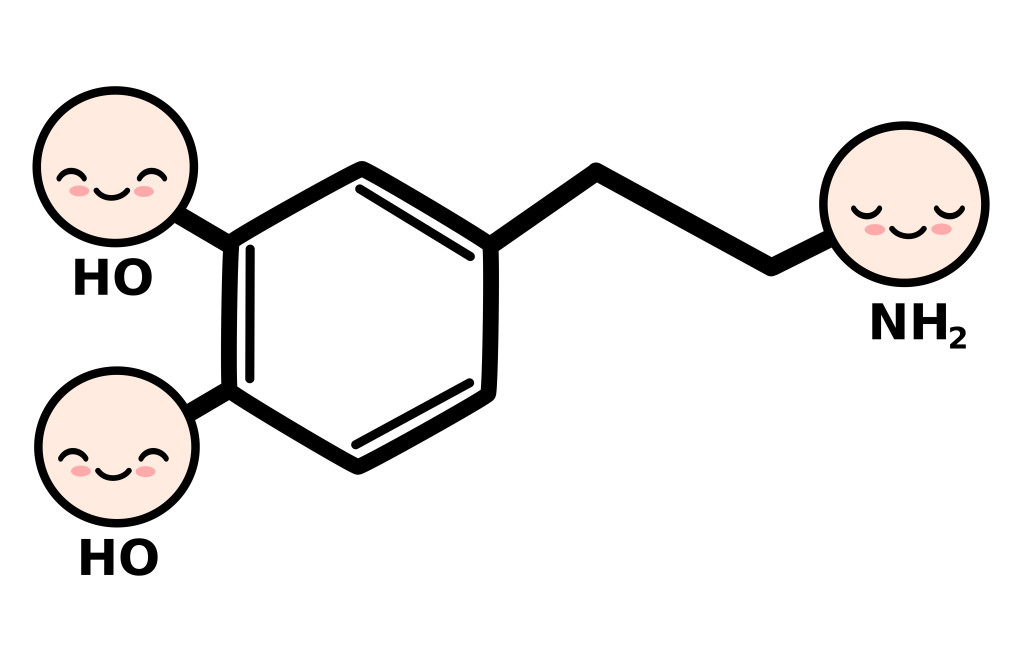
The chemical symbol for dopamine with smiley faces at the end of them.

My Top 10 Favourite Ways to Naturally Increase Dopamine Levels in the Brain

1. Sunlight and Vitamin D

Exposing yourself to sunshine is one of the best natural ways to increase dopamine levels in your brain. 

And it’s my personal favourite.

Research shows that sunlight increases dopamine release (4-5).

Woman looking towards the sun. Sunlight can increase dopamine levels in the brain.

I personally get sunlight every single day during the spring and summer months to increase dopamine. 

It’s important to get the sunlight in your eyes to trigger the release of dopamine. 

So make sure you don’t wear contacts, glasses or sunglasses when you go outside. This way, you’ll get a bigger dopamine boost. 

It’s especially important to do this in the morning because it sets your circadian rhythm (3). 

During the winter months, when there isn't enough sun, I use a Vitamin D sunlamp.

Vitamin D is a fat-soluble vitamin that your skin synthesizes when exposed to the sun.

But most people still don’t get enough Vitamin D from the sun.

Researchers believe that 50% of people are at risk of Vitamin D deficiency (6).

Having a deficiency in Vitamin D leads to lower dopamine levels, but treatment with Vitamin D3 enhances dopamine release (1-2). 

So at the very least, you should take a Vitamin D supplement if you’re deficient. I take some Vitamin D3 in supplement form, depending on my levels.

It's important to test and monitor your Vitamin D levels before and after supplementing with it.


2. Vagus Nerve Stimulation

The vagus nerve is the longest cranial nerve in your body and part of your parasympathetic “rest and digest” nervous system.

Research shows that chronic impairment of vagus nerve function leads to the inhibition of dopamine in the brain (7). 

But vagus nerve stimulation reverses a dysregulated dopamine system (8).

Read this article for 13 ways to stimulate your vagus nerve. 

Deep breathing with the EmWave2 device is my favourite way. 


3. Low-Level Laser Therapy

Low-level laser therapy (LLLT), or photobiomodulation, is a treatment that can improve your brain function and support your dopamine levels.

LLLT involves the use of low-power lasers or light-emitting diodes (LEDs) that emit red and infrared light.

You can shine this light on your head, it penetrates the skull and stimulates your brain cells.

This helps your brain function much better.

Dr. Norman Doidge, a psychiatrist and researcher who teaches at the University of Toronto, discusses the amazing effects of LLLT in his book The Brain’s Way of Healing.

A man uses an LLLT helmet and intranasal Vielight device. LLLT can increase dopamine levels in the brain.

Research shows that LLLT significantly increases the secretion of dopamine in the brain (12).

Several studies also show that LLLT is neuroprotective and protects dopaminergic brain cells from degeneration (13-21).

Because of this, researchers say LLLT is a promising therapeutic strategy for dopamine-related diseases such as Parkinson’s disease (12).

I previously wrote about my experience with low-level laser therapy here.

You can use this device and shine the red and infrared light on your forehead for 5 minutes every day. You can also shine it on other parts of your head and on your entire body, including on your thyroid, thymus gland and gut. I have experienced incredible benefits from doing this.

If you want a more compact device, you can use this smaller and more convenient device and shine it on your forehead.

I’ve also used the Vielight Neuro Duo, which is a transcranial-intranasal headset with 810 nm of near infrared light. It penetrates deeper into brain tissue and is absorbed better by the central nervous system. If you decide to try a Vielight device, you can use the coupon code JORDANFALLIS for a 10% discount

You can learn about how I use these devices in my LLLT article. I highly recommend reading it if you want to try this.


4. Rhodiola

Rhodiola is one of the most popular herbs in the world used to increase physical and mental performance.

It’s a Traditional Chinese and Scandinavian herb, and it’s also sometimes called golden root or arctic root.

I previously wrote about rhodiola here. 

Researchers have found that rhodiola stimulates dopamine receptors and inhibits the enzymes that break down dopamine in the brain (22). 

It also increases the amount of dopamine precursors that can pass the blood brain barrier (23). 

I used to take a rhodiola supplement. But I don't need to anymore. I used to take it when I wanted to boost my energy and cognitive function.

Click here to subscribe

5. Coffee

Drinking coffee is another great way to boost dopamine levels.

Research shows that caffeine increases the release of dopamine in the brain (26-27). 

Other studies have found that it also enhances dopamine signaling and increases dopamine receptors (24-25). 

I usually drink one cup of coffee most mornings. I also sometimes take pure caffeine tablets before a workout.

A cup of coffee on a small plate. Coffee and caffeine increases dopamine levels in the brain.

Sometimes people find that coffee makes them feel terrible and jittery.

This might be due to the quality of the coffee. 

I find that low-quality, non-organic coffee makes me feel terrible.

In fact, cheap coffee feels like it lowers my dopamine.

Most people can tolerate regular coffee just fine.

But if it makes you feel sick, consider trying a higher-quality coffee, which I can tolerate just fine, or simply take pure caffeine, and see how you feel. You may feel better than if you consumed low-quality coffee.

Coffee and caffeine can disrupt sleep though, so make sure you don’t drink it in the evening close to bed. Some people like me are really sensitive and have to stop drinking it very early in the day so that it doesn’t disrupt their sleep.

I have my last cup sometime between 10 in the morning and noon. If I have it any later than that, it disrupts my sleep and don't feel as good the next day.

Lastly, it's also a good idea to try to consume the whole coffee fruit, instead of just coffee or pure caffeine. 

Traditionally, the coffee bean is extracted from the coffee fruit for roasting. And the surrounding fruit is discarded. 

But that’s a problem because the coffee fruit contains several healthy compounds not found in coffee beans themselves.

And researchers have found that consuming whole coffee fruit concentrate can significantly enhance cognitive functioning.

That’s why I included it in the Optimal Brain supplement. 


6. Uridine

Uridine is a natural compound commonly found in beer.

I definitely don’t recommend drinking beer, but supplementing with pure uridine can protect the brain, enhance cognition, and increase mood and motivation.

Research shows that uridine significantly increases the release of dopamine and elevates dopamine levels (29-32).

It’s important to note that uridine in food is not bioavailable, and there isn’t any foods that have been shown to increase plasma levels of uridine unfortunately (28). 

I used to take a uridine supplement sublingually, usually before bed. But I don’t need to do that anymore because I’ve recovered my health and take far fewer supplements that in the past.


7. Cold Exposure

Exposing yourself to cold can also increase your dopamine levels naturally.

A man sitting outside in the freezing cold. Cold exposure can increase dopamine levels in your brain.

Researchers have found that cold water immersion increases dopamine by 250% (43-44). 

I take a cold shower every day.

During the winter, I’ll also go outside for short periods of time with hardly any clothes. It boosts my dopamine and increases my motivation.

You don’t have to be that extreme though.

You can start by finishing your next shower with one minutes of cold water.

See how it feels, and then over time, increase the amount of time you turn off the hot.

I can be a bit painful.

But the beneficial effects end up being worth it.

Another way is to stick your face, hand or foot in ice cold water.

Or you can try cold plunges, cold baths and even cryotherapy if you want!

Find what works best for you and do it regularly.


8. Meditation

Meditation is my favourite daily activity.

And research shows that it's linked to increases in dopamine (46-48). 

In one study, researchers used brain scan imaging to confirm that meditation naturally increases dopamine release by 65% (45).

It likely has these effects by stimulating the vagus nerve. 

If you want, you can use the Muse headband to meditate. It gives you real-time feedback while you meditate. It makes meditation a lot more fun and tolerable.

I previously wrote about it here, and you can get it through the Muse website.

Click here to subscribe

9. Ginseng

There are two types of ginseng that increase dopamine – American Ginseng and Siberian Ginseng.

American Ginseng has been shown to improve attention and cognitive processing by increasing levels of dopamine in the brain (93-94). 

Researchers have also found that Siberian Ginseng has antidepressant effects by significantly elevating dopamine levels in the brain (95). 


10. Citicoline and Alpha GPC

Citicoline (also known as CDP-Choline) is the best supplemental form of choline.

Choline is an essential nutrient for optimal brain health, but unfortunately that most people don’t consume enough of it.

Why?

Because very few foods in the Western diet contain it.

Citicoline has been shown to enhance the synthesis of dopamine, increase the release of dopamine, and increase the density of dopamine receptors in the brain (136-142). 

It also protects brain cells that release dopamine, which then prevents a reduction in dopamine (143). 

Alpha GPC is another excellent form of choline that has been shown to increase dopamine levels in the brain (144). 

Citicoline and Alpha GPC significantly improve my focus and mental energy. That’s why they are both included in the Optimal Brain supplement. 

You can also find some choline in beef liver and egg yolks, but it’s better to take Citicoline and Alpha GPC because you get noticeable and immediate benefits.

Make sure you read this article to learn more about the remarkable benefits of Citicoline.

And make sure you read this article to learn more about the benefits of Alpha GPC, the optimal dosage, and the best way to take it.


Other Effective Ways to Naturally Increase Dopamine Levels in the Brain

11. Take Dopamine Precursors

You can also increase your dopamine levels by giving your body the raw materials to create dopamine. 

It’s first important to understand that dopamine is created within the body from the amino acid Phenylalanine (149). 

Phenylalanine is an essential amino acid, meaning that your body cannot create it, and you must obtain it from your diet. 

Phenylalanine is converted into Tyrosine, which is converted into L-Dopa, which is then finally converted into dopamine (150). 

Vitamin B6 and iron are two nutrients that are needed for this conversion to take place.   

An image showing how phenylalanine is converted tyrosine and then to dopamine. Supplementing with phenylalanine and/or tyrosine can increase dopamine.

Both phenylalanine and tyrosine can be obtained from protein-rich foods.

Here are some healthy sources: 

  • Chicken

  • Beef

  • Turkey

  • Seafood

  • Eggs

  • Bananas

  • Almonds

  • Avocados

  • Pumpkin seeds

  • Sesame seeds

These foods are included in my Free Grocery Shopping Guide for Optimal Brain and Mental Health.

You can also supplement directly with Phenylalanine, Tyrosine and/or L-Dopa, along with Vitamin B6 and iron. 

Research shows that supplementing with these dopamine precursors can enhance cognitive performance by increasing dopamine levels in the brain (151-155). 

Mucuna Pruriens, a tropical plant commonly used in Ayurvedic medicine, is good source of L-DOPA and has been shown to increase dopamine levels in the brain (156-161). 

In my experience, Tyrosine and Mucuna Pruriens can sometimes be too stimulating and increase anxiety in some people.

So I prefer DL-Phenylalanine because it has other mental health benefits besides increasing dopamine, and can actually reduce anxiety.  


12. Probiotics

Research suggests that certain probiotics can also increase dopamine.

One study found that the probiotic species Lactobacillus plantarum significantly increases dopamine.

An image of different cartoon bacteria.

Researchers concluded that daily intake of Lactobacillus plantarum may be able to help treat neuropsychiatric disorders (36). 

Another study found that Lactobacillus rhamnosus increases dopamine in the frontal cortex (37). 

I created the Optimal Biotics supplement so that my readers can support their dopamine levels and mental health.

You can also read this article for 4 other ways to increase your good gut bacteria. 

And if you struggle with anxiety, here are 7 other probiotic strains that can help. 

Click here to subscribe

13. Acetyl-L-Carnitine

Acetyl-L-carnitine (ALCAR) is a special form of the amino acid carnitine that helps reverse neurological decline and supports mitochondria function in the brain.

It’s often used as a natural brain booster because it provides support to brain cells, enhances cognition, and increases alertness.

It’s also been shown to help reduce chronic fatigue and improve mood.

So not surprisingly, researchers have also found that it increases dopamine output in the brain (42). 

I find that it gives me a big boost in mental energy and cognitive resilience.

ALCAR is included in the Optimal Brain supplement. 

Make sure you read this article to learn more about the remarkable benefits of ALCAR.


14. Acupuncture

A woman’s ear with acupuncture needles in it.

Acupuncture is an alternative treatment that has been shown to increase dopamine levels in the brain.

Researchers have found that acupuncture increases the production of dopamine in the brain by stimulating the vagus nerve (9). 

Other studies show that acupuncture enhances the availability of dopamine in the brain and normalizes the release of dopamine during withdrawal (10-11). 

I really like auricular acupuncture.

Auricular acupuncture is when needles are inserted into ear.

It really helped me when I came off psychiatric medication. So I recommend finding a practitioner that provides it if you’re trying to get off medication as well.

In my experience, ear acupuncture is more effective than regular acupuncture. I don’t really know why, I’ve just personally noticed more benefits from ear acupuncture. 

I also use an acupuncture mat at home to relax before bed.


15. Ginkgo Biloba

Ginkgo Biloba is a plant that has been used for thousands of years to treat a number of health problems.

It’s one of the most popular natural supplements in the world, and it’s even prescribed by doctors in Germany.

It’s most commonly used to improve brain health because it’s been shown to increase brain blood flow and improve memory and attention in both healthy and unhealthy individuals. It also improves mood and mental energy, and even reduces the risk of dementia and Alzheimer’s disease.

Researchers have also discovered that it significantly increases dopamine levels in the brain (33-34). 

It increases the number of dopaminergic neurons in the brain as well (35). 

Ginkgo Biloba is included in the Optimal Brain supplement. 


16. Pregnenolone

Pregnenolone is a hormone naturally produced by the body.

But it can also be taken as a supplement.

It helps form almost all other steroid hormones in the body, including DHEA, progesterone, testosterone, estrogens, and cortisol.

So it’s very important.

And since hormones affect brain health so much, it’s been shown to enhance memory and reduce stress-induced fatigue.

Research shows that it also increases dopamine release in the brain (38). 

Whenever I took pregnenolone, it gave me a big boost in energy and supported my brain function. It definitely works. But when I took it everyday, it started to make me angry and irritable for some reason. So I don’t take it anymore, especially since my hormones are balanced and optimal now.

Click here to subscribe

17. Intranasal Insulin

Insulin is a hormone that significantly affects brain function. 

Researchers have found that it passes the blood-brain barrier and acts on insulin receptors directly within the brain.

Unfortunately, many people today develop insulin resistance within the brain.

When this happens, there is a reduction in dopamine.

Research shows that insulin resistance within the brain alters normal dopamine functioning, leading to depression and anxiety (40). 

So in a new therapeutic approach, commercially-available insulin (Novalin R) is being prepared and added to nasal spray bottles, and sprayed and inhaled through the nose to support the brain and mental health.

Intranasal insulin has been reported to significantly enhance memory, increase mental energy, reduce brain fog, improve mood, and lower anxiety and stress levels.

One possible mechanism is by increasing dopamine levels.

One study found that insulin enhances dopamine release in the brain (39). 

Another study found that intranasal insulin is neuroprotective and protects dopaminergic brain cells from damage (41). 

If you’re interested in learning more about intranasal insulin, I previously wrote a full article about it. You can read that here.


18. Forskolin

Forskolin is a natural herb historically used in Ayurvedic medicine. It’s been used for hundreds of years to treat various conditions and diseases.

The herb comes from the roots of the Indian coleus, which is a tropical plant. 

Researchers have found that it stimulates the conversion of tyrosine to dopamine and enhances the release of dopamine (49, 51). 

Other studies show that it can upregulate dopamine receptors (50, 52-56). 

I don’t take it anymore. But when I did take it, I noticed an increase in mental energy and clarity.


19. Standing

One of the best hacks for your brain is simply standing more often.

Researchers have found that prolonged, uninterrupted sitting leads to fatigue and lower dopamine levels (57). 

I have a standing desk so that I’m not sitting all the time while working.  


20. Iron

Iron is a trace mineral found in every living cell in our bodies.

It carries oxygen to all parts of your body, and low levels can leave you feeling tired, pale and irritable.

Research shows that iron plays a key role in the regulation of dopaminergic neurotransmission, and iron deficiency can lead to lower dopamine levels (58). 

It’s definitely optimal to just get your iron from food. 

You can also make sure you get enough iron simply by taking grass-fed liver capsules.

Beef liver is one of the best sources of iron, but I don’t like the taste, so I take the capsules.

Other good sources of iron include:

  • Spirulina

  • Dark chocolate

  • Spinach

  • Sardines

  • Pistachios

  • Raisons

These foods are included in my Free Grocery Shopping Guide for Optimal Mental Health.


21. Salt

A spoonful of sea salt. Salt can increase dopamine levels in the brain.

Salt is another tasty, natural way to boost your brain’s dopamine levels.

Researchers have found that dietary salt intake increases dopamine levels (60). 


22. Theacrine

Theacrine is a natural compound that can increase energy, focus and mental clarity, and improve mood and motivation.

It’s a small alkaloid molecule found in certain fruits and plants. It’s most commonly found in a Chinese tea known as kucha.

Theacrine’s chemical structure is similar to caffeine. In fact, it’s considered a “new alternative” to caffeine because it activates similar pathways in the brain.

Researchers have found that theacrine acts through the dopamine system to provide a stimulant effect (66). 

It activates dopamine receptors, which increases motivation and wakefulness (67). 

In my experience, theacrine is a good replacement for coffee. It works and feels similar to caffeine, but it has a longer half life and less of a tolerance. It’s also less likely to disrupt sleep (61-63). 

I sometimes take a theacrine supplement when I feel like taking a break from coffee and caffeine.

You can also take them together for even better results. Research shows that theacrine and caffeine are more effective when taken together because caffeine increases the bioavailability and positive effects of theacrine (64-65). 

Click here to subscribe

23. Exercise

Not surprisingly, exercise is another natural way to increase dopamine levels in your brain. 

Plenty of research shows that daily exercise leads to increased dopamine neurotransmission, including increased dopamine release and increased dopamine receptor expression and binding (70-73). 

Exercise also slows the break down of dopamine and prevents the loss of dopaminergic brain cells (71). 

Besides boosting dopamine levels, exercise can also stimulate the vagus nerve, promote neurogenesis and increase blood flow to the brain.

Many experts recommend exercise as their number one piece of advice for optimal brain health.

Exercise can be a big chore for a lot of people, so I recommend finding some sort of sport or aerobic activity that you enjoy. That way you won’t get sick of it and you’ll exercise regularly.


24. Omega-3 Fatty Acids

Omega-3s fatty acids are the highest quality fats for the brain.

Eating more of them is one of the greatest steps you can take to promote optimal brain and nervous system functioning, and boost your dopamine levels.

In one study, researchers fed animals omega-3 fatty acids, and they found that the animals had 40 per cent higher levels of dopamine in the brain than animals that didn’t receive omega-3 fatty acids (69). 

The researchers also noted a reduction in the enzyme that breaks down dopamine, and greater binding of dopamine to the dopamine receptors (69). 

Research also shows that omega-3 fatty acids can help restore normal dopamine release after traumatic brain injury (68). 

A piece of cooked salmon on a plate and a fork. Salmon contains omega-3 fatty acids that increase dopamine in the brain.

It’s important to eat enough omega-3 fatty acids through your diet because they are essential fats that your body cannot produce itself.

Omega-3 fatty acids are found primarily in cold water fish, including:

  • Salmon

  • Black cod

  • Sablefish

  • Sardines

  • Herring

These foods are included in my Free Grocery Shopping Guide for Optimal Mental Health.

Unfortunately, most people don't consume enough omega-3 fatty acids through their diet.

That’s why I sometimes recommend supplementing with krill oil, a special kind of fish oil that contains the essential omega-3 fatty acids. 


25. Touch and Massage

Interpersonal touch is another natural way to increase your dopamine levels.

Researchers have discovered that touch significantly increases dopamine release in the brain (74-76).

This can include kissing, cuddling, stroking, tickling, hugging and sex. 

But it can also include massage therapy. 

Studies have shown that massage therapy increases dopamine by 31% on average (77). 

This is one reason why I regularly get a massage from a massage therapist. 

Massage also reduces cortisol, increases oxytocin, and stimulates the vagus nerve. 


26. Tea and Theanine

A cup of green tea on a table. And a spoonful of green tea leaves. Green tea can increase dopamine levels in the brain.

Tea has also been shown to increase dopamine levels in the brain.

This includes both green tea and black tea (79-83). 

Both green tea and black tea contain theanine, an amino acid.

Theanine has also been shown to cross the blood-brain barrier and significantly increase the release of dopamine in the brain (78, 84-85). 

I sometimes take theanine alongside my morning coffee. It’s calming and cancels out the jitters of caffeine. 

This anti-anxiety supplement contains theanine. 


27. Intermittent Fasting

Fasting allows your digestive system to take a break and triggers the release of hormones and neurotransmitters, including dopamine.

Researchers have found that intermittent fasting leads to higher levels of dopamine by increasing dopamine release and enhancing dopamine action (86-89). 

It also reduces age-related loss of dopamine receptors (90). 

I often eat all my food for the day within an 8-hour window, and then fast for the rest of the day. 

The best way to start fasting is by eating dinner around 6, not eating anything after that before bed, and then eating a regular breakfast the next day. That should give you about 12-14 hours of fasting time.


28. Taurine

Taurine is an organic compound found in food, particularly meat and seafood. It has a wide variety of health benefits.

It can cross the blood-brain barrier and elevate dopamine levels in the brain (91). 

Taurine is included in the Optimal Calm supplement.  

Click here to subscribe

29. Magnesium

Magnesium is an essential mineral.

Unfortunately, a lot of people are deficient.

This is a shame because it plays a role in more than 300 biochemical reactions in your body, and it’s absolutely necessary for optimal neurotransmitter activity.

Magnesium has antidepressant effects, and one reason for this is because it increases dopamine activity in the brain (92). 

There are a number of things you can do to make sure you’re getting enough magnesium.

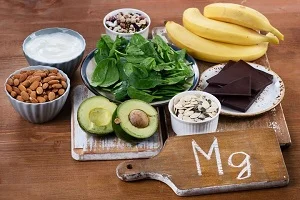
First, make sure you’re eating magnesium-rich foods on a regular basis, including:

  • Spinach

  • Chard

  • Pumpkin seeds

  • Almonds

  • Avocado

  • Dark chocolate

  • Bananas

These foods are included in my Free Grocery Shopping Guide for Optimal Mental Health.

You can also increase your body’s intake of magnesium by taking Epsom salt baths.

Supplementation is also a good idea for most people.

Magnesium is included in this supplement.


30. Folate

Folate (Vitamin B9) is an essential B vitamin that plays a key role in methylation, one of the most important processes in your body and brain for optimal energy and nervous system function.

Researchers have found that if you are depressed, you likely have lower levels of folate circulating in your blood, and people with low blood folate are at greater risk for developing depression. 

One reason for this is because folate is absolutely necessary for the production and synthesis of dopamine in the brain (99-100). 

When you have low folate levels, you will also have lower dopamine levels because your body can’t produce dopamine efficiently, and this contributes to depression (101). 

Good dietary sources of natural folate include: 

  • Leafy greens

  • Asparagus

  • Broccoli

  • Cauliflower

  • Strawberries

  • Avocado

  • Beef liver

  • Poultry

These foods are included in my Free Grocery Shopping Guide for Optimal Brain and Mental Health.

Folate also lowers homocysteine levels. 


31. St. John’s Wort

St. John’s Wort (Hypericum Perforatum) is a natural medicinal herb with antidepressant effects.

A 2015 meta-analysis concluded that it is as effective as standard antidepressant pharmaceuticals for treating depression and has fewer adverse effects (105). 

An image of the St. John’s Wort plant.

A number of studies have also shown that it significantly increases the release of dopamine and increases dopamine levels in the brain (106-110).

One study shows that it increases dopamine in the prefrontal cortex by 40% after one hour (106). 

I took a St. John’s Wort supplement years ago for my depression. It helped me, but I eventually stopped taking it and fixed the true, underlying causes of my depression instead. 

In my experience, it’s best for people who are struggling with mild or moderate depression. 

It’s important to note that St. John’s Wort shouldn’t be taken if you’re already taking antidepressant medication. 


32. SAM-e

S-Adenosyl-l-methionine (SAM-e) is a compound that naturally occurs in the body. 

It’s also available as a supplement. 

It’s most commonly used for treating depression because lowered SAM-e levels are associated with depression.

Research shows that SAM-e improves mood by producing dopamine and increasing dopamine levels in the brain (102-104). 

I took a SAM-e supplement after coming off psychiatric medication and it significantly helped me by improving my mood and energy. 

Click here to subscribe

33. Curcumin

Curcumin is the most heavily researched compound within turmeric, the spice that gives curry its yellow colour.

It’s one of my favourite natural compounds for the brain.

It’s been shown to help treat both depression and Parkinson’s disease (111-112). 

Several researchers have found that curcumin increases dopamine levels by reducing the break down of dopamine in the brain (113-120). 

Curcumin is included in this supplement.


34. Reduce Inflammation

Reducing inflammation throughout your entire body is a key step towards increasing your dopamine levels naturally. 

Lots of research shows that chronic inflammation reduces dopamine synthesis and dopamine release in the brain, which then leads to a lack of motivation, fatigue and depression (121-124). 

There are many causes of chronic inflammation, including infections, mold, brain injuries, and leaky brain.

But one of the most common causes – and the one you have the most control over – is your diet. 

That’s why it can be a good idea to follow an anti-inflammatory diet and avoid foods such as gluten and dairy that can trigger inflammation in the gut and brain. 

You can also remove processed food from your diet, and increase your intake of vegetables, fruits, wild fish, grass-fed beef and organic chicken. 

Check out my Free Grocery Shopping Guide for Optimal Brain and Mental Health for a full list of anti-inflammatory foods. 

Other steps you can take to reduce inflammation include reducing stress, exercising, improving gut health, treating infections and getting enough sleep. 

Make sure you also check out this article for 23 effective ways to reduce inflammation in the brain.

This supplement also helps reduce inflammation in the brain.


35. Music

Previously, I talked about how music can naturally reduce cortisol and increase oxytocin.

But it also increases dopamine. 

Researchers have found that listening to your favourite music significantly increases the release of dopamine in your brain (125-126, 129-132).

Even the anticipation of good music leads to the release of dopamine (127). 

“We are really excited about our study’s results because they suggest that even a non-pharmacological intervention such as music can regulate mood and emotional responses at both the behavioural and neuronal level.”
— Dr. Elvira Brattico

And several brain imaging studies show that listening to music activates the reward and pleasure areas of the brain, which are rich with dopamine receptors (133-134). 

Want to take it a step further?

Start making music. 

Research shows that creating and performing music boosts dopamine levels, even more than simply listening to music (128). 

Because of this, researchers believe music therapy may be an effective therapy for the treatment of disorders caused by low dopamine (130). 

Music has even been shown to help people with Parkinson’s disease improve their fine motor control (135). 


36. Get Enough Sleep

Getting enough sleep is very important if you want to increase dopamine and naturally optimize your dopamine levels. 

I used to have sleep problems and it was one of the main factors that contributed to my poor mental health.

Research shows that lack of sleep downregulates dopamine receptors, and reduces dopamine receptor availability and sensitivity in the brain (145, 147-148). 

When people are forced to pull an “all-nighter”, the availability of dopamine receptors in their brain is significantly reduced the next morning (146). 

So try your best to get at least 7 hours of high-quality, restorative sleep every night. 

If you’re having trouble with sleep, try this sleep supplement. It contains magnesium and other natural compounds that I’ve used over the years to promote deeper and more restful sleep.  

I share my very best sleep tips with my clients through our Brain Recovery Accelerator Program. We have a free online workshop that talks about the program. You can register for the workshop here.


Enjoy This Article? You Might Also Like My FREE Food Guide for Optimal Brain and Mental Health!
Click here to subscribe

Live Optimally,

Jordan Fallis

Connect with me

References:

(1) https://www.ncbi.nlm.nih.gov/pubmed/19500655

(2) https://www.ncbi.nlm.nih.gov/pmc/articles/PMC4875352/

(3) https://www.cell.com/current-biology/fulltext/S0960-9822(17)30857-6

(4) https://www.ncbi.nlm.nih.gov/pubmed/27085608

(5) https://www.ncbi.nlm.nih.gov/pubmed/20875835

(6) https://goo.gl/QNcAXy

(7) https://www.ncbi.nlm.nih.gov/pubmed/23406746

(8) https://www.ncbi.nlm.nih.gov/pmc/articles/PMC4087206/

(9) https://www.ncbi.nlm.nih.gov/pmc/articles/PMC3949155/

(10) https://www.ncbi.nlm.nih.gov/pubmed/16289320

(11) https://www.ncbi.nlm.nih.ghttps://www.ncbi.nlm.nih.gov/pubmed/22132113v/pubmed/22132113

(12) https://www.ncbi.nlm.nih.gov/pmc/articles/PMC4317125/

(13) https://www.ncbi.nlm.nih.gov/pubmed/24160475

(14) https://www.ncbi.nlm.nih.gov/pubmed/23998985

(15) https://www.ncbi.nlm.nih.gov/pmc/articles/PMC3643261/

(16) https://www.ncbi.nlm.nih.gov/pmc/articles/PMC3616839/

(17) https://www.ncbi.nlm.nih.gov/pubmed/22285756

(18) https://www.ncbi.nlm.nih.gov/pmc/articles/PMC5436183/

(19) https://www.ncbi.nlm.nih.gov/pmc/articles/PMC5066074/

(20) https://www.ncbi.nlm.nih.gov/pmc/articles/PMC5448311/

(21) https://www.ncbi.nlm.nih.gov/pubmed/19882716/

(22) https://www.ncbi.nlm.nih.gov/pmc/articles/PMC4385215/

(23) https://www.ncbi.nlm.nih.gov/pmc/articles/PMC4297663/

(24) https://www.ncbi.nlm.nih.gov/pmc/articles/PMC4462609/

(25) https://www.ncbi.nlm.nih.gov/pubmed/25871974

(26) https://www.ncbi.nlm.nih.gov/pubmed/12151508

(27) https://www.ncbi.nlm.nih.gov/pubmed/24726708

(28) https://www.ncbi.nlm.nih.gov/pmc/articles/PMC4011061/

(29) https://www.ncbi.nlm.nih.gov/pubmed/20504471

(30) https://www.ncbi.nlm.nih.gov/pubmed/16055952/

(31) https://www.ncbi.nlm.nih.gov/pmc/articles/PMC2592845/

(32) https://www.ncbi.nlm.nih.gov/pmc/articles/PMC3020593/

(33) https://www.ncbi.nlm.nih.gov/pmc/articles/PMC2828029/

(34) https://goo.gl/X6Gstc

(35) https://examine.com/supplements/ginkgo-biloba/

(36) https://www.ncbi.nlm.nih.gov/pubmed/26522841

(37) https://www.ncbi.nlm.nih.gov/pubmed/25298006

(38) https://www.ncbi.nlm.nih.gov/pubmed/10564382

(39) https://www.ncbi.nlm.nih.gov/pmc/articles/PMC4624275/

(40) https://www.ncbi.nlm.nih.gov/pmc/articles/PMC4371978/

(41) https://www.ncbi.nlm.nih.gov/pmc/articles/PMC4753102/

(42) https://www.ncbi.nlm.nih.gov/pubmed/12225698

(43) https://www.ncbi.nlm.nih.gov/pubmed/10751106/

(44) https://www.ncbi.nlm.nih.gov/pmc/articles/PMC4049052/

(45) https://www.ncbi.nlm.nih.gov/pubmed/11958969

(46) https://www.ncbi.nlm.nih.gov/pmc/articles/PMC3044190/

(47) https://www.ncbi.nlm.nih.gov/pmc/articles/PMC4769029/

(48) https://www.ncbi.nlm.nih.gov/pubmed/12888320/

(49) https://www.ncbi.nlm.nih.gov/pubmed/6303497

(50) https://www.ncbi.nlm.nih.gov/pubmed/7851491

(51) https://link.springer.com/article/10.1007/BF02986022

(52) https://www.ncbi.nlm.nih.gov/pubmed/7851491

(53) https://www.ncbi.nlm.nih.gov/pubmed/9353595

(54) https://www.ncbi.nlm.nih.gov/pubmed/9376541

(55) https://www.ncbi.nlm.nih.gov/pubmed/9416762

(56) https://www.ncbi.nlm.nih.gov/pubmed/9029414

(57) https://www.ncbi.nlm.nih.gov/pmc/articles/PMC4769400/

(58) https://www.ncbi.nlm.nih.gov/pubmed/28567002

(59) https://www.ncbi.nlm.nih.gov/pmc/articles/PMC4253901/

(60) https://www.ncbi.nlm.nih.gov/pubmed/25824645

(61) https://www.ncbi.nlm.nih.gov/pubmed/23724689

(62) https://www.ncbi.nlm.nih.gov/pubmed/28864241

(63) https://www.ncbi.nlm.nih.gov/pubmed/26766930

(64) https://www.ncbi.nlm.nih.gov/pubmed/28875060

(65) https://www.ncbi.nlm.nih.gov/pubmed/26610558

(66) https://www.ncbi.nlm.nih.gov/pmc/articles/PMC4663612/

(67) https://www.ncbi.nlm.nih.gov/pubmed/22579816

(68) https://www.ncbi.nlm.nih.gov/pubmed/21514362

(69) https://www.ncbi.nlm.nih.gov/pubmed/9868201

(70) https://www.ncbi.nlm.nih.gov/pmc/articles/PMC4621077/

(71) https://www.ncbi.nlm.nih.gov/pmc/articles/PMC4061837/

(72) https://www.ncbi.nlm.nih.gov/pubmed/18274707

(73) https://www.ncbi.nlm.nih.gov/pmc/articles/PMC4703784/

(74) https://www.ncbi.nlm.nih.gov/pubmed/18077190

(75) https://www.ncbi.nlm.nih.gov/pubmed/23399995

(76) https://www.ncbi.nlm.nih.gov/pubmed/22411566

(77) https://www.ncbi.nlm.nih.gov/pubmed/16162447

(78) https://www.ncbi.nlm.nih.gov/pmc/articles/PMC3560823/

(79) https://goo.gl/atfMja

(80) https://www.ncbi.nlm.nih.gov/pubmed/16480889

(81) https://www.ncbi.nlm.nih.gov/pubmed/12495785

(82) https://www.ncbi.nlm.nih.gov/pubmed/23625424

(83) https://academic.oup.com/ajcn/article/90/6/1615/4598112

(84) https://www.ncbi.nlm.nih.gov/pubmed/9566605

(85) https://www.ncbi.nlm.nih.gov/pubmed/22943921

(86) https://www.ncbi.nlm.nih.gov/pubmed/15604149

(87) https://goo.gl/Qk2EbX

(88) https://www.ncbi.nlm.nih.gov/pmc/articles/PMC4725115/

(89) https://www.ncbi.nlm.nih.gov/pubmed/28944597

(90) https://goo.gl/Lnf1MX

(91) https://www.ncbi.nlm.nih.gov/pubmed/16820013

(92) https://www.ncbi.nlm.nih.gov/pubmed/19059299

(93) https://www.ncbi.nlm.nih.gov/pmc/articles/PMC4503934/

(94) https://www.hindawi.com/journals/ecam/2012/149256/

(95) https://www.ncbi.nlm.nih.gov/pubmed/23418105

(96) https://www.ncbi.nlm.nih.gov/pubmed/5314166

(97) https://www.ncbi.nlm.nih.gov/pubmed/14769778

(98) https://www.ncbi.nlm.nih.gov/pubmed/17522618

(99) https://www.ncbi.nlm.nih.gov/pubmed/28671236

(100) https://www.ncbi.nlm.nih.gov/pubmed/18950248

(101) https://www.ncbi.nlm.nih.gov/pubmed/10896698

(102) https://www.ncbi.nlm.nih.gov/pmc/articles/PMC3429269/

(103) https://www.ncbi.nlm.nih.gov/pubmed/2120432

(104) https://www.ncbi.nlm.nih.gov/pmc/articles/PMC5380442/

(105) https://en.wikipedia.or

(106) https://examine.com/supplements/hypericum-perforatum/

(107) https://www.ncbi.nlm.nih.gov/pmc/articles/PMC1574978/

(108) https://www.ncbi.nlm.nih.gov/pubmed/11302563

(109) https://www.ncbhttps://www.ncbi.nlm.nih.gov/pubmed/10721879.nlm.nih.gov/pubmed/10721879

(110) https://www.ncbi.nlm.nih.gov/books/NBK92750/

(111) https://www.ncbi.nlm.nih.gov/pubmed/23832433

(112) https://www.ncbi.nlm.nih.gov/pubmed/22211691

(113) https://www.ncbi.nlm.nih.gov/pubmed/15987635

(114) https://www.ncbi.nlm.nih.gov/pubmed/26972530

(115) https://www.ncbi.nlm.nih.gov/pubmed/26922613

(116) https://link.springer.com/article/10.1007/s00213-008-1300-y

(117) https://www.ncbi.nlm.nih.gov/pubmed/18766332

(118) https://link.springer.com/article/10.1007%2Fs00213-008-1300-y

(119) https://www.ncbi.nlm.nih.gov/pmc/articles/PMC2929771/

(120) https://www.ncbi.nlm.nih.gov/pubmed/19882093

(121) https://www.ncbi.nlm.nih.gov/pubmed/27480574

(122) https://www.ncbi.nlm.nih.gov/pubmed/11850061

(123) https://www.ncbi.nlm.nih.gov/pubmed/27225499

(124) https://www.ncbi.nlm.nih.gov/pubmed/28566949

(125) https://www.ncbi.nlm.nih.gov/pubmed/25773636

(126) https://www.ncbi.nlm.nih.gov/pubmed/25102783

(127) https://www.nature.com/articles/nn.2726

(128) https://goo.gl/nmifcM

(129) https://examine.com/supplements/music/

(130) https://www.ncbi.nlm.nih.gov/pubmed/15246862

(131) http://www.ncbi.nlm.nih.gov/pmc/articles/PMC3690607/

(132) https://www.ncbi.nlm.nih.gov/pubmed/21217764

(133) https://www.ncbi.nlm.nih.gov/pubmed/24552785

(134) https://www.nhttps://www.ncbi.nlm.nih.gov/pubmed/11573015bi.nlm.nih.gov/pubmed/11573015

(135) https://www.ncbi.nlm.nih.gov/pubmed/15135879

(136) http://www.ncbi.nlm.nih.gov/pmc/articles/PMC2695184/

(137) http://www.ncbi.nlm.nih.gov/pubmed/11796739

(138) http://www.ncbi.nlm.nih.gov/pmc/articles/PMC1430829/

(139) https://www.ncbi.nlm.nih.gov/pubmed/1839138

(140) https://www.ncbi.nlm.nih.gov/pubmed/1098982

(141) http://www.ncbi.nlm.nih.gov/pubmed/19351232

(142) https://www.ncbi.nlm.nih.gov/pmc/articles/PMC1908237/

(143) https://examine.com/supplements/cdp-choline/

(144) https://www.ncbi.nlm.nih.gov/pubmed/23244432

(145) https://www.ncbi.nlm.nih.gov/pmc/articles/PMC3116438/

(146) https://www.ncbi.nlm.nih.gov/pmc/articles/PMC3433285/

(147) https://www.ncbi.nlm.nih.gov/pmc/articles/PMC5070053/

(148) https://www.ncbi.nlm.nih.gov/pmc/articles/PMC4872440/

(149) https://www.ncbi.nlm.nih.

(150) https://www.ncbi.nlm.nih.gov/pubmed/22074421

(151) https://www.ncbi.nlm.nih.gov/pubmed/25598314

(152) https://www.ncbi.nlm.nih.gov/pubmed/24433977

(153) https://www.ncbi.nlm.nih.gov/pubmed/3214752

(154) https://www.ncbi.nlm.nih.gov/pubmed/26424423

(155) https://www.ncbi.nlm.nih.gov/pubmed/25598314

(156) https://goo.gl/cqjQZs

(157) https://examine.com/supplements/mucuna-pruriens/

(158) https://www.ncbi.nlm.nih.gov/pmc/articles/PMC4213977/

(159) http://www.ncbi.nlm.nih.gov/pmc/articles/PMC3942911/

(160) https://www.ncbi.nlm.nih.gov/pmc/articles/PMC4213977/

(161) https://www.ncbi.nlm.nih.gov/pubmed/15478206

(162) https://www.ncbi.nlm.nih.gov/pmc/articles/PMC2812584

(163) https://www.ncbi.nlm.nih.gov/pmc/articles/PMC4798870/

(164) https://www.ncbi.nlm.nih.gov/pmc/articles/PMC2891780

(165) https://www.ncbi.nlm.nih.gov/pmc/articles/PMC5364176/

(166) https://www.ncbi.nlm.nih.gov/pmc/articles/PMC5063413/

(167) https://www.ncbi.nlm.nih.gov/pmc/articles/PMC4793919/

(168) https://www.ncbi.nlm.nih.gov/pmc/articles/PMC5296642/

(169) https://www.ncbi.nlm.nih.gov/pmc/articles/PMC4447603/

(170) https://www.ncbi.nlm.nih.gov/pmc/articles/PMC4931006/

(171) https://www.ncbi.nlm.nih.gov/pmc/articles/PMC3827581/

(172) https://www.ncbi.nlm.nih.gov/pmc/articles/PMC5364176/

(173) https://www.ncbi.nlm.nih.gov/pubmed/23000204

(174) https://www.ncbi.nlm.nih.gov/pubmed/27480574

(175) https://www.ncbi.nlm.nih.gov/pubmed/22553023

(176) https://goo.gl/2hZxCL

(177) https://www.sciencedaily.com/releases/2013/01/130110094415.htm

(178) https://goo.gl/kuHVer

(179) https://www.sciencedirect.com/science/article/pii/S0896627312009415

(180) http://www.ncbi.nlm.nih.gov/pubmed/18772052

(181) https://goo.gl/HPT7sM

(182) https://goo.gl/gBnexv

(183) https://www.ncbi.nlm.nih.gov/pmc/articles/PMC2170853/

(184) https://www.ncbi.nlm.nih.gov/pmc/articles/PMC3058375/

(185) https://www.ncbi.nlm.nih.gov/pubmed/18772052

(186) http://www.news-medical.net/health/Dopamine-Functions.aspx

(187) http://www.ncbi.nlm.nih.gov/pubmed/12126656

(188) https://www.ncbi.nlm.nih.gov/pubmed/14979809

(189) https://www.ncbi.nlm.nih.gov/pubmed/17146014

(190) https://www.ncbi.nlhttps://www.ncbi.nlm.nih.gov/pubmed/24862315.nih.gov/pubmed/24862315

(191) https://www.ncbi.nlm.nih.gov/pmc/articles/PMC4718590/

(192) https://www.ncbi.nlm.nih.gov/pubmed/24816898

(193) https://www.ncbi.nlm.nih.gov/pmc/articles/PMC4001035/

(194) https://www.ncbi.nlm.nih.gov/pubmed/24816898

(195) https://www.ncbi.nlm.nhttps://www.ncbi.nlm.nih.gov/pmc/articles/PMC4718590/h.gov/pmc/articles/PMC471

(196) https://www.ncbi.nlm.nih.gov/pubmed/25257259

(197) https://www.ncbi.nlm.nih.gov/pubmed/28419830

(198) https://www.ncbi.nlm.nih.gov/pubmed/2893431/

(199) https://www.ncbi.nlm.nih.gov/pubmed/11164755

(200) https://www.ncbi.nlm.nih.gov/pubmed/26156984

(201) https://www.ncbi.nlm.nih.gov/pubmed/26226637

(202) https://www.ncbi.nlm.nih.gov/pubmed/28976945

(203) https://www.ncbi.nlm.nih.gov/pubmed/19913423/

(204) https://www.ncbi.nlm.nih.gov/pubmed/26156984

(205) https://www.ncbi.nlm.nih.gov/pmc/articles/PMC4911849/

(206) http://www.pnas.org/content/114/9/2361.abstract.html?etoc

(207) https://www.ncbi.nlm.nih.gov/pubmed/22885871

(208) https://www.ncbi.nlm.nih.gov/pubmed/28728017

(209) https://www.ncbi.nlm.nih.gov/pubmed/29031913

(210) https://www.ncbi.nlm.nih.gov/pubmed/28179128

(211) https://www.ncbi.nlm.nih.gov/pubmed/18457535

(212) https://www.ncbi.nlm.nih.gov/pmc/articles/PMC2812584/

(213) https://goo.gl/RCqMR7

(214) http://www.ncbi.nlm.nih.gov/pubmed/15681811

(215) http://www.ncbi.nlm.nih.gov/pubmed/18457535

(216) https://www.nature.com/articles/mp201621

(217) https://www.ncbi.nlm.nih.gov/pubmed/28775682

(218) https://www.ncbi.nlm.nih.gov/pubmed/24862315

(219) https://www.ncbi.nlm.nih.gov/pubmed/15303308

(220) http://www.jneurosci.org/content/35/6/2572#sec-24

(221) https://en.wikipedia.org/wiki/Dopamine

(222) https://www.ncbi.nlm.nih.gov/pmc/articles/PMC5382255/

(223) https://www.ncbi.nlm.nih.gov/pubmed/21718969

(224) https://www.ncbi.nlm.nih.gov/pubmed/27709065

(225) https://www.ncbi.nlm.nih.gov/pmc/articles/PMC2950973/

(226) https://www.ncbi.nlm.nih.gov/pubmed/27225499

(227) https://www.ncbi.nlm.nih.gov/pmc/articles/PMC3654247/

(228) https://www.ncbi.nlm.nih.gov/pmc/articles/PMC3530139/

(229) https://www.ncbi.nlm.nih.gov/pubmedhealth/PMH0013669/

(230) https://link.springer.com/article/10.1007%2Fs00415-017-8431-1

(231) https://www.ncbi.nlm.nih.gov/pmc/articles/PMC2806224/

(232) https://www.ncbi.nlm.nih.gov/pubmed/28775682

(233) https://www.ncbi.nlm.nih.gov/pubmed/15701239

(234) https://www.ncbi.nlm.nih.gov/pubmed/24259638

(235) https://www.ncbi.nlm.nih.gov/pubmed/18320725

(236) http://www.ncbi.nlm.nih.gov/pubmed/9457173

Terms and Conditions

Privacy Policy

Affiliate Disclosure

Disclaimer

The 28 Best Natural Supplements Proven to Reduce Anxiety and Stress

Research shows that most people prefer to take over-the-counter natural remedies to treat their anxiety instead of medication.

Perhaps you’re struggling with generalized anxiety, social anxiety, panic attacks, post-traumatic stress, OCD or a phobia…

The good news is that there are many natural supplements that can bring you relief and ease your chronic stress and anxiety.

And they are safe and don’t cause adverse side effects like anti-anxiety medicine.

This article lists the best natural supplements that are proven to reduce anxiety and stress.

These solutions are evidence-based and backed by research.

They have worked for me and for many other people.

It starts off with my top 10 personal favourites.

And then offers 18 other great options.

A silhouette of a person looking anxious, stressed and depressed.

My Top 10 Favourite Supplements to Reduce Anxiety and Stress

1. Theanine

Theanine is a unique amino acid found in tea. It has a number of mental health benefits.

It’s known to produce a calming effect on the brain by crossing the blood-brain barrier and increasing the production of GABA, serotonin and dopamine in the brain. Unlike prescription anti-anxiety medication, it does not cause sedation and drowsiness (72-75).

Researchers have found that theanine supplements significantly reduce stress and anxiety, lower heart rate, and increase mental relaxation (77-81, 83).

Studies have also shown that theanine increases alpha brain waves and deactivates the sympathetic “fight or flight” nervous system (76, 82).

And animal research shows that it reduces “circulating biomarkers of stress” in rats (84-85).

I sometimes take theanine alongside my morning coffee. It improves mood, helps with focus and cancels out the jitters of caffeine. It’s sort of like meditation in a pill.

This anti-anxiety supplement contains theanine, along with several natural compounds that have helped me manage my anxiety over the years.


2. Magnesium

Magnesium is a vital mineral that participates in more than 300 biochemical reactions in your body.

A bunch of magnesium-rich foods, including nuts, seeds, bananas. Magnesium supplementation can help reduce anxiety and stress.

It’s absolutely essential for the proper functioning of your nervous system and optimal neurotransmitter activity.

Nine different studies have found that magnesium supplements can reduce anxiety in humans and improve anxiety-related disorders (96-100).

And they start reducing anxiety quickly, often within one week (101).

Plenty of researchers have also found that magnesium has a relaxing effect in animals by calming the hypothalamic-pituitary adrenal (HPA) axis and activating GABA receptors. These are the same receptors activated by anti-anxiety medication (102-107).

Magnesium is included in this supplement.


3. Ashwagandha

Ashwagandha (Withania sominifera) is a popular Indian herb that has been used for more than 3000 years. It’s sometimes called the “Indian Ginseng”.

It’s known as an “adaptogen”, which is a compound that balances the body and restores normal bodily functioning after chronic stress.

A systematic review concluded that ashwagandha significantly reduces symptoms of stress and anxiety and is likely useful in the treatment of anxiety disorders (11).

In fact, two studies found that ashwagandha worked better than medication and psychotherapy at treating and reducing anxiety (12, 17, 19).

And other researchers have found that it reduces anxiety, decreases perceived stress, and improves the quality of life of people with anxiety disorders (13-16, 18).

Animal research also shows that ashwagandha causes anti-anxiety effects, reduces OCD-like behaviour and improves stress tolerance in rats (20-25).

So it’s a pretty amazing herb for anxiety.

But how does it work?

By increasing serotonin and GABA in the brain, and lowering cortisol levels by 25 per cent (26-29).

Ashwagandha is one of the herbs I took to help myself get off psychiatric medications.

That’s why it’s included in the Optimal Calm supplement.


4. Zinc

Zinc is an essential mineral for mental health, especially if you have chronic anxiety.

Like magnesium, it plays a key role in neurotransmission and nervous system functioning.

Researchers have found that zinc supplements can reduce symptoms of anxiety in both humans and animals (123-125).

I created the Optimal Zinc supplement so that you can ensure your zinc levels are optimal.

I previously wrote about the link between zinc and anxiety in this post.

Zinc can also stimulate your vagus nerve, which reduces anxiety.


5. Bacopa

Bacopa is an adaptogenic herb.

It’s commonly used to improve cognition and memory, but it’s also very good at reducing anxiety.

Researchers have found that bacopa supplements reduce stress, anxiety and cortisol levels in humans (89-91, 94).

In fact, one of the ways bacopa improves cognition is by simply reducing anxiety (95).

So if you have anxiety, and it negatively impacts your thinking, bacopa is a good choice.

Animal studies also show that bacopa reduces the biochemical effects of acute and chronic anxiety in rats. It does this by significantly increasing serotonin and dopamine levels and significantly reducing stress hormone levels (92-93).

I took a bacopa supplement for a while. I found that it made me really relaxed and sleepy. I eventually stopped taking it because it made me too sleepy. But if you have very severe anxiety, it can be very helpful.

Click here to subscribe

6. Probiotics

Probiotics have also been shown to reduce anxiety.

One study found that a probiotic supplement containing Lactobacillus Rhamnosus significantly reduced anxiety and stress in humans (46).

And animal research shows that Lactobacillus Rhamnosus reduces stress and anxiety-like behaviour in mice (47-48).

Bifidobacterium Longum is another probiotic that can reduce anxiety.

Individuals that took it for 30 days experienced less anxiety and psychological distress, and also had lower cortisol levels (49).

Bifidobacterium Longum also reduces anxiety-like behaviour in animals by stimulating the vagus nerve (50-51).

Both Bifidobacterium Longum and Lactobacillus Rhamnosus are included in the Optimal Biotics supplement.

You can also check out this article to learn more about the top 9 psychobiotics that can help reduce your anxiety.

And this older article includes 5 ways to increase your good gut bacteria.


7. Inositol

Inositol is a naturally-occurring molecule found in nearly all plants and animals. It plays a key role in various biological processes.

Inositol powder. Inositol has been shown to help reduce stress and anxiety.

The brain has the highest concentration of inositol, where it plays an important role making neurotransmitters.

Inositol can be found in many foods, particularly fruit, especially cantaloupe and oranges.

But you need to supplement with it to reduce anxiety.

Researchers have found that taking an inositol supplement every day can significantly reduce anxiety in both adults and children. This includes a reduction in panic attacks and fewer symptoms of agoraphobia and obsessive-compulsive disorder (64-67).

In fact, research suggests that it’s as effective as an SSRI antidepressant in the treatment of anxiety and panic disorder (62).

And one study shows that it can reduce anxiety in people struggling with bulimia or binge eating (63).

Lots of animal research also shows that inositol reduces anxiety-like behaviour in rats (68-71).

It’s important to point out that the research suggests that you need to take high doses (12 to 18 grams daily) if you want to experience the anxiety-reducing benefits of inositol.

I took high doses of inositol powder when weening off psychiatric medication.

Check out my full post about inositol to learn more about the benefits.

Fun fact: Inositol is a white powder, so actors snort inositol instead of actual cocaine in television and movie scenes.


8. Valerian

Valerian (Valeriana officinalis) is an herb, and the root of the herb has traditionally been used to treat insomnia.

But it also can reduce anxiety.

Research shows that valerian root extract significantly reduces stress and anxiety (235-236).

Animal studies have also found that it reduces psychological stress and anxiety in rats and mice (259-265).

And in one study, Valerian demonstrated some anti-obsessive and anti-compulsive effects and therefore may help treat obsessive-compulsive disorder (234).

Scientists have collected a massive amount of research demonstrating that the compounds in Valerian naturally reduce stress and anxiety by:

As a result of this, it creates a calming effect similar to anti-anxiety drugs like Xanax and Valium.

This is why Valerian is often called “Nature’s Valium”.

Valerian is one of the first herbal remedies I took years ago to manage my anxiety at night and improve my sleep. It’s included in this anti-anxiety supplement.

Valerian supplements include the roots and stems of the plant.

But you can also take it as a tea or tincture if you want.


9. Cannabidiol (CBD)

Cannabidiol (CBD) is one of the active cannabinoids found in marijuana.

A glass of CBD oil. CDB oil has been shown to help reduce anxiety and stress.

Unlike tetrahydrocannabinol (THC), CBD isn’t psychoactive and doesn’t make you “high”.

But it can help treat a number of diseases because it reduces inflammation.

Research has found that CBD oil significantly reduces anxiety in both healthy individuals and patients with social anxiety disorder (3-4).

It also significantly reduces anxiety, distress and discomfort caused by public speaking (5).

Researchers also think it can help people with panic disorder, obsessive-compulsive disorder and post-traumatic stress disorder (2).

This is because studies show that CBD activates serotonin receptors in the brain, increases GABA levels, lowers activity in the amygdala, and increases activity in the prefrontal cortex (6-10).

I used to take this CBD oil and highly recommend it. It significantly reduced my stress, made me sleepy and knocked me out before bed.

Some people report that marijuana makes them anxious.

When I’ve smoked it in the past, it often made me anxious.

This is possibly because most marijuana has high levels of THC and lower levels of CBD.

Taking extra CBD may help.

One study found that CBD blocks the anxiety caused by THC (1).


10. Kava

Kava is a plant located in the western Pacific.

The root of the plant is used medicinally to treat anxiety and sleep disorders because it causes relaxation without impairing cognitive performance. Some people say it feels like drinking alcohol.

A meta-analysis concluded that kava can significantly reduce anxiety without very many side effects (30).

And numerous human studies show that kava can reduce all sorts of anxious symptoms, including tension, agitation, restlessness and phobias (32-34).

Researchers have compared a bunch of different herbal anti-anxiety remedies, and they found that kava is one of the most potent and effective options (35-36).

In fact, they think that kava should be a first-line treatment for anxiety because it’s so powerful and safe and works just as well as anti-anxiety medication (31, 37-38).

Studies even show that kava works similarly to benzodiazepines like Xanax by activating and strengthening GABA receptors in the brain (39-45).

I personally don’t take kava anymore because I get a weird reaction from it and I was able to confirm that I’m allergic to the plant.

But it works very well for many people, so that's why I'm including it in my top 10. 


Other Effective Anxiety-Reducing Supplements

11. Omega-3 Fatty Acids

Omega-3 fatty acids are essential fats that your body cannot produce itself, and they are absolutely necessary for the normal functioning of your brain and nervous system.

Numerous studies show that supplementing with omega-3 fatty acids significantly lowers inflammation and progressively reduces symptoms and feelings of anxiety (108-114).

Researchers have also found that supplementing with omega-3 fatty acids inhibits activation of the hypothalamic-pituitary adrenal (HPA) axis, which is involved in anxiety (108).

I recommend supplementing with krill oil, a special kind of fish oil that contains the essential omega-3 fatty acids.

I no longer take it. But when I did years ago, I would feel more anxious when I stopped taking it. I would actually notice the difference.

You can read more about the importance of omega-3 fatty acids here.


12. Chamomile

Chamomile plant. Chamomile has been shown to reduce stress and anxiety.

Chamomile is a medicinal herb that has been traditionally used for its calming and anti-inflammatory properties.

It contains essential oils and flavonoids that can help you relax.

Researchers have found that oral supplementation of chamomile significantly reduces anxiety and stress in patients with generalized anxiety (54-58).

Animal studies show that chamomile contains substances that act on the same parts of the brain as anti-anxiety drugs (52-53).

Apigenin, one of the main flavonoids in chamomile, reduces anxiety without sedation by enhancing GABA communication (59-61).


13. Passion Flower

Passion Flower represents a family of plants known as Passiflora.

There are about 500 known species of Passion Flower.

One species, Passiflora incarnata, has been shown to reduce anxiety and stress.

In one study, researchers found that Passiflora incarnata extract reduced generalized anxiety as much as a benzodiazepine. But it didn’t cause side effects that are common with anti-anxiety medication, such as cognitive impairment (213).

Two other studies show that supplementing with Passion Flower significantly reduces anxiety before surgery (214-215).

Animal research has found that it increases GABA, a neurotransmitter that reduces stress and anxiety (216-217).

Passion Flower is one of the first herbal remedies I took years ago to manage my anxiety. It’s included in this anti-anxiety supplement.


14. Lemon Balm

Lemon balm (Melissa officinalis) is a lemon-scented herb and tea known to reduce inflammation, lower cortisol and increase GABA levels in the brain.

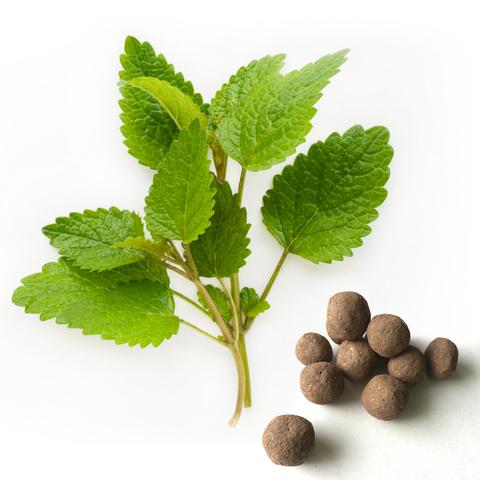
Lemon balm (Melissa officinalis) plant. Lemon balm has been shown to reduce stress and anxiety.

As a result, it has a sedative effect, calming the nerves and relaxing the body.

Research shows that lemon balm extract significantly reduces anxiety and stress in humans (146-149).

In one study, researchers gave Cyracos, a standardized lemon balm extract, to individuals with anxiety disorders, and it significantly reduced their anxiety. As much as 95% of the subjects responded to the treatment, and 70% of them achieved full remission (145).

Animal studies also show that it reduces stress and anxiety in rats by reducing stress hormones and increasing serotonin and GABA. The effects are comparable to anti-anxiety medication (150-155).

Lemon balm is included in this anti-anxiety supplement. 


15. Rhodiola

Rhodiola, also known as golden root or arctic root, is a Traditional Chinese and Scandinavian herb.

It’s one of the most popular adaptogens used to increase physical and mental stamina.

Research shows that rhodiola supplementation significantly reduces anxiety and stress symptoms (86),

In one study, individuals with generalized anxiety disorder supplemented with rhodiola, and it significantly reduced their symptoms of anxiety (88).

Improvements can be seen within just three days of treatment (87).

I take rhodiola as needed. I find that it can improve mood and energy, especially after stressful periods of pushing myself too hard.

Rhodiola has a number of brain and mental health benefits. I previously wrote about it here if you’re interested in learning more.

Click here to subscribe

16. Ginkgo Biloba

Ginkgo Biloba is a plant that has been used in China for thousands of years to treat a number of health problems.

It’s one of the top-selling natural supplements in the world, and it’s even a prescription herb in Germany.

It’s most commonly used to improve brain health because it increases blood flow to the brain and improves memory and attention in both healthy and unhealthy individuals.

But researchers have also found that it reduces anxiety and stress.

Two studies show that supplementing with Ginkgo Biloba significantly reduces anxiety compared to placebo (115-116).

This occurs in both elderly individuals with cognitive decline and younger people with generalized anxiety disorder (115-116).

And in healthy individuals, it reduces cortisol release during a stressful event (119).

Animal studies also show that Ginkgo Biloba has anti-stress and anti-anxiety effects in both mice and rats, without producing benzodiazepine-like side effects (117-118, 120-122).

Ginkgo Biloba is included in the Optimal Brain supplement. 


17. Vitamin B6

Vitamin B6 is a key nutrient that supports your entire nervous system.

It accomplishes this by playing a key role in the production of calming neurotransmitters in your brain, including serotonin and GABA.

A bunch of foods with Vitamin B6 in them, including pistachios, red meat, chicken, potatoes and bananas. Vitamin B6 supplementation can help reduce anxiety and stress.

Studies have found that Vitamin B6 supplements can reduce anxiety (126-128).

When I took antidepressants and benzodiazepines for my chronic anxiety, multiple functional and integrative doctors suggested I supplement with Vitamin B6.

This is because these medications can actually further deplete Vitamin B6, increasing anxiety in the long run.

If you take a medication to manage your anxiety, or simply have anxiety and want to manage it better, I recommend supplementing with Vitamin B6.

Vitamin B6 is included in the Optimal Calm supplement.


18. Vitamin C

Vitamin C is another way to reduce your anxiety and stress.  

Researchers have found that Vitamin C supplements significantly reduce stress and anxiety in humans and animals by limiting cortisol levels (129-136).

As you probably know, Vitamin C is found in fruits and vegetables such as green peppers, citrus fruits, tomatoes, cauliflower, Brussels sprouts, broccoli, and cabbage.

In addition to getting Vitamin C from fruits and vegetables, I recommend taking at least 100 mg of supplemental Vitamin C every day.

But based on my research and experience, if you want to reduce your stress and anxiety, you may have to take large doses of Vitamin C.

Two studies show that supplementing with a high dose (at least 3 grams) of Vitamin C reduces cortisol, psychological stress and anxiety (137-138).

I experimented with taking up to 10 grams of Vitamin C daily, and it definitely reduced my stress and anxiety when coming off several psychiatric medications.

That’s why it’s included in Optimal Calm.


19. Curcumin

Curcumin is the most heavily researched compound within turmeric, the spice that gives curry its yellow colour.

A bowl or turmeric spice. Curcumin is the main compound in turmeric that has been shown to reduce stress and anxiety.

Research shows that it can reduce anxiety in individuals with major depressive disorder (139-141).

One animal study found that it reduces anxious behavior in rats (142).

Curcumin is a good option is you struggle with chronic inflammation and both depression and anxiety.

In my experience, it doesn’t help as much if you only have anxiety.

But it’s still one of my favourite natural compounds for the brain and mental health.


20. Lion’s Mane Mushroom

Hericium Erinaceus – better known as lion’s mane mushroom – is an edible mushroom with numerous health benefits.

It’s another one of my favourite supplements for brain health because it reduces inflammation and has antioxidant effects.

One study found that it reduced anxiety in 30 women after 4 weeks of supplementation (143).

And an animal study showed that it reduces anxious behaviour in rats by increasing neurogenesis (144).

This lion’s mane mushroom supplement is the highest-quality that I could find. I spent a lot of time researching and looking into different sources because not all lion's mane supplements are high-quality and effective, and I settled on this one.

Click here to subscribe

21. Holy Basil

Holy Basil (Ocimum sanctum) is an adaptogenic herb that supports the body’s stress response. 

It’s known to have calming and relaxing effects on the body and mind.

In one study, researchers found that OciBest, a whole plant extract of Holy Basil, significantly reduced symptoms of stress. It was 39 per cent more effective than placebo, and there were no adverse effects (156).

Another study showed that supplementing with Holy Basil significantly reduces stress and anxiety in people with generalized anxiety disorder (157).

It’s also been shown to reduce cortisol (158-159).

And there is plenty of animal research showing that Holy Basil reduces anxiety, stress and stress hormone levels in mice and rats. And the anti-anxiety and anti-stress effects are comparable to antidepressant drugs (160-164).

Holy Basil can be taken as a supplement, herbal tea, dried powder, or fresh leaf used in cooking.


22. Saffron

Saffron is a spice derived from the Crocus sativus plant.

It has a number of health benefits due to the medicinal compounds within it.

The saffron plant. Saffron has been shown to reduce anxiety and stress.

Safranal and Crocetin, two of the compounds within saffron, have been shown to stimulate GABA receptors and increase serotonin levels in the brain (165-166).

Because of this, researchers have found that supplementing with a saffron extract can reduce anxiety (167).

Several preclinical and clinical studies show that supplementing with saffron significantly reduces stress and anxiety in adults and youth without side effects (169-173).

And one study found that the aroma of saffron significantly reduces cortisol levels and symptoms of anxiety in women (168).

Animal research also demonstrates that saffron reduced anxiety-like behaviours in mice (174).


23. Sceletium Tortuosum

Sceletium tortuosum is a plant commonly found in South Africa.

It’s a psychoactive herb but it doesn’t cause hallucinations or lead to addiction.

It often used before stressful events because research shows that it reduces anxiety and stress.

Researchers have found that it reduces anxiety and stress in humans by decreasing activity in the amygdala and inhibiting the reuptake of serotonin (175).

Animal studies have also shown that reduces anxiety and stress hormones (176-179).

Zembrin is the patented form of Sceletium tortuosum often found in supplements.


24. Lavender

Lavender is often used in soap and shampoo because it smells nice.

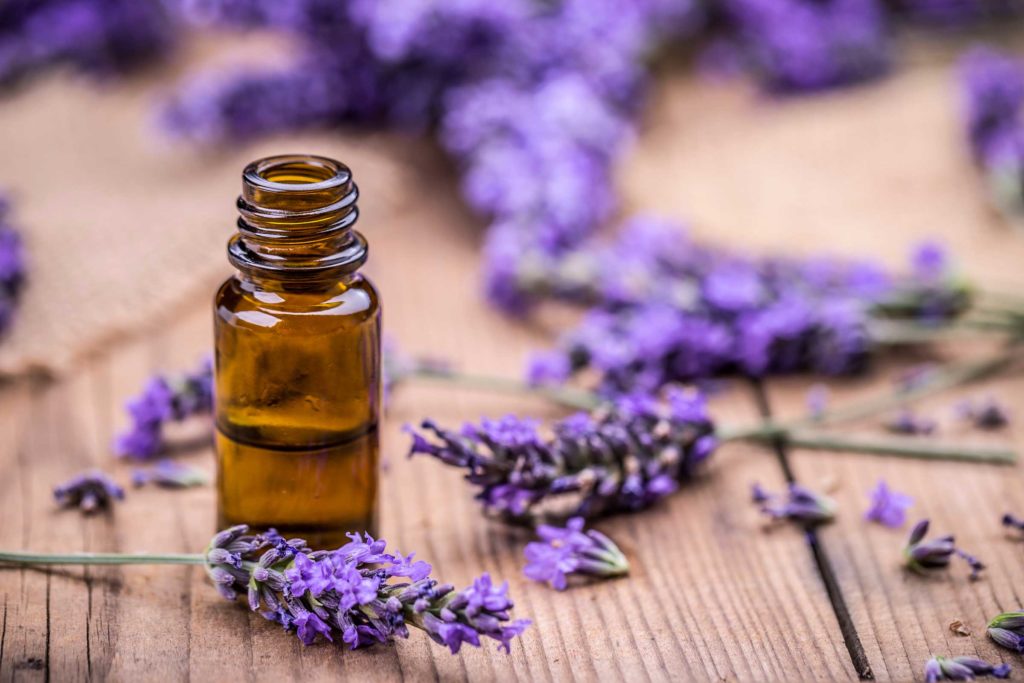
A small bottle of Lavender oil surrounded by plants. Lavender reduces anxiety and stress.

But it also has a number of health benefits.

Lots of research shows that lavender significantly increases calmness, relieves restlessness and nervousness, and reduces emotional distress in people with anxiety disorders – without causing any unwanted side effects (180-183).

One study found that Silexan, an oral lavender oil capsule, is just as effective at reducing generalized anxiety as lorazepam, a common benzodiazepine. And it didn’t cause side effects or addiction like the anti-anxiety medication (184).

Tons of other studies show that inhaling the scent of lavender oil significantly reduces anxiety before exams, surgery and dental procedures (185-190).

And in two studies of women with postpartum depression, inhalation of lavender oil significantly decreased their anxiety and stress (191-192).

Unlike a lot of other natural compounds, scientists actually understand how lavender works – it decreases heart rate, blood pressure, body temperature and sweating; and it increases heart-rate variability and alpha brain waves (193-198).

Animal research also shows that it reduces anxiety in rats by increasing GABA (199-204).

As a result of all this, it has a powerful sedative effect on the nervous system, decreases the fight-or-flight responses, and relaxes the body.

Lavender essential oil can be taken orally, inhaled or applied to your skin.

Silexan is an oral lavander oil capsule commonly used in studies.


25. 5-Hydroxytryptophan (5-HTP)

5-Hydroxytryptophan (5-HTP) is a naturally-occurring amino acid and the precursor to serotonin, a neurotransmitter that can reduce stress and anxiety.

It easily crosses the blood-brain barrier and effectively increases the synthesis of serotonin in the brain (205).

Research shows that supplementing with 5-HTP significantly reduces anxiety by increasing serotonin levels (206-208, 212).

One study found that people with panic disorder who take 5-HTP experience a reduction in panic and the fewer panic attacks (209).

Not only does 5-HTP reduce anxiety by increasing serotonin; it’s also been shown to promote relaxation by increasing GABA and BDNF levels (210-211).

5-HTP in supplement form is extracted from the plant Griffonia simplicifolia.

Click here to subscribe

26. Black Seed Oil

Nigella sativa, more commonly known as Black Cumin Seed, has been used as a natural remedy for more than 2000 years.

It’s surprising more people haven’t heard of it because it’s actually one of the top-ranked evidence-based herbal medicines.

Researchers have found that black seed oil reduces inflammation and anxiety without side effects (218-219).

Studies also show that it significantly reduces anxiety-like behaviour in animals by increasing GABA and serotonin levels (220-224).


27. Skullcap

Skullcap refers to two separate medicinal herbs – American skullcap (Scutellaria lateriflora) and Chinese skullcap (Scutellaria baicallensis).

Both herbs have been shown to reduce anxiety and stress.

A double blind, placebo-controlled study demonstrated that American skullcap can reduce anxiety in adults (225).

Other research has found that Chinese skullcap can reduce anxiety and treat stress-related disorders by reducing stress hormones and enhancing GABA receptor activity (226-228).


28. Gotu Kola

Gotu Kola (Centella Asiatica) is an herb with antioxidant and anti-inflammatory properties.

It has been used for centuries in Ayurvedic and traditional Chinese medicine to alleviate symptoms of anxiety.

Researchers have found that Gotu Kola significantly reduces anxiety, stress and depression in individuals with generalized anxiety disorder (229).

In one study, people that supplemented with Gotu Kola were less likely to be anxious and easily startled (230).

Animal research shows that lowers anxiety-like behaviour in rats by increasing GABA levels (231-233).

It's important to point out that the Gotu Kola plant soaks up heavy metals from the soil. So you need to find a high-quality, organic source that doesn’t contain heavy metals.


Bringing It All Together: Taking Them in Combination Is Better Than Individually

It’s important to note that taking a combination of the above options will provide the greatest relief from anxiety.

They have a synergistic effect, meaning they work better when taken together.

Here are a bunch of proven combinations that you should consider if you want to powerfully reduce your anxiety and stress:

  • Ashwagandha and Bacopa – In one study, researchers found that taking these herbs together worked significantly better than taking them alone (269).

  • Bacopa and Omega-3 Fatty Acids – Since Bacopa is fat soluble, it’s said that it works better when it’s taken with a meal that contains fat. And research backs this up. One study found that bacopa and fish oil are more therapeutic together (270).

  • Valerian and Lemon Balm – These two herbs are most often sold in combination with each other. And there’s good reasons why. Together, both of these plants significantly reduce anxiety, restlessness, concentration difficulties and impulsiveness in adults and children (272-273). Their both included in the Optimal Calm supplement.

  • Chamomile and Lavender – One study showed that the aroma of both chamomile and lavender was more effective at reducing symptoms of anxiety and stress than either of them alone (271).

  • L-Lysine and L-Arginine – These two amino acids aren’t even included in the list above because they aren’t effective at reducing anxiety and stress alone. But together, they have been shown to significantly reduce anxiety and decrease cortisol levels (274).

  • A lozenge containing 4 different herbal preparations (lavender oil, extracts from hops, lemon balm and oat) has been shown to reduce anxiety, increase relaxation and increase alpha brain waves (275).

If you’re looking for an all-in-one supplement, this anti-anxiety supplement includes several of the natural compounds listed above all in one capsule.


Enjoy This Article? You Might Also Like My FREE Food Guide for Optimal Brain and Mental Health!

Click here to subscribe

Live Optimally,

Jordan Fallis

Connect with me


References:

(1) https://www.ncbi.nlm.nih.gov/pubmed/6285406

(2) https://goo.gl/D1Sh2B

(3) https://www.ncbi.nlm.nih.gov/pubmed/20829306/

(4) https://www.ncbi.nlm.nih.gov/pubmed/22290374

(5) https://www.ncbi.nlm.nih.gov/pmc/articles/PMC3079847/

(6) https://www.ncbi.nlm.nih.gov/pmc/articles/PMC3165951/

(7) https://www.ncbi.nlm.nih.gov/pmc/articles/PMC2241751/

(8) https://www.ncbi.nlm.nih.gov/pubmed/16258853

(9) https://www.ncbi.nlm.nih.gov/pmc/articles/PMC2685476/

(10) https://www.ncbi.nlm.nih.gov/pmc/articles/PMC3817535/

(11) https://www.ncbi.nlm.nih.gov/pmc/articles/PMC4270108/

(12) https://www.ncbi.nlm.nih.gov/pmc/articles/PMC4270108/

(13) https://www.ncbi.nlm.nih.gov/pubmed/23439798

(14) https://www.ncbi.nlm.nih.gov/pmc/articles/PMC3665193/

(15) https://www.ncbi.nlm.nih.gov/pmc/articles/PMC2958355/pdf/IJPsy-42-295.pdf

(16) https://www.ncbi.nlm.nih.gov/pmc/articles/PMC3573577/

(17) https://www.liebertpub.com/doi/abs/10.1089/acm.2014.0177

(18) http://www.ajol.info/index.php/ajtcam/article/view/67963

(19) http://journals.plos.org/plosone/article?id=10.1371/journal.pone.0006628

(20) https://www.ncbi.nlm.nih.gov/pmc/articles/PMC3252722/

(21) https://www.ncbi.nlm.nih.gov/pubmed/11194174

(22) https://www.ncbi.nlm.nih.gov/pubmed/18476388

(23) https://www.ncbi.nlm.nih.gov/pubmed/22546655

(24) https://www.ncbi.nlm.nih.gov/pubmed/12895672

(25) https://www.ncbi.nlm.nih.gov/pubmed/10075127

(26) https://www.ncbi.nlm.nih.gov/pmc/articles/PMC4270108/

(27) https://www.ncbi.nlm.nih.gov/pmc/articles/PMC3252722/

(28) https://www.ncbi.nlm.nih.gov/pmc/articles/PMC2958355/pdf/IJPsy-42-295.pdf

(29) https://www.ncbi.nlm.nih.gov/pmc/articles/PMC3040882/

(30) http://www.cochrane.org/CD003383/DEPRESSN_kava-extract-for-treating-anxiety

(31) https://www.ncbi.nlm.nih.gov/pubmed/26527536

(32) https://www.ncbi.nlm.nih.gov/pubmed/14692723

(33) https://www.ncbi.nlm.nih.gov/pubmed/15181652

(34) https://www.ncbi.nlm.nih.gov/pubmed/9065962

(35) https://www.ncbi.nlm.nih.gov/pubmed/16428031

(36) https://www.ncbi.nlm.nih.gov/pubmed/12807341

(37) https://www.ncbi.nlm.nih.gov/pubmed/10186945

(38) https://www.ncbi.nlm.nih.gov/pubmed/12369257

(39) https://www.ncbi.nlm.nih.gov/pubmed/24947278

(40) https://www.ncbi.nlm.nih.gov/pubmed/21601431

(41) https://www.ncbi.nlm.nih.gov/pubmed/21073405

(42) https://www.ncbi.nlm.nih.gov/pubmed/12535473

(43) http://journals.plos.org/plosone/article?id=10.1371/journal.pone.0157700

(44) https://www.ncbi.nlm.nih.gov/pubmed/12383029

(45) http://www.ncbi.nlm.nih.gov/pubmed/23635869

(46) https://www.ncbi.nlm.nih.gov/pubmed/25879690

(47) https://www.ncbi.nlm.nih.gov/pmc/articles/PMC4934620/

(48) https://www.ncbi.nlm.nih.gov/pmc/articles/PMC5225647/

(49) http://www.tandfonline.com/doi/abs/10.4161/gmic.2.4.16108

(50) https://www.ncbi.nlm.nih.gov/pubmed/21683077

(51) https://www.ncbi.nlm.nih.gov/pmc/articles/PMC3413724/

(52) https://www.herbwisdom.com/herb-chamomile.html

(53) https://www.ncbi.nlm.nih.gov/pubmed/21601431

(54) https://www.ncbi.nlm.nih.gov/pmc/articles/PMC3600408/

(55) https://www.ncbi.nlm.nih.gov/pubmed/22894890

(56) https://www.ncbi.nlm.nih.gov/pmc/articles/PMC3600408/

(57) https://www.ncbi.nlm.nih.gov/pmc/articles/PMC3600416/

(58) https://www.ncbi.nlm.nih.gov/pubmed/19593179

(59) https://www.ncbi.nlm.nih.gov/pubmed/15451406

(60) https://www.ncbi.nlm.nih.gov/pubmed/15464088

(61) https://www.ncbi.nlm.nih.gov/pubmed/16628544

(62) https://www.ncbi.nlm.nih.gov/pubmed/11386498

(63) https://www.ncbi.nlm.nih.gov/pubmed/11262515

(64) https://www.ncbi.nlm.nih.gov/pubmed/7793450

(65) https://www.ncbi.nlm.nih.gov/pubmed/9169302

(66) https://www.ncbi.nlm.nih.gov/pubmed/8780431

(67) https://www.ncbi.nlm.nih.gov/pmc/articles/PMC3875047/

(68) http://www.ncbi.nlm.nih.gov/pubmed/9203091

(69) http://www.ncbi.nlm.nih.gov/pubmed/11281942

(70) http://www.ncbi.nlm.nih.gov/pubmed/10847563

(71) https://www.ncbi.nlm.nih.gov/pubmed/11172878

(72) https://www.ncbi.nlm.nih.gov/pubmed/18296328

(73) https://www.ncbi.nlm.nih.gov/pubmed/21735551

(74) https://www.ncbi.nlm.nih.gov/pmc/articles/PMC3560823/

(75) https://www.ncbi.nlm.n

(76) https://www.ncbi.nlm.nih.gov/pubmed/16930802

(77) https://www.ncbi.nlm.nih.gov/pubmed/21208586

(78) https://koreamed.org/SearchBasic.php?RID=0124KJN/2003.36.9.918&DT=1

(79) https://espace.library.uq.edu.au/view/UQ:284103

(80) http://www.sciencedirect.com/science/article/pii/S1756464611000351

(81) https://www.ncbi.nlm.nih.gov/pmc/articles/PMC3518171/

(82) https://www.ncbi.nlm.nih.gov/pubmed/18296328

(83) https://www.ncbi.nlm.nih.gov/pubmed/24051231

(84) https://examine.com/supplements/theanine/

(85) https://link.springer.com/article/10.1007/s00213-017-4743-1

(86) https://onlinelibrary.wiley.com/doi/full/10.1002/ptr.5486

(87) https://www.ncbi.nlm.nih.gov/pubmed/22228617

(88) https://www.ncbi.nlm.nih.gov/pubmed/18307390

(89) https://www.ncbi.nlm.nih.gov/pubmed/11498727

(90) https://www.ncbi.nlm.nih.gov/pubmed/23788517

(91) https://onlinelibrary.wiley.com/doi/full/10.1002/ptr.5029

(92) https://www.ncbi.nlm.nih.gov/pubmed/17321089

(93) https://www.ncbi.nlm.nih.gov/pubmed/21046986

(94) https://www.ncbi.nlm.nih.gov/pmc/articles/PMC3153866/

(95) https://examine.com/supplements/bacopa-monnieri/

(96) https://www.ncbi.nlm.nih.gov/pmc/articles/PMC5452159/

(97) https://www.ncbi.nlm.nih.gov/pmc/articles/PMC2959081/

(98) https://www.ncbi.nlm.nih.gov/pubmed/27869100

(99) https://www.ncbi.nlm.nih.gov/pubmed/26591563

(100) https://www.ncbi.nlm.nih.gov/pubmed/20305593

(101) https://www.ncbi.nlm.nih.gov/pubmed/16542786

(102) https://www.ncbi.nlm.nih.gov/pubmed/15159129

(103) https://www.ncbi.nlm.nih.gov/pubmed/18799816

(104) https://www.ncbi.nlm.nih.gov/pubmed/28389335

(105) https://www.ncbi.nlm.nih.gov/pubmed/21835188

(106) https://www.ncbi.nlm.nih.gov/pubmed/25773775

(107) https://www.ncbi.nlm.nih.gov/pmc/articles/PMC3198864/

(108) https://www.ncbi.nlm.nih.gov/pmc/articles/PMC2275606/

(109) https://www.ncbi.nlm.nih.gov/pubmed/21784145

(110) https://www.ncbi.nlm.nih.gov/pmc/articles/PMC3191260/

(111) https://www.ncbi.nlm.nih.gov/pubmed/19906519

(112) https://www.ncbi.nlm.nih.gov/pubmed/17110827

(113) https://www.sciencedirect.com/science/article/pii/S0889159111004685

(114) https://www.ncbi.nlm.nih.gov/pubmed/16269019

(115) https://www.ncbi.nlm.nih.gov/pubmed/16808927

(116) https://www.ncbi.nlm.nih.gov/pubmed/26092515

(117) https://www.ncbi.nlm.nih.gov/pubmed/9551771

(118) https://www.ncbi.nlm.nih.gov/pubmed/14575433

(119) https://www.ncbi.nlm.nih.gov/pubmed/12369732

(120) https://www.ncbi.nlm.nih.gov/pubmed/12062581

(121) https://www.ncbi.nlm.nih.gov/pubmed/7835617

(122) https://www.ncbi.nlm.nih.gov/pubmed/9651122

(123) https://www.ncbi.nlm.nih.gov/pmc/articles/PMC3738454/

(124) https://www.ncbi.nlm.nih.gov/pubmed/20689416

(125) https://www.ncbi.nlm.nih.go

(126) https://www.ncbi.nlm.nih.gov/pmc/articles/PMC2572855/

(127) https://www.ncbi.nlm.nih.gov/pubmed/10746516/

(128) https://www.ncbi.nlm.nih.gov/pmc/articles/PMC4161081/

(129) http://www.ncbi.nlm.nih.gov/pmc/articles/PMC3560823/

(130) http://www.ncbi.nlm.nih.gov/pubmed/21036190

(131) http://www.ncbi.nlm.nih.gov/pubmed/24511708

(132) https://www.ncbi.nlm.nih.gov/pmc/articles/PMC4376513/

(133) http://www.ncbi.nlm.nih.gov/pubmed/21036190

(134) https://www.ncbi.nlm.nih.gov/pubmed/22154133/

(135) https://www.ncbi.nlm.nih.gov/pubmed/27932080

(136) https://www.ncbi.nlm.nih.gov/pubmed/26353411

(137) http://www.ncbi.nlm.nih.gov/pubmed/12208645

(138) https://www.ncbi.nlm.nih.gov/pubmed/11862365/

(139) http://www.ncbi.nlm.nih.gov/pubmed/25046624

(140) http://www.ncbi.nlm.nih.gov/pubmed/27723543

(141) https://www.ncbi.nlm.nih.gov/pubmed/25776839

(142) https://www.ncbi.nlm.nih.gov/pubmed/25550171

(143) https://www.ncbi.nlm.nih.gov/pubmed/20834180

(144) https://www.ncbi.nlm.nih.gov/pubmed/29091526

(145) https://www.ncbi.nlm.nih.gov/pubmed/22207903

(146) https://www.ncbi.nlm.nih.gov/pubmed/15272110

(147) https://www.ncbi.nlm.nih.gov/pubmed/12062586

(148) https://www.ncbi.nlm.nih.gov/pubmed/12888775

(149) https://www.ncbi.nlm.nih.gov/pubmed/25680840

(150) https://www.ncbi.nlm.nih.gov/pubmed/20171069

(151) https://www.ncbi.nlm.nih.gov/pubmed/22529473

(152) http://www.ncbi.nlm.nih.gov/pubmed/16780969

(153) https://www.ncbi.nlm.nih.gov/pmc/articles/PMC3326910/

(154) https://www.ncbi.nlm.nih.gov/pubmed/19165747

(155) https://www.ncbi.nlm.nih.gov/pubmed/21076869

(156) https://www.hindawi.com/journals/ecam/2012/894509/

(157) https://www.ncbi.nlm.nih.gov/pubmed/19253862

(158) https://www.ncbi.nlm.nih.gov/pmc/articles/PMC5376420/

(159) https://www.ncbi.nlm.nih.gov/pubmed/26571987

(160) https://www.ncbi.nlm.nih.gov/pubmed/10685110

(161) https://www.ncbi.nlm.nih.gov/pubmed/9142558

(162) https://www.ncbi.nlm.nih.gov/pmc/articles/PMC2832770/

(163) https://www.ncbi.nlm.nih.gov/pmc/articles/PMC2959210/

(164) https://www.ncbi.nlm.nih.gov/pubmed/21281248

(165) https://www.ncbi.nlm.nih.gov/pmc/articles/PMC4599112/

(166) https://www.ncbi.nlm.nih.gov/pmc/articles/PMC4599118/

(167) https://www.ncbi.nlm.nih.gov/pmc/articles/PMC4599112/

(168) https://www.ncbi.nlm.nih.gov/pubmed/21242071

(169) https://www.ncbi.nlm.nih.gov/pubmed/29136602

(170) https://www.ncbi.nlm.nih.gov/pubmed/29510352

(171) https://www.ncbi.nlm.nih.gov/pubmed/27101556

(172) https://www.ncbi.nlm.nih.gov/pubmed/26950102

(173) https://www.ncbi.nlm.nih.gov/pubmed/28735826

(174) https://www.ncbi.nlm.nih.gov/pubmed/19142981

(175) https://www.ncbi.nlm.nih.gov/pubmed/23903032

(176) https://www.ncbi.nlm.nih.gov/pubmed/20816940

(177) https://www.sciencedirect.com/science/article/pii/S0378874110006318

(178) https://www.sciencedirect.com/science/article/pii/S0378874116305438

(179) https://www.ncbi.nlm.nih.gov/pmc/articles/PMC4753303/

(180) https://www.ncbi.nlm.nih.gov/pubmed/22475718

(181) https://www.ncbi.nlm.nih.gov/pubmed/20512042

(182) https://www.hindawi.com/journals/ecam/2013/681304/

(183) https://www.ncbi.nlm.nih.gov/pmc/articles/PMC3612440/

(184) https://www.ncbi.nlm.nih.gov/pubmed/19962288

(185) https://www.ncbi.nlm.nih.gov/pubmed/16095639/

(186) https://www.ncbi.nlm.nih.gov/pubmed/19968674

(187) https://www.ncbi.nlm.nih.gov/pubmed/19258850

(188) https://www.ncbi.nlm.nih.gov/pubmed/7897075/

(189) https://www.ncbi.nlm.nih.gov/pubmed/10997854/

(190) https://www.ncbi.nlm.nih.gov/pubmed/19962101/

(191) https://www.ncbi.nlm.nih.gov/pmc/articles/PMC4815377/

(192) https://www.ncbi.nlm.nih.gov/pubmed/22789792/

(193) https://www.ncbi.nlm.nih.gov/pubmed/22612017

(194) https://www.ncbi.nlm.nih.gov/pmc/articles/PMC3612440/

(195) https://www.ncbi.nlm.nih.gov/pmc/articles/PMC3159017/

(196) https://www.ncbi.nlm.nih.gov/pubmed/22612017

(197) https://www.ncbi.nlm.nih.gov/pubmed/19382124

(198) https://www.ncbi.nlm.nih.gov/pubmed/19382124

(199) https://www.sciencedirect.com/science/article/pii/S0006295205000341

(200) https://www.sciencedirect.com/science/article/pii/S0944711308001529

(201) https://link.springer.com/article/10.2478/s11532-014-0532-4

(202) https://www.ncbi.nlm.nih.gov/pmc/articles/PMC3639265/

(203) https://www.ncbi.nlm.nih.gov/pubmed/22402245

(204) https://www.ncbi.nlm.nih.gov/pmc/articles/PMC3612440/

(205) https://www.ncbi.nlm.nih.gov/pubmed/9727088

(206) https://www.ncbi.nlm.nih.gov/pubmed/21178946

(207) https://www.ncbi.nlm.nih.gov/pubmed/3157732

(208) https://www.ncbi.nlm.ni

(209) https://www.ncbi.nlm.nih.gov/pubmed/12559480

(210) https://www.ncbi.nlm.nih.gov/pubmed/19865069

(211) https://www.ncbi.nlm.nih.gov/pubmed/21178946

(212) https://www.ncbi.nlm.nih.gov/pubmed/3312397

(213) https://www.ncbi.nlm.nih.gov/pubmed/11679026

(214) https://www.ncbi.nlm.nih.gov/pubmed/18499602

(215) https://www.ncbi.nlm.nih.gov/pmc/articles/PMC5217504/

(216) https://www.ncbi.nlm.nih.gov/pubmed/18576976

(217) https://www.ncbi.nlm.nih.gov/pmc/articles/PMC2941540/

(218) https://www.ncbi.nlm.nih.gov/pubmed/24412554

(219) https://www.sciencedirect.com/science/article/pii/S037887411300932X

(220) http://www.phcog.com/article.asp?issn=0973-1296;year=2015;volume=11;issue=42;spage=182;epage=189;aulast=Islam

(221) https://www.ncbi.nlm.nih.gov/pubmed/21857076

(222) https://www.ncbi.nlm.nih.gov/pubmed/25176249

(223) https://www.ncbi.nlm.nih.gov/pmc/articles/PMC3642442/

(224) https://www.ncbi.nlm.nih.gov/pubmed/19339222

(225) https://www.ncbi.nlm.nih.gov/pubmed/12652886

(226) https://goo.gl/1wtc4M

(227) https://www.ncbi.nlm.nih.gov/pubmed/17639560

(228) https://www.ncbi.nlm.nih.gov/pubmed/12392823

(229) https://www.ncbi.nlm.nih.gov/pubmed/20677602

(230) https://www.ncbi.nlm.nih.gov/pubmed/11106141

(231) https://www.ncbi.nlm.nih.gov/pubmed/16488124

(232) https://www.ncbi.nlm.nih.gov/pubmed/26016167

(233) https://www.ncbi.nlm.nih.gov/pubmed/18066140

(234) https://www.ncbi.nlm.nih.gov/pubmed/22718671

(235) https://www.ncbi.nlm.nih.gov/pubmed/17593676

(236) https://www.ncbi.nlm.nih.gov/pubmed/12807339

(237) https://www.ncbi.nlm.nih.gov/pmc/articles/PMC4802141/

(238) https://www.ncbi.nlm.nih.gov/pubmed/18602406

(239) https://www.ncbi.nlm.nih.gov/pubmed/25066015

(240) https://www.ncbi.nlm.nih.gov/pubmed/5395156

(241) https://www.ncbi.nlm.nih.gov/pubmed/14242269

(242) https://www.ncbi.nlm.nih.gov/pubmed/14238787

(243) https://www.ncbi.nlm.nih.gov/pubmed/13578651

(244) https://www.ncbi.nlm.nih.gov/pubmed/13578650

(245) https://www.ncbi.nlm.nih.gov/pubmed/10730682

(246) https://www.ncbi.nlm.nih.gov/pubmed/8309543

(247) https://www.ncbi.nlm.nih.gov/pubmed/14742369

(248) https://www.ncbi.nlm.nih.gov/pubmed/10411208

(249) https://www.ncbi.nlm.nih.gov/pubmed/17585957

(250) https://www.ncbi.nlm.nih.gov/pubmed/18095218

(251) https://www.ncbi.nlm.nih.gov/books/NBK11084/

(252) https://www.ncbi.nlm.nih.gov/pmc/articles/PMC4863311/

(253) https://www.ncbi.nlm.nih.gov/pubmed/14751470

(254) https://www.ncbi.nlm.nih.gov/pubmed/12895671

(255) https://www.ncbi.nlm.nih.gov/pubmed/12662130

(256) https://www.ncbi.nlm.nih.gov/pmc/articles/PMC4303399/

(257) https://www.ncbi.nlm.nih.gov/pubmed/20634372

(258) https://www.ncbi.nlm.nih.gov/pubmed/24758222

(259) https://www.ncbi.nlm.nih.gov/pubmed/18160026

(260) https://www.ncbi.nlm.nih.gov/pubmed/18602406

(261) https://www.ncbi.nlm.nih.gov/pubmed/20042323

(262) https://www.ncbi.nlm.nih.gov/pubmed/25495725

(263) https://www.ncbi.nlm.nih.gov/pubmed/26177123

(264) https://www.ncbi.nlm.nih.gov/pubmed/20957125

(265) https://jamanetwork.com/journals/jamapsychiatry/fullarticle/482548

(266) https://www.ncbi.nlm.ni

(267) https://www.ncbi.nlm.nih.gov/pubmed/10622375

(268) https://www.ncbi.nlm.nih.gov/pubmed/24055511

(269) http://www.ijam.co.in/index.php/ijam/article/view/155

(270) http://www.ghrnet.org/index.php/ijnr/article/view/2006

(271) http://www.sid.ir/En/Journal/ViewPaper.aspx?ID=531831

(272) https://www.sciencedirect.com/science/article/pii/S0944711314001494

(273) https://www.ncbi.nlm.nih.gov/pubmed/16444660

(274) https://www.ncbi.nlm.nih.gov/pubmed/17510493

(275) https://www.ncbi.nlm.nih.gov/pubmed/15546807

Terms and Conditions

Privacy Policy

Affiliate Disclosure

Disclaimer

20 Nutrient Deficiencies Proven to Cause Depression

Being depressed doesn’t mean you’re weak.

It’s not a defect in your personality. 

As I’m sure you know, it’s often caused by physiological changes in your body and brain.

So you need to think of it like any other illness. 

If you have a broken bone, you need to wear a cast to stabilize the bone while it heals. 

And if you have depression, you need to be kind to yourself, as you seek and address the underlying root causes. 

The good news is that you’re not powerless. 

I used to think that I’d be depressed forever.

That my depression was simply genetic, and I couldn’t do anything about it. 

In fact, I accepted that notion for a while.

I felt defeated and hopeless, and thought I'd feel that way for my entire life.

I told myself I’d simply have to rely on drugs to survive because that’s just “how I’m wired”. 

But then one day, I changed my mind and decided that I’d had enough. 

And I was actually going to get to the bottom of it instead of just accepting it.

I took action and searched far and wide for safer and healthier solutions to deal with my depression.

I came across a lot of different research and therapies.

I wasn’t sure if they would work, but then they did.

And I overcome my depression for good. 

One of my most important discoveries was that nutrient deficiencies can make your depression worse. 

And they could even be the root cause of it. 

It made so much sense.

But why hadn’t anyone ever brought it up?

I delved deeper into the scientific literature, and I found MANY nutrient deficiencies that can contribute to depression.

I started increasing my intake of them.

And I got better.

Much better.

This new post includes 20 nutrient deficiencies that could be making you feel depressed.

Read on to learn more. 

Depressed woman holds her forehead and wonders what nutrients she’s deficient in.

Vitamin Deficiencies That Can Cause Depression

1. Vitamin B12

“Lack of understanding of B12 is one of the greatest tragedies of modern medicine.”
— Dr. James Greenblatt, Integrative Psychiatrist

Having sufficient levels of Vitamin B12 is necessary for optimal brain and mental health.  

Unfortunately, a deficiency is very common, especially in older individuals and vegetarians and vegans.

And even if you eat meat and you’re young, you may still have a deficiency. 

Poor gut health and even psychiatric medications can cause a deficiency.

In fact, it’s estimated that almost 40% of Americans are deficient today.

Numerous studies have shown that having a deficiency in Vitamin B12 leads to symptoms of depression (16-22). 

And B12 levels tend to be significantly lower in people who are depressed (13). 

In one study, subjects with Vitamin B12 deficiency were 2 times as likely to be severely depressed as non-deficient subjects (15). 

Even a mild decrease in B12 levels is associated with mood disturbances (14). 

Luckily, there are steps you can take if you’re deficient. 

Vitamin B12 is found primarily in animal foods, and beef liver is an excellent source. I take beef liver capsules because I don’t like the taste of liver.

You may also want to supplement with Vitamin B12 because studies show that B12 supplementation significantly lowers homocysteine levels and reduces depressive symptoms (23-24). 

If you decide to supplement, avoid the semisynthetic version of B12 (cyanocobalamin) and instead take the methylated form (methylcobalamin or methyl-B12). 

Methyl-B12 is better absorbed and more biologically active.


2. Vitamin D (and Vitamin K2)

Sunlight shining through trees in a forest. Sunlight gives us Vitamin D, one of the main nutrient deficiencies that can cause depression.

Vitamin D is a fat-soluble vitamin that your skin synthesizes when exposed to the sun.

Every tissue in your body has Vitamin D receptors, including the brain, so a deficiency can lead to costly physiological and psychological consequences, including depression.

Researchers have found a very strong link between Vitamin D deficiency and depression (27-28). 

The lower your Vitamin D levels, the more symptoms of depression you are likely to have (35). 

Unfortunately, reports indicate that Vitamin D deficiency is widespread and a major health problem globally (25). 

Researchers estimate that 50 percent of the general population is at risk of Vitamin D deficiency (26). 

It’s best to get your Vitamin D by going outside and getting sunlight.

It’s especially important to make sure you get some sunlight in the morning to set your circadian rhythm. 

But most people still don’t get enough Vitamin D from the sun, especially during the winter.

That’s why I recommend taking a Vitamin D supplement. 

Research does show that taking a Vitamin D3 supplement is effective at reducing symptoms of depression and seasonal affective disorder (29-31). 

This is likely because Vitamin D increases the production of numerous neurotransmitters, including serotonin, dopamine, norepinephrine and epinephrine (32-34). 

It's important to test and monitor your Vitamin D levels before and after supplementing with it.

Lastly, if you decide to supplement with Vitamin D3, you should consider taking it with Vitamin K2. 

A recent study found that Vitamin K2 reduces depression in animals (36). 

And Vitamin K2 is known to improve brain function in humans (37-38). 


3. Vitamin B6

A bunch of foods rich in Vitamin B6, including chicken, beef, bananas and potatoes. Vitamin B6 is one nutrient that can help you overcome depression.

Having a deficiency in Vitamin B6 can also contribute to your depression.

It’s a key nutrient that supports your entire nervous system.

It can boost your mood because it plays a key role in the production of neurotransmitters in your brain, including serotonin and dopamine. It also lowers homocysteine. 

Research shows that people with depressive symptoms tend to have low levels of Vitamin B6 (85-87). 

A Vitamin B6 deficiency also contributes to chronic inflammation, which is one of the main underlying root causes of depression (88). 

Fortunately, consuming more Vitamin B6 can help. 

One study found that women that eat more foods containing Vitamin B6 have a lower risk of depression (89). 

Some of the best food sources of Vitamin B6 include potatoes, bananas and chicken. 

But supplementation is often necessary to see quick improvements. 

One study found that supplementing with Vitamin B6 can reduce depressive symptoms by lowering homocysteine levels (90). 

When I took antidepressants for depression, multiple functional and integrative doctors suggested I supplement with Vitamin B6.

This is because these medications can actually further deplete Vitamin B6, increasing depression in the long run. 

Vitamin B6 is included in the Optimal Zinc supplement.


4. Vitamin C

Having low levels of Vitamin C can also make you feel depressed.

Researchers have found that poor Vitamin C status is associated with increased symptoms of depression (105). 

Animal research also shows that a Vitamin C deficiency can lead to low levels of dopamine and serotonin in the brain, which causes mice to act depressed (106-107). 

As you probably know, Vitamin C can be found in foods such as peppers, citrus fruits, green leafy vegetables, broccoli, tomatoes, and berries. These foods are included in my Free Grocery Shopping Guide for Optimal Mental Health.

In addition to getting Vitamin C from fruits and vegetables, I take at least 500 grams of this Vitamin C every day. 

I’ve experimented with taking up to 10 grams daily, and it definitely improved my mood and reduced my stress levels, especially when I was coming off antidepressants. 

Research backs this up, showing that supplementing with Vitamin C can actually improve mood in both unhealthy and healthy individuals (95, 102-103). 

Various other studies show that Vitamin C supplements reduce stress and anxiety and decrease the severity of depression (96-101, 104).

Studies even show that Vitamin C can increase the effectiveness of antidepressants (108-109). 

Click here to subscribe

5. Folate

Folate (Vitamin B9) is an essential B vitamin that plays a key role in methylation, one of the most important processes in your body and brain for optimal energy and nervous system function.

Researchers have found that if you are depressed, you likely have lower levels of folate circulating in your blood, and people with low blood folate are at greater risk for developing depression (55-56). 

Good dietary sources of natural folate include: 

  • Leafy greens

  • Asparagus

  • Broccoli

  • Cauliflower

  • Strawberries

  • Avocado

  • Beef liver

  • Poultry

These foods are included in my Free Grocery Shopping Guide for Optimal Brain and Mental Health.

However, eating folate-rich foods sometimes isn’t enough. In fact, many people do not get enough folate from food because cooking and food processing destroy natural folates (54).

And supplementation is often needed. 

In one study, patients with depression took methylfolate for 6 months, and they witnessed a significant improvement in their depressive symptoms (57). 

Researchers have even suggested that folate supplementation should be a first-line treatment for depression (58). 

Methylfolate can be effective at treating depression because it helps lower homocysteine levels, helps produce serotonin and dopamine, and stimulates serotonin receptors in the brain (59-62). 


6. Thiamine

An assorted mix of nuts. Nuts are a rich source of thiamine, or Vitamin B1. People with depression often have low levels of Vitamin B1.

Thiamine, also known as Vitamin B1, is an essential water-soluble nutrient that cannot be made by the body. 

It’s used in nearly every cell in the body and especially important for supporting energy levels.

It’s also required by nerve cells and other supporting cells in the nervous system (167). 

Research shows that lower levels of Vitamin B1 are associated with a higher prevalence of depressive symptoms (168).

Vitamin B1 deficiency is also known to lead to irritability and symptoms of depression (170). 

Some doctors and researchers believe that postpartum depression is sometimes simply a Vitamin B1 deficiency (169). 

Luckily, consuming more Vitamin B1 can help.

A randomized, double-blind clinical trial found that Vitamin B1 supplementation reduces symptoms of depression within 6 weeks (171). 

And another concluded that Vitamin B1 supplementation improves mood, reduces brain fog, and speeds up reaction time (172).

In fact, researchers have even found that subjects’ mood improves if the amount of Vitamin B1 in their blood increases, and that the opposite occurs if the amount of Vitamin B1 in their blood decreases (173). 

Healthy food sources of Vitamin B1 include green peas, beef liver, asparagus, pecans, spinach, sunflower seeds, macadamia nuts, oranges, cantaloupe and eggs. 

These foods are included in my Free Grocery Shopping Guide for Optimal Mental Health.


7. Riboflavin

A handful of almonds. Almonds are an excellent source of Vitamin B2, a nutrient that is commonly depleted in people with depression.

Riboflavin, also known as Vitamin B2, plays a key role in energy metabolism throughout your entire body.  

As a result, a Vitamin B2 deficiency can affect the entire body, leading to low energy, weight gain, and depression.

In fact, lower levels of Vitamin B2 have been found in people with depression (91). 

Researchers have also found that Vitamin B2 consumption decreases risk of postpartum depression (92). 

Healthy food sources of Vitamin B2 include pastured eggs, leafy vegetables, beef liver, mushrooms, sunflower seeds, and almonds. 

These foods are included in my Free Grocery Shopping Guide for Optimal Mental Health.

If you’d like, you can also supplement with Vitamin B2.

Studies show that supplementing with Vitamin B2 helps lower homocysteine and reduces depressive symptoms (93-94). 

Vitamin B2 is included in the Optimal Zinc supplement. 


8. Inositol

Inositol is a naturally-occurring molecule found in nearly all plants and animals. It plays a key role in various biological processes.

The brain has the highest concentration of inositol, where it plays an important role making neurotransmitters (124). 

Inositol can be found in many foods, particularly fruit, especially cantaloupe and oranges (125). 

It used to be considered a B Vitamin, called Vitamin B8. But it currently is no longer considered an essential nutrient because your body can produce inositol from glucose (126). 

But I’m including it in this list anyway because individuals with depression have very low levels of inositol in their brains (127-129). 

And inositol supplementation has been shown to increase inositol levels and help treat depression (130, 132). 

It can also reduce symptoms of depression in women with premenstrual syndrome and premenstrual dysphoric disorder (131, 133). 

It’s even been shown to help patients who have discontinued their antidepressant medication (134). 

I took high doses of inositol powder when weening off psychiatric medication.

Check out my full post about inositol to learn more about the benefits. 

Fun fact: Inositol is also used as a stand-in for cocaine in television shows and movies. 


9. Coenzyme Q10

Coenzyme Q10 (CoQ10) is a coenzyme and antioxidant located primarily in the mitochondria. It has numerous known health benefits and plays a critical role in producing energy for the body.

CoQ10 is produced within the body, but it’s also found within food and can be supplied to the body through food or supplementation. It resembles a fat-soluble vitamin.

Meat and fish are the richest sources of dietary CoQ10, including beef, pork, chicken heart, and chicken liver. Nuts and some oils also contain some CoQ10 (110). 

Research shows that CoQ10 levels are reduced in people with depression and chronic fatigue (111). 

One study also found that CoQ10 regulates serotonin levels and depressive symptoms in fibromyalgia patients (117). 

CoQ10 supplementation has also been shown to improve fatigue and reduce depression symptom severity (112-114). 

It also displays antidepressant-like activity in animals (115-116). 

Click here to subscribe

Mineral Deficiencies That Can Cause Depression

10. Magnesium

Magnesium is a vital mineral that participates in more than 300 biochemical reactions in your body.

Unfortunately, a lot of people are deficient in magnesium today.  

This is a shame because magnesium is absolutely essential for the proper functioning of your nervous system and optimal neurotransmitter activity. 

Research shows that low magnesium levels contribute and worsen many neuropsychiatric problems, including depression (42). 

In fact, researchers have found that people with depression have lower magnesium levels than healthy people (49). 

They’ve also found a significant association between very low magnesium intake and depression (43). 

On top of this, animal research shows that removing magnesium from their diet results in depressive-like symptoms (50). 

So if you’re struggling with depression, it’s very important to make sure you’re getting enough magnesium so that you don’t have a deficiency.

Luckily, there are a number of ways to do this. 

First, make sure you’re eating magnesium-rich foods on a regular basis, including:

  • Spinach

  • Chard

  • Pumpkin seeds

  • Almonds

  • Avocado

  • Dark chocolate

  • Bananas

These foods are included in my Free Grocery Shopping Guide for Optimal Mental Health.

Epsom salt baths are another great way to increase your body’s intake of magnesium. 

I also highly recommend a high-quality supplement that includes magnesium.

Magnesium is included in this supplement.

A number of studies have concluded that magnesium supplementation can reduce depressive symptoms in humans – sometimes within 7 days (44-48). 

Since most people are deficient, magnesium is one of the three supplements that I think everyone should be taking.


11. Zinc

An image of zinc-rich foods, including pumpkin seeds of cashews. Zinc is one mineral that can help fight depression. Many people with depression often have low levels of zinc.

Zinc is an essential mineral for mental health.

Like magnesium, it plays a key role in neurotransmission and nervous system functioning.

Mounting evidence suggests a link between zinc deficiency and the development and severity of depression (66-68, 76).  

Depressed patients tend to have lower levels of zinc. And as their zinc levels drop, their depressive symptoms get worse (81-84). 

Unfortunately, it’s estimated that 2 billion people in the world are deficient in zinc, and several studies show that even subclinical deficiency of zinc impairs brain function in children and adults (63-65). 

So, if you struggle with depression, it’s quite possible that you’re deficient, and you’ll definitely want to optimize your zinc levels. 

Some of the best food sources of zinc include:

  • Oysters

  • Grass-fed beef

  • Pumpkin seeds

  • Cashews

  • Mushrooms

  • Spinach

These foods are included in my Free Grocery Shopping Guide for Optimal Brain and Mental Health.

However, if you’re deficient like I was, I recommend taking a high-quality zinc supplement, at least for a short period of time. 

A meta-analysis and several studies have concluded that zinc supplementation has antidepressant effects and significantly reduces symptoms of depression. One way it improves mood is by significantly increasing BDNF levels (69-75, 77-80).

I created and take the Optimal Zinc supplement to make sure my zinc levels are optimal. 

Check out my previous post all about zinc if you’re interested in discovering more steps you can take to increase your zinc levels.


12. Iron

A spoonful of spirulina. Spirulina is rich in iron. Iron is one nutrient deficiency that can cause depression.

Iron is a trace mineral found in every living cell in our bodies.

It carries oxygen to all parts of your body, and low levels can leave you feeling tired, pale, irritable and foggy. 

Sounds like depression doesn’t it?

Several studies show that iron deficiency increases the risk of developing depression and increases the severity of depression (184-186, 188-190). 

Researchers have also conducted a meta-analysis and found that high iron intake reduces the chance of developing depression (183). 

In one study, iron supplementation resulted in a 25% improvement in depressive symptoms (187). 

Despite this, I don’t actually recommend supplementing with iron though because some research suggests that too much iron can cause health problems.

It’s definitely preferable to get your iron from food. 

I make sure I get enough iron simply by taking grass-fed beef liver capsules.

Beef liver is one of the best sources of iron, but I don’t like the taste, so I go with the capsules.

Other good sources of iron include:

  • Spirulina

  • Dark chocolate

  • Spinach

  • Sardines

  • Pistachios

  • Raisons

These foods are included in my Free Grocery Shopping Guide for Optimal Mental Health.


13. Selenium

Selenium is an essential trace mineral that is important for many bodily processes that affect your brain and mental health.

Researchers have found that depression is associated with low levels of selenium (191). 

But supplementing with selenium has been shown to significantly increase selenium levels and improve symptoms of depression (192). 

Other research shows that selenium intake is associated with a general elevation of mood (193). 

Brazil nuts are the richest dietary source of selenium, but it can also be found in wild-caught seafood, pastured chicken and eggs, and grass-fed meat.

I also make sure I’m not deficiency in selenium by supplementing with it.

Selenium is included in this supplement.


14. Manganese

A table of foods that have high levels of manganese. Manganese deficiency can cause depression and make depression worse.

Manganese is an important trace mineral for human health. It acts as a cofactor, helping many enzymes carry out their functions in the body.

Research shows that having low levels of manganese can contribute to the development of depression (135). 

One study found that depressed patients had significantly lower levels of “manganese superoxide dismutase”, which is a manganese-dependent enzyme (136). 

Researchers have also found that women with higher manganese intake had a lower prevalence of depressive symptoms (137). 

Hazelnuts and macadamia nuts contain high levels of manganese, while leafy green vegetables, tea, chocolate and some fruits contain moderate levels (139). 

However, it’s important to note that you shouldn’t consume too much manganese.

In excess, manganese is neurotoxic and can lead to manganism, a neurodegenerative disorder that causes dopaminergic neuronal death and symptoms similar to Parkinson's disease (138). 

So I definitely don’t recommend supplementing with large doses of manganese. 

The small amount of manganese in Optimal Antiox is fine though. It’s what I take. 

 
Click here to subscribe

Fatty Acid Deficiencies That Can Cause Depression

15. Dihomo-Gamma-Linolenic Acid

Vials of Borage Oil, a fat that is rich in DGLA. DGLA has anti-inflammatory effects and can help beat depression.

Dihomo-Gamma-Linolenic Acid (DGLA) is an uncommon fatty acid.

It’s made in the body by the elongation of Gamma Linolenic Acid (GLA).

But small amounts can also be found in animal products (118). 

Last year, researchers found that people with depression are more likely to have low levels of DGLA levels (121). 

And increasing DGLA levels may lower the risk of developing depression (122). 

DGLA also has anti-inflammatory effects in the body (119). 

So it makes sense that levels would be low in depressed individuals because an increasing amount of evidence suggests that depression is a chronic inflammatory disease. 

DGLA can be increased by supplementing with dietary GLA (120). 

GLA can be found in Borage Oil, Evening Primrose Oil and Blackcurrant Seed Oil (123). 


16. Omega-3 Fatty Acids

Piece of cooked salmon on a plate. This salmon is full of omega-3 fatty acids that can help fight depression.

Omega-3s fatty acids are the highest quality fats for the brain and increasing your intake of them is one of the most impactful actions you can take to fight depression.

Several studies have shown that depressive patients have lower levels of omega-3 fatty acids (1-3).

Researchers even conducted a meta-analysis of 14 studies, and they found that levels of omega-3 fatty acids were significantly lower in people with depression (4). 

They concluded that having a deficiency in omega-3 fatty acids is a “contributing factor to mood disorders” (5). 

It’s important to consume enough omega-3 fatty acids because they are essential fats that your body cannot produce itself.

Omega-3 fatty acids are found primarily in cold water fish, including:

  • Salmon

  • Black cod

  • Sablefish

  • Sardines

  • Herring

These foods are included in my Free Grocery Shopping Guide for Optimal Mental Health.

Unfortunately, most people don't consume enough omega-3 fatty acids through their diet.

That’s why I recommend supplementing with krill oil, a special kind of fish oil that contains the essential omega-3 fatty acids. 

Plenty of research shows that omega-3 supplements are effective at treating clinical depression – just as effective as antidepressants drugs – because they lower inflammation in the brain (6-10). 


Amino Acid Deficiencies That Can Cause Depression

17. Carnitine

Carnitine is an amino acid found in nearly every cell of the body. It plays a vital role in the production of energy.

Researchers have found significantly lower levels of carnitine in patients with depression. And their low carnitine levels are associated with the severity of their depression (11-12, 174-175). 

Carnitine is mainly found in meat, fish and poultry.

But you can also supplement with it. 

I recommend Acetyl-L-Carnitine (ALCAR), an acetylated form of carnitine. It’s best supplemental form of carnitine. 

It’s often used as a natural brain booster because it increases alertness and provides support to brain cells.

But it’s also been shown to be very effective at quickly improving mood and treating depression (179-182). 

Six randomized clinical trials have demonstrated that ALCAR is better at treating depression than placebo (177). 

And two other studies found that ALCAR improved depressive symptoms in patients with chronic depression, and it was just as effective as antidepressant medications, but with less side effects (176, 178). 

ALCAR is included in the Optimal Brain supplement. 

Make sure you read this article to learn more about the remarkable benefits of ALCAR.


18. Glutamine

Glutamine is the most abundant amino acid in the body, suggesting that it’s very important.

It’s also one of the few amino acids that can directly cross the blood-brain barrier.

Glutamine is a conditionally essential amino acid, meaning the body can usually produce sufficient amounts of it. But sometimes the body uses up so much glutamine that it becomes necessary to obtain it from the diet or supplements, particularly during periods of illness, stress, inflammation and injuries (156-157). 

Researchers have found that depressed adults have reduced levels of glutamine (158). 

And glutamine deficiency has been shown to increase depressive-like behaviour in animals (159). 

But glutamine supplementation has “clear anti-depressive properties” and has been shown to improve mood (160-161). 

High levels of glutamine can be found in protein-rich foods such as beef, chicken, fish and eggs. Beets, cabbage, spinach, carrots, parsley, brussel sprouts, celery, kale and fermented foods like miso also contain some glutamine.

These foods are included in my Free Grocery Shopping Guide for Optimal Mental Health.

Glutamine is also available in supplement form. 

Glutamine was one of the main supplements that helped me heal my leaky gut, but I no longer need to take it regularly. 


19. Tryptophan

Tryptophan is an essential amino acid that cannot be produced by the body. It must be consumed through diet or by taking supplements. 

Some healthy foods that contain tryptophan include bananas, chicken, turkey and dark chocolate (140). 

A doctor is talking to a turkey and says “I think I know what is causing your narcolepsy. You’re full of tryptophan. Tryptophan is an amino acid that can make you sleepy, but it can also improve mood and help treat depression.

Tryptophan helps produce the neurotransmitter serotonin. It’s converted to 5-hydroxytryptophan (5-HTP) in the brain, which then produces serotonin (141-142). 

Researchers have found that depressed patients have significantly lower levels of tryptophan in their blood than healthy control subjects (143-144). 

Studies also show that depressed patients have a decreased ratio of tryptophan to neutral amino acids in their blood. This suggests that tryptophan availability to the brain is likely reduced in depressed patients (145-146). 

Personally, supplementing with tryptophan never helped me. In fact, it always seemed to make me worse. It gave me asthma and acne and increased my depression.  

This is because depressed patients sometimes have problems creating serotonin from tryptophan. Instead, they create other metabolites from tryptophan, such as quinolinic acid, which can be toxic. For depressed patients like me, tryptophan supplementation won’t help, and may actually make their depression worse (150-151). 

However, some people do see their mood improve when they increase their intake of tryptophan. So it shouldn’t be completely disregarded. 

There are studies that show that consuming a high tryptophan diet and consuming additional dietary tryptophan can increase mood and lead to significantly less depressive symptoms (152-154). 

So supplementing with tryptophan is worth a shot if you’re struggling with depression and haven’t tried it yet. Just be aware of possible side effects. 

If you want, you can also try supplementing with 5-HTP instead of tryptophan. 5-HTP is the direct precursor to serotonin. 

5-HTP is included in this supplement. 


20. Glutathione

Glutathione is a small peptide made up of 3 important amino acids – glutamic acid, cysteine and glycine – each of which have several important roles in the human body.

Glutathione is found in the food supply and within the human body, where it acts as an antioxidant. It is used by every cell in the body.

It’s technically not an “essential nutrient” because the body can create it.

However, it’s still very important, and a glutathione deficiency leads to increased susceptibility to oxidative stress, which is thought to be involved in a number of diseases, including depression.

Studies show that patients with depression have significantly lower levels of glutathione. And the lower a person’s glutathione levels, the more depressed they are likely to be (162-164). 

Some practitioners and researchers have found that increasing glutathione intake and levels can successfully treat depression (165). 

Glutathione is also able to prevent behavioural depression in animals (166). 

It’s important to note that standard glutathione supplements are not very effective at increasing glutathione levels because they are not well absorbed by the body.

N-acetyl-cysteine (NAC) is a tried-and-true way of increasing glutathione levels because it’s the direct precursor to glutathione. 

Garlic, asparagus, and cruciferous vegetables, such as broccoli and kale, can also help boost glutathione levels, but NAC supplements are more powerful. 

Other supplements that have been shown to help increase and maintain optimal glutathione levels include Selenium, Alpha Lipoic Acid, and S-adenosyl-methionine (Sam-E). 


Enjoy This Article? You Might Also Like My FREE Food Guide for Optimal Brain and Mental Health!

Click here to subscribe

Live Optimally,

Jordan Fallis

Connect with me

References:

(1) https://www.ncbi.nlm.nih.gov/pubmed/20452573

(2) https://www.ncbi.nlm.nih.gov/pubmed/16741195

(3) https://www.ncbi.nlm.nih.gov/pmc/articles/PMC4369545/

(4) https://www.ncbi.nlm.nih.gov/pubmed/20452573

(5) https://www.ncbi.nlm.nih.gov/pubmed/16741195

(6) https://www.ncbi.nlm.nih.gov/pubmed/24805797

(7) https://www.ncbi.nlm.nih.gov/pubmed/20586692

(8) https://www.ncbi.nlm.nih.gov/pubmed/20439549

(9) https://www.ncbi.nlm.nih.gov/pmc/articles/PMC3976923/

(10) https://examine.com/supplements/fish-oil/

(11) https://www.ncbi.nlm.nih.gov/pubmed/24611884

(12) https://www.ncbi.nlm.nih.gov/pmc/articles/PMC5470074/

(13) https://examine.com/suhttps://examine.com/supplements/vitamin-b12/plements/vitamin-b12/

(14) https://www.ncbi.nlm.nih.gov/pmc/articles/PMC2781043/

(15) https://www.ncbi.nlm.nih.gov/pubmed/10784463

(16) https://examine.com/supplements/vitamin-b12/

(17) https://wellnessmama.com/36091/vitamin-b12-deficiency/

(18) https://www.ncbi.nlm.nih.gov/pubmed/22276208

(19) https://www.ncbi.nlm.nih.gov/pmc/articles/PMC2781043/

(20) https://www.ncbi.nlm.nih.gov/pubmed/10784463

(21) https://www.ncbi.nlm.nih.gov/pmc/articles/PMC3262813/

(22) https://www.ncbi.nlm.nih.gov/pubmed/24339839

(23) http://www.ncbi.nlm.nih.gov/pubmed/24339839

(24) http://www.ncbi.nlm.nih.gov/pubmed/21771745

(25) https://www.ncbi.nlm.nih.gov/pubmed/19543765

(26) https://goo.gl/mzJn79

(27) https://www.ncbi.nlm.nih.gov/pubmed/27750060

(28) https://www.ncbi.nlm.nih.gov/pubmed/23377209

(29) https://www.ncbi.nlm.nih.gov/pubmed/10888476

(30) https://www.ncbi.nlm.nih.gov/pubmed/22191178

(31) https://www.ncbi.nlm.nih.gov/pmc/articles/PMC4011048/

(32) https://www.sciencedaily.com/releases/2015/02/150225094109.htm

(33) https://www.ncbi.nlm.nih.gov/pubmed/9011759

(34) https://examine.com/supplements/vitamin-d/

(35) https://examine.com/supplements/vitamin-d/

(36) https://www.ncbi.nlm.nih.gov/pubmed/28068285

(37) https://goo.gl/EXPCRN

(38) https://www.ncbi.nlm.nih.gov/pubmed/24108469

(39) http://www.tandfonline.com/doi/abs/10.1080/00048670802534408

(40) http://www.ncbi.nlm.nih.gov/pubmed/10746516

(41) http://www.ncbi.nlm.nih.gov/pubmed/9861593

(42) https://www.ncbi.nlm.nih.gov/pubmed/27807012

(43) https://www.ncbi.nlm.nih.gov/pubmed/25748766

(44) https://www.ncbi.nlm.nih.gov/pubmed/2067759

(45) https://www.ncbi.nlm.nih.gov/pubmed/19271419

(46) https://www.ncbi.nlm.nih.gov/pubmed/1672392

(47) https://www.ncbi.nlm.nih.gov/pubmed/23950577

(48) https://www.ncbi.nlm.nih.gov/pubmed/16542786

(49) https://www.ncbi.nlm.nih.gov/pubmed/19780403

(50) https://www.ncbi.nlm.nih.gov/pubmed/18825946

(51) https://www.ncbi.nlm.nih.gov/pubmed/5314166

(52) https://www.ncbi.nlm.nih.gov/pubmed/14769778

(53) https://www.ncbi.nlm.nih.gov/pubmed/17522618

(54) https://www.ncbi.nlm.nih.gov/pubmed/12493090

(55) https://www.ncbi.nlm.nih.gov/pubmed/10967371?dopt=Abstract

(56) https://www.ncbi.nlm.nih.gov/pubmed/15671130

(57) https://www.ncbi.nlm.nih.gov/pubmed/1974941

(58) https://www.ncbi.nlm.nih.gov/pmc/articles/PMC1810582/

(59) http://www.ncbi.nlm.nih.gov/pubmed/21771745

(60) https://www.ncbi.nlm.nih.gov/pubmed/18950248

(61) https://www.ncbi.nlm.nih.gov/pubmed/19796883

(62) https://www.ncbi.nlm.nih.gov/pubmed/23212058

(63) http://www.ncbi.nlm.nih.gov/pubmed/22664333

(64) http://www.ncbi.nlm.nih.gov/pubmed/21939673

(65) http://www.ncbi.nlm.nih.gov/pubmed/22673824

(66) https://www.ncbi.nlm.nih.gov/pmc/articles/PMC3868572/

(67) https://www.ncbi.nlm.nih.gov/pubmed/20689416

(68) https://www.ncbi.nlm.nih.gov/pubmed/18655800

(69) http://www.ncbi.nlm.nih.gov/pubmed/15145706

(70) http://www.ncbi.nlm.nih.gov/pubmed/18766297

(71) http://www.ncbi.nlm.nih.gov/pubmed/24621065

(72) http://www.sciencedirect.com/science/article/

(73) https://www.ncbi.nlm.nih.gov/pubmed/21798601

(74) https://www.ncbi.nlm.nih.gov/pubmed/24130605

(75) https://www.ncbi.nlm.nih.gov/pubmed/16491668

(76) https://www.ncbi.nlm.nih.gov/pubmed/20689416

(77) https://www.ncbi.nlm.nih.gov/pubmed/21798601

(78) https://www.ncbi.nlm.nih.gov/pubmed/18191237

(79) http://www.ncbi.nlm.nih.gov/pmc/articles/PMC3022308/

(80) http://www.ncbi.nlm.nih.gov/pubmed/24621065

(81) https://www.ncbi.nlm.nih.gov/pubmed/20013161

(82) https://www.ncbi.nlm.nih.gov/pubmed/20493532

(83) https://www.ncbi.nlm.nih.gov/pubmed/9276075

(84) https://www.ncbi.nlm.nih.gov/pubmed/8071476

(85) https://www.ncbi.nlm.nih.gov/pubmed/15479988

(86) http://lpi.oregonstate.edu/mic/vitamins/vitamin-B6

(87) http://www.ncbi.nlm.nih.gov/pubmed/15479988

(88) https://www.ncbi.nlm.nih.gov/pubmed/23550784

(89) http://www.ncbi.nlm.nih.gov/pubmed/26648330

(90) http://www.ncbi.nlm.nih.gov/pubmed/21771745

(91) http://www.ncbi.nlm.nih.gov/pubmed/22081620

(92) https://www.ncbi.nlm.nih.gov/pubmed/16815556

(93) http://www.ncbi.nlm.nih.gov/pubmed/21771745

(94) http://www.ncbi.nlm.nih.gov/pubmed/1578091

(95) https://www.ncbi.nlm.nih.gov/pubmed/20688474

(96) http://www.ncbi.nlm.nih.gov/pubmed/26353411

(97) http://www.ncbi.nlm.nih.gov/pubmed/24511708

(98) https://www.ncbi.nlm.nih.gov/pmc/articles/PMC3599706/

(99) http://www.ncbi.nlm.nih.gov/pubmed/12208645

(100) https://www.ncbi.nlm.nih.gov/pmc/articles/PMC4376513/

(101) https://www.ncbi.nlm.nih.gov/pmc/articles/PMC4376513/

(102) https://www.ncbi.nlm.nih.gov/pmc/articles/PMC3599706/

(103) https://www.ncbi.nlm.nih.gov/pubmed/12208645

(104) https://www.ncbi.nlm.nih.gov/pmc/articles/PMC4376513/

(105) https://www.ncbi.nlm.nih.gov/pubmed/25835231

(106) https://www.ncbi.nlm.nih.gov/pubmed/23106783

(107) http://www.ncbi.nlm.nih.gov/pmc/articles/PMC3325330/

(108) https://www.ncbi.nlm.nih.gov/pmc/articles/PMC4376513/

(109) https://www.ncbi.nlm.nih.gov/pmc/articles/PMC3599706/

(110) https://www.ncbi.nlm.nhttps://www.ncbi.nlm.nih.gov/pubmed/20301015h.gov/pubmed/20301015

(111) https://www.ncbi.nlm.nih.gov/pubmed/20010493

(112) https://www.ncbi.nlm.nih.gov/pubmed/22467846

(113) https://www.ncbi.nlm.nih.gov/pmc/articles/PMC4414830/

(114) https://www.ncbi.nlm.nih.gov/pubmed/25603363

(115) https://www.ncbi.nlm.nih.gov/pubmed/23313551

(116) https://www.ncbi.nlm.nih.gov/pubmed/23928691

(117) https://www.ncbi.nlm.nih.gov/pubmed/24525646

(118) https://en.wikipedia.org/wiki/Dihomo-%CE%B3-linolenic_acid

(119) https://en.wikipedia.org/wiki/Dihomo-%CE%B3-linolenic_acid

(120) https://en.wikipedia.org/wiki/Dihomo-%CE%B3-linolenic_acid

(121) https://www.ncbi.nlm.nih.gov/pubmed/28235735

(122) https://www.ncbi.nlm.nih.gov/pubmed/28235735

(123) https://academic.oup.com/jn/article/128/9/1411/4722487

(124) https://en.wikipedia.org/wiki/Inositol

(125) https://www.ncbi.nlm.nih.gov/pubmed/7416064

(126) https://en.wikipedia.org/wiki/Inositol

(127) http://onlinelibrary.wiley.com/doi/10.1002/mrm.21709/full

(128) https://www.ncbi.nlm.nih.gov/pubmed/15953489

(129) https://www.ncbi.nlm.nih.gov/pubmed/9247405

(130) http://www.ncbi.nlm.nih.gov/pubmed/24424706

(131) http://onlinelibrary.wiley.com/doi/10.1002/hup.1241/abstract

(132) https://www.ncbi.nlm.nih.gov/pubmedhealth/PMH0062698/

(133) https://www.ncbi.nlm.nih.gov/pubmed/22031267

(134) https://www.ncbi.nlm.nih.gov/pubmed/7726322

(135) https://www.ncbi.nlm.nih.gov/pubmed/25712638

(136) https://www.ncbi.nlm.nih.gov/pubmed/25171019

(137) https://www.ncbi.nlm.nih.gov/pubmed/28110159

(138) https://en.wikipedia.org/wiki/Manganese#Biological_role

(139) https://www.ncbi.nlm.nih.gov/pmc/articles/PMC4516557/

(140) https://www.ncbi.nlm.nih.gov/pmc/articles/PMC2908021/

(141) https://www.ncbi.nlm.nih.gov/pubmed/21071157

(142) https://www.ncbi.nlm.nih.gov/pubmed/28118532

(143) https://www.ncbi.nlm.nih.gov/pubmed/2521647

(144) https://www.sciencedirect.com/science/article/pii/016517819390102M

(145) https://www.ncbi.nlm.nih.gov/pubmed/2521647

(146) https://jamanetwork.com/journals/jamapsychiatry/article-abstract/492559

(147) https://goo.gl/5rBaMM

(148) https://jamanetwork.com/journals/jamapsychiatry/article-abstract/492559

(149) https://www.ncbi.nlm.nih.gov/pubmed/29109914

(150) https://www.ncbi.nlm.nih.gov/pubmed/26654774

(151) https://www.ncbi.nlm.nih.gov/pmc/articles/PMC4955923/

(152) https://www.ncbi.nlm.nih.gov/pmc/articles/PMC4393508/

(153) https://onlinelibrary.wiley.com/doi/pdf/10.1111/j.1600-0447.2011.01706.x

(154) https://www.ncbi.nlm.nih.gov/pubmed/11869656

(155) https://www.ncbi.nlm.nih.gov/pubmed/8775762

(156) https://www.ncbi.nlm.nih.gov/pmc/articles/PMC3425386/

(157) https://www.ncbi.nlm.nih.gov/pubmed/2668703

(158) https://www.ncbi.nlm.nih.gov/pubmed/17283286

(159) https://www.ncbi.nlm.nih.gov/pmc/articles/PMC3633711/

(160) https://www.ncbi.nlm.nih.gov/pubmed/8289407

(161) https://www.ncbi.nlm.nih.gov/pubmed/1020692

(162) http://www.ncbi.nlm.nih.gov/pmc/articles/PMC3964749/

(163) http://www.ncbi.nlm.nih.gov/pubmed/21552194

(164) https://academic.oup.com/ijnp/article/14/1/123/657694

(165) https://goo.gl/hcyoey

(166) https://www.ncbi.nlm.nih.gov/pubmed/7972287

(167) http://pubs.niaaa.nih.gov/publications/arh27-2/134-142.htm

(168) https://www.ncbi.nlm.nih.gov/pmc/articles/PMC3521461/

(169) https://goo.gl/CKdRbW

(170) https://www.ncbi.nlm.nih.gov/pubmed/26984349

(171) https://www.ncbi.nlm.nih.gov/pubmed/26984349

(172) https://goo.gl/7xi241

(173) https://goo.gl/7xi241

(174) https://www.ncbi.nlm.nih.gov/pubmed/28670223

(175) https://www.ncbi.nlm.nih.gov/pubmed/23574341

(176) https://www.ncbi.nlm.nih.gov/pubmed/16316746

(177) https://www.ncbi.nlm.nih.gov/pubmed/24607292

(178) https://www.ncbi.nlm.nih.gov/pubmed/24607292

(179) https://www.ncbi.nlm.nih.gov/pubmed/18491985

(180) https://www.ncbi.nlm.nih.gov/pubmed/23382250

(181) https://www.ncbi.nlm.nih.gov/pubmed/28670223

(182) https://www.ncbi.nlm.nih.gov/pubmed/15591014

(183) https://www.ncbi.nlm.nih.gov/pubmed/28189077

(184) https://www.ncbi.nlm.nih.gov/pmc/articles/PMC3680022/

(185) https://www.ncbi.nlm.nih.gov/pubmed/29603506

(186) https://www.ncbi.nlm.nih.gov/pubmed/17063146

(187) https://www.ncbi.nlm.nih.gov/pubmed/15671224/

(188) https://www.ncbi.nlm.nih.gov/pubmed/29363366

(189) https://www.ncbi.nlm.nih.gov/pubmed/29307706

(190) https://www.ncbi.nlm.nih.gov/pubmed/22286844

(191) https://www.ncbi.nlm.nih.gov/pubmed/18463429

(192) https://www.ncbi.nlm.nih.gov/pubmed/18463429

(193) https://www.ncbi.nlm.nih.gov/pubmed/1873372

(194) https://www.ncbi.nlm.nih.gov/pubmed/16184071

(195) https://www.ncbi.nlm.nih.gov/pubmed/16184071

Terms and Conditions

Privacy Policy

Affiliate Disclosure

Disclaimer

29 Effective Ways to Increase Oxytocin Levels in the Brain

Man and woman kissing and increasing their oxytocin levels.

Oxytocin is a powerful hormone and neurotransmitter.

It’s often called the “love hormone" or “cuddle chemical” because it plays a key role in the emotional bond between a mother and her child.

It’s also released by both men and women when they are in love (116-118). 

But it isn’t just involved in loving relationships. 

It can also significantly affect the functioning of your brain and nervous system and impact your emotions day-to-day.

Low levels of oxytocin in the brain are associated with several mental health conditions, including depression, anxiety, social phobia, autism, schizophrenia, post-traumatic stress disorder, tinnitus, anorexia nervosa, and borderline personality disorder (120-135). 

And research suggests that if you increase oxytocin, it can lead to the following benefits:

Oxytocin clearly does a lot. 

Because of this, some doctors have started prescribing intranasal oxytocin spray to their patients to help them treat their symptoms (119). 

But you don’t necessarily need to run to your doctor and ask for a prescription. 

You can follow the 29 steps below and naturally increase your oxytocin levels yourself.


The Best Foods, Nutrients, Herbs and Supplements To Naturally Increase Oxytocin Levels in the Brain

1. Vitamin D

Vitamin D is a fat-soluble vitamin that your skin synthesizes when exposed to the sun. It can also be taken as a supplement.

Picture of the sun. The sun produces Vitamin D, which increases oxytocin levels in the brain.

Every tissue in your body has Vitamin D receptors, including the brain, so a deficiency can lead to costly physiological and psychological consequences.

Research shows that oxytocin is directly activated and controlled by Vitamin D (13-14).

Some researchers also believe that autistic children have low levels of oxytocin likely because they are deficient in Vitamin D (15-16). 

Ideally, you should get your Vitamin D naturally from the sun. 

It’s especially important to make sure you get some sunlight in the morning to set your circadian rhythm. 

But most people still don’t get enough Vitamin D from the sun, and that’s why I recommend taking a Vitamin D supplement or using a Vitamin D lamp.

Researchers estimate that 50 percent of the general population is at risk of Vitamin D deficiency (12). 

It's important to test and monitor your Vitamin D levels before and after supplementing with it.

Vitamin D also naturally increases dopamine levels in the brain, and being deficient in Vitamin D can make you more anxious and more depressed. 


2. Vitamin C

Vitamin C is another easy way to optimize and increase your levels of oxytocin. 

Researchers know that Vitamin C is a cofactor in the production of oxytocin, and the synthesis of oxytocin is dependent upon Vitamin C (17-18). 

One study found that Vitamin C stimulates the secretion of oxytocin (19). 

And another study found that supplementing with a high dose of Vitamin C increases the release of oxytocin, which then increases intercourse frequency, improves mood and decreases stress (20). 

As you probably know, Vitamin C is found in fruits and vegetables such as green peppers, citrus fruits, tomatoes, cauliflower, Brussels sprouts, broccoli, and cabbage.

In addition to getting Vitamin C from fruits and vegetables, I take a supplement with some Vitamin C.

I’ve taken up to 10 grams daily, and it definitely improves my mood and reduces stress and anxiety. 

Vitamin C is included in this supplement.


3. Magnesium

Magnesium is a vital mineral that participates in more than 300 biochemical reactions in your body. 

Unfortunately, lot of people are deficient in magnesium today (36-38).

A collection of magnesium-rich foods, including avocados, bananas, almonds, dark chocolate, spinach. Magnesium increases oxytocin levels in the brain.

This is a shame because magnesium is absolutely essential for the proper functioning of your nervous system and optimal neurotransmitter activity.

Researchers have found that the oxytocin receptor requires magnesium to function properly, and magnesium increases the action of oxytocin at the receptor (39-42).

There are a number of things you can do to make sure you’re getting enough magnesium.

First, make sure you’re eating magnesium-rich sources of food on a regular basis, including spinach, chard, pumpkin seeds, almonds, avocado, dark chocolate and bananas. These foods are included in my Free Grocery Shopping Guide for Optimal Mental Health.

Epsom salt baths are another great way to increase your body’s intake of magnesium. 

Magnesium supplements are also a good idea if you want to produce more oxytocin.

Magnesium is included in this supplement.

Besides supporting your oxytocin levels, magnesium can also naturally increase dopamine, reduce your anxiety, and help your overcome trauma, withdrawal and addiction. 


4. Taurine

Taurine is an organic compound found in food, particularly animal products. It has a wide variety of health benefits.

It can cross the blood-brain barrier, improve mood and produces anti-anxiety effects (1-10). 

Researchers believe that one of the ways it improves mood and reduces anxiety is by naturally increasing the release of oxytocin in the brain (11).

Taurine is included in the Optimal Calm supplement. 

Click here to subscribe

5. Caffeine

Researchers have found that caffeine significantly increases the release of oxytocin (21-23). 

Perhaps this is one reason why people love getting together with friends for a coffee.

Coffee usually makes me sick because I’m extremely sensitive to mold and most coffee contains high amounts of mycotoxins (toxic metabolites produced by mold). 

But some coffee doesn’t. I usually drink one cup of high-quality coffee most mornings. I can also tolerate pure caffeine tablets.

Most people can tolerate regular coffee just fine. But if coffee makes you feel terrible and jittery, it might be the quality of the coffee. Consider trying higher-quality coffee, or simply take pure caffeine, and see how you feel. You’ll likely feel better than if you consumed low-quality coffee.

Coffee and caffeine can disrupt sleep though, so make sure you don’t drink it later in the day. I have my last cup sometime between 10 in the morning and noon. If I have it any later than that, it disrupts my sleep.

Lastly, it's also a good idea to try to consume the whole coffee fruit, instead of just the coffee bean or pure caffeine. 

Traditionally, the coffee bean is extracted from the coffee fruit for roasting. And the surrounding fruit is discarded. 

But that’s a huge problem.

Because the coffee fruit contains several healthy compounds not found in coffee beans themselves.

And after years of careful clinical research, scientists have discovered that ingesting whole coffee fruit concentrate significantly increases brain function. 

Coffee fruit concentrate is included in the Optimal Brain supplement. 


6. Estrogen

Estrogen is the primary female sex hormone and responsible for the development and regulation of the female reproductive system.

Estrogen has been found to increase the synthesis and secretion of oxytocin. It also increases the expression of oxytocin receptors in the brain (30). 

Other studies show that even just a single dose of estradiol can significantly increase circulating oxytocin levels and reduce anxiety (31-32).

I recommend both men and women get their hormone levels checked regularly, and then optimize them with hormone replacement therapy, especially if they want to produce more oxytocin and feel their best.

Not only can replacing estrogen increase your oxytocin levels, but it can also really improve your overall quality of life.


7. Lactobacillus Reuteri

Lactobacillus reuteri is a bacterium with anti-inflammatory effects that scientists first discovered in the 1980s. 

It’s one of the most promising psychobiotics for anxiety.

A woman holds her stomach and makes a heart shape around her belly button.

Research shows that Lactobacillus reuteri significantly increases oxytocin levels in the brain through the vagus nerve (26-29). 

Lactobacillus reuteri is usually found in the human gut. However, not all humans have it, and some people simply have very low levels of it.

Therefore, you may need to supplement with it to introduce and maintain high levels of it, especially if you want to produce more oxytocin.

One study found that the absence of lactobacillus reuteri causes social deficits in animals. By adding it back in to the guts of the animals, the researchers were able to reverse some of their behavioural deficits, which were similar to symptoms of social anxiety and autism in humans (24-25).

Lactobacillus reuteri is included in the Optimal Biotics supplement.

It's also found in breast milk, and some meat and dairy products.


8. Chamomile

You can also increase oxytocin with herbs, such as chamomile.

Chamomile is a medicinal herb that has been traditionally used for its calming and anti-inflammatory properties.

But it can also help you produce more oxytocin.

Animal studies show that chamomile contains substances that act on the same parts of the brain and nervous system as anti-anxiety drugs (47-48). 

Researchers also know that chamomile naturally increases oxytocin and lowers cortisol (49). 


9. Oleoylethanolamide (OEA)

Oleoylethanolamide (OEA) is a molecule produced in the body. It’s responsible for the feeling of being full after meals and may help with weight loss.

Multiple studies show that OEA naturally stimulates the secretion of oxytocin and increases levels of oxytocin in the brain (50-54). 

I haven’t tried it yet, but there are OEA supplements available online.

I’m going to try it and report back on how I feel. We’ll see if it helps me produce more oxytocin.  


10. Melatonin

Melatonin is a natural hormone released by your pineal gland, a small gland in your brain. It helps control your sleep and wake cycles (circadian rhythm), and adequate levels of melatonin are necessary to fall asleep quickly and sleep deeply throughout the night.

More than one study has shown that 500 mcg of melatonin significantly increases secretion of oxytocin (33-35). 

You can find supplements with 500 mcg of melatonin online.

A baby sleeping. Sleep increases oxytocin levels in the brain.

Or you can take this sleep supplement, which contains magnesium and a number of other natural compounds that I’ve used over the years to promote the production of melatonin.

Besides melatonin and sleep supplements, there are a number of other actions you can take to naturally produce more melatonin.

I work with my clients so that they can naturally produce more melatonin and maximize the quality of their sleep without so many supplements. We have free online workshop that talks about how you can work with us. You can register for the workshop here.

Click here to subscribe

11. Fenugreek

Fenugreek is one of the most popular herbal supplements that has been traditionally used to enhance sex drive. 

It also demonstrates antidepressant and anti-anxiety effects in animals, and naturally produces more oxytocin in humans (55-57). 

I once experimented with a fenugreek supplement and I liked the effects. It felt like I produced more oxytocin when I was taking it, but I no longer take it regularly because all my other lifestyle habits are more than enough.

Fenugreek seeds are another option. They can be eaten whole, brewed into a tea, or even made into flour and baked into a gluten-free bread.


12. Jasmine Oil (Jasminum Officinale)

Jasmine Oil is a popular essential oil derived from the Jasminum Officinale flower. 

It’s been used for hundreds of years in Asia to improve mood, manage emotional stress and anxiety, and improve sex drive and sleep.

There is lots of research that suggests that it has positive affects on the nervous system (59-62). 

And a systematic study found that aromatherapy with Jasmine Oil can increase levels of oxytocin (58). 

After living in a moldy home, I researched and experimented with a number of essential oils. I found they supported my immune system and mood as I recovered. Here is the Jasmine Oil that I took.

It can either be inhaled through the nose or applied directly to the skin. You can also diffuse it in your home using a diffuser. 


13. Clary Sage Oil (Salvia sclarea)

Clary Sage Oil is a relaxing essential oil derived from the Salvia sclarea plant. 

Clary Sage essential oil increases oxytocin levels in the brain.

It’s been shown to naturally relieve anxiety and depression by reducing cortisol and improving thyroid hormone levels (63-66). 

And just last year, researchers found that inhaling Clary Sage Oil increases oxytocin in women during pregnancy (67-69). 

After living in a moldy home, I researched and experimented with a number of essential oils. I found they supported my immune system and mood as I recovered.

Just like Jasmine Oil, it can either be inhaled through the nose or applied directly to the skin. You can also diffuse it in your home using a diffuser.


14. Anise Seed (Pimpinella anisum)

Anise, also known as Pimpinella anisum, is a plant found in the same family as carrots, celery and parsley.

The plant produces a small white fruit called anise seed.

It’s rich in nutrients and can be used a natural remedy for a number of different health concerns.

Research shows that anise seed can increase oxytocin in pregnant women (183).

In one study, it was effective reducing symptoms of postpartum depression (184).

But it doesn’t just work in new mothers who have postpartum depression.

Another study showed that taking anise oil can decrease depressive symptoms in men and women with mild to moderate depression (185).

Anise seed can be taken by adding it to desserts and drinks.

Or you can use anise oil like they did in the depression study above.


The Best Lifestyle Habits, Therapies and Practices to Naturally Increase Oxytocin Levels in the Brain

15. Touch

Not surprisingly, there is a ton of research showing that interpersonal touch quickly increases oxytocin levels in the brain (107). 

This obviously includes kissing, cuddling, and sex. But non-sexual touch such as hugging and shaking hands increases oxytocin as well (105, 108-115).

A 10-second hug every day can help boost your immune system, fight infection, increase dopamine, reduce depression, and lessen fatigue (106). 

But Dr. Paul Zak, author of the Trust Factor, recommends much more than just one hug every day; he recommends eight hugs every day. 

So if you want to produce more oxytocin, get out there and start hugging people… just make sure it’s welcome by the other people. :)


16. Loving-Kindness Meditation

Loving-kindness meditation, or metta, is a meditation practice designed to enhance feelings of kindness and compassion for yourself and others.

While meditating, you repeat positive phrases to yourself, think positively of other people, and direct well-wishes and love towards them.

For example, you could close your eyes, simply think about a friend of family member, and repeat over and over that “they are wonderful”. Simply repeat this thought to yourself over and over, while pushing away any other negative thoughts that arise.

Researchers believe that you give yourself a boost in oxytocin when you do this and may even up-regulate oxytocin receptors (71). 

You can learn how to practice it here or through this video.

Loving-kindness meditation can also help you overcome trauma. 

Click here to subscribe

17. Acupuncture

Acupuncture is an alternative treatment that has been shown to increase oxytocin levels (76). 

Research has shown that acupuncture can affect the synthesis, release and action of several neurotransmitters and neuropeptides, including oxytocin (72). 

Animal studies have also demonstrated that acupuncture elevates oxytocin concentration in certain brain regions (73-75). 

I’m a really big fan of auricular acupuncture for producing more oxytocin. Auricular acupuncture is when needles are inserted into ear. I’d recommend trying to find a health practitioner in your area who provides it, especially if you’re weening off psychiatric medication. It really helped me the first time I came off antidepressants. I was surprised.

In my experience, ear acupuncture is more effective than regular acupuncture. I’m not sure why. I’ve just personally noticed more benefits from ear acupuncture. 

I also use an acupuncture mat at home to relax before bed.

Acupuncture also naturally increases dopamine, stimulates the vagus nerve and increases blood flow to the brain.


18. Pets

A cute puppy lying on a couch. Pets increase oxytocin levels in our brains.

Animals have a way of calming us, and it’s because they increase our oxytocin levels. 

Research shows that just touching your pets lowers your blood pressure and increases your oxytocin levels.

One study found that oxytocin levels increased in both humans and dogs after just five minutes of petting. This may explain the emotional bonding between humans and dogs (77). 

Even just staring into your dog’s eyes can trigger the release of oxytocin in the brain and increase your levels (78). 

So if you’re trying to maximize your oxytocin levels, you should try to hang out with animals as much as possible, and consider getting a house pet if you don’t have one.


19. Massage

Research shows that massage can significantly increase oxytocin levels and reduce stress hormones (79, 83). 

This is why I personally get a massage from a registered massage therapist every couple of months. 

It’s important to note that one study found that a light massage is more effective at increasing oxytocin than a deep-tissue Swedish massage (80-82). 

So you may want to ask your massage therapist to take it easy and give you a gentle rubdown. 


20. Listen to Music and Sing

Music is actually healing and can have a calming effect on the brain by increasing oxytocin levels. 

A woman singing with a microphone. Singing increases oxytocin levels.

In one study, patients who underwent open-heart surgery listened to soothing music for 30 minutes one day after their surgery. And they had significantly higher levels of oxytocin compared to those who were simply told to rest in bed (86).

Slow-tempo music has also been shown to increase both oxytocin and heart-rate variability (88). 

What’s even better is singing along with the music. 

Researchers have found that singing for 30 minutes significantly increases oxytocin levels in both amateur and professional singers, regardless of whether they enjoyed singing the song (87, 91).

Perhaps this explains why mothers often sing lullabies to their newborn babies – it may encourage bonding by increasing the release of oxytocin. 

Lastly, making music together in a group leads to a significant release in oxytocin and reduction in stress (89-90).

So if you play an instrument, put together a band and start jamming. You’ll started producing more oxytocin together! :)


21. Yoga

Yoga is a popular “mind-body” relaxation technique that increases the activity of your parasympathetic “rest and digest” nervous system.

Researchers believe it works because it increases oxytocin levels in the brain by stimulating the vagus nerve (85). 

In one study, researchers found that yoga significantly increased oxytocin levels and improved socio-occupational functioning in patients with schizophrenia. The researchers concluded that yoga should be used to manage schizophrenia because of the improvement in oxytocin levels (84). 

Click here to subscribe

22. Socialize

I’ve already discussed how socializing can reduce cortisol and stimulate your vagus nerve. 

And now I’ve learned that positive social interactions can also increase oxytocin levels (93). 

Researchers have found that your brain releases more oxytocin during social contact and social bonding, and this can actually speed up healing from disease (92). 

So if you want to produce more oxytocin, my advice is to talk to people whenever you get the chance, and hang out with your friends and family as much as possible. I should probably be taking my own advice here because I’m an introvert and don’t socialize too much. 

But even just connecting through social media can increase oxytocin! It doesn’t necessarily need to be in person, although that’s definitely better.


23. Intermittent Drinking

You’ve probably heard of intermittent fasting. I’ve discussed it a lot in other articles. 

But you likely haven’t heard of intermittent drinking.

The typical mainstream advice is to drink eight glasses of water every day. 

A blond-haired woman drinking a glass of water. Intermittent drinking increases oxytocin levels in the brain.

I don’t follow that. I simply listen to my body and drink when I’m thirsty. 

And it appears that simply taking breaks from drinking water can increase oxytocin levels. 

Recent research shows that drought, and the “homeostatic disturbances” that lead to the “feeling of thirst”, activate specific oxytocin-producing parts of the brain (94-95). 

Researchers believe that “intermittent bulk drinking” could increase oxytocin signalling, recover human trust, and increase health by reducing stress and inflammation (94-95). 

If you think of it from an evolutionary perspective, this makes sense. Your ancestors likely consumed as much water as they could when they got the chance, but then went longer periods of time when they couldn’t and didn’t drink any water. 

Just like intermittent fasting, intermittent drinking doesn’t necessarily mean you drink less water throughout the day though.

You can simply drink a lot of water whenever you get thirsty. And then you stop drinking any water until you are thirsty again. 

That’s how all animals and human newborns behave. But we’ve been brainwashed to think we need to be sipping on water all the time. 

Start intermittent drinking, and your oxytocin receptors will thank you.


24. Warm and Cold Temperatures

Exposing yourself to both warm and cold temperatures can also increase oxytocin levels. 

Researchers have found that hot environments, warm temperatures and increased sweating activate specific oxytocin-producing parts of the brain (94-96). 

Giving birth in warm water has also been shown to reduce the need for doctors to give women synthetic oxytocin during labour. This suggests the warm water naturally increases oxytocin levels (186).

But it’s not just warm water and warm temperatures that increase oxytocin.

Recent research also suggests that cold exposure significantly upregulates oxytocin levels in the brain (97-100). 

So if you want to optimize your oxytocin levels, try pushing yourself outside your comfort zone and expose your body to the acute stress of extreme temperatures.

What I like to do is take a warm shower, but then finish it off with 1-2 minutes of cold. 

Cold showers also stimulate the vagus nerve. 


25. Eat (Healthy) Food

Eating food also increases oxytocin, and it’s easily accessible by anyone. 

Food activates touch receptors in your mouth, which then stimulates the release of oxytocin (102). 

And then when food reaches your gut, a hormone is released from the intestines that activates the vagus nerve, which then stimulates the release of more oxytocin in the brain (102-104). 

This is why eating makes people feel calm and satisfied, and often opens them up for social interaction, bonding and attachment.

The obvious downside to all of this is that you may be tempted to overeat unhealthy foods to stimulate the release of oxytocin, so that you feel better and less stressed. And oxytocin is one reason why you may have a hard time breaking bad eating habits. 

But don’t worry; just stick to the healthy foods included in my free grocery shopping guide and you won’t have a problem


26. Watch a Movie

Everyone loves a good movie.

And it’s probably because it increases oxytocin.

Research shows that compelling narratives cause the synthesis and release of oxytocin (101). 

And this has the power to affect our attitudes, beliefs, and behaviours (101). 


27. Give Someone A Gift

Everyone loves receiving a gift.

But it turns out that giving someone a gift benefits you, the gift-giver, as well.

Studies show that receiving and giving gifts increasing oxytocin levels in the brain.


28. Hypnosis

Hypnosis - also known as hypnotherapy or hypnotic suggestion - is a trance-like state.

When you’re in this state, you have heightened focus and concentration, and reduced peripheral awareness.

You’ll also have an enhanced capacity to respond to suggestion.

Hypnosis is usually done with the help of a therapist using verbal repetition and mental images.

Researchers believe that the benefits of hypnosis may be due to its oxytocin-increasing effects (182).


29. Volunteer

Volunteering is another excellent way to boost your own oxytocin.

A study published in the journal Hormones and Behavior found that charitable behaviour reduces stress and improves health by increasing oxytocin levels (187).

So get out there and volunteer at your local food bank already!


Enjoy This Article? You Might Also Like My FREE Food Guide for Optimal Brain and Mental Health!

Click here to subscribe

Live Optimally,

Jordan Fallis

Connect with me

References:

(1) https://www.ncbi.nlm.nih.gov/pubmed/4407108

(2) https://www.ncbi.nlm.nih.gov/pubmed/8915375

(3) https://link.springer.com/article/10.1007%2Fs00210-003-0776-6

(4) https://www.ncbi.nlm.nih.gov/pubmed/1846756

(5) https://www.ncbi.nlm.nih.gov/pubmed/11598776

(6) https://www.ncbi.nlm.nih.gov/pubmed/18676123

(7) https://www.ncbi.nlm.nih.gov/pubmed/18823590

(8) https://www.ncbi.nlm.nih.gov/pubmed/16540157

(9) https://www.karger.com/Article/Abstract/107687

(10) https://www.ncbi.nlm.nih.gov/pubmed/15240184

(11) https://www.ncbi.nlm.nih.gov/pubmed/14552874

(12) https://goo.gl/RxZ2VQ

(13) https://www.sciencedaily.com/releases/2014/02/140226110836.htm

(14) https://www.ncbi.nlm.nih.gov/pubmed/24558199

(15) https://goo.gl/o3CDSc

(16) https://www.ncbi.nlm.nih.gov/pmc/articles/PMC4848704/

(17) https://examine.com/supplements/vitamin-c/

(18) https://en.wikipedia.org/wiki/Oxytocin

(19) https://www.ncbi.nlm.nih.gov/pubmed/3668432

(20) https://www.ncbi.nlm.nih.gov/pubmed/12208645

(21) https://www.nature.com/articles/ncomms15904

(22) https://www.ncbi.nlm.nih.gov/pmc/articles/PMC5490268/

(23) https://www.ncbi.nlm.nih.gov/pubmed/28654087

(24) https://www.sciencedaily.com/releases/2016/06/160616140723.htm

(25) http://www.cell.com/cell/fulltext/S0092-8674(16)30730-9

(26) https://examine.com/supplements/lactobacillus-reuteri/#summary9-1

(27) http://journals.plos.org/plosone/article?id=10.1371/journal.pone.0078898

(28) https://www.ncbi.nlm.nih.gov/pubmed/27793228

(29) https://www.sciencedaily.com/releases/2016/06/160616140723.htm

(30) https://en.wikipedia.org/wiki/Oxytocin

(31) https://www.ncbi.nlm.nih.gov/pmc/articles/PMC4606117/

(32) https://www.ncbi.nlm.nih.gov/pubmed/1943752/

(33) https://www.ncbi.nlm.nih.gov/pubmed/12390335

(34) https://www.ncbi.nlm.nih.gov/pubmed/10594526

(35) https://www.ncbi.nlm.nih.gov/pubmed/9594418

(36) http://www.tandfonline.com/doi/abs/10.1080/00048670802534408

(37) http://www.ncbi.nlm.nih.gov/pubmed/10746516

(38) http://www.ncbi.nlm.nih.gov/pubmed/9861593

(39) http://en.wikipedia.org/wiki/Oxytocin

(40) https://www.sciencedirect.com/science/article/pii/001429996890191X

(41) https://www.ncbi.nlm.nih.gov/pmc/articles/PMC1135623/

(42) https://www.ncbi.nlm.nih.gov/m/pubmed/2539090/

(43) http://en.wikipedia.org/wiki/Oxytocin

(44) https://www.ncbi.nlm.nih.gov/pubmed/10795905

(45) https://www.ncbi.nlm.nih.gov/pubmed/12175921

(46) https://www.ncbi.nlm.nih.gov/pubmed/12436925

(47) https://www.herbwisdom.com/herb-chamomile.html

(48) https://www.ncbi.nlm.nih.gov/pubmed/21601431

(49) https://www.ncbi.nlm.nih.gov/pmc/articles/PMC5301993/

(50) https://www.hindawi.com/journals/bmri/2014/203425/

(51) https://www.ncbi.nlm.nih.gov/pubmed/20554860

(52) https://www.ncbi.nlm.nih.gov/pubmed/23959001

(53) https://www.ncbi.nlm.nih.gov/pubmed/20554860

(54) https://www.sciencedirect.com/science/article/abs/pii/S0196978113002775

(55) https://www.ncbi.nlm.nih.gov/pmc/articles/PMC4745208/

(56) https://www.ncbi.nlm.nih.gov/pmc/articles/PMC4561638/

(57) https://goo.gl/Vg5Ymn

(58) https://www.ncbi.nlm.nih.gov/pmc/articles/PMC4280734/

(59) https://www.ncbi.nlm.nih.gov/pubmed/20184043

(60) https://www.ncbi.nlm.nih.gov/pubmed/15976995

(61) https://www.ncbi.nlm.nih.gov/pmc/articles/PMC2529395/

(62) https://goo.gl/AXFGpj

(63) https://www.ncbi.nlm.nih.gov/pubmed/20441789

(64) https://www.ncbi.nlm.nih.gov/pubmed/24802524

(65) https://www.sciencedirect.com/science/article/pii/S0378874110002667

(66) http://online.liebertpub.com/doi/abs/10.1089/jmf.2012.0137

(67) https://www.ncbi.nlm.nih.gov/pmc/articles/PMC5721455/

(68) https://www.ncbi.nlm.nih.gov/m/pubmed/29216912/

(69) https://www.ncbi.nlm.nih.gov/pmc/articles/PMC4280734/

(70) https://www.ncbi.nlm.nih.gov/pubmed/7128545

(71) https://www.ncbi.nlm.nih.gov/pmc/articles/PMC4325657/

(72) https://academic.oup.com/qjmed/article/107/5/341/1563714 \

(73) http://www.acupuncture.com.au/articles/viewarticle.html?id=119

(74) https://www.sciencedirect.com/science/article/pii/S0143417907000522

(75) https://www.ncbi.nlm.nih.gov/pubmed/17664006

(76) http://aim.bmj.com/content/acupmed/20/2-3/109.full.pdf

(77) https://www.ncbi.nlm.nih.gov/pubmed/12672376

(78) http://science.sciencemag.org/content/348/6232/333

(79) https://www.ncbi.nlm.nih.gov/pubmed/23251939

(80) https://www.ncbi.nlm.nih.gov/pmc/articles/PMC3107905/

(81) http://online.liebertpub.com/doi/abs/10.1089/acm.2009.0634

(82) http://www.nytimes.com/2010/09/21/health/research/21regimens.html

(83) https://www.ncbi.nlm.nih.gov/pubmed/22775448

(84) https://www.ncbi.nlm.nih.gov/pubmed/24049210

(85) https://www.ncbi.nlm.nih.gov/pmc/articles/PMC3573542/

(86) https://www.ncbi.nlm.nih.gov/pubmed/19583647

(87) https://www.ncbi.nlm.nih.gov/pubmed/12814197

(88) http://journals.plos.org/plosone/article?id=10.1371/journal.pone.0189075

(89) https://www.ncbi.nlm.nih.gov/pmc/articles/PMC4179700/

(90) https://www.ncbi.nlm.nih.gov/pmc/articles/PMC4585277/

(91) https://www.nhttps://www.ncbi.nlm.nih.gov/pubmed/12814197bi.nlm.nih.gov/pubmed/12814197

(92) https://www.ncbi.nlm.nih.gov/pubmed/15219651

(93) https://en.wikipedia.org/wiki/Oxytocin

(94) https://goo.gl/CerXB2

(95) https://www.ncbi.nlm.nih.gov/pubmed/27241263

(96) https://www.ncbi.nlm.nih.gov/pubmed/9924739 \

(97) https://www.ncbi.nlm.nih.gov/pmc/articles/PMC5768886/

(98) https://www.ncbi.nlm.nih.gov/pubmed/29375393

(99) https://www.ncbi.nlm.nih.gov/pubmed/20536333

(100) https://www.ncbi.nlm.nih.gov/pubmed/24002032

(101) https://www.ncbi.nlm.nih.gov/pmc/articles/PMC4445577/

(102) https://www.ncbi.nlm.nih.gov/pmc/articles/PMC4290532/

(103) https://www.ncbi.nlm.nih.gov/pubmed/12113268/

(104) https://www.ncbi.nlm.nih.gov/pubmed/7938364/

(105) http://en.wikipedia.org/wiki/Oxytocin

(106) https://goo.gl/B98Sbu

(107) https://www.ncbi.nlm.nih.gov/pubmed/9924739

(108) https://www.ncbi.nlm.nih.gov/pubmed/8135652/

(109) https://www.ncbi.nlm.nih.gov/pubmed/3782434/

(110) https://goo.gl/2noghs

(111) https://www.ncbi.nlm.nih.gov/pubmed/9949283

(112) https://www.ncbi.nlm.nih.gov/pubmed/8586300

(113) https://www.ncbi.nlm.nih.gov/pubmed/3654918

(114) https://www.ncbi.nlm.nih.gov/pubmed/12697037

(115) https://www.ncbi.nlm.nih.gov/pubmed/15740822

(116) https://www.ncbi.nlm.nih.gov/pmc/articles/PMC4606117/

(117) https://www.medicalnewstoday.com/articles/275795.php

(118) https://en.wikipedia.org/wiki/Oxytocin

(119) http://www.apa.org/monitor/2011/03/oxytocin.aspx

(120) https://goo.gl/dnqno9

(121) https://www.ncbi.nlm.nih.gov/pmc/articles/PMC4120070/

(122) https://www.ncbi.nlm.nih.gov/pubmed/25025656

(123) https://www.ncbi.nlm.nih.gov/pmc/articles/PMC2705963/

(124) https://www.ncbi.nlm.nih.gov/pubmed/19777562

(125) https://www.ncbi.nlm.nih.gov/pmc/articles/PMC5400019/

(126) https://www.ncbi.nlm.nih.gov/pmc/articles/PMC3402118/

(127) https://www.ncbi.nlm.nih.gov/pubmed/25262417

(128) https://www.ncbi.nlm.nih.gov/pubmed/23007624

(129) https://www.nature.com/articles/4001911

(130) https://www.ncbi.nlm.nih.gov/pubmed/29049935

(131) https://www.sciencedirect.com/science/article/pii/S0924933817301761

(132) https://www.ncbi.nlm.nih.gov/pubmed/24115458

(133) https://www.ncbi.nlm.nih.gov/pubmed/28983279

(134) https://www.medicalnewstoday.com/articles/275795.php

(135) http://www.sciencedirect.com/science/article/pii/S1550413107000691%20

(136) https://www.ncbi.nlm.nih.gov/pmc/articles/PMC4606117/

(137) https://www.ncbi.nlm.nih.gov/pubmed/16339042

(138) https://www.ncbi.nlm.nih.gov/pubmed/15821089

(139) https://www.ncbi.nlm.nih.gov/pubmed/21719680

(140) https://www.ncbi.nlm.nih.gov/pmc/articles/PMC1621060/

(141) https://www.ncbi.nlm.nih.gov/pubmed/14675803

(142) https://www.ncbi.nlm.nih.gov/pubmed/25262417

(143) https://www.ncbi.nlm.nih.gov/pmc/articles/PMC4325657/

(144) http://aim.bmj.com/content/acupmed/20/2-3/109.full.pdf

(145) http://www.ncbi.nlm.nih.gov/pubmed/15219651

(146) http://en.wikipedia.org/wiki/Oxytocin

(147) http://www.ncbi.nlm.nih.gov/pubmed/17617382

(148) https://goo.gl/pF8mSP

(149) http://www.sciencedirect.com/science/article/pii/S1550413107000691

(150) https://www.ncbi.nlm.nih.gov/pmc/articles/PMC4606117/

(151) https://www.ncbi.nlm.nih.gov/pubmed/23007624

(152) https://www.ncbi.nlm.nih.gov/pubmed/25025656

(153) https://www.ncbi.nlm.nih.gov/pmc/articles/PMC1621060/

(154) https://www.ncbi.nlm.nih.gov/pubmed/14675803

(155) https://www.ncbi.nlm.nih.gov/pubmed/25262417

(156) https://www.ncbi.nlm.nih.gov/pmc/articles/PMC3573542/

(157) http://en.wikipedia.org/wiki/Oxytocin

(158) https://en.wikipedia.org/wiki/Oxytocin

(159) https://www.ncbi.nlm.nih.gov/pubmed/3223304

(160) https://www.ncbi.nlm.nih.gov/pmc/articles/PMC4325657/

(161) http://aim.bmj.com/content/acupmed/20/2-3/109.full.pdf

(162) https://en.wikipedia.org/wiki/Oxytocin

(163) https://www.sciencedirect.com/science/article/pii/S235228951530031X

(164) http://www.ncbi.nlm.nih.gov/pubmed/15219651

(165) https://www.sciencedirect.com/science/article/pii/S235228951530031X

(166) https://www.ncbi.nlm.nih.gov/pmc/articles/PMC2888874/

(167) http://www.ncbi.nlm.nih.gov/pubmed/15219651

(168) http://en.wikipedia.org/wiki/Oxytocin

(169) https://www.ncbi.nlm.nih.gov/pubmed/26267407

(170) http://journals.plos.org/plosone/article?id=10.1371/journal.pone.0044014

(171) http://www.journalvetbehavior.com/article/S1558-7878(14)00176-2/abstract

(172) http://aim.bmj.com/content/acupmed/20/2-3/109.full.pdf

(173) https://www.ncbi.nlm.nih.gov/pmc/articles/PMC4276444/

(174) https://www.ncbi.nlm.nih.gov/pubmed/9924746

(175) https://www.ncbi.nlm.nih.gov/pubmed/24056025

(176) http://en.wikipedia.org/wiki/Oxytocin

(177) https://www.sciencedaily.com/releases/2015/10/151026171805.htm

(178) https://www.medicalnewstoday.com/articles/275795.php

(179) https://www.ncbi.nlm.nih.gov/pubmed/22012170%20

(180) https://www.ncbi.nlm.nih.gov/pubmed/22012170%20

(181) http://en.wikipedia.org/wiki/Oxytocin

(182) https://www.ncbi.nlm.nih.gov/pubmed/9924739

(183) https://www.ncbi.nlm.nih.gov/pmc/articles/PMC4561638/

(184) https://www.ncbi.nlm.nih.gov/pmc/articles/PMC4354059/

(185) https://www.ncbi.nlm.nih.gov/pubmed/26873392

(186) https://www.bmj.com/content/328/7435/314.full

(187) https://www.sciencedirect.com/science/article/abs/pii/S0018506X13000202

Terms and Conditions

Privacy Policy

Affiliate Disclosure

Disclaimer