How to Protect Your Brain from Alcohol & Never Be Hungover

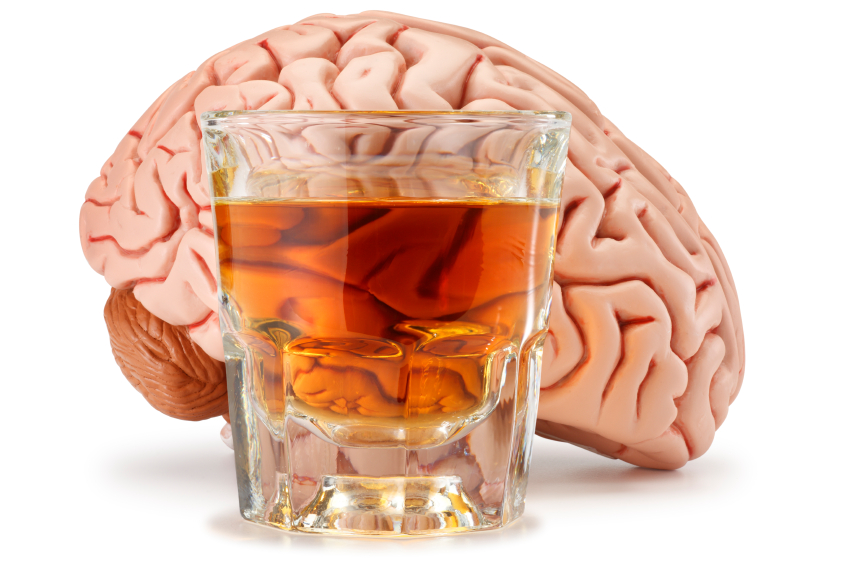
Picture of alcohol in front of brain.

Alcohol isn’t good for you.

Ideally, you should completely avoid it for optimal brain and mental health. 

But that’s in a perfect world. 

Alcohol is everywhere and social interactions often involve it. So you’re going to end up drinking it every now and then. And during big holidays or special occasions, you likely won’t stop at one drink. 

And I don’t blame you. 

There are times when I let loose and have a drink or two (or several). Life’s too short not to indulge once in a while. 

Fortunately, it’s possible to have a few drinks on occasion without completely destroying your brain and mental health. In fact, you can enjoy the buzz safely and wake up the next day feeling great.

So I’m going to share with you my comprehensive anti-alcohol regimen so that you can manage and fight back against the damaging effects of alcohol. 

I often go many months without having a sip of alcohol. But when I do imbibe, I follow the steps below.

These recommendations will:

  • Protect your brain while consuming alcohol

  • Decrease the chances that you'll wake up depressed, anxious and hungover

  • Help you recover if you do wake up feeling sub-optimal

  • Heal your brain after long-term alcohol abuse

The more steps that you take, the less likely you will wake up feeling physically and mentally sick. 

And as you’ll see, these recommendations are very good for your brain and mental health in general. If you don’t drink, implementing some of these strategies into your everyday life will help you overcome anxiety and depression.


The Most Important Steps For Protecting Your Brain From Alcohol and Avoiding a Hangover

1. Pick The Right Drinks

The type of alcohol you drink can make a huge difference in how you feel the next morning. 

Certain drinks are worse for your brain and increase your chance of waking up hungover and depressed. 

Based on my experience and research, here are some common forms of alcohol, from best to worst:

Man holding shot glass with vodka.
  • Vodka – best option

  • Gin

  • Rum

  • Dry cider

  • Dry white wine

  • Tequila

  • Whiskey

  • Regular white wine

  • Red wine

  • Cider with lots of sugar

  • Gluten-free beer

  • Regular beer – worst option

Highly filtered and distilled liquor such as vodka, gin and rum are your best options. And it’s best to drink them straight. Carbonation increases the absorption of alcohol, which may increase the chance of you experiencing a hangover the next day (7). 

Dry cider and dry white wine are also decent options, but not as optimal as filtered and distilled liquor.

I recommend you completely avoid or significantly limit sugary drinks and beer. Refined sugar and wheat in beer can activate the immune system and trigger inflammation, which can negatively affect your brain and make you feel mentally unstable and foggy (57, 58). 

Some alcoholic drinks also contain congeners, substances produced during fermentation. They are often found in dark alcoholic drinks, such as whiskey and tequila, and can also contribute to hangovers, making you feel suboptimal the next day. So you should try to stay away from those too (4). 

Glass of red wine.

Lastly, mycotoxins are toxic metabolites produced by mold that are capable of causing disease in humans. Low amounts of mycotoxins are often found in wine and beer, and can make you feel sick if you’re sensitive to them. And some research shows that one type of mycotoxin, ochratoxin A, can cause brain damage (49, 50, 51, 52). 

After living in a moldy environment for over one year, I became extremely sensitive to seemingly healthy foods and drinks, such as coffee, tea and nuts. Eating low-quality versions of these foods give me asthma and make me feel mentally tired. I couldn’t figure it out why at first, but I’ve now confirmed that it’s the mycotoxins that are commonly found in cheap versions of these foods. 

Not everyone will be sensitive to them. But if you are, your hangover will be worse and your cognition will suffer the next day.

That’s why I don’t recommend red wine, as it often contains them. Red wine is also overrated. It does contain the beneficial antioxidant resveratrol but not very much. Red wine manufacturers love to make it seem like it has a lot, but that’s just a marketing gimmick. You would have to drink several bottles of red wine on a regular basis to consume enough resveratrol and get major health benefits. And by drinking that much alcohol, you’d be destroying your health anyway. So you’re better off just supplementing with resveratrol

If you decide to drink something other than straight liquor, I recommend you take activated charcoal along with each drink.


2. Drink Lots of Water

Alcohol dehydrates your body. 

And the tissue around your brain is made up of water. So as you drink, and you lose water, the tissues around your brain start to shrink. This leads to pressure around your head that can contribute to headaches, fatigue and dizziness (5, 6).

That’s why you should hydrate heavily. Have one or two cups of water with each alcoholic drink, and lots of water before bed. 

Your brain will thank you for it. 


3. Glutathione

Your body breaks down alcohol into acetaldehyde, a highly-reactive compound that is actually much more toxic to your brain than alcohol itself.

Your liver enzymes and antioxidants try to detoxify and eliminate it, but they often cannot keep up, leading to common hangover symptoms (19).

But hangover symptoms can be prevented or significantly reduced if you help your body get rid of the acetaldehyde. 

This can be done by supporting your body's natural detoxification pathways.  

One way to do this is by increasing glutathione, your body’s master antioxidant. 

Man hungover in front of several bottles of alcohol.

Glutathione plays a key role in alcohol detoxification by “mopping up” acetaldehyde. And it's been shown that regular alcohol exposure depletes glutathione (47).

That’s why I recommend supplementing with glutathione before and after you drink alcohol. Doing so will guarantee you have enough of the antioxidant to protect your brain and prevent hangover symptoms. 

It’s important to note that most standard glutathione supplements get broken down by the your digestive tract and do not enter your bloodstream. So you’ll need to find a highly-absorbable form of glutathione. 

I take Optimal Antiox an hour before drinking, and in the morning to restore glutathione to healthy levels. Optimal Antiox contains N-Acetyl-Cysteine, which increases the production of glutathione in the body.


4. N-Acetyl-Cysteine and Vitamin C

Another way you can increase gluathione is by taking Vitamin C and n-acetyl-cysteine (NAC) together. 

NAC is the precursor to glutathione. It's been shown that it effectively produces and replenishes glutathione levels in our tissues, helping us fend off the consequences of alcohol consumption (23, 24).

In rats, it prevents alcohol toxicity and death by binding directly to acetaldehyde and blocking its damaging effects in the body and brain (25, 26). 

I’ve also previously discussed how NAC can help treat six different mental illnesses

Along with NAC, Vitamin C plays a key role in the production of glutathione. Research shows that it also helps soak up acetaldehyde, and it is depleted by alcohol consumption (25, 36).

If you do just one thing to protect your brain from alcohol, it would be to take either glutathione, or NAC and Vitamin C.

NAC and Vitamin C are both included in the Optimal Antiox supplement. I take it before, during, and after I drink alcohol.

It’s important to note that taking glutathione, NAC and Vitamin C before or during alcohol consumption does not prevent you from getting drunk. It simply blocks alcohol toxicity and the irritable side effects that you may experience the next day. So technically, you can “have your cake and eat it too” when you follow these steps properly.

Click here to subscribe

5. Vitamin B1

Thiamine (vitamin B1) is an essential water-soluble vitamin.

Alcohol depletes Vitamin B1, and deficiency is common in regular drinkers. A lack of Vitamin B1 has been shown to damage brain cells and cause a variety of mental symptoms including lethargy, fatigue, apathy, impaired awareness, loss of equilibrium, disorientation, memory loss and anorexia, (37, 38, 39). 

NAC’s antioxidant effects are even more powerful when combined with Vitamin B1. In one study, NAC, Vitamin C and Vitamin B1 completely blocked a deadly dose of acetaldehyde in animals. None of the animals treated with these nutrients died (25, 34). 

Vitamin B1 is included in the Optimal Energy supplement.


6. Alpha Lipoic Acid and Acetyl-L-Carnitine

Alpha Lipoic Acid (ALA) is an antioxidant that could possibly be even more protective than Vitamin C. It is fat soluble and can easily cross the blood-brain barrier to protect your brain (53, 54, 55).

ALA enhances the antioxidant power of glutathione, NAC and vitamin C and helps them clear acetaldehyde from your body (56).

ALA is included in the Optimal Antiox supplement, along with NAC and Vitamin C.

Combining ALA with Acetyl-l-carnitine (ALCAR) is even more powerful.

ALCAR is a neuroprotective and cognitive-enhancing amino acid.

ALA and ALCAR are synergistic, meaning that when you take them together, they are more effective at protecting your brain.

They've been shown to prevent brain inflammation and neurotransmitter impairment caused by alcohol. They can also reverse brain damage and restore healthy brain function after drinking alcohol (55, 59, 60). 

Along with Optimal Antiox, I also take the Optimal Brain supplement before and after drinking. It includes 500 mg of ALCAR.  

Make sure you read this article to learn more about the remarkable benefits of ALCAR.


7. Minerals

Alcohol depletes a number of minerals, particularly zinc, potassium and magnesium. 

That’s why I recommend taking a high-quality multi-mineral supplement after your last drink, before going to bed, and then again the next morning. 

Zinc and magnesium are especially important for brain and mental health, so you don’t want to be deficient in either of them. I take extra zinc and magnesium on top of my multimineral before bed. 

Magnesium is especially helpful, as it’s been shown to prevent and relieve headaches and improve sleep. Epson salt baths can provide your body with lots of magnesium (8). 

Epsom salts.

It’s also been shown that alcoholics are often deficient in zinc (and have too much copper) (28). 

Zinc deficiency may explain why alcoholics drink in the first place. As I’ve discussed before, zinc deficiency can contribute to social anxiety and generalized anxiety. And chronic drinkers often drink to manage their anxiety and stress. 

That’s why I would recommend a zinc supplement if you struggle with anxiety, stress or a drinking problem.

As a former anxious drinker, I find great relief in taking zinc. 

I created and take the Optimal Zinc supplement.


8. Theanine

Theanine is a relaxing amino acid found in tea that has a number of health benefits (9, 40). 

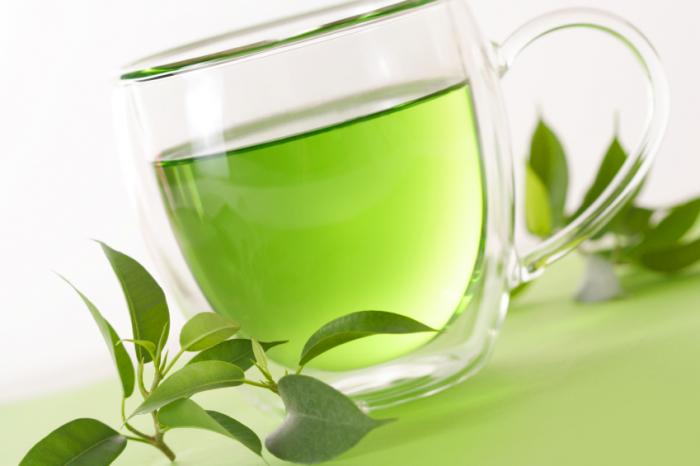
Cup of green tea.

It’s been shown to protect your brain from alcohol, as it blocks free radicals, counteracts the loss of glutathione, improves sleep, and accelerates the breakdown acetaldehyde – all of which contribute to the development of a hangover (12). 

It can also make you feel less drunk.

When researchers give theanine to mice, it significantly reduces blood levels of alcohol (12). So when you want to drink socially, but would rather not feel intoxicated, you should take theanine before consuming alcohol. 

Personally, I don’t want to block the buzz of alcohol. That’s why I take 200 mg of theanine just before going to bed, and then another 200 mg again in the morning when I wake up. Doing this will improve your sleep, help you sober up, and make you calmer and more stable the next morning. 

Theanine can also be found in green tea, but you would have to drink a lot to get the same amount that you would in supplement form. 

If you don’t want to experiment and take each supplement individually, I recommend taking Optimal Antiox and Optimal Energy. They include many of the nutrients that I recommend throughout this article. I take them myself, as it’s much more convenient than taking everything separately.

Click here to subscribe

Additional Steps To Protect Your Brain From Alcohol and Avoid a Hangover

Based on my research and self-experimentation, my previous recommendations are the most impactful steps you can take. 

However, here are some extra tips and recovery solutions for you to consider.

9. Ashwagandha

Ashwagandha is an adaptogen that mixes well with alcohol. 

It has anti-anxiety effects that are synergistic with alcohol, so you will need less of each to experience the relaxing effects of each (61). 

In my experience, ashwagandha is helpful when you want to be in a relaxed and socialble mood, but would rather limit your alcohol intake. I have a reduced urge to continue drinking alcohol when I take ashwagandha before drinking. And from what I’ve heard, there isn’t any negative interaction between them, and I only experience positive results mixing the two.

It’s also been shown to help relieve anxiety and depression during alcohol withdrawal. In one study, its anti-anxiety effects were comparable to diazepam, an anti-anxiety medication (62).

So when you experience anxiety and depression after drinking alcohol, I’d recommend taking ashwagandha the next morning. It definitely helps me manage and overcome any alcohol withdrawal much easier.

You can get high-quality ashwagandha here. Take a low dose before drinking alcohol or a larger dose the morning after drinking. 


10. S-adenosylmethionine (SAM-e)

If you struggle from depression, you probably notice that alcohol makes you feel more depressed the day after.

I used to be convinced that I would need to avoid alcohol forever because every time I drank it, I would be very depressed for several days afterwards.

Man drinking alcohol.

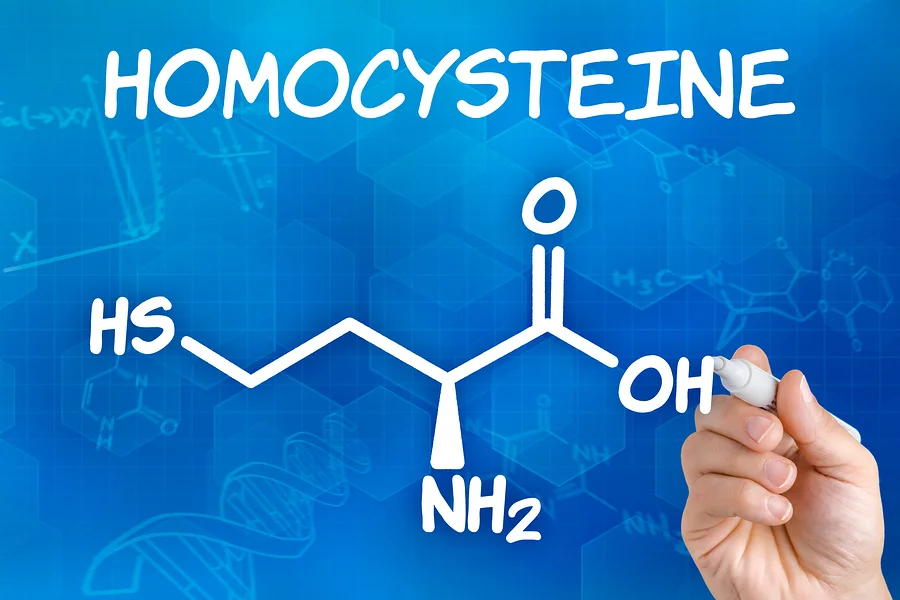
This is likely because alcohol increases the amino acid homocysteine, and high levels of homocysteine have been associated with depression (2, 3). 

That’s why I take S-adenosylmethionine (SAM-e) after a night of drinking, as it helps lower homocysteine. Regular alcohol consumption has also been shown to lead to SAM-e deficiency (27). 

SAM-e also helps restore glutathione after you drink alcohol (29, 30). 

Even if you don’t drink, but struggle with depression, supplementing with SAM-E may really help you. I took it for a few months after coming off psychiatric medication, but no longer need to take it regularly.

Supplementing with trimethylglycine and B vitamins (folate and B12) also helps your body synthesize its own SAMe, similar to how NAC and vitamin C work together to produce glutathione. 


11. Taurine

Taurine is another amino acid that reduces the bad effects of alcohol on your brain. 

It’s been shown to prevent brain cell death, reduce lack of coordination, and decrease the urinary loss of certain minerals during alcohol use (31, 32, 33).

Taurine is included in the Optimal Zinc supplement

I recommend taking taurine before and after consuming alcohol.


12. B Vitamins

Bill Wilson, co-founder of Alcoholics Anonymous, took B vitamins to manage his alcohol cravings

Bill Wilson, co-founder of Alcoholics Anonymous, took B vitamins to manage his alcohol cravings

As I mentioned above, Vitamin B1 (thiamine) is the most important B vitamin to take when consuming alcohol.

But research shows that alcohol significantly depletes all the B vitamins, particularly vitamin B3, B6 and folate (2, 27). 

Vitamin B3 (niacin) is very beneficial for the brain of regular drinkers. Niacin deficiency often leads to a desire to drink alcohol, and drinking alcohol further depletes niacin in the body and brain. Bill Wilson, the co-founder of Alcoholics Anonymous (AA), took niacin to remain sober and manage his cravings for alcohol. 

Alcohol has also been shown to deplete the body of folate and vitamin B6, which are critical nutrients involved in the production of GABA and serotonin (20, 64). 

Vitamin B1 and Vitamin B3 are both included in the Optimal Energy supplement. I take it before and after drinking alcohol.


13. Pyritinol

As I just mentioned, alcohol depletes vitamin B6. 

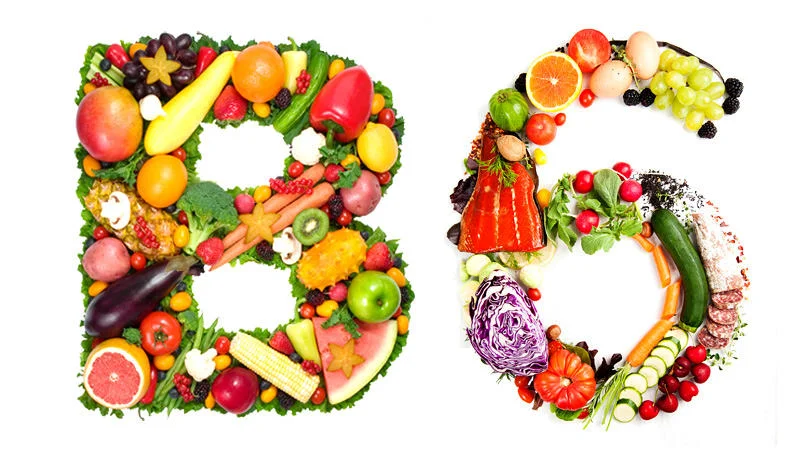
Fruits and vegetables in the shape of Vitamin B6.

Similar to subutiamine, pyritinol is a special form of Vitamin B6 in which two Vitamin B6 molecules attached to each other. This allows Vitamin B6 to easily cross the blood-brain barrier and support the brain. 

Taking it before, during and after alcohol consumption has been shown to reduce hangover symptoms by more than 50% (46).

I take 300 mg before and 300 mg after drinking.


14. Krill Oil

I’ve talked about the many mental health benefits of Omega-3 fatty acids before, and it appears they can protect your brain from alcohol exposure too.

When people are exposed to both alcohol and the omega-3 fatty acid DHA, they experience less brain inflammation and brain cell death than people who simply drink alcohol alone. It appears that DHA mitigates oxidative damage in the brain that results from binge drinking (11).

Click here to subscribe

15. Curcumin

I’ve also discussed curcumin lots before, as it has helped me overcome chronic depression and anxiety. It’s one of the best supplements you can take for your brain and mental health. 

And here’s another reason you might want to consider taking it – it can increase glutathione and prevent brain damage caused by alcohol (35). 

It’s also been shown to prevent brain inflammation, and reverse the negative biochemical and behavioural changes that result from previous alcohol consumption (1).

I take the curcumin in Optimal Energy every day anyway. But I try to take it immediately before having any alcohol because of its protective effects. You can get it here.


16. Silymarin (Milk Thistle)

Silymarin is the active compound found in milk thistle, a herb commonly used to improve liver health and protect the liver from alcohol and other drugs.

Milk thistle also has powerful antioxidant properties that have been shown to help prevent the conversion of alcohol to acetaldehyde (18, 45). 

I take it before a night out.


17. Garlic

Cloves of garlic.

Garlic contains the antioxidant s-allyl-cysteine, which neutralizes acetaldehyde. It’s also been shown to reduce oxidative stress and protect the nervous system (41, 42). 

Maybe this is why I always crave garlic shawarma at the end of a night out :) 

I haven’t tried supplementing with garlic extract for preventing hangovers, but I did take a garlic extract after moving out of my moldy house in 2011 and it made me feel better.  


18. Other Antioxidants

One of the best ways you can  the oxidative stress that results from alcohol consumption is to regularly consume enough antioxidants, especially leading up to a night out (21).

Some other protective antioxidants include CoQ10, quercetin, grape seed extract, Vitamin E, selenium and resveratrol. 

Mixture of berries.

Resveratrol is a very powerful antioxidant that can protect against alcohol’s toxic effects (13, 14, 15). 

Grape seed extract has also been shown to prevent the oxidative damage caused by alcohol (16, 17). 

Selenium levels tend to be lower in people who drink alcohol on a regular basis (22). 

And Vitamin E is a fat-soluble vitamin with antioxidant properties that can prevent brain damage caused by alcohol. It’s often depleted in chronic drinkers (43, 44). 

And similar to statin drugs, alcohol has also been shown to deplete CoQ10 (63). 

I created and take the Optimal Antiox supplement and the Optimal Energy supplement before and after drinking, and they contain many of the antioxidants mentioned above.


19. Activated Charcoal

Activated charcoal is a potent natural treatment that can trap toxins and chemicals, allowing them to be flushed out of your body. 

If you choose to drink wine or beer, you should take activated charcoal with each drink and once you’re done drinking. 

Activated charcoal.

Activated charcoal can help bind and remove gluten and mycotoxins from your body, although it won’t catch them all. You’re definitely better off just avoiding drinks that contain them. 

The activated charcoal is also very good at protecting you from the congeners found in tequila and whiskey. 

I take activated charcoal whenever I eat something that makes me sick.


Conclusion

Clearly, there’s lots that can be done to protect your brain from alcohol. 

Even though your body and brain can be overwhelmed by alcohol, you can support yourself and reduce the damage by drinking the right alcohol, hydrating heavily, and supplementing with various antioxidants, vitamins and minerals.

Obviously it would be much easier to just avoid alcohol altogether. And that would definitely be optimal for your brain and mental health.

But if you do decide to drink, I’ve shared bunch of ideas here, and hopefully you find a good mix of preventative solutions that work for you. Self-experimentation is key.

But in my experience, the below interventions are the essentials. They work very well for me, mitigating damage and allowing me to wake up in the morning feeling great:

Woman smiling and clinking wine glasses with man.
  • Stick with straight vodka

  • Drink lots of water

  • Glutathione before and after

  • NAC before and after

  • Vitamin C before and after

  • Lipoic Acid before, during and after

  • Vitamin B1 before, during and after

  • Minerals – particularly zinc, magnesium – before bed

  • Theanine before bed

  • Sulbutiamine the next morning

If you don’t want to experiment and take each supplement individually, I recommend taking Optimal Antiox and Optimal Energy. They include many of the nutrients that I recommend throughout this article. I take them myself, as it’s much more convenient than taking everything separately.

Lastly, it’s important to consider your current level of health. If you’re an alcoholic, on medication, or struggle with severe mental health issues, you should focus on dealing and overcoming those issues first. Otherwise, alcohol will make everything worse. After you heal your body and brain, you should be able to tolerate it just fine.

Alcohol used to be a complete no-no for me, but I can now handle it just fine because I'm healthy. Yet, funny enough, now that I experience optimal brain and mental health, I actually don’t even feel the need to drink alcohol like I used to. 

Overall, I hope you found this useful. Let me know what you think in the comments.

Do you drink? What do you do to protect yourself or avoid a hangover? Have I missed anything?

 
Click here to subscribe

Live Optimally,

Jordan Fallis

Connect with me

References:

(1) http://www.ncbi.nlm.nih.gov/pubmed/23583655

(2) http://www.ncbi.nlm.nih.gov/pubmed/18790817

(3) http://www.ncbi.nlm.nih.gov/pubmed/17541043

(4) http://www.ncbi.nlm.nih.gov/pubmed/18182417

(5) http://www.ncbi.nlm.nih.gov/pubmed/20336685

(6) http://www.ncbi.nlm.nih.gov/pubmed/20497950

(7) http://www.ncbi.nlm.nih.gov/pubmed/17720590

(8) http://www.ncbi.nlm.nih.gov/pubmed/8984087

(9) http://www.ncbi.nlm.nih.gov/pubmed/18296328

(10) http://www

(11) http://www.plosone.org/article/info%3Adoi%2F10.1371%2Fjournal.pone.0101223

(12) http://www.ncbi.nlm.nih.gov/pubmed/16141543

(13) http://www.ncbi.nlm.nih.gov/pubmed/17567031

(14) http://www.ncbi.nlm.nih.gov/pmc/articles/PMC3037055/

(15) http://www.ncbi.nlm.nih.gov/pubmed/21281738

(16) http://www.ncbi.nlm.nih.gov/pubmed/17910615

(17) http://www.ncbi.nlm.nih.gov/pubmed/17567031

(18) http://www.ncbi.nlm.nih.gov/pubmed/19900758

(19) http://www.ncbi.nlm.nih.gov/pubmed/20712596

(20) http://www.ncbi.nlm.nih.gov/pubmed/10726110

(21) http://www.ncbi.nlm.nih.gov/pubmed/10728605

(22) http://www.ncbi.nlm.nih.gov/pubmed/18175657

(23) http://www.ncbi.nlm.nih.gov/pubmed/2538005

(24) http://www.ncbi.nlm.nih.gov/pubmed/16899047

(25) http://www.ncbi.nlm.nih.gov/pubmed/1171591

(26) http://www.ncbi.nlm.nih.gov/pubmed/8833231

(27) http://www.ncbi.nlm.nih.gov/pubmed/8139796

(28) http://www.ncbi.nlm.nih.gov/pubmed/4012273

(29) http://www.ncbi.nlm.nih.gov/pmc/articles/PMC508623/

(30) http://toxsci.oxfordjournals.org/content/115/1/131.full

(31) http://www.hubmed.org/display.cgi?uids=19239146

(32) http://www.hubmed.org/display.cgi?uids=17961547

(33) http://www.hubmed.org/display.cgi?uids=19239172

(34) http://www.dsf.uniss.it/documenti/54.pdf

(35) http://www.ncbi.nlm.nih.gov/pubmed/10548748

(36) http://www.ncbi.nlhttp://www.ncbi.nlm.nih.gov/pubmed/15969504.nih.gov/pubmed/15969504

(37) http://pubs.niaaa.nih.gov/publications/arh27-2/134-142.htm

(38) http://www.ncbi.nlm.nih.gov/pubmed/15166742

(39) http://www.ncbi.nlm.nih.gov/pubmed/15778906

(40) http://www.ncbi.nlm.nih.gov/pubmed/21735551

(41) http://www.ncbi.nlm.nih.gov/pubmed/15380627

(42) http://www.ncbi.nlm.nih.gov/pubmed/12885594

(43) http://www.ncbi.nlm.nih.gov/pubmed/11723717

(44) http://www.ncbi.nlm.nih.gov/pubmed/11454938

(45) http://www.ncbi.nlm.nih.gov/pubmed/21182217

(46) http://psycnet.apa.org/psycinfo/1974-20470-001

(47) http://www.ncbi.nlm.nih.gov/pubmed/16054981

(48) http://www.ncbi.nlm.nih.gov/pubmed/8929745

(49) http://www.ncbi.nlm.nih.gov/pmc/articles/PMC3153291/

(50) https://www.researchgate.net/publication/228666280_Mycotoxin_Contamination_of_Beverages_Occurrence_of_Patulin_in_Apple_Juice_and_Ochratoxin_A_in_Coffee_Beer_and_Wine_and_Their_Control_Methods

(51) http://wwh

(52) http://www.ncbi.nlm.nih.gov/pubmed/21954354

(53) http://www.berkeley.edu/news/media/releases/96legacy/releases.96/14316.html

(54) http://www.ncbi.nlm.nih.gov/pubmed/11854488

(55) http://www.ncbi.nlm.nih.gov/pubmed/11854529

(56) http://www.ncbi.nlm.nih.gov/pubmed/23238616

(57) http://www.ncbi.nlm.nih.gov/pubmed/25642988

(58) http://www.ncbi.nlm.nih.gov/pubmed/26970578

(59) http://www.ncbi.nlm.nih.gov/pmc/articles/PMC3022478/

(60) http://www.ncbi.nlm.nih.gov/pmc/articles/PMC2734271/

(61) http://www.ncbi.nlm.nih.gov/pubmed/18697607

(62) http://www.sciencedirect.com/science/article/pii/S2222180812602795

(63) http://www.ncbi.nlm.nih.gov/pubmed/22841563

(64) http://www.ncbi.nlm.nih.gov/pubmed/12163694

Terms and Conditions

Privacy Policy

Affiliate Disclosure

Disclaimer

The 25 Best Natural Supplements Proven to Reduce Depression

In this article, I want to share with you my favourite natural supplements for relieving depression.  

Research shows that there are many natural antidepressants that are just as effective as prescription antidepressants, but without adverse effects. 

After I came off medication, I relied on many of them to reduce depression and improve my mood and energy.  

Depression is complex, and there are often numerous underlying root causes.  

But these natural options will support you and prop you up while you seek and resolve the root causes of your depression.  

I’ve tried hundreds of natural supplements over the years, and these are the most effective ones for depression.  

They’ve really helped me, and I’ve seen other people get better with them as well. 

Read on to discover the best evidence-based supplements for treating depression. 

A smiley face made out of supplement capsules.
 

The Best Vitamin and Mineral Supplements For Depression

1. Magnesium

Magnesium is a vital mineral that participates in more than 300 biochemical reactions in your body.  

Unfortunately, a lot of people are deficient in magnesium.  

This is a shame because magnesium is absolutely essential for the proper functioning of your nervous system and optimal neurotransmitter activity

Research clearly shows there are links between low magnesium intake, magnesium deficiency, and depression and suicide (26-28, 34-35).  

Several studies also show that magnesium supplementation improves depressive symptoms in people with depression, including people with postpartum depression, premenstrual syndrome, and chronic fatigue syndrome (29-32).  

Sometimes even just one week of supplementing with magnesium can improve mood and reverse symptoms of depression (33).  

Since most people are deficient, magnesium is one of the three supplements that I think everyone should be taking every day. 

Epsom salt baths are another great way to increase your body’s intake of magnesium.  

You should also make sure you’re eating enough magnesium-rich foods on a regular basis, including: 

  • Spinach  

  • Chard  

  • Pumpkin seeds  

  • Almonds  

  • Avocado  

  • Dark chocolate  

  • Bananas 

These foods are included in my Free Grocery Shopping Guide for Optimal Mental Health.  


2. Vitamin D

Vitamin D is a fat-soluble vitamin that your skin synthesizes when exposed to the sun.  

Unfortunately, Vitamin D deficiency is widespread and has become a major global health problem. Researchers estimate that 50% of people are at risk of Vitamin D deficiency

This is a huge concern because every tissue in your body has Vitamin D receptors, including the brain, so a deficiency can lead to costly physiological and psychological consequences, including depression. 

Research shows that there is a strong link between Vitamin D deficiency and depression and suicide (36-37).  

Thankfully, several studies shown that Vitamin D3 supplementation reduces depressive symptoms, treats seasonal affective disorder, and lowers suicide risk (38-40).  

Vitamin D helps fight depression because it plays a key role in the production of dopamine and norepinephrine, and protects against the depletion of dopamine and serotonin in the brain (41).  

Ideally, you should get your Vitamin D by going outside and getting sun.  

I try to get sunlight every day during the spring and summer months.  

But most people still don’t get enough Vitamin D from the sun, especially during the winter.  

During the winter months, when there isn't enough sun, I take a Vitamin D3 supplement.

Vitamin D is so critical for optimal brain health, so make sure to check your levels regularly.

If you decide to take a Vitamin D3 supplement, it’s a good idea to take it along with Vitamin K2. They are synergistic and mix well together. 


3. Zinc

Zinc is an essential mineral for mental health, as it plays a key role in neurotransmission and nervous system functioning. 

Unfortunately, it’s estimated that 2 billion people in the world are deficient in zinc, and several studies show that even subclinical zinc deficiency impairs brain function (42-44). 

Researchers have also found that a zinc deficiency increases the likelihood of developing depression, as well as increasing the severity of depression (45).  

But zinc supplementation can definitely help.  

A meta-analysis concluded that taking a zinc supplement is an effective treatment for depression (46).  

In one study, 50 people took 30 mg of zinc for 12 weeks, and their mood significantly improved, and their BDNF levels increased as well (47-49).  

So if you struggle with depression, it’s quite possible you’re deficient, and you’ll want to consider taking a zinc supplement to optimize your levels. 

I created and take the Optimal Zinc supplement to make sure my zinc levels are optimal. I created it because I want to give my clients and readers the very best zinc supplement so that they can experience superior results. I have found that many zinc supplements on the market fall short. Optimal Zinc includes several other nutrients (co-factors) that increase the absorption of zinc. 

Some of the best foods you should eat to optimize your zinc levels include: 

  • Oysters  

  • Grass-fed beef  

  • Pumpkin seeds

  • Cashews  

  • Mushrooms  

  • Spinach 

These foods are included in my Free Grocery Shopping Guide for Optimal Brain and Mental Health

Check out my previous post all about zinc for more steps you can take to increase your zinc levels. 


4. Methylfolate

Folate (Vitamin B9) is an essential B vitamin that plays a key role in methylation, one of the most important processes in your body and brain for optimal energy and nervous system function.  

Researchers have found that if you are depressed, you likely have lower levels of folate circulating in your blood, and people with low blood folate are at greater risk for developing depression (88).  

Good dietary sources of natural folate include: 

  • Leafy greens  

  • Asparagus  

  • Broccoli  

  • Cauliflower  

  • Strawberries  

  • Avocado  

  • Beef liver  

  • Poultry

These foods are included in my Free Grocery Shopping Guide for Optimal Brain and Mental Health

However, eating folate-rich foods sometimes isn’t enough. In fact, many people don't get enough folate from food because cooking and food processing destroy natural folates (103). 

People with depression often need to supplement with methylfolate to get the full benefits.  

In one study, six months of methylfolate supplementation reduced symptoms of depression in patients with clinical depression and schizophrenia (92).  

Research also shows that taking methylfolate alongside an antidepressant makes the antidepressant more effective (93).  

Researchers have even suggested that folate supplementation should be a first-line treatment for depression (104). 

Methylfolate works because it lowers homocysteine levels, stimulates serotonin receptors in the brain, and plays a key role in the production of dopamine (94-102).  


5. Vitamin B12

Lack of understanding of B12 is one of the greatest tragedies of modern medicine.
— Dr. James Greenblatt, Integrative Psychiatrist

Having sufficient levels of Vitamin B12 is necessary for optimal brain and mental health.  

Unfortunately, a deficiency is very common, especially in older individuals and vegetarians and vegans.  

Even if you eat meat and you’re young, you may still have a deficiency.  

Poor gut health and even psychiatric medications can cause a deficiency

In fact, it’s estimated that almost 40% of Americans are deficient today. 

Numerous studies have shown that having a deficiency in Vitamin B12 leads to symptoms of depression (136-142). 

But supplementation can help. 

Research shows that supplementing with Vitamin B12 for six weeks can reduce depressive symptoms in depressed patients (143).  

In one study, Vitamin B12 supplementation lowered homocysteine levels and reduced depression in more than 200 people (144).  

If you decide to supplement, avoid the semisynthetic version of B12 (cyanocobalamin) and instead take the methylated form (methylcobalamin or methyl-B12).  

Methyl-B12 is better absorbed and more biologically active. 

Besides methyl-B12 and methylfolate, you should also consider supplementing with the rest of the B vitamins. 

There is evidence to suggest that many people with depression are also deficient in Vitamin B1, B2, B3 and B6, and supplementing with them can help reduce, prevent and lower the risk of depression (145-151).  

Vitamin B12 is also found in animal foods, and beef liver is a really good source. I take beef liver capsules because I don’t like the taste of liver. 

Click here to subscribe

The Best Spices and Herbal Supplements For Depression

6. Rhodiola

Rhodiola, also known as golden root or arctic root, is a Traditional Chinese and Scandinavian herb.  

It’s one of the most popular adaptogens used to increase physical and mental stamina. 

It can also reduce depression (9).  

In one study, rhodiola significantly reduced symptoms of depression and emotional instability in people with mild and moderate depression (7).  

Another study found that it was almost as effective as Zoloft, a commonly prescribed antidepressant, but it was better tolerated and it didn’t cause nearly as many side effects (8).  

Plenty of animal research also shows that rhodiola has antidepressant effects by lowering cortisol, and restoring serotonin, dopamine and norepinephrine (10-16).  

I personally take a rhodiola supplement some of the time. I don't take it every day, only when I need a boost in mood and energy.  

Be sure to check out this post to learn more about the benefits of rhodiola, above and beyond just reducing depression. 


7. Ginseng

Ginseng is known for its anti-stress effects. 

But it also has antidepressant effects (70).  

More than one study has shown that ginseng reduces depression and increases quality of life (71-72).  

Ginseng has been shown to work because it reduces inflammation and increases dopamine, serotonin and BDNF in the brain (73-76).  

Ginseng is one of my favourite herbal supplements for brain function and depression.


8. St. John’s Wort

St. John’s Wort (Hypericum Perforatum) is a natural medicinal herb with antidepressant effects. It's often prescribed for depression in European countries.  

Researchers have concluded that it’s as effective as pharmaceutical antidepressants for treating depression but has fewer adverse effects (105-107). 

A double-blind, randomized control trial showed that St. John’s Wort can prevent depression from developing, and delay relapses in depression (108).  

It's been found to work by increasing dopamine signaling and increasing serotonin receptors (109-111). 

I took a St. John’s Wort supplement years ago for my depression. It helped me, but I eventually stopped taking it and working on fixing the true, underlying causes of my depression instead. 

In my experience, it’s best for people who are struggling with mild or moderate depression.  

It’s important to note that you shouldn’t take St. John’s Wort if you’re already taking antidepressant medication. They don’t mix well.  


9. Ginkgo Biloba

Ginkgo Biloba is a plant that has been used in China for thousands of years to treat a number of health problems. 

It’s one of the top-selling natural supplements in the world, and it’s even a prescription herb in Germany. 

It’s most commonly used to improve brain health because it increases brain blood flow and improves memory, mental energy and attention in both healthy and unhealthy individuals. It even reduces the risk of dementia and Alzheimer’s disease

But researchers have also found that Ginkgo Biloba reduces depression in elderly individuals (123-127).  

Ginkgo Biloba is included in the Optimal Brain supplement.


10. Saffron

Saffron plant. Saffron has been shown to reduce depression.

Saffron is a spice derived from the Crocus sativus plant.  

It has a number of health benefits due to the medicinal compounds within it. 

Researchers have found that saffron is effective at reducing depression in people with mild to moderate depression (127-128).  

More than one study shows that saffron works just as well as SSRI antidepressants, reducing depression without side effects (129-131).  

Saffron has also been shown to inhibit the reuptake of serotonin, dopamine and norepinephrine, similar to pharmaceutical antidepressants (132). 


11. Curcumin

A picture of turmeric. Curcumin is the main compound in turmeric that has been shown to reduce depression.

Curcumin is the most heavily researched compound within turmeric, the spice that gives curry its yellow colour.  

It’s one of my favourite natural compounds for the brain. 

Researchers have repeatedly found that curcumin reduces depressive symptoms in patients with major depression (84-86). 

In one study, curcumin reduced depression in more than 100 people after six weeks of supplementation (87).   

It also reduces inflammatory markers and cortisol levels, and increases BDNF levels, all of which are involved in depression (87). 

Click here to subscribe

The Best Amino Acid Supplements For Depression

12. Acetyl-L-Carnitine (ALCAR)

Acetyl-L-carnitine (ALCAR) is an acetylated form of the amino acid carnitine. It’s been shown to have neuroprotective and cognitive-enhancing effects. 

It’s often used as a natural brain booster because it increases alertness and supports brain cells.  

Researchers have found that ALCAR is quite effective at alleviating chronic fatigue, improving mood and treating depression (17-18).  

In one study, supplementing with ALCAR for 1 to 2 months reduced depression in elderly individuals (19). 

And another study showed that ALCAR can reduce depression in people with chronic depression. Twelve weeks of supplementation reduced their depressive symptoms just as effectively as an antidepressant (20).  

It works because it supports mitochondrial function, and increases BDNF levels and serotonin levels in the brain (21-22).  

I find that ALCAR personally gives me a big boost in mood, motivation, mental energy and resilience. 

That’s why I included it in the Optimal Brain supplement

Make sure you read this article to learn more about the remarkable benefits of ALCAR.


13. Theanine

A cup of green tea. Theanine is found in green tea and has been shown to help reduce depression.

Theanine is a unique amino acid found in tea. It has a number of mental health benefits. 

I take theanine alongside my morning coffee. It definitely improves my mood. It also helps me focus and cancels out the jitters of caffeine. 

In one study, theanine supplementation reduced depressive symptoms and anxiety, and improved sleep and cognitive function in patients with major depression (23).  

Animal research also shows that theanine can alleviate depression in mice that are exposed to chronic stress (24).  

This mental health supplement contains theanine, along with several natural compounds that have helped me manage depression and anxiety over the years. 

Theanine can also be found in green tea, which has also been shown to help reduce depression (25). 


14. DL-Phenylalanine

Phenylalanine is an essential amino acid, meaning that your body cannot create it, and you must obtain it from your diet. 

It plays a key role in the production of dopamine, a critical neurotransmitter that can improve your mood (50).  

People struggling with depression have been shown to have low levels of phenylalanine in their blood and urine (55).  

You can find phenylalanine in from protein-rich foods, such as: 

  • Chicken  

  • Beef  

  • Turkey  

  • Seafood  

  • Eggs  

  • Bananas  

  • Almonds  

  • Avocados  

  • Pumpkin seeds  

  • Sesame seeds

These foods are included in my Free Grocery Shopping Guide for Optimal Brain and Mental Health

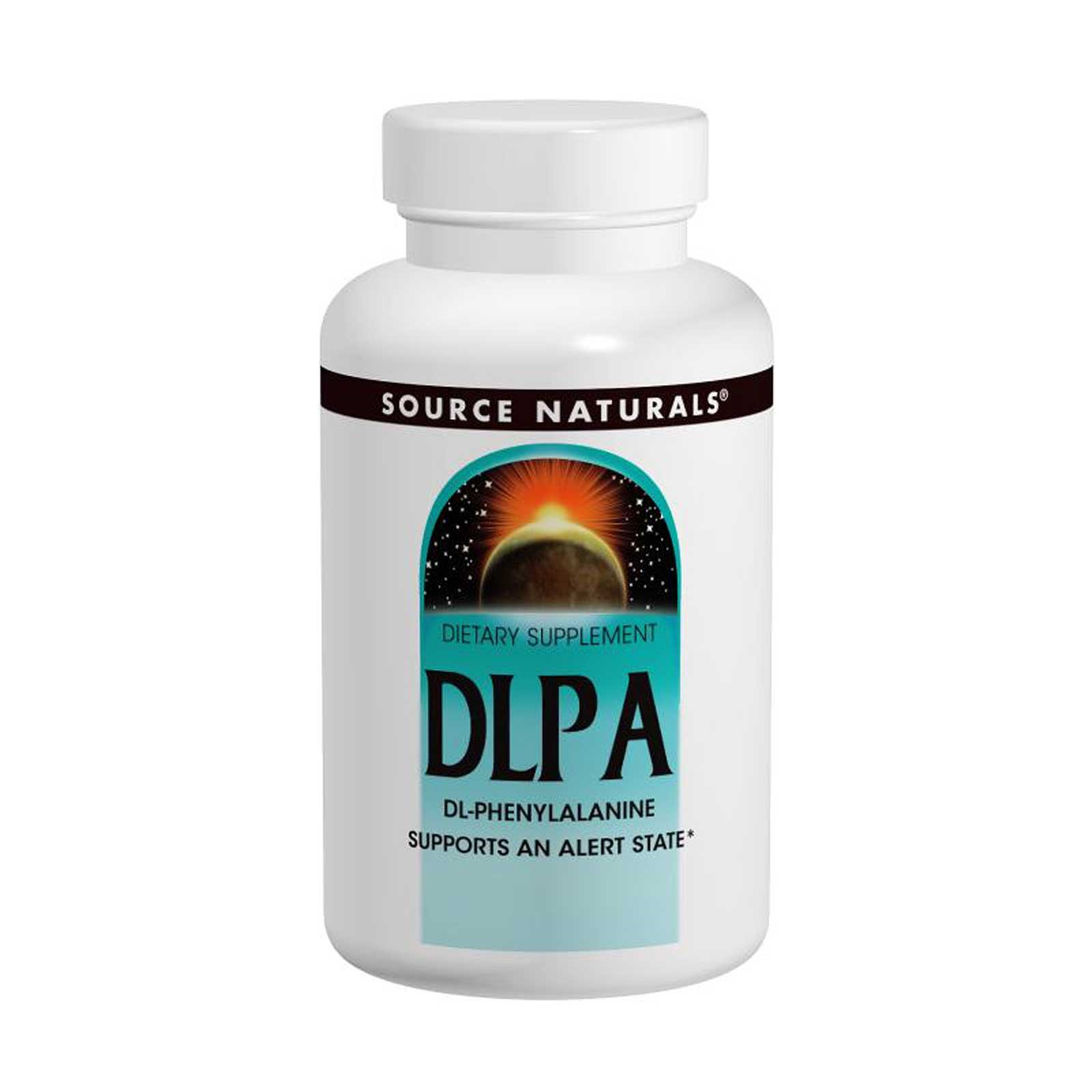
But I find that supplementing with DL-Phenylalanine (DLPA), a special supplemental form of phenylalanine, is much more effective than simply eating foods with phenylalanine. 

In one study, 23 depressed patients took DLPA every day for 15 days. At the end of the 15 days, 17 of them had completely overcame their depression, and they didn't experience adverse side effects (51).  

Another 3-week study found very similar results (52).  

Researchers have even concluded that DLPA is just as effective as prescription antidepressants. And people who don’t respond to pharmaceutical antidepressants often get significantly better when they take DLPA (53-54).  

Even if you take medication, research shows that combining DLPA with antidepressants leads to greater increases in mood than simply taking an antidepressant alone (56).  

Yet unlike antidepressants, you can feel the effects of DLPA quickly (within a few hours) and in some cases, it can “terminate depression within 2 to 3 days” (57). 

Not surprisingly, I absolutely love DL-Phenylalanine. It was probably the most important supplement that I took while I transitioned off of antidepressants

If you’d like to learn more about DLPA, read this post


15. N-Acetyl-Cysteine (NAC)

N-Acetyl-Cysteine (NAC) is a modified form of the amino acid cysteine.  

It’s also the precursor to glutathione, your body’s master antioxidant

Nowadays, we’re exposed to so many environmental toxins, which cause oxidative stress in the body and deplete our reserves of cysteine and glutathione.  

But supplementing with NAC can increase and normalize your cysteine and glutathione levels. 

This can combat and reduce oxidative stress in your brain, which can then help treat several mental illnesses, including depression.  

In one study, 149 people with moderate depression were given NAC or placebo for eight weeks. The individuals who received NAC experienced a significant reduction in their depression, as well as improvements in their overall functioning and quality of life (58).  

In another six-month study, NAC significantly reduced symptoms of depression in patients with bipolar disorder. It also significantly improved their social and occupational functioning. The researchers concluded that NAC is a safe and effective strategy for depressive symptoms (59).  

Several other studies have examined the effects of NAC on bipolar disorder and found that taking NAC daily can significantly improve and even cause a full remission of depressive symptoms (60-62).  


16. S-adenosyl-L-methionine

S-Adenosyl-l-methionine (SAM-e) is a compound that naturally occurs in the body.  

It’s also available as a supplement.  

It’s most commonly used for treating depression because lowered SAM-e levels are associated with depression. 

Researchers have concluded that SAM-e is an effective and safe option for the treatment of depression. It has beneficial effects similar to conventional antidepressants (77-78, 82-83).  

In one study, people who hadn't responded to SSRI antidepressants took SAM-e for six weeks, and it significantly reduced their symptoms of depression (79).  

In another study, 20 healthy individuals received infusions of SAM-e or a placebo for seven days. The researchers scanned and studied the brains of the participants during the study. And it was confirmed that SAM-e is an antidepressant because it targets and supports brain regions involved in depression (81).  

It has also been shown to increase serotonin and dopamine activity in the brain, and inhibit the reuptake of norepinephrine (80).  

The great thing about SAM-e is that it works fairly quickly, as people usually notice benefits within the first few days of taking it, and it doesn’t cause severe side effects like pharmaceutical antidepressants (83).  

I took a SAM-e supplement after coming off psychiatric medication and it significantly helped me by improving my mood and energy.

Click here to subscribe

17. Sarcosine

Sarcosine is an amino acid derivative that is naturally found in egg yolks, turkey, ham, vegetables and legumes. 

Supplementing with sarcosine has been shown to significantly reduce symptoms of depression without side effects (116, 119).  

In one study, sarcosine was found to be significantly more effective at treating major depression than citalopram (a common SSRI antidepressant). 

Patients who received sarcosine were much more likely to improve, improved much more quickly, and were less likely to drop out of the study than patients that received citalopram (117).  

Animal research also shows that sarcosine has antidepressant effects (118).  

You’ll have to supplement with sarcosine for it to improve your mood. The amount of sarcosine in food is too small to have a beneficial effect. 

It has impressive antidepressant and anti-anxiety effects, but without any of the nasty side effects that are common with pharmaceutical antidepressants and benzodiazepines.  


18. Phosphatidylserine

Phosphatidylserine is a fat-soluble amino acid that is known to support cognitive function.  

High amounts of phosphatidylserine are in the brain, and supplementation has been shown to improve attention, learning and memory

But researchers have also found that phosphatidylserine can also reduce depression. 

In one study, supplementing with phosphatidylserine induced consistent improvement of depressive symptoms, memory and behaviour in elderly individuals with depression (121).  

Animal research also shows that phosphatidylserine has antidepressant effects. In fact, the antidepressant effects are more prominent in rats than the cognitive-enhancing effects (122).  

I personally take phosphatidylserine every day. It's included in the Optimal Brain supplement

Make sure you read this article to learn more about the remarkable benefits of Phosphatidylserine.


The Best Food-Based Supplements For Depression

19. Omega-3 Fatty Acids

Omega-3s fatty acids are the highest quality fats for the brain and increasing your intake of them is one of the most impactful actions you can take to promote the normal functioning of your brain and nervous system. 

They have been shown in many studies to significantly reduce brain inflammation; improve memory, mood and cognition; and protect against mild cognitive impairment, dementia and Alzheimer's disease

Researchers have also found that levels of omega-3 fatty acids are significantly lower in individuals with depression (63-64).  

It’s important to consume enough omega-3 fatty acids because they are essential fats that your body cannot produce itself. 

Omega-3 fatty acids are found primarily in cold water fish, including: 

  • Salmon  

  • Black cod  

  • Sablefish  

  • Sardines  

  • Herring 

These foods are included in my Free Grocery Shopping Guide for Optimal Mental Health.  

Unfortunately, most people don't consume enough omega-3 fatty acids through their diet. 

That’s why I recommend supplementing with krill oil, a special kind of fish oil that contains the essential omega-3 fatty acids.  

Studies show that omega-3 fatty acid supplements are effective at treating clinical depression. They also improve mood in people who haven’t been diagnosed with depression, but have depressive symptoms (65-66. 68-69).  

One way they work is by reducing inflammation in the brain, which is strongly linked to depression (67).

Make sure you also check out this article for 22 other effective ways to reduce inflammation in the brain.


20. Probiotics

As you probably already know, the health of your gut (and the bacteria within it) significantly influence your brain and mental health.  

In fact, people who have been diagnosed with gut diseases are more likely to be diagnosed with depression (1).  

But luckily, there’s a solution. 

High-quality research shows that probiotic supplements can significantly reduce depressive symptoms in both healthy and depressed individuals (2-4).  

Studies also show that the neurotransmitter serotonin is produced in the gut.  

By taking a probiotic supplement, you can enhance the diversity of the bacteria in your gut, create a better environment for the synthesis of serotonin, and therefore increase serotonin levels and activity in your brain (5).  

Probiotics also reduce inflammation, which tends to be elevated in people with depression (6).  

The best probiotics for depression are Bifidobacterium longum, Lactobacillus acidophilus, Lactobacillus rhamnosus, Bifidobacterium bifidum, and Lactobacillus casei. 

All five of them are included in the Optimal Biotics supplement.  

Check out this post for five other ways to increase the good bacteria in your gut.  

And if you struggle with anxiety, here are 9 probiotic strains that can help. 


21. Uridine

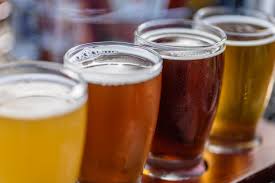
Four glasses of beer. Beer contains uridine, which has been shown to reduce depression.

Uridine is a natural compound commonly found in beer.  

I definitely don’t recommend drinking beer, but supplementing with pure uridine can protect the brain, enhance cognition, and increase mood and motivation. 

Uridine supplementation has been shown to reduce depression in young people with bipolar disorder (113).  

Animal studies also show that uridine supplements alleviate depression and increases dopamine in the brains of rats (114-115).  

It’s important to note that uridine in food is not bioavailable, and no food has been shown to increase blood levels of uridine (112). 

So you’ll need to supplement with it.


22. Lion’s Mane Mushroom

Hericium Erinaceus – better known as lion’s mane mushroom – is an edible mushroom with numerous health benefits.  

It’s another one of my favourite supplements for brain health because it reduces inflammation and has antioxidant effects

One study found that it reduced depression in 30 women after 4 weeks of supplementation (120).  

This lion’s mane mushroom supplement is the highest-quality that I could find. I spent a lot of time researching and looking into different sources because not all lion's mane supplements are high-quality and effective, and I settled on this one.  

Click here to subscribe

The Best Hormonal Supplements For Depression

23. Melatonin

Melatonin is a hormone released by your pineal gland, a small gland in your brain. You can also take it as a supplement.  

It helps control your circadian rhythm, and adequate levels of melatonin are necessary to fall asleep quickly and sleep deeply throughout the night. 

Researchers have found that people with depression often have low levels of melatonin and a compromised circadian rhythm (257-259). 

Studies also show that supplementing with melatonin at bedtime can lower symptoms of depression. It can also improve the circadian rhythm of various neurotransmitters that are disturbed in people with depression (260-261).  

This sleep supplement contains magnesium and a number of other natural compounds that I’ve used over the years to promote the production of melatonin.

But I work with my clients so that they can naturally produce more melatonin and maximize the quality of their sleep without so many supplements. We have free online workshop that talks about how you can work with us. You can register for the workshop here.


24. Pregnenolone

Pregnenolone is a steroidal hormone naturally manufactured by the body, but it can also be taken as a supplement.  

It’s the precursor to almost all other steroid hormones, including DHEA, progesterone, testosterone, estrogens, and cortisol.  

It’s been shown to enhance memory and reduce fatigue. 

But researchers have found that it can also reduce depression.  

Depressed patients often have low pregnenolone levels, but replenishing pregnenolone levels with supplementation significantly reduces symptoms of depression (133-135).  

Whenever I take pregnenolone, it gives me a big boost in brain function and mental energy. It definitely has an effect. But it doesn’t really improve my mood. In fact, if I take it every day, it starts to make me irritable. So I save it and only take it when I need it.   

Plenty of other people have excellent, consistent results with it though. 


25. Dehydroepiandrosterone

Dehydroepiandrosterone (DHEA) is one of the most abundant circulating steroid hormones in humans. It’s produced in the adrenal glands, the gonads, and the brain, and it’s a precursor to other hormones, including estrogen and testosterone. 

It's also available as a supplement. 

Research shows that low DHEA levels are significantly associated with increased depressive symptoms, and low DHEA levels are often found in depressed patients (270-271).  

And in multiple studies, supplementing with DHEA has been shown to improve mood and reduce depression (272-273).  

Researchers have found that it works because it impacts the activity of several neurotransmitters involved in depression, including dopamine, serotonin and GABA (274).  


26. BONUS: Other Natural Supplements That Can Reduce Depression

An image of several different natural supplements

Here are numerous other natural supplements that have also been shown to reduce depression and improve mood in humans.

I didn’t include them in the main list because they aren’t my favourite “go-to” solutions for depression.

Plus, they can be “hit-and-miss” and don’t always work for everyone in every situation.

But research still shows they can be quite effective, so they’re worth considering and giving a shot.  

  • Tryptophan and 5-HTP (264-269) 

  • Valerian (152-155) 

  • Lemon Balm (156-158) 

  • Kava (159-165) 

  • Inositol (166-173) 

  • Creatine (174-184) 

  • Lavender (185-189) 

  • Apigenin, a flavonoid in Chamomile and Bacopa (190-201) 

  • Berberine (202-205) 

  • Holy Basil (206-207) 

  • Coenzyme Q10 (208-209) 

  • Lithium orotate (210-211) 

  • Ashwagandha (212-213) 

  • Agmatine (214-219) 

  • Hops (220) 

  • Borage Oil (221-222) 

  • Vitamin C (223-226) 

  • Maca (227)  

  • Iron (228) 

  • Selenium (229-230) 

  • Glutamine (231-232) 

  • Trimethylglycine (233-235)


Enjoy This Article? You Might Also Like My FREE Food Guide for Optimal Brain and Mental Health!

Click here to subscribe

Live Optimally,

Jordan Fallis

Connect with me


References:

(1) https://www.ncbi.nlm.nih.gov/pubmed/?term=18819774

(2) https://www.ncbi.nlm.nih.gov/pmc/articles/PMC4997396/

(3) https://www.ncbi.nlm.nih.gov/pmc/articles/PMC5319175/

(4) https://www.ncbi.nlm.nih.gov/pmc/articles/PMC3904694/

(5) https://www.ncbi.nlm.nih.gov/pmc/articles/PMC5319175/

(6) https://www.ncbi.nlm.nih.gov/pmc/articles/PMC5319175/

(7) https://www.ncbi.nlm.nih.gov/pubmed/17990195

(8) https://www.ncbi.nlm.nih.gov/pubmed/25837277

(9) https://www.ncbi.nlm.nih.gov/pubmed/19016404

(10) ttps://www.ncbi.nlm.nih.gov/pubmed/17072830

(11) https://www.ncbi.nlm.nih.gov/pubmed/18515456

(12) https://www.ncbi.nlm.nih.gov/pubmed/21901061

(13) https://www.ncbi.nlm.nih.gov/pubmed/19168123

(14) https://www.ncbi.nlm.nih.gov/pubmed/19403286

(15) https://www.ncbi.nlm.nih.gov/pmc/articles/PMC4790408/

(16) https://www.ncbi.nlm.nih.gov/pmc/articles/PMC4297663/

(17) https://www.ncbi.nlm.nih.gov/pubmed/24607292

(18) https://www.ncbi.nlm.nih.gov/pubmed/18491985

(19) https://www.ncbi.nlm.nih.gov/pubmed/18491985

(20) https://www.ncbi.nlm.nih.gov/pubmed/16316746

(21) https://www.ncbi.nlm.nih.gov/pubmed/24607292

(22) https://www.ncbi.nlm.nih.gov/pubmed/23382250

(23) https://www.ncbi.nlm.nih.gov/pubmed/27396868

(24) https://www.ncbi.nlm.nih.gov/pubmed/21425911

(25) https://academic.oup.com/ajcn/article/90/6/1615/4598112

(26) https://www.ncbi.nlm.nih.gov/pubmed/23950577

(27) https://www.ncbi.nlm.nih.gov/pubmed/25748766

(28) https://www.tandfonline.com/doi/abs/10.1080/00048670802534408

(29) https://www.ncbi.nlm.nih.gov/pubmed/16542786

(30) https://www.ncbi.nlm.nih.gov/pubmed/2067759

(31) https://www.ncbi.nlm.nih.gov/pubmed/19271419

(32) https://www.ncbi.nlm.nih.gov/pubmed/1672392

(33) https://www.ncbi.nlm.nih.gov/pubmed/16542786

(34) http://www.ncbi.nlm.nih.gov/pubmed/19944540

(35) http://www.ncbi.nlm.nih.gov/pubmed/23950577

(36) https://www.ncbi.nlm.nih.gov/pubmed/27750060

(37) https://www.ncbi.nlm.nih.gov/pubmed/23377209

(38) https://www.ncbi.nlm.nih.gov/pubmed/22191178

(39) https://www.ncbi.nlm.nih.gov/pubmed/10888476

(40) https://www.ncbi.nlm.nih.gov/pmc/articles/PMC4011048/

(41) https://www.ncbi.nlm.nih.gov/pubmed/9011759

(42) http://www.ncbi.nlm.nih.gov/pubmed/22664333

(43) http://www.ncbi.nlm.nih.gov/pubmed/21939673

(44) http://www.ncbi.nlm.nih.gov/pubmed/22673824

(45) ttps://www.ncbi.nlm.nih.gov/pubmed/20689416

(46) https://www.ncbi.nlm.nih.gov/pubmed/21798601

(47) https://www.ncbi.nlm.nih.gov/pubmed/18191237

(48) https://www.ncbi.nlm.nih.ht

(49) https://www.ncbi.nlm.nih.gov/pubmed/24621065

(50) https://www.ncbi.nlm.nih.gov/books/NBK209061/

(51) https://www.ncbi.nlm.nih.gov/pubmed/1173765

(52) https://www.ncbi.nlm.nih.gov/pubmed/335027

(53) https://www.ncbi.nlm.nih.gov/pubmed/387000

(54) https://www.ncbi.nlm.nih.gov/pubmed/1173765

(55) https://www.ncbi.nlm.nih.gov/pubmed/3944066

(56) https://www.ncbi.nlm.nih.gov/pubmed/6425455

(57)https://www.researchgate.net/publication/21254821_Rapid_treatment_of_depression_with_selegiline-phenylalanine_combination_1

(58) https://www.ncbi.nlm.nih.gov/pubmed/21719110

(59) https://www.ncbi.nlm.nih.gov/pubmed/18534556

(60) https://www.ncbi.nlm.nih.gov/pubmed/22189927

(61) https://www.ncbi.nlm.nih.gov/pubmed/20800897

(62) https://www.ncbi.nlm.nih.gov/pubmed/23493756

(63) https://www.ncbi.nlm.nih.gov/pubmed/20452573

(64) https://www.ncbi.nlm.nih.gov/pubmed/20586692

(65) https://www.ncbi.nlm.nih.gov/pubmed/24805797

(66) https://www.ncbi.nlm.nih.gov/pubmed/20586692

(67) https://www.ncbi.nlm.nih.gov/pmc/articles/PMC3976923/

(68) https://www.ncbi.nlm.nih.gov/pubmed/19499625

(69) http://www.ncbi.nlm.nih.gov/pubmed/20099994

(70) https://www.ncbi.nlm.nih.gov/pmc/articles/PMC4503934/

(71) https://www.ncbi.nlm.nih.gov/pubmed/10761538

(72) https://www.ncbi.nlm.nih.gov/pubmed/24088416/

(73) https://www.ncbi.nlm.nih.gov/pubmed/19632285

(74) https://www.ncbi.nlm.nih.gov/pubmed/20647027/

(75) https://www.ncbi.nlm.nih.gov/pubmed/8886498

(76) https://www.ncbi.nlm.nih.gov/pubmed/15931589

(77) https://www.ncbi.nlm.https://www.ncbi.nlm.nih.gov/pubmed/27113121ih.gov/pubmed/27113121

(78) https://www.ncbi.nlm.nih.gov/pubmed/12420702

(79) https://www.ncbi.nlm.nih.gov/pubmed/20595412

(80) https://www.ncbi.nlm.nih.gov/pubmed/19909689

(81) https://www.ncbi.nlm.nih.gov/pubmed/12418497

(82) https://www.ncbi.nlmhttps://www.ncbi.nlm.nih.gov/pubmed/7941964nih.gov/pubmed/7941964

(83) https://www.ncbi.nlm.nih.gov/pubmed/2183633

(84) https://www.ncbi.nlm.nih.gov/pubmed/26610378

(85) https://www.ncbi.nlm.nih.gov/pubmed/25046624

(86) https://www.ncbi.nlm.nih.gov/pubmed/28236605

(87) https://www.ncbi.nlm.nih.gov/pubmed/26066335

(88) https://www.ncbi.nlm.nih.gov/pubmed/10967371?dopt=Abstract

(89) https://www.ncbi.nlm.nih.gov/pubmed/5314166

(90) https://www.ncbi.nlm.nih.gov/pubmed/14769778

(91) https://www.ncbi.nlm.nih.gov/pubmed/17522618

(92) https://www.ncbi.nlm.nih.gov/pubmed/1974941

(93) https://www.ncbi.nlm.nih.gov/pubmed/10967371

(94) https://www.ncbi.nlm.nih.gov/pubmed/18950248

(95) https://www.ncbi.nlm.nih.gov/pubmed/19796883

(96) https://www.ncbi.nlm.nih.gov/pubmed/23212058

(97) https://www.ncbi.nlm.nih.gov/pubmed/15671130

(98) http://www.ncbi.nlm.nih.gov/pubmed/24372461

(99) http://www.ncbi.nlm.nih.gov/pubmed/24392264

(100) http://www.ncbi.nlm.nih.gov/pubmed/15671130

(101) http://www.ncbi.nlm.nih.gov/pubmed/19388520

(102) http://www.ncbi.nlm.nih.gov/pubmed/23507369

(103) https://www.ncbi.nlm.nih.gov/pubmed/12493090

(104) https:/https://www.ncbi.nl

(105) https://en.wikipedia.org/wiki/Hypericum_perforatum

(106) https://www.ncbi.nlm.nih.gov/pubmed/18843608

(107) https://www.ncbi.nlm.nih.gov/pubmed/19028540

(108) https://www.ncbi.nlm.nih.gov/pubmed/18694635

(109) https://www.ncbi.nlm.nih.gov/pubmed/12775192

(110) https://www.ncbi.nlm.nih.gov/pubmed/20193678

(111) http://www.chiro.org/nutrition/FULL/St_John's_Wort_Vs_Drugs.shtml

(112) https://www.ncbi.nlm.nih.gov/pmc/articles/PMC4011061/

(113) https://www.ncbi.nlm.nih.gov/pmc/articles/PMC3080753/

(114) https://www.ncbi.nlm.nih.gov/pubmed/15705349

(115) https://www.ncbi.nlm.nih.gov/pmc/articles/PMC3020593/

(116) https://clinicaltrials.gov/ct2/show/NCT00977353

(117) https://www.ncbi.nlm.nih.gov/pubmed/23562005

(118) https://www.ncbi.nlm.nih.gov/pubmed/27555541

(119) https://www.ncbi.nlm.nih.gov/pmc/articles/PMC5331637/

(120) https://www.ncbi.nlm.nih.gov/pubmed/20834180

(121) https://www.ncbi.nlm.nih.gov/pubmed/1693032

(122) https://www.ncbi.nlm.nih.gov/pubmed/15276700

(123) https://www.ncbi.nlm.nih.gov/pubmed/26092515

(124) https://www.ncbi.nlm.nih.gov/pubmed/21672588

(125) https://www.ncbi.nlm.nih.gov/pubmed/17356006

(126) https://www.ncbi.nlm.nih.gov/pmc/articles/PMC6181482/

(127) https://www.ncbi.nlm.nih.gov/pubmed/16979327

(128) ttps://www.ncbi.nlm.nih.gov/pubmed/15852492

(129) https://www.ncbi.nlm.nih.gov/pubmed/15707766

(130) https://www.ncbi.nlm.nih.gov/pubmed/17174460

(131) https://www.ncbi.nlm.nih.gov/pubmed/24289892

(132) https://www.ncbi.nlm.nih.gov/pubmed/17704979

(133) https://www.ncbi.nlm.nih.gov/pmc/articles/PMC3573983/

(134) ttps://www.ncbi.nlm.nih.gov/pubmed/20493557

(135) https://www.ncbi.nlm.nih.gov/pmc/articles/PMC4200497/

(136) https://examine.com/supplements/vitamin-b12/

(137) https://wellnessmama.com/36091/vitamin-b12-deficiency/

(138) https://www.ncbi.nlm.nih.gov/pubmed/22276208

(139) https://www.ncbi.nlm.nih.gov/pmc/articles/PMC2781043/

(140) https://www.ncbi.nlm.nih.gov/pubmed/10784463

(141) https://www.ncbi.nlm.nih.gov/pmc/articles/PMC3262813/

(142) https://www.ncbhttps://www.ncbi.nlm.nih.gov/pubmed/24339839.nlm.nih.gov/pubmed/24339839

(143) https://www.ncbi.nlm.nih.gov/pubmed/24339839

(144) https://www.ncbi.nlm.nih.gov/pubmed/21771745

(145) https://www.ncbi.nlm.nih.gov/pubmed/22081620

(146) https://www.ncbi.nlm.nih.gov/pubmed/15479988

(147) https://www.ncbi.nlm.nih.gov/pubmed/16815556

(148) https://www.ncbi.nlm.nih.gov/pubmed/1578091

(149) https://www.ncbi.nlm.nih.gov/pubmed/20716710

(150) https://www.ncbi.nlm.nih.gov/pubmed/26648330

(151) ttps://www.ncbi.nlm.nih.gov/pubmed/15671130

(152) https://www.ncbi.nlm.nih.gov/pubmed/12807339

(153) ttps://www.ncbi.nlm.nih.gov/pubmed/17593676

(154) https://www.ncbi.nlm.nih.gov/pmc/articles/PMC3983753/

(155) https://www.ncbi.nlm.nih.gov/pubmed/18334150

(156) https://www.ncbi.nlm.nih.gov/pubmed/29908682

(157) https://www.ncbi.nlm.nih.gov/pubmed/26408043

(158) http://journal.icns.org.ir/browse.php?a_id=327&sid=1&slc_lang=en

(159) https://www.ncbi.nlm.nih.gov/pubmed/14692723

(160) https://www.ncbi.nlm.nih.gov/pubmed/15181652

(161) https://www.ncbi.nlm.nih.gov/pubmed/9065962

(162) https://www.ncbi.nlm.nih.gov/pubmed/15181652

(163)https://journals.lww.com/psychopharmacology/Abstract/2000/02000/Efficacy_of_Kava_Extract_for_Treating_Anxiety_.14.aspx

(164) https://www.ncbi.nlm.nih.gov/pubmed/12807341

(165) https://www.ncbi.nlm.nih.gov/pubmed/10186945

(166) https://www.ncbi.nlm.nih.gov/pubmed/15953489

(167) https://www.ncbi.nlm.nih.gov/pubmed/9247405

(168) https://www.ncbi.nlm.nih.gov/pubmedhealth/PMH0062698/

(169) https://www.ncbi.nlm.nih.gov/pubmed/22031267

(170) https://www.ncbi.nlm.nih.gov/pubmed/21352883

(171) http://www.ncbi.nlm.nih.gov/pubmed/24424706

(172) http://www.ncbi.nlm.nih.gov/pubmed/7726322

(173) http://www.ncbi.nlm.nih.gov/pubmed/15106232

(174) https://www.ncbi.nlm.nih.gov/pmc/articles/PMC4684979/

(175) https://www.ncbi.nlm.nih.gov/pubmed/21831448

(176) https://www.ncbi.nlm.nih.gov/pubmed/17988366

(177) https://www.ncbi.nlm.nih.gov/pubmed/22864465

(178) ttps://www.ncbi.nlm.nih.gov/pubmed/11595668

(179) https://www.ncbi.nlm.nih.gov/pubmed/19079843

(180) https://www.ncbi.nlm.nih.gov/pubmed/15168891

(181) https://www.ncbi.nlm.nih.gov/pubmed/18981340

(182) https://www.ncbi.nlm.nih.gov/pubmed/12796225

(183) http://www.ncbi.nlm.nih.gov/pubmed/22864465

(184) http://www.ncbi.nlm.nih.gov/pubmed/23466591

(185) https://www.ncbi.nlm.nih.gov/pubmed/22789792

(186) ttps://www.ncbi.nlm.nih.gov/pubmed/24578844

(187) https://www.ncbi.nlm.nih.gov/pubmed/12551734

(188) https://www.ncbi.nlm.nih.gov/pmc/articles/PMC4363653/

(189) ttps://www.ncbi.nlm.nih.gov/pmc/articles/PMC3612440/

(190) ttps://www.ncbi.nlm.nih.gov/pmc/articles/PMC3600408/

(191) https://www.ncbi.nlm.nih.gov/pmc/articles/PMC3600416/

(192) https://www.ncbi.nlm.nih.gov/pubmed/26826594

(193) https://www.ncbi.nlm.nih.gov/pubmed/25800110

(194) https://www.ncbi.nlm.nih.gov/pubmed/22894890

(195) https://www.ncbi.nlm.nih.gov/pmc/articles/PMC3600408/

(196) https://www.ncbi.nlm.nih.gov/pubmed/26483209

(197) https://www.ncbi.nlm.nih.gov/pubmed/18611150

(198) https://www.ncbi.nlm.nih.gov/pubmed/21046986

(199) https://www.ncbi.nlm.nih.gov/pubmed/12957224

(200) https://www.ncbi.nlm.nih.gov/pubmed/17321089

(201) https://www.ncbi.nlm.nih.gov/pubmed/22160863

(202) https://www.ncbi.nlm.nih.gov/pubmed/26400188

(203) https://www.ncbi.nlm.nih.gov/pubmed/18585703

(204) https://www.ncbi.nlm.nih.gov/pubmed/17585901

(205) https://www.ncbi.nlm.nih.gov/pubmed/11270727

(206) https://www.ncbi.nlm.nih.gov/pubmed/19253862

(207) https://www.ncbi.nlm.nih.gov/pmc/articles/PMC4296439/

(208) https://www.ncbi.nlm.nih.gov/pubmed/20471444

(209) https://www.ncbi.nlm.nih.gov/pubmed/22467846

(210) https://www.ncbi.nlm.nih.gov/pubmed/22796912

(211) https://onlinelibrary.wiley.com/doi/abs/10.1002/syn.890010302

(212) https://www.ncbi.nlmhttps

(213) https://www.ncbi.nlm.nih.gov/pubmed/23439798

(214) https://www.cambridge.org/core/journals/acta-neuropsychiatrica/article/clinical-antidepressant-effect-of-exogenous-agmatine-is-not-reversed-by-parachlorophenylalanine-a-pilot-study/62BA83527CFA2D1F283A4899307103DE

(215) https://www.ncbi.nlm.nih.gov/pubmed/27836390

(216) https://examine.com/supplements/agmatine/

(217) https://www.ncbi.nlm.nih.gov/pubmed/25287313

(218) https://www.ncbi.nlm.nih.gov/pubmed/25966970

(219)https://www.researchgate.net/publication/259432742_The_clinical_antidepressant_effect_of_exogenous_agmatine_is_not_reversed_by_parachlorophenylalanine_A_pilot_study

(220) https://www.ncbi.nlm.nih.gov/pubmed/28742505

(221) https://www.ncbi.nlm.nih.gov/pubmed/16309809

(222) https://www.ncbi.nlm.nih.gov/pubmed/29468978

(223) https://www.ncbi.nlm.nih.gov/pubmed/20688474

(224) https://www.ncbi.nlm.nih.gov/pubmed/23106783

(225) https://www.ncbi.nlm.nih.gov/pubmed/23510529

(226) ttps://examine.com/supplements/vitamin-c/

(227) https://examine.com/supplements/maca/

(228) https://www.ncbi.nlm.nih.gov/pubmed/15671224/

(229) https://www.ncbi.nlm.nih.gov/pubmed/18463429

(230) https://www.ncbi.nlm.nih.gov/pubmed/1873372

(231) https://www.ncbi.nlm.nih.gov/pubmed/8289407

(232) https://www.ncbi.nlm.nih.gov/pubmed/1020692

(233) https://www.ncbi.nlm.nih.gov/pmc/articles/PMC4303396/

(234) https://www.ncbi.nlm.nih.gov/pmc/articles/PMC3762304/

(235) https://www.ncbi.nlm.nih.gov/pubmed/25678811

(236) https://www.ncbi.nlm.nih.gov/pubmed/26984349

(237) https://goo.gl/7xi241

(238) https://goo.gl/7xi241

(239) http://www.ncbi.nlm.nih.gov/pubmed/21771745

(240) http://www.ncbi.nlm.nih.gov/pubmed/1578091

(241) ttp://www.ncbi.nlm.nih.gov/pubmed/21771745

(242) https://www.ncbi.nlm.nih.gov/pubmed/25596911

(243) https://www.ncbi.nlm.nih.gov/pubmed/13031399

(244) http://annals.org/aim/article-abstract/675234/nicotinic-acid-treatment-depression

(255) https://www.ncbi.nlm.nih.gov/pubmed/13099638

(256) ttps://ionhealth.ca/wp-content/uploads/resources/PDFs/Vitamin-B3-for-Depression-Case-Report-and-Review-of-the-Literature-25.3.pdf

(257) https://www.ncbi.nlm.nih.gov/pubmed/6494381

(258) https://www.ncbi.nlm.nih.gov/labs/articles/3026303/

(259) ttps://www.ncbi.nlm.nih.gov/pubmed/2762432

(260) https://www.ncbi.nlm.nih.gov/pubmed/11226744

(261) https://www.ncbi.nlm.nih.gov/pubmed/11226744

(262) https://www.ncbi.nlm.nih.gov/pubmed/21071157

(263) https://www.ncbi.nlm.nih.gov/pubmed/28118532

(264) https://www.ncbi.nlm.nih.gov/pubmed/23380314

(265) https://www.ncbi.nlm.nih.gov/pubmed/16378695

(266) http://www.ncbi.nlm.nih.gov/pubmed/22888252

(267) http://www.ncbi.nlm.nih.gov/pubmed/23380314

(268) https://www.ncbi.nlm.nih.gov/pmc/articles/PMC2908021/

(269) https://www.uofmhealth.org/health-library/hn-10006312

(270) https://www.ncbi.nlm.nih.gov/pubmed/11082473

(271) https://www.sciencedirect.com/science/article/pii/S0165178104001325

(272) https://www.ncbi.nlm.nih.gov/pubmed/15699292

(273) https://www.ncbi.nlm.nih.gov/pubmed/10200751

(274) https://www.ncbi.nlm.nih.gov/pubmed/18280022

Terms and Conditions

Privacy Policy

Affiliate Disclosure

Disclaimer

The Best Amino Acid for Depression, Anxiety and Pain

An illustration of a woman worrying and ruminating.

Today I want to talk to you about one of the best amino acids that has really helped me manage feelings of depression, anxiety and trauma.

I write about many different helpful nutrients and supplements, and I know it can be overwhelming. 

So I want to dedicate this post to one amino acid, because I feel like it’s helped me more than any other.

As soon as I realize I'm running low and have just a few capsules left, I order it immediately because it gives me so many benefits.

Even though I can live without it, I’d rather not.

A man sitting on the edge of a cliff, depressed and worrying. Clouds are above him and raining down on him.

Taking it every so often helps my mood and significantly improves the quality of my life. 

A subtle sense of “impending doom” starts to creep in when I’ve gone too long without it. 

If you struggle with chronic anxiety and depression, you probably know what I’m talking about.

This feeling used to be a lot worse for me. 

It felt like a dark cloud was following me around all day, and I just couldn’t shake it.

It’s now gone.

And thankfully, I know exactly how to keep it away.

But life can be tough at times, and things happen.

And that’s why I’m glad I have access to DL-Phenylalanine (DLPA) whenever I need it.

It helps me get through stressful times.

It can get me out of a deep hole like nothing else.

And if you struggle with feelings of trauma, anxiety and depression on a regular basis, it may help you too. 


What is DL-Phenylalanine (DLPA) and How Does It Work?

I first learned about phenylalanine in the book The Mood Cure by Julia Ross. 

It’s an essential amino acid that plays a key role in the proper functioning of your nervous system.

If you're deficient in phenylalanine, you can have the following symptoms:

  • Fatigue

  • Confusion

  • Memory problems

  • Decreased alertness

  • Loss of appetite

DL-Phenylalanine, or DLPA for short, is a combination of two different forms of phenylalanine – D-Phenylalanine and L- Phenylalanine.

The cover of the book “The Mood Cure”.

The D and L forms of phenylalanine have different beneficial effects on your body and brain. 

L-Phenylalanine is used as a building block by your body to create a number of important proteins, hormones and neurotransmitters

This includes dopamine, norepinephrine and thyroid hormone – all of which are necessary for optimal brain and mental function.

Dopamine in particular is very important as it’s the main neurotransmitter that supports your attention and motivation, and plays a key role in the “reward system” of your brain.

D-Phenylalanine, on the other hand, inhibits the breakdown of endorphins.

Endorphins are pain-relieving compounds that originate within your body. 

Your brain produces and releases these natural painkillers during times of strenuous exercise, emotional stress and pain. 

But D-Phenylalanine has been shown to slow the action of enzymes that destroy these morphine-like substances. By doing this, it can prolong the activity of your endorphins within your nervous system, allowing you feel better for longer (1-6). 


How It Can Help You

Together, D and L-Phenylalanine can support your brain and mental health by increasing both dopamine and endorphins levels.

My research and personal experience suggest it can help treat a number of different conditions, including:

Personally, it helped me the most with depression and anxiety, and there are several studies that show it can improve your mood.

In one study, 20 depressed patients took 200 mg of DLPA everyday. At the end of the 3-week study, 12 patients no longer had depression, and 4 patients experienced mild to moderate improvements in their mood (8). 

This makes sense considering that researchers have found that people struggling with depression often have low levels of phenylalanine, and supplementation significantly elevates their mood (9). 

In fact, one study found that DLPA is just as effective as standard antidepressants (but without side effects), and another found that people who don’t respond to common antidepressants often get significantly better when they take DLPA (10, 11). 

And even if you take medication, research shows that combining DLPA with antidepressants leads to greater increases in mood than simply taking an antidepressant alone (12).

Yet unlike antidepressants, you can feel the effects of DLPA quickly (within a few hours) and in some cases, it can “terminate depression within 2 to 3 days” (13).

Click here to subscribe

My Experience

By building up your natural endorphin production, DLPA doesn’t just help reduce physical pain – but mental pain as well.

When I first started taking DLPA, it was such a relief. I was so glad I had found it. 

I notice it makes me:

  • More comfortable, happy and satisfied with my life;

  • More relaxed and calmer every time I take it;

  • Less moody and irritable;

  • Less likely to take things so seriously; and

  • Less reactive to negative events and situations.

Overall, it lifts my mood and reduces emotional sensitivity. Life becomes less intense. I’m not as sensitive to the world around me. I would definitely recommend it to others who also have “sensory processing sensitivity”. 

And eventually, DLPA helped me successfully wean off multiple psychiatric medications. Along with some other supplements, it played a critical role in making the withdrawal process as smooth as possible. 

I used to take 500 mg every day. Currently, I only need 500 mg once or twice each week, mainly because neurofeedback and EMDR have helped me so much.


Other Success Stories

I understand that you might be thinking that perhaps DLPA won’t help you like it helped me.

And I can't guarantee that it will. 

But I did some digging and found a number of other people online who say that DLPA has also helped them manage or overcome their mental health issues. 

I’ve gathered their comments below and bolded anything that I can personally relate to or I have experienced while taking it:

  • “Suffering from severe post-traumatic stress, I've tried any number of natural products as the chemical cocktails handed out by conventional medicine are simply not acceptable to me. After my first dose of 1000mg DLPA, my depression lifted and trauma reactions (flashbacks and hyperviligence) significantly reduced. I've been taking this for a couple months now and there is definitely a light at the end of the tunnel. It has almost completely reversed my suicidal tendencies which were increasing regularly; they are now practically nonexistent. This product has truly saved my life.”

  • “My brain finally feels at rest and the anxiety has greatly decreased, and I can get on with my life. DLPA is my lifesaver. I will be taking this for as long as I need to.”

  • DLPA has been a huge help to me. I have type 1 bipolar and this has helped me more than anything I have ever tried. I will buy more and I also take more than 1. I take 2 to 3 a day and it calms my mind like nothing else ever has.”

  • “My husband is mildly bipolar. We've decided to try to treat him naturally and phenylalanine is one of the treatments. He only takes this on an "as needed" basis, which turns out to be at least two days per week. He has other regular supplements he takes daily. This is only for "extra support" on bad days. And it really works.”

  • DLPA is a key factor in improving my anxiety, depression and ADHD more than any of the several medications I have taken over the last 10 years.”

  • “I take DLPA first thing in the morning and it literally helps me get out of bed, get focused and get the day going with a positive attitude.”

  • “I honestly felt a difference right away. I was suddenly happy and smiling non-stop. I truly had a sparkle in my eye and I felt talkative and social. After a few hours the feeling wore off but I still felt an inner sense of content. It has helped with feelings of anxiety as well which is a plus.”

  • “Wow, what a difference! I have been so relieved from all those false moods that I can honestly say I am happy, alive and free.”

  • “I use this daily for the treatment of mild depression. I do notice a difference while on it. I went off of it briefly and felt as if someone had let some air out of my balloon, just kind of deflated.”

  • “I have suffered with extreme depression and anxiety since I was 13 (I’m now 42). I have gone through many different prescription/herbal/clinical therapies, and this product has been life-changing in a very short time. This has given me energy and focus I never had, a zest for life, an ability to handle stresses. I tell my husband (who keeps mentioning what a huge difference he has noticed) that this must be how "normal" people live.”

It absolutely blows my mind that more people aren’t aware of DLPA’s incredible and diverse benefits.

Clearly, it should be a first-line treatment for depression and anxiety. 

Yet I was never told about it, and it took me years to finally discover it.

Click here to subscribe

Where to Get It and How to Take It

I currently take this DL-Phenylalanine

I've also taken this one at one point.

I've also taken this DLPA and it works. It's currently less expensive than others through Amazon.

I've also taken this DLPA and it works. It's currently less expensive than others.

Both work very well in my experience.

There are a number of other brands with good reviews, but I personally can’t vouch for them.

Make sure you get a combination of both D and L-Phenylalanine. I tried L-Phenylalanine alone once and it didn’t help me as much. 

In theory, it’s also a good idea to take it alongside Vitamin B6 and Vitamin C because they help with the conversion of phenylalanine to dopamine.

You should start with 500-750 mg each day and monitor how you feel. You will have to experiment and figure out your ideal DLPA dosage. The DLPA dosage for depression, pain or anxiety can vary. You may even need up to 1,500 mg daily.

But the benefits seem to increase over the time. The more you take it, the more you can feel it’s effects. 

Also, make sure you take it on an empty stomach. Do not take it with high-protein foods. Other amino acids (such as tryptophan) can compete with phenylalanine, and reduce its absorption and transportation across the blood-brain barrier.

Lastly, this anti-anxiety supplement includes several other natural compounds and amino acids that have helped me manage my anxiety over the years. It can also help reduce stress and anxiety, along with DL-Phenylalanine


Conclusion

Antidepressants and benzodiazepines are not your only options for depression and anxiety. 

There are many other safe and effective treatment options. 

A person’s hand and it says “I am stronger than depression.”

DL-Phenylalanine is one of these other options.

I can’t promise it will work for everyone, but since it’s easily accessible through iHerb, it’s worth a try if you suffer from depression and anxiety. Experiment with it and listen to how you feel. 

And like I have, I encourage you to use as many tools as you can to help yourself, including nutrition, supplements, exercise, neurofeedback, light therapy, etc. The list goes on and on. 

None of them have to work completely.

But all together, they can make a huge difference and change the course of your life like they have mine.

 
Click here to subscribe

Live Optimally,

Jordan Fallis

Connect with me

18 Powerful Ways to Effectively Lower Homocysteine

Lowering and normalizing homocysteine levels is another key way to improve the health of your brain and manage your mental health. 

In fact, keeping homocysteine levels within normal range is good for overall health in general. 

But what exactly is homocysteine?

Homocysteine is an amino acid that is produced in the body as a by-product of methylation.

In healthy people, it’s properly metabolized and normal levels are maintained. 

But when homocysteine isn’t properly metabolized, it can build up inside the body and levels can become too high.

And that’s when homocysteine becomes dangerous and unhealthy. 

At high levels, homocysteine is inflammatory and neurotoxic, and increases oxidative stress and free radical damage in the brain by reducing levels of cysteine and glutathione (89-95, 138-139). 

Homocysteine and it’s chemical symbol.

It’s also been shown to contribute to mitochondrial damage and reduce energy production in the brain (96-98). 

Researchers have found that high levels of homocysteine disrupt the integrity of the blood-brain barrier, which allows substances that are normally kept out of the brain to cross over and contribute to neurological problems (99-102). 

And studies have found that people with high levels of homocysteine have lower levels of serotonin and SAMe, a nutrient involved in the production of many neurotransmitters that improve mood (103-104). 

Considering all this, it’s not too surprising that high levels of homocysteine have been linked to many chronic neurodegenerative and neuropsychiatric diseases, including:

People with nutritional deficiencies and MTHFR gene mutation are at an increased risk of high homocysteine levels. Homocysteine levels gradually increase as you age, and men are more likely than women to have high levels of homocysteine (140-142). 

You can check your homocysteine levels by ordering this blood test

Thankfully, if your levels are high, there are a number of ways to lower homocysteine.

Here are 18 ways to keep your homocysteine levels in check. 


1. Trimethylglycine

Trimethylglycine (also known as betaine) is an amino acid derivative that can be found in plants such as beets and spinach. 

Trimethylglycine plays an important role in methylation, a process that is involved in the synthesis of melatonin, coenzyme Q10, and neurotransmitters such as dopamine and serotonin. 

An image of beets. Beets contain betaine, which has been shown to lower homocysteine levels.

Several studies show that supplementing with trimethylglycine can significantly lower homocysteine levels (1-5). 

One study found that the more trimethyglycine a person consumes, the lower their homocysteine levels (6).

According to the research, it appears that you need to supplement with at least three grams of trimethyglycine daily to significantly reduce homocysteine. Doing so will reduce homocysteine levels by 10% in persons with normal levels or by 20 to 40% in persons with elevated homocysteine levels (7-9).

However, even 500mg seems to lower homocysteine slightly (10). 

I took a trimethylglycine supplement after coming off psychiatric medication and noticed an improvement in mood and energy. 


2. Folate

The best way to lower homocysteine is by making sure you consume enough B vitamins on a regular basis.

Folate is one of the most important B vitamins because it helps metabolize homocysteine into methionine (51). 

When your body doesn’t have enough folate, elevated levels of homocysteine are the result (52). 

A pile of green, leafy vegetables. They contain folate, a key nutrient involved in lowering and normalizing homocysteine levels.

Good dietary sources of natural folate include leafy greens, asparagus, broccoli, cauliflower, strawberries, avocado, beef liver and poultry. These foods are included in my Free Grocery Shopping Guide for Optimal Brain Health.

However, folate-rich foods may not be enough to lower homocysteine. In fact, many people do not get enough folate from food because cooking and food processing destroy natural folates (57). 

That’s why I recommend supplementation. 

Supplementing with 800 mcg of folate has been shown to lower homocysteine by at least 28%. Even supplementing with just 113 mcg daily lowers homocysteine by about 15% (53-56, 58, 62). 


3. Vitamin B12

Vitamin B12 is another nutrient that plays a role in methylation. It's also a necessary cofactor in the metabolism of homocysteine (75-77). 

Research shows that Vitamin B12 deficiency can contribute to rising homocysteine levels (78-80, 83-84). 

But in those with elevated homocysteine, supplementing with 1,000 mcg of B12 per day can significantly lower and normalize blood levels of homocysteine (81-82).

If you decide to take B12, you should avoid the semisynthetic version of B12 (cyanocobalamin) and take the methylated form (methyl-B12) instead, which is better absorbed and more biologically active. Methy-B12 is included in this supplement.

Vitamin B12 is also found primarily in animal foods, and beef liver is a really good source. I take beef liver capsules because I don’t like the taste of liver. 

You should monitor your B12 levels regularly. But keep in mind that you can also have normal or high B12 levels but then still be B12 deficient on a cellular level. That is very common in my clients, and I talk about that in my workshop presentation. You can register for the free workshop here.

Click here to subscribe

4. Vitamin B6

Vitamin B6 is another homocysteine-reducing nutrient that boosts mood, deepens sleep, and supports your entire nervous system. 

It accomplishes this by playing a key role in the production of many neurotransmitters in your brain, including serotonin, GABA and dopamine.

Vitamin B6 is also a necessary cofactor in the metabolism of homocysteine, and having a deficiency can cause homocysteine levels to increase (14).

In fact, low blood levels of B6 are common, especially in people with higher homocysteine levels (15). 

Thankfully, supplementation has been shown to help lower and normalize homocysteine levels (11-13). 

Vitamin B6 is included in this supplement.

Fruits and vegetables in the shape of B6. Vitamin B6 has been shown to lower homocysteine levels.

It’s important to point out that it’s best to supplement B6 along with both folate and B12 if you want to dramatically lower homocysteine levels. 

Supplementing with B6, B12 and folate has been shown to significantly lower homocysteine levels and reduce symptoms of depression (87). 

One study found that within three weeks, homocysteine levels could be reduced by 17% using folate alone, 19% using B12 alone, 57% using folate and B12, and 60% using folate, B12 and B6 (86). 

Another study found that combining B6 and folate reduces homocysteine 32% within five weeks (85).

Symptoms of Vitamin B6 deficiency include weakness, mental confusion, depression, insomnia and severe PMS symptoms.

Some of the best food sources of Vitamin B6 include potatoes, bananas and chicken. They are included in my free food guide.


5. Taurine

Taurine is an organic compound found in foods, particularly animal products. It has a wide variety of health benefits.

It can cross the blood-brain barrier and produces anti-anxiety effects, and acts as an antioxidant in the brain, protecting it from various substances including lead and cadmium (16-25). 

It’s also been shown to lower homocysteine. 

Research shows that taurine supplementation significantly reduces plasma homocysteine levels (26-28).

Taurine is included in the Optimal Calm supplement


6. Creatine

Creatine is a molecule produced in the body and found in some foods, particularly meat, eggs, and fish. These foods are included in my Free Grocery Shopping Guide for Optimal Brain Health.

Creatine is also available in supplement form. Athletes, bodybuilders, wrestlers, sprinters often take creatine supplement to gain more muscle mass. It’s an incredibly well-researched supplement and safe to take regularly. 

A scoop of creatine powder next to weights. Creatine lowers homocysteine levels.

Supplementing with creatine can also support the brain. It's been shown to have neuroprotective effects and it rapidly produces energy to support brain cell function (29). 

Research shows that creatine supplementation can also lower homocysteine in humans (32, 34). 

Animal studies show the same (30-31, 33).

I find that creatine gives me energy, and I take it when I’m lifting weights regularly.


7. Green Coffee Extract

Green coffee extract is a supplement that is derived from green coffee beans. 

Green coffee beans are similar to regular coffee beans. However, they contain much more chlorogenic acid in them.

Chlorogenic acid is a phytochemical with cognitive health benefits. 

One study found that 140 mg of chlorogenic acid, which is 28% of the content of green coffee extract, can significantly lower homocysteine (39). 

Click here to subscribe

8. Reduce Stress

I highly recommend you try to do something every day to manage your stress because psychological stress has been shown to significantly increase homocysteine levels (70-71). 

A woman meditating on the beach near the water. Reducing stress can help you to lower your homocysteine levels.

My favourite ways to reduce stress include neurofeedback, meditation (using the Muse headband), massage, acupuncture, eye movement desensitization and reprocessing (EMDR), emotional freedom techniques (EFT), heart-rate variability (HRV) training, and an acupressure mat. 

Some supplements that can help you reduce stress include zinc, magnesium, ashwagandha and phosphatidylserine.

This anti-anxiety supplement also includes a number of natural compounds that have personally helped me manage my stress over the years.

And here is an article with 20 other ways to lower your stress hormone, cortisol.


9. Estrogen

Estrogen is the primary female sex hormone and responsible for the development and regulation of the female reproductive system.

Research shows that higher estrogen levels are associated with lower homocysteine levels, independent of nutritional status and muscle mass (72). 

And individuals on estrogen replacement therapy have significantly lower homocysteine levels (72-73). 

I recommend both men and women get their hormone levels checked regularly and optimize them because it can really improve your quality of life. 

You can check your estrogen levels here


10. Choline

Choline is an essential B vitamin that most people don’t consume enough of, because very few foods in the Western diet contain it.

Research shows that high homocysteine levels can be lowered with choline (40-42). 

Deviled eggs. Eggs contain choline, a nutrient that can lower homocysteine levels.

One study found that increased intake of choline led to lower levels of circulating homocysteine (43). 

And other studies have shown that choline deficiency in mice and humans is associated with increased homocysteine levels (44). 

Citicoline (also known as CDP-Choline) is my favourite source of choline for the brain. 

Citicoline also supports the blood-brain barrier and promotes the regeneration of myelin

Another good source of choline for brain health is Alpha GPC.

Both Citicoline and Alpha GPC are included in the Optimal Brain supplement

You can also find some choline in beef liver and egg yolks, but Citicoline and Alpha GPC have more noticeable effects on cognition. 

Make sure you read this article to learn more about the remarkable benefits of choline.

And make sure you read this article to learn more about the benefits of Alpha GPC, the optimal dosage, and the best way to take it.


11. N-Acetyl-Cysteine

N-Acetyl-Cysteine (NAC) is a modified form of the amino acid cysteine. It’s also the precursor to glutathione, your body’s master antioxidant.

I’ve previously discussed how NAC can help treat six different mental illnesses.
And it turns out that it can also help lower homocysteine levels. 

Research shows NAC supplementation can cause a “rapid and significant decrease” in homocysteine levels (49). 

Studies have found that NAC can decrease homocysteine anywhere from 25 to 45 per cent (47-48, 50).

Researchers believe NAC displaces homocysteine from its protein carrier in the blood, which lowers homocysteine and promotes the formation of glutathione (45-46). 

NAC is included in this supplement.

Click here to subscribe

12. Omega-3 Fatty Acids

Is there anything omega-3 fatty acids can’t do?

They can promote the regeneration of myelin, stimulate the vagus nerve, help reverse brain damage, and support the endocannabinoid system

And now it appears they can also lower homocysteine levels. 

A randomized double-blind placebo-controlled clinical trial found that consuming three grams of omega-3 fatty acids daily for 2 months significantly decreases levels of homocysteine (63). 

Other researchers have reported that omega-3s can lower homocysteine by 36 to 48% (64-65). 

Salmon and walnuts. They contain omega-3 fatty acids, which have been shown to lower homocysteine levels.

And studies have also found that people using B vitamins to lower homocysteine should also have enough omega-3s to improve brain function. In fact, some clinical trials using B vitamins to improve brain function show benefits only in people with higher omega-3 levels (143-144). 

It’s important to eat enough omega-3s because they are essential fats that your body cannot produce itself.

Omega-3 fatty acids are found primarily in cold water fish such as salmon, black cod, sablefish, sardines and herring.

Unfortunately, most people don't consume enough omega-3 fatty acids through their diet.

That’s why I recommend people supplement with krill oil, a special kind of fish oil that contains omega-3s. 

I take this krill oil supplement. I feel slightly depressed when I stop taking it. I actually notice the difference.

You can read more about the importance of omega-3 fatty acids here.


13. Probiotics

Research suggests that probiotics may also be able to lower homocysteine.

Bacteria. Probiotic bacteria can lower homocysteine levels.

In one interesting study, researchers gave the probiotic VSL#3 to subjects with high homocysteine.

The researchers found that the probiotic increased the number of good bacteria in the gut, which then naturally increased Vitamin B12 and folate production in the gut. As a result, homocysteine levels dropped (66). 

I personally created and take the Optimal Biotics supplement to support my brain and mental health. 

Probiotics have also been shown to stimulate the vagus nerve and help with depression

And here are five other ways to increase the good bacteria in your gut. 


14. Avoid Alcohol

Alcohol is a neurotoxin that wreaks havoc on the brain by raising cortisol levels, disrupting the blood-brain barrier, and increasing inflammation and oxidative stress (67).

It also increases homocysteine. 

One study found that alcohol significantly reduces Vitamin B12 and folate levels and increased homocysteine levels (68). 

And another study found that alcohol consumption increased homocysteine levels regardless of Vitamin B levels (69). 

There are ways to protect your brain from alcohol, but you’re better off avoiding it completely or significantly reducing your consumption if you’re trying to heal. I personally don’t drink alcohol at all anymore.

If you do decide to drink it, this post explains that some types of alcohol are better than others


15. Eat “Head to Tail”

Whole plant foods tend to be much healthier when they’re left whole, as they tend to have various nutrients that work together synergistically. 

The same can be said about animal food.

Muscle meat (chicken breasts, lean beef) shouldn’t be your only source of animal protein. Our ancestors didn’t eat this way, so neither should we.

Your body prefers and expects to receive a balance of amino acids from different parts of whole animals.

That’s why I recommend “head-to-tail eating” – consuming a wide variety of proteins from the entire animal. 

Along with muscle meat, you should regularly cook and eat organ meats, such as liver, and bone broth.

One of the main reasons I recommend this is because lean muscle meat is high in methionine.

Methionine is an essential amino acid, but too much methionine increases homocysteine levels and increases your need for Vitamin B6, B12, folate and choline (74, 88, 162). 

But bone broth contains collagen, gelatin, and amino acids such as glycine and proline, which balance out the methionine in muscle meat, and helps your body better metabolize it. 

Bone broth can be inconvenient to make all the time, so I drink a pre-made, organic chicken bone broth. 

And if you’re actually interested in learning about how to cook and incorporate more whole animal proteins into your diet, I recommend checking out the book Odd Bits: How to Cook the Rest of the Animal by Jennifer McLagan.

Click here to subscribe

16. Limit Medications and Compounds That Increase Homocysteine

A number of prescription drugs and natural compounds have been shown to increase homocysteine by interfering with folate absorption, or metabolism of homocysteine, including (35-38):

Various natural health supplements on table.
  • Cholestyramine

  • Colestipol

  • Fenofibrate

  • Levadopa

  • Metformin

  • Methotrexate

  • Niacin

  • Nitrous oxide

  • Pemetrexed

  • Phenytoin

  • Pyrimethamine

  • Sulfasalazine


17. Quit Smoking

If you’re a smoker, I’m sure you don’t need to tell anyone it’s bad for you and that you should quit.

But here I am telling you anyway.

Research shows that smoking and exposure to second-hand smoke increases homocysteine levels (163-164).

So even if you don’t smoke, but you’re around others that do, you could end up having higher homocysteine levels that impact your health.


18. Treat Hypothyroidism

Your thyroid is a small butterfly-shaped gland located in your neck below your Adam’s apple.

It’s one of your most important glands, producing thyroid hormones – thyroxine (T4) and triiodothyronine (T3) – which impact the health and functioning of your entire body.

Your thyroid gland plays a key role in the optimal health and functioning of your brain. It can impact your cognition, concentration, mood, memory and emotions.

It can also impact your homocysteine levels.

Your thyroid can either be overactive and produce too much thyroid hormone (hyperthyroidism), or underactive and produce too little thyroid hormone (hypothyroidism).

Many studies show that people with hypothyroidism have higher homocysteine levels (165-167).

And people with hypothyroidism who don’t take their thyroid medication end up having higher homocysteine levels. But once they take their thyroid medication, their homocysteine levels go down (168).

I highly recommend getting a full thyroid panel done regularly to see if you have hypothyroidism.

And check out this post for more ways to support your thyroid and overcome hypothyroidism naturally. 

One of my favourite way is by applying this red and infrared light to my thyroid. 


Conclusion

High levels of homocysteine can be problematic and increase your risk of many brain and mental health disorders.

But fortunately, you can do something about it!

Implementing the above 16 strategies can provide powerful protection against homocysteine’s negative effects and improve your quality life. 

I’ve found great benefit in lowering my homocysteine levels, and I hope you experience the same. 


Enjoy This Article? You Might Also Like My FREE Food Guide for Optimal Brain Health!

Click here to subscribe

Live Optimally,

Jordan Fallis

Connect with me

References:

(1) https://www.ncbi.nlm.nih.gov/pubmed/16197300

(2) http://doi.org/10.1271/bbb.70791

(3) http://doi.org/10.1155/2014/904501

(4) https://www.ncbi.nlm.nih.gov/pubmed/12730412

(5) http://atvb.ahajournals.org/content/25/2/379

(6) https://www.ncbi.nlm.nih.gov/pubmed/16600945

(7) https://www.ncbi.nlm.nih.gov/pubmed/12399266

(8) http://www.ncbi.nlm.nih.gov/pubmed/11849459

(9) https://www.ncbi.nlm.nih.gov/pubmed/15720203

(10) https://examine.com/supphttps://examine.com/supplements/trimethylglycine/ements/trimethylglycine/

(11) https://www.ncbi.nlm.nih.gov/pubmed/10926922

(12) http://www.ncbi.nlm.nih.gov/pubmed/19967264

(13) https://www.ncbi.nlm.nih.gov/pubmed/10475885

(14) https://www.ncbi.nlm.nih.gov/pubmed/10926922

(15) http://circ.ahajournals.org/content/97/5/437

(16) https://www.ncbi.nlm.nih.gov/pubmed/4407108

(17) https://www.ncbi.nlm.nih.gov/pubmed/8915375

(18) https://link.springer.com/article/10.1007%2Fs00210-003-0776-6

(19) https://www.ncbi.nlm.nih.gov/pubmed/1846756

(20) https://www.ncbi.nlm.nih.gov/pubmed/11598776

(21) https://www.ncbi.nlm.nih.gov/pubmed/18676123

(22) https://www.ncbi.nlm.nih.gov/pubmed/18823590

(23) https://www.ncbi.nlm.nih.gov/pubmed/16540157

(24) https://www.karger.com/Article/Abstract/107687

(25) https://www.ncbi.nlm.nih.gov/pubmed/15240184

(26) https://www.ncbi.nlm.nih.gov/pubmed/19398656

(27) https://www.ncbi.nlm.nih.gov/pubmed/19239173

(28) https://www.ncbi.nlm.nih.gov/pubmed/11535574

(29) https://examine.com/supplements/creatine/

(30) https://wwhttps://www.ncbi.nlm.nih.gov/pubmed/11595668.ncbi.nlm.nih.gov/pubmed/11595668

(31) https://www.ncbi.nlm.nih.gov/pubmed/15218538

(32) https://www.ncbi.nlm.nih.gov/pubmed/15168891

(33) https://www.ncbi.nlm.nih.gov/pubmed/19079843

(34) https://www.ncbi.nlm.nih.gov/pubmed/25853877

(35) http://link.springer.com/article/10.2165/00003495-200262040-00005

(36) https://goo.gl/DUKdcj

(37) https://www.ncbi.nlm.nih.gov/pubmed/11893229

(38) http://www.altmedrev.com/publications/11/4/330.pdf

(39) https://www.ncbi.nlm.nih.gov/pubmed/15785008

(40) http://www.tandfonline.com/doi/abs/10.1271/bbb.70791

(41) https://www.hindawi.com/journals/tswj/2014/904501/

(42) https://www.ncbi.nlm.nih.gov/pubmed/15699233

(43) https://www.ncbi.nlm.nih.gov/pubmed/16600945

(44) https://www.ncbi.nlm.nih.gov/pubmed/15699233

(45) https://www.ncbi.nlm.nih.gov/pubmed/17991199

(46) https://www.ncbi.nlm.nih.gov/pubmed/20538838

(47) https://www.ncbi.nlm.nih.gov/pubmed/8929261

(48) https://www.ncbi.nlm.nih.gov/pubmed/18214123

(49) https://www.ncbi.nlm.nih.gov/pubmed/12113295

(50) http://ajcn.nutrition.org/content/early/2015/10/07/ajcn.114.101964

(51) https://www.ncbi.nlm.nih.gov/pmc/articles/PMC3078648/

(52) http://www.ncbi.nlm.nih.gov/pubmed/11553056

(53) https://www.ncbi.nlm.nih.gov/pubmed/15983288

(54) https://www.ncbi.nlm.https://www.ncbi.nlm.nih.gov/pubmed/15883442ih.gov/pubmed/15883442

(55) http://www.ncbi.nlm.nih.gov/pubmed/19967264

(56) https://www.ncbi.nlm.nih.gov/pubmed/19766902

(57) https://www.ncbi.nlm.nih.gov/pubmed/12493090

(58) https://www.ncbi.nlm.nih.gov/pubmed/12600857

(59) https://www.ncbi.nlm.nih.gov/pubmed/5314166

(60) https://www.ncbi.nlm.nih.gov/pubmed/14769778

(61) https://www.ncbi.nlm.nih.gov/pubmed/17522618

(62) https://www.ncbi.nlm.nih.gov/pubmed/17654449

(63) http://www.sciencedirect.com/science/article/pii/S0939475309000970

(64) https://www.ncbi.nlm.nih.gov/pubmed/8269183

(65) https://www.ncbi.nlm.nih.gov/pubmed/9187021

(66) https://www.ncbi.nlm.nih.gov/pubmed/25453395

(67) https://www.ncbi.nlm.nih.gov/pubmed/17241155

(68) https://www.ncbi.nlm.nih.gov/pmc/articles/PMC2572692/

(69) https://www.ncbi.nlm.nih.gov/pubmed/16584970

(70) https://www.ncbi.nlm.nih.gov/pubmed/10374899

(71) https://www.ncbi.nlm.nih.gov/pubmed/14751454

(72) http://aje.oxfordjournals.org/content/152/2/140

(73) http://europepmc.org/abstract/med/9622279

(74) http://www.pnas.org/content/100/25/15089.full

(75) https://www.ncbi.nlm.nih.gov/pubmed/10926922

(76) http://www.ncbi.nlm.nih.gov/pubmed/25456744

(77) https://www.ncbi.nlm.nih.gov/pubmed/10475885

(78) http://www.ncbi.nlm.nih.gov/pubmed/11553056

(79) https://www.ncbi.nlm.nih.gov/pubmed/10926922

(80) https://www.ncbi.nlm.nih.gov/pubmed/20198596

(81) http://www.ncbi.nlm.nih.gov/pubmed/19967264

(82) https://www.ncbi.nlm.nih.gov/pubmed/18206175

(83) https://www.ncbi.nlm.nih.gov/pubmed/3340005

(84) https://www.ncbi.nlm.nih.gov/pubmed/2407253

(85) https://www.ncbi.nlm.nih.gov/pubmed/10353328

(86) https://www.ncbi.nlm.nih.gov/pubmed/11981084

(87) http://www.ncbi.nlm.nih.gov/pubmed/21771745

(88) https://www.ncbi.nlm.nih.gov/pubmed/19204075

(89) https://www.ncbi.nlm.nih.gov/pmc/articles/PMC3078648/

(90) https://www.ncbi.nlm.nih.gov/pubmed/26318987

(91) https://www.ncbi.nlm.nih.gov/pmc/articles/PMC4326479/

(92) http://www.ncbi.nlm.nih.gov/pubmed/23237596

(93) https://www.ncbi.nlm.nih.gov/pubmed/25804098

(94) https://www.ncbi.nlm.nih.gov/pubmed/24867323/

(95) https://www.ncbi.nlm.nih.gov/pubmed/24867323/

(96) https://www.ncbi.nlm.nih.gov/pubmed/9804859

(97) https://www.ncbi.nlm.nih.gov/pubmed/10995836

(98) https://goo.gl/LscmdT

(99) https://www.ncbi.nlm.nih.gov/pubmed/16189268

(100) https://www.ncbi.nlm.nih.gov/pubmed/18080868

(101) https://www.ncbi.nlm.nih.gov/pubmed/23237596

(102) https://goo.gl/vqa9P5

(103) https://www.ncbi.nlm.nih.gov/pubmed/24309856

(104) https://www.ncbi.nlm.nih.gov/pubmed/10896698

(105) https://www.ncbi.nlm.nih.gov/pmc/articles/PMC3078648/

(106) https://www.ncbi.nlm.nih.gov/pubmed/15585771

(107) https://www.ncbi.nlm.nih.gov/pubmed/24309856

(108) https://www.ncbi.nlm.nih.gov/pubmed/12601225

(109) https://www.ncbi.nlm.nih.gov/pubmed/15545331

(110) http://emedicine.medscape.com/article/1952251-overview

(111) https://www.ncbi.nlm.nih.gov/pubmed/27035272

(112) https://www.ncbi.nlm.nih.gov/pubmed/17986270

(113) https://www.ncbi.nlm.nih.gov/pubmed/18545927

(114) https://www.ncbi.nlm.nih.gov/pubmed/19054516

(115) https://www.ncbi.nlm.nih.gov/pubmed/19619240

(116) https://www.ncbi.nlm.nih.gov/pubmed/24613517

(117) https://www.ncbi.nlm.nih.gov/pubmed/24613517

(118) https://www.ncbi.nlm.nih.gov/pubmed/25657748

(119) https://www.ncbi.nlm.nih.gov/pmc/articles/PMC3078648/

(120) http://www.nejm.org/doi/full/10.1056/NEJMoa011613

(121) http://journals.plos.org/plosone/article?id=10.1371/journal.pone.0012244

(122) https://www.ncbi.nlm.nih.gov/pubmed/19224340

(123) https://www.ncbi.nlm.nih.gov/pubmed/26318987

(124) https://www.ncbi.nlm.nih.gov/pubmed/10746355

(125) https://www.ncbi.nlm.nih.gov/pubmed/11589919

(126) https://www.ncbi.nlm.nih.gov/pubmed/11844848

(127) https://www.ncbi.nlm.nih.gov/pubmed/23224755

(128) https://www.ncbi.nlm.nih.gov/pubmed/16155278

(129) https://www.ncbi.nlm.nih.gov/pubmed/15250847

(130) https://www.ncbi.nlm.nih.gov/pubmed/15694902

(131) http://www.nejm.org/doi/full/10.1056/NEJMoa011613

(132) https://www.ncbi.nlm.nih.gov/pubmed/11844848

(133) https://www.https:/

(134) http://journals.plos.org/plosone/article?id=10.1371/journal.pone.0012244

(135) https://www.ncbi.nlm.nih.gov/pubmed/24309856

(136) https://www.ncbi.nlm.nih.gov/pubmed/17200216

(137) https://www.ncbi.nlm.nih.gov/pubmed/15041049

(138) https://www.ncbi.nlm.nih.gov/pubmed/3872065

(139) https://www.ncbi.nlm.nih.gov/pubmed/9372907

(140) https://www.ncbi.nlm.nih.gov/pubmed/22421956

(141) https://www.ncbi.nlm.nih.gov/pubmed/10448523

(142) https://www.ncbi.nlm.nih.gov/pubmed/17093148

(143) https://www.ncbi.nlm.nih.gov/pubmed/26757190

(144) http://ajcn.nutrition.org/content/102/1/215.full

(145) https://www.ncbi.nlm.nih.gov/pubmed/27840145

(146) https://www.ncbi.nlm.nih.gov/pubmed/25822709

(147) https://www.ncbi.nlm.nih.gov/pmc/articles/PMC4186289/

(148) https://www.ncbi.nlm.nih.gov/pubmed/19384265

(149) https://www.ncbi.nlm.nih.gov/pubmed/11205139

(150) http://fxmed.co.nz/homocysteine-and-brain-health/

(151) https://www.ncbi.nlm.nih.gov/pmc/articles/PMC3192851/

(152) http://www.sciencedirect.com/science/article/pii/S001457930600545X

(153) https://goo.gl/AqKptM

(154) https://goo.gl/n65tzT

(155) https://goo.gl/n65tzT

(156) http://journahttp://jo

(157) https://www.ncbi.nlm.nih.gov/pmc/articles/PMC4164291/

(158) https://www.ncbi.nlm.nih.gov/pmc/articles/PMC2077571/

(159) https://www.ncbi.nlm.nih.gov/pubmed/16421120

(160) https://www.ncbi.nlm.nih.gov/pubmed/22421956

(161) https://goo.gl/2ARLyh

(162) https://www.ncbi.nlm.nih.gov/pubmed/16155267

(163) https://www.ncbi.nlm.nih.gov/pubmed/21143017

(164) https://www.ncbi.nlm.nih.gov/pubmed/20558908

(165) https://www.ncbi.nlm.nih.gov/pubmed/21745107

(166) https://pubmed.ncbi.nlm.nih.gov/25938439-novel-clinical-evidence-of-an-association-between-homocysteine-and-insulin-resistance-in-patients-with-hypothyroidism-or-subclinical-hypothyroidism/

(167) https://www.ncbi.nlm.nih.gov/pubmed/28038798

(168) https://pubmed.ncbi.nlm.nih.gov/25550985-association-between-plasma-homocysteine-status-and-hypothyroidism-a-meta-analysis/

Terms and Conditions

Privacy Policy

Affiliate Disclosure

Disclaimer