20 Effective Ways to Overcome Brain Fog

An image of a face and cloudiness.

I used to suffer from massive brain fog, especially after I suffered multiple concussions.

I had to drop out of school temporarily because it was so bad. 

I couldn’t read. I had trouble writing. And my memory was impaired. 

I walked around all day with a cloud over my head. 

But since then, I’ve learned that there are a number of ways to overcome brain fog, and you can implement them so that brain fog doesn’t slow you down and chip away at your quality of life.

Below are 20 steps that will help you clear away brain fog and regain your mental clarity. 


What Is Brain Fog and What Causes It?

Charlie Brown cartoon: “I’m afraid my brain has left for the day.”

Researchers describe brain fog symptoms as “an interaction of physiological, cognitive, and perceptual factors” (1). 

People suffering from brain fog describe it as feeling “forgetful,” “cloudy,” and “difficulty focusing, thinking and communicating” (2). 

Brain fog symptoms are actually quite common, but that doesn’t mean they are normal and you should accept them. They are an important sign that something is wrong.

Brain fog can be caused by a number of things, including medication, poor diet, too much exercise, not enough sleep.

But the underlying mechanism is usually the same – inflammation

Datis Kharrazian, author of the book Why Isn’t My Brain Working?, says that brain fog is often a sign of underlying brain inflammation and oxidative stress, which slows down neuronal communication. A number of studies also demonstrate this (38, 39).

When you experience brain fog acutely, it’s because your body is experiencing an increase in inflammation and oxidative stress. If you experience persistent brain fog, it’s because your body is chronically inflamed. Chronic inflammation is also linked to a number of mental disorders, including depression and dementia.

So a lot of my recommendations focus on reducing your overall systemic inflammation and oxidative stress.

On top of this, you may also have lower levels of nicotinamide adenine dinucleotide (NAD) if you struggle with brain fog. NAD is an enzyme that can be found in every cell of your body, and it helps your cells properly utilize the energy you get from food. Without enough of it, your body and brain won't function optimally (6, 7). 

Check out this article to learn how to increase NAD levels.

NAD levels decline as you get older, but they can also be depleted from eating foods that cause high blood sugar levels (3-5).

And that leads us to my first recommendation…


1. Limit Refined Carbohydrates

If you want to prevent brain fog, the first thing you should do is avoid processed food that contain refined carbohydrates (particularly flour and sugar) because they increase inflammation and cause blood sugar fluctuations.

Crackers and candies. Refined carbohydrates can contribute to brain fog.

Chronically elevated blood glucose leads to insulin resistance and diabetes, which have been linked to memory loss and Alzheimer’s disease. A lot of researchers and experts are discovering that dementia should actually be called Type 3 diabetes (9-11). 

Following a low-glycemic, low-grain diet will not only help you control your blood sugar, but it will also reduce inflammation that contributes to brain fog. 

You should try your best to avoid refined sugar. Breakfast cereals, fruit juice and sport drinks containing high-fructose corn syrup are your brain’s worst enemies. 


2. Eat Healthy Sources of Carbohydrates Instead

Even though you should avoid refined carbohydrates and sugar, that doesn’t mean you should avoid all carbohydrates. 

Going on a long-term low-carbohydrate diet can backfire and eventually increase your brain fog. 

Aim to get your carbohydrates from starchy vegetables and fruits instead.

My Free Grocery Shopping Guide for Optimal Brain Health contains plenty of healthy options. 

A whole sweet potato and a cut up sweet potatoe. Sweet potatoes are a healthy course of carbohydrates that can support your health and help you fight brain fog.

I make sure I eat a decent amount of carbs every day, usually from:

  • Yams

  • Squash

  • Potatoes

  • Carrots

  • Other root vegetables

  • Berries

  • Apples

  • Bananas

Click here to subscribe

3. Eat Healthy Fats 

Low-fat diets can be detrimental to brain health and contribute to your brain fog. 

Your brain is mostly made up of fat and requires a steady supply of essentials fatty acids to run properly and smoothly (15). 

Foods that contain healthy fats, including avocados, nuts, salmon and olive oil. Healthy fats are essential for optimal brain health.

The best sources of fat for your brain are:

  • Coconut oil

  • Olive oil

  • Salmon and krill oil

  • MCT oil

  • Avocado and its oil

  • Grass-fed beef

  • Egg yolks

  • Nuts and seeds

And you don’t need to worry about the cholesterol in these traditional foods. You brain depends on cholesterol. Too little of it actually increases your risk of mental illness and Alzheimer’s (62). 

Furthermore, an imbalance between omega-3 and omega-6 fatty acids can contribute to systemic inflammation. Today, most people get way too many inflammatory omega-6 fats from refined vegetable oils (corn, soybean, sunflower, safflower, canola). And they don’t get enough anti-inflammatory omega-3 fats from fatty fish, which are critical for optimal brain function.

So make sure you avoid vegetable oil, and eat enough wild salmon and grass-fed beef and/or supplement with krill oil. Doing so will reduce overall inflammation and brain fog symptoms over time. 


4. Optimize Your Sleep and Circadian Rhythm

Not surprisingly, lack of high-quality sleep is one of the main causes of brain fog. 

This is because poor sleep lowers your glutathione levels and increases oxidative stress and inflammation in the brain (40-43). 

Disrupting your circadian rhythm also increases inflammation and oxidative stress (53-55). 

This sleep supplement contains magnesium and a number of other natural compounds that I’ve used over the years to deepen sleep.

But I work with my clients so that they can maintain their circadian rhythm and maximize the quality of their sleep without so many supplements. We have free online workshop that talks about how you can work with us. You can register for the workshop here.


5. Support Methylation

Methylation is one of the most important processes in your body and brain.

It plays a role in the formation of almost all of your neurotransmitters, and methylation abnormalities often lie behind many brain and mental health problems (77). 

Vitamins B6, B12 and folate are critical to the methylation process, and deficiencies can lead to poor methylation. So you can improve your methylation by making sure you get enough of them.

Optimal Energy includes the most bioavailable forms of B6 and B12, which I take every day. Every time I take it, I experience a boost in brain function and clarity.

I also take some extra folate a few times each week as I personally find I don’t need it every day.

Trimethylamine and SAM-e are two other critical nutrients in the methylation cycle that you could try to increase energy and mental clarity.  I take them after drinking any alcohol.


6. B Vitamins

Besides supporting methylation, a number of the B vitamins have been shown to help combat brain fog.  

Fruits and vegetables in the shape of the letter B. B vitamins can help reduce brain fog.

Vitamin B1 helps turn glucose, the fuel for your brain, into energy. So brain fog and fatigue are often the first symptoms of vitamin B1 deficiency. Research shows that low levels of B1 are correlated with poor cognitive function in young adults, and even without a deficiency, supplementation with B1 leads to faster reaction times and reports of feeling more clear-headed (16, 17). 

Vitamin B3 (niacin) is used by your body to form NAD, which I mentioned earlier is lower in people who struggle with brain fog. 

Lastly, in my experience, vitamin B5 (pantethine) does a remarkably good job at clearing mental fogginess.

This supplement includes B1, B3 and B5. 

It's also important to note that a number of psychiatric drugs have been shown to deplete B vitamins, and brain fog is a common side effect of these drugs. I've discussed this before. You can learn more here


7. Increase Acetylcholine (Citicoline) and Dopamine (Tyrosine)

Another way to overcome your brain fog is by increasing production of acetylcholine and dopamine, two neurotransmitters that are critical for optimal brain function. 

Acetylcholine is important for memory and learning, and dopamine increases mood, motivation and focus.

Citicoline (also known as CDP-Choline) is an anti-inflammatory and neuroprotective nutrient that enhances the synthesis of acetylcholine and dopamine, and increases the number of acetylcholine and dopamine receptors in your brain. It also increases blood flow and mental energy in the frontal cortex of the brain, which is often compromised in people who suffer from chronic brain fog (80-85). 

If that’s not enough, Citicoline has also been shown to improve cognitive speed and attention in young adults, stoke patients and elderly individuals with dementia (86-88). 

Citicoline is the most bioavailable form of choline, an essential nutrient that most people don’t consume enough of because very few foods in the Western diet contain it. That’s why I recommend supplementing with it. It's included in the Optimal Brain supplement

You can also find some choline in beef liver and egg yolks. That's why I'm a big fan of eating these foods regularly. 

Unfortunately, many prescription drugs are anticholinergic, meaning they reduce acetylcholine in the brain.

The commonly-prescribed antidepressant Wellbutrin is anticholinergic, meaning it inhibits the physiological action of acetylcholine. I took it for multiple years, and I experience gradual cognitive decline during that time. 

Once I got off Wellbutrin, I started supplementing with Citicoline and noticed a remarkable improvement in cognitive function since it increased my levels of acetylcholine and dopamine. I still take it today to help clear brain fog.

Make sure you read this article to learn more about the remarkable benefits of Citicoline.

Tyrosine also increases the production of dopamine.

It is an amino acid and precursor to dopamine

Coffee and stimulants increase dopamine in the brain. So if you rely on them to get through the day, you likely have low dopamine, and increasing your natural production by supplementing with tyrosine may help you overcome brain fog.

I don’t take it regularly anymore, but tyrosine gives my brain a huge boost when I need it. I still use it sometimes, particularly if I don’t get enough sleep. It's also helpful for depression.

You should take tyrosine with vitamin B6 and vitamin C, as they are also cofactors in the production of dopamine

Check out this article for more ways to increase dopamine. And this article for more ways to increase acetylcholine.

Click here to subscribe

8. Limit Pharmaceutical and Recreational Drugs 

A number of different pharmaceuticals and over-the-counter drugs cause brain fog and forgetfulness as side effects, including:

Three bottles of prescription medication. Prescription medications can sometimes cause brain fog as a side effect.

Benzodiazepines are probably the worst for brain fog, as they’ve been linked to cognitive impairment and the development of dementia (79). I regret ever taking them for anxiety and sleep. Along with antidepressants, they caused me serious brain fog and cognitive impairment. Withdrawal from these medications can also cause brain fog. 

Anticholinergic medications block acetylcholine, an important neurotransmitter for learning and memory. There are more than 100 drugs that fall into the anticholinergic category. So if you’re taking an anticholinergic drug, make sure to take a choline supplement. The Optimal Brain supplement includes two high-quality sources of choline (78). 

But it’s not just pharmaceutical drugs that can be a problem. 

Not surprisingly, alcohol is also known to increase inflammation and oxidative stress in the brain, and also lower NAD levels, so you should avoid it as much as possible to prevent brain fog (56-60). 


9. Hydrate with Clean Water

Your brain is 75% water by volume, so it makes sense that dehydration could cause brain fog (72). 

Being dehydrated by just 2% has been shown to impair performance in tasks that require attention, psychomotor, and immediate memory skills (73). 

But you also want to make sure you’re drinking the purest water possible. Otherwise, the water itself could be contributing to your brain fog.

Tap water contains fluoride and copper that could be contributing to your inflammation and brain fog. 

There are also hundreds of other compounds in tap water, including trace amounts of pharmaceutical medication, which can affect your brain function. 

I use a water filter to make sure I’m drinking the purest water available. It filters everything out of the water. 


10. Elimination Diet

A study published in the Journal of Biological Psychiatry showed that food allergies and sensitivities could trigger a number of mental symptoms, including severe mental blankness and loss of motivation. Wheat, milk and eggs produced the most severe mental reactions (37). 

If you struggle from brain fog (or any mental illness), you should eliminate the most common food allergens from your diet for at least two weeks, and then add them back in one by one and see how you feel:

  • Wheat, spelt, rye, barley, oats (gluten)

  • All dairy (casein, lactose)

  • Eggs

  • Soy

  • Corn

  • Nightshade vegetables

  • Nuts

  • Yeast

  • Shellfish

If cutting out all those foods seems overwhelming, start by eliminating all flour and gluten grains, including bread, cereal and pasta, and see how you feel. Don’t eat gluten-free junk food instead, as they are full of sugar and just as bad for brain fog.

Wheat grain. Wheat can often cause brain fog in many people.

Dr. Kenneth Fine, a pioneer in gluten intolerance research, has demonstrated that 1 in 3 Americans are gluten intolerant, and that 8 in 10 have the genes that predispose them to developing gluten intolerance. And research has also shown that gluten can contribute to ADHD, cognitive impairment and Alzheimer’s (74-76). 

Unfortunately, when you are gluten intolerant, you will often “cross-react” with other proteins similar to gluten. Plus, there are many other proteins in wheat other than gluten that can cause brain fog. 

A lot of people who suffer from brain and mental health problems are also allergic or sensitive to lactose or milk protein (casein), which cause inflammation in the body and brain. So you should avoid all milk, cheese and yogurt, especially when you're trying to overcome brain fog. 

I will never eat wheat and dairy again in my life. It’s just not worth it because my mood, energy and mental clarity are remarkably more consistent when I avoid them. I’m also intolerant to egg whites. I have to throw them away and only eat the yolks.


11. Forskolin

Forskolin is an active compound found in the roots of the Indian coleus (Coleus forskohlii).

It has been used by traditional cultures to treat various conditions and diseases (67). 

I notice it increases mental energy and clarity for me.

This is because forskolin increases cyclic AMP (cAMP), which lowers inflammation (61). 

Click here to subscribe


12. Get Sun and Vitamin D3

I’ve discussed Vitamin D many times before, so I won’t belabor the point too much here. 

But Vitamin D significantly affects your brain function, and turns on genes that support the production and release of dopamine and serotonin.

A cartoon sun with sunglasses and two thumbs up. Sunlight and Vitamin D from the sun can help you overcome brain fog.

Yet most people are deficient (an estimated one billion people worldwide), and being low in Vitamin D can lead to chronic brain fog, low energy, poor memory, and depression (19).

It’s worth getting your levels checked and supplementing with it if you’re low. 

Vitamin D levels above 40 ng/mL (100 nmol/L) reduce the risk of cognitive impairment, and low vitamin D levels are linked to higher risk of dementia (20).

Most people need to take at least 2000IU every day. I take 5000IU of this supplemental source of Vitamin D every day. 

Using a Vitamin D lamp and getting enough sunlight can also help you with brain fog as they decrease inflammation (52). 

It's important to test and monitor your Vitamin D levels before and after supplementing with it.


13. Acetyl-L-Carnitine (ALCAR)

Acetyl-L-Carnitine (ALCAR) is a neuroprotective and cognitive-enhancing amino acid.

It is often used as a brain booster because it increases alertness and provides support to brain cells. It’s also been shown to be very effective at alleviating neurological decline and chronic fatigue (68-71). 

I personally find ALCAR gives me a huge boost in brain energy and clarity. That's why it's included in the Optimal Brain supplement

And as I discussed previously, it can protect your brain from alcohol.

Make sure you read this article to learn more about the remarkable benefits of ALCAR.


14. Exercise Properly 

I’ve already discussed how exercise increases your brain’s growth hormone (brain-derived neurotrophic factor). 

Two women running on the beach. Exercise can help reduce brain fog. Too much exercise can cause brain fog though.

But it also reduces foggy thinking by reducing inflammation and oxidative stress, improving blood flow to the brain, controlling blood sugar, and raising NAD levels (12). 

But it’s important to note that chronic endurance exercise can actually increase inflammation, so be careful (13, 14). 

That’s why I'm convinced that walking, weightlifting and sprinting are the best forms of exercise. 

Overtraining and lack of rest will lead to hormonal imbalances and brain fatigue. 

So when you engage in endurance cardio, make sure you don’t overexert yourself and always take long enough breaks between workouts to recover. Otherwise, you can physically and mentally exhaust yourself.


15. Increase Good Gut Bacteria

I’ve discussed this before, so I won’t go too in-depth here. 

But there are approximately 100 trillion microorganisms and 500 known bacterial species living inside of you. Your digestive tract holds a lot of these bacteria, and cutting-edge research suggests there is a connection between your brain and your gut. Therefore, the makeup of these bacteria in your gut can affect how you feel mentally (50-52).
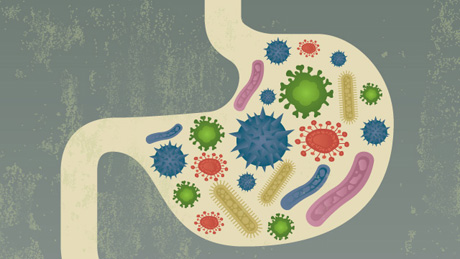
An illustration of the gut and the bacteria within it. Increasing your good bacteria can help you overcome brain fog.

Unfortunately, a lot of people today have out-of-balance and dysregulated gut bacteria, which can increase inflammation and oxidative stress in the gut and brain, leading to brain fog and other mental symptoms.

Not surprisingly, research has shown that people with irritable bowel syndrome often have chronic fatigue syndrome. This is because both conditions often result from bacterial imbalances and gut inflammation (48).

Here are some steps I recommend to improve the composition of your gut bacteria, which can help eliminate symptoms of brain fog:

  • Take a high-quality probiotic.

  • Eat prebiotics foods – such as sweet potatoes, carrots, onions, asparagus, squash and others found in my free food guide – to promote the growth of good bacteria

  • Supplement with resistant starch

  • Avoid antibiotics unless absolutely necessary

Overall, you need a healthy gut for a healthy brain. You can read my previous article “5 Ways to Increase Your Good Gut Bacteria for a Healthier Brain” for more tips and information.

Click here to subscribe

16. Take Adaptogens (Rhodiola, Ginseng)

Adaptogenic herbs help normalize the body and help you reach a state of mental balance (21, 22, 23).

I’ve weaned off psychiatric medications more than once. The very last time I did, I used two adaptogens – rhodiola and ginseng – and I noticed they reduced withdrawal symptoms, including brain fog.  

Many studies show that rhodiola can clear brain fog and improve mental function by increasing cognitive energy and improving connections and communication between brain cells. It’s also been shown to reduce oxidative stress and inflammation in the brain, which is linked to brain fog (24-29). 

I wrote about rhodiola before if you’re interested in learning more. 

I still use both rhodiola and ginseng regularly, especially if I’m dealing with brain fog for some reason. 


17. Intermittent Fasting and Ketosis

Short-term fasting and ketogenic dieting are great ways to enhance your mental clarity and reduce brain fog. 

I fast for at least 12 hours every day, and sometimes follow a ketogenic diet to improve my cognition. 

A ketogenic diet is a very low-carb diet. When there is limited access to carbohydrates, the body’s main source of energy, your body enters ketosis – a metabolic state in which your body and brain run on fatty acids and ketones. Ketones are an alternative source of fuel, which can quickly recharge your brain cells and improve cognitive function. (33). 
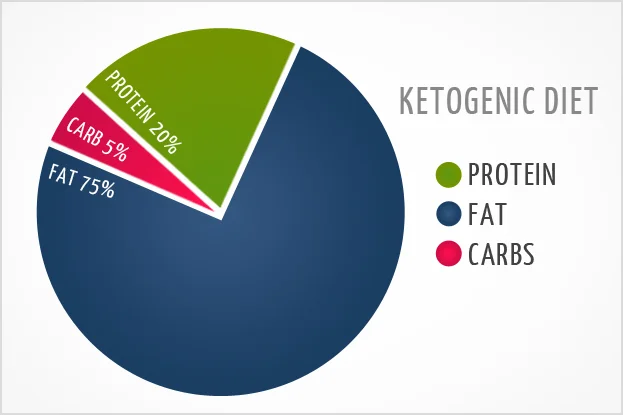
A pie chart demonstrating the macronutrient breakdown of the ketogenic diet. It is 75% fat, 20% protein and 5% carbs. A ketogenic diet can help clear brain fog in some people.

This advice clearly contradicts my earlier advice that you should be eating plenty of healthy carbohydrates. 

But some people notice their brain fog completely disappears and their cognition is very sharp if they fast or follow a low-carb ketogenic diet. But it’s not for everyone. Others feel much worse and need to eat enough carbs to feel mentally well. So I suggest you experiment with both and see what works for you. 

You can get into ketosis more quickly by taking this supplement, which includes exogenous ketones that are easily digested by the body. They readily cross the blood-brain barrier, and provide instant energy to brain cells, helping you quickly overcome brain fog (30, 31).


18. Low-level Laser Therapy (LLLT)

Low-level laser therapy (LLLT) is about as cutting-edge as it gets. It’s even more unconventional that neurofeedback. And it works. 

Low-level laser therapy, or photobiomodulation, is a treatment that uses low-level (low-power) lasers or light-emitting diodes (LEDs) to stimulate brain cells, helping them heal and function better (63). 

A man wearing an LLLT helmet and the Vielight intranasal device. LLLT can help with brain fog.

LLLT increases blood flow to the brain and appears to have an effect on damaged brain cells, which can produce clearer, sharper thinking. It's important to note that the brain and mental effects of LLLT are limited to a specified set of wavelengths (18, 64, 65). 

Most doctors are clueless about LLLT; but not every doctor. 

Dr. Norman Doige, a physician who teaches at the University of Toronto here in Canada, discusses the amazing healing effects of LLLT in his book The Brain’s Way of Healing.

I first tried LLLT with a practitioner. I noticed a boost in cognitive energy, brain function and mental clarity.

I now use these devices at home:

  • Optimal 1000 Brain Photobiomodulation Therapy Light (Combo Red/NIR) - This is a powerful device that shines 660 nm of red light and 850 nm of infrared light. I shine it on my forehead for 5 minutes every day. I also shine it on other parts of my head and on my entire body, including on my thyroid, thymus gland and gut. I experience incredible benefits from doing this.

  • Vielight Neuro Duo – This is a transcranial-intranasal headset with 810 nm of near infrared light that I’ve now been using regularly. It penetrates deeper into brain tissue and is absorbed better by the central nervous system. If you decide to get this one, you can use the coupon code JORDANFALLIS for a 10% discount. Some research has shown a 20-fold higher efficiency of light delivery to the deep brain through the nose instead of transcranial application (125).

In my experience, applying the light directly to your forehead (prefrontal cortex) will help with brain fog.

This may seem strange and dangerous, but don’t worry – LLLT is very safe (66).

You can read about my experience with LLLT here


19. Avoid Environmental Mold and Mycotoxins

Environmental mold is a silent killer, as most people aren’t aware that it’s in their home and workplace and affecting their brain function. If you’re genetically susceptible, it can wreak havoc on your brain, and your cognitive abilities and mental health can deteriorate for no apparent reason.

After I lived in a moldy home, I became extremely sensitive to any environmental mold and mycotoxins (toxic metabolites produced by mold). 

Black mold on a wall. Environmental mold and mycotoxins can cause brain fog.

I now use an air filter in my apartment. It removes any mold spores and smoke that may be in the air.  

Low amounts of mycotoxins are often found in some seemingly healthy foods, such as tea, nuts, coffee and chocolate. So if you’re sensitive to mycotoxins like I am, you’ll likely experience brain fog and fatigue after eating low-quality versions of these foods. I recommend finding the freshest, highest-quality, organic versions of these foods.

Lastly, if exposed to mold or their toxins, I supplement with activated charcoal or bentonite clay.

Activated charcoal and bentonite clay are potent natural treatments that can trap toxins and chemicals, allowing them to be flushed out of your body.

I take activated charcoal every time I eat something bad for my brain and mental health (mycotoxins, gluten, dairy), as it binds to problematic proteins and drags them out of my body. I notice I don’t feel as sick when I do this, and recover much more quickly than without it. 

This is just the tip of the iceberg when it comes to toxic mold. I’ll be writing more about it soon.


20. Increase Testosterone

This one applies to men only. 

Low testosterone levels can contribute to your brain fog. 

When I lived in a moldy home and suffered multiple concussions, my testosterone plummeted. 

A muscular man lifting weights. Testosterone can help with brain fog.

No conventional doctor tested my testosterone because they assumed every 20-year-old man would have healthy levels. 

But they were wrong. 

Eventually I saw an integrative physical and he found out that I had the testosterone levels of an old man.

I was put on testosterone replacement therapy (TRT) for almost one year to get my levels back to normal. And over that time, I saw a huge increase in my mental sharpness. I’m now off TRT and my testosterone remains at optimal levels because of my healthy lifestyle. 

I recommend getting your levels checked and then consider TRT if necessary, especially when you’re older.

Your doctor will test your total testosterone levels. But it’s just as important to also check you free testosterone levels.

You can test your total and free levels here. 


Conclusion

Clearly, there are a lot of causes and solutions to brain fog. 

You don’t need to accept it as “normal.”

You may need to try a combination of these methods, and it may take some time to finally get to the bottom of it. But it can be done. And you can experience mental clarity again. 

If you’re looking for an all-in-one solution to manage and overcome brain fog, check out the Optimal Energy supplement.

Do you struggle with brain fog? What helps you manage it? Have you overcome it for good? 

Let me know in the comments, as your personal experiences could help someone. 
 
Click here to subscribe

Live Optimally,

Jordan Fallis

Connect with me

References

(1) http://www.ncbi.nlm.nih.gov/pubmed/23576989

(2) http://www.ncbi.nlm.nih.gov/pubmed/23999934

(3) http://www.ncbi.nlm.nih.gov/pubmed/22848760

(4) http://diabetes.diabetesjournals.org/content/53/11/2931.full

(5) http://www.ncbi.nlm.nih.gov/pubmed/11939620

(6) http://www.ncbi.nlm.nih.gov/pubmed/18493620

(7) http://www.ncbi.nlm.nih.gov/pubmed/18165311

(8) http://www.medicinenet.com/script/main/art.asp?articlekey=56589

(9) https://pubs.acs.org/cen/science/87/8720sci1.html

(10) http://www.neurology.org/content/early/2013/10/23/01.wnl.0000435561.00234.ee.short

(11) http://www.ncbi.nlm.nih.gov/pmc/articles/PMC2769828/

(12) http://jcb.rupress.org/conthttp://jcb.rupr

(13) http://www.ncbi.nlm.nih.gov/pmc/articles/PMC3793976/

(14) http://www.ncbi.nlm.nih.gov/pubmed/23258605

(15) http://www.ncbi.nlm.nih.gov/pubmed/20329590

(16) http://link.springer.com/article/10.1007/BF02246104#page-1

(17) http://link.springer.com/article/10.1007/s002130050163

(18) http://www.research.vahttp

(19) http://www.nejm.org/doi/full/10.1056/NEJMra070553

(20) https://www.vitamindcouncil.org/health-conditions/cognitive-impairment/

(21) http://www.ncbi.nlm.nih.gov/pubmed/10468649

(22) http://www.ncbi.nlm.nih.gov/pubmed/17504218

(23) http://www.ncbi.nlm.nih.gov/pubmed/19601854

(24) http://www.ncbi.nlm.nih.gov/pubmed/20378318

(25) http://www.ncbi.nlm.nih.gov/pubmed/19168123

(26) http://www.ncbi.nlm.nih.gov/pubmed/7756969

(27) http://www.ncbi.nlm.nih.gov/pubmed/20378318

(28) http://www.ncbi.nlm.nih.gov/pubmed/25172797

(29) http://www.ncbi.nlm.nih.gov/pubmed/11410073

(30) http://www.ncbi.nlm.nih.gov/pmc/articles/PMC2604900/

(31) http://www.nutritionjrnl.com/article/S0899-9007(12)00365-6/abstract

(32) http://www.ncbi.nlm.nih.gov/pubmed/15123336

(33) http://www.ncbi.nlm.nih.gov/pubmed/17332207

(34)  http://journals.plos.org/plospathogens/article?id=10.1371/journal.ppat.1003726

(35) http://www.sciencedirect.com/science/article/pii/S0166432814004768

(36) http://www.pnas.org/content/108/38/16050.long

(37) http://www.ncbi.nlm.nih.gov/pubmed/7225473

(38) https://www.ncbi.nlm.nih.gov/pmc/articles/PMC4490655/

(39) http://www.ncbi.nlm.nih.gov/pmc/articles/PMC3907532/

(40) https://www.sciencedaily.com/releases/2008/09/080902075211.htm

(41) http://www.ncbi.nlm.nih.gov/pubmed/24080377

(42) http://www.sciencedirect.com/science/article/pii/S1087079202902613

(43) http://www.ncbi.nlm.nih.gov/pubmed/9760133

(44) http://www.ncbi.nlm.nih.gov/pmc/articles/PMC3497293/

(45) http://www.jimmunol.org/content/167/11/6518.full.pdf

(46) http://care.diabetesjournals.org/content/35/10/2076.short

(47) http://pmmp.cnki.net/Resources/CDDPdf/evd%5C200801%5CJAMA%5C%E7%97%85%E4%BE%8B%E5%AF%B9%E7%85%A7%E7%A0%94%E7%A9%B6%5Cjama2006295041681.pdf

(48) http://nutritionandmetabolism.biomedcentral.com/articles/10.1186/1743-7075-7-79

(49) http://www.sciencedirect.com/science/article/pii/S002432050700358X

(50) http://www.ncbi.nlm.nih.gov/pubmed/20357926

(51) http://www.ncbi.nlm.nih.gov/pubmed/24669208

(52) http://www.ncbi.nlm.nih.gov/pubmed/21412260

(53) http://europepmc.org/abstract/MED/24202171/

(54) http://www.ncbi.nlm.nih.gov/pubmed/16855156

(55) http://www.ncbi.nlm.nih.gov/pubmed/23198849

(56) http://www.ncbi.nlm.nih.gov/pubmed/20357926

(57) http://www.ncbi.nlm.nih.gov/pubmed/24669208

(58) http://www.ncbi.nlm.nih.gov/pmc/articles/PMC3484320/

(59) http://www.ncbi.nlm.nih.gov/pubmed/6407471

(60) http://www.sciencedirect.com/science/article/pii/S002432050700358X

(61) http://www.ncbi.nlm.nih.gov/pubmed/17397885

(62) http://www.ncbi.nlm.nih.gov/pubmed/15911792

(63) https://www.ncbi.nlm.nih.gov/pmc/articles/PMC2442599/

(64) http://www.ncbi.nlm.nih.gov/pmc/articles/PMC3953713/

(65) http://www.ncbi.nlm.nih.gov/pmc/articles/PMC3065857/

(66) http://www.ncbi.nlm.nih.gov/pubmed/23675984

(67) http://www.ncbi.nlm.nih.gov/pubmed/17345261

(68) http://www.ncbi.nlm.nih.gov/pubmed/17658628

(69) http://www.ncbi.nlm.nih.gov/pubmed/18065594

(70) http://www.ncbi.nlm.nih.gov/pubmed/17693145

(71) http://www.ncbi.nlm.nih.gov/pubmed/15039515

(72) http://www.nature.com/ejcn/journal/v57/n2s/full/1601898a.html

(73) http://www.ncbi.nlm.nih.gov/pubmed/22855911

(74) http://www.sciencedaily.com/releases/2006/10/061010022602.htm

(75) http://www.ncbi.nlm.nih.gov/pmc/articles/PMC3184556/

(76) http://onlinelibrary.wiley.com/doi/10.1111/apt.12809/full

(77) http://ispub.com/IJNW/2/1/4476

(78) http://www.ncbi.nlm.nih.gov/pubmed/18510583

(79) http://www.bmj.com/content/352/bmj.i90

(80) http://www.ncbi.nlm.nih.gov/pmc/articles/PMC2695184/

(81) http://www.ncbi.nlm.nih.gov/pubmed/11796739

(82) http://www.ncbi.nlm.nih.gov/pmc/articles/PMC1430829/

(83) https://www.ncbi.nlm.nih.gov/pubmed/1839138

(84) https://www.ncbi.nlm.nih.gov/pubmed/1098982

(85) http://www.ncbi.nlm.nih.gov/pubmed/19351232

(86) http://www.scirp.org/journal/PaperInformation.aspx?paperID=19921

(87) http://kyowa-usa.com/news/2014/07-29

(88) http://www.ncbi.nlm.nih.gov/pubmed/15005642

Terms and Conditions

Privacy Policy

Affiliate Disclosure

Disclaimer

This Mineral Is Probably Making Your Chronic Stress and Anxiety Worse

Stressed and anxious woman grabbing her head and hair.

I suffered from anxiety for years. It runs in my family. Many of my cousins, aunts, uncles and grandparents suffer from anxiety and depression and have relied on alcohol, nicotine, and anti-depressant and anti-anxiety medication to manage it. I didn’t want to go down that path, so I’ve sought out other treatments for years.

Unfortunately, my family is not alone. Anxiety and panic attacks are incredibly common today. While in university, I remember asking a doctor on campus if she had witnessed an increase in the number of college students who had come to see her about their anxiety over the years. And she responded with an overwhelming yes. 

“There are just not enough resources and practitioners to manage them all,” I remember her saying.

I feel very lucky that I’ve been able to get to the bottom of my anxiety. And so I have an urge to share this information with the world. But what has worked for me might not work for everyone.

And I want to make it clear - there is not just one solution. There really is no magic bullet if you want to overcome this. There are a number of things that can contribute to anxiety. And there are a number of things you can do to cumulatively get over it. (If you’re looking for a quick fix, try antidepressants. And they really aren’t a quick easy fix, as they don’t work for a lot of people and come with a lot of side effects). 

But today I want to discuss just one of the things I did to help myself, and hopefully it helps you too. In upcoming posts, I will explore other therapies and technologies that have helped me master my own mind and avoid the unfortunate path of my ancestors.

Click here to subscribe

Nutrient Therapy

If you go to your doctor and suggest that maybe a deficiency or imbalance of nutrients is causing your anxiety, they’ll laugh at you. But nutrients have a powerful impact on your mood and brain function – especially if you take supplements with high-quality, biologically-active nutrients.

Our nervous system requires several dozen minerals, vitamins, fatty acids and amino acids to function properly. Deficiencies of nutrients such as calcium, magnesium, zinc, omega-3 fatty acids, and vitamins A, B-complex, Vitamin C, Vitamin D3 and Vitamin E are common, especially if you eat refined foods.

This TED talk by Julia J Rucklidge, Professor of Clinical Psychology in the Department of Psychology at the University of Canterbury, discusses the power of nutrition and supplements. She explores a range of scientific research showing the significant role that nutrition plays when it comes to mental health or illness:


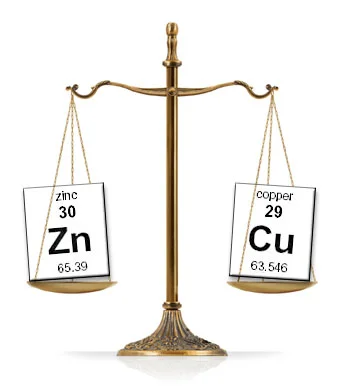
The Intricate Balance between Zinc and Copper

We all get anxious once in a while, but tend to get over it. But chronic anxiety, or Generalized Anxiety Disorder (GAD), is when a person suffers from worry and tension all of the time. People who suffer from GAD are often clinically depressed as well (1).

Recent research looking into GAD suggests that an imbalance of zinc (Zn) and copper (Cu), two essential trace minerals within the body, may be contributing and worsening the condition. Researchers of a study titled “Decreased zinc and increased copper in individuals with anxiety” used Inductively Coupled Plasma-mass Spectrometry (ICP) to measure trace minerals in 38 chronically-anxious individuals. They compared the mineral status of these individuals with the mineral status of 16 people in a control group without anxiety symptoms. They found that individuals with chronic anxiety had significantly higher plasma levels of copper and very low levels of zinc, and their anxiety improved significantly with zinc supplementation (2).

In other words, people who suffer from anxiety have way too much copper in their bodies, and not enough zinc. I used to suffer from GAD and depression, and increasing my intake of zinc, and limiting my intake of copper, is one of the most impactful actions I have taken to overcome them, so this makes sense to me personally.

The positive effects of zinc supplementation also makes sense in light of my independent research and understanding of biochemistry. Zinc and copper are antagonists. They compete with one another for absorption and receptor channels. When your body doesn’t absorb enough zinc, copper rises. And because of their essential roles in neurotransmitter synthesis, zinc and copper levels can directly affect thoughts and behaviour.

Copper and zinc balancing each other.

How Copper Can Accumulate in Your Body and Make You an Anxious Wreck

Functional medicine practitioner Chris Kresser explains that copper and zinc are very important for neurotransmitter health, but zinc needs to dominate. If not, all sorts of neurological and behavioural disorders can emerge, including depression, anxiety and even schizophrenia. (3).

Too much copper can have a powerful effect on the mind and alter mood and behaviour. The accumulation of excess copper in the brain enhances the production of stimulatory neurotransmitters (epinephrine and norepinephrine), which can further promote anxiety. Pfeiffer and Goldstein (1984) monitored the brain waves of individuals who took 5 mg of copper or 5 mg of Dexedrine (a common amphetamine that increases epinephrine and norepinephrine), and they found that copper and the amphetamine exhibited an equivalent stimulation of the central nervous system (40, 41, 43, 44).

On top of this, research has shown that too much copper can inhibit and block the neurotransmission of GABA, one of the main calming neurotransmitters in the central nervous system (5, 6, 42). It’s no wonder that anxious people find such relief from alcohol and anti-anxiety medications, as they both activate GABA receptors in the brain.

Depending on the severity of the copper toxicity and the susceptibility of the person, copper can affect the mind moderately or very severely. The milder effects are initially positive because it is activating and stimulating and can increase creativity and productivity. I’ve witnessed this myself, as I used to feel as if my chronic anxiety motivated me to accomplish a lot of work. It may be why creative people tend be depressed and anxious individuals.

But as the toxicity continues and builds up more and more, it becomes increasingly exhausting on the body and the individual can start to break down mentally, leading to an inability to cope adequately with stress. The anxious person’s fatigued body can’t keep up with their overactive mind, and medication often becomes necessary.

But instead of taking drugs, people need to consider supplementing with zinc.

Zinc is an essential trace mineral that activates several hundred enzymatic reactions, including brain and nervous system function and neurotransmission.

Yet it’s estimated that 2 billion people in the world are deficient in the mineral, and six different studies show that subclinical deficiency of zinc impairs brain function in children and adults (45, 46, 47).

Zinc is very calming and sedating, as it enhances GABA activity in the brain.

A number of studies also show that zinc deficiency causes depression-like and anxiety-like behaviors, and supplementation has successfully been used as a treatment (48-53).

Click here to subscribe

Practical Takeaways: What Should You Do To Combat This?

Woman confused and thinking about what she should do.

The key takeaway here is that if you suffer from chronic anxiety, you need to work on lowering your copper to zinc ratio, as it is likely very high at this point. Here are some steps you can take:

  • Don’t drink tap water: Copper piping for water has become the norm, which contributes to ingesting much more copper than what can be found in your diet. I filter my water with a high-quality water filter.

  • Stop taking a multi-vitamin: Many multi-vitamins and multi-mineral supplements contain relatively high doses of copper. However, there are some multi-mineral supplements that purposely don't include copper.

  • Eat zinc-rich foods foods such as oysters, grass-fed beef, pumpkin seeds, broccoli and Brazil nuts. These foods are included in my Free Grocery Shopping Guide for Optimal Mental Health. Raising zinc levels is a more straightforward approach than trying to lower copper levels.

  • Take a zinc supplement every day: I discovered several years ago that I was very deficient in zinc, and my anxiety improved significantly after supplementing with it. Anxiety itself also lowers zinc levels because the body rapidly uses up zinc in times of stress. I have now created my own zinc supplement, called Optimal Zinc. I created it because I want to give my readers the very best zinc supplement so that they can experience superior results. I have found that many zinc supplements on the market fall short and sometimes cause severe side effects because they start removing copper from the body way too quickly. But Optimal Zinc doesn't do this, and it includes several other nutrients (co-factors) that increase the absorption of zinc and help remove excess copper from the body.

  • Supplement with Vitamin B6: It has been shown to improve the absorption and utilization of zinc (37, 38, 39). It is included in the Optimal Zinc supplement.


Conclusion

Increasing zinc and reducing copper intake is just one nutritional option for people who suffer from chronic anxiety. It’s one of many things that have helped me. For people with severe anxiety, it will take some time for zinc to build up in your system and copper to be reduced. But you should find relief over time.

Unfortunately, your doctor isn’t aware of this. Modern medicine doesn’t care very much about deficiencies of essential nutrients, and most physicians are mistakenly taught that diet provides sufficient nutrition. 

This is because nutritional deficiencies benefit the pharmaceutical industry. Malnutrition leads to chronic symptoms that can be “managed” by patented drugs. Natural supplements can’t be patented. But drugs can. So as long as underlying nutritional imbalances aren’t corrected, doctors will keep prescribing and the pharmaceutical industry will have life-long customers. 

For now, the “drug model” of disease remains prevalent, and until it becomes a thing of the past, people will just have to acknowledge and accept that they need to take control of their anxiety and overcome it themselves. It is a multi-faceted condition, but nutrients can play a huge role in eliminating it. 

 
Click here to subscribe

Live Optimally,

Jordan Fallis

Connect with me

References:

1.      http://www.nimh.nih.gov/health/topics/generalized-anxiety-disorder-gad/index.shtml

2.      http://www.ncbi.nlm.nih.gov/pmc/articles/PMC3738454/

3.      http://chriskresser.com/rhr-could-copper-zinc-imbalance-be-making-you-sick/

4.      http://www.ncbi.nlm.nih.gov/pubmed/3630857

5.      http://www.ncbi.nlm.nih.gov/pubmed/9749714/

6.      http://www.ncbi.nlm.nih.gov/pubmed/23946400/

7.      http://www.ncbi.nlm.nih.gov/pubmed/3968590

8.     http://journals.lww.com/jinvestigativemed/Citation/2005/01010/Zinc_Deficiency_Alters_Deoxyribonucleic_Acid.141.aspx

9.      http://pubs.acs.org/doi/abs/10.1021/ar00034a005

10.  http://www.ncbi.nlm.nih.gov/pubmed/6727650

11.  http://www.sciencedirect.com/science/article/pii/S0031938404003105

12.  http://onlinelibrary.wiley.com/doi/10.1111/j.1600-0447.1963.tb07470.x/abstract

13.  http://www.biobalance.org.au/articles/17

14.  http://www.ncbi.nlm.nih.gov/pubmed/20150596

15.  http://ebm.rsmjournals.com/content/232/2/323.short

16.  http://jn.nutrition.org/content/132/2/270.full

17.  http://www.ncbi.nlm.nih.gov/pubmed/15845090

18.  Jing Qian and Jeffrey L. Noebels, Department of Neurology, Baylor College of Medicine, Houston, Texas “Exocytosis of Vesicular Zinc Reveals Persistent Depression of Neurotransmitter Release during Metabotropic Glutamate Receptor Long-Term Depression at the Hippocampal CA3–CA1 Synapse”

19.  http://onlinelibrary.wiley.com/doi/10.1046/j.1471-4159.2003.01803.x/full

20.  http://www.sciencedirect.com/science/article/pii/0306987791902776

21.  http://jn.nutrition.org/content/133/5/1473S.short

22.  http://cat.inist.fr/?aModele=afficheN&cpsidt=17186550

23.  http://www.sciencedirect.com/science/article/pii/S0197018606002233

24.  http://jn.nutrition.org/content/130/5/1432S.short

25.  http://www.ncbi.nlm.nih.gov/pubmed/9344463

26.  http://www.ncbi.nlm.nih.gov/pubmed/18338309

27.  http://www.ncbi.nlm.nih.gov/pubmed/19685012

28.  http://www.ncbi.nlm.nih.gov/pubmed/3579922

29.  http://link.springer.com/article/10.1007%2FBF02784623?LI=true

30.  ‘Nutrient Power: Heal Your Biochemistry & Heal Your Brain”, William Walsh, PhD

31.  ‘Mental & Elemental Nutrients’, Carl C Pfeiffer, MD, PhD

32.  http://www.hsph.harvard.edu/news/features/fluoride-childrens-health-grandjean-choi/

33.  http://www.ncbi.nlm.nih.gov/pubmed/12197999

34.  https://ods.od.nih.gov/factsheets/Zinc-HealthProfessional/

35.  http://www.ncbi.nlm.nih.gov/pubmed/20617034

36.  http://www.ncbi.nlm.nih.gov/pubmed/20413065

37.  http://www.ncbi.nlm.nih.gov/pubmed/1957821

38.  http://www.ncbi.nlm.nih.gov/pubmed/17171460

39.  http://www.ncbi.nlm.nih.gov/pubmed/22410949

40.  Jones CE, Underwood CK, Coulson EJ, et al: Copper induced oxidation of serotonin: analysis of products and toxicity. J Neurochem, 2007 Aug; 102(4): 1035-1043.

41.  Wenzel KG, Pataracchia RJ: The earth’s gift to Medicine: Minerals in health and Disease. Alton, Ontario. KOS Publishing. 2005.

42.  Pfeiffer CC: Excess copper as a factor in human diseases. J Ortho Med, 1987; 2(3): 171-182.

43.  Pfeiffer CC, Iliev V: Pyrroluria, urinary mauve factor, causes double deficiency of B6 and zinc in schizophrenics. Fed Proc, 1973; 32: 276.

44.  https://riordanclinic.org/wp-content/uploads/2014/12/The_Schizophrenias_Ours_to_Conquer-Riordan-Clinic-Books.pdf

45.  http://www.ncbi.nlm.nih.gov/pubmed/22664333

46.  http://www.ncbi.nlm.nih.gov/pubmed/21939673

47.  http://www.ncbi.nlm.nih.gov/pubmed/22673824

48.  http://onlinelibrary.wiley.com/doi/10.1002/jnr.10846/abstract

49.  http://www.ncbi.nlm.nih.gov/pubmed/20689416

50.  http://www.ncbi.nlm.nih.gov/pubmed/14730113

51.  http://www.ncbi.nlm.nih.gov/pmc/articles/PMC3796297/

52.  http://www.ncbi.nlm.nih.gov/pubmed/21798601

53.  http://www.ncbi.nlm.nih.gov/pubmed/24130605

54.  http://www.jbc.org/content/264/10/5598.full.pdf

55.  http://www.ncbi.nlm.nih.gov/pubmed/12184792

56.  http://www.ncbi.nlm.nih.gov/pubmed/7705778

Terms and Conditions

Privacy Policy

Affiliate Disclosure

Disclaimer

2 Affordable Biofeedback Devices That Will Help You Focus and Relax At Home

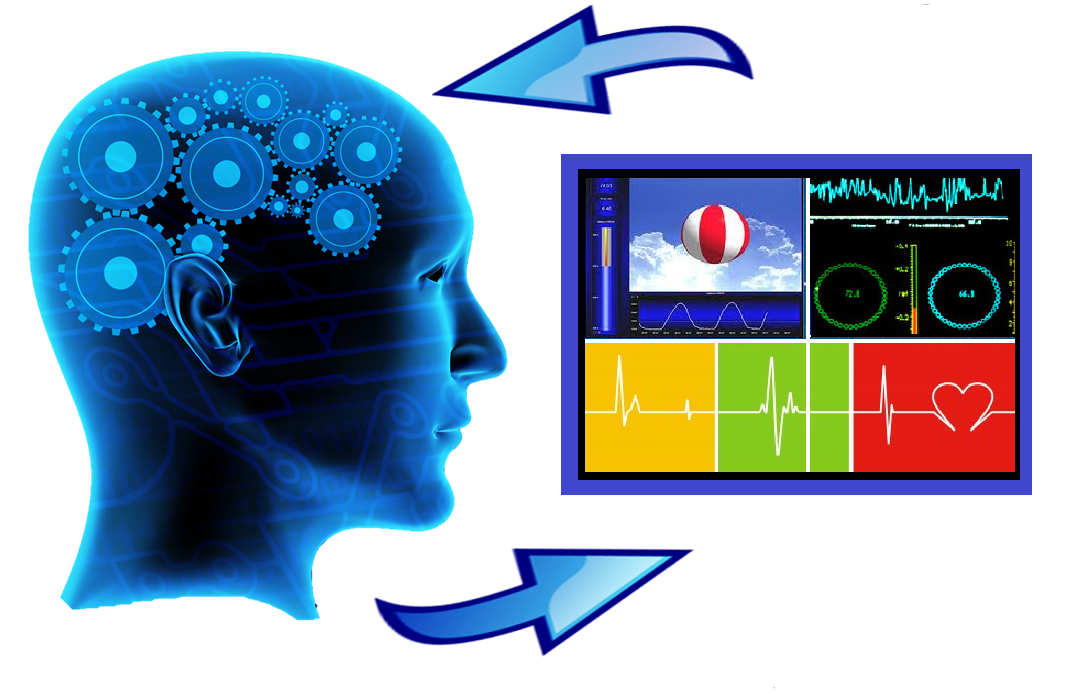
Image displaying how biofeedback works.

Technology is often blamed for causing us stress and inattention.

But what if technology could solve these problems?

There is an increasing amount of accessible biofeedback devices and machines available today that can actually help you reduce anxiety and increase your concentration. Yet a lot of people don't know about them. 

Biofeedback is the process of gaining greater awareness of how your body is functioning. By doing this, you learn how to change and manipulate your body and brain at will.  

I’ve already discussed how neurofeedback dramatically altered my brain function for the better.  

But neurofeedback is just one form of biofeedback, and there are lots of different types of biofeedback equipment available today. 

This article explores my two favourite biofeedback devices that I’ve used and continue to use at home on a daily basis to maintain optimal brain and mental health. 


1. The Muse Headband

Neurofeedback has been one of the best investments of my entire life. But when I first wrote about it, I got a lot of messages and comments from people expressing their disappointment that neurofeedback isn’t available in their area. Or that it's simply too expensive.

I understand that. You have bills to pay and children to support. If it's between putting food on your plate or doing some strange brain training, it makes sense that you'll choose the former and forget the latter. 

But that doesn't mean you can't experience some of the benefits of clinical neurofeedback through other technologies.

In my experience, the Muse headband is a decent substitution that can help you increase your mental resilience. 

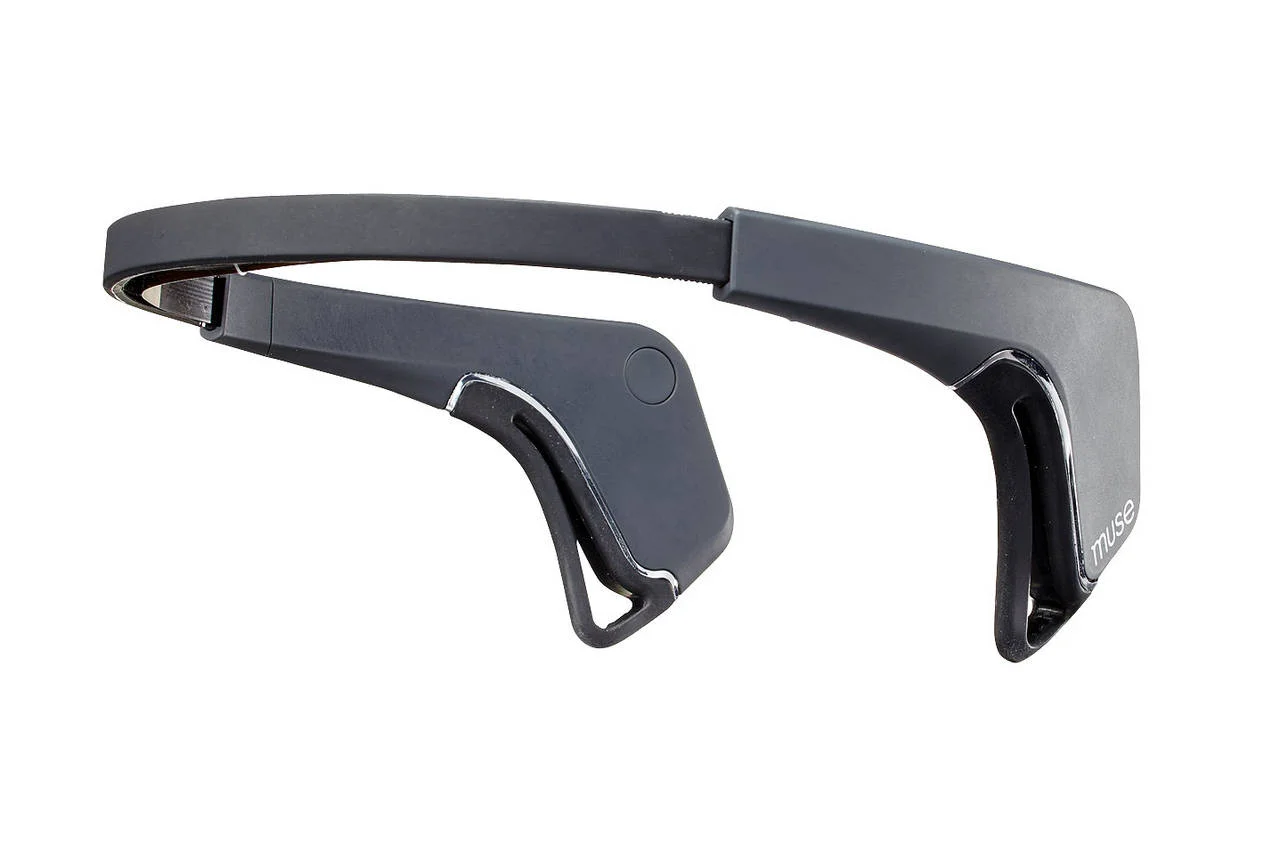
Muse is a brain-sensing headband that accurately monitors and measures your brainwaves, similar to clinical neurofeedback, but in the comfort of your own home.

As I discussed in my article about neurofeedback, your brain is constantly generating electrical signals. These signals can be detected from outside your head, via electroencephalography (EEG) sensors. Doctors and scientists have used this technology for more than 100 years to study the brain.

The Muse headset has seven EEG sensors that pick up the electrical activity of your brain while you meditate. 


How The Muse Works and How It Can Help You

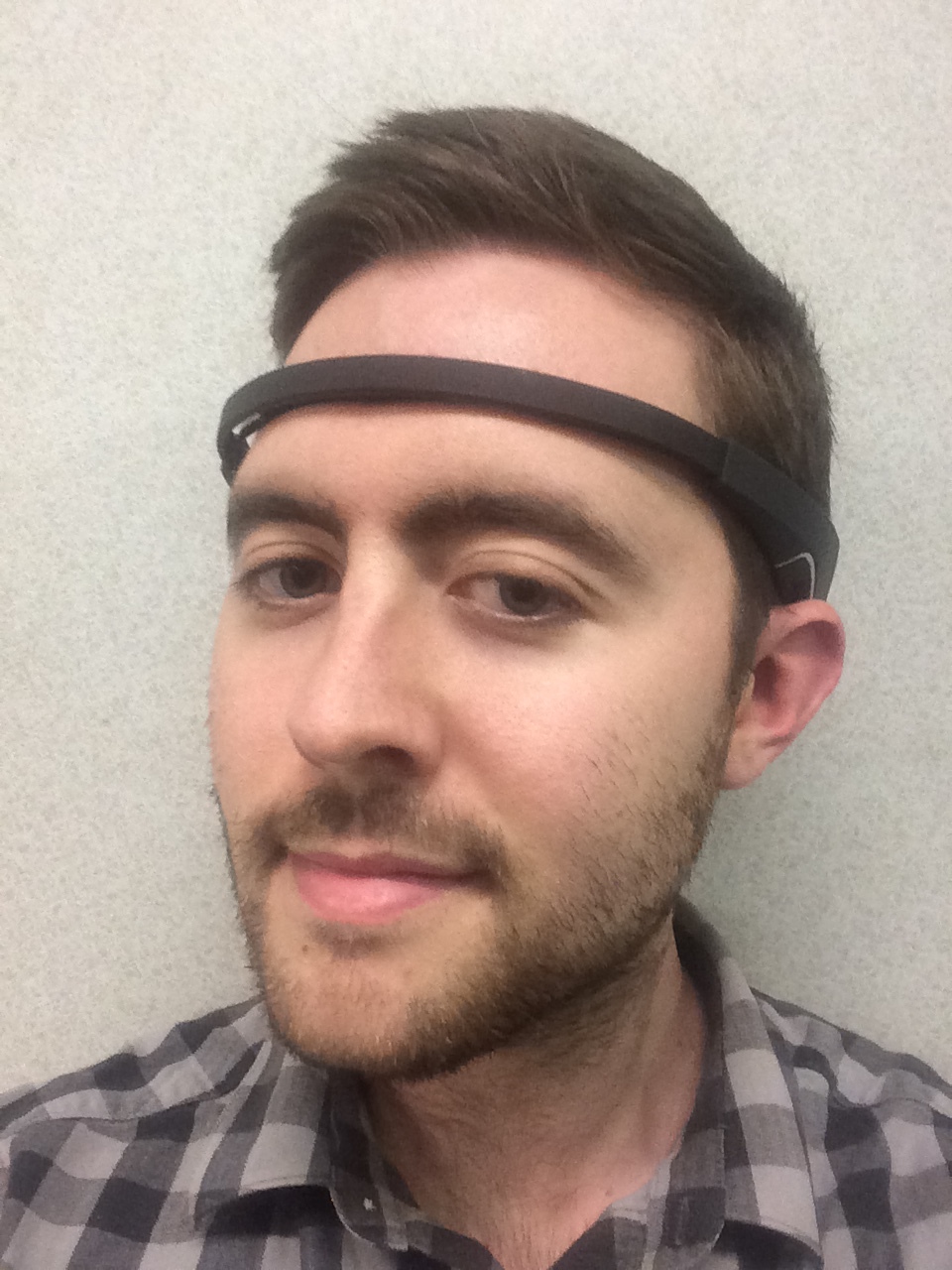
The Muse headset rests across your forehead and tucks behind your ears.

The Muse headset rests across your forehead and tucks behind your ears.

During each meditation session, the Muse headband sends your brainwave data to your mobile phone via Bluetooth.

The Muse app then quickly analyzes this data, and determines whether your mind is relaxed or active. It then provides you with instant feedback through your mobile phone.

The feedback comes in the form of auditory weather sounds. When you’re calm and focused, you’ll hear sounds of peaceful weather through your phone, such as gentle waves and chirping birds. But when your mind is wandering, the weather will become more turbulent and you’ll hear loud wind and crashing waves, reminding you to relax and refocus.

After each session, the app will display the percentage of time you spent in a calm, neutral or active state of mind.

In other words, the Muse is a mental health wearable that lets you hear what’s going on inside your mind so that you can learn to naturally guide yourself to a calmer, focused state. 

Jordan Fallis wearing Muse headband.

To do this, you typically need multiple sensors attached to your head and thousands of dollars of professional neurofeedback equipment. That’s why many physicians, researchers and educators are extremely interested in the Muse.

Over 100 universities and institutes including Harvard are running clinical trials with the device. The Denver Public School system has already implemented a pilot program using the Muse in classrooms to help children with ADHD and other learning difficulties. And the Department of Veterans Affairs plans to test the product’s efficacy in managing the symptoms of PTSD. 

If you’re interested in trying it, you can get it through Amazon or the Muse website

If you truly struggle with anxiety and lack of concentration, I think it’s money well-spent. It costs about the same as several therapy sessions, but the Muse is much more helpful because, unlike psychologists and psychiatrists, it provides instant feedback on the functioning of your brain and doesn't push medication on you. Plus, you only need one headband for your household because more than one person is able to use the same headset.

Click here to subscribe
 

My Experience with the Muse and How It’s Similar to Clinical Neurofeedback

I bought the Muse headband late last year after it was recommended to me by my neurofeedback practitioner.

Based on further research, it appears to be the most effective and affordable EEG device on the market. It's very accurate, easy to use and immediately picks up when your mind wanders. I use it for 10-20 minutes, five to seven days each week. 

Because of my intensive clinical neurofeedback training, I get very high scores on Muse. I usually get at least 95% calm during each session. During the above session, I got 99% calm.

Because of my intensive clinical neurofeedback training, I get very high scores on Muse. I usually get at least 95% calm during each session. During the above session, I got 99% calm.

The Muse headband may not be as tailored and profound as working with a neurofeedback practitioner, but it’s very similar. And with consistent practice and patience, you can reach similar levels of calm and experience many of the same cognitive benefits that you would with neurofeedback (without having to pay thousands of dollars for it). In fact, it’s signal quality has been shown to be almost as accurate as expensive clinical-grade EEG neurofeedback equipment (12). 

As you train with the Muse on a regular basis, you'll get better at managing your brain waves and become more centered and focused over time. Because of neurofeedback and the Muse, I have a consistent sense of being in the present moment, rather than being lost in thoughts about the past or future.

I still very much recommend clinical neurofeedback training over the Muse, as it’s the fastest way to make mental progress. But if you can’t access or afford neurofeedback, the Muse is a decent substitute that packs traditional EEG technology into a small and cheaper device. 

My neurofeedback practitioner actually suggests that some people may only need consistent practice with the Muse. Depending on the patient and the results of their "brain mapping," she'll sometimes recommend the Muse instead of neurofeedback training at her clinic. 

However, this definitely isn’t the case for everyone. The Muse wouldn’t have been enough for me. I personally needed clinical neurofeedback training, and others likely do too. But the Muse is definitely a good place to start. You can get it here or here.

If you decide to get the Muse Headband, you should also consider downloading the third-party EEG monitoring app called the “Muse Monitor” app. It's a third-party EEG monitoring app that displays all of your brainwaves (alpha, beta, theta, etc.) and their patterns on your phone in real time. 

This app has allows me to test and experiment with different nootropic supplements and monitor how they affect my brain waves, something I was unable to do in the clinic with my neurofeedback practitioner. I plan on writing more about those experiments later. 

See what's really going on inside your head in real time! Muse Monitor is exclusively for use with "Muse: The Brain-Sensing Headband" from Interaxon (available at http://www.choosemuse.com) Get real time EEG brainwave data beautifully graphed, right on your phone or tablet. Split data by channel, into left brain/right brain, Front/Back, or even individual sensors.


2. The EmWave2

When you experience stressful emotions such as tension, anxiety, irritation, or anger, your heart rhythm becomes irregular and incoherent, negatively affecting your health and brain function. When you experience positive emotions such as appreciation, care, joy and love, your heart rhythm is more ordered and coherent.

The EmWave2 trains you to change your heart rhythm pattern and reach a state of coherence. When you are in a coherent state, there is harmony between your heart, brain and nervous system. Your psychological and physiological bodily functions are balanced, and your parasympathetic “rest-and-digest” nervous system becomes dominant.

Overall, high coherence is like “being in the zone” – a simultaneous state of calm relaxation and energized alertness. And the EmWave2 helps you get there. 


How EmWave2 Works

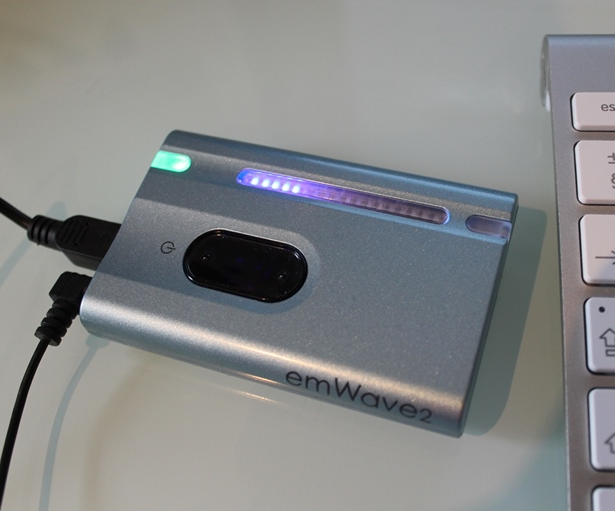
The EmWave2 is a small handheld device about the size of an iPod. It collects your pulse through a pulse sensor, measures your heart rhythm, guides you to breathe in and out every five seconds, and determines if your nervous system is in a “coherent” or “incoherent” state. 

HeartMath devices, coherence and incoherence.

If you’re completely stressed, the EmWave2 will give you feedback in the form of a red light, letting you know that you’re in an incoherent state. The device will then provide guidance you so that you can consciously increase your coherence. Once your heart rate and breathing are synchronized, the EmWave2 will give you positive feedback in the form of a green light, letting you know that you’ve reached a coherent state. As you get used to the device, it becomes a challenge to see how high you can score on the coherence scale. Higher coherence scores indicate that you are in a more relaxed state of mind.

The EmWave2 is being used by over 10,000 different health care professionals in the U.S., including 65 veteran administration hospitals and clinics for the treatment of PTSD.

Dr. Lawrence Rosen, an Integrative Pediatrician at the Whole Child Center, says he uses the EmWave2 with his patients that struggle with anxiety:

I teach my anxious and stressed patients really simple little breathing techniques, and we work on synchronizing their breathing with their heartbeat. Not only do they feel more relaxed, but the body’s physiology changes. We can measure hormone levels that show that the body is in a less stressed state. I’ve used it on people as young as 3 years old and up to 103.
— Dr. Lawrence Rosen, MD
Click here to subscribe

My Experience with the EmWave2 and How It Could Help You

I’ve been using the EmWave2 for over a year now and it works. Increasing my coherence has had a number of mental and emotional and benefits. When I have a high degree of coherence, I am able to focus while remaining physically and emotionally calm.

I use the EmWave2 twice every day for just five to ten minutes. After using it, it feels like there has been a positive internal shift within my body. It’s hard to explain exactly. But when I stop using it, I notice I feel less content and fall into negative attitudes and mindsets much more easily.

If you're interested in trying the EmWave2, you can get it through the HeartMath website.

Here are some of the main benefits you may notice from using it:

  • Less stress and anxietyThe EmWave2 will help turn down your “fight or flight” response. If you struggle with generalized anxiety or chronic stress like I used to, I highly recommend this device (and supplementary zinc and magnesium). It won’t stop stress and anxiety completely, but it will definitely reduce the amount you experience, increase your resilience to it and help you cope with it when it does hit you. I use it when I find myself in an anxious state of mind. It shifts my mindset into a calmer state.

  • Improved mood – When you have low heart coherence, you’re more likely to be stuck in a stressed and depressed state of mind. In my experience, the EmWave2 can help you snap out of it and regain an emotionally-balanced mood and optimistic outlook.

  • Improved cognitive performance – Anxiety and depression can cause poor cognition. I noticed this for many years. Whenever I wasn’t feeling mentally well, my performance suffered and it was hard for me to think straight and be productive. That’s because stress shuts down the prefrontal cortex. The EmWave2 can increase the efficiency and functioning of your nervous system, which reduces stress and helps reactivate your brain’s higher-order functions. My focus has improved since I started using it.

Without some sort of biofeedback, it’s hard to know when you’re coherent or incoherent. The EmWave2 will tell you when you’re in an incoherent state, and then guide you so that you can consciously get yourself out of it.  

At first, you may get really low coherence scores and find it incredibly frustrating. I went through the same thing. But you need to give it some time. These devices are long-term healing strategies, not quick-fixes. Getting the most out of the device will require a commitment to use it on a regular basis because the benefits appear over time. And if it doesn't end up helping you, you can return it for a refund.


Conclusion

As I’ve said before, cognitive problems and mental illness are multi-faceted. There are many underlying problems and multiple fixes. But regulating your nervous system and brainwaves is a big part of it, and these devices (along with neurofeedback) have allowed me to make huge strides:

Unfortunately, your health insurance won’t cover them. But that doesn’t mean you can’t take control of your own brain and mental health starting today.

Please let me know what you think in the comments, and share with anyone you think might benefit because a lot of people don’t know about these types of biofeedback technologies.

 
Click here to subscribe

Live Optimally,

Jordan Fallis

Connect with me

20 Nutrient Deficiencies Proven to Cause Depression

Being depressed doesn’t mean you’re weak.

It’s not a defect in your personality. 

As I’m sure you know, it’s often caused by physiological changes in your body and brain.

So you need to think of it like any other illness. 

If you have a broken bone, you need to wear a cast to stabilize the bone while it heals. 

And if you have depression, you need to be kind to yourself, as you seek and address the underlying root causes. 

The good news is that you’re not powerless. 

I used to think that I’d be depressed forever.

That my depression was simply genetic, and I couldn’t do anything about it. 

In fact, I accepted that notion for a while.

I felt defeated and hopeless, and thought I'd feel that way for my entire life.

I told myself I’d simply have to rely on drugs to survive because that’s just “how I’m wired”. 

But then one day, I changed my mind and decided that I’d had enough. 

And I was actually going to get to the bottom of it instead of just accepting it.

I took action and searched far and wide for safer and healthier solutions to deal with my depression.

I came across a lot of different research and therapies.

I wasn’t sure if they would work, but then they did.

And I overcome my depression for good. 

One of my most important discoveries was that nutrient deficiencies can make your depression worse. 

And they could even be the root cause of it. 

It made so much sense.

But why hadn’t anyone ever brought it up?

I delved deeper into the scientific literature, and I found MANY nutrient deficiencies that can contribute to depression.

I started increasing my intake of them.

And I got better.

Much better.

This new post includes 20 nutrient deficiencies that could be making you feel depressed.

Read on to learn more. 

Depressed woman holds her forehead and wonders what nutrients she’s deficient in.

Vitamin Deficiencies That Can Cause Depression

1. Vitamin B12

Lack of understanding of B12 is one of the greatest tragedies of modern medicine.
— Dr. James Greenblatt, Integrative Psychiatrist

Having sufficient levels of Vitamin B12 is necessary for optimal brain and mental health.  

Unfortunately, a deficiency is very common, especially in older individuals and vegetarians and vegans.

And even if you eat meat and you’re young, you may still have a deficiency. 

Poor gut health and even psychiatric medications can cause a deficiency.

In fact, it’s estimated that almost 40% of Americans are deficient today.

Numerous studies have shown that having a deficiency in Vitamin B12 leads to symptoms of depression (16-22). 

And B12 levels tend to be significantly lower in people who are depressed (13). 

In one study, subjects with Vitamin B12 deficiency were 2 times as likely to be severely depressed as non-deficient subjects (15). 

Even a mild decrease in B12 levels is associated with mood disturbances (14). 

Luckily, there are steps you can take if you’re deficient. 

Vitamin B12 is found primarily in animal foods, and beef liver is an excellent source. I take beef liver capsules because I don’t like the taste of liver.

You may also want to supplement with Vitamin B12 because studies show that B12 supplementation significantly lowers homocysteine levels and reduces depressive symptoms (23-24). 

If you decide to supplement, avoid the semisynthetic version of B12 (cyanocobalamin) and instead take the methylated form (methylcobalamin or methyl-B12). 

Methyl-B12 is better absorbed and more biologically active.


2. Vitamin D (and Vitamin K2)

Sunlight shining through trees in a forest. Sunlight gives us Vitamin D, one of the main nutrient deficiencies that can cause depression.

Vitamin D is a fat-soluble vitamin that your skin synthesizes when exposed to the sun.

Every tissue in your body has Vitamin D receptors, including the brain, so a deficiency can lead to costly physiological and psychological consequences, including depression.

Researchers have found a very strong link between Vitamin D deficiency and depression (27-28). 

The lower your Vitamin D levels, the more symptoms of depression you are likely to have (35). 

Unfortunately, reports indicate that Vitamin D deficiency is widespread and a major health problem globally (25). 

Researchers estimate that 50 percent of the general population is at risk of Vitamin D deficiency (26). 

It’s best to get your Vitamin D by going outside and getting sunlight.

It’s especially important to make sure you get some sunlight in the morning to set your circadian rhythm. 

But most people still don’t get enough Vitamin D from the sun, especially during the winter.

That’s why I recommend taking a Vitamin D supplement. 

Research does show that taking a Vitamin D3 supplement is effective at reducing symptoms of depression and seasonal affective disorder (29-31). 

This is likely because Vitamin D increases the production of numerous neurotransmitters, including serotonin, dopamine, norepinephrine and epinephrine (32-34). 

It's important to test and monitor your Vitamin D levels before and after supplementing with it.

Lastly, if you decide to supplement with Vitamin D3, you should consider taking it with Vitamin K2. 

A recent study found that Vitamin K2 reduces depression in animals (36). 

And Vitamin K2 is known to improve brain function in humans (37-38). 


3. Vitamin B6

A bunch of foods rich in Vitamin B6, including chicken, beef, bananas and potatoes. Vitamin B6 is one nutrient that can help you overcome depression.

Having a deficiency in Vitamin B6 can also contribute to your depression.

It’s a key nutrient that supports your entire nervous system.

It can boost your mood because it plays a key role in the production of neurotransmitters in your brain, including serotonin and dopamine. It also lowers homocysteine

Research shows that people with depressive symptoms tend to have low levels of Vitamin B6 (85-87). 

A Vitamin B6 deficiency also contributes to chronic inflammation, which is one of the main underlying root causes of depression (88). 

Fortunately, consuming more Vitamin B6 can help. 

One study found that women that eat more foods containing Vitamin B6 have a lower risk of depression (89). 

Some of the best food sources of Vitamin B6 include potatoes, bananas and chicken. 

But supplementation is often necessary to see quick improvements. 

One study found that supplementing with Vitamin B6 can reduce depressive symptoms by lowering homocysteine levels (90). 

When I took antidepressants for depression, multiple functional and integrative doctors suggested I supplement with Vitamin B6.

This is because these medications can actually further deplete Vitamin B6, increasing depression in the long run. 

Vitamin B6 is included in the Optimal Zinc supplement.


4. Vitamin C

Having low levels of Vitamin C can also make you feel depressed.

Researchers have found that poor Vitamin C status is associated with increased symptoms of depression (105). 

Animal research also shows that a Vitamin C deficiency can lead to low levels of dopamine and serotonin in the brain, which causes mice to act depressed (106-107). 

As you probably know, Vitamin C can be found in foods such as peppers, citrus fruits, green leafy vegetables, broccoli, tomatoes, and berries. These foods are included in my Free Grocery Shopping Guide for Optimal Mental Health.

In addition to getting Vitamin C from fruits and vegetables, I take at least 500 grams of this Vitamin C every day. 

I’ve experimented with taking up to 10 grams daily, and it definitely improved my mood and reduced my stress levels, especially when I was coming off antidepressants

Research backs this up, showing that supplementing with Vitamin C can actually improve mood in both unhealthy and healthy individuals (95, 102-103). 

Various other studies show that Vitamin C supplements reduce stress and anxiety and decrease the severity of depression (96-101, 104).

Studies even show that Vitamin C can increase the effectiveness of antidepressants (108-109). 

Click here to subscribe

5. Folate

Folate (Vitamin B9) is an essential B vitamin that plays a key role in methylation, one of the most important processes in your body and brain for optimal energy and nervous system function.

Researchers have found that if you are depressed, you likely have lower levels of folate circulating in your blood, and people with low blood folate are at greater risk for developing depression (55-56). 

Good dietary sources of natural folate include: 

  • Leafy greens

  • Asparagus

  • Broccoli

  • Cauliflower

  • Strawberries

  • Avocado

  • Beef liver

  • Poultry

These foods are included in my Free Grocery Shopping Guide for Optimal Brain and Mental Health.

However, eating folate-rich foods sometimes isn’t enough. In fact, many people do not get enough folate from food because cooking and food processing destroy natural folates (54).

And supplementation is often needed. 

In one study, patients with depression took methylfolate for 6 months, and they witnessed a significant improvement in their depressive symptoms (57). 

Researchers have even suggested that folate supplementation should be a first-line treatment for depression (58). 

Methylfolate can be effective at treating depression because it helps lower homocysteine levels, helps produce serotonin and dopamine, and stimulates serotonin receptors in the brain (59-62). 


6. Thiamine

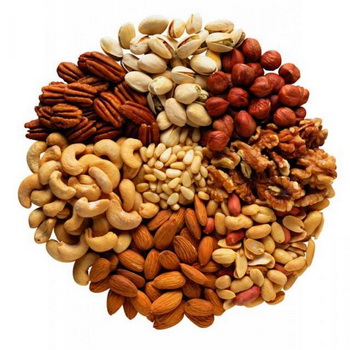
An assorted mix of nuts. Nuts are a rich source of thiamine, or Vitamin B1. People with depression often have low levels of Vitamin B1.

Thiamine, also known as Vitamin B1, is an essential water-soluble nutrient that cannot be made by the body. 

It’s used in nearly every cell in the body and especially important for supporting energy levels.

It’s also required by nerve cells and other supporting cells in the nervous system (167). 

Research shows that lower levels of Vitamin B1 are associated with a higher prevalence of depressive symptoms (168).

Vitamin B1 deficiency is also known to lead to irritability and symptoms of depression (170). 

Some doctors and researchers believe that postpartum depression is sometimes simply a Vitamin B1 deficiency (169). 

Luckily, consuming more Vitamin B1 can help.

A randomized, double-blind clinical trial found that Vitamin B1 supplementation reduces symptoms of depression within 6 weeks (171). 

And another concluded that Vitamin B1 supplementation improves mood, reduces brain fog, and speeds up reaction time (172).

In fact, researchers have even found that subjects’ mood improves if the amount of Vitamin B1 in their blood increases, and that the opposite occurs if the amount of Vitamin B1 in their blood decreases (173). 

Healthy food sources of Vitamin B1 include green peas, beef liver, asparagus, pecans, spinach, sunflower seeds, macadamia nuts, oranges, cantaloupe and eggs. 

These foods are included in my Free Grocery Shopping Guide for Optimal Mental Health.


7. Riboflavin

A handful of almonds. Almonds are an excellent source of Vitamin B2, a nutrient that is commonly depleted in people with depression.

Riboflavin, also known as Vitamin B2, plays a key role in energy metabolism throughout your entire body.  

As a result, a Vitamin B2 deficiency can affect the entire body, leading to low energy, weight gain, and depression.

In fact, lower levels of Vitamin B2 have been found in people with depression (91). 

Researchers have also found that Vitamin B2 consumption decreases risk of postpartum depression (92). 

Healthy food sources of Vitamin B2 include pastured eggs, leafy vegetables, beef liver, mushrooms, sunflower seeds, and almonds. 

These foods are included in my Free Grocery Shopping Guide for Optimal Mental Health.

If you’d like, you can also supplement with Vitamin B2.

Studies show that supplementing with Vitamin B2 helps lower homocysteine and reduces depressive symptoms (93-94). 

Vitamin B2 is included in the Optimal Zinc supplement. 


8. Inositol

Inositol is a naturally-occurring molecule found in nearly all plants and animals. It plays a key role in various biological processes.

The brain has the highest concentration of inositol, where it plays an important role making neurotransmitters (124). 

Inositol can be found in many foods, particularly fruit, especially cantaloupe and oranges (125). 

It used to be considered a B Vitamin, called Vitamin B8. But it currently is no longer considered an essential nutrient because your body can produce inositol from glucose (126). 

But I’m including it in this list anyway because individuals with depression have very low levels of inositol in their brains (127-129). 

And inositol supplementation has been shown to increase inositol levels and help treat depression (130, 132). 

It can also reduce symptoms of depression in women with premenstrual syndrome and premenstrual dysphoric disorder (131, 133). 

It’s even been shown to help patients who have discontinued their antidepressant medication (134). 

I took high doses of inositol powder when weening off psychiatric medication.

Check out my full post about inositol to learn more about the benefits. 

Fun fact: Inositol is also used as a stand-in for cocaine in television shows and movies. 


9. Coenzyme Q10

Coenzyme Q10 (CoQ10) is a coenzyme and antioxidant located primarily in the mitochondria. It has numerous known health benefits and plays a critical role in producing energy for the body.

CoQ10 is produced within the body, but it’s also found within food and can be supplied to the body through food or supplementation. It resembles a fat-soluble vitamin.

Meat and fish are the richest sources of dietary CoQ10, including beef, pork, chicken heart, and chicken liver. Nuts and some oils also contain some CoQ10 (110). 

Research shows that CoQ10 levels are reduced in people with depression and chronic fatigue (111). 

One study also found that CoQ10 regulates serotonin levels and depressive symptoms in fibromyalgia patients (117). 

CoQ10 supplementation has also been shown to improve fatigue and reduce depression symptom severity (112-114). 

It also displays antidepressant-like activity in animals (115-116). 

Click here to subscribe

Mineral Deficiencies That Can Cause Depression

10. Magnesium

Magnesium is a vital mineral that participates in more than 300 biochemical reactions in your body.

Unfortunately, a lot of people are deficient in magnesium today.  

This is a shame because magnesium is absolutely essential for the proper functioning of your nervous system and optimal neurotransmitter activity

Research shows that low magnesium levels contribute and worsen many neuropsychiatric problems, including depression (42). 

In fact, researchers have found that people with depression have lower magnesium levels than healthy people (49). 

They’ve also found a significant association between very low magnesium intake and depression (43). 

On top of this, animal research shows that removing magnesium from their diet results in depressive-like symptoms (50). 

So if you’re struggling with depression, it’s very important to make sure you’re getting enough magnesium so that you don’t have a deficiency.

Luckily, there are a number of ways to do this. 

First, make sure you’re eating magnesium-rich foods on a regular basis, including:

  • Spinach

  • Chard

  • Pumpkin seeds

  • Almonds

  • Avocado

  • Dark chocolate

  • Bananas

These foods are included in my Free Grocery Shopping Guide for Optimal Mental Health.

Epsom salt baths are another great way to increase your body’s intake of magnesium

I also highly recommend a high-quality supplement that includes magnesium.

Magnesium is included in this supplement.

A number of studies have concluded that magnesium supplementation can reduce depressive symptoms in humans – sometimes within 7 days (44-48). 

Since most people are deficient, magnesium is one of the three supplements that I think everyone should be taking.


11. Zinc

An image of zinc-rich foods, including pumpkin seeds of cashews. Zinc is one mineral that can help fight depression. Many people with depression often have low levels of zinc.

Zinc is an essential mineral for mental health.

Like magnesium, it plays a key role in neurotransmission and nervous system functioning.

Mounting evidence suggests a link between zinc deficiency and the development and severity of depression (66-68, 76).  

Depressed patients tend to have lower levels of zinc. And as their zinc levels drop, their depressive symptoms get worse (81-84). 

Unfortunately, it’s estimated that 2 billion people in the world are deficient in zinc, and several studies show that even subclinical deficiency of zinc impairs brain function in children and adults (63-65). 

So, if you struggle with depression, it’s quite possible that you’re deficient, and you’ll definitely want to optimize your zinc levels. 

Some of the best food sources of zinc include:

  • Oysters

  • Grass-fed beef

  • Pumpkin seeds

  • Cashews

  • Mushrooms

  • Spinach

These foods are included in my Free Grocery Shopping Guide for Optimal Brain and Mental Health.

However, if you’re deficient like I was, I recommend taking a high-quality zinc supplement, at least for a short period of time. 

A meta-analysis and several studies have concluded that zinc supplementation has antidepressant effects and significantly reduces symptoms of depression. One way it improves mood is by significantly increasing BDNF levels (69-75, 77-80).

I created and take the Optimal Zinc supplement to make sure my zinc levels are optimal. 

Check out my previous post all about zinc if you’re interested in discovering more steps you can take to increase your zinc levels.


12. Iron

A spoonful of spirulina. Spirulina is rich in iron. Iron is one nutrient deficiency that can cause depression.

Iron is a trace mineral found in every living cell in our bodies.

It carries oxygen to all parts of your body, and low levels can leave you feeling tired, pale, irritable and foggy

Sounds like depression doesn’t it?

Several studies show that iron deficiency increases the risk of developing depression and increases the severity of depression (184-186, 188-190). 

Researchers have also conducted a meta-analysis and found that high iron intake reduces the chance of developing depression (183). 

In one study, iron supplementation resulted in a 25% improvement in depressive symptoms (187). 

Despite this, I don’t actually recommend supplementing with iron though because some research suggests that too much iron can cause health problems.

It’s definitely preferable to get your iron from food. 

I make sure I get enough iron simply by taking grass-fed beef liver capsules.

Beef liver is one of the best sources of iron, but I don’t like the taste, so I go with the capsules.

Other good sources of iron include:

  • Spirulina

  • Dark chocolate

  • Spinach

  • Sardines

  • Pistachios

  • Raisons

These foods are included in my Free Grocery Shopping Guide for Optimal Mental Health.


13. Selenium

Selenium is an essential trace mineral that is important for many bodily processes that affect your brain and mental health.

Researchers have found that depression is associated with low levels of selenium (191). 

But supplementing with selenium has been shown to significantly increase selenium levels and improve symptoms of depression (192). 

Other research shows that selenium intake is associated with a general elevation of mood (193). 

Brazil nuts are the richest dietary source of selenium, but it can also be found in wild-caught seafood, pastured chicken and eggs, and grass-fed meat.

I also make sure I’m not deficiency in selenium by supplementing with it.

Selenium is included in this supplement.


14. Manganese

A table of foods that have high levels of manganese. Manganese deficiency can cause depression and make depression worse.

Manganese is an important trace mineral for human health. It acts as a cofactor, helping many enzymes carry out their functions in the body.

Research shows that having low levels of manganese can contribute to the development of depression (135). 

One study found that depressed patients had significantly lower levels of “manganese superoxide dismutase”, which is a manganese-dependent enzyme (136). 

Researchers have also found that women with higher manganese intake had a lower prevalence of depressive symptoms (137). 

Hazelnuts and macadamia nuts contain high levels of manganese, while leafy green vegetables, tea, chocolate and some fruits contain moderate levels (139). 

However, it’s important to note that you shouldn’t consume too much manganese.

In excess, manganese is neurotoxic and can lead to manganism, a neurodegenerative disorder that causes dopaminergic neuronal death and symptoms similar to Parkinson's disease (138). 

So I definitely don’t recommend supplementing with large doses of manganese. 

The small amount of manganese in Optimal Antiox is fine though. It’s what I take. 

 
Click here to subscribe

Fatty Acid Deficiencies That Can Cause Depression

15. Dihomo-Gamma-Linolenic Acid

Vials of Borage Oil, a fat that is rich in DGLA. DGLA has anti-inflammatory effects and can help beat depression.

Dihomo-Gamma-Linolenic Acid (DGLA) is an uncommon fatty acid.

It’s made in the body by the elongation of Gamma Linolenic Acid (GLA).

But small amounts can also be found in animal products (118). 

Last year, researchers found that people with depression are more likely to have low levels of DGLA levels (121). 

And increasing DGLA levels may lower the risk of developing depression (122). 

DGLA also has anti-inflammatory effects in the body (119). 

So it makes sense that levels would be low in depressed individuals because an increasing amount of evidence suggests that depression is a chronic inflammatory disease

DGLA can be increased by supplementing with dietary GLA (120). 

GLA can be found in Borage Oil, Evening Primrose Oil and Blackcurrant Seed Oil (123). 


16. Omega-3 Fatty Acids

Piece of cooked salmon on a plate. This salmon is full of omega-3 fatty acids that can help fight depression.

Omega-3s fatty acids are the highest quality fats for the brain and increasing your intake of them is one of the most impactful actions you can take to fight depression.

Several studies have shown that depressive patients have lower levels of omega-3 fatty acids (1-3).

Researchers even conducted a meta-analysis of 14 studies, and they found that levels of omega-3 fatty acids were significantly lower in people with depression (4). 

They concluded that having a deficiency in omega-3 fatty acids is a “contributing factor to mood disorders” (5). 

It’s important to consume enough omega-3 fatty acids because they are essential fats that your body cannot produce itself.

Omega-3 fatty acids are found primarily in cold water fish, including:

  • Salmon

  • Black cod

  • Sablefish

  • Sardines

  • Herring

These foods are included in my Free Grocery Shopping Guide for Optimal Mental Health.

Unfortunately, most people don't consume enough omega-3 fatty acids through their diet.

That’s why I recommend supplementing with krill oil, a special kind of fish oil that contains the essential omega-3 fatty acids

Plenty of research shows that omega-3 supplements are effective at treating clinical depression – just as effective as antidepressants drugs – because they lower inflammation in the brain (6-10). 


Amino Acid Deficiencies That Can Cause Depression

17. Carnitine

Carnitine is an amino acid found in nearly every cell of the body. It plays a vital role in the production of energy.

Researchers have found significantly lower levels of carnitine in patients with depression. And their low carnitine levels are associated with the severity of their depression (11-12, 174-175). 

Carnitine is mainly found in meat, fish and poultry.

But you can also supplement with it. 

I recommend Acetyl-L-Carnitine (ALCAR), an acetylated form of carnitine. It’s best supplemental form of carnitine. 

It’s often used as a natural brain booster because it increases alertness and provides support to brain cells.

But it’s also been shown to be very effective at quickly improving mood and treating depression (179-182). 

Six randomized clinical trials have demonstrated that ALCAR is better at treating depression than placebo (177). 

And two other studies found that ALCAR improved depressive symptoms in patients with chronic depression, and it was just as effective as antidepressant medications, but with less side effects (176, 178). 

ALCAR is included in the Optimal Brain supplement

Make sure you read this article to learn more about the remarkable benefits of ALCAR.


18. Glutamine

Glutamine is the most abundant amino acid in the body, suggesting that it’s very important.

It’s also one of the few amino acids that can directly cross the blood-brain barrier.

Glutamine is a conditionally essential amino acid, meaning the body can usually produce sufficient amounts of it. But sometimes the body uses up so much glutamine that it becomes necessary to obtain it from the diet or supplements, particularly during periods of illness, stress, inflammation and injuries (156-157). 

Researchers have found that depressed adults have reduced levels of glutamine (158). 

And glutamine deficiency has been shown to increase depressive-like behaviour in animals (159). 

But glutamine supplementation has “clear anti-depressive properties” and has been shown to improve mood (160-161). 

High levels of glutamine can be found in protein-rich foods such as beef, chicken, fish and eggs. Beets, cabbage, spinach, carrots, parsley, brussel sprouts, celery, kale and fermented foods like miso also contain some glutamine.

These foods are included in my Free Grocery Shopping Guide for Optimal Mental Health.

Glutamine is also available in supplement form. 

Glutamine was one of the main supplements that helped me heal my leaky gut, but I no longer need to take it regularly. 


19. Tryptophan

Tryptophan is an essential amino acid that cannot be produced by the body. It must be consumed through diet or by taking supplements. 

Some healthy foods that contain tryptophan include bananas, chicken, turkey and dark chocolate (140). 

A doctor is talking to a turkey and says “I think I know what is causing your narcolepsy. You’re full of tryptophan. Tryptophan is an amino acid that can make you sleepy, but it can also improve mood and help treat depression.

Tryptophan helps produce the neurotransmitter serotonin. It’s converted to 5-hydroxytryptophan (5-HTP) in the brain, which then produces serotonin (141-142). 

Researchers have found that depressed patients have significantly lower levels of tryptophan in their blood than healthy control subjects (143-144). 

Studies also show that depressed patients have a decreased ratio of tryptophan to neutral amino acids in their blood. This suggests that tryptophan availability to the brain is likely reduced in depressed patients (145-146). 

Personally, supplementing with tryptophan never helped me. In fact, it always seemed to make me worse. It gave me asthma and acne and increased my depression.  

This is because depressed patients sometimes have problems creating serotonin from tryptophan. Instead, they create other metabolites from tryptophan, such as quinolinic acid, which can be toxic. For depressed patients like me, tryptophan supplementation won’t help, and may actually make their depression worse (150-151). 

However, some people do see their mood improve when they increase their intake of tryptophan. So it shouldn’t be completely disregarded. 

There are studies that show that consuming a high tryptophan diet and consuming additional dietary tryptophan can increase mood and lead to significantly less depressive symptoms (152-154). 

So supplementing with tryptophan is worth a shot if you’re struggling with depression and haven’t tried it yet. Just be aware of possible side effects. 

If you want, you can also try supplementing with 5-HTP instead of tryptophan. 5-HTP is the direct precursor to serotonin. 

5-HTP is included in this supplement


20. Glutathione

Glutathione is a small peptide made up of 3 important amino acids – glutamic acid, cysteine and glycine – each of which have several important roles in the human body.

Glutathione is found in the food supply and within the human body, where it acts as an antioxidant. It is used by every cell in the body.

It’s technically not an “essential nutrient” because the body can create it.

However, it’s still very important, and a glutathione deficiency leads to increased susceptibility to oxidative stress, which is thought to be involved in a number of diseases, including depression.

Studies show that patients with depression have significantly lower levels of glutathione. And the lower a person’s glutathione levels, the more depressed they are likely to be (162-164). 

Some practitioners and researchers have found that increasing glutathione intake and levels can successfully treat depression (165). 

Glutathione is also able to prevent behavioural depression in animals (166). 

It’s important to note that standard glutathione supplements are not very effective at increasing glutathione levels because they are not well absorbed by the body.

N-acetyl-cysteine (NAC) is a tried-and-true way of increasing glutathione levels because it’s the direct precursor to glutathione. 

Garlic, asparagus, and cruciferous vegetables, such as broccoli and kale, can also help boost glutathione levels, but NAC supplements are more powerful. 

Other supplements that have been shown to help increase and maintain optimal glutathione levels include Selenium, Alpha Lipoic Acid, and S-adenosyl-methionine (Sam-E). 


Enjoy This Article? You Might Also Like My FREE Food Guide for Optimal Brain and Mental Health!

Click here to subscribe

Live Optimally,

Jordan Fallis

Connect with me

References:

(1) https://www.ncbi.nlm.nih.gov/pubmed/20452573

(2) https://www.ncbi.nlm.nih.gov/pubmed/16741195

(3) https://www.ncbi.nlm.nih.gov/pmc/articles/PMC4369545/

(4) https://www.ncbi.nlm.nih.gov/pubmed/20452573

(5) https://www.ncbi.nlm.nih.gov/pubmed/16741195

(6) https://www.ncbi.nlm.nih.gov/pubmed/24805797

(7) https://www.ncbi.nlm.nih.gov/pubmed/20586692

(8) https://www.ncbi.nlm.nih.gov/pubmed/20439549

(9) https://www.ncbi.nlm.nih.gov/pmc/articles/PMC3976923/

(10) https://examine.com/supplements/fish-oil/

(11) https://www.ncbi.nlm.nih.gov/pubmed/24611884

(12) https://www.ncbi.nlm.nih.gov/pmc/articles/PMC5470074/

(13) https://examine.com/suhttps://examine.com/supplements/vitamin-b12/plements/vitamin-b12/

(14) https://www.ncbi.nlm.nih.gov/pmc/articles/PMC2781043/

(15) https://www.ncbi.nlm.nih.gov/pubmed/10784463

(16) https://examine.com/supplements/vitamin-b12/

(17) https://wellnessmama.com/36091/vitamin-b12-deficiency/

(18) https://www.ncbi.nlm.nih.gov/pubmed/22276208

(19) https://www.ncbi.nlm.nih.gov/pmc/articles/PMC2781043/

(20) https://www.ncbi.nlm.nih.gov/pubmed/10784463

(21) https://www.ncbi.nlm.nih.gov/pmc/articles/PMC3262813/

(22) https://www.ncbi.nlm.nih.gov/pubmed/24339839

(23) http://www.ncbi.nlm.nih.gov/pubmed/24339839

(24) http://www.ncbi.nlm.nih.gov/pubmed/21771745

(25) https://www.ncbi.nlm.nih.gov/pubmed/19543765

(26) https://goo.gl/mzJn79

(27) https://www.ncbi.nlm.nih.gov/pubmed/27750060

(28) https://www.ncbi.nlm.nih.gov/pubmed/23377209

(29) https://www.ncbi.nlm.nih.gov/pubmed/10888476

(30) https://www.ncbi.nlm.nih.gov/pubmed/22191178

(31) https://www.ncbi.nlm.nih.gov/pmc/articles/PMC4011048/

(32) https://www.sciencedaily.com/releases/2015/02/150225094109.htm

(33) https://www.ncbi.nlm.nih.gov/pubmed/9011759

(34) https://examine.com/supplements/vitamin-d/

(35) https://examine.com/supplements/vitamin-d/

(36) https://www.ncbi.nlm.nih.gov/pubmed/28068285

(37) https://goo.gl/EXPCRN

(38) https://www.ncbi.nlm.nih.gov/pubmed/24108469

(39) http://www.tandfonline.com/doi/abs/10.1080/00048670802534408

(40) http://www.ncbi.nlm.nih.gov/pubmed/10746516

(41) http://www.ncbi.nlm.nih.gov/pubmed/9861593

(42) https://www.ncbi.nlm.nih.gov/pubmed/27807012

(43) https://www.ncbi.nlm.nih.gov/pubmed/25748766

(44) https://www.ncbi.nlm.nih.gov/pubmed/2067759

(45) https://www.ncbi.nlm.nih.gov/pubmed/19271419

(46) https://www.ncbi.nlm.nih.gov/pubmed/1672392

(47) https://www.ncbi.nlm.nih.gov/pubmed/23950577

(48) https://www.ncbi.nlm.nih.gov/pubmed/16542786

(49) https://www.ncbi.nlm.nih.gov/pubmed/19780403

(50) https://www.ncbi.nlm.nih.gov/pubmed/18825946

(51) https://www.ncbi.nlm.nih.gov/pubmed/5314166

(52) https://www.ncbi.nlm.nih.gov/pubmed/14769778

(53) https://www.ncbi.nlm.nih.gov/pubmed/17522618

(54) https://www.ncbi.nlm.nih.gov/pubmed/12493090

(55) https://www.ncbi.nlm.nih.gov/pubmed/10967371?dopt=Abstract

(56) https://www.ncbi.nlm.nih.gov/pubmed/15671130

(57) https://www.ncbi.nlm.nih.gov/pubmed/1974941

(58) https://www.ncbi.nlm.nih.gov/pmc/articles/PMC1810582/

(59) http://www.ncbi.nlm.nih.gov/pubmed/21771745

(60) https://www.ncbi.nlm.nih.gov/pubmed/18950248

(61) https://www.ncbi.nlm.nih.gov/pubmed/19796883

(62) https://www.ncbi.nlm.nih.gov/pubmed/23212058

(63) http://www.ncbi.nlm.nih.gov/pubmed/22664333

(64) http://www.ncbi.nlm.nih.gov/pubmed/21939673

(65) http://www.ncbi.nlm.nih.gov/pubmed/22673824

(66) https://www.ncbi.nlm.nih.gov/pmc/articles/PMC3868572/

(67) https://www.ncbi.nlm.nih.gov/pubmed/20689416

(68) https://www.ncbi.nlm.nih.gov/pubmed/18655800

(69) http://www.ncbi.nlm.nih.gov/pubmed/15145706

(70) http://www.ncbi.nlm.nih.gov/pubmed/18766297

(71) http://www.ncbi.nlm.nih.gov/pubmed/24621065

(72) http://www.sciencedirect.com/science/article/

(73) https://www.ncbi.nlm.nih.gov/pubmed/21798601

(74) https://www.ncbi.nlm.nih.gov/pubmed/24130605

(75) https://www.ncbi.nlm.nih.gov/pubmed/16491668

(76) https://www.ncbi.nlm.nih.gov/pubmed/20689416

(77) https://www.ncbi.nlm.nih.gov/pubmed/21798601

(78) https://www.ncbi.nlm.nih.gov/pubmed/18191237

(79) http://www.ncbi.nlm.nih.gov/pmc/articles/PMC3022308/

(80) http://www.ncbi.nlm.nih.gov/pubmed/24621065

(81) https://www.ncbi.nlm.nih.gov/pubmed/20013161

(82) https://www.ncbi.nlm.nih.gov/pubmed/20493532

(83) https://www.ncbi.nlm.nih.gov/pubmed/9276075

(84) https://www.ncbi.nlm.nih.gov/pubmed/8071476

(85) https://www.ncbi.nlm.nih.gov/pubmed/15479988

(86) http://lpi.oregonstate.edu/mic/vitamins/vitamin-B6

(87) http://www.ncbi.nlm.nih.gov/pubmed/15479988

(88) https://www.ncbi.nlm.nih.gov/pubmed/23550784

(89) http://www.ncbi.nlm.nih.gov/pubmed/26648330

(90) http://www.ncbi.nlm.nih.gov/pubmed/21771745

(91) http://www.ncbi.nlm.nih.gov/pubmed/22081620

(92) https://www.ncbi.nlm.nih.gov/pubmed/16815556

(93) http://www.ncbi.nlm.nih.gov/pubmed/21771745

(94) http://www.ncbi.nlm.nih.gov/pubmed/1578091

(95) https://www.ncbi.nlm.nih.gov/pubmed/20688474

(96) http://www.ncbi.nlm.nih.gov/pubmed/26353411

(97) http://www.ncbi.nlm.nih.gov/pubmed/24511708

(98) https://www.ncbi.nlm.nih.gov/pmc/articles/PMC3599706/

(99) http://www.ncbi.nlm.nih.gov/pubmed/12208645

(100) https://www.ncbi.nlm.nih.gov/pmc/articles/PMC4376513/

(101) https://www.ncbi.nlm.nih.gov/pmc/articles/PMC4376513/

(102) https://www.ncbi.nlm.nih.gov/pmc/articles/PMC3599706/

(103) https://www.ncbi.nlm.nih.gov/pubmed/12208645

(104) https://www.ncbi.nlm.nih.gov/pmc/articles/PMC4376513/

(105) https://www.ncbi.nlm.nih.gov/pubmed/25835231

(106) https://www.ncbi.nlm.nih.gov/pubmed/23106783

(107) http://www.ncbi.nlm.nih.gov/pmc/articles/PMC3325330/

(108) https://www.ncbi.nlm.nih.gov/pmc/articles/PMC4376513/

(109) https://www.ncbi.nlm.nih.gov/pmc/articles/PMC3599706/

(110) https://www.ncbi.nlm.nhttps://www.ncbi.nlm.nih.gov/pubmed/20301015h.gov/pubmed/20301015

(111) https://www.ncbi.nlm.nih.gov/pubmed/20010493

(112) https://www.ncbi.nlm.nih.gov/pubmed/22467846

(113) https://www.ncbi.nlm.nih.gov/pmc/articles/PMC4414830/

(114) https://www.ncbi.nlm.nih.gov/pubmed/25603363

(115) https://www.ncbi.nlm.nih.gov/pubmed/23313551

(116) https://www.ncbi.nlm.nih.gov/pubmed/23928691

(117) https://www.ncbi.nlm.nih.gov/pubmed/24525646

(118) https://en.wikipedia.org/wiki/Dihomo-%CE%B3-linolenic_acid

(119) https://en.wikipedia.org/wiki/Dihomo-%CE%B3-linolenic_acid

(120) https://en.wikipedia.org/wiki/Dihomo-%CE%B3-linolenic_acid

(121) https://www.ncbi.nlm.nih.gov/pubmed/28235735

(122) https://www.ncbi.nlm.nih.gov/pubmed/28235735

(123) https://academic.oup.com/jn/article/128/9/1411/4722487

(124) https://en.wikipedia.org/wiki/Inositol

(125) https://www.ncbi.nlm.nih.gov/pubmed/7416064

(126) https://en.wikipedia.org/wiki/Inositol

(127) http://onlinelibrary.wiley.com/doi/10.1002/mrm.21709/full

(128) https://www.ncbi.nlm.nih.gov/pubmed/15953489

(129) https://www.ncbi.nlm.nih.gov/pubmed/9247405

(130) http://www.ncbi.nlm.nih.gov/pubmed/24424706

(131) http://onlinelibrary.wiley.com/doi/10.1002/hup.1241/abstract

(132) https://www.ncbi.nlm.nih.gov/pubmedhealth/PMH0062698/

(133) https://www.ncbi.nlm.nih.gov/pubmed/22031267

(134) https://www.ncbi.nlm.nih.gov/pubmed/7726322

(135) https://www.ncbi.nlm.nih.gov/pubmed/25712638

(136) https://www.ncbi.nlm.nih.gov/pubmed/25171019

(137) https://www.ncbi.nlm.nih.gov/pubmed/28110159

(138) https://en.wikipedia.org/wiki/Manganese#Biological_role

(139) https://www.ncbi.nlm.nih.gov/pmc/articles/PMC4516557/

(140) https://www.ncbi.nlm.nih.gov/pmc/articles/PMC2908021/

(141) https://www.ncbi.nlm.nih.gov/pubmed/21071157

(142) https://www.ncbi.nlm.nih.gov/pubmed/28118532

(143) https://www.ncbi.nlm.nih.gov/pubmed/2521647

(144) https://www.sciencedirect.com/science/article/pii/016517819390102M

(145) https://www.ncbi.nlm.nih.gov/pubmed/2521647

(146) https://jamanetwork.com/journals/jamapsychiatry/article-abstract/492559

(147) https://goo.gl/5rBaMM

(148) https://jamanetwork.com/journals/jamapsychiatry/article-abstract/492559

(149) https://www.ncbi.nlm.nih.gov/pubmed/29109914

(150) https://www.ncbi.nlm.nih.gov/pubmed/26654774

(151) https://www.ncbi.nlm.nih.gov/pmc/articles/PMC4955923/

(152) https://www.ncbi.nlm.nih.gov/pmc/articles/PMC4393508/

(153) https://onlinelibrary.wiley.com/doi/pdf/10.1111/j.1600-0447.2011.01706.x

(154) https://www.ncbi.nlm.nih.gov/pubmed/11869656

(155) https://www.ncbi.nlm.nih.gov/pubmed/8775762

(156) https://www.ncbi.nlm.nih.gov/pmc/articles/PMC3425386/

(157) https://www.ncbi.nlm.nih.gov/pubmed/2668703

(158) https://www.ncbi.nlm.nih.gov/pubmed/17283286

(159) https://www.ncbi.nlm.nih.gov/pmc/articles/PMC3633711/

(160) https://www.ncbi.nlm.nih.gov/pubmed/8289407

(161) https://www.ncbi.nlm.nih.gov/pubmed/1020692

(162) http://www.ncbi.nlm.nih.gov/pmc/articles/PMC3964749/

(163) http://www.ncbi.nlm.nih.gov/pubmed/21552194

(164) https://academic.oup.com/ijnp/article/14/1/123/657694

(165) https://goo.gl/hcyoey

(166) https://www.ncbi.nlm.nih.gov/pubmed/7972287

(167) http://pubs.niaaa.nih.gov/publications/arh27-2/134-142.htm

(168) https://www.ncbi.nlm.nih.gov/pmc/articles/PMC3521461/

(169) https://goo.gl/CKdRbW

(170) https://www.ncbi.nlm.nih.gov/pubmed/26984349

(171) https://www.ncbi.nlm.nih.gov/pubmed/26984349

(172) https://goo.gl/7xi241

(173) https://goo.gl/7xi241

(174) https://www.ncbi.nlm.nih.gov/pubmed/28670223

(175) https://www.ncbi.nlm.nih.gov/pubmed/23574341

(176) https://www.ncbi.nlm.nih.gov/pubmed/16316746

(177) https://www.ncbi.nlm.nih.gov/pubmed/24607292

(178) https://www.ncbi.nlm.nih.gov/pubmed/24607292

(179) https://www.ncbi.nlm.nih.gov/pubmed/18491985

(180) https://www.ncbi.nlm.nih.gov/pubmed/23382250

(181) https://www.ncbi.nlm.nih.gov/pubmed/28670223

(182) https://www.ncbi.nlm.nih.gov/pubmed/15591014

(183) https://www.ncbi.nlm.nih.gov/pubmed/28189077

(184) https://www.ncbi.nlm.nih.gov/pmc/articles/PMC3680022/

(185) https://www.ncbi.nlm.nih.gov/pubmed/29603506

(186) https://www.ncbi.nlm.nih.gov/pubmed/17063146

(187) https://www.ncbi.nlm.nih.gov/pubmed/15671224/

(188) https://www.ncbi.nlm.nih.gov/pubmed/29363366

(189) https://www.ncbi.nlm.nih.gov/pubmed/29307706

(190) https://www.ncbi.nlm.nih.gov/pubmed/22286844

(191) https://www.ncbi.nlm.nih.gov/pubmed/18463429

(192) https://www.ncbi.nlm.nih.gov/pubmed/18463429

(193) https://www.ncbi.nlm.nih.gov/pubmed/1873372

(194) https://www.ncbi.nlm.nih.gov/pubmed/16184071

(195) https://www.ncbi.nlm.nih.gov/pubmed/16184071

Terms and Conditions

Privacy Policy

Affiliate Disclosure

Disclaimer