20 Proven Ways to Quickly Lower Your Cortisol Levels

A man looking depressed and stressed, hoping to lower his cortisol levels.

Chronic stress is killer. 

It broke me down over the years and led me to deep depression.

Getting a handle on it has been critical to my recovery. 

But it took me a while to figure out what works.

And I’d rather not see other people struggle and frantically look for solutions.

So I’ve gathered some of my favourite ways to quickly lower levels of cortisol, your body’s main stress hormone.

But before we get to them, let’s quickly discuss cortisol and how chronically high levels of cortisol can negatively affect your brain and mental health. 


How Stress and Cortisol Affect Your Brain

Cortisol is known as the “stress hormone”.

It’s a naturally-occurring steroid hormone that’s produced by your adrenal glands and released when you’re under physical or mental stress. Essentially, it triggers our fight-or-flight response in stressful situations.

But it’s also absolutely necessary for our health, as it plays a key role in many different bodily processes. 

Cortisol levels are generally highest in the morning and lowest at night. But problems can arise when they are elevated for prolonged periods of time (134). 

Chronically high cortisol levels can:

  • Change the size, structure and functioning of your brain;

  • Shrink and kill brain cells;

  • Cause premature aging in the brain;

  • Contribute to memory loss and lack of concentration;

  • Slow down our ability to grow new brain cells; and

  • Increase inflammation in the brain (135-140).

Watch this TED-Ed video, How Stress and Cortisol Affect Your Brain,” to learn more: 

Chronic stress and high levels of cortisol also increase activity in the amygdala, the fear centre of the brain. This can create a vicious cycle in which the brain is more likely be get stuck in a constant state of fight-or-flight.

When I did neurofeedback, my practitioner discovered my amygdala was overactive. She trained it back down to normal levels, and my chronic anxiety dissipated.

Anxiety isn’t the only mental condition linked to an abnormal stress response. Here are some others:

Luckily, there are a number of ways to manage and overcome chronic stress, lower cortisol levels, reverse damage done to the brain, and improve your sense of wellbeing. 

This article includes the best foods, nutrients, herbs and supplements that reduce cortisol; as well as the best lifestyle habits, therapies and practices that reduce cortisol.

Let’s go through them.  


The Best Foods, Nutrients, Herbs and Supplements To Naturally Lower Cortisol Levels

1. Eat Dark Chocolate
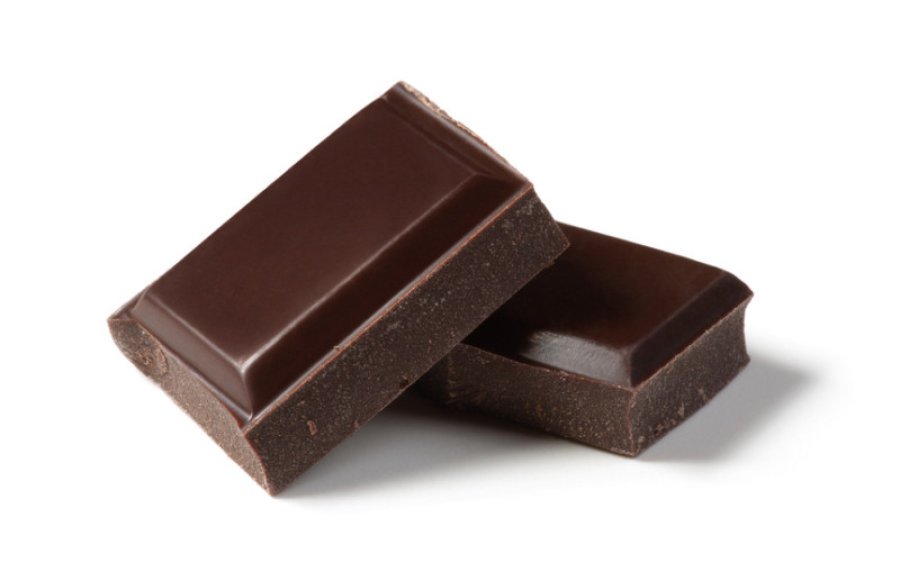
two pieces of dark chocolate. eating dark chocolate can lower your cortisol levels.

Most people know that dark chocolate is rich in multiple antioxidants, such as flavonols and polyphenols, which reduce oxidative stress.

But it also reduces cortisol. 

This may explain why people love to eat chocolate and experience relaxation when they do. 

Dark chocolate can protect your brain by boosting BDNF, your brain’s growth hormone

You should always try to get raw dark chocolate with the least amount of sugar.


2. Drink Tea

Several different types of tea have beneficial effects on cortisol levels. 

Green tea has been shown to inhibit the synthesis of cortisol (18). 

And a study found that individuals who drank 4 cups of black tea daily for six weeks had lower cortisol levels in comparison to others who didn’t drink black tea (2). 

Researchers couldn’t confirm what caused this reduction in cortisol, but they suspected it had something to do with the high content of theanine, an amino acid found in both black and green tea.

A follow-up study published this year confirmed that theanine can reduce cortisol (13).

Theanine produces a calming effect on the brain by crossing the blood-brain barrier and increasing the production of both GABA and dopamine in the brain (12). 

I personally can’t drink most teas because they tend to contain mycotoxins (mold toxins) and I’m very sensitive to them after living in a moldy home.

If you’ve lived in a moldy home or have found out that you’re genetically susceptible to mycotoxins, you can supplement with straight theanine like I do. 

This supplement includes theanine. 

And if you do decide to drink black tea, you can lower cortisol even more by getting decaffeinated black tea.

Lastly, chamomile tea is another type of tea that can decrease cortisol. It’s been used for centuries as a sleep aid. It contains flavonoids, essential oils, coumarin and other compounds that can help you relax.

Several studies show it can block the precursor hormone of cortisol and improve sleep quality (14, 15). 

This anti-anxiety supplement includes theanine, along with a number of other natural compounds that have helped me manage my stress and anxiety over the years.


3. Eat Extra Virgin Olive Oil

Olive oil has numerous health benefits, particularly because of its strong anti-inflammatory effects.

It also contains a compound called oleuropein, which can reduce cortisol levels (37). 

I add it to my salads and sometimes even take a tablespoon of it straight.

Be careful though. A lot of cheap extra virgin olive oil in grocery stores are not actually “extra virgin.”

Investigations have found that there is a lot of fraud within the olive oil industry and many so-called extra virgin olive oils contains other cheaper, refined vegetable oils, such as soybean, corn and canola. 

This is discussed more in the book Extra Virginity: The Sublime and Scandalous World of Olive Oil


4. Take Cortisol-Reducing Nutrients and Herbs

There are a number of nutrients, vitamins, minerals and adaptogenic herbs that have been shown to reduce stress and cortisol levels. 

I’ll go over some of my favourites here.

Phosphatidylserine is probably the best option for reducing stress hormone levels. 

Phosphatidylserine is a fat-soluble amino acid compound that plays a key role in optimal cognitive function. High amounts of phosphatidylserine can be found within the brain, and supplementation has been shown to improve attention and memory, especially in the elderly (114-116). 

…consumption of phosphatidylserine may reduce the risk of dementia and cognitive dysfunction in the elderly.
— Food and Drug Administration

On top of all this, phosphatidylserine powerfully lowers cortisol (117-119). 

People who supplement with phosphatidylserine have been shown to have lower average levels of cortisol (120).

I take phosphatidylserine every day. It's part of the Optimal Calm supplement

Ashwagandha is another great cortisol-reducing supplement. It’s a popular Indian herb commonly used to prevent anxiety. Its anti-anxiety effect is synergistic with alcohol.

Its stress-reducing effects are likely because it lowers cortisol levels. 

Multiple studies have concluded that it is a potent stress reliever that can reduce cortisol by anywhere from 14 to 32% (121-123). 

Ashwagandha is included in this supplement.

Another adaptogenic herb that can lower cortisol is rhodiola. 

The rhodiola rosea plant. Rhodiola can lower cortisol levels if your cortisol levels are high.

I’ve discussed rhodiola before. It can really help with symptoms of depression. 

Research has found that it may be doing this by significantly reducing stress hormone levels in the body (124-126). 

Lastly, a number of minerals have been shown to reduce cortisol, including zinc, magnesium and selenium (96, 97, 127-133).

That’s why I take and recommend a multi-mineral supplement every day

Overall, ashwagandha, rhodiola, phosphatidylserine and minerals are my favourite ways to keep stress levels low, but there are plenty of other supplements that have been shown to positively affect cortisol levels, including:


5. Consume Enough Food, Protein and Water
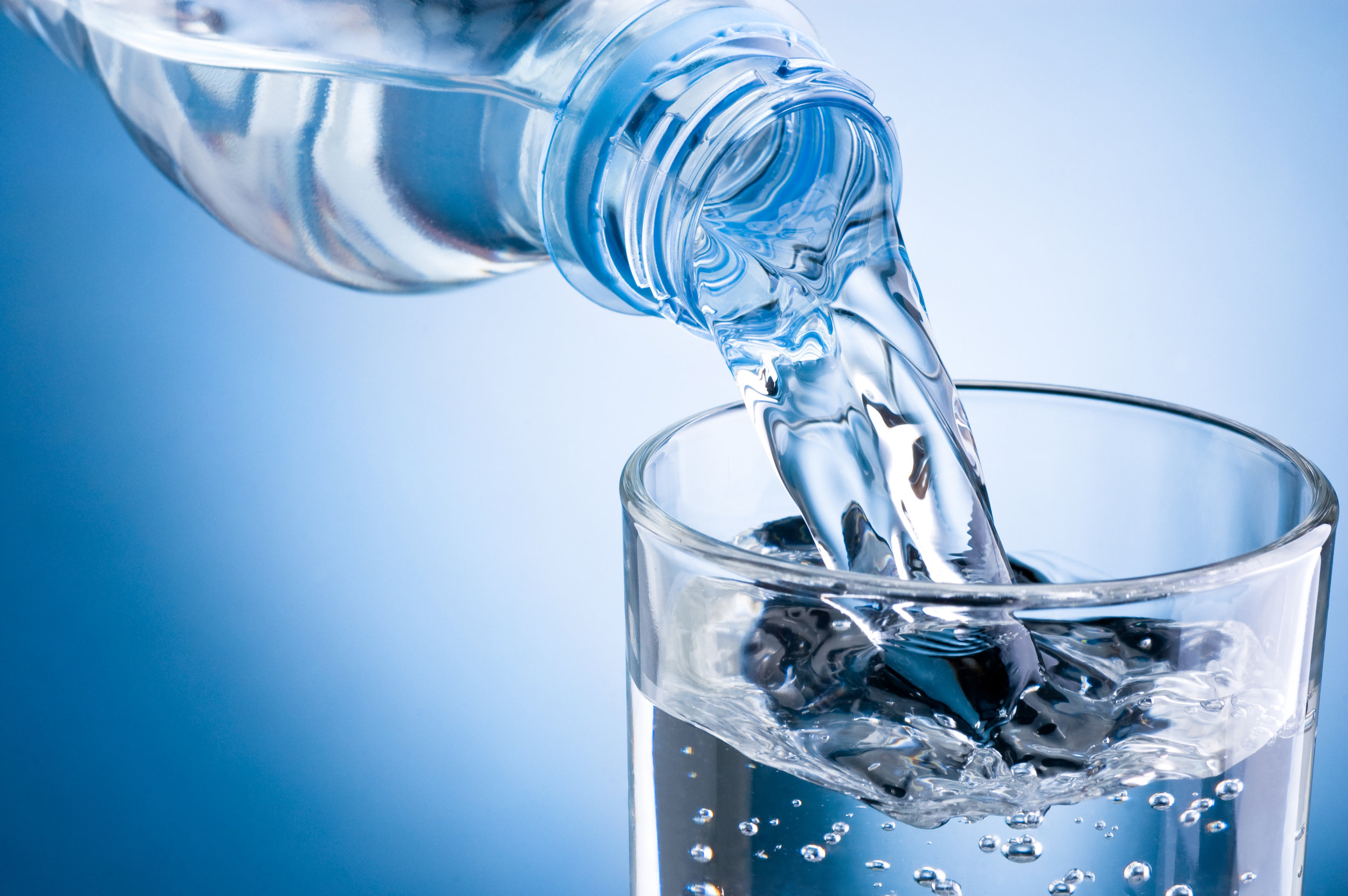
Water from a water bottle being poured into a glass. Drinking enough water can reduce stress and lower cortisol levels.

Eating enough protein and calories, and drinking enough clean, filtered water is also critical to keeping stress hormone levels low.  

Studies show that severely restricting calories elevates cortisol levels (108, 109). 

Restricting protein and depriving yourself of the amino acid leucine can also stimulate the stress response and increase stress hormones (110). 

That’s why I eat plenty of food each day and supplement with creatine and BCAA protein powder throughout the day when I don’t have access to a source of high-quality protein. 

Lastly, make sure you stay hydrated and drink plenty of water.

Properly-hydrated runners have noticeably lower cortisol levels than dehydrated runners (81).

I use a high-quality filtration system to filter my water so that it’s as pure as possible.
Click here to subscribe

6. Consume More Omega-3s and Less Omega-6s

As I’ve discussed before, omega-3s are dietary fats that are needed for the proper functioning of your brain and nervous system. They improve learning and memory, and protect against psychiatric disorders including depression, mild cognitive impairment, dementia and Alzheimer's disease (4-7). 

Researchers have also found that when individuals supplement with omega-3 fatty acids, there is a significant reduction in the release of cortisol (1, 10).

Omega-3 fatty acids also significantly reduce stress hormones in animals (3). 

Krill oil is my favourite source of omega-3 fatty acids.

I also eat wild salmon and grass-fed beef on a regular basis. 

On the other hand, consuming too many omega-6 fatty acids have been linked to increased inflammation and cortisol levels (8, 9, 11).

So make sure to avoid refined vegetable oils such as soybean, corn, safflower, sunflower, and canola oil.


7. Get Enough Antioxidants

Berries, including raspberries, blackberries and strawberries. The antioxidants in berries can lower cortisol levels.

Not only do antioxidants counteract oxidative stress within the body; they can also help reduce cortisol (19, 25). 

Most of the research has been done in athletes, but supplementation with antioxidants – such as berry powders, greens powders, vitamin C, glutathione and CoQ10 – leads to fairly significant reductions in cortisol and other measures of stress (20-23). 

Dark berries in particular contain antochyanins, which have been shown to lower cortisol (24). 

Acai berries are my favourite, as they are loaded with antochyanins and vitamin C.

Regarding vitamin C, the research is mixed on whether it can consistently lower cortisol levels.

However, in my experience, high doses of vitamin C definitely reduce stress.

One study found that a high dose of vitamin C decreases anxiety and improves mood (29). 

After exercise, it’s also been shown to rapidly reduce cortisol (26, 27). 

And multiple other studies have found that both vitamin C and vitamin E reduce cortisol and anxiety (30-32). 

It’s also well known that chronic stress and high cortisol can deplete vitamin C and other antioxidant enzymes (28). 

In addition to getting vitamin C from fruits and vegetables, I take at least 500 mg of supplemental Vitamin C every day. I’ve experimented with taking up to 10 grams daily (2 gram doses throughout the day) and it helped me manage stress, but it’s not necessary unless you find it really helps you. 

Vitamin C and Vitamin E are both included in this supplement, along with several other antioxidant nutrients.


8. Take Curcumin

Curcumin is the most heavily researched compound within turmeric, the spice that gives curry its yellow colour.

Curcumin is one of my favourite compounds for the brain and mental health.

Thousands of high-quality scientific studies have been published, showing that curcumin has anti-inflammatory and antioxidant effects and can increase BDNF, your brain’s growth hormone. 

Research shows that curcumin inhibits the increase in cortisol caused by stress (33, 34). 

And animal studies have found that curcumin may reverse elevated cortisol levels after chronic stress (35, 36). 

Unfortunately, curcumin is very inefficient at absorbing into the bloodstream and reaching the brain (54, 55).

Luckily, science and technology has been able to concentrate significant amounts of curcumin into supplement form and increase its bioavailability. 

I get my curcumin from the Optimal Energy supplement.

Since curcumin is a fat soluble, I take it every day with a fatty meal.


9. Eat Prebiotic Foods

A picture of blue bacteria. Prebiotics feed to the good bacteria in your gut and have been shown to lower cortisol levels.

Prebiotics are substances in food that humans can't digest, so they pass through our gastrointestinal tract and promote the growth of many different strains of good bacteria in our lower bowel.

They are essentially food for the probiotics in our intestines.

Dr. Phil Burnet, a neurobiologist at Oxford University, published a paper in 2015 showing that people who ingested prebiotics have lower levels of cortisol.

The people who ingested prebiotics also focused more on positive feedback and less on negative stimuli.

Dr. Burnet said the results were very similar to when people take anti-depressants and anti-anxiety medication, but without the side effects (87).

That’s why I eat prebiotic-rich foods regularly, including sweet potatoes, carrots, onions, asparagus and squash. These foods are included in my free grocery shopping guide for optimal brain health. 

Resistant starch is one of the most potent ways to boost your prebiotic intake. A convenient way to incorporate more of it into your diet is by using and eating potato starch. Other high-quality resistant starches include banana flour, plantain flour and waxy maize. Cooked and cooled white rice and potatoes also contain some resistant starch. 

I previously discussed prebiotics and resistant starch here.

I also created and take Optimal Biotics, which is a premium probiotic supplement that reduces stress and support my mental health. 


10. Limit Alcohol and Caffeine

A cup of coffee on a plate with a spoon. Avoiding or limiting your coffee and caffeine consumption is a good idea if you want to lower your cortisol levels.

Excess consumption of alcohol and caffeine have been shown to increase stress hormones, so their consumption should be limited. 

Coffee is definitely good for brain health. There is a lot of research showing it is very healthy and can be protective against dementia

However, it can also disrupt sleep and make people anxious. I used to not be able to handle any coffee at all. But now that I'm healthy, I can handle it just fine. I drink one cup of high-quality coffee most mornings.

But if you’re struggling with high cortisol and chronic stress, I wouldn’t recommend high doses of caffeine.

It’s been shown to directly stimulate the adrenal cortex, release cortisol into the bloodstream and increase stress hormone levels (74-76).

One study found that caffeine increased cortisol by 30% in just one hour, and regular consumption can double your cortisol levels (88, 89). 

So limit it as much as possible.

An alternative solution is to consume the whole coffee fruit, instead of drinking coffee.

The coffee fruit doesn’t contain caffeine, but it does contains several healthy compounds not found in coffee beans themselves.

Scientists have discovered that ingesting whole coffee fruit concentrate significantly increases brain function. Coffee fruit concentrate can be found in the Optimal Brain supplement

Lastly, excess alcohol consumption over an extended period of time has also been shown to raise cortisol levels. Having a couple drinks here and there likely isn’t a problem though, and you can protect yourself from it by following these steps (90, 91). 

Certain types of alcohol are better to drink than others.

Click here to subscribe

The Best Lifestyle Habits and Practices to Naturally Lower Cortisol Levels

11. Laugh

In the book The Anatomy of an Illness as Perceived by the Patient, Norman Cousins explains how he cured himself of ankylosing spondylitis by laughing along with Marx Brothers movies.

I made the joyous discovery that ten minutes of genuine belly laughter had an anesthetic effect and would give me at least two hours of pain-free sleep. When the pain-killing effect of the laughter wore off, we would switch on the motion picture projector again and not infrequently, it would lead to another pain-free interval.
— Norman Cousins

It sounds farfetched, but more and more research is showing that laughter has a powerful effect on our health. 

Researchers have found that laughing and having fun significantly reduces stress hormone levels (65, 66). 

In one study, laughter improved the short-term memory of older adults, and simply anticipating humour decreased their cortisol levels by nearly 50% (64). 

So, next time you’re stressed, try watching a funny TV show or YouTube video


12. Play with Animals

This is my cat named Puddy. He's annoying but he does reduce my cortisol levels.

This is my cat named Puddy. He's annoying but he does reduce my cortisol levels.

Petting your own dog or another person’s dog has been shown to significantly decrease stress hormone levels and increase oxytocin, endorphins, and other healing hormones (71, 73). 

Researchers have also compared 20 minutes of quiet rest to 20 minutes of interaction with a dog, and they found that hanging out with dog contributed to a much more significant decrease in cortisol. This is often why therapy dogs show up on college campuses during exams (71). 

So you should try to hang out with animals as much as possible, and consider getting a house pet if you don’t have one. I have a cat named Puddy. 

Spending time in nature has also been shown to reduce cortisol levels. So you can kill two birds with one stone by taking your pet for a walk in the park (77). 

Hmm perhaps “kill two birds with one stone” wasn’t the best idiom to use in this section, but you get my point. 


13. Listen to Music and Dance

Music is actually healing and can have a calming effect on the brain. 

Numerous studies show that music can relax you, especially before a stressful event, by significantly lowering stress hormones. It can also reduce the spike in cortisol during the stressful situation (50-54). 

Music can be even more relaxing when combined with non-strenuous dancing.

Regular dancing has also been shown to greatly decrease cortisol levels (55). 


14. Practice Relaxation Techniques and Therapies

Not too surprisingly, simply taking time each day to relax can lower cortisol.  

My favourite relaxation technique is meditation. 

Countless studies show that meditating daily for just 15 minutes can significantly lower stress hormone levels and blunt cortisol spikes (38-43). 

I use the Muse headband to meditate. Similar to neurofeedback, it gives you real-time feedback on your brainwaves. I previously wrote about it here, and you can get it through the Muse website

Yoga has also been shown to lower cortisol. 

In one study, people with depression practiced yoga regularly for 3 months. By the end of the study, their cortisol levels dropped significantly and they experienced relief from their depression (44). 

Massage is another excellent option, as it’s been shown in many studies to significant decrease in cortisol and anxiety (45, 46). 

A woman is lying down and getting a massage/ Massages can lower your cortisol levels.

I get a massage every couple of months. 

Emotional Freedom Technique, or “tapping”, is another tool I use to manage stress

Tapping is based on ancient Chinese acupressure and modern psychology. You can learn how to practice it here

I know it seems hokey, but it works. 

It’s been shown to significantly decrease cortisol levels (47). 

The book The Tapping Solution: A Revolutionary System for Stress-Free Living goes in more depth about the practice. 

Lastly, deep breathing exercises can help you manage your stress hormone levels. 

Diaphragmatic breathing – consciously breathing from your diaphragm – has been shown to encourage the body’s natural relaxation response and reduce cortisol (48, 49). 

I use the EmWave2 device every day to reduce stress and make sure I’m breathing optimally. I wrote about it before here.


15. Exercise (But Not Too Much)

Exercise is definitely good for you. It can balance hormones and reduce stress by releasing endorphins. However, overtraining can actually backfire and increase stress hormone levels (112). 

That’s why I don’t really recommend chronic endurance exercise and prefer weightlifting and high-intensity sprinting over cardio. 

Research shows that prolonged aerobic exercise can increase cortisol levels, and marathon runners have higher levels of cortisol (111, 113). 

Click here to subscribe

16. Get More Deep Sleep

This might be the most important step. 

Getting enough high-quality sleep is critical for your brain and mental health. 

My sleep used to be terrible and it was one of main factors that contributed to my poor mental health. And then my poor mental health would make my sleep worse. So it was a vicious cycle. 

Let me explain.

A woman is sleeping. Sleep can lower your cortisol levels.

Normally, cortisol increases in the morning and then drops very low at night prior to bed. But if you have chronic stress and high cortisol, you can end up feeling wired and anxious at night, making it more difficult to sleep. 

Unfortunately, staying up late when your body expects to be asleep further increases your stress hormone levels even more. And lack of sleep and interrupted sleep have been shown to significantly increase cortisol throughout the next day and contribute to cognitive problems down the road (56-61, 63). 

So it’s clearly a vicious cycle where high cortisol causes sleep problems, and poor sleep increases stress.  

That’s why it’s so important go to bed at the same time every night and aim for at least 7 hours of sleep every night. Without doing that, you can end up with dysregulated daytime cortisol production.

And it’s not just the amount of sleep you get that’s important. It’s also the quality of sleep. In fact, the quality of your sleep is more important than the length of your sleep.

So I would try doing everything you can to maximize the quality of your sleep. 

I share my very best sleep tips with my clients through our Brain Recovery Accelerator Program. We have a free online workshop that talks about the program. You can register for the workshop here.

You could also take this sleep supplement, which contains magnesium and a number of other natural compounds that I’ve used over the years to improve sleep.

And if you don’t get enough sleep one night, try to take a nap sometime the next day. Daytime napping after a night of sleep loss has been shown to cause beneficial changes in cortisol levels (62).


17. Chew Aspartame-Free Gum

Next time you’re stressed, try chewing a piece of gum. 

It’s an easy way to lower your stress hormone levels. 

According to one study, chewing gum while under moderate stress reduces mental stress and decreases cortisol by 12 per cent. Previous studies have also shown that chewing can increase alertness, neural activity and blood flow to the brain (82). 

I prefer if the gum is aspartame-free.


18. Stand Tall

Changing your body language can have a powerful effect on your biology. 

Standing tall for just two minutes can lower your cortisol by 25 per cent, according to a famous study led by Harvard social psychologist Amy Cuddy (83). 

Cuddy’s research found that if you switch from low-power body language (arms crossed, hunched over, closed up, slumped shoulders, nervous) to high-power body language (opened up, tall, relaxed, confident), your hormones will change to match your new posture (84). 

So try your best to maintain high-power body language as much as possible as it can reduce stress hormones and increase confidence. You could even try holding a dominant pose for 2 minutes every day. You’ll likely find yourself feeling calmer and more mentally powerful.

And if you haven’t already, check out Amy Cuddy’s TED talk “Your Body Language Shapes Who You Are”.

I also recommend her book Presence: Bringing Your Boldest Self to Your Biggest Challenges.

19. Socialize

Social connectivity and positive social interactions also significantly reduce stress hormone levels.

Research shows that the more social support a person has, the lower their cortisol levels will be (67). 

This is likely because you release the hormone oxytocin during social contact and social bonding, and oxytocin has been proven to decrease anxiety and block increases in cortisol (68). 

One study states that “the combination of oxytocin and social support exhibited the lowest cortisol concentrations as well as increased calmness during stress” (69). 

Animal studies have also discovered that social isolation leads to higher cortisol and mental health problems (70). 

Make sure to check out my full article about oxytocin to learn more about this powerful neurotransmitter.


20. Other Cutting-Edge Therapies

Here are some other therapies that have been shown to reduce stress and cortisol:

  • Bright Light Therapy (85, 86).

  • Transcranial direct current stimulation (78)

  • Transcranial magnetic stimulation (79, 80)

  • Acupuncture (92)


Conclusion

It’s important to take control of your stress before it takes control over you.

Thankfully, there are so many ways to manage your stress and lower cortisol levels without having to resort to a prescription

Here’s a summary of everything we’ve gone over to reduce stress hormone levels:
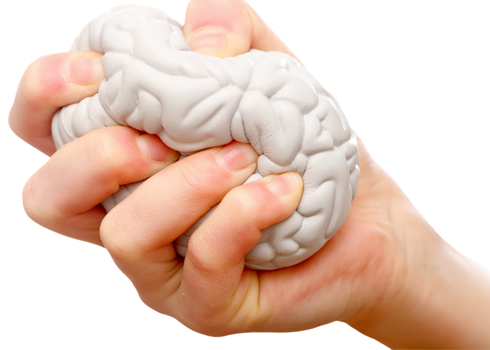
A person is squeezing a stress ball. The stress ball looks like and is in the shape of a brain.
  • Eat wild salmon, grass-fed beef and krill oil, and avoid refined vegetable oils

  • Drink black, green and chamomile tea, or supplement with theanine

  • Eat dark chocolate :-)

  • Get enough antioxidants, including vitamin C, vitamin E, glutathione and CoQ10

  • Eat turmeric and/or supplement with curcumin

  • Add extra virgin olive oil to meals

  • Relax with meditation, the Muse headband, yoga, massage, tapping, deep breathing, and the EmWave2

  • Listen to music and dance

  • Sleep deeper

  • Watch comedy and laugh

  • Socialize

  • Play with animals

  • Chew aspartame-free gum

  • Stand tall with powerful body language

  • Limit alcohol and caffeine

  • Eat prebiotic foods, including resistant starch

  • Eat enough food and protein

  • Drink enough filtered-water

  • Exercise, but not too much

  • Supplement with phosphatidylserine, ashwagandha, rhodiola and/or minerals

I remember when I first discovered all of these tools and strategies, it gave me so much hope that I could get better and overcome my depression and anxiety.

And I thankfully I did.

And you can too. 

Let me know what you think in the comments. Have you ever had high cortisol? Do you have any other tips that have helped you reduce cortisol?
 
Click here to subscribe

Live Optimally,

Jordan Fallis

Connect with me

References:

(1) http://www.ncbi.nlm.nih.gov/pubmed/12909818

(2) http://www.ncbi.nlm.nih.gov/pubmed/17013636

(3) http://www.ncbi.nlm.nih.gov/pubmed/23208960

(4) http://ajcn.nutrition.org/content/71/1/179S.long

(5) http://www.ncbi.nlm.nih.gov/pmc/articles/PMC3618203/

(6) http://www.ncbi.nlm.nih.gov/pmc/articles/PMC533861/

(7) http://www.ncbi.nlm.nih.gov/pubmed/12777162

(8) http://www.ncbi.nlm.nih.gov/pubmed/14579682

(9) http://www.ncbi.nlm.nih.gov/pubmed/12442909

(10) http://www.ncbi.nlm.nih.gov/pubmed/20932294

(11) http://www.ncbi.nlm.nih.gov/pmc/articles/PMC3081099/

(12) http://www.ncbi.nlm.nih.gov/pmc/articles/PMC3560823/

(13) http://www.ncbi.nlm.nih.gov/pubmed/26797633

(14) http://www.ncbi.nlm.nih.gov/pmc/articles/PMC2995283/

(15) http://www.ncbi.nlm.nih.gov/pmc/articles/PMC2995283/

(16) http://pubs.acs.org/doi/abs/10.1021/pr900607v?prevSearch=kochhar&searchHistoryKey

(17) https://www.ncbi.nlm.nih.gov/pmc/articles/PMC4350893/

(18) https://www.ncbi.nlm.nih.gov/pubmed/24404164/

(19) http://journals.plos.org/plosone/article?id=10.1371/journal.pone.0020795

(20) http://link.springer.com/article/10.2165/11594400-000000000-00000

(21) http://www.ncbi.nlm.nih.gov/pmc/articles/PMC3761741/

(22) http://www.sciencedirect.com/science/article/pii/S0300483X03001513

(23) http://www.sciencedirect.com/science/article/pii/S0955286306002348

(24)http://www.researchgate.net/publication/227685141_Anthocyanin_Pigments_Comparison_of_Extract_Stability

(25) http://www.ncbi.nlm.nih.gov/pubmed/16042916

(26) http://www.ncbi.nlm.nih.gov/pubmed/21069377

(27) http://www.ncbi.nlm.nih.gov/pubmed/18427418

(28) http://www.ncbi.nlm.nih.gov/pmc/articles/PMC201008/

(29) http://www.ncbi.nlm.nih.gov/pubmed/12208645

(30) http://www.ncbi.nlm.nih.gov/pubmed/21036190

(31) http://www.ncbi.nlm.nih.gov/pmc/articles/PMC3560823/

(32) http://www.ncbi.nlm.nih.gov/pubmed/21839761

(33) http://www.ncbi.nlm.nih.gov/pmc/articles/PMC2853174/

(34) http://www.ncbi.nlm.nih.gov/pubmed/20920780

(35) http://www.ncbi.nlm.nih.gov/pubmed/19540859

(36) http://www.cjpt.ac.cn/EN/abstract/abstract1590.shtml

(37) http://www.ergo-log.com/oleuropein-boosts-testosterone-lowers-cortisol-stimulates-anabolism.html

(38) http://www.ergo-log.com/meditationhormones.html

(39) http://www.ncbi.nlm.nih.gov/pubmed/23724462

(40) http://www.ncbi.nlm.nih.gov/pubmed/1801007

(41) http://www.ncbi.nlm.nih.gov/pubmed/22377965

(42) http://archinte.jamanetwork.com/article.aspx?articleid=1809754

(43) http://www.sciencedirect.com/science/article/pii/030105119505118T

(44) http://www.ncbi.nlm.nih.gov/pubmed/24049209

(45) http://www.ncbi.nlm.nih.gov/pubmed/8707483

(46) http://www.ncbi.nlm.nih.gov/pubmed/16162447

(47) http://www.ncbi.nlm.nih.gov/pubmed/22986277

(48) http://www.ncbi.nlm.nih.gov/pubmed/20617660

(49) http://www.ncbi.nl m.nih.gov/pmc/articles/PMC3573542/

(50) https://www.ncbi.nlm.nih.gov/pubmed/15086180

(51) http://www.medicalnewstoday.com/articles/258383.php

(52) http://www.ncbi.nlm.nih.gov/pmc/articles/PMC3110826/

(53) http://www.ncbi.nlm.nih.gov/pmc/articles/PMC3734071/

(54) http://medind.nic.in/jau/t10/i2/jaut10i2p70.pdf

(55) http://citeseerx.ist.psu.edu/viewdoc/download?doi=10.1.1.403.4566&rep=rep1&type=pdf

(56) http://press.endocrine.org/doi/abs/10.1210/jcem-33-1-14

(57) http://www.ncbi.nlm.nih.gov/pubmed/9415946

(58) http://journals.plos.org/plosone/article?id=10.1371/journal.pone.0041218

(59) https://www.hindawi.com/journals/ije/2010/759234/

(60) http://www.ncbi.nlm.nih.gov/pubmed/6822642

(61) http://www.ncbi.nlm.nih.gov/pubmed/10704520

(62) http://www.ncbi.nlm.nih.gov/pubmed/16940468

(63) http://www.ncbi.nlm.nih.gov/pubmed/15558991

(64) http://www.ncbi.nlm.nih.gov/pubmed/24682001

(65) http://www.ncbi.nlm.nih.gov/pubmed/2556917

(66) http://www.fasebj.org/cgi/content/meeting_abstract/22/1_MeetingAbstracts/946.11

(67) http://www.ncbi.nlm.nih.gov/pubmed/15473629

(68) http://www.ncbi.nlm.nih.gov/pubmed/15219651

(69) http://www.ncbi.nlm.nih.gov/pubmed/14675803

(70) https://www.psychologytoday.com/blog/the-athletes-way/201301/cortisol-why-the-stress-hormone-is-public-enemy-no-1

(71) http://www.ncbi.nlm.nih.gov/pmc/articles/PMC3408111/

(72) http://www.ncbi.nlm.nih.gov/pubmed/18221981

(73) http://www.sciencealert.com/having-a-dog-can-reduce-anxiety-and-stress-in-children-study-finds

(74) http://www.ncbi.nlm.nih.gov/pubmed/18458357

(75) https://www.ncbi.nlm.nih.gov/pmc/articles/PMC2249754/

(76) https://www.ncbi.nlm.nih.gov/pubmed/16631247

(77) http://www.ncbi.nlm.nih.gov/pubmed/19568835

(78) http://www.ncbi.nlm.nih.gov/pubmed/22626867

(79) http://www.sciencedirect.com/science/article/pii/S1000194810600044

(80) http://www.ncbi.nlm.nih.gov/pmc/articles/PMC3181968/

(81) http://www.ncbi.nlm.nih.gov/pubmed/17006802

(82) http://www.hindawi.com/journals/bmri/aa/876409

(83) http://www.people.hbs.edu/acuddy/in press, carney, cuddy, & yap, psych science.pdf

(84) http://www.ncbi.nlm.nih.gov/pubmed/20855902

(85) http://www.ncbi.nlm.nih.gov/pubmed/21199966

(86) http://www.ncbi.nlm.nih.gov/pmc/articles/PMC3686562/

(87) http://link.springer.com/article/10.1007/s00213-014-3810-0%20/fulltext.html

(88) https://www.ncbi.nlm.nih.gov/pmc/articles/PMC2257922/

(89) https://www.ncbi.nlm.nih.gov/pubmed/2195579

(90) https://www.ncbi.nlm.nih.gov/pmc/articles/PMC2266962/

(91) https://www.sciencedaily.com/releases/2010/09/100907163313.htm

(92) http://www.ncbi.nlm.nih.gov/pubmed/19765402

(93) https://www.ncbi.nlm.nih.gov/pubmed/12909818

(94) https://www.ncbi.nlm.nih.gov/pubmed/23390041

(95) https://www.ncbi.nlm.nih.gov/pubmed/23726389

(96) https://www.ncbi.nlm.nih.gov/pubmed/19554276

(97) https://www.ncbi.nlm.nih.gov/pmc/articles/PMC3560823/

(98) https://www.ncbi.nlm.nih.gov/pubmed/14737017

(99) http://www.sciencedirect.com/science/article/pii/S0304394003003008

(100) https://www.ncbi.nlm.nih.gov/pubmed/23789222

(101) https://www.ncbi.nlm.nih.gov/pubmed/23788517

(102) https://www.ncbi.nlm.nih.gov/pubmed/25141817

(103) https://www.ncbi.nlm.nih.gov/pubmed/19323371

(104) https://www.ncbi.nlm.nih.gov/pubmed/14737017

(105) https://www.ncbi.nlm.nih.gov/pubmed/11526469

(106) https://www.ncbi.nlm.nih.gov/pubmed/19865069/

(107) https://www.ncbi.nlm.nih.gov/pubmed/9142558

(108) https://www.ncbi.nlm.nih.gov/pubmed/3080766

(109) https://www.ncbi.nlm.nih.gov/pubmed/19211813

(110) http://www.ncbi.nlm.nih.gov/pubmed/21719534

(111) https://www.ncbi.nlm.nih.gov/pubmed/10190775

(112) http://www.health.harvard.edu/staying-healthy/exercising-to-relax

(113) https://www.ncbi.nlm.nih.gov/pubmed/3817754

(114) http://www.ncbi.nlm.nih.gov/pubmed/22017963

(115) http://www.ncbi.nlm.nih.gov/pubmed/21103034

(116) http://www.ncbi.nlm.nih.gov/pubmed/20523044

(117) https://www.ncbi.nlm.nih.gov/pubmed/1325348

(118) https://www.ncbi.nlm.nih.gov/pmc/articles/PMC2503954/

(119) https://www.ncbi.nlm.nih.gov/pubmed/15512856

(120) https://www.ncbi.nlm.nih.gov/pubmed/18662395

(121) http://www.ncbi.nlm.nih.gov/pubmed/23439798

(122) http://citeseerx.ist.psu.edu/viewdoc/summary?doi=10.1.1.324.8921

(123) http://www.ncbi.nlm.nih.gov/pubmed/19789214

(124) http://www.ncbi.nlm.nih.gov/pubmed/19170145

(125) https://www.ncbi.nlm.nih.gov/m/pubmed/25101546

(126) http://www.ncbi.nlm.nih.gov/pubmed/21036578

(127) http://link.springer.com/article/10.1007/BF02789143

(128) http://www.degruyter.com/view/j/cclm.1984.22.issue-11/cclm.1984.22.11.717/cclm.1984.22.11.717.xml

(129) http://www.ncbi.nlm.nih.gov/pubmed/6527092

(130) http://www.ncbi.nlm.nih.gov/pubmed/21835188

(131) http://www.ncbi.nlm.nih.gov/pubmed/6527092

(132) http://www.ncbi.nlm.nih.gov/pubmed/19931332

(133) http://www.ncbi.nlm.nih.gov/pubmed/1702662

(134) http://www.sciencedirect.com/science/article/pii/S0925443911000329

(135) http://news.berkeley.edu/2014/02/11/chronic-stress-predisposes-brain-to-mental-illness/

(136) http://dujs.dartmouth.edu/fall-2010/the-physiology-of-stress-cortisol-and-the-hypothalamic-pituitary-adrenal-axis#.VN9JHFXF8a4

(137) http://www.ncbi.nlm.nih.gov/pmc/articles/PMC3312696/

(138) http://www.ncbi.nlm.nih.gov/pmc/articles/PMC3186928/

(139) http://news.berkeley.edu/2014/02/11/chronic-stress-predisposes-brain-to-mental-illness/

(140) http://www.nature.com/mp/journal/vaop/ncurrent/full/mp2013190a.html%20

(141) https://www.ncbi.nlm.nih.gov/pubmed/23946275

(142) http://www.ncbi.nlm.nih.gov/pubmed/12537036

(143) https://www.ncbi.nlm.nih.gov/pubmed/22564216

(144) http://dujs.dartmouth.edu/fall-2010/the-physiology-of-stress-cortisol-and-the-hypothalamic-pituitary-adrenal-axis#.VN9JHFXF8a4

(145) https://www.ncbi.nlm.nih.gov/pubmed/10890824

(146) https://www.ncbi.nlm.nih.gov/pmc/articles/PMC4576517/

(147) https://www.ncbi.nlm.nih.gov/pubmed/17028025

(148) https://www.ncbi.nlm.nih.gov/pubmed/17028025

(149) https://en.wikipedia.org/wiki/Hypothalamic%E2%80%93pituitary%E2%80%93adrenal_axis

(150) https://www.eurekalert.org/pub_releases/2012-09/dc-wmo092412.php

Terms and Conditions

Privacy Policy

Affiliate Disclosure

Disclaimer

The Best Amino Acid for Depression, Anxiety and Pain

An illustration of a woman worrying and ruminating.

Today I want to talk to you about one of the best amino acids that has really helped me manage feelings of depression, anxiety and trauma.

I write about many different helpful nutrients and supplements, and I know it can be overwhelming. 

So I want to dedicate this post to one amino acid, because I feel like it’s helped me more than any other.

As soon as I realize I'm running low and have just a few capsules left, I order it immediately because it gives me so many benefits.

Even though I can live without it, I’d rather not.

A man sitting on the edge of a cliff, depressed and worrying. Clouds are above him and raining down on him.

Taking it every so often helps my mood and significantly improves the quality of my life. 

A subtle sense of “impending doom” starts to creep in when I’ve gone too long without it. 

If you struggle with chronic anxiety and depression, you probably know what I’m talking about.

This feeling used to be a lot worse for me. 

It felt like a dark cloud was following me around all day, and I just couldn’t shake it.

It’s now gone.

And thankfully, I know exactly how to keep it away.

But life can be tough at times, and things happen.

And that’s why I’m glad I have access to DL-Phenylalanine (DLPA) whenever I need it.

It helps me get through stressful times.

It can get me out of a deep hole like nothing else.

And if you struggle with feelings of trauma, anxiety and depression on a regular basis, it may help you too. 


What is DL-Phenylalanine (DLPA) and How Does It Work?

I first learned about phenylalanine in the book The Mood Cure by Julia Ross. 

It’s an essential amino acid that plays a key role in the proper functioning of your nervous system.

If you're deficient in phenylalanine, you can have the following symptoms:

  • Fatigue

  • Confusion

  • Memory problems

  • Decreased alertness

  • Loss of appetite

DL-Phenylalanine, or DLPA for short, is a combination of two different forms of phenylalanine – D-Phenylalanine and L- Phenylalanine.

The cover of the book “The Mood Cure”.

The D and L forms of phenylalanine have different beneficial effects on your body and brain. 

L-Phenylalanine is used as a building block by your body to create a number of important proteins, hormones and neurotransmitters

This includes dopamine, norepinephrine and thyroid hormone – all of which are necessary for optimal brain and mental function.

Dopamine in particular is very important as it’s the main neurotransmitter that supports your attention and motivation, and plays a key role in the “reward system” of your brain.

D-Phenylalanine, on the other hand, inhibits the breakdown of endorphins.

Endorphins are pain-relieving compounds that originate within your body. 

Your brain produces and releases these natural painkillers during times of strenuous exercise, emotional stress and pain. 

But D-Phenylalanine has been shown to slow the action of enzymes that destroy these morphine-like substances. By doing this, it can prolong the activity of your endorphins within your nervous system, allowing you feel better for longer (1-6). 


How It Can Help You

Together, D and L-Phenylalanine can support your brain and mental health by increasing both dopamine and endorphins levels.

My research and personal experience suggest it can help treat a number of different conditions, including:

Personally, it helped me the most with depression and anxiety, and there are several studies that show it can improve your mood.

In one study, 20 depressed patients took 200 mg of DLPA everyday. At the end of the 3-week study, 12 patients no longer had depression, and 4 patients experienced mild to moderate improvements in their mood (8). 

This makes sense considering that researchers have found that people struggling with depression often have low levels of phenylalanine, and supplementation significantly elevates their mood (9). 

In fact, one study found that DLPA is just as effective as standard antidepressants (but without side effects), and another found that people who don’t respond to common antidepressants often get significantly better when they take DLPA (10, 11). 

And even if you take medication, research shows that combining DLPA with antidepressants leads to greater increases in mood than simply taking an antidepressant alone (12).

Yet unlike antidepressants, you can feel the effects of DLPA quickly (within a few hours) and in some cases, it can “terminate depression within 2 to 3 days” (13).

Click here to subscribe

My Experience

By building up your natural endorphin production, DLPA doesn’t just help reduce physical pain – but mental pain as well.

When I first started taking DLPA, it was such a relief. I was so glad I had found it. 

I notice it makes me:

  • More comfortable, happy and satisfied with my life;

  • More relaxed and calmer every time I take it;

  • Less moody and irritable;

  • Less likely to take things so seriously; and

  • Less reactive to negative events and situations.

Overall, it lifts my mood and reduces emotional sensitivity. Life becomes less intense. I’m not as sensitive to the world around me. I would definitely recommend it to others who also have “sensory processing sensitivity”. 

And eventually, DLPA helped me successfully wean off multiple psychiatric medications. Along with some other supplements, it played a critical role in making the withdrawal process as smooth as possible. 

I used to take 500 mg every day. Currently, I only need 500 mg once or twice each week, mainly because neurofeedback and EMDR have helped me so much.


Other Success Stories

I understand that you might be thinking that perhaps DLPA won’t help you like it helped me.

And I can't guarantee that it will. 

But I did some digging and found a number of other people online who say that DLPA has also helped them manage or overcome their mental health issues. 

I’ve gathered their comments below and bolded anything that I can personally relate to or I have experienced while taking it:

  • “Suffering from severe post-traumatic stress, I've tried any number of natural products as the chemical cocktails handed out by conventional medicine are simply not acceptable to me. After my first dose of 1000mg DLPA, my depression lifted and trauma reactions (flashbacks and hyperviligence) significantly reduced. I've been taking this for a couple months now and there is definitely a light at the end of the tunnel. It has almost completely reversed my suicidal tendencies which were increasing regularly; they are now practically nonexistent. This product has truly saved my life.”

  • “My brain finally feels at rest and the anxiety has greatly decreased, and I can get on with my life. DLPA is my lifesaver. I will be taking this for as long as I need to.”

  • DLPA has been a huge help to me. I have type 1 bipolar and this has helped me more than anything I have ever tried. I will buy more and I also take more than 1. I take 2 to 3 a day and it calms my mind like nothing else ever has.”

  • “My husband is mildly bipolar. We've decided to try to treat him naturally and phenylalanine is one of the treatments. He only takes this on an "as needed" basis, which turns out to be at least two days per week. He has other regular supplements he takes daily. This is only for "extra support" on bad days. And it really works.”

  • DLPA is a key factor in improving my anxiety, depression and ADHD more than any of the several medications I have taken over the last 10 years.”

  • “I take DLPA first thing in the morning and it literally helps me get out of bed, get focused and get the day going with a positive attitude.”

  • “I honestly felt a difference right away. I was suddenly happy and smiling non-stop. I truly had a sparkle in my eye and I felt talkative and social. After a few hours the feeling wore off but I still felt an inner sense of content. It has helped with feelings of anxiety as well which is a plus.”

  • “Wow, what a difference! I have been so relieved from all those false moods that I can honestly say I am happy, alive and free.”

  • “I use this daily for the treatment of mild depression. I do notice a difference while on it. I went off of it briefly and felt as if someone had let some air out of my balloon, just kind of deflated.”

  • “I have suffered with extreme depression and anxiety since I was 13 (I’m now 42). I have gone through many different prescription/herbal/clinical therapies, and this product has been life-changing in a very short time. This has given me energy and focus I never had, a zest for life, an ability to handle stresses. I tell my husband (who keeps mentioning what a huge difference he has noticed) that this must be how "normal" people live.”

It absolutely blows my mind that more people aren’t aware of DLPA’s incredible and diverse benefits.

Clearly, it should be a first-line treatment for depression and anxiety. 

Yet I was never told about it, and it took me years to finally discover it.

Click here to subscribe

Where to Get It and How to Take It

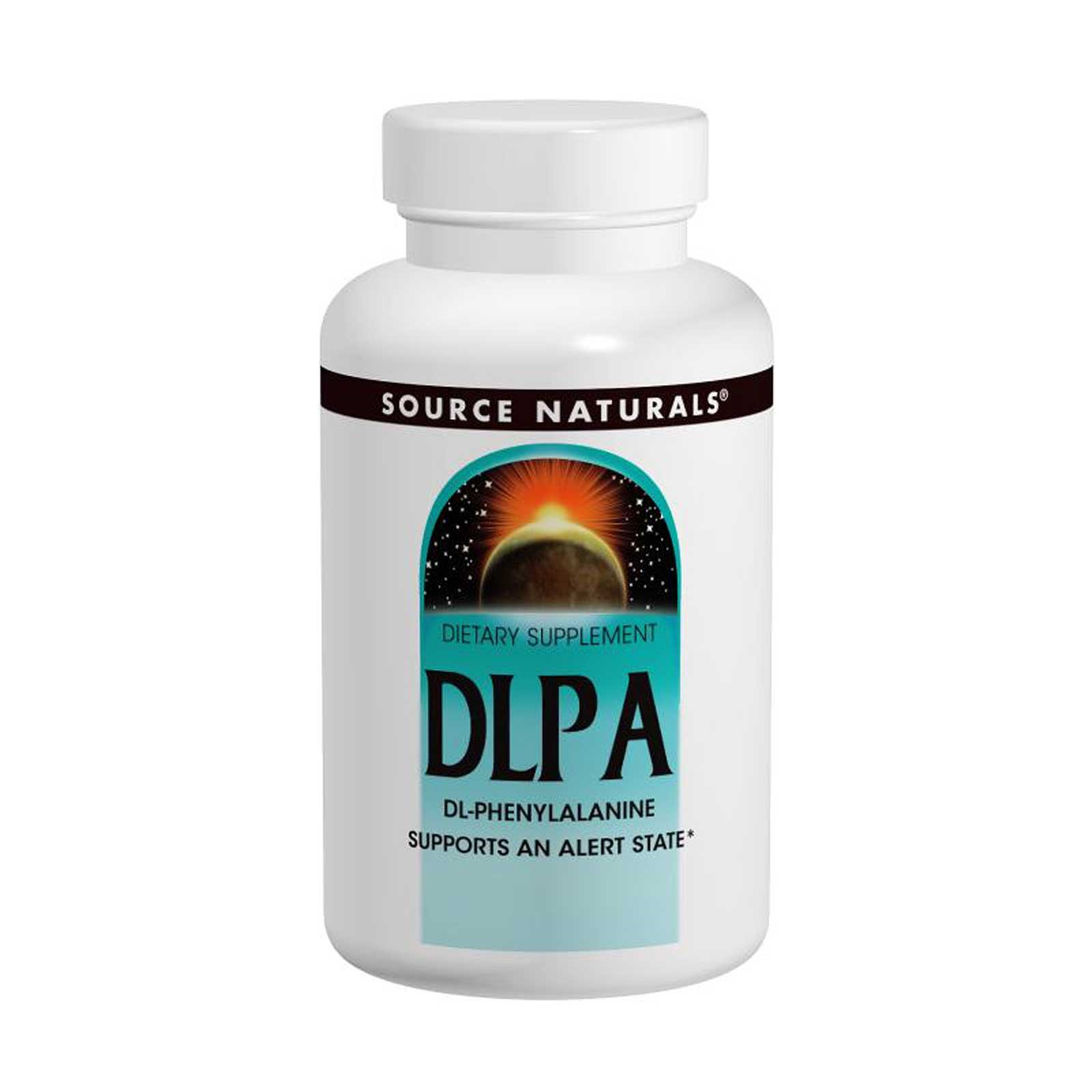
I currently take this DL-Phenylalanine

I've also taken this one at one point.

I've also taken this DLPA and it works. It's currently less expensive than others through Amazon.

I've also taken this DLPA and it works. It's currently less expensive than others.

Both work very well in my experience.

There are a number of other brands with good reviews, but I personally can’t vouch for them.

Make sure you get a combination of both D and L-Phenylalanine. I tried L-Phenylalanine alone once and it didn’t help me as much. 

In theory, it’s also a good idea to take it alongside Vitamin B6 and Vitamin C because they help with the conversion of phenylalanine to dopamine.

You should start with 500-750 mg each day and monitor how you feel. You will have to experiment and figure out your ideal DLPA dosage. The DLPA dosage for depression, pain or anxiety can vary. You may even need up to 1,500 mg daily.

But the benefits seem to increase over the time. The more you take it, the more you can feel it’s effects. 

Also, make sure you take it on an empty stomach. Do not take it with high-protein foods. Other amino acids (such as tryptophan) can compete with phenylalanine, and reduce its absorption and transportation across the blood-brain barrier.

Lastly, this anti-anxiety supplement includes several other natural compounds and amino acids that have helped me manage my anxiety over the years. It can also help reduce stress and anxiety, along with DL-Phenylalanine


Conclusion

Antidepressants and benzodiazepines are not your only options for depression and anxiety. 

There are many other safe and effective treatment options. 

A person’s hand and it says “I am stronger than depression.”

DL-Phenylalanine is one of these other options.

I can’t promise it will work for everyone, but since it’s easily accessible through iHerb, it’s worth a try if you suffer from depression and anxiety. Experiment with it and listen to how you feel. 

And like I have, I encourage you to use as many tools as you can to help yourself, including nutrition, supplements, exercise, neurofeedback, light therapy, etc. The list goes on and on. 

None of them have to work completely.

But all together, they can make a huge difference and change the course of your life like they have mine.

 
Click here to subscribe

Live Optimally,

Jordan Fallis

Connect with me

25 Powerful Ways to Boost the Mitochondria in Your Brain

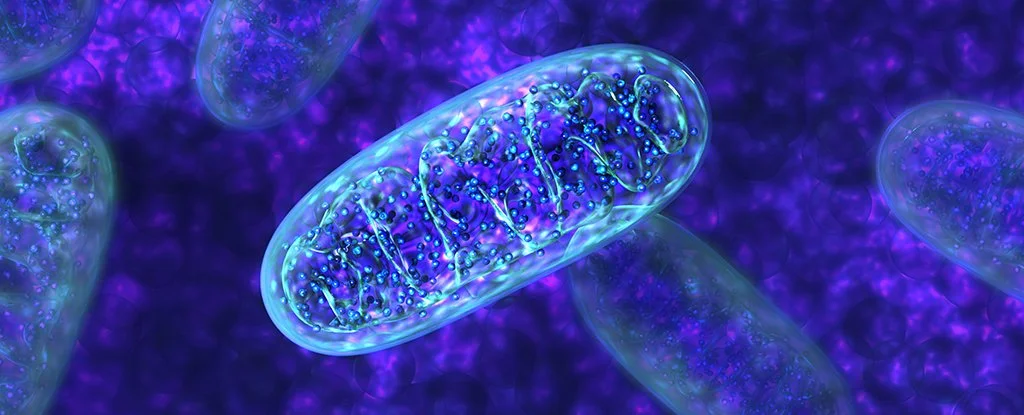
Picture of several mitochondria.

It’s becoming increasingly clear that chronic mitochondria dysfunction is one of the main underlying factors that contributes to poor brain function and mental illness. 

Mitochondria are unique structures within every cell of your body. You have trillions and trillions of them, making up approximately 10% of your total body weight.

Mitochondria are considered the “powerhouses of the cell,” generating most of the energy in your body by converting nutrition into adenosine-5’- triphosphate (ATP). ATP is your body’s main source of cellular fuel. You are constantly using it, and your brain needs enough of it to work properly (106-107). 

Your mitochondria are critically important and need to be supported to overcome depression and anxiety, and reach optimal brain and mental health.

Mitochondria are especially abundant in your brain cells and involved in many important biological processes in the brain, including the regulation of free radicals and neurotransmitters.

In fact, monoamine oxidase (MAO), the enzyme responsible for the metabolism of monoamine neurotransmitters, is localized within the outer mitochondrial membrane (91-93). 

So not surprisingly, numerous studies show that there is a correlation between impaired mitochondrial function in the brain and many psychiatric and neurodegenerative diseases, including:

In fact, some researchers are convinced that mitochondrial dysfunction is involved in almost every chronic disease (108-110). 

Mitochondria dysfunction decreases ATP energy production and increases oxidative stress, which are commonly found in the brains of people suffering from brain and mental health disorders.

Cognitive symptoms of mitochondrial dysfunction can also include impairments in attention, executive function and memory (105).

Unfortunately, a number of psychiatric drugs damage the mitochondria and worsen the dysfunction.

But luckily, there are ways to halt and reverse mitochondrial decay.

Below are a number of strategies I’ve used over the years to support my mitochondria.

Supplements and lifestyle changes can improve mitochondrial health by increasing the availability of proteins needed for ATP production.

They also act as antioxidants, assisting the mitochondria in reducing oxidative stress.

Some of the following lifestyle changes and supplements can also increase the number of mitochondria present within the cell.

And you can start using them today to regain optimal brain and mental health.


1. Eat Nutrient-Dense, Whole Foods

Dr. Terry Wahls standing in front of her wheelchair.

Eating lots of fresh, nutrient-dense whole foods is an impactful action you can take to power your mitochondria. 

In order to thrive, your mitochondria need phytonutrients, antioxidants, healthy fats and proteins.

Dr. Terry Wahls, MD, clinical professor of medicine at the University of Iowa, is a leading expert on the relationship between nutrition and mitochondrial health.

She was diagnosed with multiple sclerosis (MS) more than a decade ago but reversed the neurodegenerative brain disease by repairing her mitochondria with an intensive nutritional strategy.

She outlines how she recovered her health in her book The Wahls Protocol

Research on her protocol shows that patients witness a “significant improvement in fatigue” (67). 

She recommends eating six to nine cups of vegetables and fruits every day, including green veggies (kale, spinach), brightly colored vegetables (beets, carrots, peppers), and sulfur-rich veggies (broccoli, cauliflower).

My Free Grocery Shopping Guide for Optimal Brain Health contains a bunch of foods that you should be eating on a regular basis for optimal mitochondrial health. 

Dr. Wahls also has a fascinating TED talk that you can watch if you're interested in learning more. 


2. Limit Certain Foods and Ingredients

Pizza, burgers and fries. Fast, processed food impairs mitochondria health.

Eating poor-quality foods can also wear down your mitochondria. 

Your mitochondria were not designed to deal with our current food environment and lifestyle habits. 

That’s why you should limit refined sugars, processed flours, industrial oils and trans fats. They can damage your mitochondria and prevent them from properly producing energy.

Dr. Wahls also recommends you avoid all gluten, dairy and soy products for optimal mitochondrial health.

I used to strictly avoid all of these foods and I felt better when I did, but no longer need to since restoring my health.


3. Eat More Essential Fats

Healthy fats, including omega-3 fatty acids, help build and strengthen the membranes of your mitochondria. They’ve also been shown to improve mitochondrial function in the brain (5-7). 

That’s why Dr. Wahls recommends eating organic grass-fed beef or wild-caught fish, such as salmon, every day.

Avocados, nuts, seeds, coconut and olive oil are also rich in healthy fats. 

Supplementing with krill oil is another excellent option.


4. Exercise

Not surprisingly, exercise strengthens your mitochondria by increasing oxygen and blood flow and activating biochemical pathways that produce new mitochondria (8). 

Runners have more high-functioning mitochondria than non-runners, and strength training and high-intensity interval training also increase the number of mitochondria and improve the efficiency of your existing mitochondria (9, 10).

Exercise can also increase brain-derived neurotrophic factor (BDNF).


5. Low-Level Laser Therapy (LLLT)

Low-level laser therapy (LLLT) is a treatment that uses low-level (low-power) lasers or light-emitting diodes (LEDs) to stimulate brain cells, helping them heal and function better. 

There is strong evidence to suggest that LLLT supports the mitochondria. 

Research shows that LLLT reduces oxidative stress and increases the production of ATP energy in mitochondria (39, 40). 

These mitochondrial benefits have also been seen directly within the brain.

Studies show that LLLT increases mitochondrial activity within brain cells, and this leads to beneficial effects in behaviour (41). 

LLLT treatment has also been shown to increase the number of mitochondria, and mitochondrial oxygen usage, within the brain (42, 43).

I have used these two LLLT devices myself at home to support my mitochondria and boost my brain function:

  • Optimal 1000 Brain Photobiomodulation Therapy Light (Combo Red/NIR) - This is a powerful device that shines 660 nm of red light and 850 nm of infrared light. You can shine it on your forehead for 5 minutes every day. You can also shine it on other parts of your head and on your entire body, including your thyroid, thymus gland and gut.

  • Vielight Neuro Duo – This is a transcranial-intranasal headset with 810 nm of near infrared light. It penetrates deeper into brain tissue and is absorbed better by the central nervous system. If you decide to get this one, you can use the coupon code JORDANFALLIS for a 10% discount. Some research has shown a 20-fold higher efficiency of light delivery to the deep brain through the nose instead of transcranial application (125).

You can learn more about LLLT in this post

You should also limit your exposure to artificial blue light, as excessive blue light exposure can also wear down your mitochondria. You can learn more about the risks of too much blue light in this post

Click here to subscribe

6. Resveratrol

Resveratrol is a beneficial antioxidant compound found in grapes and red wine. 

Not only does it increase BDNF levels, but it also activates the SIRT1 gene. This gene triggers a number of positive biochemical reactions that protect and improve the functioning of your mitochondria. Caloric restriction and intermittent fasting also trigger the SIRT1 gene (11-13).

In 2006, Harvard researchers found that resveratrol increases lifespan by protecting the mitochondria (14).

Resveratrol is included in the Optimal Energy supplement.


7. Caloric Restriction and Intermittent Fasting

Restricting your calories is one the best actions you can take to improve mitochondrial function.

Studies show that eating less food reduces the demand and damage on your mitochondria. 

But reducing calories is tough to do and absolutely no fun. 

So you can do intermittent fasting instead. 

Fasting activates your mitochondria and triggers autophagy, which is an intracellular process that essentially allows your mitochondria to clean themselves by removing unwanted and damaged debris, proteins and reactive oxygen species (1, 2, 4).

This process has been shown to reduce the risk of cancer, Parkinson’s disease and Alzheimer’s disease (3). 


8. Nicotinamide Adenine Dinucleotide (NADH)

NADH is a naturally-occurring compound found in the cells of all living organisms.

It plays a key role in the production of energy within the cell and is highly concentrated within your mitochondria (45). 

Depletion of NADH has been linked to a number of diseases, including depression, chronic fatigue syndrome, Alzheimer’s and Parkinson’s.

But stabilized oral NADH has been shown to improve all of these conditions (46, 47, 48). 

Although I don’t take it anymore, I’ve witnessed a beneficial effect from supplementing with NADH.

LLLT is also known to increase NADH in your mitochondria. 

Check out this article for other ways to increase NAD.


9. Ketogenic Dieting

A ketogenic diet is a very low-carb diet. 

When you restrict carbohydrate-rich foods, your body enters ketosis.

Ketosis is a metabolic state in which your body and brain run on fatty acids and “ketones” instead of glucose (36).

Ketones are an alternative source of energy for your brain cells and they support your mitochondria. 

When your mitochondria are dysfunctional, following a ketogenic diet can be an effective strategy to fuel the mitochondria. 

When mitochondria are fueled by ketones instead of glucose, their ability to produce ATP is enhanced and free-radical byproducts are reduced.
— Dr. Jong Rho, MD, Professor of Pediatrics and Clinical Neurology at the Alberta Children’s Hospital

Ketogenic diets may help treat many different brain and mental health diseases including Alzheimer’s, Parkinson’s, epilepsy and autism. 

Exogenous ketones can also help you get into ketosis and experience the mitochondrial-boosting effects of ketones very quickly.


10. B Vitamins

B vitamins play an essential role in maintaining mitochondrial function.

In fact, your mitochondria will be compromised if you have a deficiency of any B vitamin (37). 

Deficiency is more likely if you take certain medications

Vitamin B1, B2, B3, B5, B6 and B12 are all included in the Optimal Energy supplement for this reason.

Click here to subscribe

11. Ribose

Ribose is a five carbon sugar created naturally by your body.

Even though it’s a sugar, research suggests it does not raise blood sugar levels.

Instead, your body stores it in the mitochondria (49, 50). 

Ribose is used by the mitochondria to produce ATP and if you don’t have enough, you’ll experience low energy (51). 

Chronic stress can deplete ribose, and certain conditions have been linked to chronic ribose deficiency, including depression and chronic fatigue syndrome.

People can supplement with ribose if they struggle with these disorders because it can help reduce mental and physical lethargy (52, 53).

Ribose is also included in Optimal Energy.


12. Coenzyme Q10 (CoQ10)

Coenzyme Q10 (CoQ10) is an antioxidant molecule found in every cell of your body.

It’s particularly concentrated in the mitochondria, playing a key role in the production of energy.

It also protects the mitochondria from oxidative damage. 

Without CoQ10, your body cannot synthesize ATP because CoQ10 is an essential component of the mitochondrial electron transport chain.

Many doctors are unaware that CoQ10 is an excellent treatment for many brain health issues, including depression, chronic fatigue syndrome, and Alzheimer’s disease

Low levels of CoQ10 can cause brain fog, mental fatigue, difficulty concentrating, memory lapses, depression and irritability (68-70). 

Researchers have found that CoQ10 levels are significantly lower in the depressed patients (71). 

Unfortunately, chronic oxidative stress and medications can further deplete CoQ10

But supplementing with CoQ10 can increase your mitochondrial energy production and reduce symptoms of depression and chronic fatigue (71). 

Food sources with high natural concentrations of CoQ10 include organic red palm oil and grass-fed beef heart (72, 73). 

But supplementing with it will give you a more significant mitochondrial boost.


13. Pyrroloquinoline quinone (PQQ)

Pyrroloquinoline quinone (PQQ) is a vitamin-like enzyme and potent antioxidant found in plant foods.

It has a wide range of brain health and mitochondrial benefits.

It’s been shown to preserve and enhance memory, attention, and cognition by protecting the mitochondria from oxidative damage.

It also promotes the growth of new mitochondria in the brain (56-59). 

Since it helps grow new mitochondria, it may help you if you suffer from depression, since fewer mitochondria have been found in people with depression (63). 

Reactive nitrogen species (RNS) and reactive oxygen species (ROS) cause severe stress on brain cells and mitochondria.

PQQ has also been shown to suppress RNS and ROS (60-62). 

Researchers have also found that supplemental PQQ can be neuroprotective by increasing mitochondrial activity levels (64-66). 

I personally never really noticed much of anything from PQQ. So I don’t take it anymore and didn’t include it in Optimal Energy.


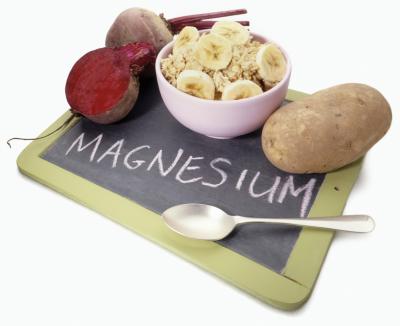
14. Magnesium

Magnesium is a vital mineral within your body.

Mitochondria are considered magnesium “storage units” because they hold onto a lot of your body’s magnesium. 

Magnesium also protects the mitochondria and plays a role in the production and transfer of ATP within the mitochondria.

And research shows that if you have a deficiency in magnesium, your brain cells will have fewer mitochondria, and they will be less healthy (54, 55). 

This is just another reason to supplement with magnesium every day.

 
Scientific representation of brain and brain blood flow.

Carnitine is an amino acid that improves mitochondrial activity and plays an important role in energy production.

It’s known to transport fatty acids directly into the mitochondria of your brain cells. 

It’s also required to produce ATP and deficiencies are associated with reduced mitochondrial function in the brain (74). 

Supplementing with carnitine makes it easier for fatty acids to cross your blood-brain barrier and nourish the mitochondria within your brain. This can improve your mood, memory and energy levels.

Several studies show that carnitine eases depressive symptoms and improves quality of life in patients with chronic depression (75-78). 

And individuals with autism often have reduced levels of carnitine within their brain (79). 

Carnitine is synergistic with Alpha Lipoic Acid (ALA), meaning that when you take them together, they are more effective at supporting the mitochondria in your brain.

ALA is a mitochondrial enzyme and antioxidant. It is fat soluble and can easily cross your blood-brain barrier.

It’s been shown to improve cognition by reducing oxidative stress in the brain.

It also protects existing mitochondria and creates new mitochondria in the brain (80, 101).

Both ALA and carnitine are included together in Optimal Energy.

Click here to subscribe

16. Thiamine

Thiamine, also known as Vitamin B1, is an essential water-soluble nutrient that cannot be made by the body.

It’s used in nearly every cell in the body and it’s especially important for supporting energy levels and mitochondrial functioning in the brain.

It’s also required by nerve cells and other supporting cells in the nervous system.

Research shows that thiamine deficiency induces oxidative stress, resulting in mitochondrial abnormalities in the brain (21-22).

Healthy food sources of thiamine include green peas, beef liver, asparagus, pecans, spinach, sunflower seeds, macadamia nuts, oranges, cantaloupe and eggs. 

These foods are included in my Free Grocery Shopping Guide for Optimal Mental Health.

Thiamine is also included in Optimal Energy.


17. Creatine

Creatine is a molecule produced in the body and found in foods, particularly meat, eggs, and fish.  

Creatine is also available as a supplement.

Athletes, bodybuilders, wrestlers, sprinters often take extra creatine to gain more muscle mass.

It’s an incredibly well-researched supplement and safe to take regularly. 

Supplementing with creatine can also support the brain.

It's been shown to have neuroprotective effects. It rapidly produces energy to support brain cell function.

Researchers have also found that creatine supplementation improves function of mitochondria in the brain (25).


18. Curcumin

Curcumin is the most heavily researched compound within turmeric, the spice that gives curry its yellow colour.

Curcumin protects mitochondria and prevents mitochondrial dysfunction in the brain (111-113).

Curcumin can be found in both Optimal Energy and Optimal Antiox.


19. Malic Acid

Malic acid, also known as malate, is an intermediate of the Krebs cycle.

It’s a key step in the pathway of energy production by the mitochondria.

And it has a number of health benefits because it improves mitochondrial function.

Malate supplementation has been shown to increase the availability of NAD+, which is necessary for producing ATP.

Malate also increases NADPH levels, which is a fundamental antioxidant in the body that promotes mitochondrial function (114).

That’s why I’ve included malic acid in the Optimal Energy supplement.


20. Niacinamide

Niacinamide, also known as nicotinamide, is a vitamin found in foods.

It’s also often taken as a supplement.

Niacinamide is the precursor to NAD+ and therefore supplementation can increase levels of this molecule and improve mitochondrial function.

Researchers have found that niacinamide prevents energy depletion in the brain (115).

It also improves the mitochondrial quality of brain cells by inducing autophagy and causing dysfunctional mitochondria to fragment (116).

Click here to subscribe

21. N-Acetyl-Cysteine

N-Acetyl-Cysteine (NAC) is a modified form of the amino acid cysteine.

It’s also the precursor to glutathione, your body’s master antioxidant.

Nowadays, we’re exposed to so many environmental toxins, which cause oxidative stress in the body and deplete our reserves of cysteine and glutathione.  

But supplementing with NAC can increase and normalize your cysteine and glutathione levels. 

This can combat and reduce oxidative stress in your brain, which can then help treat several mental illnesses.

NAC can also help support your mitochondria.

In one study, NAC treatment for 9 weeks reduced oxidative damage to the mitochondria (117).

And in multiple cell studies, NAC improved mitochondrial function by reducing oxidative stress (118-119).


22. Succinic acid

Succinic acid, also known as succinate, is an intermediate molecule of the Krebs cycle that plays a significant role in the electron transport chain.

It can be purchased as a supplement to boost energy production by the mitochondria.

Succinic acid has been shown to prevent structural and functional damage to the mitochondria caused by oxidative stress (120).

And in brain cells that have mitochondrial dysfunction, succinic acid supplementation improved mitochondrial functioning by increasing glucose and oxygen usage. This led to increased levels of ATP energy (121).

For this reason, succinic acid is in the Optimal Energy supplement.


23. EGCG

Epigallocatechin-3-Gallate (EGCG) is the main polyphenol found in green tea.

It’s been shown to have anti-inflammatory and neuroprotective effects.

EGCG accumulates within the mitochondria and activates a number of proteins related to mitochondrial function (122-124).

I personally drink organic green tea regularly, usually in place of coffee on days when I’m relaxing.

However, it’s important to keep in mind that the body isn't very good at absorbing EGCG and distributing it to the brain and other tissues.

That's why researchers often use large dosages of concentrated EGCG in their studies instead of green tea.

But unfortunately, large dosages of concentrated EGCG have been shown to cause liver toxicity.

So you could supplement with large dosages of concentrated EGCG and see some benefits.

But you'd be damaging your liver at the same time.

Not good.

So what should you do? How do you absorb EGCG and get the amazing benefits of it without damaging your liver?

You take it with Vitamin C.

Research shows that you can enhance the absorption and availability of EGCG by taking it with Vitamin C (9).

That's why the Optimal Antiox supplement includes a small and safe amount of EGCG, plus 500 mg of Vitamin C.

This significantly enhances the absorption of EGCG, and ensures you get all the brain and mental health benefits of EGCG (without the harm).


24. Citicoline

Citicoline (also known as CDP-Choline) is one of the most bioavailable forms of choline, an essential B vitamin.

You need to get choline from food, but most people do not get enough because very few foods in the Western diet contain high levels of it.

That’s why supplementation is often necessary for optimal brain health.

Citicoline is a supplemental form of choline that has anti-inflammatory and neuroprotective effects.

Research shows that citicoline slows down the aging of mitochondria in the brain (125).

It also significantly enhances mitochondrial energy production and increases ATP levels in the frontal lobe of the brain (125).

Citicoline significantly improves my focus and mental energy.

You can also find some choline in foods such as beef liver and egg yolks, but the effects of Citicoline are much more noticeable and immediate because it quickly passes the blood-brain barrier and supports your brain.  

Make sure you read this article to learn more about the remarkable benefits of Citicoline.


25. Ginkgo Biloba

Ginkgo Biloba is a plant that has been used in China for thousands of years to treat a number of health problems.

It’s one of the top-selling natural supplements in the world, and it’s even a prescription herb in Germany.

Ginkgo Biloba is most commonly used to improve brain health because it increases brain blood flow and improves memory, mood, mental energy, and attention in both healthy and unhealthy individuals.

It even reduces the risk of dementia and Alzheimer’s disease!

Researchers have discovered that one of the ways it supports brain function is by improving mitochondrial function and increasing the production of ATP in brain cells (126-127).

It even restores ATP levels after mitochondrial damage (128).

Ginkgo Biloba is included in the Optimal Brain supplement.


Conclusion

Picture of mitochondrion, the energy producer of brain cells.

Paying attention to your mitochondria is crucial for optimal brain and mental health.

Luckily there are a number of dietary and lifestyle habits that can protect and support mitochondrial function.

The following steps will ensure your body and brain have healthier and more abundant mitochondria: 

  • Take Optimal Energy. It’s an all-in-one mitochondrial supplement. It includes the 17 best natural compounds proven to boost mitochondrial functioning in the brain.

  • Eat nutrient-dense, whole foods, including plenty of fruits and vegetables. Download my free food guide for a shopping list of the best foods to eat.

  • Limit refined sugars, processed flours, industrial oils, trans fats, gluten and processed dairy.

  • Eat organic grass-fed beef and wild-caught fish, or supplement with krill oil.

  • Exercise

  • Try LLLT

  • Restrict calories and/or fast intermittently

  • Follow a cyclic ketogenic diet and/or take exogenous ketones

If you follow these strategies, there’s no doubt that you can improve your mitochondrial health and naturally restore your mood and energy levels.

Please share this post with one of your friends or family members who you think might benefit from protecting and supporting their mitochondria, because it really is an underappreciated and unknown aspect of optimal brain and mental health. 

 
Click here to subscribe

Live Optimally,

Jordan Fallis

Connect with me

References:

(1) http://nutritionandmetabolism.biomedcentral.com/articles/10.1186/1743-7075-10-63

(2) http://www.ncbi.nlm.nih.gov/pmc/articles/PMC3630798/

(3) http://www.ncbi.nlm.nih.gov/pmc/articles/PMC3630798/

(4) http://www.hindawi.com/journals/jar/2011/807108/

(5) http://www.ncbi.nlm.nih.gov/pubmed/24396061

(6) http://www.ncbi.nlm.nih.gov/pubmed/24972878

(7) https://lipidworld.biomedcentral.com/articles/10.1186/1476-511X-11-142

(8) http://www.nutritionandmetabolism.com/content/10/1/63

(9) https://www.masscfids.org/resource-library/13-basic-information/302-mitochondrial-dysfunction-post-exertional-malaise-and-cfsme

(10) http://www.ncbi.nlm.nih.gov/pmc/articles/PMC3883043/

(11) http://www.ncbi.nlm.nih.gov/pubmed/15749705

(12) http://www.ncbi.nlm.nih.gov/pmc/articles/PMC2492662/

(13) http://www.ncbi.nlm.nih.gov/pubmed/24449278

(14) http://www.cell.com/cell/abstract/S0092-8674(06)01428-0?_returnURL=http%3A%2F%2Flinkinghub.elsevier.com%2Fretrieve%2Fpii%2FS0092867406014280%3Fshowall%3Dtrue

(15) http://www.nrjournal.com/article/S0271-5317(03)00234-3/abstract

(16) http://www.ncbi.nlm.nih.gov/pubmed/20840838

(17) http://www.nature.com/tp/journal/v5/n1/full/tp2014131a.html

(18) http://www.scielo.br/scielo.php?script=sci_arttext&pid=S1516-44462011000400003

(19) http://www.ncbi.nlm.nih.gov/pubmed/22776356

(20) http://www.fasebj.org/content/19/12/1657.abstract

(21) http://www.ncbi.nlm.nih.gov/pubmed/6493495

(22) http://link.springer.com/article/10.1007/s13105-013-0242-y

(23) http://www.ncbi.nlm.nih.gov/pubmed/16102804

(24) http://www.healio.com/endocrinology/practice-management/news/online/%7B4b5c8b84-70c2-4928-a7b0-88f24f50d609%7D/vitamin-d-supplementation-enhanced-mitochondrial-function-lessened-fatigue

(25) http://www.ncbi.nlm.nih.gov/pubmed/12657421

(26) http://www.ncbi.nlm.nih.gov/pubmed/21423579

(27) http://www.ncbi.nlm.nih.gov/pmc/articles/PMC3100547/

(28) http://www.ncbi.nlm.nih.gov/pubmed/15183071

(29) http://www.fasebj.org/content/20/2/269.abstract

(30) https://biolres.biomedcentral.com/articles/10.1186/0717-6287-47-74

(31) http://www.ncbi.nlm.nih.gov/pubmed/26278015

(32) http://www.ncbi.nlm.nih.gov/pubmed/19211721

(33) http://www.ncbi.nlm.nih.gov/pmc/articles/PMC3670924/

(34) http://www.ncbi.nlm.nih.gov/pubmed/26365487

(35) http://www.ncbi.nlm.nih.gov/pubmed/21061051

(36) http://www.ncbi.nlm.nih.gov/pubmed/17332207

(37) http://www.ncbi.nlm.nih.gov/pubmed/16765926

(38) http://www.ncbi.nlm.nih.gov/pubmed/2476986/

(39) http://www.ncbi.nlm.nih.gov/pubmed/10365442/

(40) http://www.ncbi.nlm.nih.gov/pubmed/6479342/

(41) http://www.ncbi.nlm.nih.gov/pubmed/17693028/

(42) http://www.ncbi.nlm.nih.gov/pmc/articles/PMC3945284/?report=classic

(43) http://www.ncbi.nlm.nih.gov/pubmed/22850314

(44) http://www.ncbi.nlm.nih.gov/pubmed/23675984

(45) http://www.nadhenergy.eu/what-does-nadh-do.html

(46) http://www.ncbi.nlm.nih.gov/pubmed/10071523

(47) http://www.ncbi.nlm.nih.gov/pmc/articles/PMC4346380/

(48) http://www.ncbi.nlm.nih.gov/pubmed/15134388

(49) http://lifewave.com/pdf/ThetaNutrition/%283%29Enhancing-Mitochondrial-Function-With-D-Ribose.pdf

(50) http://thealbanyjournal.com/2012/01/energize-yourself-with-d-ribose/

(51) http://lifewave.com/pdf/ThetaNutrition/%283%29Enhancing-Mitochondrial-Function-With-D-Ribose.pdf

(52) http://lifewave.com/pdf/ThetaNutrition/%283%29Enhancing-Mitochondrial-Function-With-D-Ribose.pdf

(53) http://www.ncbi.nlm.nih.gov/pubmed/17109576

(54) http://www.ncbi.nlm.nih.gov/pmc/articles/PMC2790427/

(55) http://www.ncbi.nlm.nih.gov/pmc/articles/PMC1172515/

(56) http://www.ncbi.nlm.nih.gov/pubmed/19861415

(57) http://www.humanclinicals.org/biopqq/

(58) http://www.ncbi.nlm.nih.gov/pmc/articles/PMC2212345/

(59) http://www.ncbi.nlm.nih.gov/pubmed/18591768

(60) http://www.ncbi.nlm.nih.gov/pubmed/20178828

(61) http://www.ncbi.nlm.nih.gov/pubmed/12383230

(62) http://www.ncbi.nlm.nih.gov/pubmed/19026989

(63) http://www.ncbi.nlm.nih.gov/pubmed/21159390

(64) http://journals.plos.org/plosone/article?id=10.1371/journal.pone.0021779

(65) http://www.ncbi.nlm.nih.gov/pubmed/19699263

(66) http://www.ncbi.nlm.nih.gov/pubmed/16709402

(67) http://www.ncbi.nlm.nih.gov/pmc/articles/PMC4011484/

(68) http://www.ncbi.nlm.nih.gov/pubmed/23313551

(69) http://www.ncbi.nlm.nih.gov/pubmed/25386668

(70) http://www.ncbi.nlm.nih.gov/pubmed/21799249

(71) http://www.ncbi.nlm.nih.gov/pubmed/20010493

(72) http://coconutresearchcenter.org/hwnl_4-2.htm

(73) http://www.westonaprice.org/modern-diseases/coenzyme-q10-for-healthy-hearts/

(74) http://lpi.oregonstate.edu/mic/dietary-factors/L-carnitine

(75) http://www.ncbi.nlm.nih.gov/pubmed/12047496

(76) http://www.ncbi.nlm.nih.gov/pubmed/16316746

(77) http://www.ncbi.nlm.nih.gov/pubmed/21443422

(78) http://www.ncbi.nlm.nih.gov/pubmed/17543140

(79) http://www.ncbi.nlm.nih.gov/pmc/articles/PMC4382850/

(80) http://www.lifeextension.com/magazine/2011/8/Lipoic-Acid-Reverses-Mitochondrial-Decay/Page-01

(81) http://www.nutritionandmetabolism.com/content/10/1/63

(82) http://www.ncbi.nlm.nih.gov/pubmed/16815381

(83) http://www.ncbi.nlm.nih.gov/pubmed/18979198

(84) http://www.ncbi.nlm.nih.gov/pubmed/19664343

(85) http://www.ncbi.nlm.nih.gov/pubmed/18428021

(86) http://www.ncbi.nlm.nih.gov/pubmed/11579422

(87) http://www.ncbihttp://www.ncbi.nlm.nih.gov/pubmed/23650447nlm.nih.gov/pubmed/23650447

(88) http://www.ncbi.nlm.nih.gov/pubmed/16027739

(89) http://www.ncbi.nlm.nih.gov/pubmed/18177933

(90) http://www.ncbi.nlm.nih.gov/pubmed/18235426

(91) http://psych.lf1.cuni.cz/zf/publikace/b005.pdf

(92) http://www.ncbi.nlm.nih.gov/pubmed/21414088

(93)https://www.researchgate.net/publication/228683547_Common_aspects_of_neuroplasticity_mood_disorders_and_mitochondrial_functions

(94) http://www.pnas.org/content/112/50/15486.full.pdf

(95) http://www.nature.com/tp/journal/v4/n6/full/tp201444a.html

(96) http://bmcmedicine.biomedcentral.com/articles/10.1186/s12916-015-0310-y

(97) http://www.ncbi.nlm.nih.gov/pmc/articles/PMC3640606/

(98)https://www.researchgate.net/publication/221747050_Corticosterone_reduces_brain_mitochondrial_function_and_expression_of_mitofusin_BDNF_in_depression-like_rodents_regardless_of_exercise_preconditioning

(99)http://hypotyreos.info/attachments/079_Mitokondriell%20dysfunktion%20i%20depressiva%20sjukdomar.pdf

(100) http://www.ncbi.nlm.nih.go v/pmc/articles/PMC4382850/

(101) http://www.ncbi.nlm.nih.gov/pubmed/17605107

(102) http://www.ncbi.nlm.nih.gov/pubmed/24189435

(103) http://www.sciencedirect.com/science/article/pii/S0925443909002427

(104) http://www.ncbi.nlm.nih.gov/pubmed/20114042

(105) http://archpsyc.jamanetwork.com/article.aspx?articleid=210694

(106) https://www.masscfids.org/resource-library/13-basic-information/302-mitochondrial-dysfunction-post-exertional-malaise-and-cfsme

(107) http://www.umdf.org/site/c.8qKOJ0MvF7LUG/b.7934627/k.3711/What_is_Mitochondrial_Disease.htm

(108) http://www.ncbi.nlm.nih.gov/pubmed/17239370

(109) http://www.ncbi.nlm.nih.gov/pmc/articles/PMC4566449/

(110) https://riordanclinic.org/wp-content/uploads/2015/01/mitochondria-and-cancer-1.pdf

(111) https://accelerating.org/articles/curcumin.html

(112) https://www.ncbi.nlm.nih.gov/pubmed/23422877

(113) https://www.ncbi.nlm.nih.gov/pubmed/26254982

(114) http://www.plosone.org/article/info%3Adoi%2F10.1371%2Fjournal.pone.0058345

(115) https://www.ncbi.nlm.nih.gov/pubmed/10566977

(116) https://www.ncbi.nlm.nih.gov/pubmed/19473119

(117) https://www.ncbi.nlm.nih.gov/pmc/articles/PMC4312826/

(118) https://www.ncbi.nlm.nih.gov/pubmed/17917164

(119) https://www.ncbi.nlm.nih.gov/pmc/articles/PMC4726696/

(120) https://www.ncbi.nlm.nih.gov/pubmed/3032929

(121) https://www.ncbi.nlm.nih.gov/pmc/articles/PMC5430749/

(122) https://www.ncbi.nlm.nih.gov/pubmed/26731017

(123) https://www.ncbi.nlm.nih.gov/pmc/articles/PMC3670924/

(124) https://www.ncbi.nlm.nih.gov/pubmed/16797120

(125) https://www.ncbi.nlm.nih.gov/pmc/articles/PMC4824764/

(126) https://www.cambridge.org/core/journals/international-psychogeriatrics/article/mitochondrial-effects-of-ginkgo-biloba-extract/A5F444770B1B281798572D608A74DC20

(127) https://www.ncbi.nlm.nih.gov/pubmed/17977008

(128) https://www.frontiersin.org/articles/10.3389/fphar.2015.00206/full

Terms and Conditions

Privacy Policy

Affiliate Disclosure

Disclaimer

7 Important Nutrients Depleted by Psychiatric Drugs

There is no biological free lunch.
— Tim Ferriss
Bottle of psychiatric drugs and fruits and vegetables.

If you try to cheat nature, it will backfire. 

By managing symptoms with synthetic man-made drugs, you may feel better for a while.

But once you stop those drugs, you’ll end up with more symptoms than you started with.

I experienced this firsthand. 

When I was on SSRI antidepressants, benzodiazepines, and Adderall, I felt better initially.

But then something just didn’t feel right.

I started suffering from cognitive decline, something I hadn't experienced before.

I eventually got fed up with the medication and tried getting off of them.

But then I felt remarkably worse – much worse than I did before starting the medication.

Doctors simply told me I was experiencing a relapse of my depression and anxiety.

But that couldn’t be it, because not only were my symptoms much worse, but I also had new symptoms - symptoms I didn't experience before I went on medication.

So I did some research, and discovered something called “drug-induced nutrient depletion”.

Studies show that pharmaceutical drugs can deplete your body of critical nutrients through multiple mechanisms, including increased excretion of vitamins and minerals, and impaired digestion, absorption and storage of nutrients.

Over time, nutritional deficiencies can develop.

And these deficiencies can cause additional symptoms and increase the side effects.

In fact, many drug "side effects" are simply nutritional deficiencies. 

This is clearly a problem because nutrient deficiencies can be one of the main causes of mental illness.

Being prescribed medication, which then further depletes vitamins and minerals from your body, will make you worse. It’s an epidemic that seems to be ignored by the conventional medical system.

Citrus fruits and prescription pills.

You may even develop new symptoms or side effects months or years after starting a medication because it takes time for nutrients to be depleted from your body. So both you and your doctor may not make the connection between the original medication and your new symptoms. 

These additional symptoms and “side effects” are often diagnosed as a new disease, leading to a new prescription, which further depletes nutrients. 

So it’s clearly a downward spiral where you could end up being on multiple medications at once. 

At my worst, I was on four psychiatric medications. Thankfully I'm off them all now. 

But this article discusses the seven key nutrients that are commonly depleted by psychiatric medication, and how you can replenish them, minimize side effects, and feel better. 

Your drug package insert won’t list these deficiencies, and your doctor is definitely not aware of them.

Click here to subscribe

1. Coenzyme Q10 (CoQ10)

Coenzyme Q10 (CoQ10) is a molecule found in every cell of your body and plays a key role in the production of energy

It’s also an antioxidant and protects your body and brain from free radical damage. 

Higher levels of CoQ10 have a “significant antidepressant effect” because of its “well-documented antioxidant effect”.

This makes sense considering the increasing amount of scientific literature suggesting that oxidative stress contributes to depression.

Unfortunately, studies show that a number of psychiatric medications, including antidepressants, deplete CoQ10.

Low levels of CoQ10 can cause brain fog, mental fatigue, difficulty concentrating, memory lapses, depression and irritability.

Other deficiency symptoms can include increased blood pressure, muscle cramps, high blood sugar, and shortness of breath. 

That’s why I recommend supplementing with at least 100 mg of CoQ10 if you take one of the medications below, which have been proven to deplete CoQ10:

  • Antipsychotics - Aripiprazole (Abilify), Quetiapine (Seroquel), Risperidone (Risperdal), Olanzapine (Zyrexa), Haloperidol (Haldol), Paliperidone (Invega), Ziprasidone (Geodon)

  • Antidepressants - Fluoxetine (Prozac), Paroxetine (Paxil), Sertraline (Zoloft), Citalopram (Celexa), Escitalopram (Lexapro), Bupropion (Wellbutrin), Mirtazapine (Remeron), Venlafaxine (Effexor), Amitriptyline (Elavil), Doxepin (Adapin), Imipramine (Tofranil), Desipramine (Norpramin), Nortriptyline (Aventyl), Protriptyline (Vivactil)

You can get CoQ10 from this supplement.


2. Magnesium

Magnesium is a vital mineral that participates in more than 300 biochemical reactions in your body.

It plays a key role in neurotransmitter, enzyme, and hormonal activity, all of which can have a huge impact on your mood and brain function.

It’s one of the most important nutrients for optimal brain health, and it reduces anxiety, depression and irritability.

Yet, many people are deficient in magnesium today and may experience the following symptoms because of it:

  • Increased blood pressure

  • Muscle weakness, cramps, tremors, and spasms

  • Headaches and migraines

  • Insomnia

  • Suicidal thoughts

  • Heart arrhythmias

  • Osteoporosis

  • Nausea

Interestingly, these symptoms sound very similar to the list of side effects of many common common psychiatric medications.

And research has shown that the following psychiatric medications deplete magnesium from your body, increasing the likeliness of developing a deficiency:

  • Antidepressants - Fluoxetine (Prozac), Paroxetine (Paxil), Sertraline (Zoloft), Citalopram (Celexa), Escitalopram (Lexapro), Venlafaxine (Effexor)

  • Central nervous stimulants - amphetamine (Adderall), dextroamphetamine (Dexedrine), lisdexamfetamine (Vyvanse), methylphenidate (Ritalin, Concerta), atomoxetine (Strattera), dexmethylphenidate (Focalin)

Magnesium on a chalkboard and magnesium rich foods, including banana, potato and beet. Magnesium is depleted by psychiatric drugs.

Inadequate magnesium levels contribute and worsen many neuropsychiatric problems. This includes depression, anxiety, insomnia, seizures, ADHD, pain, schizophrenia, irritability, premenstrual syndrome, drug abuse, and short-term memory and IQ loss.

And case studies have shown that patients with schizophrenia or major depression who have attempted suicide had significantly lower levels of magnesium in their cerebrospinal fluid. 

Maybe doctors should consider prescribing magnesium – something that actually gets to the root cause of these conditions – rather than giving out medications that cover up symptoms and actually make the underlying condition worse. Just a thought.

So if you have mental health condition, or take medication to deal with it, I'm convinced you should be supplementing with magnesium every single day.

Magnesium is included in this supplement.

You should also eat lots of food with magnesium, including avocados, almonds, pumpkin seeds, swiss chard, spinach, dark chocolate, halibut and beets. 

These foods are included in my Free Grocery Shopping Guide for Optimal Brain and Mental Health.

Click here to subscribe

3. Melatonin 

Baby sleeping under a blanket.

Melatonin is a hormone released by the pineal gland, a small gland in your brain. Melatonin helps control your sleep and wake cycles (circadian rhythm).

It is critical for deep and restorative sleep, which is necessary for optimal brain and mental health. 

Yet many psychiatric medications can deplete your supply of melatonin, increase your need for melatonin, or interfere with the activity of melatonin. This can lead to insomnia at night and fatigue during the day, which are common side effects of psychotropic medication. You may also experience frequent waking throughout the night.

Here are some of the drugs shown to affect melatonin:

  • Antidepressants including Fluoxetine (Prozac), Paroxetine (Paxil), Sertraline (Zoloft), Citalopram (Celexa), Escitalopram (Lexapro), Venlafaxine (Effexor)

  • Benzodiazepines including Diazepam (Valium), clorazepate (‎Tranxene), lorazepam (Ativan), Clonazepam (Klonopin), Alprazolam (Xanax)

  • Antipsychotics including Aripiprazole (Abilify), Quetiapine (Seroquel), Risperidone (Risperdal), Olanzapine (Zyrexa), Haloperidol (Haldol), Paliperidone (Invega), Ziprasidone (Geodon)

If you take one of these drugs, you should consider supplementing with melatonin every night. If you don’t take medication, it’s still a safe and effective way to fall asleep and stay asleep throughout the night.

You can also consider taking this sleep supplement. It contains a number of natural compounds that naturally increase your production of melatonin.

I also share my very best sleep tips with my clients through our Brain Recovery Accelerator Program. We have a free online workshop that talks about the program. You can register for the workshop here.


4. Vitamin B2

Vitamin B2, also known as riboflavin, plays a key role in energy metabolism throughout your entire body. 

As a result, a deficiency can affect the entire body, leading to low energy, weight gain, and skin and thyroid problems

The following drugs can inhibit the absorption of vitamin B2, increasing your need for supplementation:

  • Antipsychotics including Aripiprazole (Abilify), Quetiapine (Seroquel), Risperidone (Risperdal), Olanzapine (Zyrexa), Haloperidol (Haldol), Paliperidone (Invega), Ziprasidone (Geodon)

  • Anticonvulsants and Mood Stabilizers, including Phenytoin (Dilantin), carbamazepine (Tegretol), Primidone (Mysoline), Methsuxamide (Elontin), Valproic acid (Depakote), topiramate (Topomax) and Gabapentin (Neurontin)

  • Antidepressants, including Fluoxetine (Prozac), Paroxetine (Paxil), Sertraline (Zoloft), Citalopram (Celexa), Escitalopram (Lexapro), Bupropion (Wellbutrin), Mirtazapine (Remeron), Venlafaxine (Effexor), Amitriptyline (Elavil), Doxepin (Adapin), Imipramine (Tofranil), Desipramine (Norpramin), Nortriptyline (Aventyl), Protriptyline (Vivactil)

Lower levels of vitamin B2 have been found in people with depression, so giving them psychiatric medications can actually make them feel worse in the long run. 

To help yourself, you can supplement with Vitamin B2. It’s included in the Optimal Energy supplement.

Healthy food sources of Vitamin B2 include pastured eggs, leafy vegetables, beef liver, mushrooms, sunflower seeds, and almonds. 

These foods are included in my Free Grocery Shopping Guide for Optimal Brain and Mental Health.


5. Vitamin B6

Vitamin B6 is a key nutrient that boosts mood, deepens sleep, and supports your entire nervous system. 

It accomplishes this by playing a key role in the production of many neurotransmitters in your brain, including serotonin, GABA and dopamine

But since psychiatric medications alter these neurotransmitters, vitamin B6 levels can be affected as well. 

When I was taking antidepressants and anti-anxiety medication, I learned that I should be supplementing with vitamin B6.

This is because multiple medications have been shown to deplete Vitamin B6, including:

  • Antidepressants including Fluoxetine (Prozac), Paroxetine (Paxil), Sertraline (Zoloft), Citalopram (Celexa), Escitalopram (Lexapro), Bupropion (Wellbutrin), Mirtazapine (Remeron), Venlafaxine (Effexor), Amitriptyline (Elavil), Doxepin (Adapin), Imipramine (Tofranil), Desipramine (Norpramin), Nortriptyline (Aventyl), Protriptyline (Vivactil).

  • Benzodiazepines including Diazepam (Valium), clorazepate (‎Tranxene), lorazepam (Ativan), Clonazepam (Klonopin), Alprazolam (Xanax)

So if you take one of the above medications, I highly recommend supplementing with Vitamin B6. It’s included in this supplement.

Drugs that deplete vitamin B2 will also indirectly deplete vitamin B6 because B2 is required to activate B6:

  • Antipsychotics including Aripiprazole (Abilify), Quetiapine (Seroquel), Risperidone (Risperdal), Olanzapine (Zyrexa), Haloperidol (Haldol), Paliperidone (Invega), Ziprasidone (Geodon)

  • Anticonvulsants and Mood Stabilizers, including Phenytoin (Dilantin), carbamazepine (Tegretol), Primidone (Mysoline), Methsuxamide (Elontin), Valproic acid (Depakote), topiramate (Topomax) and Gabapentin (Neurontin)

Symptoms of B6 deficiency include weakness, mental confusion, depression, insomnia and severe PMS symptoms. 

Some of the best food sources of Vitamin B6 include potatoes, bananas and chicken. These foods are included in my Free Grocery Shopping Guide for Optimal Brain and Mental Health.

Click here to subscribe

6. Vitamin B12 and 7. Folate

Vitamin B12 and folate are essential B vitamins that play a key role in methylation, one of the most important processes in your body and brain for optimal energy and nervous system function.

If you are depressed, you likely have lower levels of B12 and folate circulating in your blood, and people with low blood folate and B12 are at greater risk for developing depression

Yet, instead of looking at folate and B12 levels in the blood, doctors often prescribe all sorts of psychiatric medications that have been shown to deplete folate and B12, including:

  • Antidepressants – Fluoxetine (Prozac), Paroxetine (Paxil), Sertraline (Zoloft), Citalopram (Celexa), Escitalopram (Lexapro), Bupropion (Wellbutrin), Mirtazapine (Remeron), Venlafaxine (Effexor), Amitriptyline (Elavil), Doxepin (Adapin), Imipramine (Tofranil), Desipramine (Norpramin), Nortriptyline (Aventyl), Protriptyline (Vivactil)

  • Benzodiazepines – Diazepam (Valium), clorazepate (‎Tranxene), lorazepam (Ativan), Clonazepam (Klonopin), Alprazolam (Xanax)

  • Antipsychotics including Aripiprazole (Abilify), Quetiapine (Seroquel), Risperidone (Risperdal), Olanzapine (Zyrexa), Haloperidol (Haldol), Paliperidone (Invega), Ziprasidone (Geodon)

  • Anticonvulsants and Mood Stabilizers, including Lithium (Lithobid), Phenytoin (Dilantin), carbamazepine (Tegretol), Primidone (Mysoline), Methsuxamide (Elontin), Valproic acid (Depakote), topiramate (Topomax) and Gabapentin (Neurontin)

B12 and folate deficiency can lead to an inability to methylate properly and increased homocysteine levels. This can worsen your depression, irritability, fatigue, confusion and forgetfulness. 

Folate also helps produce SAM-e in the body, which can help fight depression and improve your mood. 

If you decide to supplement with B12, you should avoid the semisynthetic version (cyanocobalamin) and take the methylated form (methylcobalamin), which is better absorbed. Methylcobalamin is included in this supplement.

Good dietary sources of natural folate include leafy greens, asparagus, broccoli, cauliflower, strawberries.

B12 is found primarily in animal foods, and beef liver is a really good source. 

These foods are included in my Free Grocery Shopping Guide for Optimal Brain and Mental Health.

You should definitely monitor your B12 levels regularly.


More

Here are some more nutrients that have been shown to be depleted by psychiatric medication. Reduced levels do appear in the research - just not as consistently as the nutrients above - so supplementation should still be considered:


Conclusion

The bottom line is that the medication you may be consuming to manage your mental health actually reduces nutrient absorption, and can rob your body and brain of essential vitamins and minerals. This can lead to unwanted side effects and declining health.

On top of this, vitamin and mineral deficiencies are actually a huge underlying cause of mental health issues to begin with. 

Luckily, you can avoid side effects, and even control and overcome chronic mental disease without medication, by restoring these missing nutrients:

Many of these nutrients are included in the Optimal Energy supplement. It’s the best and simplest way to restore your energy and mental clarity while taking psychiatric medication.

If I had simply been prescribed the above nutrients, I wouldn’t have needed medication. Instead, I was given a prescription that made my underlying deficiencies worse, and dug me into a deeper mental health hole.

If you have to take a prescribed drug, you can offset many of the side effects and experience much better health by supplementing with the above nutrients. 

So why isn’t this information passed on to patients who are taking psychiatric drugs? Because unfortunately, almost all doctors are unaware that medications can deplete nutritional reserves.

So for now, you’ll just have to be aware of drug-nutrient depletions yourself. 

If you’re interested in learning more, there are several handbooks and resources in the reference section of this article, including the Drug-Induced Nutrient Depletion Handbook and The Nutritional Cost of Prescription Drugs


Enjoy This Article? You Might Also Like My FREE Food Guide for Optimal Brain and Mental Health!

Click here to subscribe

Live Optimally,

Jordan Fallis

Connect with me

References:

Pelton, Lavalle, Hawkins, Krinsky. Drug-Induced Nutrient Depletion Handbook. Lexi-Comp; 2nd Ed., 2001

Pelton R Lavalle. The Nutritional Cost of Prescription Drugs. Morton Publishing Co, 2nd Ed., 2004

Vaglini F, Fox B. The Side Effects Bible: The Dietary Solution to Unwanted Side Effects of Common Medications. Broadway, 2005.

A-Z Guide to Drug-Herb-Vitamin Interactions Revised and Expanded 2nd Edition: Improve Your Health and Avoid Side Effects When Using Common Medications and Natural Supplements Together

Kishi T, et al, “Inhibition of myocardial respiration by psychotherapeutic drugs and prevention by coenzymeQ,” Biomedical and clinical aspects of coenzyme Q, Yamamura Y, Folkers K, and Ito Y, eds, Elsevier/NorthHollandBiomedical Press: Amsterdam, 1980, vol2, 129-154.

Prescription for Nutritional Healing, third edition, (2000, Balch & Balch)

https://tantor-site-assets.s3.amazonaws.com/bonus-content/B0592_DrugMuggers/B0592_DrugMuggers_PDF_1.pdf

http://www.ncbi.nlm.nih.gov/pubmed/7728363

http://www.ncbi.nlm.nih.gov/pubmed/8848522

http://www.ncbi.nlm.nih.gov/pubmed/1289919

http://www.ncbi.nlm.nih.gov/pubmed/6262379

http://www.ncbi.nlm.nih.gov/pubmed/7150370

http://www.ncbi.nlm.nih.gov/pubmed/6705444

http://www.ncbi.nlm.nih.gov/pubmed/6626265

http://www.ncbi.nlm.nih.gov/pubmed/6737696

http://www.ncbi.nlm.nih.gov/pubmed/6167651

http://www.ncbi.nlm.nih.gov/pubmed/1578091

http://www.ncbi.nlm.nih.gov/pubmed/9155210

http://www.ncbi.nlm.nih.gov/pubmed/10896698

http://www.ncbi.nlm.nih.gov/pubmed/7150370

http://www.ncbi.nlm.nih.gov/pubmed/10746516

http://www.ncbi.nlm.nih.gov/pubmed/9861593

http://www.ncbi.nlm.nih.gov/pubmed/16542786

http://www.ncbi.nlm.nih.gov/pubmed/11041381

http://www.ncbi.nlm.nih.gov/pubmed/9368236

http://www.ncbi.nlm.nih.gov/pubmed/18705537

http://www.ncbi.nlm.nih.gov/pubmed/16542786

http://www.ncbi.nlm.nih.gov/pubmed/17568057

http://www.ncbi.nlm.nih.gov/pubmed/635065

http://www.ncbi.nlm.nih.gov/pubmed/22081620

http://www.ncbi.nlm.nih.gov/pubmed/23313551

https://umm.edu/health/medical/altmed/supplement/melatonin

http://pennstatehershey.adam.com/content.aspx?productId=107&pid=33&gid=000712

http://pennstatehershey.adam.com/content.aspx?productId=107&pid=33&gid=000706

http://www.tandfonline.com/doi/abs/10.1080/00048670802534408

http://www.naturemade.com/~/media/Images/NatureMade/PDF/Health%20Care%20Professionals/HCP%20Updates%20042315/Common%20Drug%20Classes%20and%20Nutrient%20Interactions%20Chart%20FNL.ashx

Terms and Conditions

Privacy Policy

Affiliate Disclosure

Disclaimer